That Fast Many-Legged Bug In Your Indiana Basement Is Venomous But Helpful
A bug in my basement once covered more than a foot of floor in about one second. I was holding a jar of pickled beans, and I nearly dropped it on my own toes.
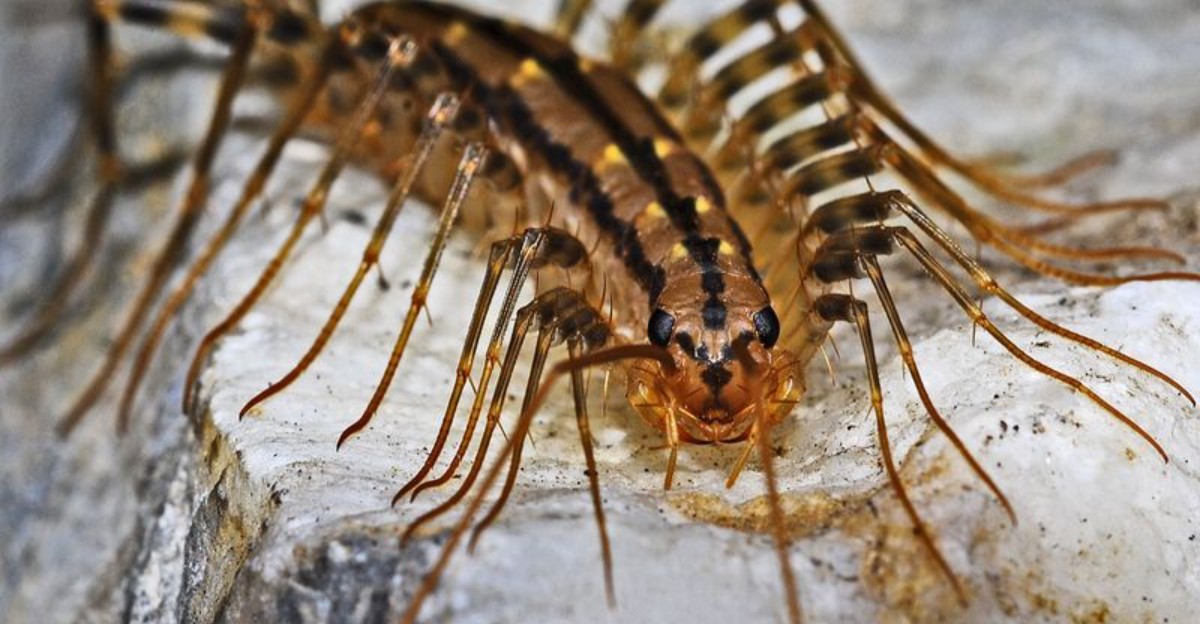
Not going to lie, my first instinct was to grab a shoe. The creature was gone before I even bent down. Its legs looked like a moving fringe, and its antennae seemed longer than its whole body.
Here in Indiana, plenty of us share our damp lower levels with this speedy visitor. It hides by day, hunts by night, and carries venom in a pair of special front claws. I used to think that made it a menace, but my mind changed once I learned what it eats.
So why would any sensible gardener let a venomous, leggy sprinter roam free near the seed starting shelf?
That Leggy Basement Sprinter Has A Name And A Job
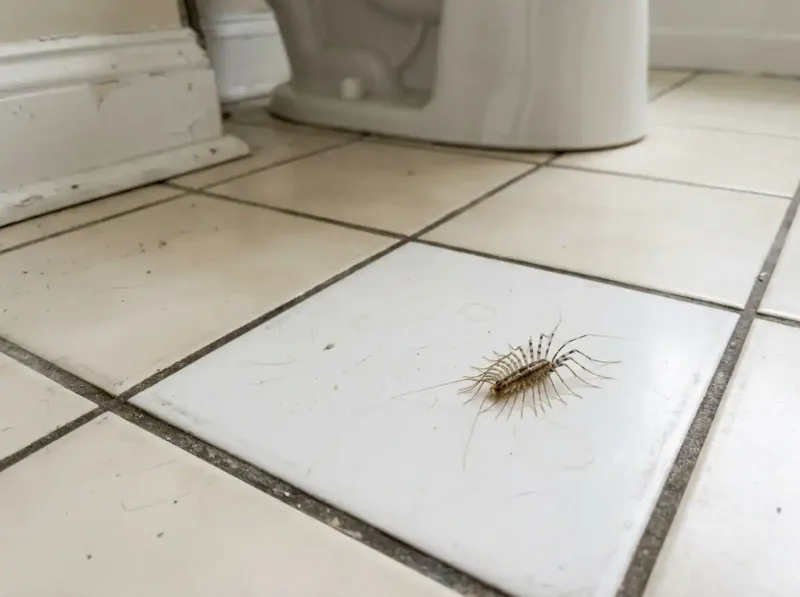
Scientists call it Scutigera coleoptrata, but most folks just say house centipede. Once you know its name, the panic fades a little.
Adults grow about 1 to 1.5 inches long, with a yellowish-gray body marked by three dark stripes down the back. Fifteen pairs of long legs stick out from the sides, and the back pair can look like a second set of antennae. That trick may help confuse anything trying to catch it.
Speed is its signature move. Some sources estimate these centipedes can run around 1.3 feet per second, which explains why your shoe usually lands on empty concrete. They can also scramble up walls and across ceilings with ease.
I’ll admit the look takes some getting used to. Those striped legs almost blur as it runs, like a tiny feather duster with somewhere to be.
Here is the part that surprised me most. That blur is not wandering aimlessly. It is out on patrol, searching for the small insects and spiders that hide in the same dark corners. In other words, the creature you keep meeting near the laundry sink is already working for you, free of charge, every single night.
Those Venomous Front Claws Rarely Bother People
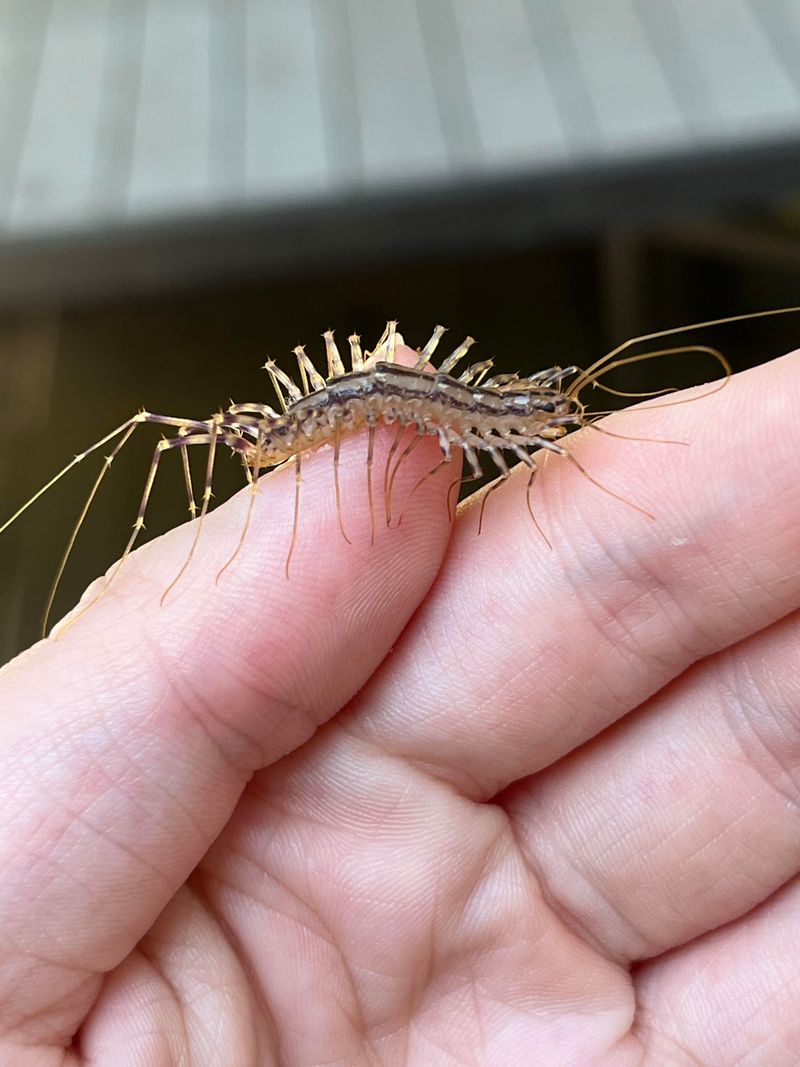
Venom sounds scary, so let’s get the facts straight right away. House centipedes do carry venom, and they deliver it through forcipules, which are front legs changed into pinching claws near the head.
Those claws are built for subduing small prey, not for picking fights with humans. Bites on people are uncommon. They usually happen only when someone grabs, traps, or presses a centipede against skin, like when one ends up inside a shoe or a pile of laundry.
Most people who do get nipped describe something like a mild bee sting. Expect a little pain, redness, and swelling that typically fades within a day or so. Many of these centipedes struggle to even break thick adult skin.
Washing the spot with soap and water and using a cold pack usually handles it. Watch for unusual swelling, trouble breathing, or signs of infection, especially with kids or anyone prone to allergic reactions, and call a doctor if those show up.
Trust me on this one, the safest plan is simple. Skip handling them barehanded and shake out shoes or gloves stored in the basement. Treat the centipede with polite respect, and it will mostly dash away from you.
Cockroaches And Silverfish Are On The House Centipede Menu
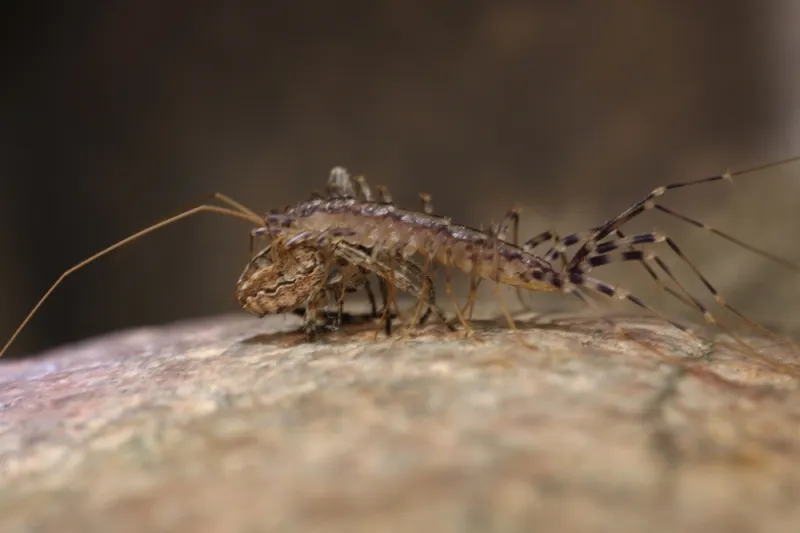
Ever wonder why spider numbers drop in a basement where centipedes live? Their dinner list answers that question fast.
House centipedes are meat eaters through and through. They hunt silverfish, cockroaches, spiders, crickets, flies, moths, carpet beetle larvae, and even termites when they find them. Some reports also mention bed bugs, though centipedes are not a reliable fix for that problem.
Their hunting style is wild to watch. A centipede may leap onto prey, wrap it with several legs at once, and inject venom with those front claws. Researchers have described this as lassoing, since the legs basically corral the victim.
For gardeners, this matters more than you might expect. Many of us keep potting soil, seed trays, cardboard boxes, and stored bulbs in the basement. Silverfish chew paper seed packets, and crickets love clutter, so a quiet predator nearby is a real help.
House centipedes do not chew wood, eat your plants, or raid your pantry. They do not spread diseases to people either, based on current extension guidance. Honestly, it’s tough to find a lower-maintenance helper. You don’t feed it, water it, or even see it most days, yet it keeps working after you flip off the lights.
Lots Of Centipede Sightings Can Point To Hidden Bugs
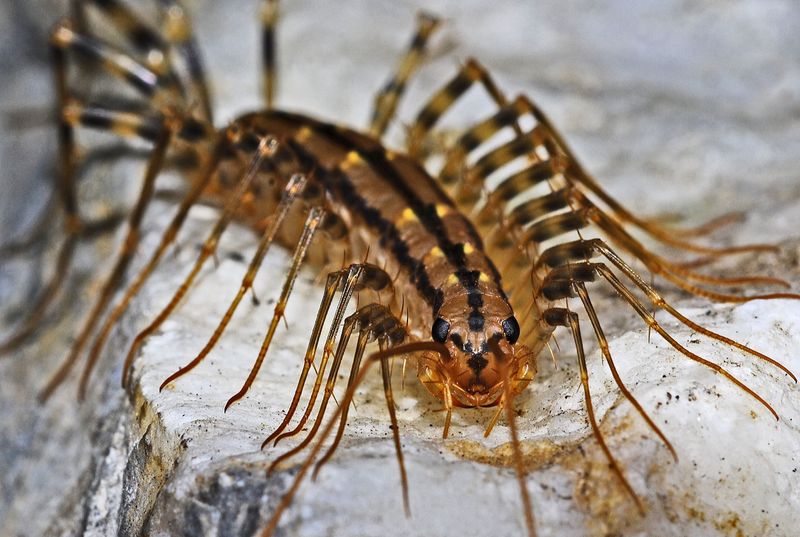
One centipede is a helper. A crowd of them is a clue.
House centipedes go where the food is. If you spot them often, especially in daytime, your basement may be hosting a healthy supply of spiders, silverfish, or other small insects. The centipedes are just following the buffet.
I learned this the hard way after a winter of stacking empty seed flats and old cardboard against the wall. The centipede sightings jumped, and when I cleaned up, I found silverfish and spider webs tucked behind everything.
So instead of blaming the hunter, check the hunting ground. Look along baseboards, under shelves, inside boxes, and near sump pits or floor drains. Sticky traps placed in corners can show you exactly what else is crawling around down there.
Purdue Extension and other university sources suggest that controlling the prey insects often reduces centipede numbers naturally. Fewer meals mean fewer reasons to stick around.
This approach works better than spraying at every sighting. Store-bought sprays rarely reach the cracks where these creatures rest. Fixing the real problem makes your basement less inviting for every leggy guest, not just the fast one.
Damp Basements And Crawl Spaces Are Centipede Heaven
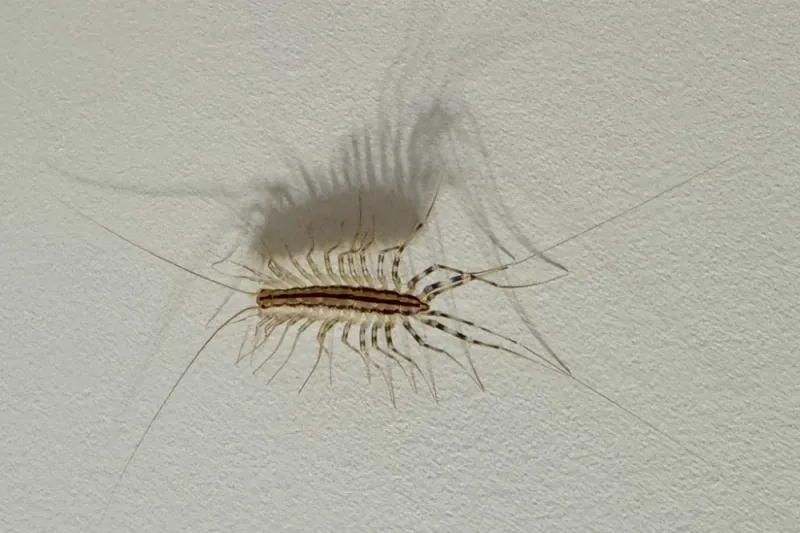
Moisture is the magic word here. House centipedes originally came from the Mediterranean region, and they need humid spots to keep from drying out.
Basements, crawl spaces, bathrooms, and laundry areas fit the bill perfectly. Many Indiana homes sit on clay soils that hold water, and humid summers add even more dampness below ground. Leaky pipes and floor drains make things cozier still.
Outdoors, these centipedes hide under mulch, firewood, stones, and leaf piles. When fall nights turn chilly, some wander inside looking for a steady, mild climate. You may notice more of them in spring and fall when weather swings send them moving.
They are nocturnal, which is why you usually catch them when you flip on a light late at night. They freeze for a second, then zoom toward the nearest crack.
It took me a while to notice the pattern in my own house. Every sighting happened near the old floor drain or the corner where the window well seeps after rain.
Pay attention to where yours show up. Those spots often reveal exactly where your basement holds extra moisture, which helps you target repairs instead of guessing.
A Dehumidifier And Caulk Gun Keep Centipede Numbers Reasonable
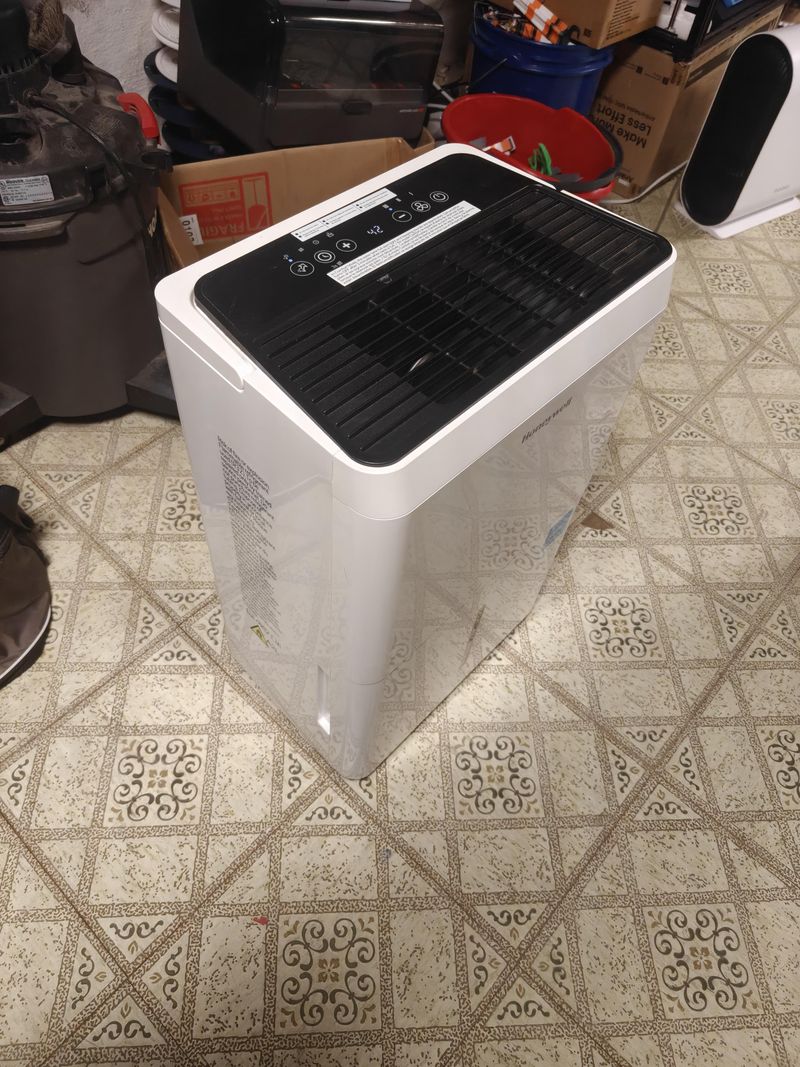
Guilty as charged, I once chased centipedes with a broom for an entire evening. A dehumidifier ended up doing far more than my broom ever did.
Aim to keep basement humidity around 50 percent or lower. A basic hygrometer costs only a few dollars and shows you the number at a glance. Running a dehumidifier during muggy months makes the space less friendly to centipedes and the bugs they eat.
Next, look for gaps. Seal cracks in the foundation, gaps around pipes, and loose spots around basement windows with caulk. Add weatherstripping to doors and make sure dryer vents and window wells close up properly.
Outside, pull mulch and leaf litter a few inches back from the foundation. Stack firewood away from the house and off the ground. Clean gutters and point downspouts away from the walls so water drains off instead of soaking in.
Inside, swap cardboard boxes for plastic bins with tight lids. Keep stored seed packets and garden supplies off the floor.
None of this requires harsh chemicals. You end up with a drier, tidier basement, and the centipedes that stay behind can still handle the occasional stray spider.
Give That House Centipede A Little Grace Next Time
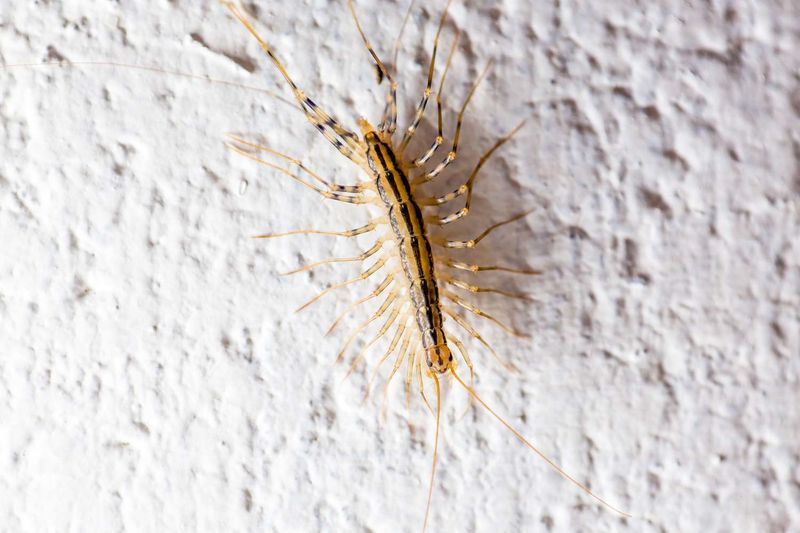
My basement truce began with one simple rule. If the house centipede stays in the basement, it gets to keep its job.
Plenty of homeowners feel the same way after learning what these hunters do. They catch the creepy crawlies you dislike even more, and they rarely cause harm to people, pets, plants, or the house itself.
Of course, comfort levels vary. If one shows up in the bedroom or bathtub, trap it under a cup, slide paper underneath, and move it back to the basement or outside. Avoid grabbing it by hand, and know that its legs can break off easily when handled roughly.
If you see centipedes nonstop despite fixing moisture and clutter, it may be time to call a licensed pest professional. They can identify other insects feeding the population and target the real source.
For most of us in Indiana, a few speedy visitors are simply part of living with a basement. A small number usually means your home has a natural pest patrol on duty.
So next time one zips past your canning shelf, pause before reaching for the shoe. That leggy little hunter is probably doing you a favor tonight.