The Spider Maryland Residents Fear Most Barely Lives In The State
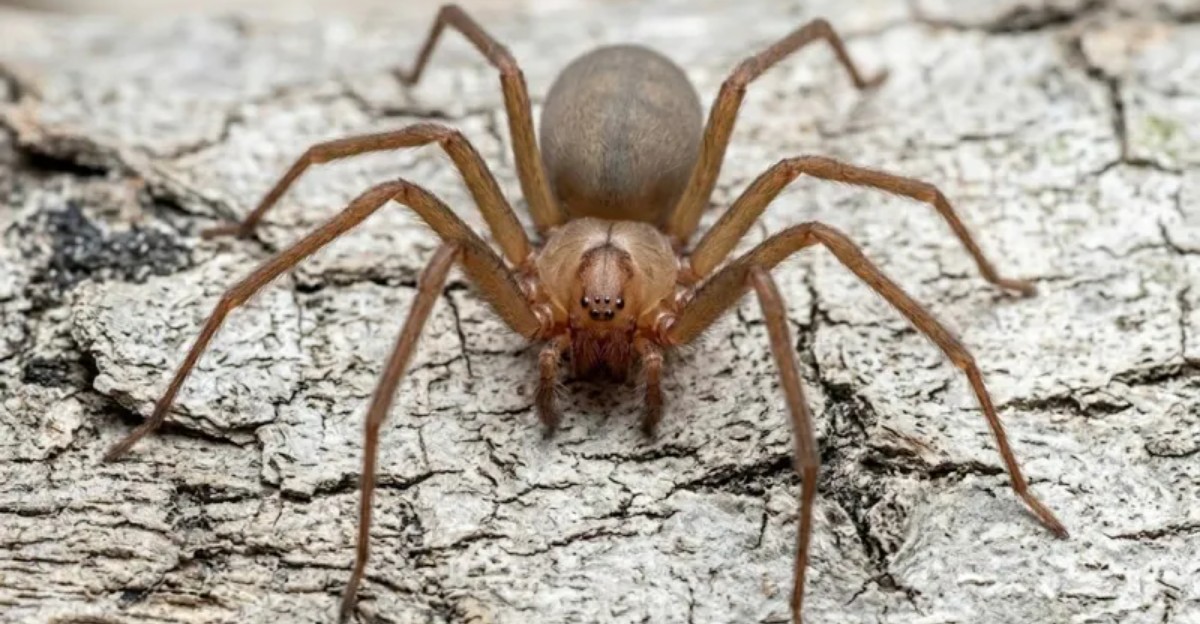
Spider experts who checked brown recluse reports from across the country found that real specimens are rare outside the species’ native range.
I’ll admit it, that stopped me cold. I’ve flinched at plenty of brown spiders scurrying out of my garden shed, sure I’d met the villain from every scary news story.
Here’s what gets me. In Maryland, this feared hunter turns up mostly as a stowaway, riding in on moving boxes from states where it truly belongs. Meanwhile, a shiny native spider with a famous red mark quietly lives in our woodpiles. Doctors also say many so-called bites are really skin infections in disguise.
So why do so many of us still panic at every brown blur near the tomato cages? And which eight-legged neighbor actually deserves a second look before you reach for those gloves?
That Brown Spider In Your Shed Has A Reputation It Didn’t Earn
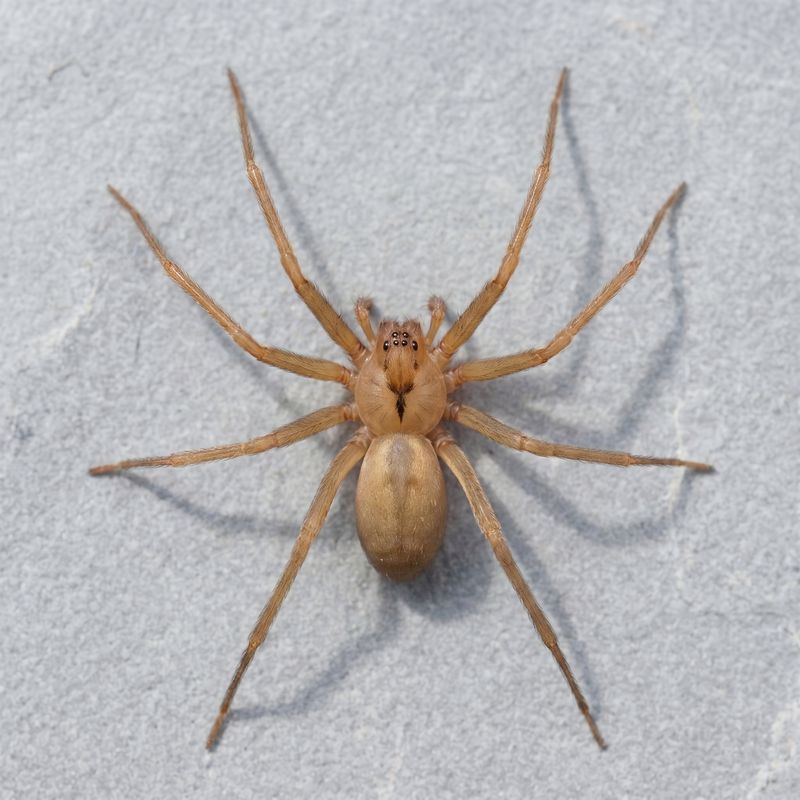
Ask a room full of gardeners which spider scares them most, and one name pops up fast. The brown recluse has a fearsome image built on stories of ugly wounds and emergency room visits.
Fair enough, nobody wants a nasty surprise while digging in the mulch. Still, that fear has traveled much farther than the spider itself. The brown recluse lives mainly in the south central United States, in states like Missouri, Kansas, Oklahoma, Arkansas, and Tennessee.
Maryland sits outside its natural range. Experts at university extension programs, including University of Maryland Extension, agree that this species is not established here. When one does show up, it is usually a lone traveler, not part of a local population.
So why the panic? Part of it comes from the internet, where scary photos spread faster than facts. Part of it comes from doctors and patients guessing about mystery sores.
Another piece is simple. Lots of brown spiders live in our yards, and to a nervous eye, brown plus eight legs equals danger.
Once you know where this spider truly lives, those garage encounters start looking a lot less scary. The real story is calmer than the rumors suggest.
Brown Recluses Arrive As Hitchhikers In Moving Boxes
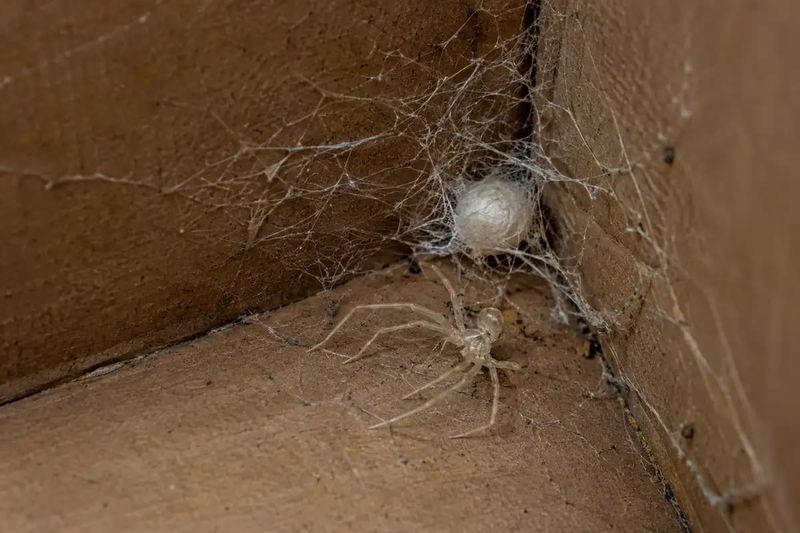
Moving trucks are the brown recluse’s favorite ticket east. These spiders love quiet, dark spaces, and a sealed cardboard box stored in a Midwest attic is basically a five-star hotel.
When families relocate to Maryland, a spider or two can ride along tucked inside furniture, boxes, or stored clothing. Shipments and packages can carry them too. That explains the rare, real finds that pop up from time to time.
One hitchhiker rarely turns into an infestation, though. Our colder winters and the lack of an established population make it hard for them to settle in. Most sightings stay isolated cases.
Want to lower the odds even more? Try these simple habits when unpacking:
Open boxes in a bright area, not a dark basement corner. Shake out stored linens and clothes before using them. Break down empty cardboard quickly instead of stacking it for months.
Plastic bins with tight lids also beat cardboard for long-term storage in a garage or shed. They give spiders fewer hiding spots.
If you did move from Missouri or Oklahoma recently, a careful look through your stored items is smart. For everyone else, the chance of meeting one is quite slim.
The Black Widow Is The Native Spider Worth Respecting
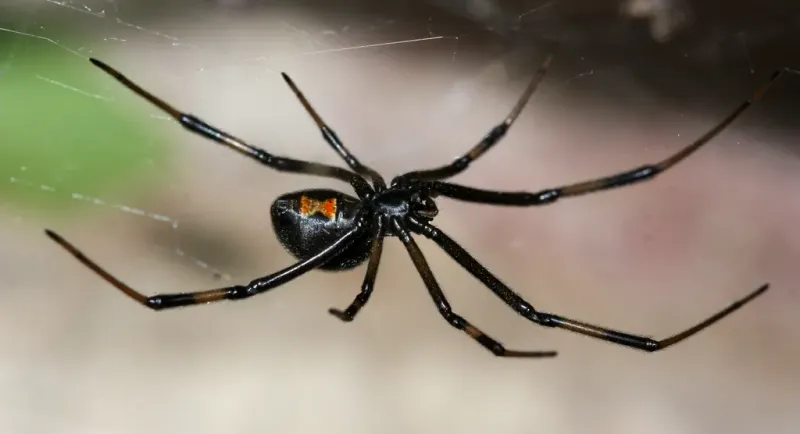
Shiny as patent leather, the female black widow is the native Maryland spider that truly deserves caution. Both the northern black widow and the southern black widow are native here.
Spotting her is pretty easy once you know the signs. Look for a glossy black body about half an inch long with a red or orange hourglass on the belly. Northern widows often show a broken hourglass and red spots along the back.
She builds messy, tangled webs close to the ground. Woodpiles, rock walls, sheds, water meter boxes, and the underside of patio furniture are classic spots. She is shy and prefers to stay hidden.
Her venom affects the nerves. A bite can bring muscle cramps, sweating, nausea, and stiff belly pain. Serious outcomes in healthy adults are rare, but children, older adults, and people with health problems face higher risk.
If a bite happens, wash the area, apply a cool pack, and call Maryland Poison Center at 1-800-222-1222 or see a doctor. Try to safely capture the spider for identification.
A non-native brown widow has also been found in parts of the region. Its hourglass is orange, and its egg sacs look spiky.
Wolf Spiders Get Blamed For Recluse Crimes They Didn’t Commit
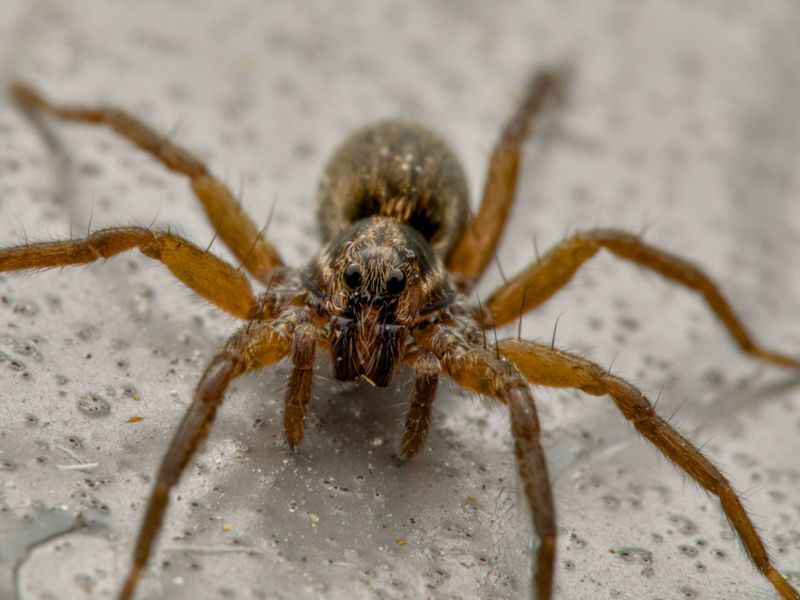
Big, hairy, and fast, the wolf spider is the usual suspect in mistaken recluse reports. It hunts on the ground at night and often dashes across basement floors or garden paths.
Telling them apart takes a closer look, but it is doable. A brown recluse has six eyes arranged in three pairs, smooth tan legs, and a dark violin shape on its front body section. Wolf spiders have eight eyes, with two big ones that shine when hit by a flashlight.
Wolf spiders also carry stripes and mottled patterns, plus hairy, banded legs. Mothers even haul their babies on their backs, which is a fun sight if you catch it.
Fishing spiders near ponds, grass spiders in funnel webs, and common house spiders also get mislabeled. None of them pose any real threat to people.
A handy trick is to snap a clear photo and send it to University of Maryland Extension through its Ask Extension service. Experts there can usually name the spider quickly.
Try a flashlight walk through the yard on a warm evening. Those glittering green eye shines are wolf spiders hunting, and honestly, they are fascinating once the fear fades.
That Red Sore On Your Arm Probably Isn’t A Spider Bite
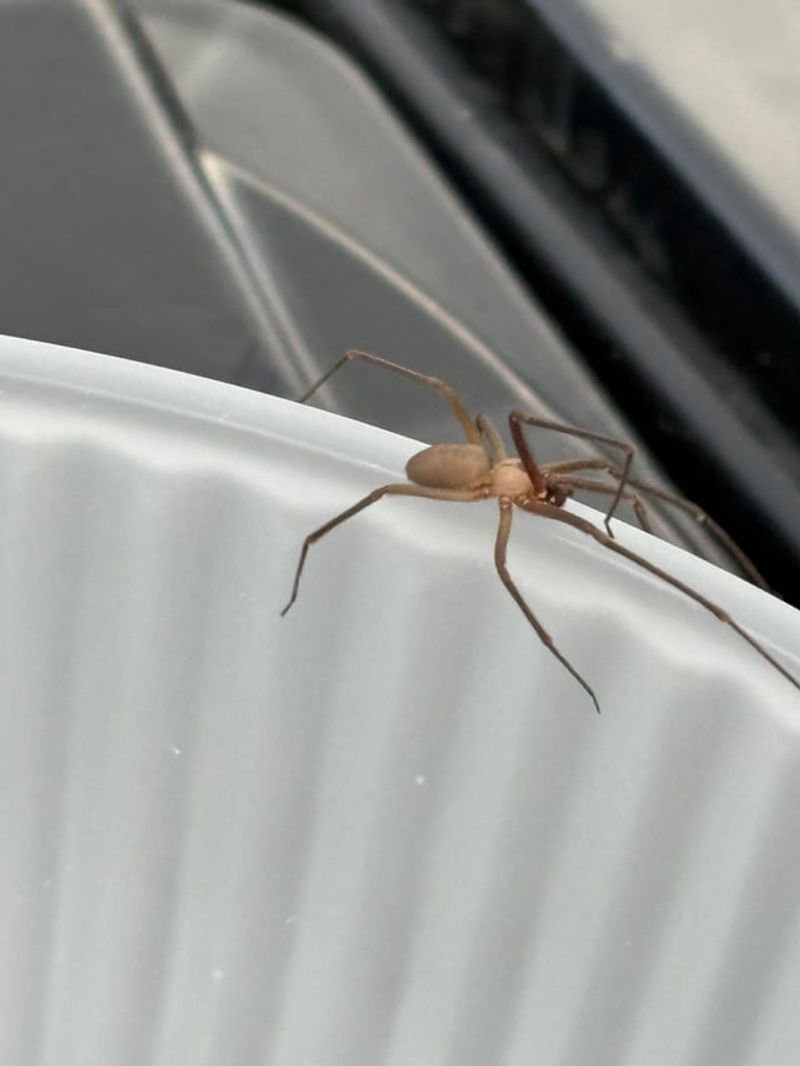
Plenty of people wake up with a swollen red bump and instantly blame a spider. Doctors and researchers say that guess is wrong much of the time.
Bacterial skin infections, especially MRSA, often look like the classic spider bite. They can turn red, warm, and painful, sometimes with a pus-filled center. Treating them as a bite can delay the right care.
Other culprits show up too. Fleas, bedbugs, mites, and mosquitoes all leave marks. If you see several bites in a cluster or a line, a spider is an unlikely cause, since spiders rarely bite more than once.
Even true brown recluse bites are often mild. Only around one in ten leads to the serious skin breakdown people fear.
So what should you do with a worrying sore? Watch for spreading redness, fever, red streaks, or increasing pain. Any of those signs mean it is time to see a healthcare provider right away.
Tell the doctor honestly if you never saw a spider. That detail helps them consider infection and order the right test. Saying “spider bite” by default can steer care in the wrong direction, and accurate information speeds healing.
Garden Spiders Are Quietly Guarding Your Tomatoes
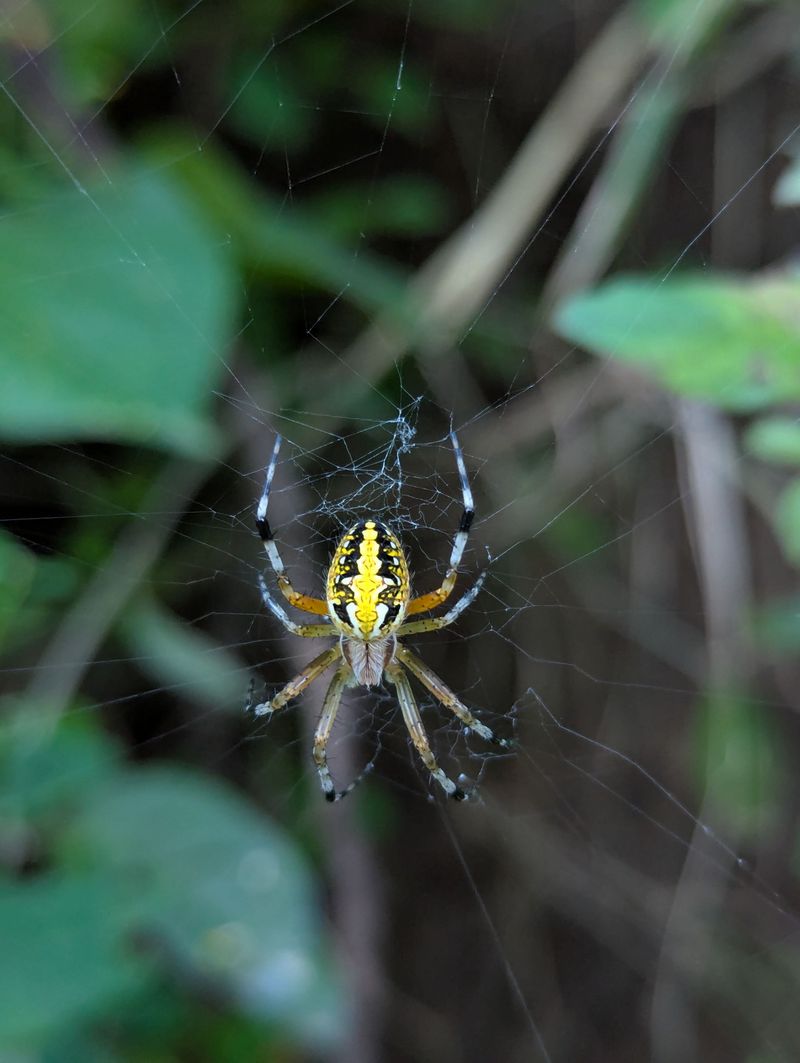
Late summer mornings often reveal a giant zigzag web stretched between my tomato stakes. The yellow and black garden spider in the middle is one of the best pest patrols I could ask for.
Spiders feed on aphids, flies, mosquitoes, leafhoppers, caterpillars, and beetles. Researchers estimate the world’s spiders eat hundreds of millions of tons of insects each year. That adds up to real help for your veggies.
Activity peaks in late summer and early fall. Males wander looking for mates, and females build egg sacs, so you’ll notice more webs right now than in spring.
Want to keep these helpers around? A few easy steps make a big difference:
Skip broad insecticide sprays, which harm spiders along with pests. Leave some mulch, leaf litter, and taller plants for shelter. Let a few webs stay up in corners of the garden that you rarely brush past.
Fun fact: the yellow garden spider often eats its own web each night and spins a fresh one by morning. It recycles the silk proteins, which is pretty clever housekeeping.
Give your eight-legged crew a little space, and your harvest may thank you.
Tidy Woodpiles And Shaken Gloves Keep Black Widows Away
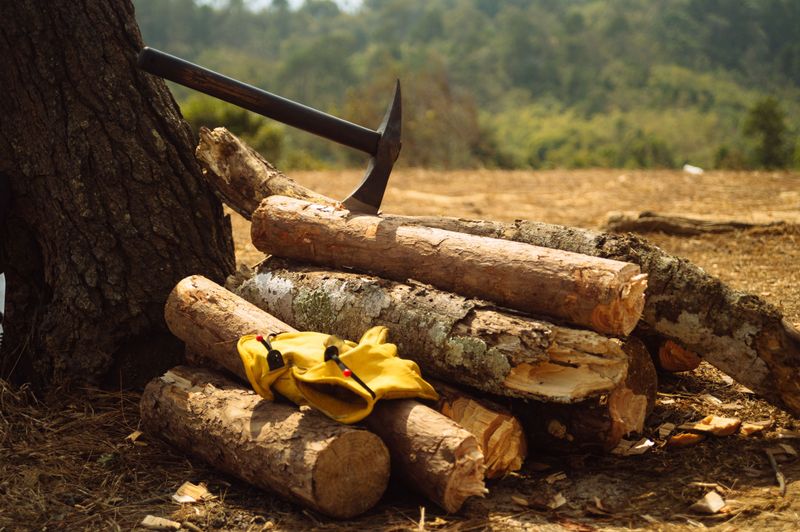
Gardening gloves left in the shed for weeks are a classic black widow hiding spot. A quick shake before slipping them on is the easiest safety habit you can build.
Black widows love clutter, so cutting it back works wonders. Stack firewood on a raised rack, at least a few feet from the house. Bring in only what you will burn that day.
Clear old pots, boards, and tarps from shady corners. Check under patio furniture and grill covers now and then. Wear gloves whenever you reach into rock walls, meter boxes, or stacked lumber.
Inside, seal cracks around the foundation, doors, and windows. Weatherstripping and good screens keep many wanderers outside. Shoes stored in garages deserve a tap upside down before wearing.
If you find a widow, you can remove it carefully with a jar or vacuum, or simply knock down the web and egg sacs with a long stick. Spraying the whole yard is rarely needed.
The bigger takeaway is calm awareness. Respect the one native spider with medically significant venom, ignore the rumor-driven recluse panic, and welcome the many helpers protecting your plants. Peace in the garden starts with knowing who really lives there.