The Tiny Venomous Snake Arizona Gardeners Rake Right Past In Gravel And Leaf Litter
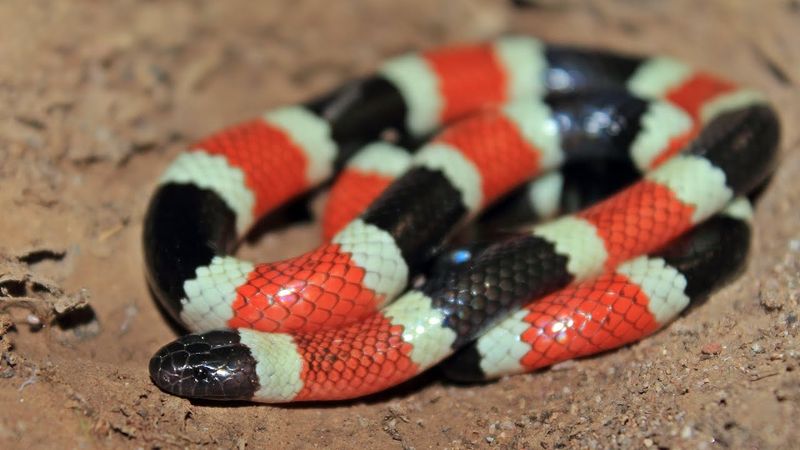
A snake shorter than most school rulers can carry venom that affects the nervous system. It wears bright bands that look like candy stripes, yet it keeps a very low profile.
Many Arizona homeowners have never knowingly seen one. Let’s get to know this small desert native, sort out what is known about where it lives, and cover simple habits that keep you safe outside.
Which Snake Does the Evidence Identify?
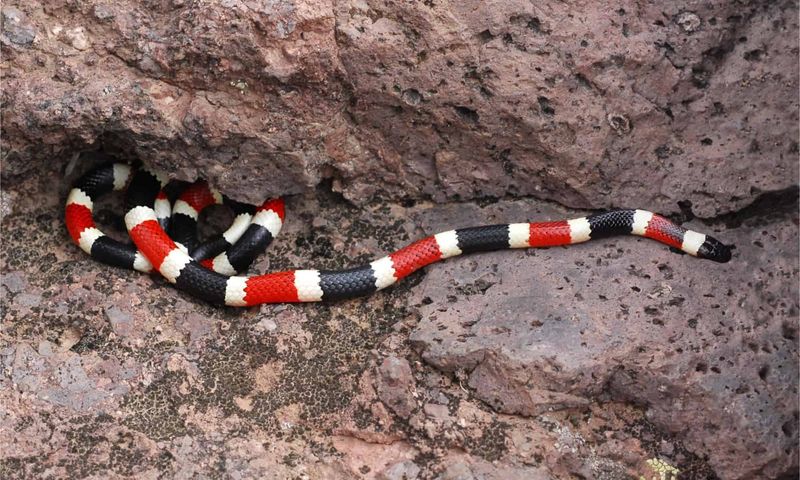
The snake in question is the Sonoran coral snake, also called the Arizona coral snake, and its scientific name is Micruroides euryxanthus. It is a small venomous species found across much of southern Arizona.
Size is part of its story. The Reptiles and Amphibians of Arizona field guide reports lengths up to 24 inches, while the Arizona Poison and Drug Information Center says the snake averages under two feet.
Those two numbers fit together: most adults are shorter than two feet, and 24 inches is the largest length reported.
Keep in mind that these facts name the subject of this article. They do not describe every small, banded snake you might spot near your home.
Arizona has several slender snakes with colorful patterns, and a quick glance rarely settles which one you are seeing.
As for the title, a catchy line about gardeners raking past this snake is not backed up by the sources. We will sort out what is actually documented in the sections ahead.
Recognize Its Markings Without Moving Closer
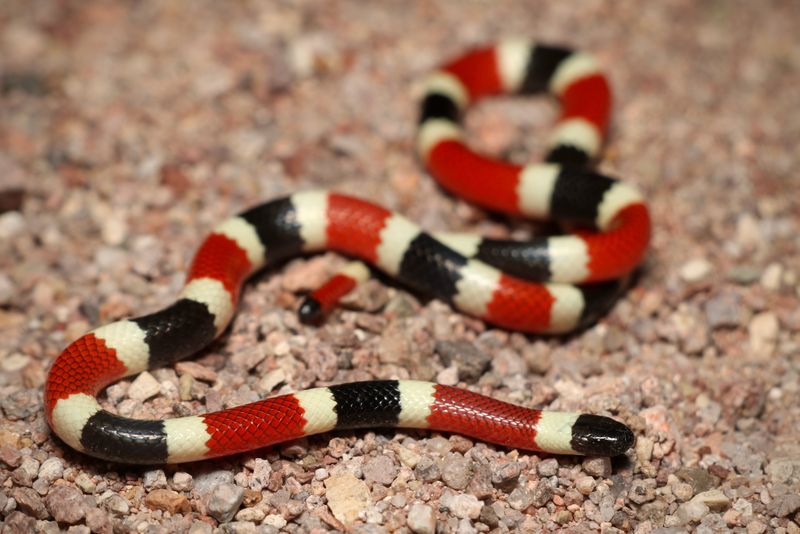
Its look is striking. The body carries red, yellow or cream, and black bands that fully encircle it, and the head and snout are black.
Those details come from Arizona species accounts such as this field guide entry. They are handy for reading about the snake at your kitchen table, not for checking a live one in the yard.
Look-alikes make casual identification tricky. The University of Arizona Poison Center, in its vertebrates reference, describes harmless snakes that share similar colors, so a banded snake is not automatically a coral snake.
The practical move is simple. If you see a colorful snake, stay back and let it go on its way.
Do not step closer to count bands, and do not trust a memory rhyme to decide whether a snake is safe. A photo taken from a good distance can help an expert identify it later.
What Its Documented Habitat Tells Us
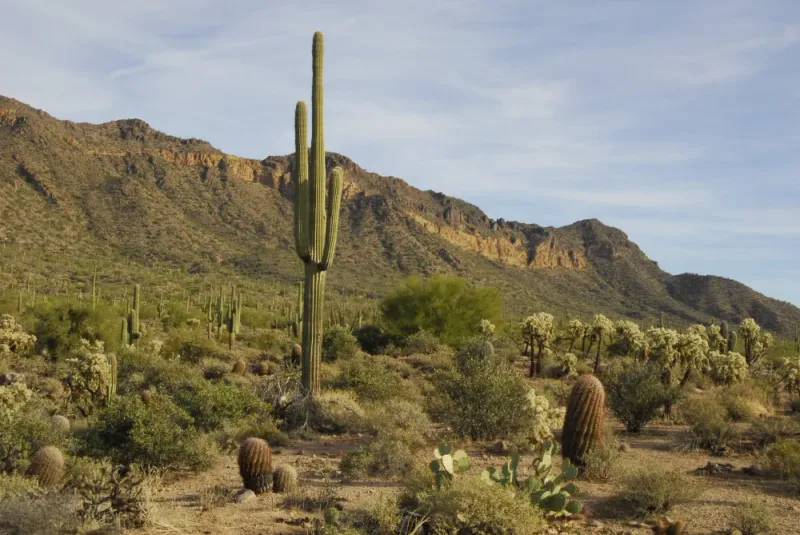
Field guides place this snake in rocky or gravelly drainages, mesquite-lined washes, and canyons. Its range covers much of southern Arizona, generally below about 6,000 feet, according to the Arizona field guide.
That is natural desert terrain, and it matters to separate it from a landscaped yard. Gravel in a wash is not the same as decorative gravel around a patio, and a leaf pile under a shrub is not a documented home for this species.
So the title’s picture of gardeners routinely raking past this snake is not established. Nothing in the sources shows that these snakes commonly live in residential gravel beds or leaf litter, or that yard encounters are common.
If your property borders a wash or natural desert, it is reasonable to know what lives nearby. For most city and suburban lots, general outdoor care is plenty.
When the Snake May Be Active
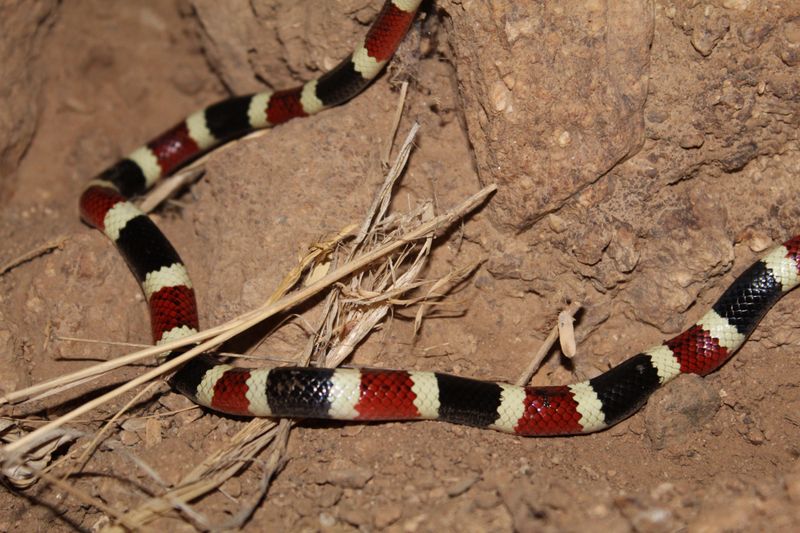
Evenings are the likelier time. The species is primarily nocturnal or crepuscular, meaning it is mostly active at night and around dawn and dusk, as described by the Arizona-Sonora Desert Museum.
The field guide adds that it may be active at other times when conditions are favorable. That leaves room for surprises, so the snake is not strictly a night-only animal.
What does this mean for your outdoor work? Mostly it is a reason to stay alert, especially in low light when you cannot see the ground well.
A headlamp or flashlight is a smart tool on twilight walks near natural desert.
It does not mean the snake visits yards, and it does not point to a particular season for encounters. The sources give no such pattern, so plain awareness is the sensible approach.
Check Unseen Cover Before Reaching
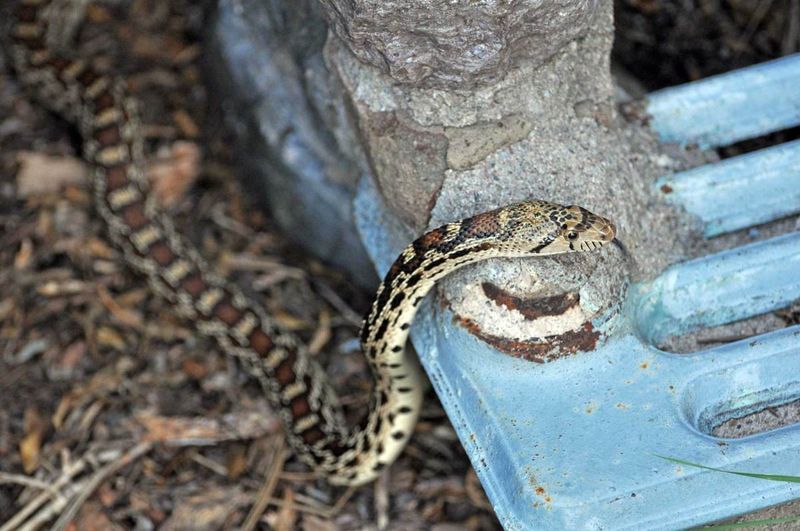
Good habits beat guesswork. Avoid putting your hands into unseen cover such as rock piles, woodpiles, or dense debris, and never reach in blind.
The Phoenix Herpetological Society suggests checking an area with a rake before reaching into it. Gloves, closed shoes, and good light add a layer of care.
This is general safety advice for any snake, not proof that coral snakes commonly shelter in garden debris. It simply covers the many things that can hide in tight spaces.
If you do find a snake, give it room. The City of Scottsdale advises watching from at least six feet away, not trying to capture it, and contacting a local relocation resource if needed.
Never handle the snake yourself.
Small Does Not Mean Harmless
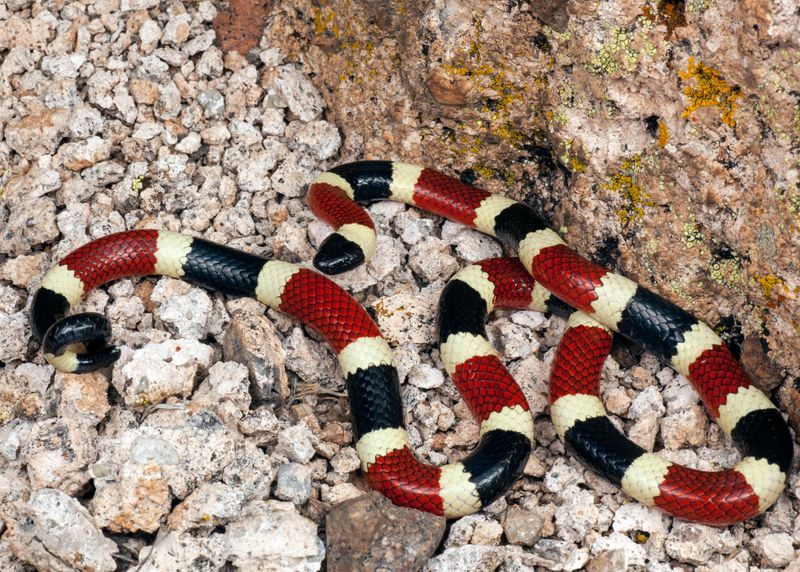
Size can fool people. The field guide says the species delivers neurotoxic venom and should not be handled, so a short snake still deserves respect.
There is some reassurance from the Arizona Poison and Drug Information Center, which reports that significant bites are rare and that no death has been attributed to this Arizona species. That is useful context, but it is not a reason to shrug off a bite.
You may also come across a 2024 study of coral snake bites. That study combined suspected bites involving three North American coral snake species, so its overall outcomes cannot be assigned to Sonoran coral snakes specifically.
It also noted that Arizona reports were comparatively few. The takeaway is steady caution without panic.
Get Medical Help After a Suspected Bite
A suspected bite calls for prompt medical attention. Seek care even if it looks minor or no symptoms have shown up yet.
The Arizona Poison and Drug Information Center notes that symptoms may be delayed and advises taking the victim to a medical facility. Its page lists current contact options, so save that number before you ever need it.
Beyond getting evaluated, there are no extra first-aid steps to add here. Leave treatment to the medical professionals and the poison center.
To keep the whole picture clear, this is a venomous species, but the sources do not establish it as a routine hazard in landscaped yards. Respect it, keep your distance, and the desert’s quiet little banded snake can stay a mystery.