How To Prevent Peach Leaf Curl In California Before The Winter Rains Begin
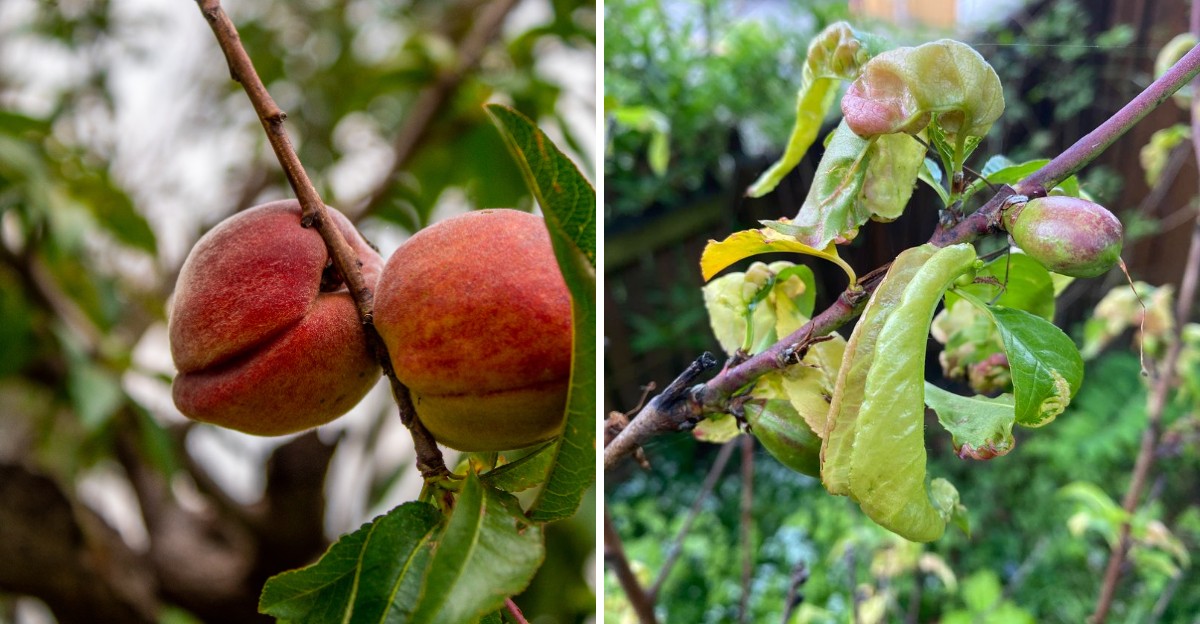
Leaves that open blushing red and puffed up like bubble wrap carry a surprising backstory. That trouble slipped in months earlier, while the branches stood bare and dripping in winter rain.
I find it sneaky in the most impressive way. A tiny fungus naps on bark and buds through summer and fall. Rain then washes it into the buds right as they start to swell. Once those leaves pucker, no spray can smooth them out again.
My own tree once looked like it lost a fight with a curling iron. I marched out with a sprayer in April, feeling very heroic, and accomplished absolutely nothing.
In much of California, the last leaves are dropping right now, and that bare stretch matters more than it looks.
Leafless branches rarely look like a to-do list. Still, a few chilly afternoons could decide how sweet next summer tastes.
Those Puckered Red Peach Leaves Started Months Ago
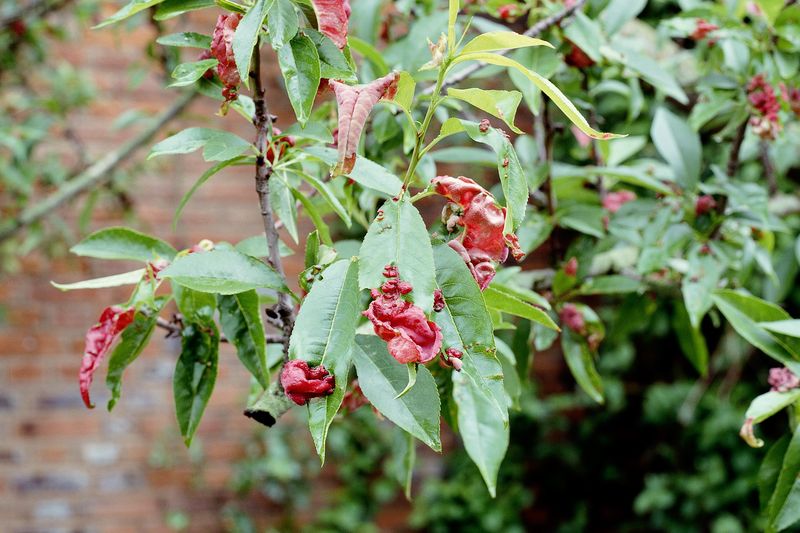
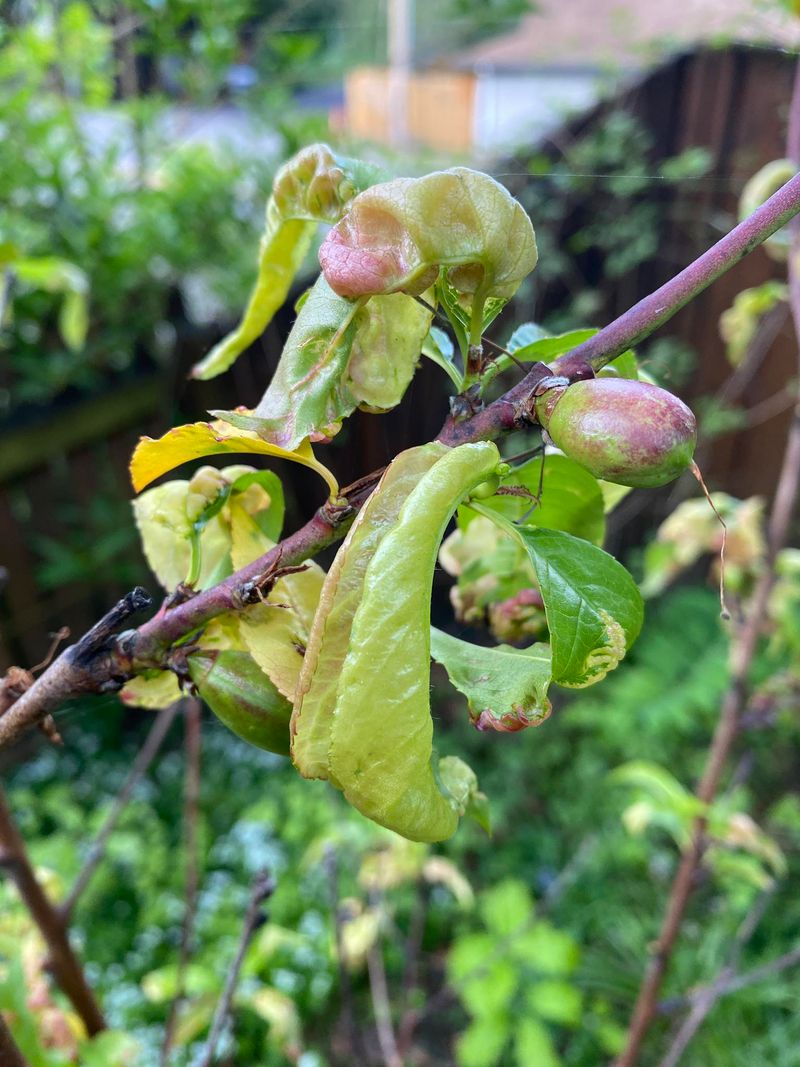
Spring should feel like a reward for peach growers. Instead, some of us walk outside and find leaves that look blistered, wrinkled, and blushing bright red or pale yellow.
That odd look comes from a fungus called Taphrina deformans. It makes infected leaves grow thick and distorted, almost like they were inflated. Later, a dusty gray-white coating of spores can appear on the surface before the leaves turn brown and drop early.
Here is the surprising part. The infection did not happen that week. According to UC Integrated Pest Management, spores rest on bark and buds through summer and fall, then get carried into buds by rain during late winter as those buds begin to swell.
Losing that first flush of leaves forces the tree to spend stored energy growing a second set. Fruit may drop or stay small, and new shoots can stall. Peaches and nectarines both get hit, so nectarine owners should pay attention too.
I like to think of the curled leaves as a delayed message. They tell you what the weather and the fungus were doing months earlier. Once you understand that delay, the whole plan for prevention starts to make sense.
Bare Peach Branches Are Your Best Chance To Spray
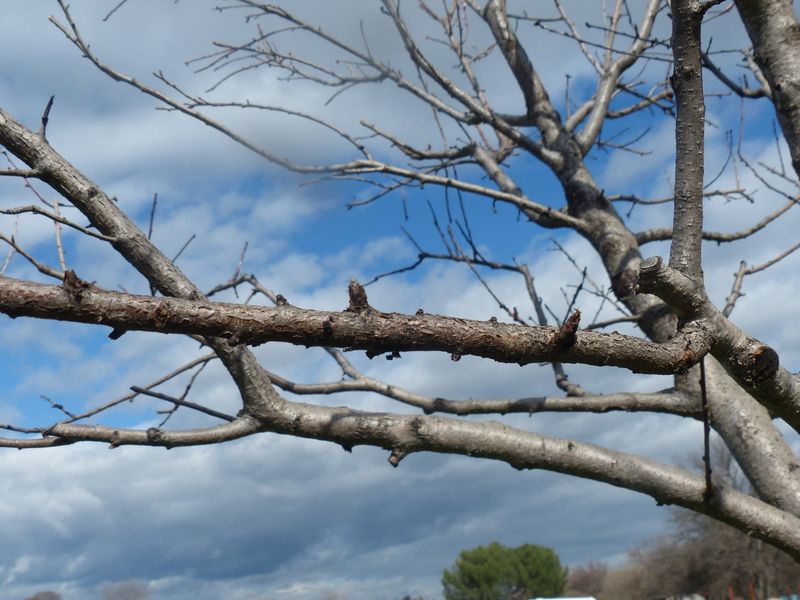
Timing beats everything with this disease. Once those leaves curl, no spray can flatten them again, so the protection has to be in place before the fungus gets inside.
UC experts recommend spraying after the leaves have fallen in late fall or early winter. Many gardeners in Northern California aim for late November or early December, after leaf drop. Southern California growers often wait until December or early January because trees go dormant later there.
The other key moment comes before bud swell. When buds start to puff up and show a hint of color in late winter, the window is closing fast. If you missed the fall spray, a single application right before swell can still help a lot.
Some years bring heavy rain in late winter. In those years, a second spray as buds begin to swell gives extra coverage, since rain can wash residue away over time.
Watch the forecast before you head out. You want at least a day or two of dry weather so the spray can stick to the bark. Spraying right before a storm mostly means your effort ends up in the soil.
Copper Sprays And Other Dormant Treatments That Actually Work
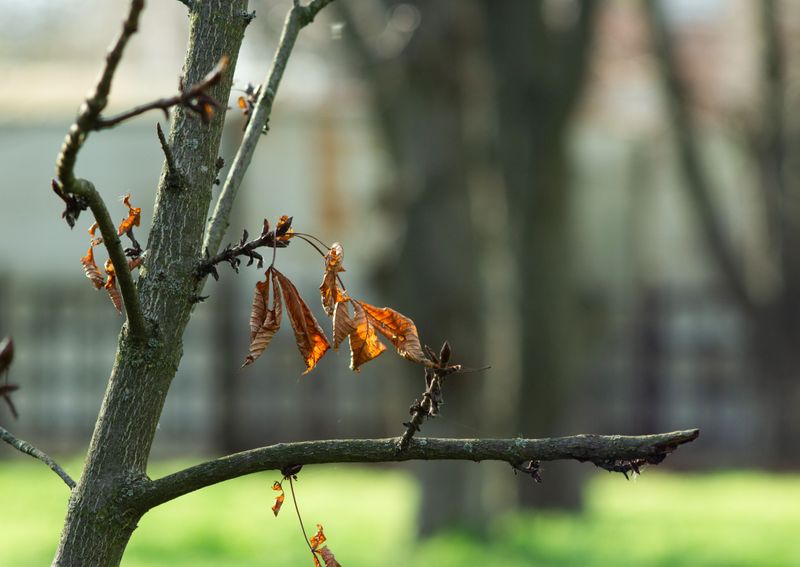
Walk into any California garden center in November and you will spot shelves of fungicides. Only a few are truly helpful for leaf curl, so reading labels pays off.
Copper products are the go-to option for home gardeners. Fixed copper and Bordeaux mixture are both recommended by UC, and many are approved for organic gardening. Look for labels listing peach leaf curl and a decent amount of metallic copper.
Professional growers often use chlorothalonil or ziram. UC research shows these work well, but some products are restricted or simply not sold for home use. Lime sulfur used to be popular, though it is much harder to find for home gardeners now.
Coverage matters as much as the product. Soak every twig, bud, and branch crotch until the spray drips, because the fungus hides in tiny bark crevices. A pump sprayer with a long wand makes reaching the top of the tree easier.
Personally, I suit up with gloves, goggles, and long sleeves before I start. Copper can irritate skin and eyes. Follow the label exactly, keep pets away, and avoid spraying near ponds or storm drains where runoff could harm aquatic life.
Winter Rain On Peach Buds Is What The Fungus Waits For
Rain is the delivery truck for peach leaf curl. Without moisture, spores mostly sit still and do nothing.
UC IPM notes that infection needs free water on the buds, and cool weather helps it along. Spores splash and wash into the bud scales during rainy spells. Long, gentle rains that keep twigs wet are especially risky.
Temperature plays a role too. The fungus can infect when it is fairly cool, and chilly spring weather slows leaf growth. Slow-growing leaves stay vulnerable longer, which is why a cold, wet spring often brings the worst outbreaks.
Dry springs tell a different story. In years when February and March stay sunny, many trees show little curl even without much care. That luck is hard to predict, so most gardeners spray anyway.
Regional climate matters across the state. Coastal and Northern areas with steady rain see more trouble, while drier inland valleys and desert zones may have milder years.
You can also cut moisture risk a little. Skip overhead sprinklers on peach trees during cool months, and keep the tree’s canopy open so wet branches dry faster after each storm passes.
Pruning Your Peach Tree Open Helps Branches Dry Out
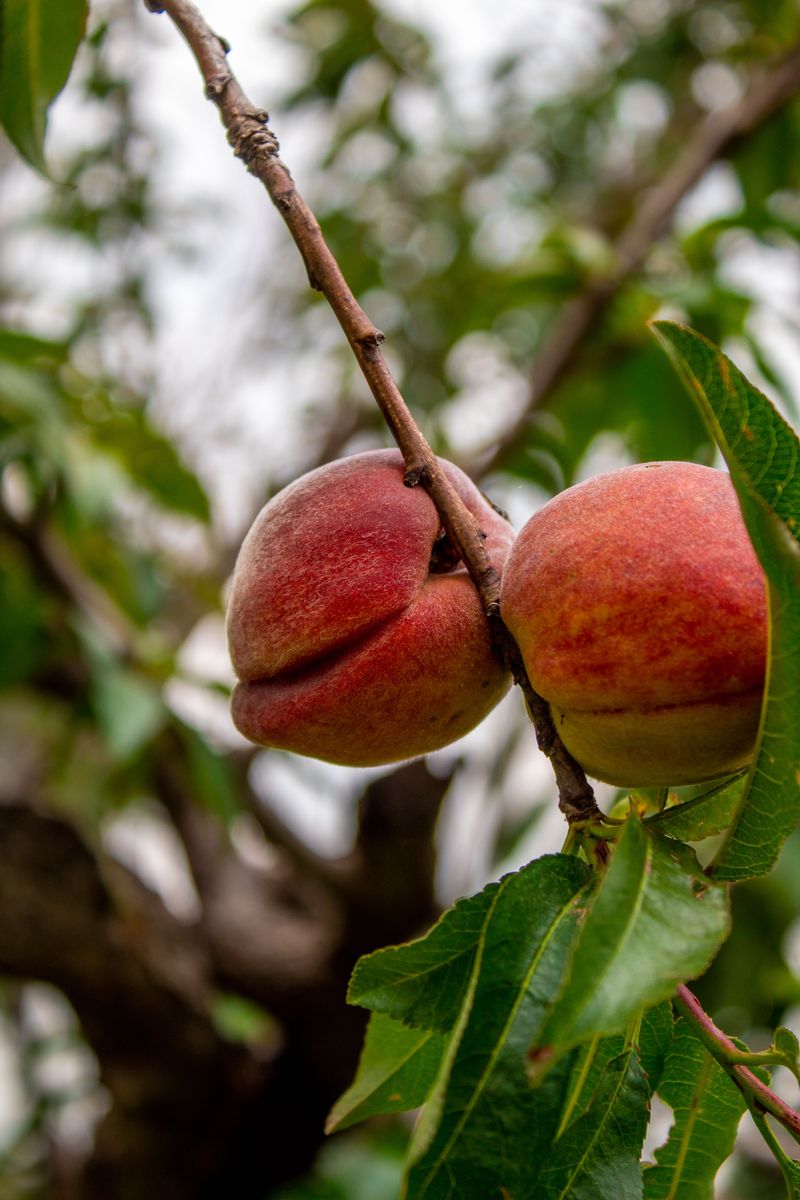
Good airflow is a quiet hero in the orchard. A peach tree shaped like an open vase lets sunlight and breezes move right through its center.
Peaches are usually pruned in the dormant season, and many California gardeners do it in winter alongside spraying. Remove crossing branches, crowded shoots, and anything growing straight into the middle. The goal is a bowl shape with plenty of space between limbs.
Why does this help? Branches that dry quickly after rain give spores less time to work. Pruning will not stop leaf curl by itself, but it supports your spray plan and makes coverage much easier.
A smart trick is to prune first, then spray. You will have fewer twigs to cover, and the spray will reach the remaining buds better. Clean your pruners with rubbing alcohol between trees to keep other diseases from spreading.
Peaches fruit on wood grown the previous year. Removing about a third to half of last season’s growth keeps fresh fruiting wood coming. That steady renewal also keeps the tree vigorous, which helps it bounce back faster if some curl shows up in spring anyway.
Raking Up Fallen Peach Leaves Is Still A Smart Habit
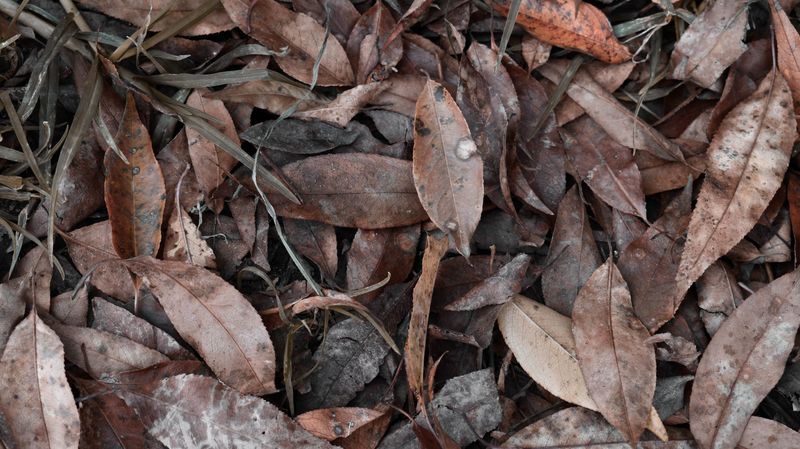
Autumn cleanup feels like a chore, yet it gives your yard a fresh start. Under a peach tree, a tidy patch of ground is worth the few minutes.
Spores of the leaf curl fungus mainly overwinter on bark and buds, not in the leaves on the ground. So raking alone will not solve the problem. Still, clearing debris reduces other fungal issues like shot hole and brown rot, which often show up alongside curl.
Pick up mummified fruit hanging on branches or lying on the soil. Those shriveled peaches can carry brown rot spores into next season. Bag them up and toss them in the green waste bin or trash instead of your home compost.
A clear area under the tree also makes spraying easier. You can walk around the trunk freely and see exactly where the drips land.
Toss a light layer of fresh mulch afterward, keeping it a few inches away from the trunk. That helps the soil hold moisture and keeps roots cozy through winter. I find this simple routine sets a calm tone for all the winter tree work that follows.
Some Peach Varieties Shrug Off Leaf Curl Better
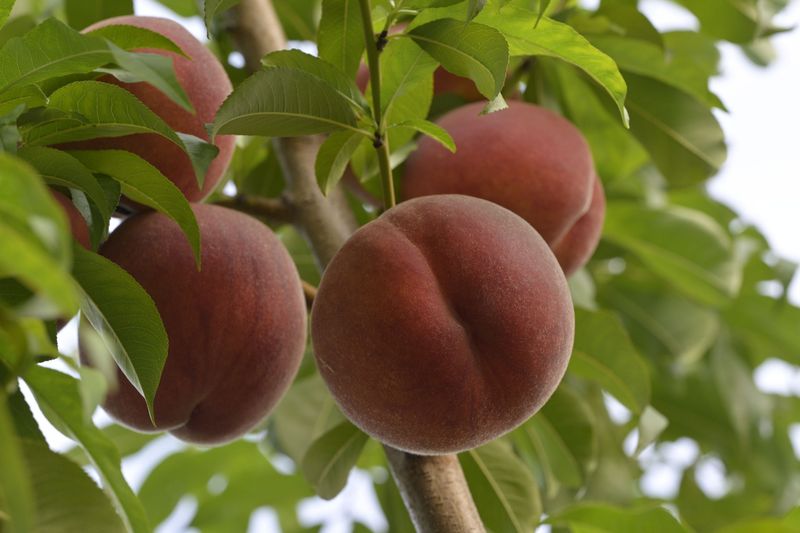
Gardeners who hate spraying have a secret weapon. Certain peach varieties naturally resist leaf curl, and choosing one can save years of hassle.
UC sources list Frost, Indian Free, and Muir as peaches with good resistance. Q-1-8 and Avalon Pride also get high marks from growers in the West. None are fully immune, but they tend to show far less curl in rainy years.
Fun fact: Indian Free is an heirloom with deep red flesh and a tangy flavor. Many people say it tastes best when fully soft and ripe.
Chill hours matter in California, so check before buying. Mild coastal and Southern areas need low-chill trees, while colder valleys can grow higher-chill types. Your local nursery or UC Master Gardeners can match a variety to your zone.
Young resistant trees still benefit from a few years of dormant sprays. Once they settle in, many need little help.
Bare-root season runs through winter, so this is the perfect time to plant. A resistant tree planted now could reward you with sweet, curl-free summers for many years ahead.
Already Spotted Curled Peach Leaves This Spring
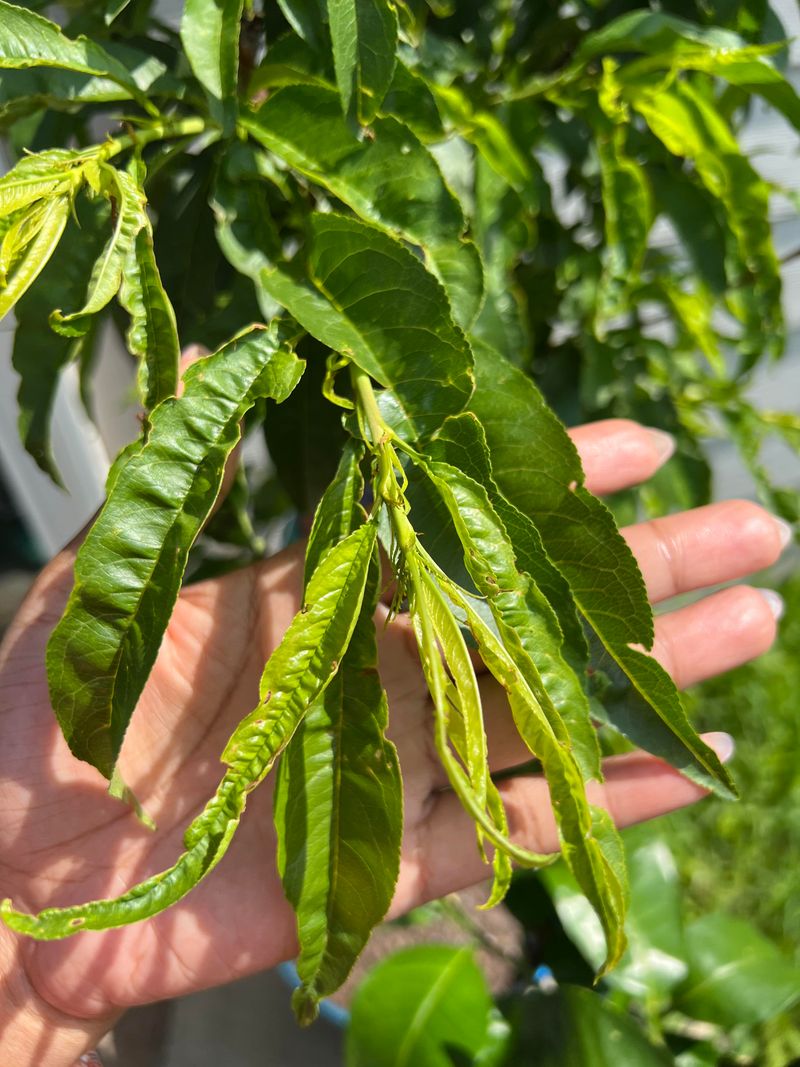
Take a deep breath if your tree already looks rough. Most peach trees recover from a single season of leaf curl with some extra care.
Spraying curled leaves will not help, according to UC IPM. Instead, focus on helping the tree grow a healthy second set of leaves. Water deeply during dry spells and give a light dose of nitrogen fertilizer to support new growth.
Thinning fruit is another kind gesture. A stressed tree struggles to ripen a heavy crop, so removing extra small peaches lets it put energy into leaves and roots. Space remaining fruit about six inches apart.
Fallen curled leaves can be raked up for neatness. Fruit from infected trees is still safe to eat, though it may be smaller or fewer in number.
Trouble grows when curl repeats year after year. Trees can weaken, lose vigor, and produce less fruit over time.
So mark your calendar now. Set one reminder for right after leaf drop and another for just before bud swell. Those two simple dates are your most reliable path to a leafy, fruit-filled peach tree next summer.