The Cover Crop You Can Sow in an Empty Ohio Garden and Let Winter Do the Work
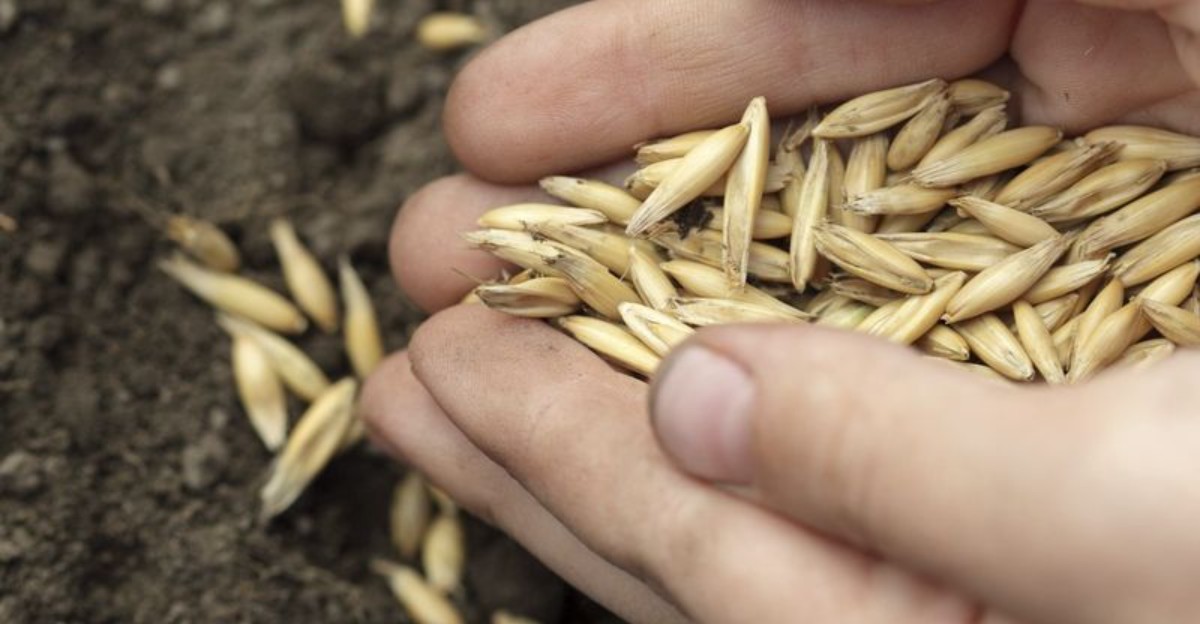
A pantry grain can protect your garden all winter and then quietly collapse on cue when the hard freezes arrive.
I’ll admit it, I used to leave my Ohio beds bare every November. Then spring rains carried my best topsoil into the lawn, and I watched it go with a sad little sigh.
Here’s what gets me. A few dollars of seed, scattered in early fall, can catch loose nutrients, hold the soil in place, and feed the earthworms underneath. You don’t till it under in spring or mow it down.
The cold handles that chore for you. By April, all that remains is a tan, crumbly mat that practically begs for seedlings. So which humble seed pulls off this disappearing act, and when should it go in the ground?
A Humble Breakfast Grain Turns Into a Winter Soil Guard
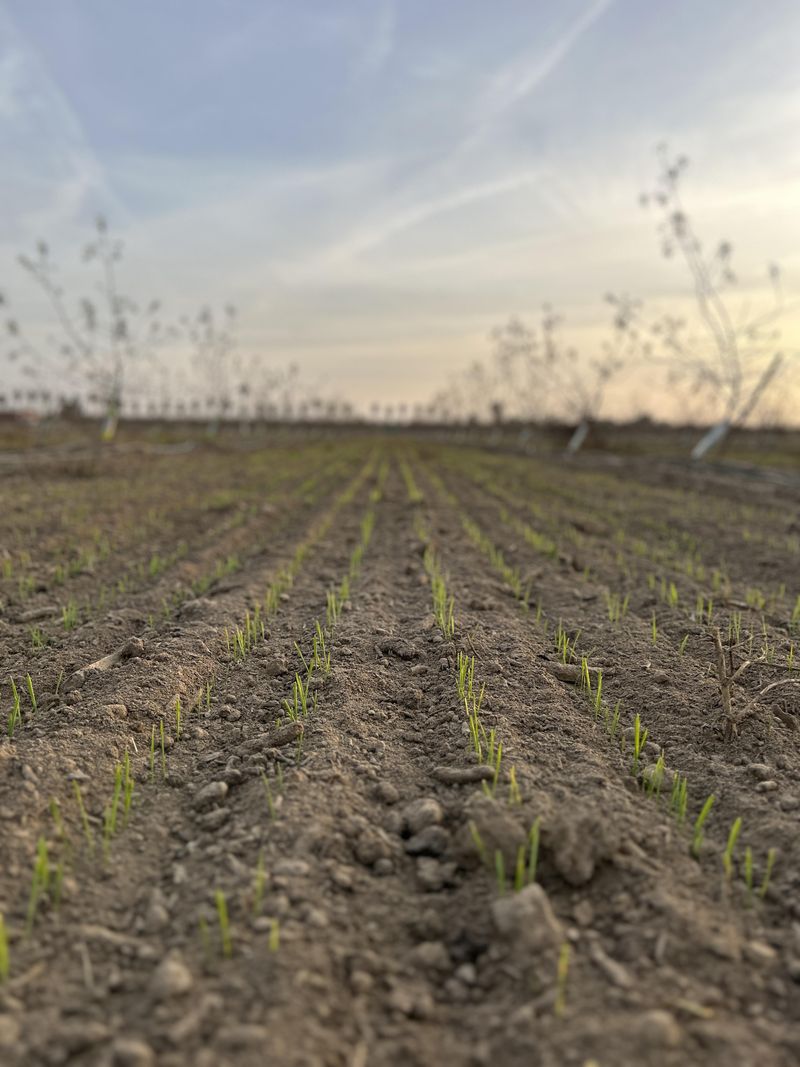
Plain old oats are the hero here. The same grass that gives us oatmeal grows fast in cool fall weather and builds a thick green carpet over empty beds.
Ohio State University Extension and many county soil and water districts list oats as a top choice for gardeners who want easy cover. The reason is simple. Oats are not very cold-hardy, so repeated nights in the teens usually knock them back for good.
That means you get weeks of strong fall growth with no spring cleanup battle. Compare that with cereal rye, which shrugs off winter and roars back in April, needing to be cut or turned under before you plant.
Oats also have a fine, fibrous root system. Those roots grip the top few inches of soil, which is exactly where erosion starts when heavy rain and snowmelt hit bare ground.
I’m a sucker for plants that do more than one job. Oats protect the soil, add organic matter, and smother young winter weeds, all while you sit inside with hot cocoa.
Fair warning, though. Oats are an annual grain, not a lawn grass, so they won’t creep into your yard or turn into a weedy headache later.
Sow Your Oat Seed Before Mid-September Slips Away
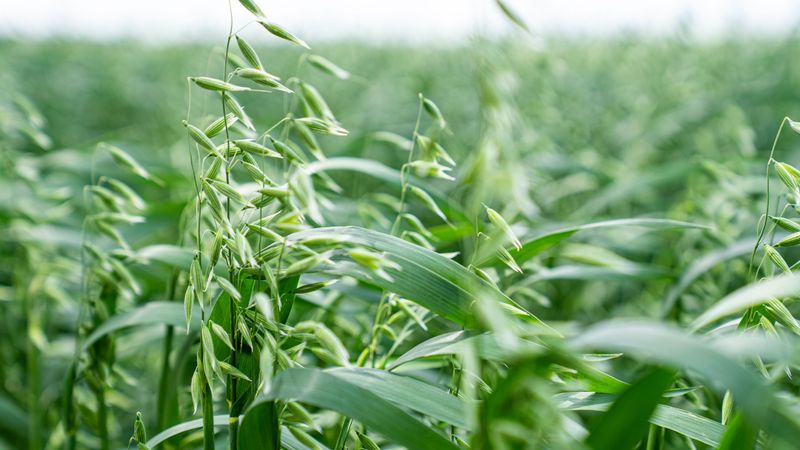
Timing makes or breaks this plan. Oats need roughly six to eight weeks of growth before hard freezes to build a useful mat.
In most of Ohio, that puts the sweet spot from mid-August through mid-September. Gardeners in southern counties can often stretch into late September, while folks near Lake Erie or in the northeast snowbelt should aim earlier.
Planting is pleasantly low-tech. Pull out finished crops, rake the bed smooth, and scatter seed by hand at about 2 to 4 pounds per 1,000 square feet.
Next, rake lightly so the seed sits about half an inch to an inch deep. Good seed-to-soil contact matters far more than perfect rows.
Give the bed a soak if rain isn’t in the forecast. Oats usually sprout within a week in warm, moist soil, and the first green fuzz is weirdly satisfying to see.
Not going to lie, I’ve sown late and gotten a skimpy stand. Late-planted oats still help, but thin cover means more bare spots for winter rain to wash out.
Feed-store oats work fine and cost less than garden packets. Just pick clean seed without lots of weed seeds mixed in.
Hard Freezes Turn Green Oat Blades Into a Tan Mulch Mat
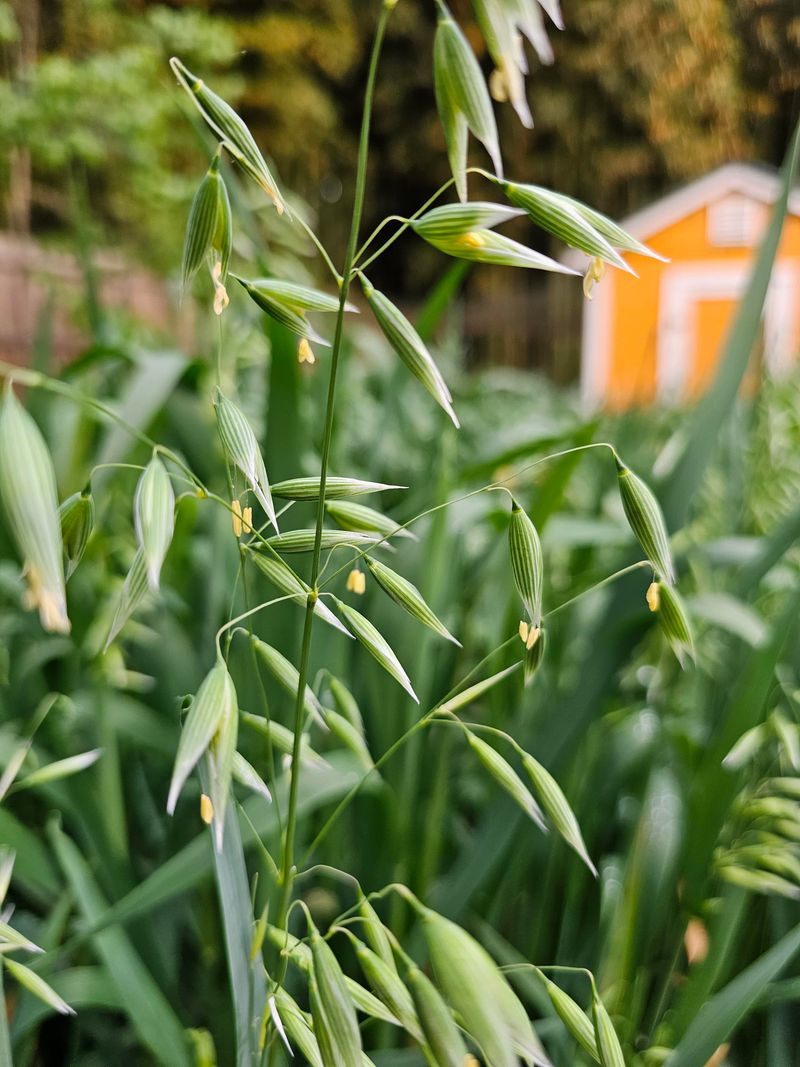
Something almost magical happens around December. After several nights in the low teens or colder, the oat blades flop over and fade from bright green to straw tan.
Gardeners call this winter-kill, though I like to think of it as the oats clocking out. The plants stop growing, but they don’t vanish.
Their leaves settle into a flat blanket across the bed. That layer softens the blow of pounding rain, slows runoff, and keeps the surface from crusting hard.
Roots stay put underground too. They keep holding soil particles together through the freeze and thaw cycles that Ohio winters love to throw at us.
Here’s a quirky bit. Winter-kill in mild southern Ohio winters isn’t guaranteed, and a few oat plants may hang on during a warm year.
Don’t panic if that happens. Survivors are usually weak and easy to pull or snip in early spring, and they won’t set seed before you’re ready to plant.
By March, the mat has started breaking down. Earthworms tug bits of it underground, and the soil beneath often feels moist and loose when you poke a finger in.
Spring Planting Goes Straight Into That Oat Residue
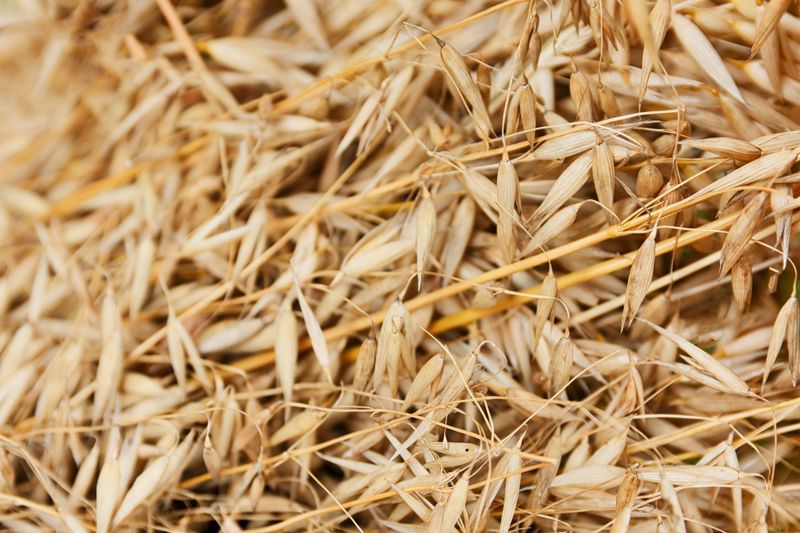
April morning, coffee in hand, and there’s no tiller to wrestle. Easy spring starts are the real payoff of a winter-killed cover.
Because the oats are already finished, you can plant early crops like peas, lettuce, spinach, and onions right through the residue. Pull the mat aside with a rake to open small rows or planting holes.
Many gardeners leave the rest on top as mulch. It helps hold moisture, keeps soil temperatures steadier, and makes it harder for weed seeds to sprout.
Got tiny carrot or beet seeds? Rake the residue off those rows first, since small seeds struggle under a thick layer.
You can also chop the oat mat into the top inch or two of soil. Lighter handling protects the crumbly structure that worms and roots built all winter.
I didn’t expect how much friendlier my soil would feel. It worked more like cake than clay compared to the bare beds next door.
Early spring plantings are where oats shine brightest. Overwintering covers like rye, by contrast, often need a few weeks of breakdown time before planting, which pushes your schedule back.
Add Oilseed Radish If Your Ohio Clay Feels Like Brick
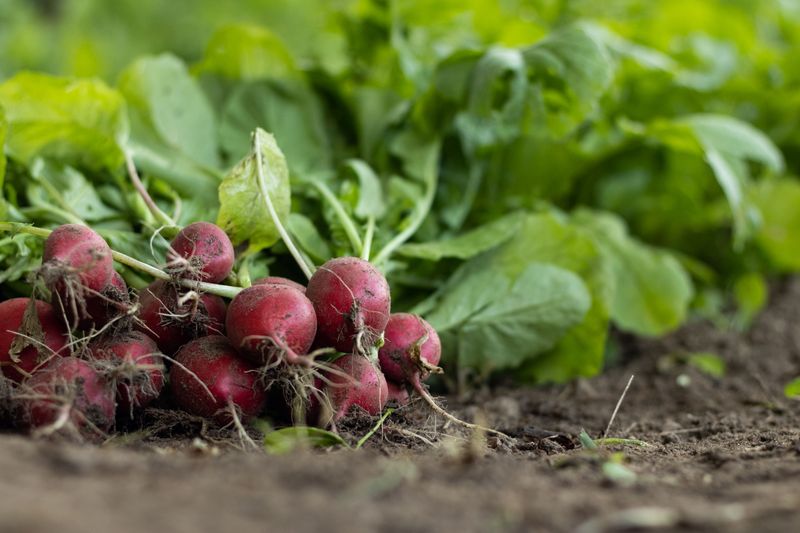
Heavy clay is a familiar headache across much of Ohio. Pairing oats with oilseed radish, often sold as tillage radish, gives that tough ground extra help.
Radishes grow a thick white taproot that can push down several inches or more into firm soil. Over winter, hard freezes usually take them out too, and the roots rot away.
What stays behind are open channels. Water drains better, air moves in, and next year’s vegetable roots can follow those pathways deeper.
Radishes are also nutrient scavengers. They soak up leftover nitrogen in fall and release it as they break down in early spring.
Plant radish a bit earlier than oats, ideally in August through early September, so the roots have time to bulk up. Mix about a quarter pound of radish seed with your oats for every 1,000 square feet.
One honest note from Ohio State educators involves smell. Rotting radishes can give off a sulfur odor during late winter thaws, so skip them right next to the patio.
Also, radishes are brassicas. If you struggle with cabbage pests or clubroot, keep radishes away from beds headed for broccoli or kale next season.
Bare Winter Garden Soil Loses More Than You Notice
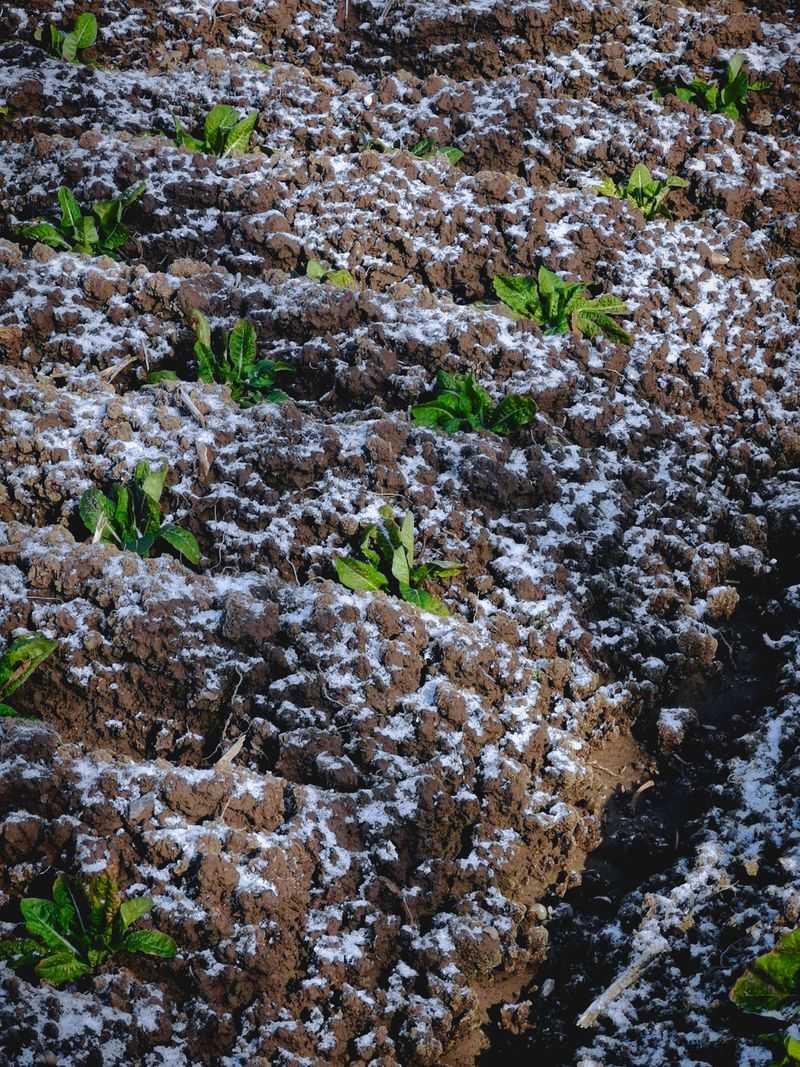
Walk your garden after a heavy March rain and look closely. That muddy trickle heading toward the sidewalk is your topsoil leaving town.
Bare ground takes the full force of raindrops, which knock soil apart and wash fine particles away. The USDA Natural Resources Conservation Service lists erosion control as one of the main reasons to grow cover crops.
Nutrients slip away too. Leftover nitrogen from fertilizer and compost can leach downward with winter water, beyond the reach of next year’s roots.
Some of it ends up in streams and lakes. Across Ohio, nutrient runoff is linked to algae problems in waters like Lake Erie, so even backyard plots play a small role.
A green cover catches those loose nutrients while it grows. Oats store them in their leaves and roots, then hand them back slowly as the residue breaks down.
Living roots also feed soil microbes during months when the bed would otherwise sit idle. More microbial life generally means better crumb structure and healthier soil over time.
I learned the hard way that a bare bed isn’t resting. It’s quietly losing ground, one rainstorm at a time.
Plan Next Fall’s Oat Patch While You’re Harvesting Tomatoes
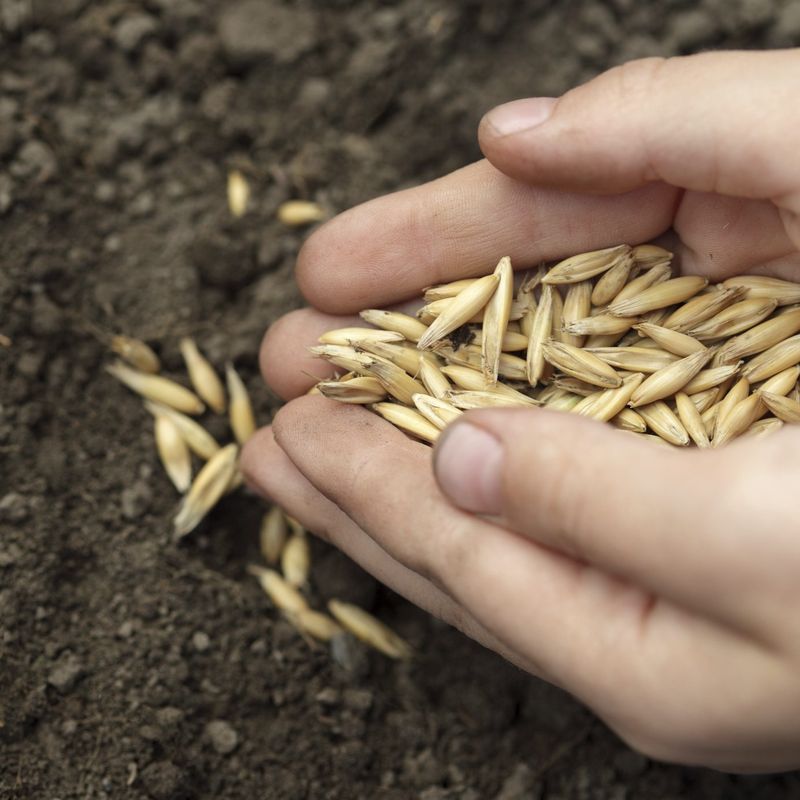
Busy late summer is when this whole plan quietly succeeds or stalls. The trick is spotting beds that will open up early.
Garlic, onions, early potatoes, spring peas, and bush beans often finish by August. Those spots are perfect candidates for an oat planting while the soil is still warm.
Tomato and squash beds usually clear out later. If they finish in October, oats may be too late, so consider cereal rye or a simple layer of shredded leaves instead.
Keep a small bag of oats in the shed starting in July. When a bed empties, you can rake and sow the same afternoon without a store run.
A soil test every few years is worth it. Ohio State Extension and local labs can tell you about pH and nutrients, which helps you decide how much compost to add in spring.
Start small if you’re nervous. Try oats in one or two beds this year, leave another bare, and compare how they look and feel next April.
Trust me on this one. Once you see that loose, earthworm-filled soil, empty beds will start looking like missed chances.