The Venomous Stranger Spinning Webs Across Illinois Backyards
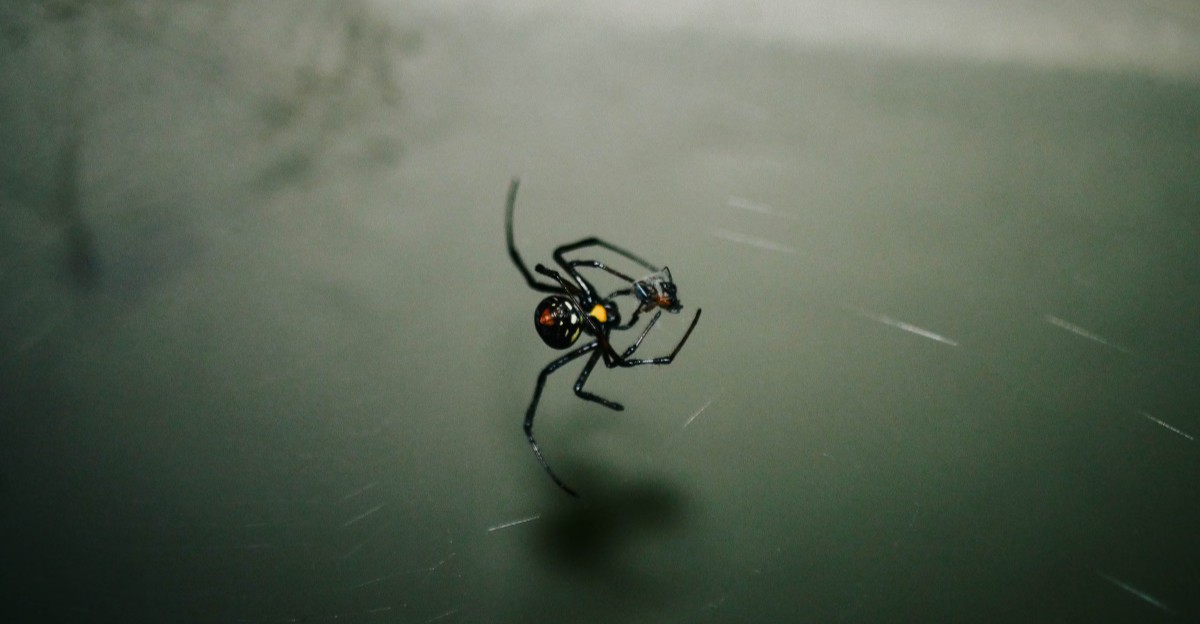
A female spider smaller than a paperclip carries venom that targets the human nervous system. She lives quietly under patio chairs and woodpiles all over Illinois.
I found one last fall while moving an old flowerpot by the shed. Her shiny body hung upside down in a messy tangle of silk, and I froze for a long second.
You have probably walked past one without knowing it. These spiders are shy, slow to bite, and far more interested in beetles than in gardeners. Still, a careless reach into the wrong dark corner can earn you a painful surprise.
After I read up on them, my gloves stopped living in the garage and started living in my back pocket. The more I learned, the less scared I felt. So who exactly is hiding under your potting bench right now?
That Shiny Black Spider Under Your Patio Chair Has a Famous Hourglass
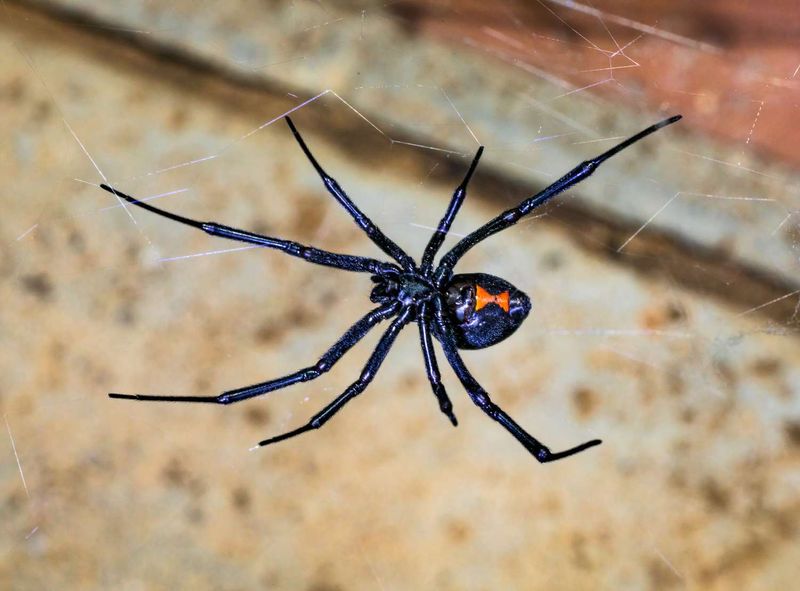
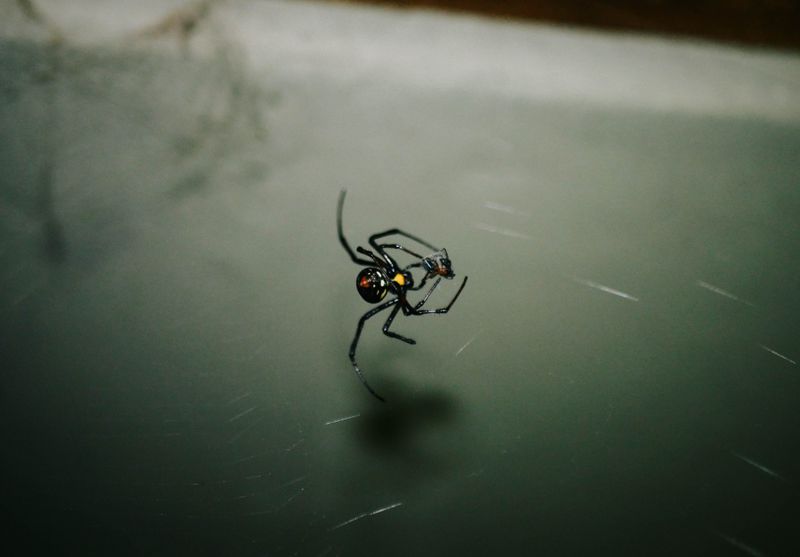
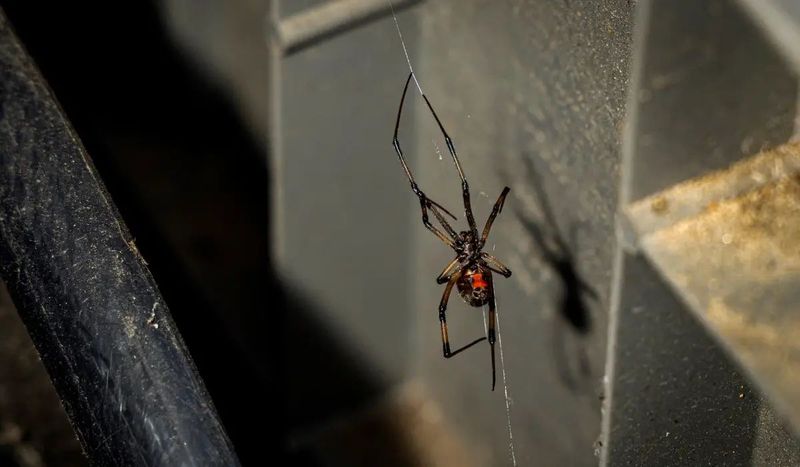
Flip a black widow over and she shows you her warning sign. The red or orange hourglass sits on the belly of an adult female, not on her back. Since she usually hangs upside down in her web, that marking often faces right at you.
Illinois has two kinds, according to University of Illinois Extension. The southern black widow tends to have a full, solid hourglass.
The northern black widow often has a broken one that looks like two separate red spots, plus a row of red dots on top of the abdomen.
Adult females are about half an inch long, with a glossy, round abdomen that looks almost like a black bead. Her legs are long and thin, and she moves a bit awkwardly when she leaves her web.
Males and young spiders look very different. They are smaller and paler, with tan, white, or striped patterns instead of solid black. Males are not considered dangerous to people.
A quick tip from my own yard helps here. Use a flashlight and a phone camera instead of your fingers when checking a suspicious spider. Zoom in on the photo, look for the hourglass, and keep your hands well out of reach.
A Messy Cobweb Near the Ground Is a Big Clue
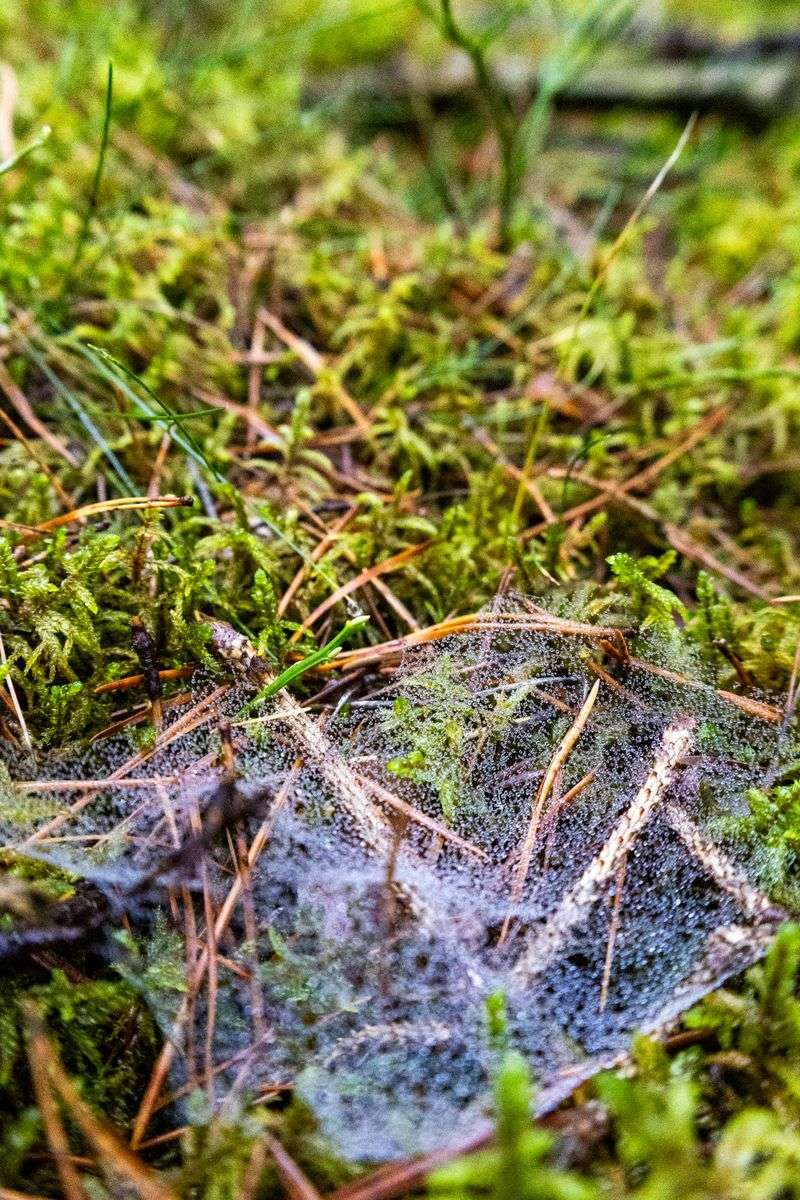
Forget the neat, round orb webs you see in Halloween decorations. Black widow silk looks like someone dropped a ball of tangled fishing line into a corner. That chaos is on purpose.
Each web has three main parts. Strong support threads anchor the top, a tangled middle zone catches flying insects, and sticky vertical lines stretch down to snag crawling beetles and crickets.
When a bug bumps those lower lines, it gets pulled upward like a tiny elevator ride gone wrong.
The silk is surprisingly tough. If you brush against it, you may feel it snap or crackle, which is quite different from the soft give of most garden spider webs.
Location matters as much as shape. Widow webs usually sit low and hidden, near the ground, under ledges, or tucked into gaps. They rarely stretch across open walkways like orb weavers do.
Here is a habit worth building. When you spot a low, messy web in a dark corner, pause before reaching in.
Shine a light into the back of it during the evening, since these spiders are most active at night. A shiny black body in the center tells you everything you need to know.
Woodpiles, Rock Borders, and Sheds Make Perfect Widow Hideouts
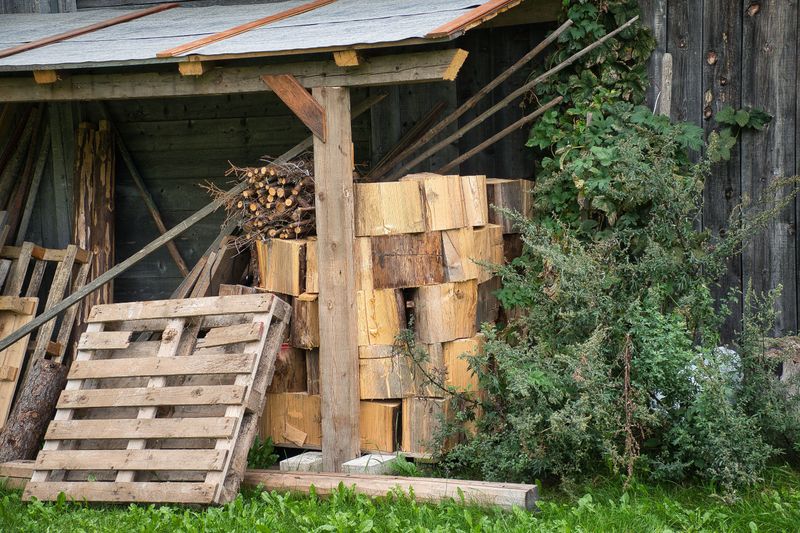
Quiet, dark, and undisturbed sounds like a dream vacation to a black widow. That is why these spiders love the forgotten corners of a yard in Illinois.
Common outdoor hideouts include woodpiles, rock piles, block walls, hollow stumps, and loose gravel. They also settle under mulch edges, inside sprinkler valve boxes, and beneath patio furniture.
Sheds, garages, and old flowerpots are popular too. What ties these spots together is shelter and low traffic. A pile of firewood that sits untouched for months is basically a gated community for spiders.
Indoors, widows sometimes slip inside through cracks or ride in on firewood and storage boxes.
Once inside, they head for basements, crawl spaces, attics, and cluttered storage areas. Busy rooms like kitchens usually hold little appeal for them, which is good news for Illinois homeowners.
I started treating my backyard like a quick map. Every spot I rarely touch got a mental red flag, and I now approach those places with extra care.
You can do the same in about ten minutes. Walk your yard and list every low, dark, undisturbed spot you can find.
That list becomes your personal guide for where to wear gloves and where to look before you grab, whether you live in northern or southern Illinois.
Gloves Are the Simplest Shield Against a Black Widow Bite
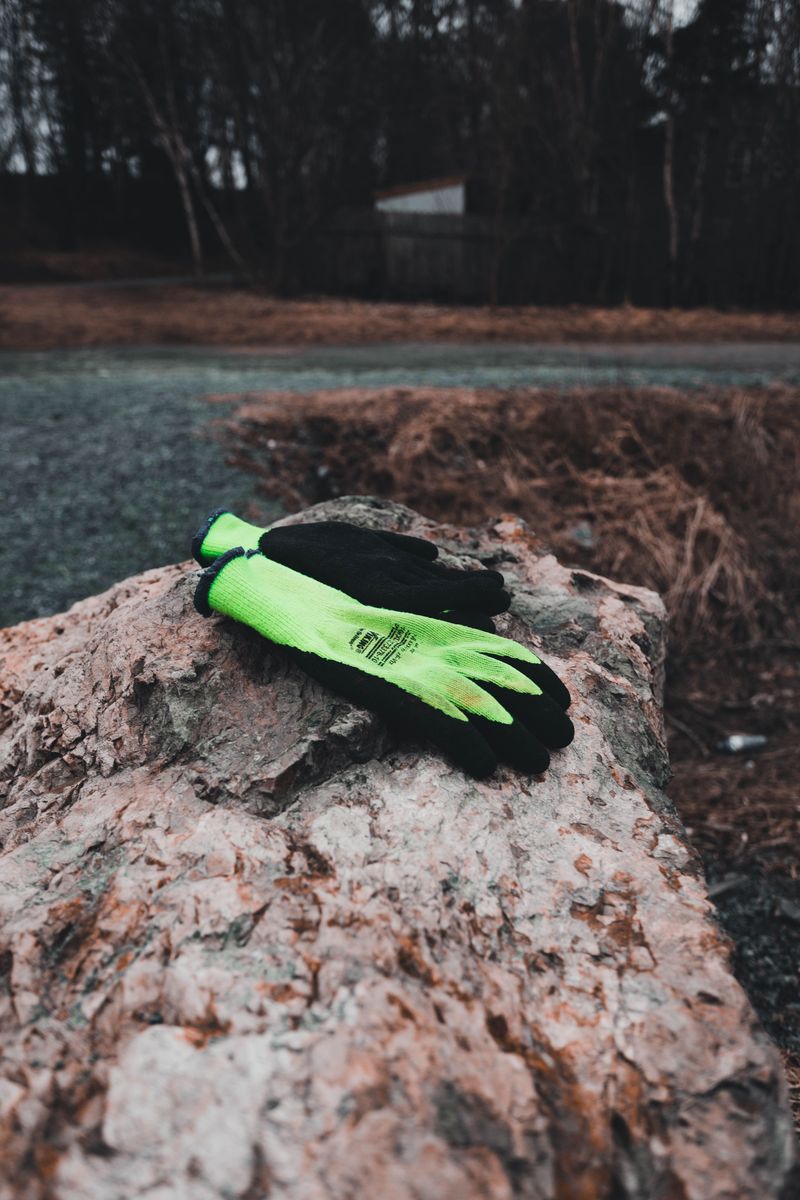
Most bites happen by accident. A black widow gets squeezed against skin when someone grabs a log, slips on an old boot, or reaches blindly under a ledge.
That makes protection pretty simple. A good pair of thick garden or leather gloves blocks the majority of risky moments in the yard.
Wear them every time you move firewood, lift rocks, clean out a shed, or pull pots that have sat untouched for a while. Long sleeves help too, especially when you reach into shrubs or dense ground covers.
Shoes and boots deserve a quick shake before you put them on, especially if they were left in a garage or on a porch. The same goes for gardening gloves themselves, which can become cozy hiding spots.
I keep a small flashlight in my garden bucket now. Shining it into dark gaps before reaching in takes two seconds and saves plenty of worry.
Kids need a gentle version of this lesson. Teach them to look before they touch and to let an adult check dark corners or old toys stored outdoors. Calm habits work better than fear, and they stick for life.
What a Black Widow Bite Actually Feels Like
Some people barely notice the bite at first. It may feel like a sharp pinprick or a mild sting, and a few folks feel nothing at all.
The venom is a neurotoxin, which means it affects nerves rather than tissue. That is why the real trouble often shows up later, somewhere between 15 minutes and 8 hours after the bite.
Pain and muscle cramps can spread from the bite site to larger muscle groups. The belly, back, and chest are common areas, and abdominal cramping can feel severe.
Other possible symptoms include sweating, nausea, vomiting, headache, dizziness, weakness, restlessness, and higher blood pressure. Some people get swollen eyelids or trouble breathing.
Symptoms usually peak within the first day and start easing within about 48 hours. Most cases settle down within five days, though mild aches can linger for weeks.
Children and older adults tend to react more strongly, so they need extra attention. Serious outcomes are rare for healthy adults, but the pain is real and deserves respect.
Knowing these signs helps you react quickly instead of guessing. Spreading cramps after a mystery bite in the garden are a strong signal to get help.
Quick First Aid Steps After a Spider Bite in the Garden
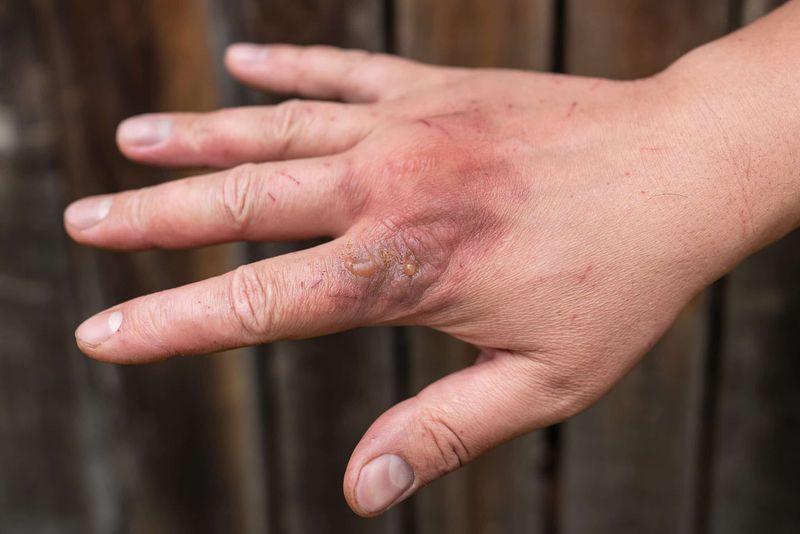
Stay calm, then act. Panic speeds up your heart rate and makes it harder to think clearly about the next steps.
First, wash the bite gently with soap and water. Clean skin lowers the chance of infection and gives you a better look at the area.
Next, apply a cold compress or an ice pack wrapped in cloth. Cold can ease swelling and slow down pain near the bite.
Then call Poison Control at 1-800-222-1222. The line is free, open all day and night, and staffed by experts who can tell you whether to head to a doctor. Save that number in your phone today.
Seek medical care quickly if pain spreads, cramps appear, or breathing feels difficult. Doctors can treat symptoms with pain relief and muscle relaxers, and an antivenom exists for severe cases.
If you can do so safely, snap a photo of the spider or trap it in a jar. That helps medical staff confirm what happened.
Skip the old tricks like cutting the wound or trying to suck out venom. They do not help and can cause more harm than the bite itself.
Cold Illinois Months Send Widows Into Sheds and Garages
Black widows like warm weather, and they are most active when temperatures climb above about 70 degrees. Mating season arrives in late spring, and by summer the webs are busy with prey.
Once fall chills the air, behavior shifts. The spiders slow down and tuck themselves into dry, dark, sheltered spots to wait out the cold.
That is when garages, sheds, crawl spaces, and stacked storage boxes become extra appealing. Firewood you bring inside for a cozy fire can carry a hitchhiker straight into your living room.
Southern parts of the state tend to see more southern black widows, while the northern species appears more widely in wooded and rural areas. Either one may show up near homes when the weather turns.
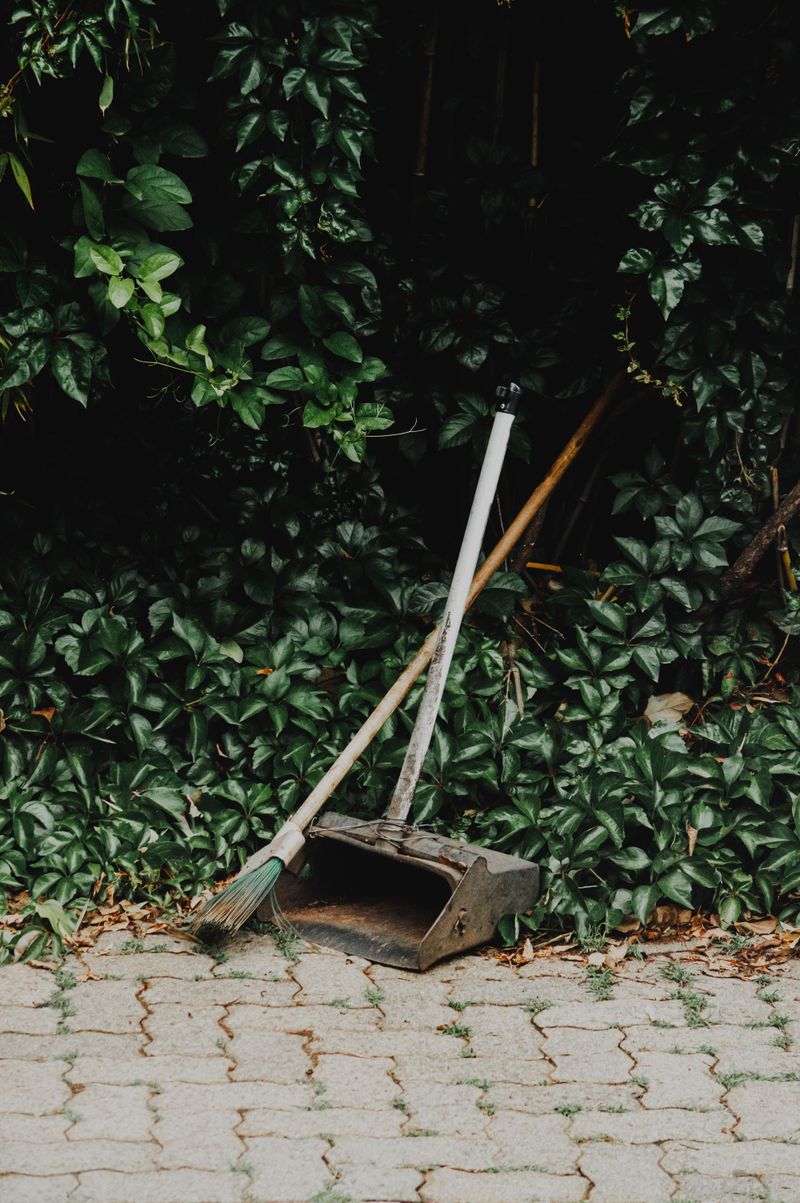
My fall routine now includes a slow, careful sweep of the garage. I use a long-handled broom, wear gloves, and shake out anything that sat in a corner all summer.
Store firewood outside and away from the house, and only bring in what you will burn right away. Knock each log gently against the ground before carrying it in. Small steps like these keep winter guests where they belong.
A Tidy Yard Keeps Black Widows Out of Your Way
Peaceful coexistence is the real goal. Black widows eat flies, beetles, and other insects, so they do play a part in the backyard food web.
The trick is keeping them away from the places your hands go. Clear out debris piles, unused lumber, and old pots that sit around for months.
Store firewood on a raised rack at least a few feet from your house. Keep shed and garage shelves organized so fewer dark gaps form.
Seal cracks around foundations, doors, and windows with caulk or weatherstripping. That small project also blocks drafts and other bugs.
Inspect patio furniture, boxes, and outdoor toys before bringing them inside. A quick glance underneath catches most hidden webs.
When you do find a widow web in a risky spot, a vacuum or long broom removes it safely. Toss the vacuum bag outside afterward.
Broad pesticide sprays are rarely needed and can harm helpful insects, so call a professional for serious problems.
I have found that a little cleanup each season beats any panic. You build a yard where you can garden with confidence, and the spiders simply move on to quieter corners.