Why More Texans Add Turk’s Cap Near Their Front Door
Hummingbirds can sip nectar from a red flower whose petals stay twisted shut like a tiny swirled turban. That stubborn bloom keeps going through the brutal Texas summer when most front-yard flowers simply give up.
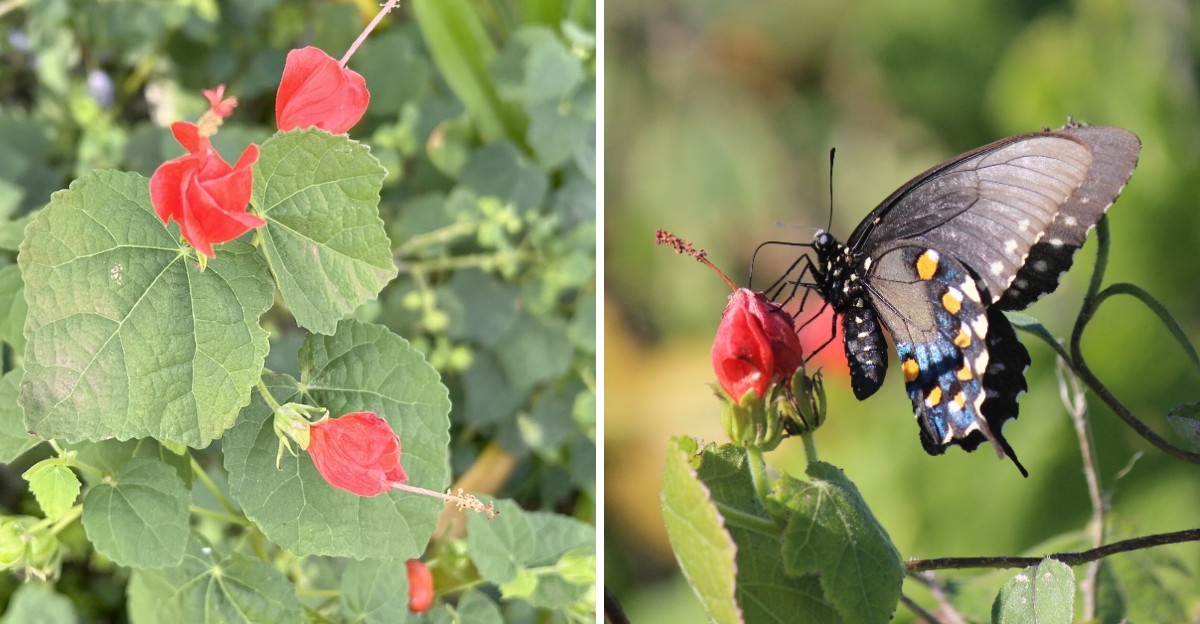
Its blossoms rarely unfurl, yet the plant still produces small red fruits that taste a bit like mealy apples. Birds gobble them up in fall, and curious people sometimes nibble a few straight from the branch.
I love how this shrub handles shady corners that leave roses and petunias sulking by July every year. You might notice neighbors swapping cuttings over the fence, because one healthy clump easily becomes several new plants.
Personally, I think the front door is the smartest spot of all for this cheerful native Texas shrub. So why are so many homeowners giving it the most visible patch of ground they own?
1. Hummingbirds Zip Straight To Red Turk’s Cap Blooms
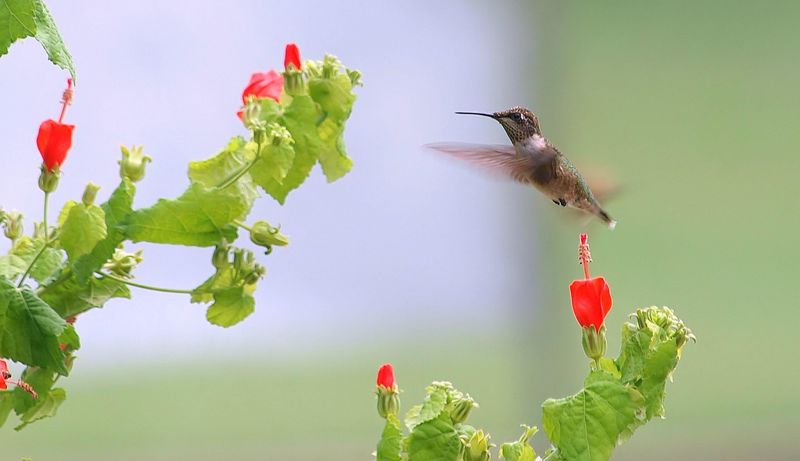
The first time a ruby-throated hummingbird buzzed past my ear at the porch, I nearly dropped my coffee mug. It was headed for the Turk’s cap blooms beside the steps, and it visited every single flower in sight.
Those swirled red flowers stay mostly closed, which sounds like a design flaw until you watch a hummingbird feed.
Long beaks and tongues slip right past the twisted petals to reach the sweet nectar tucked deep inside.
Bright red works like a neon sign for hummingbirds, and Turk’s cap wears that color from summer into fall.
Many plants keep blooming into November, giving migrating ruby-throats a reliable fuel stop on their long trip south.
In frost-free parts of South Texas, the flowers can show up nearly year-round, which feels like a small miracle.
Farther north, cold weather ends the show, but the blooms usually return once warm weather settles back in.
Planting near the front door means you get a front-row seat to every hummingbird visit without leaving the porch.
I like to keep a chair nearby, because those tiny birds can be surprisingly bossy around a good flower patch.
You need to skip pesticides around the plant, since hummingbirds also eat small insects to feed their growing babies.
A clean, natural garden keeps both the birds and the flowers healthier through the busiest part of the season.
For extra action, place a shallow birdbath or a gentle mister somewhere near the shrub that you can easily see.
Hummingbirds love a quick splash, and that combination turns an ordinary entryway into the liveliest spot on the block.
2. Turk’s Cap Flowers Thrive In Shady Entryways
North-facing porches tend to frustrate gardeners, because most bright bloomers sulk without hours of direct afternoon sunshine.
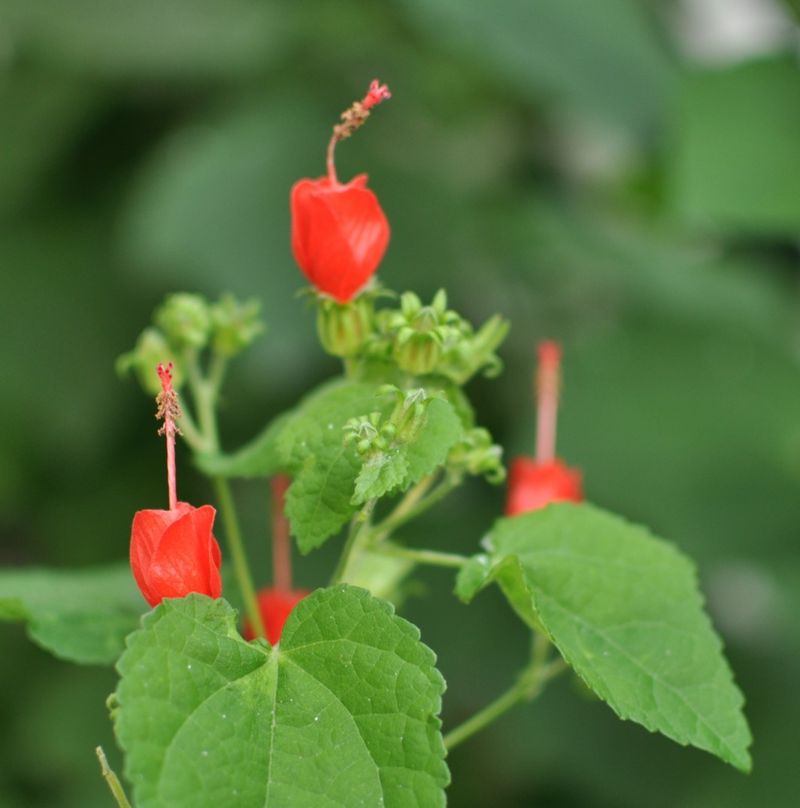
Turk’s cap shrugs off that problem and flowers happily in partial shade or even fairly deep shade.
That talent makes it a natural fit for entryways tucked under live oaks or shaded by a wide roof overhang. I have to admit, watching red blooms glow in a dim corner still gives me a little thrill.
Full sun works too, though leaves in hot, bright spots sometimes develop mildew and start to look a bit crinkled.
A little afternoon shade usually keeps the foliage greener and much more attractive near your front walk.
Most plants sold in nurseries carry red flowers, but you can also find pink and white selections in some shops. A white variety glows softly at dusk, which makes it a lovely choice beside a darker front door.
The broad green leaves form a dense mound that hides bare foundation walls and softens the hard corners of a house.
Because the shrub grows thick and bushy, it fills shady gaps that usually stay patchy and bare for years.
When planting in shade, give each plant room to spread, since a single clump can grow several feet wide.
Spacing them about three to four feet apart helps air move freely and lowers the chance of leaf problems.
Personally, I think shady entryways deserve color as much as sunny ones, and this shrub delivers it reliably. Your guests will spot those cheerful red blooms long before they ever reach out to ring the doorbell.
3. Turk’s Cap Shrugs Off Brutal Summer Heat And Drought
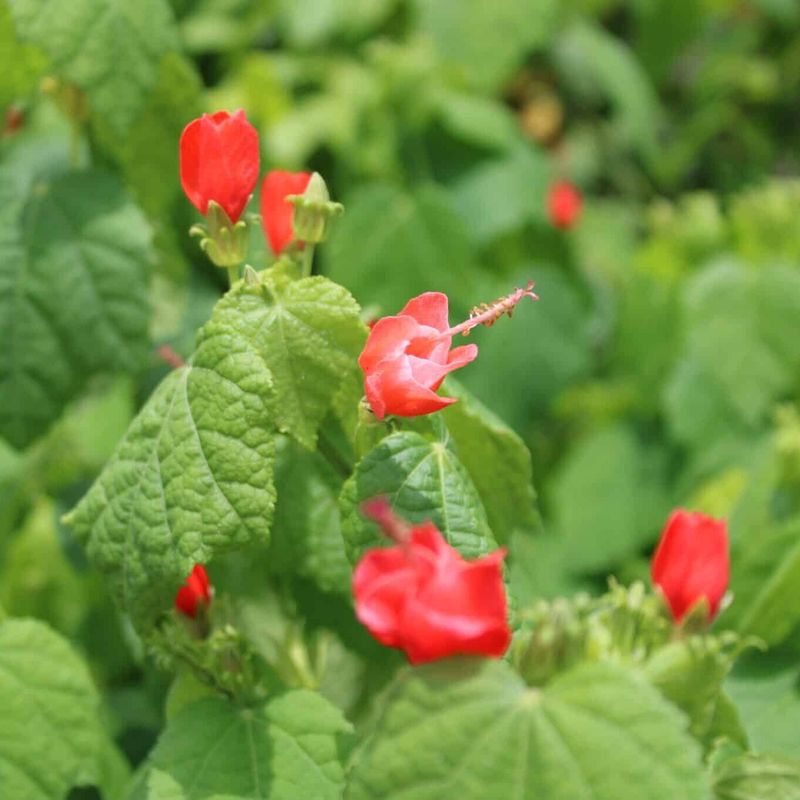
August in my yard feels like standing inside a hair dryer, and plenty of fancy flowers fold under that pressure.
Turk’s cap keeps blooming through the worst heat, which explains why so many folks trust it beside the porch.
Once its roots settle in, the shrub handles dry spells far better than thirsty bedding plants like impatiens or begonias. Young plants still need regular water during their first growing season, so check the soil every few days.
A deep soak once a week usually beats a quick daily sprinkle, because deep water encourages roots to grow downward.
During long droughts, even established plants appreciate an extra drink to keep their leaves from drooping badly.
Soil is rarely a deal breaker, since Turk’s cap grows in sandy, loamy, clay, and limestone ground across Texas. Good drainage matters most, so avoid low spots where rainwater sits for days after a big storm.
A two to three inch layer of shredded mulch helps hold moisture and keeps roots cooler on scorching afternoons. Keep the mulch a few inches away from the stems, which helps prevent rot and other soggy problems.
What surprises me most is how well this plant tolerates city life, including car exhaust and reflected heat from pavement.
Driveway edges and sidewalk strips are tough places, yet this shrub often looks fresh there by late summer.
You can also skip heavy fertilizing, because rich feeding tends to produce lots of leaves and fewer flowers. A light dose of compost in spring is usually plenty to keep the plant strong and blooming well.
4. Butterflies And Songbirds Feast Around Turk’s Cap
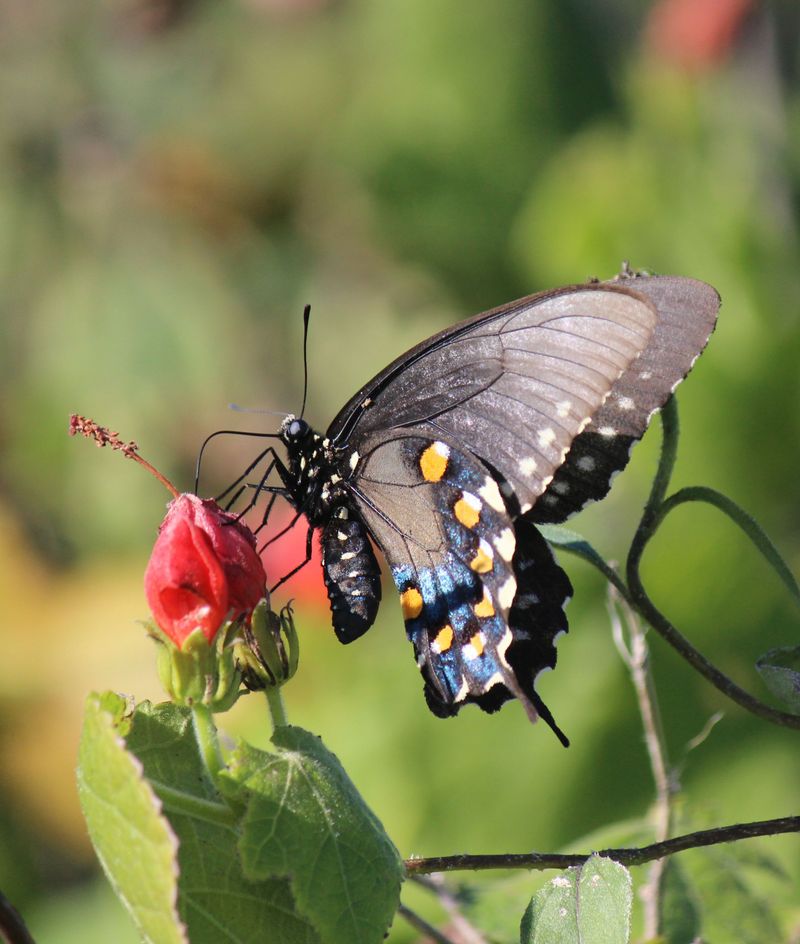
Hummingbirds may get the headlines, but a whole crowd of smaller visitors quietly works the Turk’s cap flowers all season. Butterflies and bees drift in on warm mornings, and moths take over the nectar shift after sunset.
The plant also serves as a host for caterpillars of the Turk’s-cap white-skipper, a small butterfly found in southern regions.
Glassy-winged skippers use it too, so a few chewed leaves are a sign your garden is doing real work.
I believe a little leaf damage is a fair trade for raising butterflies right beside the front steps. Resist the urge to spray, since most caterpillars eat modestly and the shrub bounces back quickly anyway.
After the flowers fade, small round fruits appear that look like miniature red apples hanging under the leaves. That is where the nickname Mexican apple comes from, and the fruits ripen mostly in late summer and fall.
Mockingbirds and other songbirds snap up those fruits, and small mammals also visit for an easy late season snack.
Watching a mockingbird guard its favorite shrub from the porch is better than most reality shows on television.
People can eat the fruit too, and it tastes mild and mealy, a little like a bland apple. Young leaves can be cooked like spinach, but eating huge amounts of any plant may upset your stomach.
Turk’s cap is not on the ASPCA toxic plant list for dogs or cats, which reassures many pet owners. Still, keep an eye on curious pups, since nibbling too much greenery can cause mild tummy trouble.
5. Pruning Shears Keep Turk’s Cap Tidy Beside The Front Door
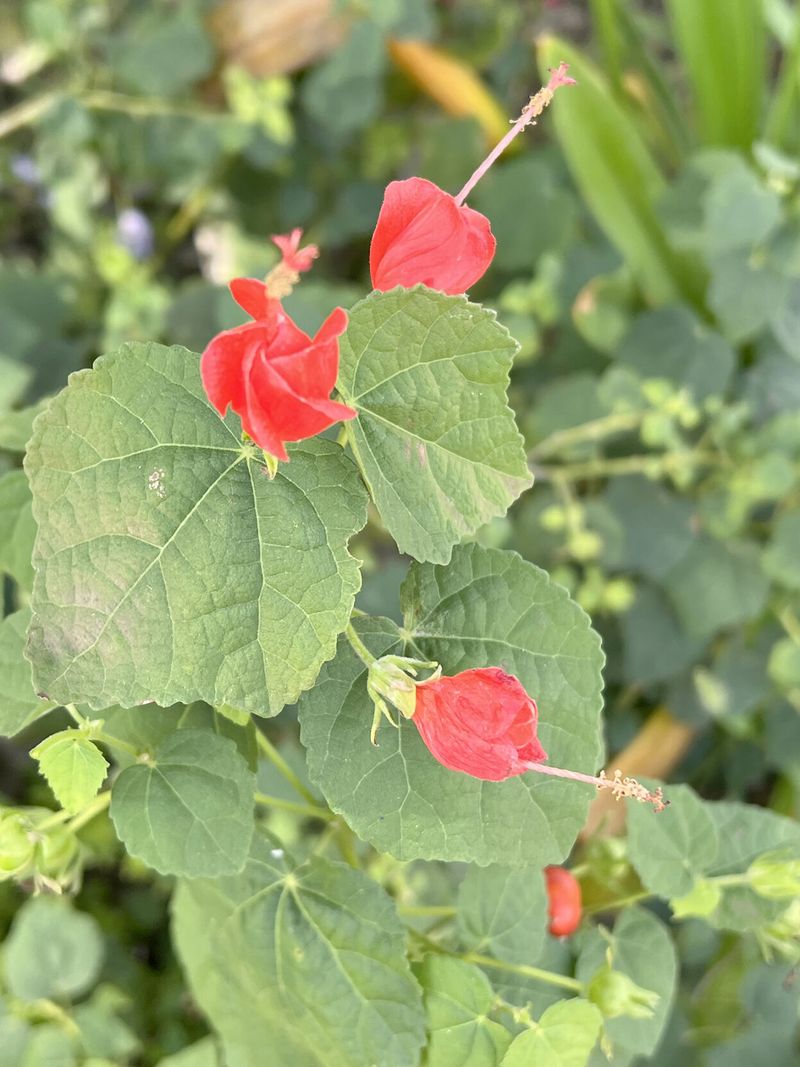
Left alone, a happy Turk’s cap can stretch toward ten feet tall in warm areas, which surprises plenty of new owners.
Front doors rarely need a shrub that size, so a little trimming keeps everything friendly and easy to walk past.
Thankfully, this plant takes pruning like a champ and quickly fills back in with fresh leaves and new flowers. Some gardeners cut it down to two or three feet tall and use it as a lush, tall ground cover.
The best timing is late winter, after the worst cold has passed but before new spring growth starts pushing up. Cutting stems back hard at that point encourages a fuller plant and plenty of blooms by early summer.
In North Texas, winter cold often knocks the top growth back to the ground, and the roots resprout in spring. Down in the Rio Grande Valley, plants often stay evergreen, so you only need light shaping to control their size.
During summer, you can snip wandering stems that reach into walkways, since the shrub flowers on new growth.
Use clean, sharp shears, and cut just above a leaf so the plant branches out instead of looking chopped.
You’re in for a big surprise when you see how easily the trimmings can turn into brand new plants. Softwood cuttings root well in moist potting mix, and older clumps can also be divided in early spring.
I love handing rooted pieces to friends, because a free plant from your own yard feels like a real gift. Before long, half the street could share the same cheerful red shrub by their front steps.
6. Turk’s Cap Pairs Beautifully With Other Native Plants
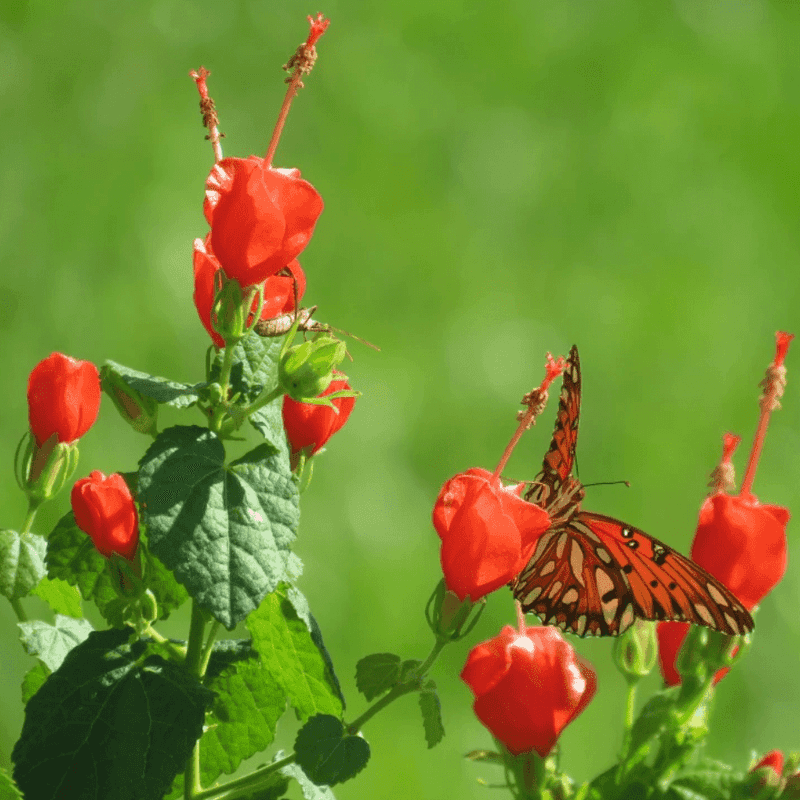
A front yard filled with plants that already love local conditions tends to look good with far less fuss. Turk’s cap fits that idea well, because it grows naturally in East, Central, South, and coastal parts of Texas.
It even earned a spot on the Texas Superstar plant list, a program backed by Texas A&M AgriLife experts.
Superstar plants are tested for tough local conditions, so that label gives homeowners real confidence at the nursery.
In shady beds, I like pairing it with cedar sage and inland sea oats for a relaxed woodland look. The grass seed heads sway gently while the red blooms add pops of color above the softer greenery.
Sunnier entryways can mix Turk’s cap with flame acanthus or Esperanza, which also bring in hummingbirds and butterflies.
Choosing plants with similar water needs makes summer care much simpler, because one watering schedule works for the bed.
Container growing works too, especially for apartment porches or small patios without much open garden soil. Pick a large pot with drainage holes, and expect to water more often than you would for ground plants.
Native shrubs like this support local insects and birds that evolved alongside them over thousands of years.
Swapping out a thirsty foundation hedge for a native mix can bring surprising life back to a quiet yard.
Personally, I can’t imagine my front walk without that splash of red greeting me every afternoon after work. Give it a try this year, and you might find yourself becoming the neighborhood plant expert soon.