The Porch Plant Texans Swear Keeps Wasps From Nesting Under Eaves
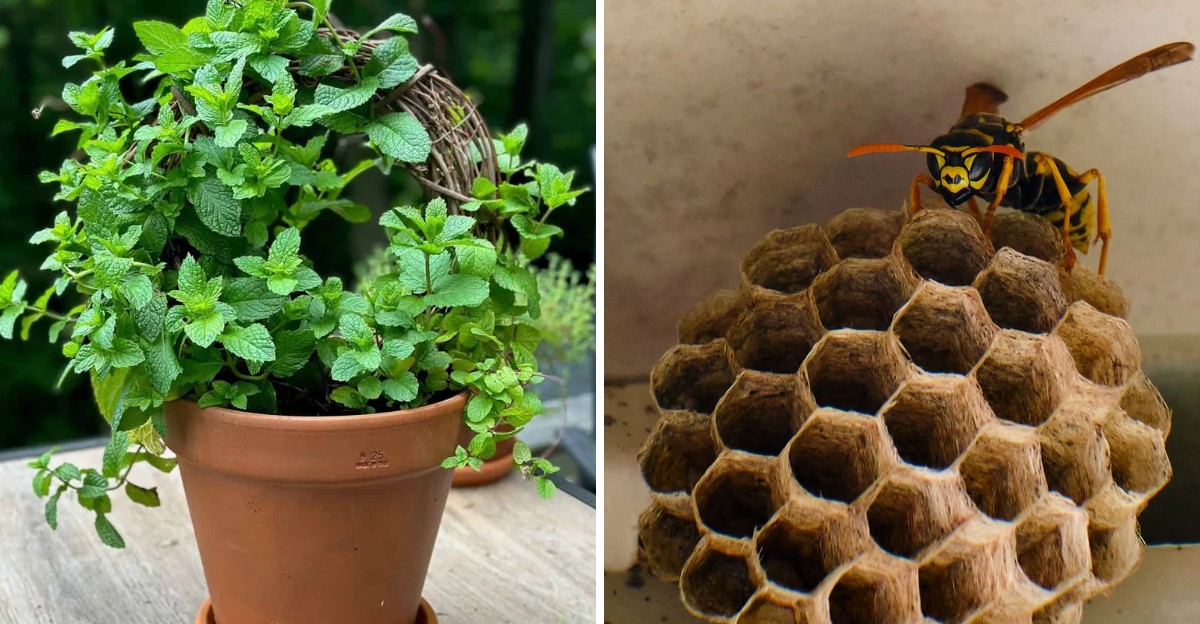
Wasps nesting under eaves is one of those seasonal problems that Texas homeowners deal with on a cycle that never quite seems to break. You remove a nest, another one appears in the same spot or nearby, and the whole process starts over.
Spray treatments work but require getting close enough to apply them, which is exactly where most people don’t want to be when wasps are involved.
There is a porch plant that a growing number of Texas homeowners swear makes a real difference.
It’s not a scientific claim with peer reviewed backing, but the gardeners who have placed it strategically near their eaves and entry points describe a consistent and noticeable reduction in wasp nesting activity in those areas.
The natural compounds it produces appear to make the immediate environment less appealing to wasps looking for a place to build.
It also looks great on a Texas porch, handles the heat without flinching, and brings benefits beyond wasp deterrence that make it worth growing for multiple reasons.
The Porch Plant Behind The Claim
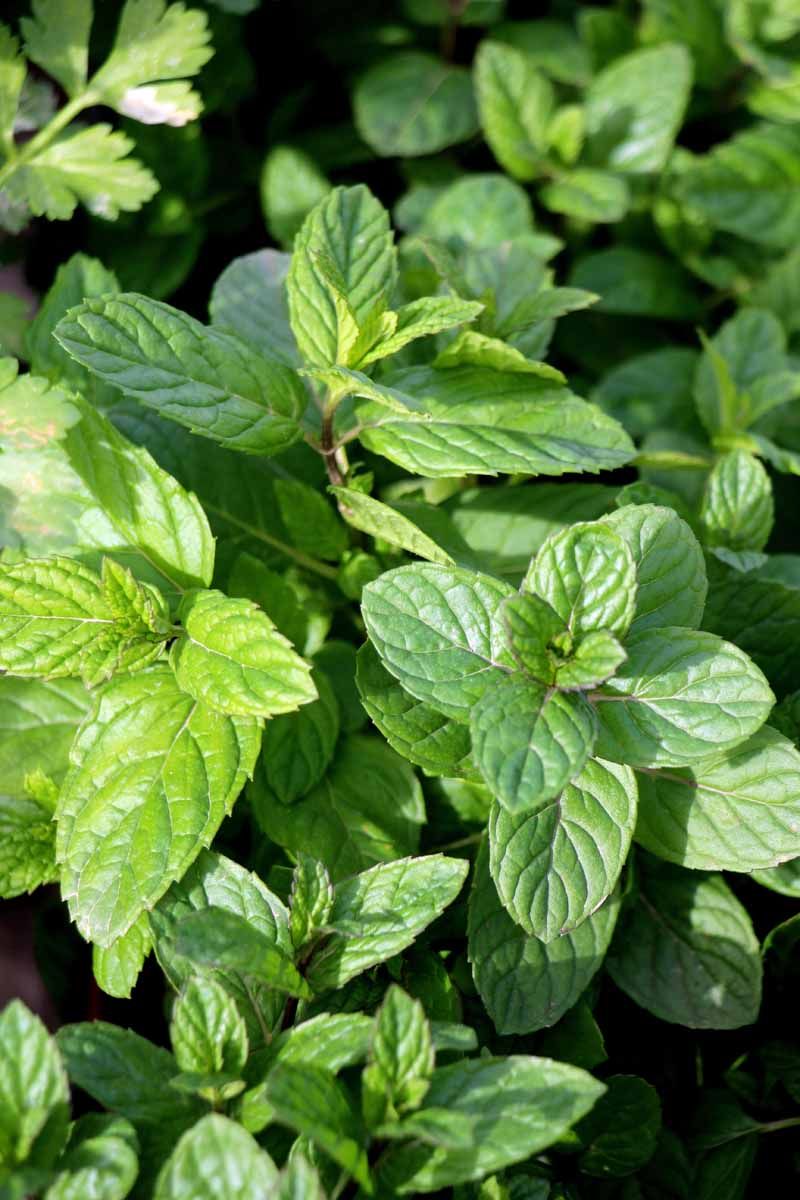
Ask around a Texas neighborhood, and someone will point to a pot of spearmint as their secret weapon against wasps. This bushy herb has crinkled green leaves and a fresh, cool smell that fills the air when you brush against it.
Spearmint grows fast and thrives in warm weather, which makes it a favorite for porches and patios. People often keep a pot near the door and crush a few leaves to release that minty scent.
The strong aroma is exactly why some believe it sends wasps packing. Here is where honesty matters, though. A living, potted spearmint plant should not be sold as a guaranteed shield against wasp nests.
The scent is pleasant to us and may bother certain bugs, but wasps are stubborn insects with strong nesting instincts.
Think of spearmint as a nice bonus, not a fortress wall. It smells great, it looks lovely, and it might make a corner a little less inviting. Still, a plant alone rarely stops a determined wasp from tucking a nest into a cozy eave.
Many families love the plant for other reasons too. Spearmint flavors tea, lemonade, and desserts, so it earns its spot on the porch either way.
If you plant it hoping for wasp control, keep your expectations realistic. Enjoy the fragrance and the fresh leaves, but plan to back it up with other steps.
Treating spearmint as a helper rather than a hero will save you frustration when a wasp still wanders by looking for a place to build.
Why Wasps Choose Eaves For Nesting
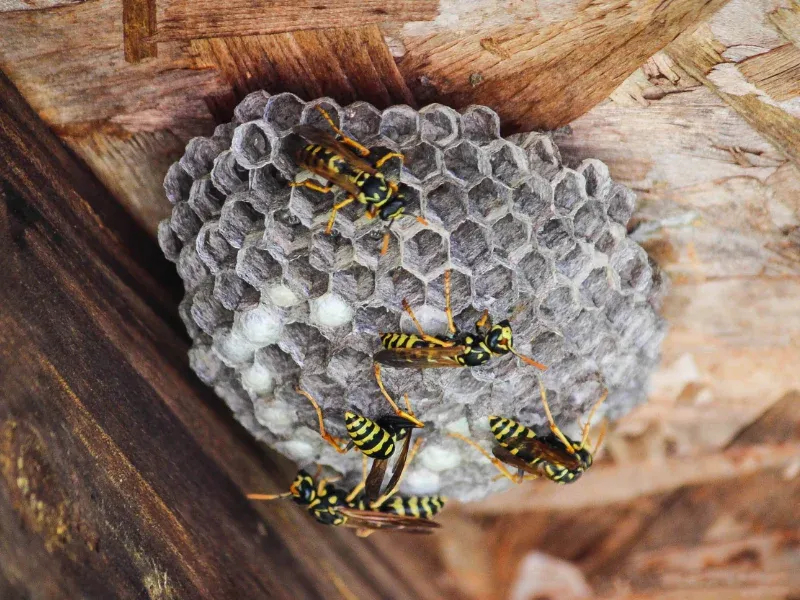
Wasps are picky about real estate, and your eaves check every box on their list. Those shaded overhangs where the roof meets the wall offer exactly what a queen wasp wants for her growing family.
Paper wasps especially love these spots. The eave protects their delicate paper nest from rain, harsh sun, and gusty Texas winds.
Tucked up high, the nest also stays out of reach from many curious animals and people. Height plays a big role too. Wasps prefer building where they can come and go without much traffic bumping into them.
Your Texas Garden Changes Every Week. Your Plan Should Too.
Gardening in Texas changes quickly throughout the season. Every Friday you’ll receive a simple weekly plan showing exactly what to plant, prune, fertilize, harvest, and protect so you never miss the right timing.
A quiet corner under the roofline feels safe and calm, so they settle in and start construction.
Warmth matters as well. Eaves trap heat during the day and hold it, giving the young wasps a comfortable temperature to develop. In a state as hot as Texas, that shaded pocket also gives adults a break from direct sun.
The materials are handy, too. Wasps chew wood fibers from fences, decks, and old boards to make their papery nests.
When those materials sit close to a sheltered eave, the location becomes even more appealing.
Knowing why wasps pick eaves helps you fight back smartly. If you understand that they crave shelter, quiet, and warmth, you can watch those exact spots more closely. Corners, ceiling edges, and the undersides of overhangs deserve regular attention.
Once you see the eave through a wasp’s eyes, prevention makes more sense. You stop guessing and start checking the places these insects truly favor, which puts you a step ahead every single season.
What Spearmint May Actually Do
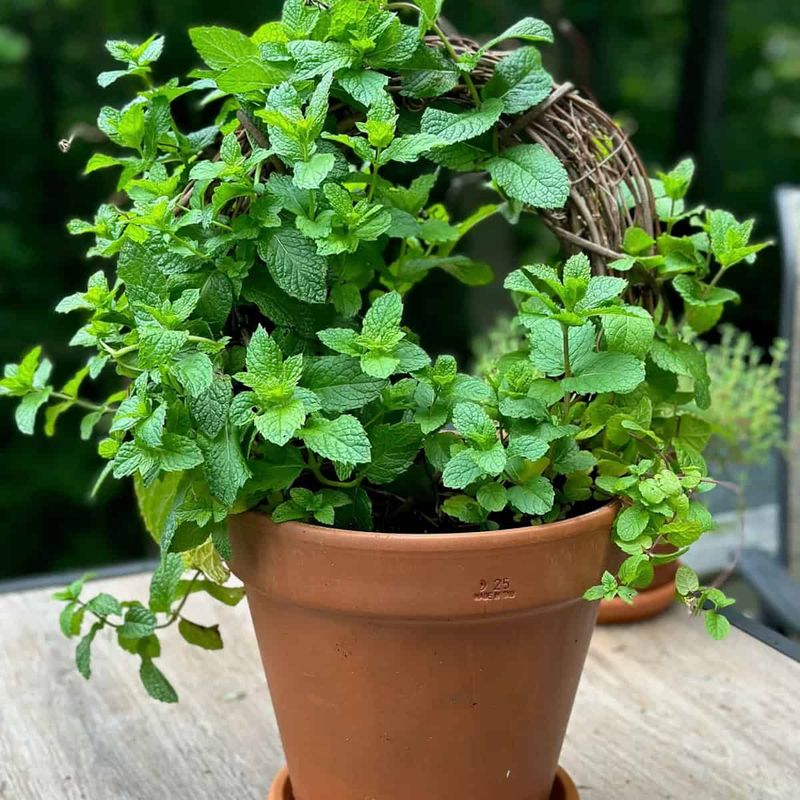
Let’s talk about what that minty punch really accomplishes. Spearmint contains natural oils, mainly one called carvone, that create its bold, cool fragrance. Strong plant scents like this can confuse or annoy some insects.
Certain bugs rely heavily on smell to find food, mates, and shelter. When a powerful aroma floods the air, it may mask the signals they hunt for.
That is the reasoning behind using mint, citronella, and similar plants around outdoor spaces.
Wasps, however, are tough customers. Some gardeners notice fewer bugs hovering near mint, and a wasp scouting the area might not linger over a crushed leaf. That small effect is possible, and it feels satisfying when it happens.
Still, the evidence for a potted spearmint plant actually preventing wasp nests is thin. Most solid research on mint focuses on concentrated oils or sprays, not a single plant sitting in a container. A living plant releases far less scent than a bottle of essential oil.
The smell also fades quickly in open air. Outdoors, breezes scatter the aroma in seconds, so any bug-bothering power spreads thin and weak. A wasp flying under your eave may never catch a whiff strong enough to change its plans.
None of this means spearmint is useless. It may nudge a few insects elsewhere and freshen your porch beautifully. Just avoid trusting it as your only line of defense.
Treat the plant as one small piece of a bigger plan. Realistic hopes keep you from feeling let down when a wasp shows up anyway, mint or no mint.
Where To Place Spearmint Around A Texas Porch
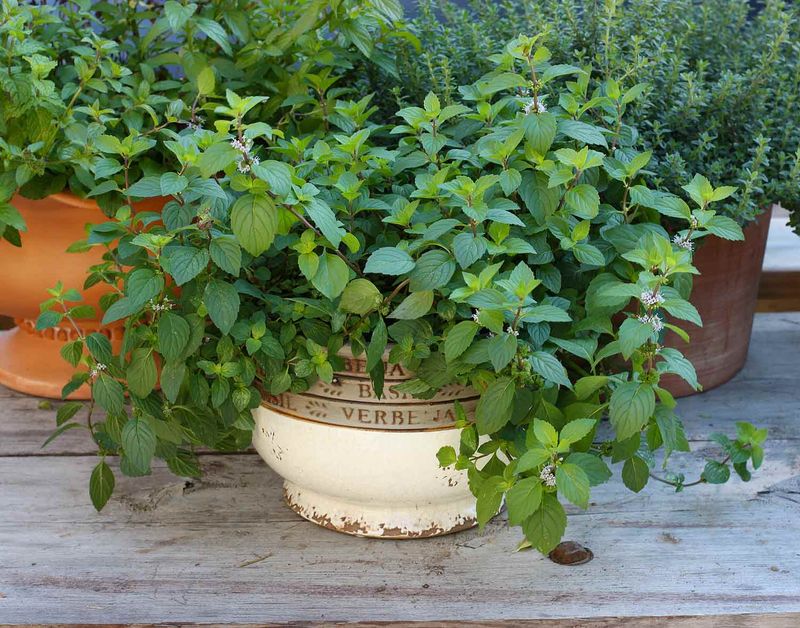
Placement can make your spearmint both useful and beautiful, even if it never scares off a single wasp. Since Texas summers run hot, keeping mint in containers is the smart move. Pots let you control the soil, water, and location easily.
Set a pot or two near your seating area where you relax most. Every time you brush the leaves or set a glass down, you release that fresh scent and enjoy it up close. Guests will notice the pleasant aroma right away.
Entrances are another great spot. A pot by the front door or steps greets everyone with a burst of green freshness. If the smell nudges a few bugs away from the doorway, consider that a happy bonus.
Give the plant some sun, but not brutal all-day heat. Morning light with afternoon shade keeps Texas spearmint from wilting. Water it regularly, since containers dry out fast in this climate.
Growing mint in pots also saves your garden beds. Planted directly in the ground, spearmint spreads aggressively and takes over. Containers keep those wandering roots politely in check.
Here is the key mindset, though. Enjoy spearmint as a garden plant and a kitchen helper, not as guaranteed pest control. Snip leaves for tea, garnish your food, and breathe in the scent while you sip lemonade.
Position the pots for beauty and convenience first. If they happen to bother a passing insect, wonderful.
Just keep watching your eaves and taking other steps, because a well-placed plant looks great but cannot patrol the roofline for you around the clock.
Check Eaves Regularly For Early Nests
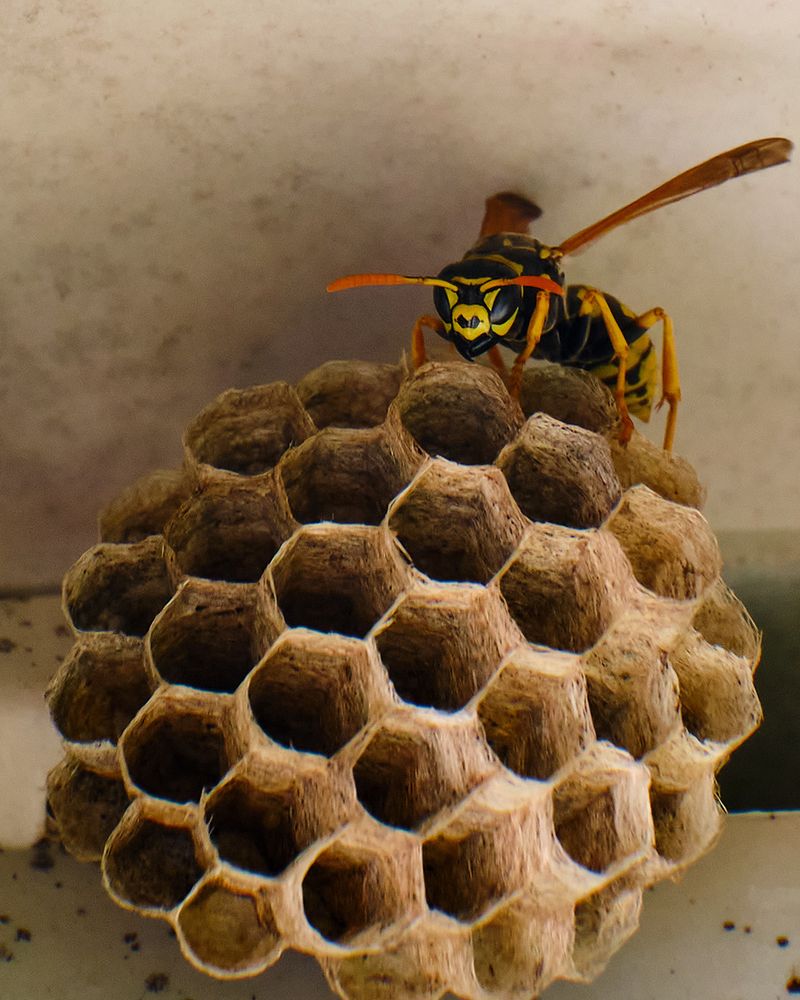
Your best defense costs nothing but a few minutes and a flashlight. Walking your porch and checking the eaves often is the single most powerful habit you can build against wasps.
New nests start small. A queen builds just a few papery cells, no bigger than a coin, before her colony grows. Spotting that tiny umbrella shape early makes removal simple and far less risky.
Aim your attention at the shaded corners. Look under the roofline, along ceiling edges of a covered porch, and beneath any overhang. Wasps love those quiet pockets, so those are the places to scan first.
Try to inspect once or twice a week during spring and early summer. That is when queens go house hunting and start their first nests. Catching them at this stage saves you a much bigger headache later.
Use a flashlight even during the day. Shadows hide small nests, and a bright beam reveals them fast. Check door frames, light fixtures, and the tops of window trim too.
If you find a tiny nest with no wasps around, you can often knock it down safely with a long pole. Do this in the early morning or evening when insects are slow and calm.
Never rush a large, busy nest yourself. Once a colony grows, the situation calls for caution or a professional. Early checks help you avoid ever reaching that point.
Make inspection part of your routine, like grabbing the mail. A quick glance upward each week keeps your eaves clear and your porch peaceful all season long without much effort at all.
What Works Better Than Relying On A Plant
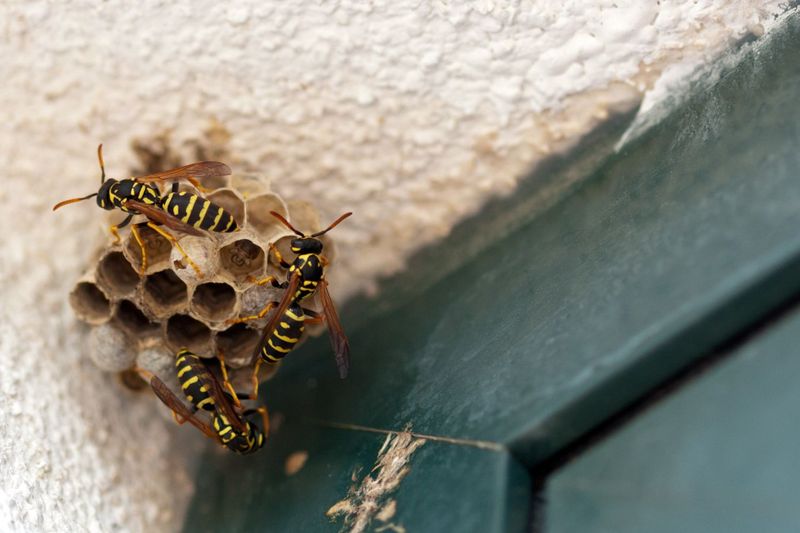
Real wasp control comes down to smart habits, not a single hopeful plant. When you combine a few practical steps, you make your porch far less inviting to these stubborn insects.
Start by cutting down on attractants. Wasps love sweet drinks, ripe fruit, and open trash, so keep food covered and empty garbage bins tightly. Wipe up sugary spills right away, especially during picnics and cookouts.
Keep your structures in good shape. Fill cracks, seal gaps around eaves, and repair torn screens where wasps might slip inside. A tidy, well-maintained porch offers fewer sheltered nooks for building.
Water sources count too. Wasps sip from birdbaths, leaky faucets, and puddles, so fix drips and dump standing water. Less easy water means fewer reasons for them to hang around your home.
Consider a wasp trap placed away from your seating. These lure insects toward a spot far from where you gather. Position them at the edge of the yard so wasps drift away from your porch, not toward it.
For nests that already exist and worry you, know your limits. A small nest handled carefully at dawn is manageable, but a large, active colony deserves respect. Calling a pest control professional is the safest choice for big or high nests.
Layering these actions gives you steady, reliable results. Reduce food and water, patch up the house, watch the eaves, and bring in experts when needed.
Grow your spearmint for its lovely scent and fresh flavor. Then let these proven steps do the heavy lifting, and your porch stays comfortable all summer.