The Midnight Thief Climbing Across New Jersey Roofs This Fall
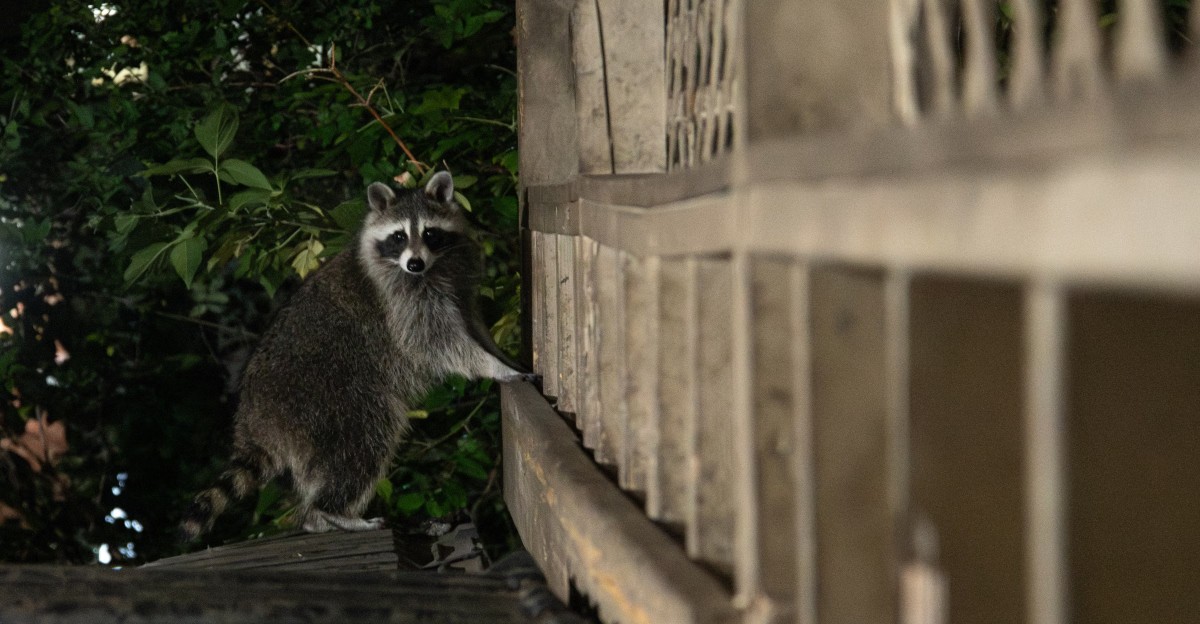
A raccoon’s front paws carry so many nerve endings that scientists compare them to sensitive human hands.
Those clever fingers can twist, pry, and lift things you thought were locked tight. I learned that the hard way one October night in New Jersey, when a loud thump rolled across my ceiling around 1 a.m.
Autumn nights in New Jersey get busy on rooftops. Food is still plentiful, but the cold is coming, and a warm attic looks like a free hotel to a hungry climber.
You might notice the signs before you ever see a face. A tipped trash can, a bent gutter, or a scrape near the roofline can tell a whole story.
So who is really up there after dark? And what should you do before the visitor decides to move in for the winter?
Those Thumps Above Your Ceiling Have a Masked Source
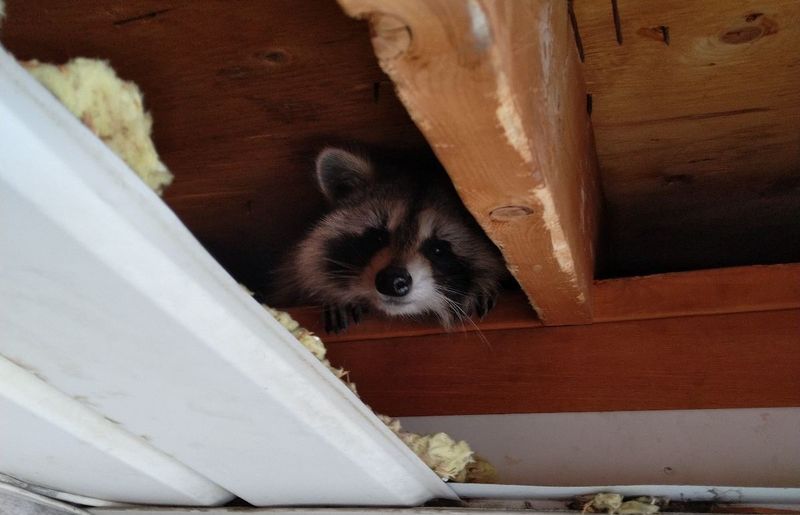
Heavy footsteps after midnight are a strong clue. In most New Jersey neighborhoods, the rooftop prowler making that racket is the common raccoon.
Raccoons are skilled climbers with five long toes on each foot and curved claws that grip bark, brick, and downspouts. Their back ankles can rotate, so they can climb down trees headfirst with surprising ease.
I once watched one shimmy up a gutter like it was a jungle gym. Other climbers can show up too, so the answer is not automatic. Flying squirrels are tiny and make light, quick pattering sounds.
Gray squirrels are active by day, mostly at dawn and dusk. Opossums climb well but are slower and less likely to rip into a roof.
The sound pattern helps you sort it out. Slow, heavy thuds at night usually point to a raccoon. Fast scurrying in the morning points to squirrels.
Raccoons live in every county of the state, from the Highlands down to Cape May. They thrive near people because our yards supply food, water, and shelter. Your roof is simply one more stop on their nightly route.
Fall Fattening Sends Raccoons Hunting for Warm Attic Dens
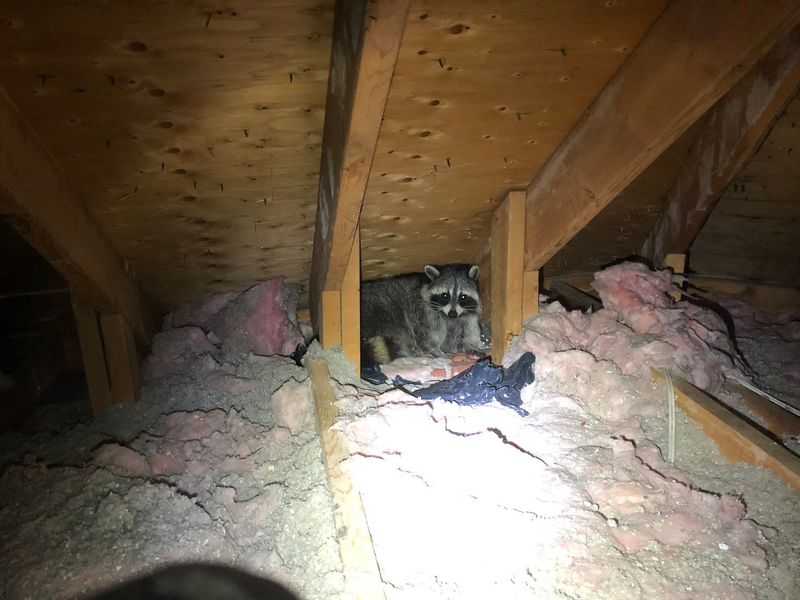
Autumn is eating season for raccoons. They pack on body fat so they can ride out the coldest stretches of winter without much food.
Raccoons do not truly hibernate. Instead, they sleep for long periods during harsh cold snaps and wake up during milder weather.
That means they need a snug den that blocks wind, rain, and snow. A hollow tree works fine, but an insulated attic, chimney, or crawl space in a New Jersey home works even better.
Young raccoons born in spring often head out on their own in fall. These newcomers are searching for territory and shelter, which can bring fresh visitors to your New Jersey street.
Breeding season starts in late winter, often around February in this region. Females pick secure dens early, and a mother that settles in your attic may later raise a litter there in spring.
Getting ahead of the problem in fall saves you a much bigger headache. So the timing makes sense. It is not a strange outbreak or a new trend.
It is a normal, yearly pattern that lines up with shorter days and chilly nights across the Garden State, and New Jersey homeowners see it every year.
Overhanging Tree Limbs Make a Perfect Raccoon Ladder
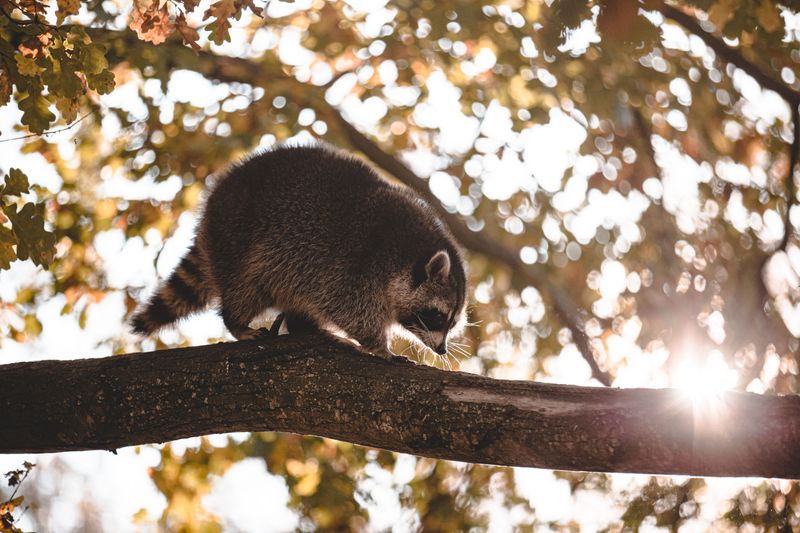
Trimming branches is the first fix I recommend to anyone. Tree limbs touching your roof act like a free staircase for climbing animals.
Aim to keep branches at least 6 to 10 feet away from the roofline. That gap makes leaping from a tree onto shingles much harder.
Late fall and winter are great times for pruning many trees, since the leaves are down and you can see the branch structure clearly. For big limbs near power lines, call a certified arborist or your utility company.
Do not forget the other routes. Raccoons can climb downspouts, rough siding, trellises, and even corner brickwork.
Wrapping a smooth metal collar around a tree trunk, about 2 feet tall and 4 to 5 feet off the ground, can block access from that tree.
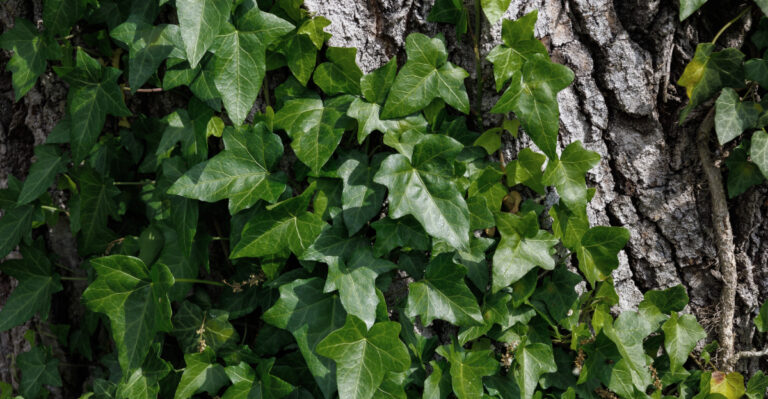
Vines climbing up the house deserve a look too. A thick mat of ivy gives grip and hiding spots.
If you have English ivy, removing it is a bonus, since it spreads aggressively in the state’s woodlands. Fewer ladders mean fewer late-night visits. It is simple yard work with a big payoff.
Torn Shingles and Bent Roof Vents Tell the Story
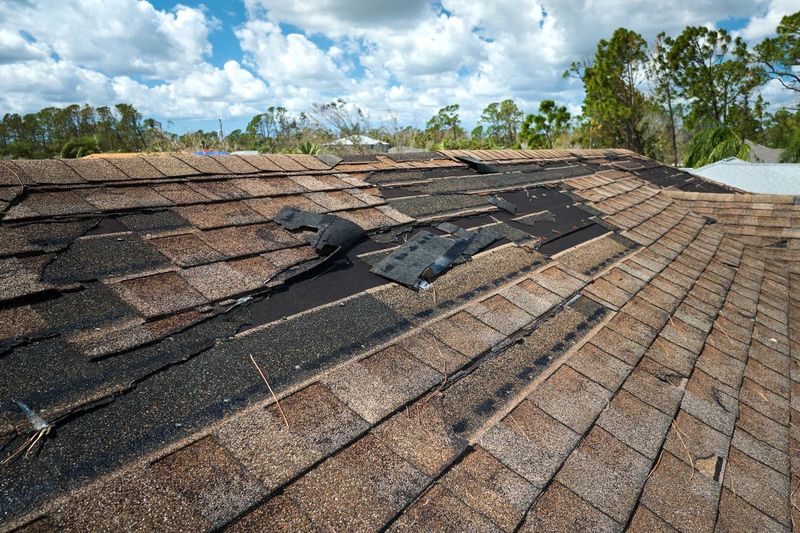
Clues usually appear before the culprit does. Walk around your New Jersey home in daylight and scan the roofline with a pair of binoculars.
Common entry spots include roof vents, ridge vents, loose soffits, gaps where the roof meets a wall, and uncapped chimneys.
Raccoons can pull back shingles or tear through weak vent covers with their strong front paws. You might see bent metal, scattered shingle bits, or muddy smudges near an opening.
Tracks help too. Raccoon prints look a lot like tiny human hands, with five long fingers on each print.
Check soft soil, wet decks, and dusty ledges near downspouts, where New Jersey rain leaves the ground damp enough to hold a clear print.
Inside, listen for chattering, purring, or growling sounds. Baby raccoons make high twittering calls that some folks mistake for birds in the wall. A sudden smell or stained ceiling patch can signal trouble.
Outside, tipped garbage cans and torn-up lawn patches add to the picture. Raccoons roll back sod to snack on beetle grubs in fall.
Put these signs together, and you can figure out who has been visiting and where they are slipping in. Every New Jersey homeowner should know these clues.
Raccoon Droppings Carry Real Health Risks for Your Family
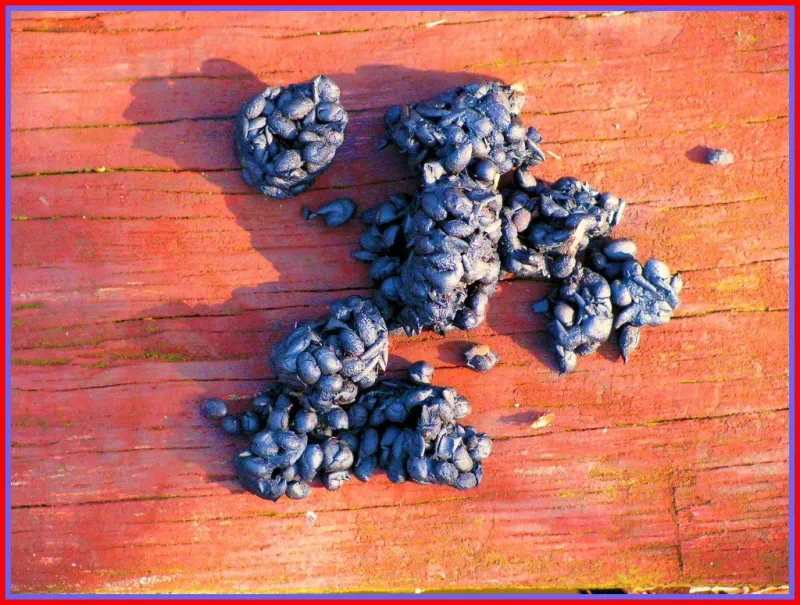
Shredded insulation is annoying, but the bigger concern is what raccoons leave behind. Their droppings can carry raccoon roundworm, a parasite called Baylisascaris procyonis.
The CDC reports that the eggs can survive in soil and debris for years. Human infections are rare, but they can be serious, especially for young children who put things in their mouths.
Pets can pick up other illnesses from raccoon contact as well. Rabies is another concern. New Jersey’s health department lists raccoons among the animals that most often test positive for rabies in the state.
A raccoon acting confused, aggressive, or wobbly during the day deserves extra caution. Keep pets vaccinated and keep kids away.
Raccoons often use one spot as a bathroom, called a latrine. You might find these piles on flat roofs, in attics, on decks, or at the base of trees.
Please do not sweep or vacuum droppings with bare hands. Wear disposable gloves and a mask, dampen the material, and bag it carefully.
For large attic messes, a professional cleanup crew is the safer choice. Your local health department can answer questions about possible exposures.
Locking Trash Lids and Chimney Caps Shut the Buffet
Food draws raccoons in, and shelter keeps them around. Cut off both, and your house quickly looks less appealing.
Start with garbage. Use sturdy cans with locking or strapped lids, and store them in a garage or shed until pickup morning.
Bring pet food bowls inside at night. Clean the grill, pick up fallen apples or pears, and keep compost in a closed bin instead of an open pile.
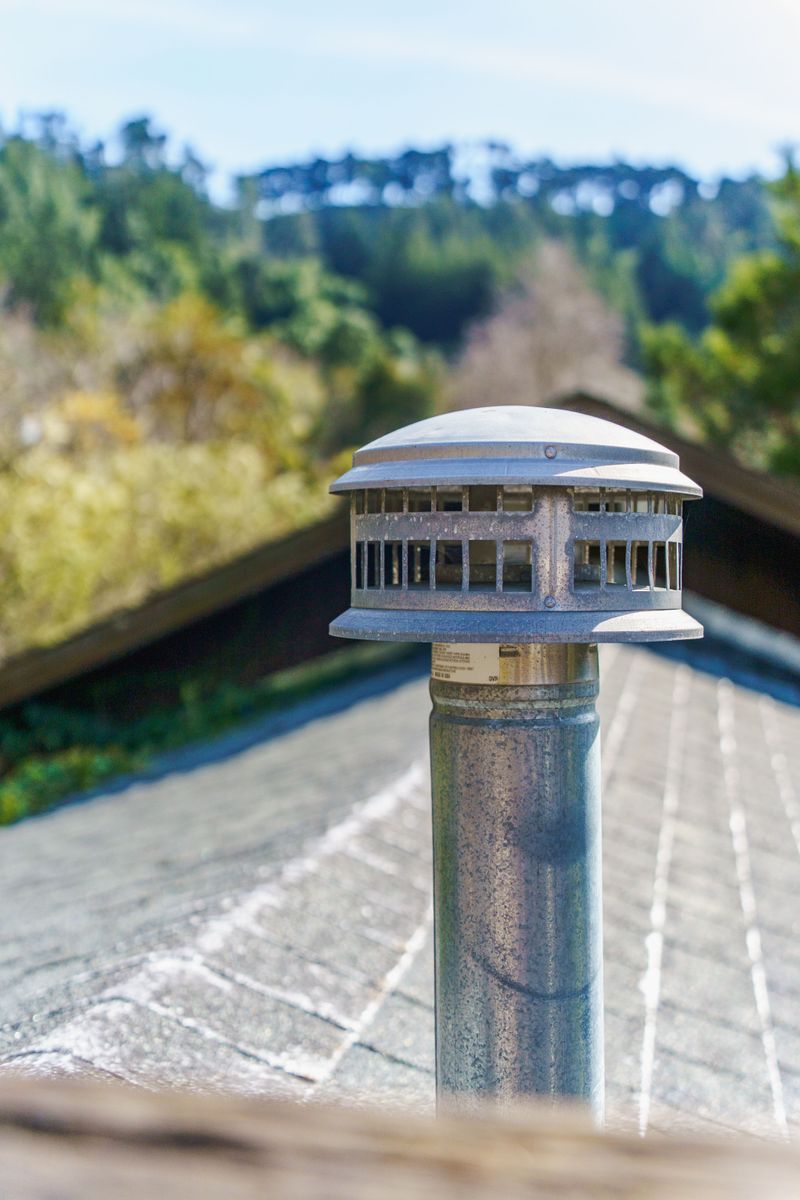
Bird feeders can attract them too, so hang them away from the house or take them down at night. Then seal up the house. A steel chimney cap blocks one of the favorite den spots.
Heavy-gauge hardware cloth or metal vent guards hold up better than plastic screens. Repair loose soffits and fascia boards promptly.
One warning matters a lot here. Never seal an opening while an animal is still inside, especially in spring when babies may be present. A trapped raccoon can tear through a ceiling or wall trying to escape.
A loose sheet of crumpled newspaper stuffed in a hole can help. If it stays put for several days, the spot is likely empty.
A Licensed Wildlife Pro Can Evict Your Raccoon Legally
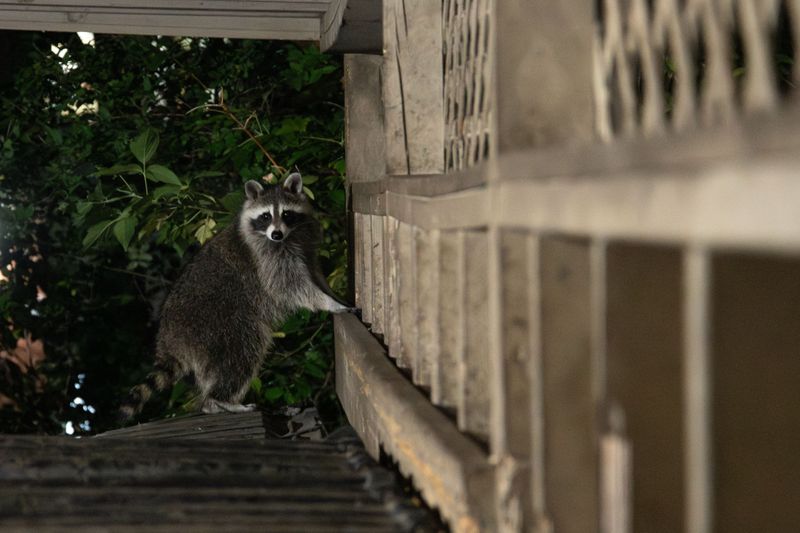
Sometimes a raccoon is already settled in, and that is the moment to bring in help. In New Jersey, raccoons are a protected furbearer managed by the Division of Fish and Wildlife.
Trapping and moving wildlife is regulated, and relocating a raccoon to another area is generally not allowed. Moved animals often struggle in unfamiliar territory, and relocation can spread rabies.
Homeowners should check with the Division of Fish and Wildlife before setting any trap. Licensed nuisance wildlife control operators know the current rules and permits.
A good pro will inspect the whole house, find every opening, and often use one-way exclusion doors. The raccoon leaves to forage at night but cannot get back in. After that, the crew seals the holes and may clean up contaminated insulation.
Ask questions before hiring anyone. Request proof of licensing and insurance, and ask how they check for babies before sealing. Humane methods are the standard you want.
My own takeaway is simple. Check your roof each fall, trim those branches, and lock up the trash. A few hours of prevention beats a winter of thumps overhead.