7 Animals That Hibernate In Your Pennsylvania Yard Every Winter
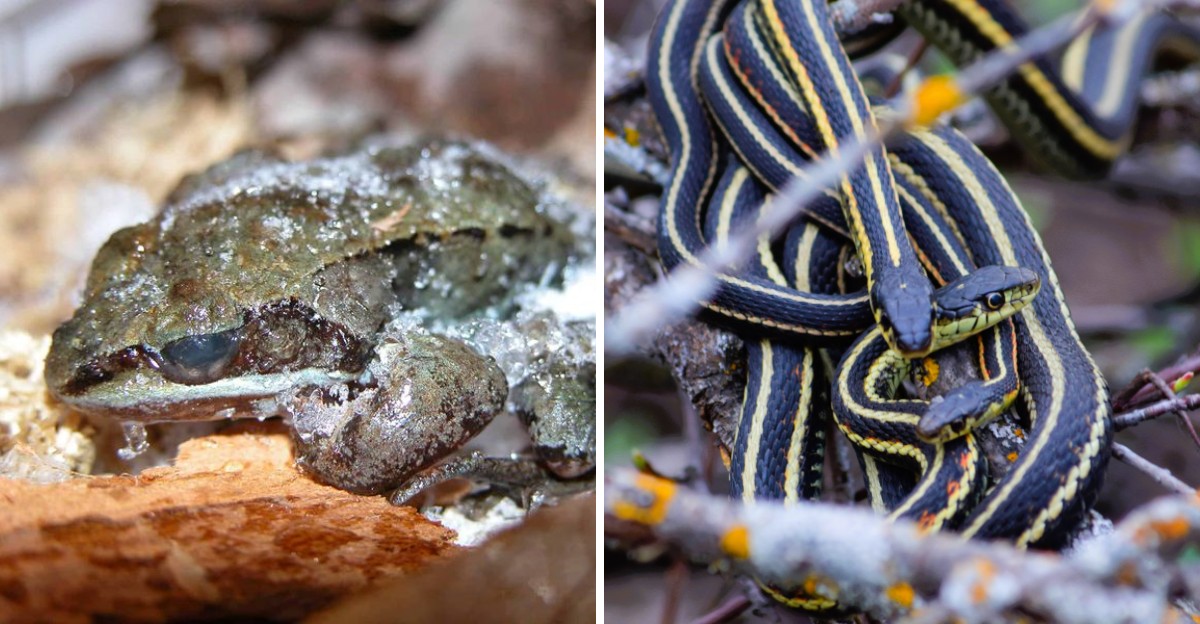
A frozen frog in your flower bed can thaw out in spring and hop away like nothing happened. That wild trick happens every year under the leaves in Pennsylvania backyards, right beneath our boots.
Some backyard neighbors quietly drop their heartbeat to just a few slow beats per minute until spring returns. A few even wake now and then, grab a snack from a hidden pantry, then curl up again.
I have to admit, my winter garden used to look empty and boring to me every single January. Now I tiptoe past leaf piles and brush heaps, knowing tiny sleepers are snugly tucked inside them.
You might be sharing your Pennsylvania yard with far more snoozing guests than you ever guessed this season. So which familiar faces are hiding just inches below your frosty lawn and garden beds right now?
1. The Groundhog Sleeps Deep In Its Backyard Burrow
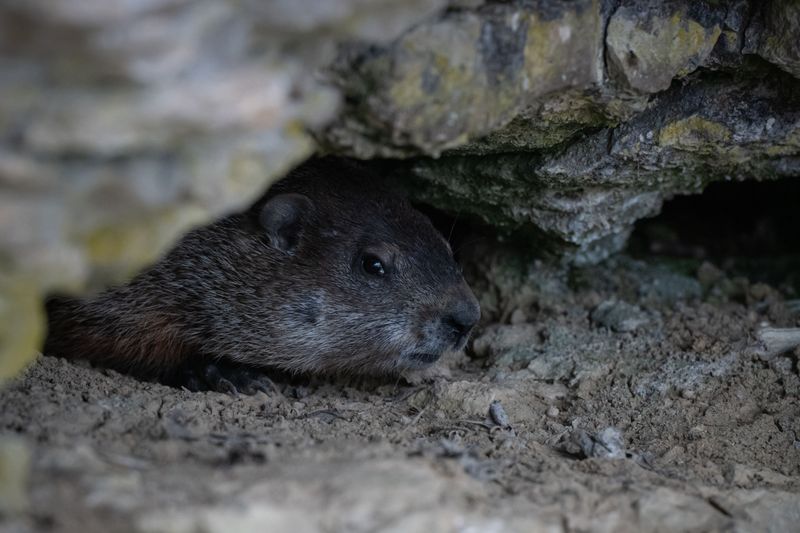
That chunky lawn raider who munched your beans last summer is now one of the deepest sleepers in town. A hibernating groundhog lets its body temperature fall from about 99 degrees to roughly 40 degrees.
Its heart slows from around 80 beats per minute to only about five, which still amazes me every winter. Breathing slows way down too, so the animal can coast for months on stored fat alone.
Groundhogs, also called woodchucks or whistle pigs, carry the scientific name Marmota monax and belong to the squirrel family.
Late summer is their big feeding season, when they pack on fat for the long winter rest ahead.
Most dig a special winter burrow, often near woods or brushy fence rows, below the reach of hard frost. They plug the chamber with soil and curl into a ball, waiting out the coldest weeks underground.
Males often wake in late winter to wander and find mates, which surprises folks who spot early tracks.
Researchers in our region have tracked these short February trips before the animals settle back into sleep.
You need to plan ahead if one of these diggers has claimed space under your shed or garden. Late winter is a smart time to note burrow holes, then add buried fencing after the animals move out.
Personally, I have made peace with the groundhog family living near my compost pile each year. Their old burrows often become cozy shelters for foxes, rabbits, and other wildlife that need a winter hideout.
2. Eastern Chipmunks Snack In Their Underground Pantries
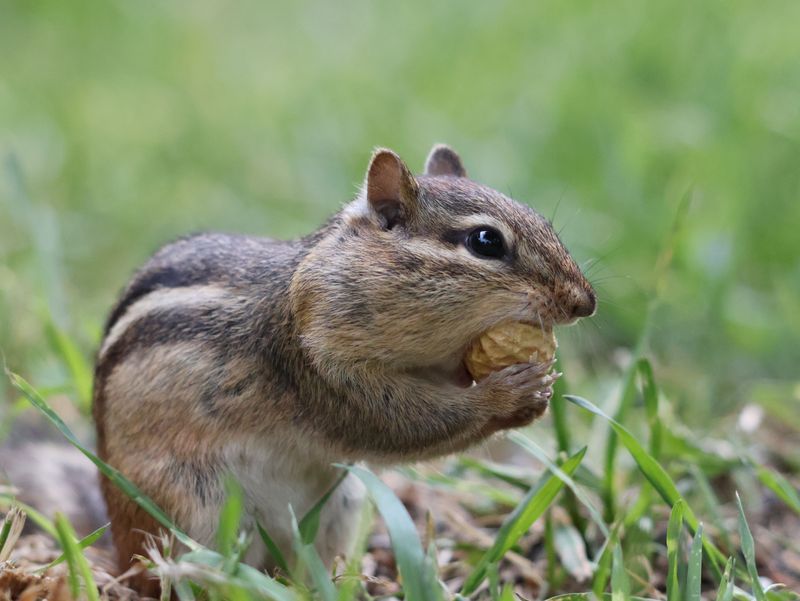
Cheek pouches stuffed so full they look ready to pop make the eastern chipmunk a champion hoarder. All autumn, these striped speedsters haul acorns, seeds, and nuts down into tunnels beneath your garden.
Tamias striatus is not a true deep hibernator, which makes its winter routine even more interesting to me. Instead, it slips into torpor for several days, then wakes briefly to eat from its hidden food stash.
One chipmunk can store a surprisingly large pile of food inside a single burrow system under the ground.
Some tunnels stretch many feet long, with separate rooms for sleeping, storing food, and handling bathroom business.
Entrances are tiny and tidy, usually hidden near stone walls, woodpiles, porches, or shrub roots in your Pennsylvania yard. Chipmunks carry dirt away in their cheeks, so you rarely see a mound marking the doorway.
You might notice one scampering across the patio on a mild, sunny winter afternoon looking for extra snacks. These quick outings are normal, so there is no reason to worry about a sick or confused animal.
Bird feeders are a big attraction, so sweep up spilled seed if chipmunks are digging holes in your flower beds.
Wire mesh laid over bulb plantings also helps protect tulips from curious diggers before spring arrives.
I love watching them return in early spring with busy tails held high like little flags. Their digging even helps loosen soil and spread seeds, so a few chipmunks can be quite helpful garden partners.
3. Big Brown Bats Hang Out In Barns And Attics
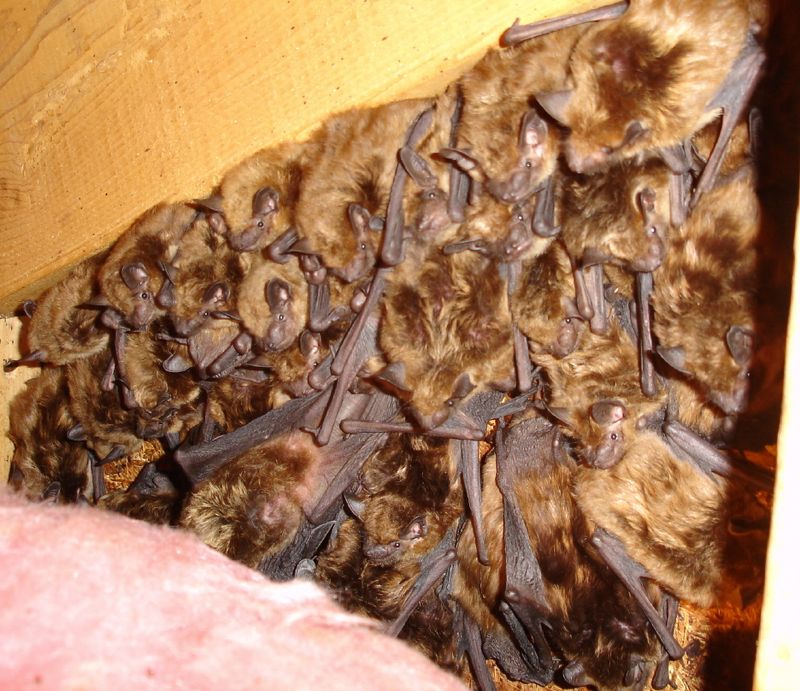
Your attic or old barn might be hosting a furry insect hunter right now without you hearing a peep. The big brown bat, Eptesicus fuscus, is one of the hardiest bats found across our state.
Many bats travel to caves or old mines for winter, yet this species often chooses buildings close to home. Cool attics, barn rafters, and wall gaps give it stable temperatures for a long, quiet hibernation.
During hibernation, its body cools close to the surrounding air, and its heart rate drops dramatically to save energy.
Each bat survives on fat stored from feasting on beetles, moths, and other insects during warm months.
What surprises me most is how tough these bats can be compared with many of their cave cousins.
They handle colder spots and sometimes shift roosts during winter thaws, then settle down again when temperatures drop.
You need to leave any hibernating bat alone, because waking it burns precious fat it cannot easily replace. Bats are protected wildlife, so contact a licensed wildlife professional if they are living inside your home.
Exclusion work is best done in late spring or early fall, when pups are not stuck inside the roost. Sealing gaps during winter can trap sleeping bats indoors, which creates problems for them and for you.
Personally, I put up a bat house near my vegetable garden to give them a safer summer home. A single colony can gobble huge numbers of night-flying insects, including beetles that chew on crops.
4. Wood Frogs Freeze Solid Under The Leaf Litter
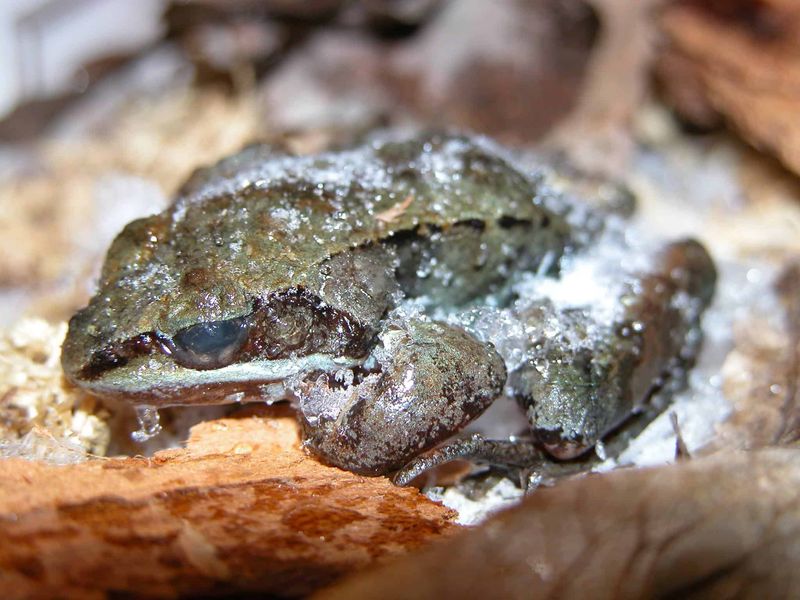
Brace yourself, because this little brown frog turns into a froggy ice cube and lives to tell the tale. The wood frog, Lithobates sylvaticus, freezes solid under leaf litter in shady corners of many yards.
You can spot one in warmer months by the dark mask stretching across its eyes like a tiny bandit. Woodland edges, damp gardens, and yards near spring pools are favorite hangouts for this amazing amphibian.
As ice forms on its skin, the frog’s liver floods its cells with sugar that works like natural antifreeze. Up to about 65 percent of its body water can freeze, while the sugar protects vital organs.
Its heart stops beating and breathing pauses, yet the frog revives once temperatures warm up again in late winter. Scientists still study this trick closely, hoping to learn better ways to preserve human organs for transplants.
Wood frogs are often among the first frogs calling in early spring, sounding a lot like quacking ducks.
They head straight to temporary woodland pools, where eggs hatch before those shallow waters dry up in summer.
You can help by raking fewer leaves under trees and shrubs, leaving a soft blanket for winter shelter. Skip heavy pesticide use too, since frogs absorb chemicals easily through their thin, delicate skin.
I have to admit, I now treat my fallen leaves like a cozy hotel for these frozen guests. It feels wonderful knowing a sleeping frog could be hiding just inches below the snow by my birdbath.
5. Eastern Box Turtles Burrow Below The Frost
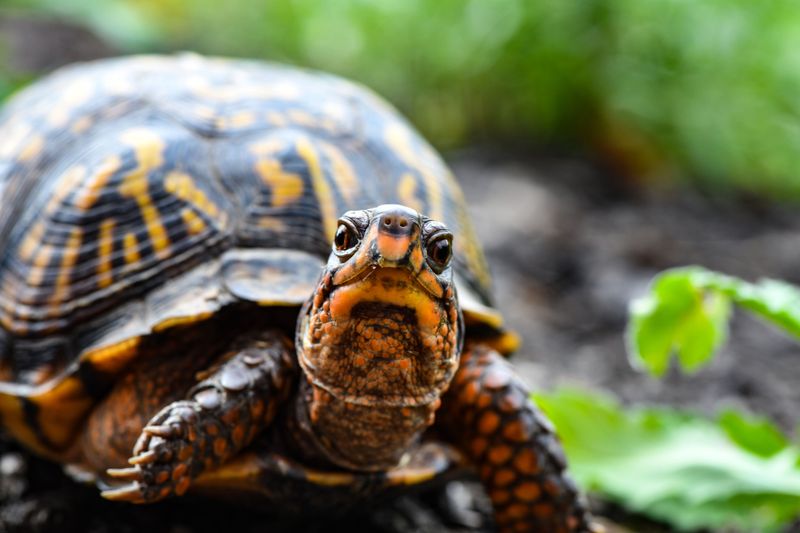
Meeting a box turtle in your garden feels like spotting a tiny walking treasure chest with golden patterns. The eastern box turtle, Terrapene carolina carolina, spends winter tucked away in soil right beneath our feet.
Reptiles do not truly hibernate like mammals, so scientists call their winter slowdown brumation instead.
Because turtles rely on outside temperatures for body heat, cold weather slows them down almost to a standstill.
In autumn, a box turtle digs into loose soil, leaf litter, or rotting logs to escape freezing weather. Some burrow only a few inches deep, while others go deeper as the season grows colder.
Many return to the same winter spot year after year, showing remarkable memory for their home ground.
These turtles can live for many decades, so one might have visited your Pennsylvania yard longer than you have.
You need to be careful when tilling, mowing, or digging around brushy edges during early spring or late fall. A sleepy turtle can sit just under the surface, hard to see until it is too late.
Box turtles are protected in our state, so collecting them from the wild or keeping them as pets is not allowed. If you find one, leave it where it is, since moving it far away confuses its homing sense.
Personally, I keep a messy corner with leaves and logs, hoping a turtle claims it someday. Native berries like wild strawberries also give these slow wanderers a tasty treat during summer months.
6. Garter Snakes Huddle In Rocky Winter Dens
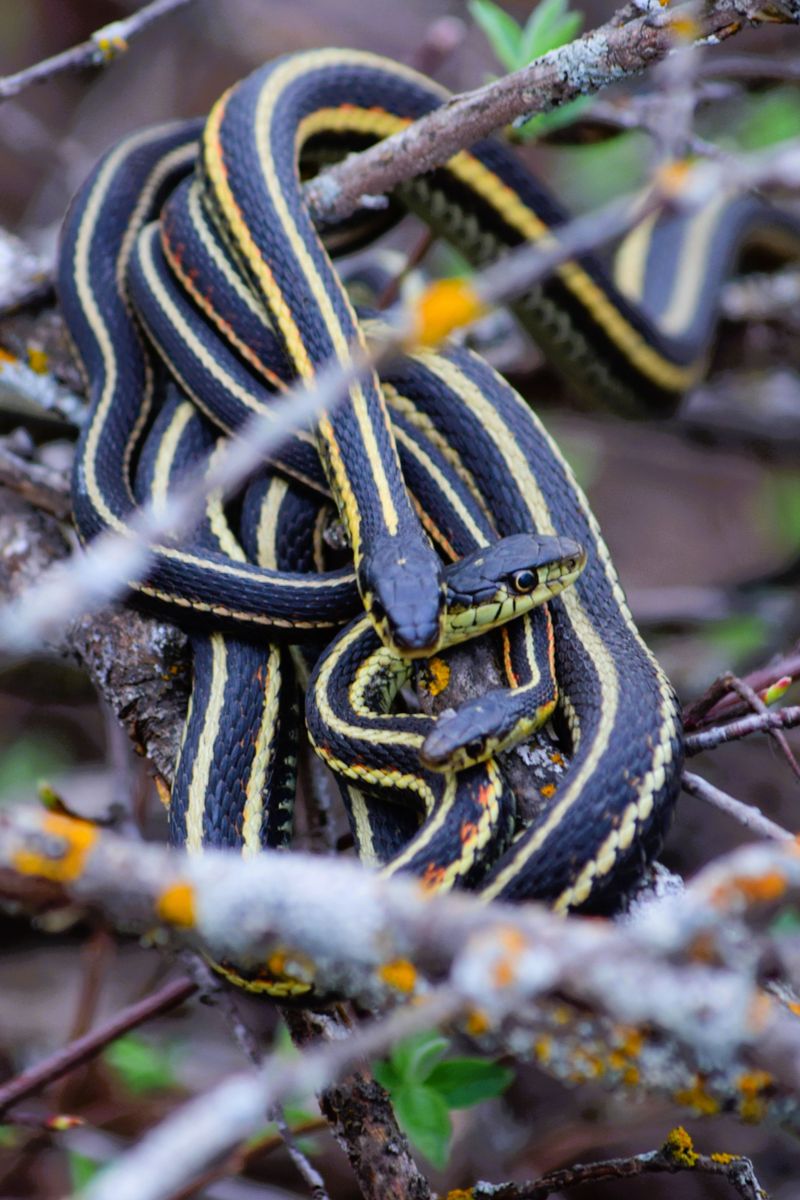
Dozens of striped snakes tangled together in one rocky hole might sound like a scene from a scary movie. For eastern garter snakes, though, that crowded den is simply a cozy and safe place to spend winter.
Thamnophis sirtalis sirtalis is one of the most common snakes found in yards, gardens, and parks around our region. Look for yellowish stripes running down a darker body, often with a checkered pattern between them.
Like turtles, garter snakes enter brumation rather than true hibernation once the weather turns cold.
They gather in winter dens called hibernacula, which can be rock crevices, old burrows, or cracked building foundations.
Sharing a den helps them find the right temperatures and makes spring mating easier when everyone wakes up.
Garter snakes are often among the first snakes active in spring, sometimes basking on mild winter days.
You might feel nervous about snakes near your home, but these are harmless and rather shy around people. They may release a smelly musk when handled, so admiring them from a short distance is best.
Gardeners have good reason to welcome them, since they eat slugs, worms, insects, and small rodents.
Rock walls, stone piles, and thick plantings give them hiding spots during warm months near your vegetable beds.
I love how one garter snake quietly patrols my lettuce rows for slugs every summer without complaint.
If you want fewer near the house, seal foundation cracks in early fall before snakes choose winter quarters.
7. Meadow Jumping Mice Snooze Through The Longest Winter Nap
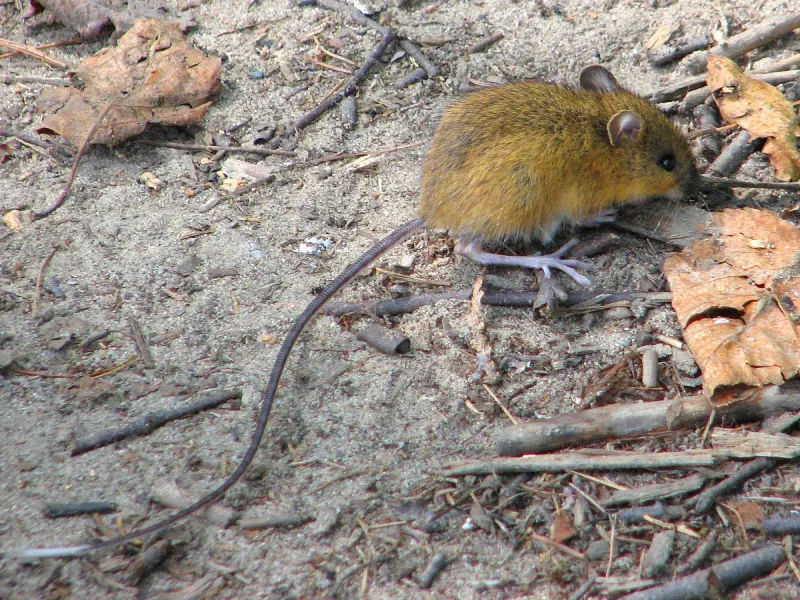
A tail longer than its whole body helps this tiny mouse leap several feet through tall grass in summer. The meadow jumping mouse, Zapus hudsonius, is also one of the longest sleepers in our backyard lineup.
You might spot one near damp meadows, overgrown field edges, or tall grassy borders beside streams and ponds. Golden brown fur, a white belly, and big hind feet make it look like a pocket kangaroo.
Before winter arrives, this little rodent eats heavily and builds up thick fat reserves under its skin. Then it digs a nest underground, curls into a tight ball, and wraps that long tail around itself.
Its body temperature drops close to freezing while its heartbeat and breathing slow down to a crawl. Many jumping mice stay hibernating for about six months, sometimes longer in colder northern parts of their range.
Unlike chipmunks, these mice do not store food in tunnels, so stored body fat must last all winter. Young mice born late in summer face the biggest challenge, since they have less time to fatten up.
You can help by leaving a strip of tall grass or native wildflowers unmowed along a yard edge. Plants like goldenrod and native grasses provide seeds in late summer, right when the mice need extra calories.
Personally, I think a mouse that sleeps half the year deserves a little peace and quiet in our yards. Spring mowing can wait until it warms up, giving these sleepy jumpers a chance to wake.