The One Thing Georgia Homeowners Must Finish In The Yard Before Thanksgiving
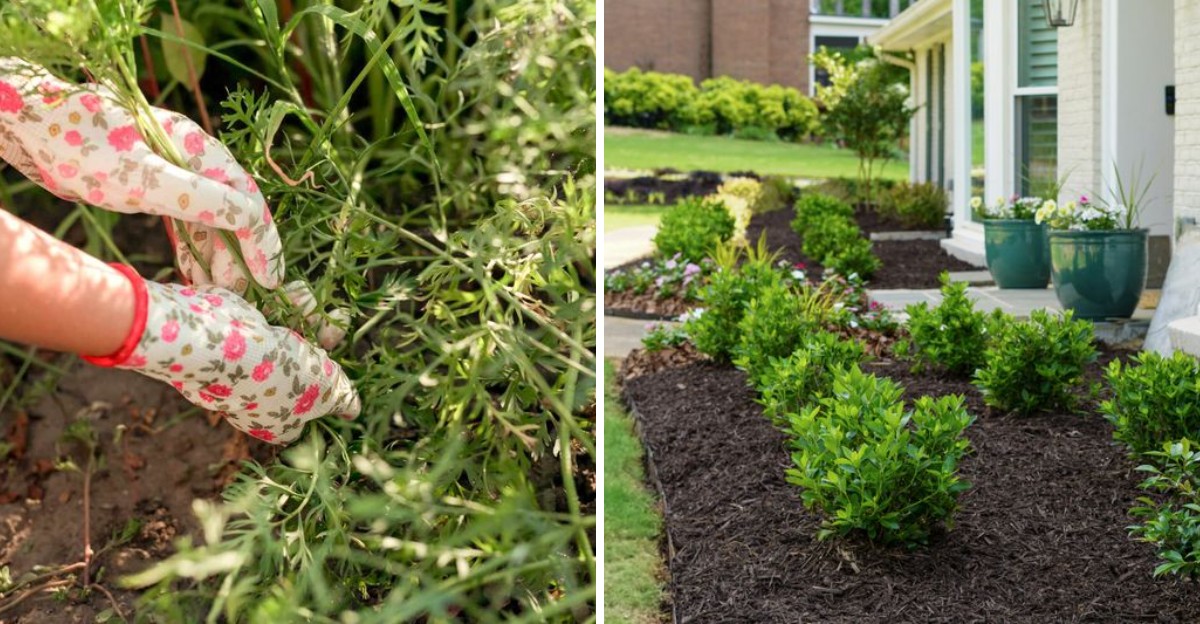
A single November night can swing from shirt-sleeve warm to frosty in parts of Georgia, and plant roots feel every bit of that whiplash.
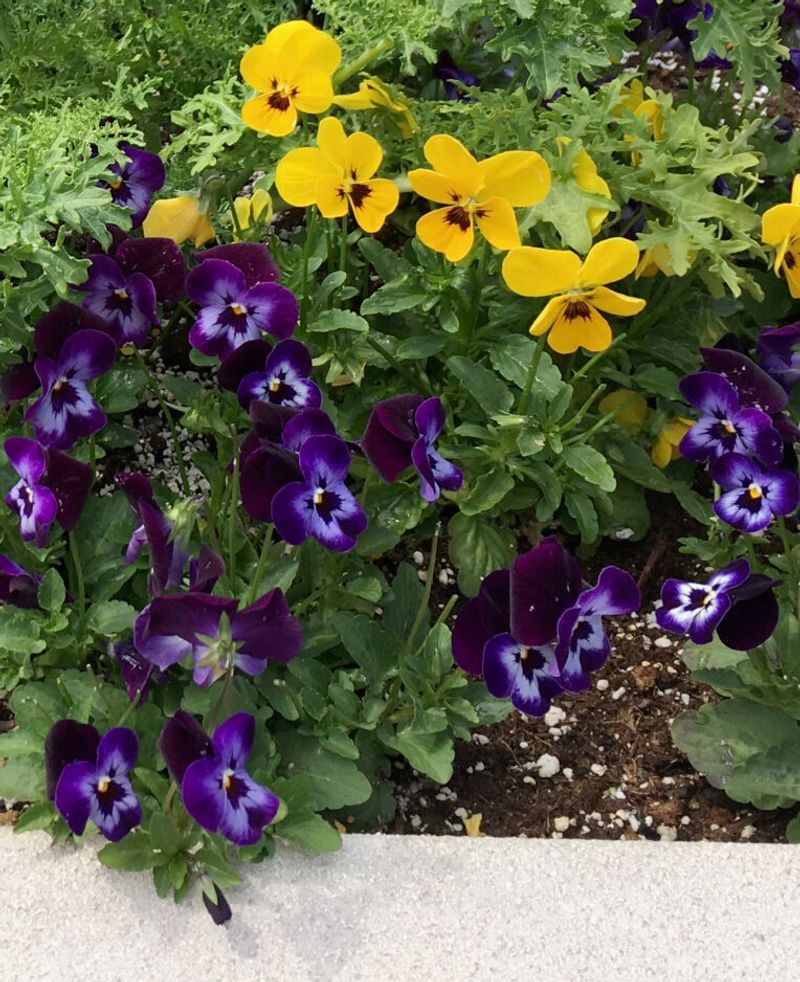
I learned this the hard way with a row of pansies that popped halfway out of the soil after a week of freezing nights and sunny afternoons. They looked like they were trying to escape the bed.
The fix turned out to be cheap, simple, and sitting in bags at nearly every garden center right now. You probably walk past it every weekend without a second thought.
I think fall is the most underrated season for yard care in the South. The soil is still warm, the bugs are calming down, and the holiday rush has not started yet.
One small yard chore now could protect your plants through the coldest months ahead.
1. That Bare Soil Around Your Shrubs Is Asking For Trouble
Bare dirt looks tidy, but it is one of the toughest places for a plant root to spend the winter.
Without a cover, soil heats up fast on sunny days and chills quickly on clear, cold nights.
That constant up-and-down creates freeze and thaw cycles. As water in the soil freezes, it expands and pushes upward, then settles back when it melts.
Shallow-rooted plants like pansies, newly planted perennials, and young shrubs can get nudged right out of the ground, a problem gardeners call frost heave.
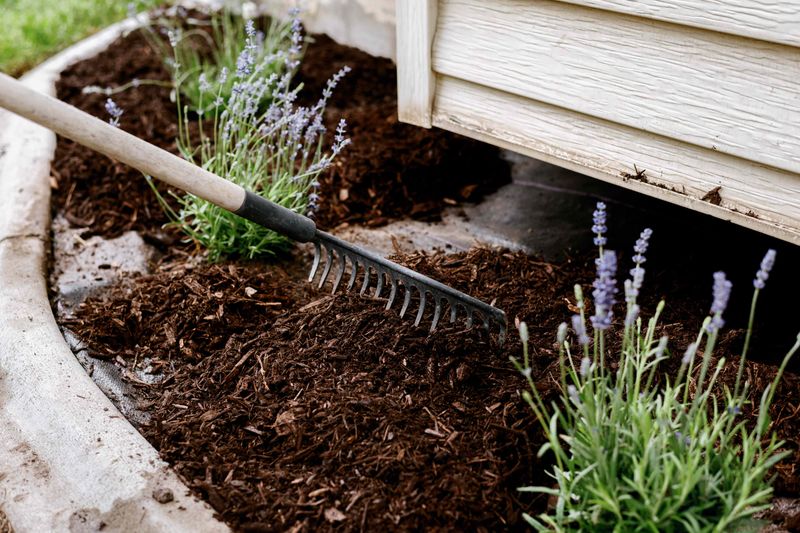
So the one big job before Thanksgiving is simple. You need to spread a fresh layer of organic mulch over your beds.
UGA Cooperative Extension has long pointed to mulch as one of the best tools a home gardener has. It works like a cozy blanket, slowing down temperature swings so roots stay steadier through the season.
I like that it is low-tech and forgiving. You do not need special skills, fancy equipment, or a big budget to do it right.
Take a quick walk around your yard this week. Any spot where you can see bare soil around shrubs, trees, or winter flowers is a spot that could use some attention before the turkey hits the table.
2. A Fresh Blanket Of Mulch Does More Than Keep Roots Warm
Warm roots are just the start. A good layer of mulch is a quiet multitasker that keeps working all winter while you are busy with holiday plans.
First, it holds moisture. Late fall in the state can bring surprise dry spells, and mulch slows evaporation so plants keep drinking even when rain skips a few weeks.
Evergreens still lose water through their leaves in winter, so that extra moisture matters.
Second, it blocks weeds. Winter annual weeds like henbit, chickweed, and annual bluegrass sprout in fall.
A thick layer shades the soil and keeps many of those seeds from getting started.
Third, it protects against erosion. Heavy fall rains can wash topsoil off slopes and out of beds.
Mulch breaks the force of raindrops and helps keep soil in place.
Finally, organic mulch slowly breaks down. As it decays, it feeds soil life and improves soil structure, which is a real gift for heavy red clay.
Honestly, I cannot think of another yard chore that checks this many boxes at once. One afternoon of spreading pays you back in healthier soil, fewer weeds, and happier plants when spring rolls around.
3. Two To Four Inches Of Mulch Is The Sweet Spot
Depth is where a lot of folks go wrong. Too little does almost nothing, and too much can smother roots and trap extra moisture.
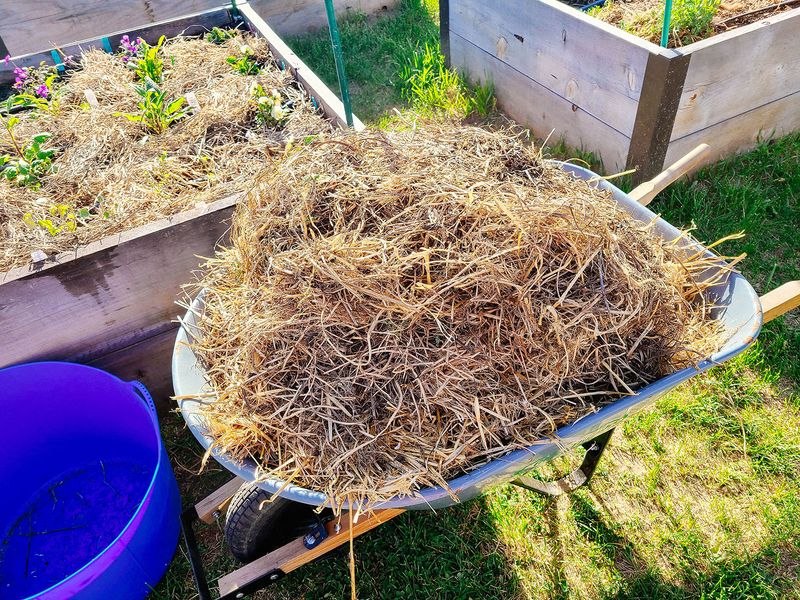
Most garden beds do best with a layer between 2 and 4 inches deep. Fine materials like shredded leaves settle more, so start closer to 3 or 4 inches.
Coarser wood chips can sit at the lower end.
Check what is already there before you add more. Old mulch from spring may have thinned out, so top it up only enough to reach that target depth.
Got an old ruler or paint stirrer? Push it gently into the bed in a few spots to see how deep things really are.
It takes about thirty seconds and saves you from buying bags you do not need.
Here is a quick shopping tip. A standard 2 cubic foot bag covers about 12 square feet at 2 inches deep, or 8 square feet at 3 inches.
Measure your beds roughly with a few steps, multiply length by width, and you will have a pretty solid idea of how many bags to grab. Fewer trips to the store means more time on the porch with a warm drink.
4. Keep Mulch Volcanoes Away From Tree Trunks
Drive through almost any neighborhood and you will spot them. Tall cones of mulch piled up against tree trunks, sometimes a foot high.
Arborists call these mulch volcanoes, and they cause real problems. Bark stays wet, which invites rot, fungal issues, and insects.
Rodents like voles also love tunneling in that hidden, moist space and chewing on bark during winter.
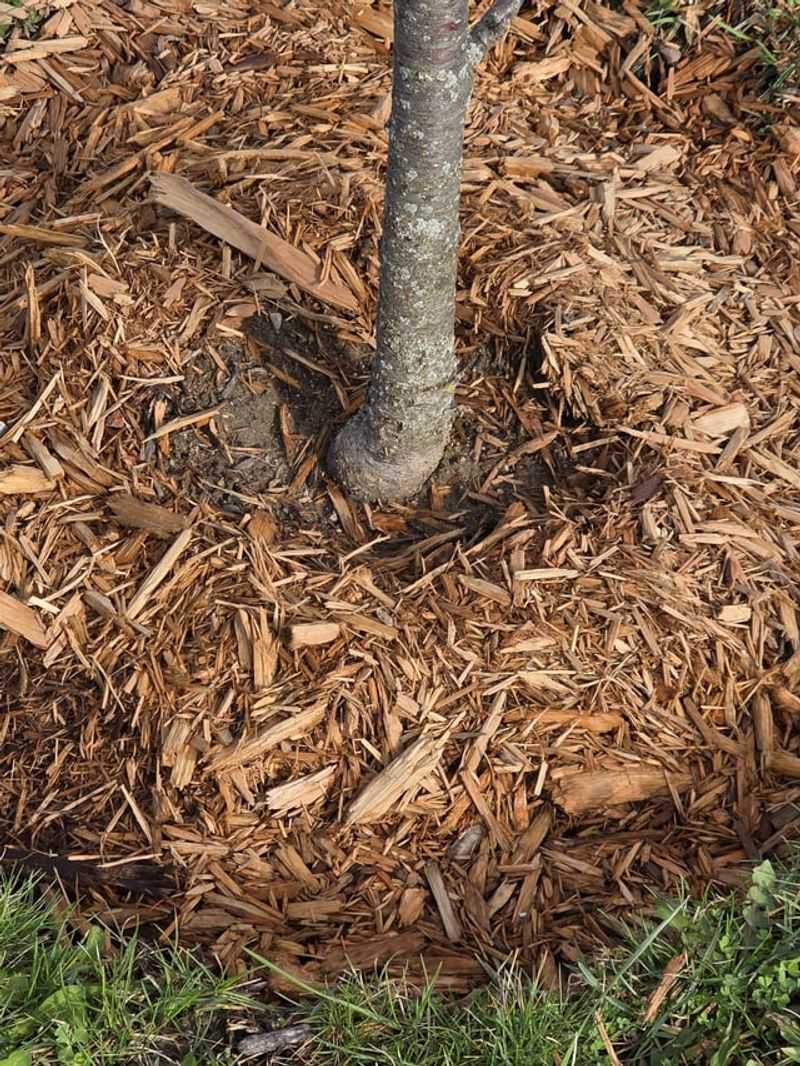
The fix is easy. Leave a gap of about 2 to 6 inches between the mulch and the base of shrubs and stems, and a bit more around tree trunks.
The goal is a flat ring that looks more like a donut than a cone.
For trees, spread mulch out wide rather than piling it high. Roots stretch far beyond the trunk, so a broad ring a few feet across does far more good.
Already have a volcano in your yard? Grab a rake and pull the excess back.
Look for the root flare, the spot where the trunk widens as it meets the soil, and keep that area visible.
I find this one of the most satisfying fixes in the whole yard. Your trees will thank you with stronger growth for years.
5. Pine Straw Is A Southern Classic For Good Reason
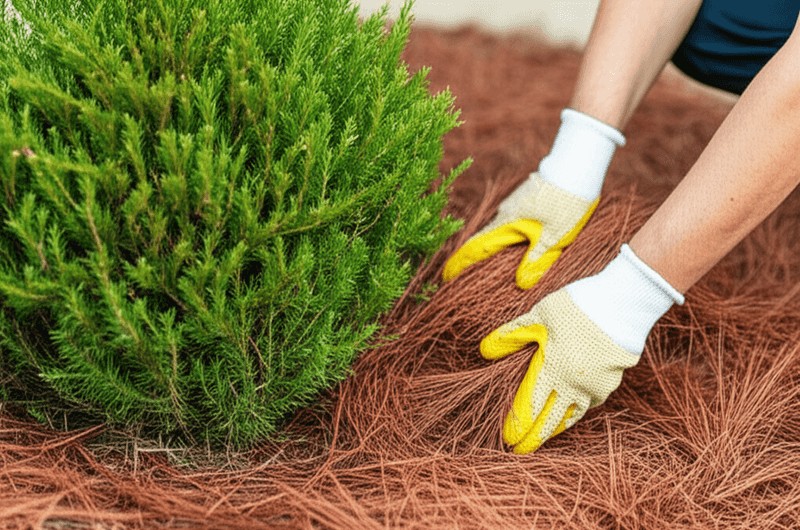
Few things say Southern yard quite like a fresh bale of golden pine straw. Much of it comes from longleaf, slash, and loblolly pines raked right here in the Southeast.
Pine straw has some serious perks. The needles lock together, so they stay put on slopes and hillsides where wood chips might wash away.
It is light, easy to carry, and spreads fast.
It also suits acid-loving plants like azaleas, camellias, and blueberries. Pine straw does not change soil pH much, but those shrubs look right at home under it.
Shredded hardwood is another strong pick. It breaks down a little faster and adds organic matter, and it gives beds a darker, polished look.
Wood chips work well under trees and along paths. Many tree services offer them free or cheap, though they can be coarse and mixed.
And do not overlook your own fallen leaves. Run them over with a mower to shred them, then spread them in beds for zero cost.
Personally, I mix things up. Pine straw goes on the slopes, and shredded leaves get tucked into the vegetable garden.
6. Pulling Weeds And Watering First Makes Mulch Work Harder
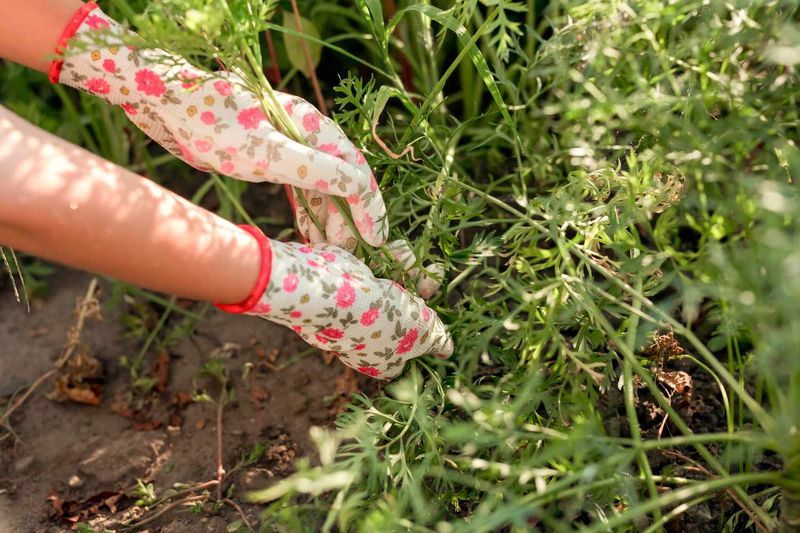
Mulch is great at stopping new weeds. It is far less impressive at stopping weeds that are already up and growing.
Before you spread anything, take twenty minutes to pull visible weeds. Chickweed, henbit, and wild onion are common culprits this time of year.
Get the roots when you can, especially after a rain when the soil is soft.
Next, check soil moisture. Stick a finger a couple of inches down.
If it feels dry and dusty, give beds a slow, deep watering a day before mulching.
Why bother? Mulch keeps moisture in, but it also slows light rain from reaching dry soil.
Starting with damp ground means roots head into winter well hydrated, which helps evergreens resist cold damage.
Fallen leaves sitting in thick, soggy mats on top of perennials are worth clearing too. They can trap too much water against crowns.
Got some time to spare? Edge your beds while you are at it.
A crisp edge keeps mulch from spilling into the lawn and makes the whole yard look sharp when relatives pull into the driveway for dinner.
7. North And South Georgia Gardens Run On Different Clocks
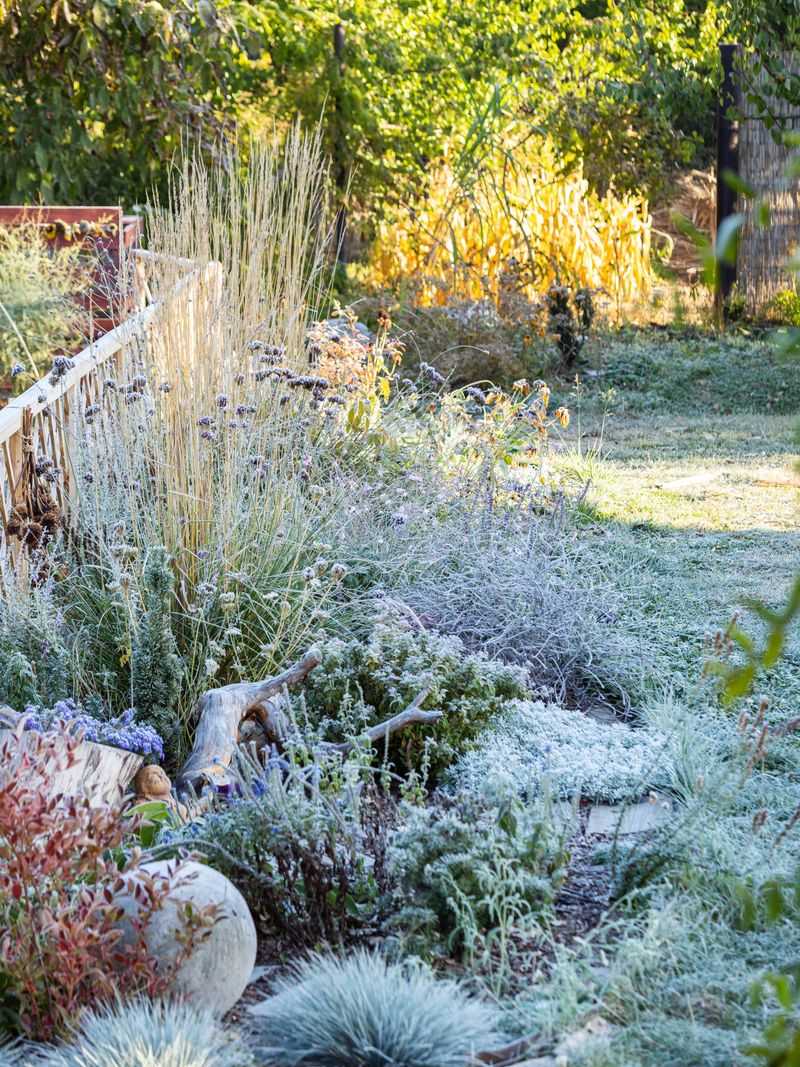
The state stretches from mountain ridges to coastal marshes, and winter arrives on very different schedules. USDA hardiness zones run from about 7a in the north Georgia mountains to 9a near the coast.
Up around Blairsville and Dahlonega, the first frost often shows up in October. Gardeners there should aim to have mulch down by early November at the latest.
In the Atlanta area and much of the Piedmont, first frost usually lands in late October to early November. Mulching anywhere from late September through mid-November works nicely.
South Georgia and the coast enjoy a longer runway. Frost may not appear until late November or even December in places like Savannah or Valdosta.
Still, having beds covered by Thanksgiving keeps you ready for any surprise cold snap.
Some experts suggest waiting for the first hard freeze so plants settle into dormancy. That advice fits colder regions well, but across most of the state, the weeks before Thanksgiving hit a practical sweet spot.
Check your local frost dates through your county Extension office. A quick call or website visit gives you timing that fits your exact backyard.
8. A Mulched Yard Now Means Easier Spring Days Later
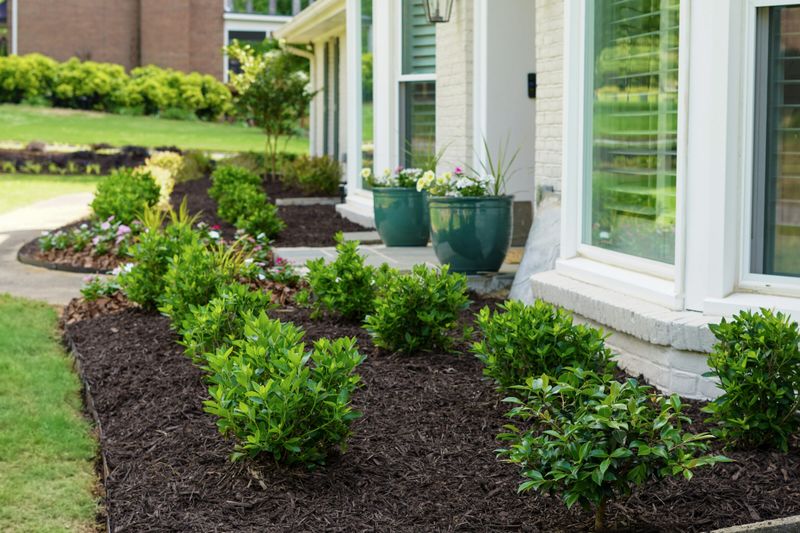
Spring in the South arrives in a rush. One week it is chilly, and the next the azaleas are blooming and weeds are shooting up everywhere.
Getting mulch down before Thanksgiving gives you a head start on that chaos. Beds stay cleaner through winter, roots stay healthier, and the soil underneath slowly gets richer.
Once the holidays pass, check your mulch every few weeks. Rake it back into place after strong winds or heavy rain, and pull any weeds that sneak through.
A light refresh in spring usually tops it off nicely.
Keep a simple note on your phone with how many bags you used and where. Next fall, you will know exactly what to buy.
I love the feeling of finishing this job before the big holiday meal. The yard looks cared for, and there is nothing nagging at me while I enjoy pie with family.
So grab a few bags this weekend, call in a helper or two, and knock it out. Your plants get a warm, protected winter, and you get bragging rights when guests compliment those tidy beds on Thanksgiving Day.