10 Evergreen Shrubs That Look Great in Virginia Yards All Winter
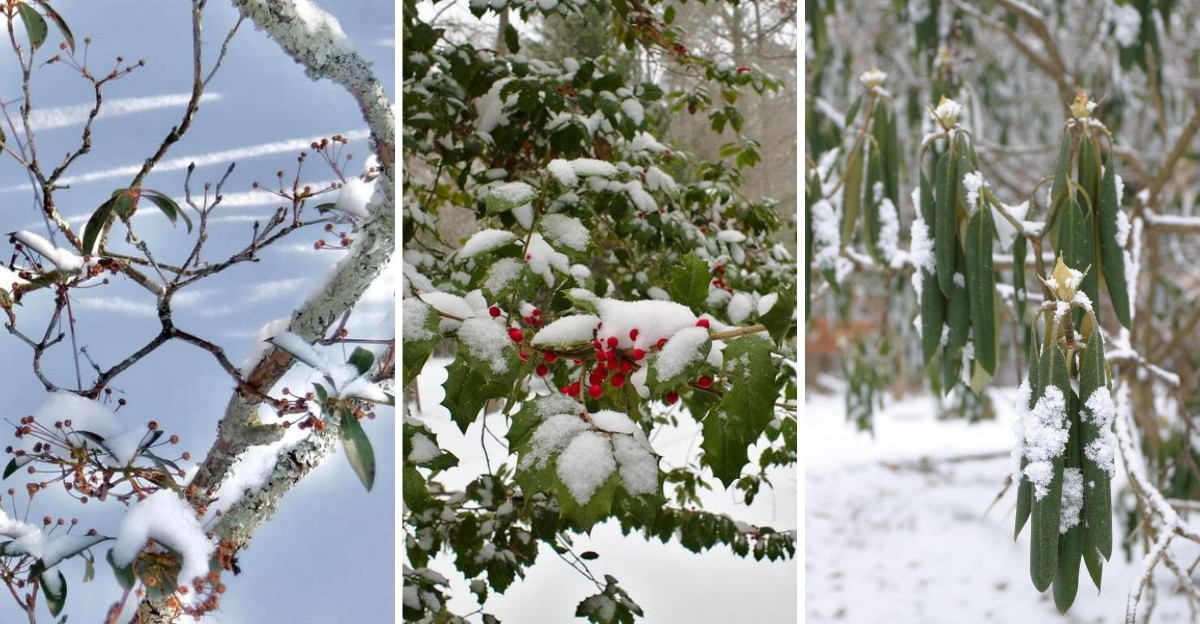
Colonial families once boiled waxy gray berries from a coastal shrub to make candles that smelled like spice. I love that a humble hedge plant once lit up winter homes long before electric bulbs arrived.
Plenty of shrubs in Virginia hold their leaves through snow and sleet without losing a single shade of green. Some even blush bronze or purple when cold nights arrive, which feels like a bonus show to me.
You might notice how bare yards look flat and tired once the oaks and maples drop their leaves. I have to admit my own garden felt lonely until I tucked a few winter-proof shrubs near the porch.
Birds noticed the change before my neighbors did, and they started showing up for berries every frosty morning. Which of these sturdy Virginia beauties could turn your quiet winter yard into the best view on the street?
1. Boxwood
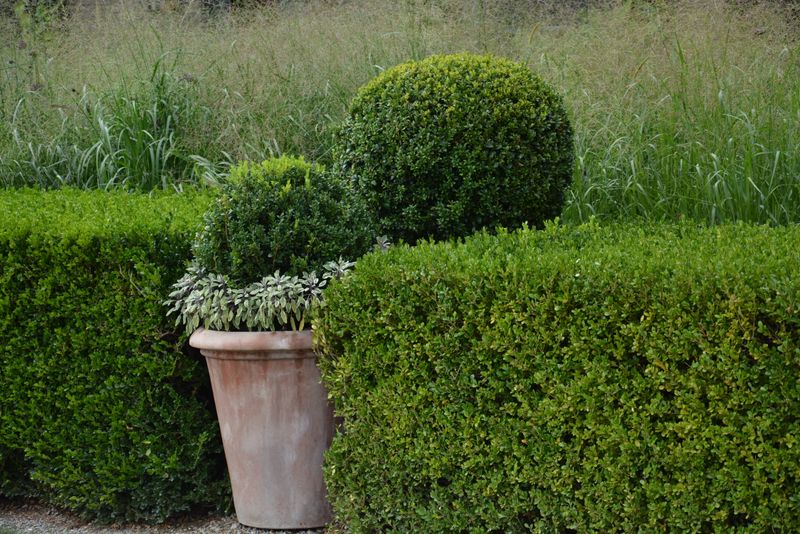
Colonial gardeners loved boxwood so much that some hedges at historic estates date back more than two hundred years. I still brush my hand across one on cold mornings just to catch that earthy, green smell.
The small oval leaves stay a deep, rich green all winter, giving your yard neat shapes when everything else looks bare. Slow growth means you will rarely need to grab the shears more than once or twice a year.
Morning sun with afternoon shade suits it best, especially during hot summers that can stress the shallow roots. A spot shielded from harsh winter wind also helps the leaves avoid that faded, bronzed look by spring.
Boxwood prefers fertile, well-drained soil with plenty of compost mixed in well before planting day arrives. Aim for a soil pH between 6.5 and 7.0, which a simple extension soil test can confirm.
Water deeply during dry spells, including mild winter days before a hard freeze rolls in from the west. A two-inch layer of mulch keeps those shallow roots moist and shields them from sudden temperature swings.
Deer usually leave boxwood alone, which makes it a smart pick for yards near woods or open fields. Thinning a few inner branches in late winter lets air move through and helps reduce disease problems.
Boxwood blight has become a real concern, so shop for resistant cultivars and buy from trusted local nurseries. Personally, I think a row of healthy boxwood gives any home a calm, classic look that rarely goes out of style.
2. Inkberry Holly
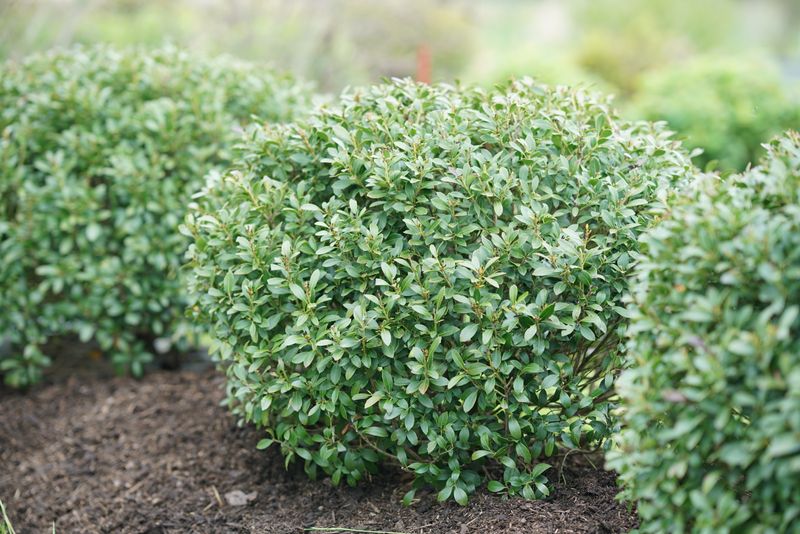
Glossy black berries dangling on a native holly look like tiny beads someone forgot to string together. Inkberry earns its name from those dark fruits, and I grin every time a hungry bird snatches one.
The shrub grows about five to ten feet tall with smooth, spineless leaves that shine even on cloudy days. It feels like a softer, wilder cousin of boxwood, and it fits naturally into relaxed garden designs.
Inkberry handles full sun or moderate shade, so you can tuck it along a shady fence or sunny driveway. It tolerates both sandy soil and heavy clay, though decent drainage keeps it happiest over the long run.
Acidic soil matters here, because alkaline ground can turn the leaves a sickly yellow called chlorosis. Keep young plants evenly moist during their first year while roots spread out and settle into place.
Only female plants make berries, and they need a male inkberry nearby for pollination to happen each spring. Ask your nursery to label plants clearly, since you cannot tell them apart until the flowers open.
Pests and diseases rarely bother inkberry, and it shrugs off a fair amount of salt spray near the coast. Roots send up suckers over time, so give it room or pull stray shoots to keep things tidy.
I like using a group of inkberries as a low privacy screen along a back property line. Winter birds will thank you, and you will enjoy that steady green glow long after the leaves fall.
3. Mountain Laurel
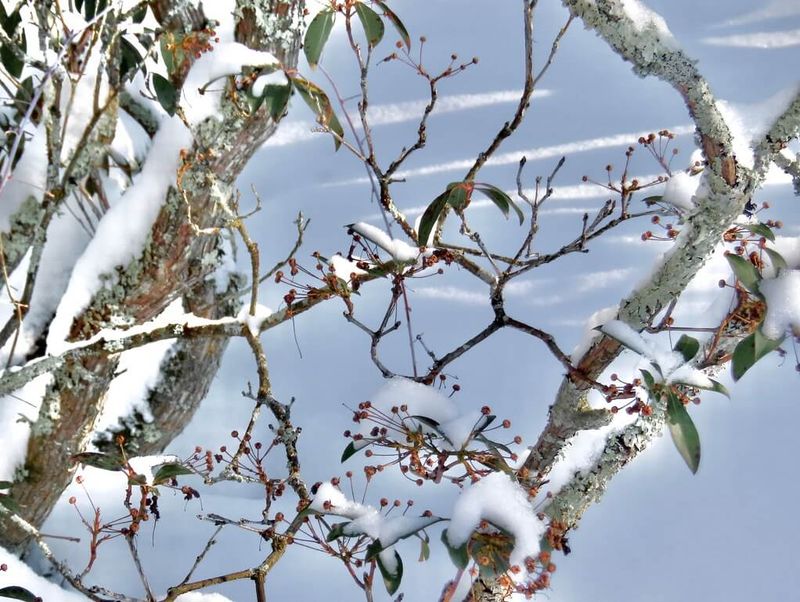
Each mountain laurel flower has tiny stamens tucked into pockets that spring loose and fling pollen onto visiting bees. I once poked one with a pencil tip, and watching it snap free made me laugh out loud.
Those clever blooms arrive in late May and June, in shades ranging from white to rosy pink with purple freckles. Winter is when the leathery, dark green leaves take center stage and give shady corners real substance.
Mountain laurel grows wild across the state, often on rocky slopes and along wooded mountain trails. Slow growth keeps it manageable for years, though older plants can eventually reach eight to fifteen feet tall.
Part shade suits it best, and afternoon shade becomes important in warmer eastern areas to prevent leaf scorch. Soil should be acidic and rich in humus, since heavy clay or soggy ground tends to cause trouble.
Spread pine bark or pine needles around the base to keep the roots cool and steadily moist. Water during dry stretches, because this shrub dislikes drying out, especially in its first couple of years.
Prune lightly right after flowering ends, which helps the plant set more buds for next spring’s show. Snipping off faded flower clusters can also push energy toward healthy new growth instead of seed production.
All parts of mountain laurel are toxic if eaten, so place it away from curious pets and small children. I have to admit that a winter woodland edge looks more inviting with these glossy leaves catching the light.
4. Great Rhododendron
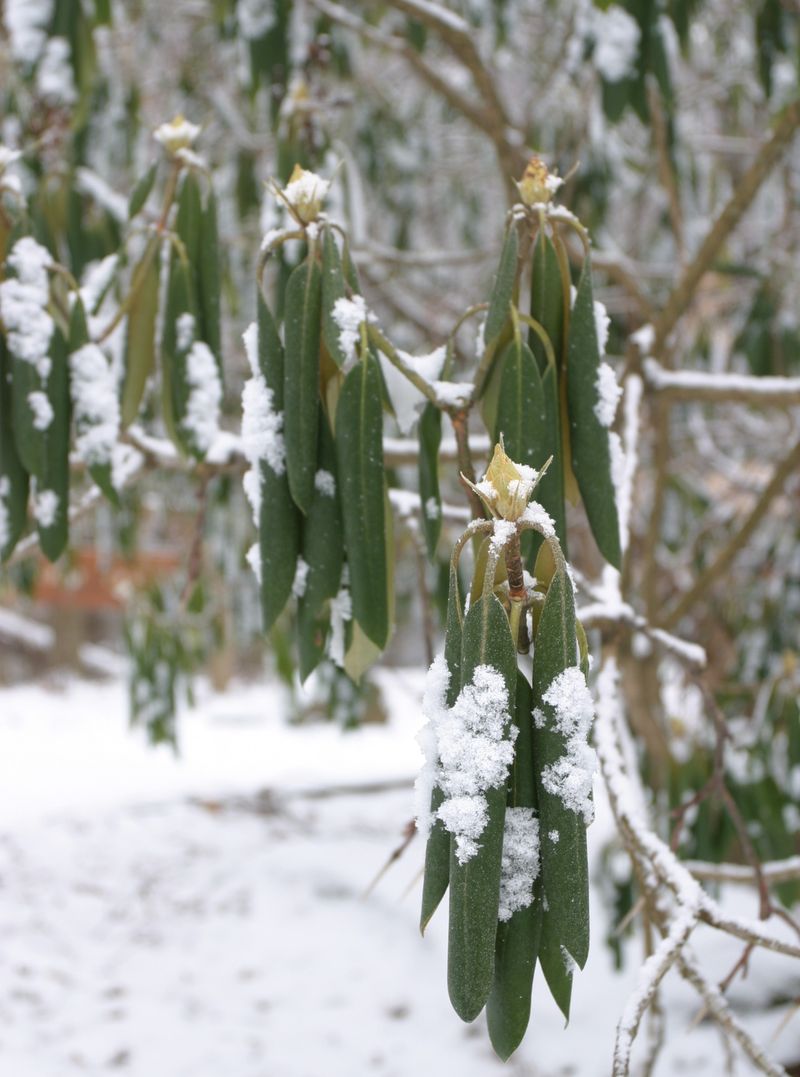
Leaves on great rhododendron can stretch up to ten inches long, and they curl tightly when temperatures drop hard. I check mine on frosty mornings like a living thermometer, because tighter curls usually mean colder air.
Native to the Appalachians and much of eastern North America, this big shrub can reach ten to twenty feet tall. In the wild, it forms dense thickets of twisted stems that make hikers feel like they wandered into a storybook.
Clusters of pale pink or white flowers appear from late spring into early summer, sometimes eight inches across. Bees and hummingbirds visit those blooms, so your shady garden gets a little buzz of activity in warm months.
Dappled shade is the sweet spot, because strong afternoon sun can scorch those large leathery leaves. Plant it under tall trees or on the north side of your house for steady protection.
Moist, acidic soil loaded with organic matter keeps it healthy, while dense clay can lead to root rot. Setting the root ball slightly higher than the surrounding soil helps water drain away from the crown.
A layer of wood chips or pine needles protects its shallow roots and holds moisture during dry summers. Water regularly but carefully, since soggy soil can cause as many problems as drought for this woodland plant.
Like its laurel cousin, great rhododendron is poisonous if eaten, so keep nibbling pets in mind when planting. Personally, I think nothing fills a shady winter corner quite like those bold, dramatic leaves do.
5. American Holly
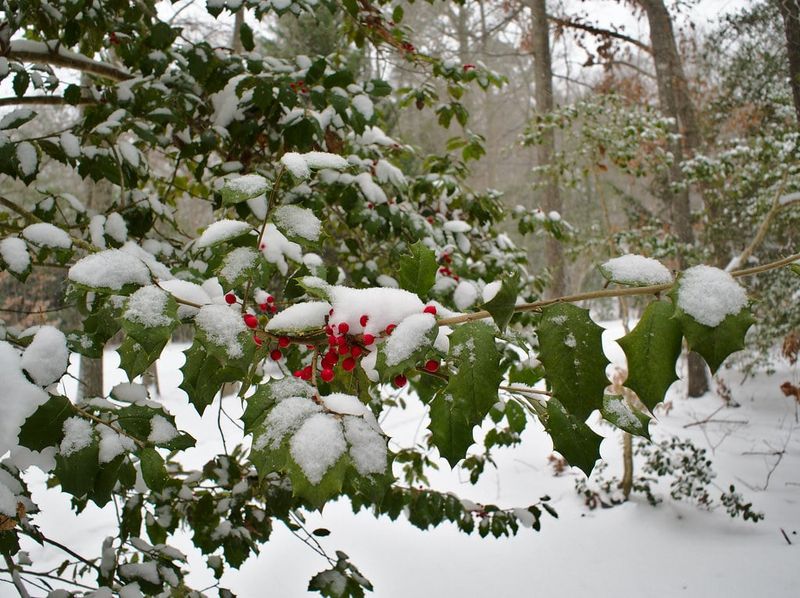
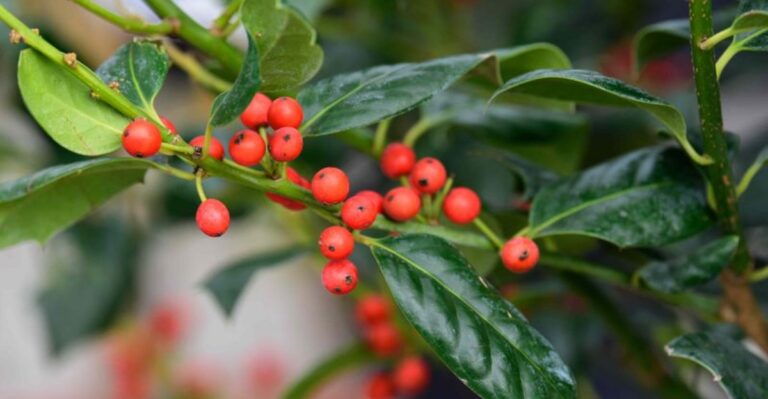
Spiny American holly leaves have guarded front yards for generations, and those bright red berries feel made for winter. I love how a single snowy branch with red fruit can make the whole yard look like a greeting card.
Many people think of it as a tree, since it can grow fifteen to thirty feet tall in time. Regular pruning keeps it shrub-sized, and it makes a dense hedge that few intruders would want to push through.
Holly plants are either male or female, and only females produce those cheerful red berries each fall. You need at least one male growing nearby, so ask your nursery staff which cultivars pair well together.
Berries often hang on deep into winter, feeding robins and cedar waxwings when other food runs short. Watching a flock strip a tree in one afternoon is a real treat, so keep binoculars by the window.
American holly grows well in full sun or partial shade, though fuller sun usually means heavier berry crops. It adapts to many soil types but does best in acidic ground that drains well after heavy rain.
Once established, it needs only moderate watering, so a deep soak during summer droughts is usually plenty. Deer tend to avoid the prickly leaves, which makes this native a reliable choice near wooded edges.
Wear sturdy gloves when pruning, because those spines will remind you quickly if you forget them. Trimming in late winter also gives you fresh holly sprigs for decorating, which I find hard to resist.
6. Southern Bayberry
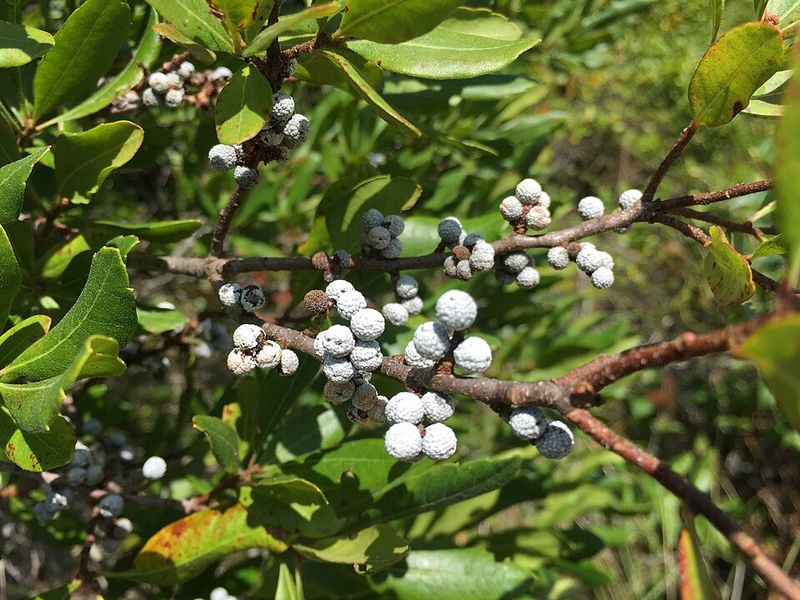
A single crushed leaf of southern bayberry releases a spicy scent that reminds me of a holiday kitchen. Early colonists boiled the waxy berries to make fragrant candles, a trick that still sounds charming today.
Also called wax myrtle, this native shrub grows naturally along the southeastern coast from New Jersey to Texas. It usually reaches six to fifteen feet tall and wide, with narrow olive-green leaves and several slender trunks.
Female plants carry clusters of tiny blue-gray berries that cling to the branches all through winter. Tree swallows and yellow-rumped warblers depend on that waxy fruit, so your yard can become a winter bird cafe.
Southern bayberry handles salt spray beautifully, which makes it a favorite for coastal Virginia yards and beach cottages. Inland gardeners in colder western areas should note it is rated for zones seven to ten.
Poor sandy soil rarely slows it down, and it even tolerates spots that stay wet after storms. Its roots host bacteria that fix nitrogen, which helps it thrive where fussier shrubs would struggle.
Water steadily during the first season, and afterward it becomes surprisingly tough against both drought and flooding. Prune it into a hedge or let it grow loose and natural, depending on the style you prefer.
Suckers pop up around the base over time, so trim them if you want a single tidy clump. I believe this shrub deserves far more attention, especially from anyone who loves birds and easy care.
7. Yaupon Holly
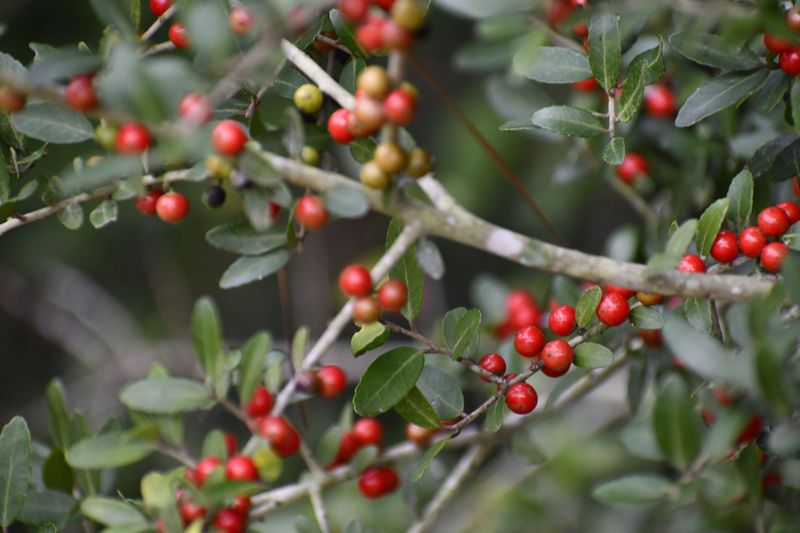
Yaupon holly is the only plant native to North America known to contain caffeine in its leaves. I find it funny that a tidy hedge plant has the same buzz as my morning cup of tea.
Native to the southeastern coast, it reaches into the southeastern corner of Virginia near the Atlantic. Small, oval leaves stay glossy green all year, and dwarf forms make neat mounds just three to five feet tall.
Female plants produce bright red berries that brighten the branches through much of the winter season. Birds enjoy the fruit, and a male plant nearby improves the crop, just like other holly species.
Full sun to partial shade works well, though plants in brighter spots usually grow denser and fruit more heavily. It handles sandy soil and heavy clay with ease, as long as water does not sit for long.
Once rooted, yaupon tolerates drought and salt spray, which makes it valuable for coastal gardens and city lots. Water young plants weekly during the first summer, then ease off as the roots spread deeper.
Shearing does not bother it, so you can shape it into crisp hedges or playful rounded topiaries. Many gardeners now choose dwarf yaupon as a native stand-in for boxwood in front foundation beds.
Gardeners in colder mountain areas should note that it is rated for zones seven through ten. Personally, I love the idea of a hedge with a caffeine secret and red berries for winter birds.
8. Dwarf Hinoki Cypress
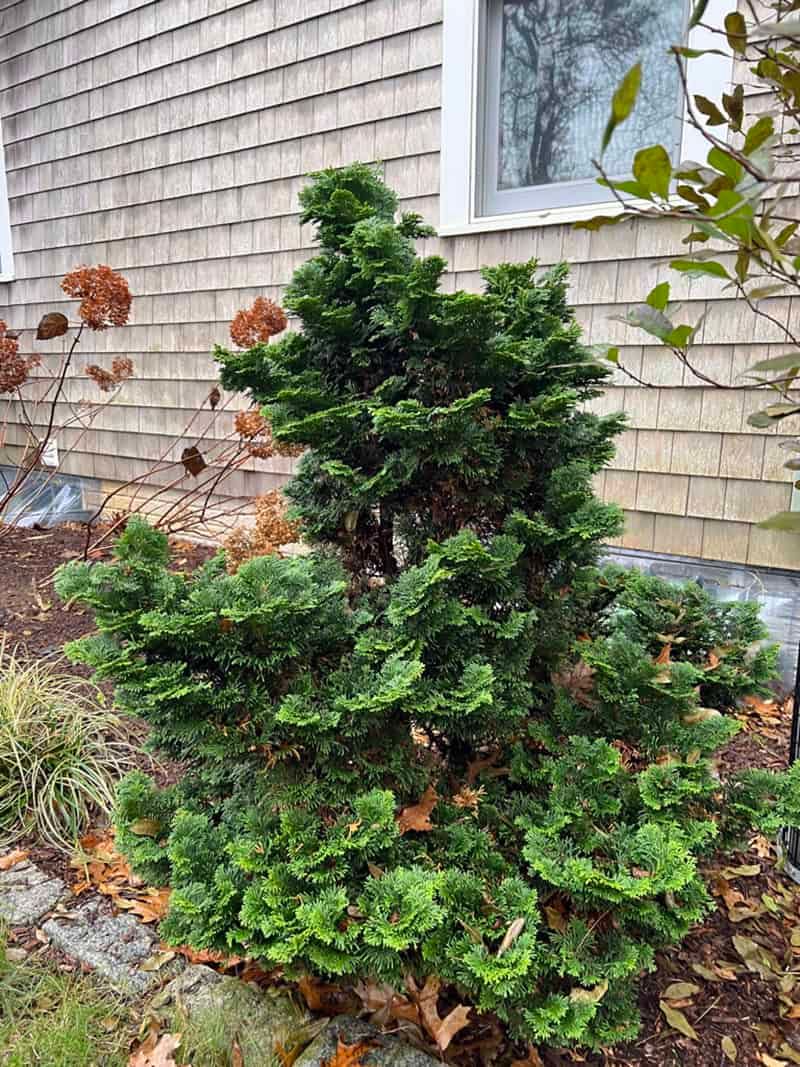
Each branch of dwarf Hinoki cypress ends in tiny fan-shaped sprays that look like green seashells stacked together. I can’t walk past one at a garden center without stopping to admire those swirling layers.
The cultivar ‘Nana Gracilis’ grows only three to six inches a year, eventually reaching about four to eight feet. Its slow pace means it stays tidy in small beds or pots for many years without heavy pruning.
The parent species comes from Japan, where Hinoki wood has long been prized for temples and soaking tubs. Your backyard version brings a touch of that calm Japanese garden feeling right outside the kitchen window.
Full sun to partial shade both work, but filtered afternoon light helps during the hottest summer stretches. Winter is when the deep green color really shines, especially against frosty lawns or a dusting of snow.
Excellent drainage is critical, because soggy roots can lead to rot and a quick decline in health. Choose slightly acidic to neutral soil, and consider a raised bed if your yard holds water after storms.
Keep the soil evenly moist during establishment, and do not let it dry out during summer heat waves. A light mulch ring helps hold moisture, but keep it a few inches away from the trunk.
It tolerates city pollution fairly well, making it a handy pick for townhouse patios and narrow side yards. I like placing one near a front walk, where its sculpted shape greets visitors all winter long.
9. Glossy Abelia
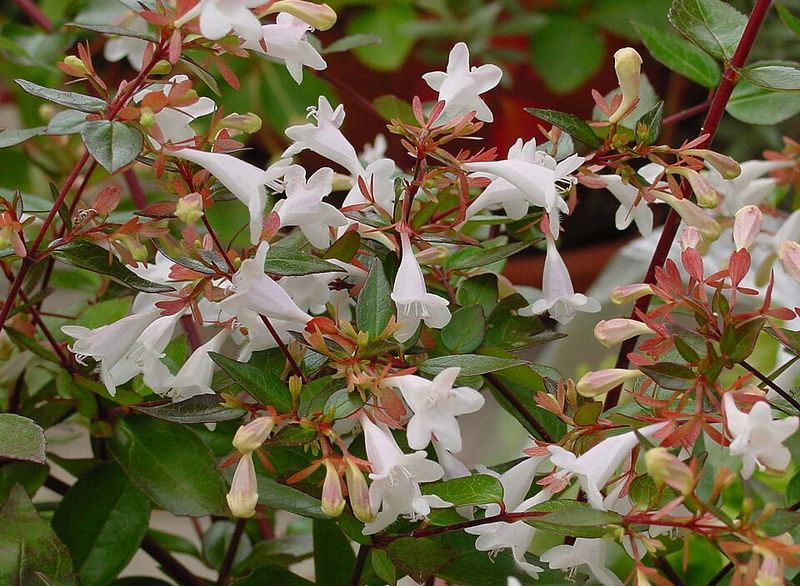
Glossy abelia keeps blooming from late spring until frost, and its leaves often turn purplish-bronze as the weather cools. I love how one shrub can offer summer flowers and then switch into cozy winter colors like a sweater.
The hybrid grows three to eight feet tall with graceful arching branches that look soft rather than stiff. Small white to pink tubular flowers carry a sweet scent that bees and butterflies follow all season.
In warmer parts of the state, abelia usually stays evergreen through winter without much fuss at all. Colder western areas may see it act semi-evergreen, dropping some leaves and losing a few stem tips.
Full sun brings the heaviest flowering, though partial shade still produces a respectable show for most gardeners. It adapts to clay or sandy loam, but it struggles in salty soil near the ocean.
Once established, glossy abelia handles drought fairly well and needs only moderate watering during summer dry spells. Deer generally pass it by, and serious insect or disease problems are uncommon with this easygoing shrub.
Abelia flowers on new wood, so any shaping should happen in late winter or early spring before growth begins. Light thinning usually beats heavy shearing, because the natural arching form is a big part of its charm.
Hummingbirds also visit the tubular blooms, giving you a reason to plant one near a sunny patio. You’re in for a treat when those bronze winter leaves catch low afternoon sunlight in January.
10. Coastal Doghobble
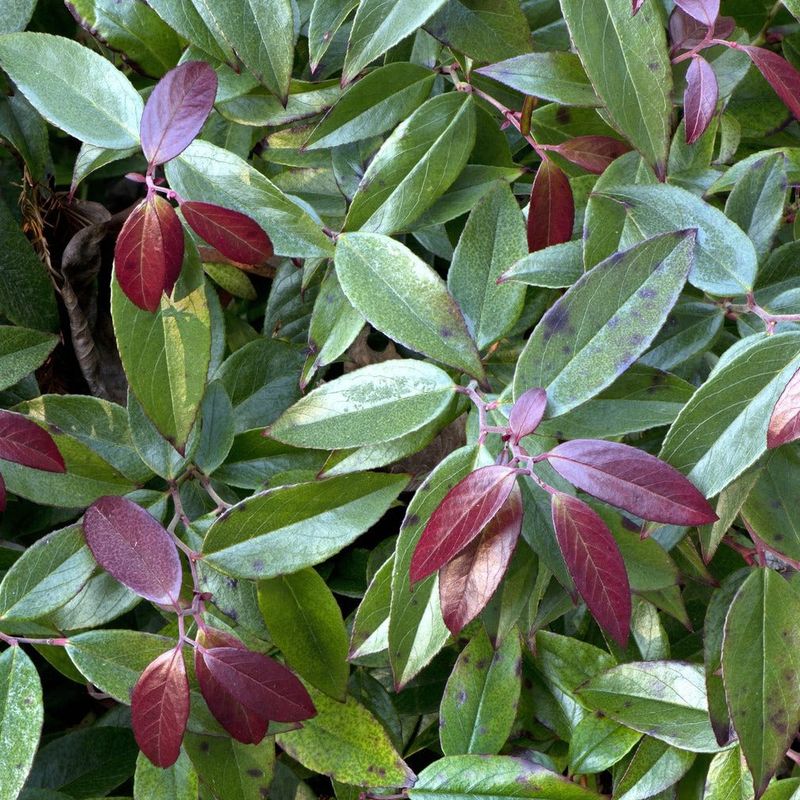
Coastal doghobble earned its funny name from tangled stems that reportedly slowed hunting dogs chasing bears through swamps. I chuckle every time I say it out loud, and visitors usually ask me to repeat the name.
Native to the Southeast, it grows naturally in the southern Coastal Plain of Virginia along moist woodland edges. It usually stays two to six feet tall, spreading into arching drifts with thick, shiny lance-shaped leaves.
Winter turns those dark green leaves into handsome shades of reddish-bronze or purple that glow in shady spots. Slightly fragrant white flowers shaped like tiny urns dangle along the stems in May, much like blueberry blossoms.
Partial to full shade suits it best, though it can handle more sun if the soil stays moist. Cool, acidic soil rich in organic matter keeps it happy, while drought and drying winds cause leaf damage.
Water consistently, but avoid the heavy daily soaking that many lawns receive from automatic sprinkler systems. A mulch of shredded leaves or pine straw mimics its natural forest floor and holds moisture nicely.
Stems spread underground over time, which makes it useful for covering shady banks and holding soil in place. Older, tired plants can be cut back to the ground after flowering to encourage fresh, vigorous shoots.
Leaf spot can show up in humid, crowded areas, so leave space between plants for air to move. Deer are reported to avoid it, and I think it pairs beautifully with ferns under tall shade trees.