Never Squash a Stink Bug Indoors in North Carolina and Here’s Why
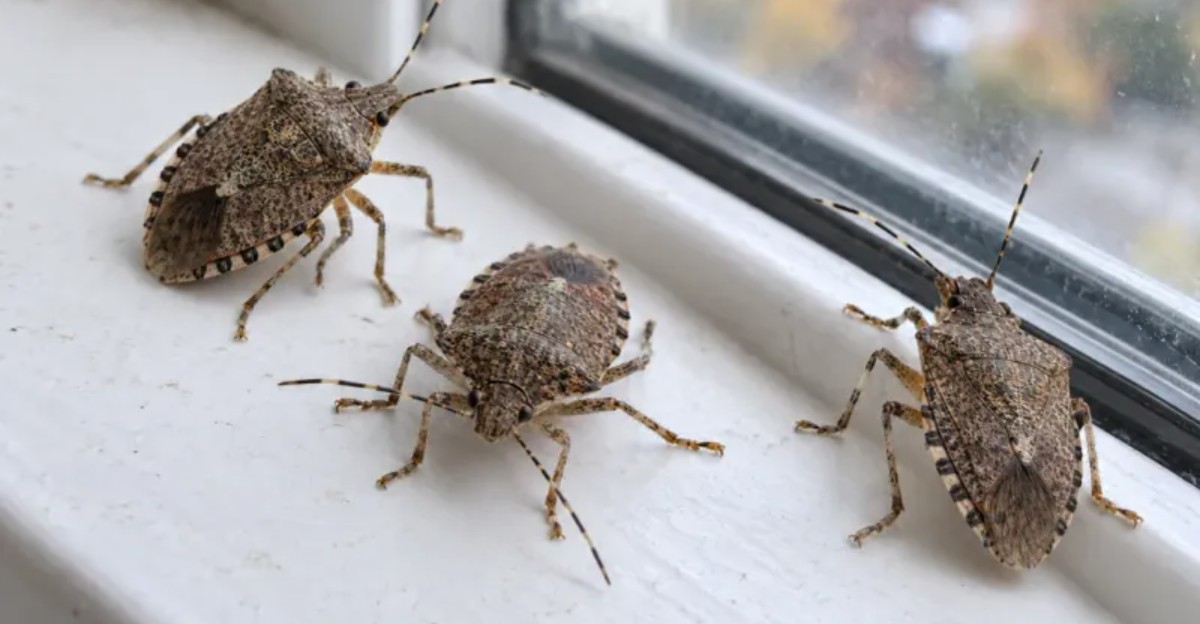
One tiny bug can make your living room smell like a bunch of cilantro left in a hot car. I learned that lesson the hard way last October, with a paper towel in my hand and regret on my face.
The smell comes from special glands on the insect’s body. Some folks say it smells like herbs, while others swear it is closer to burnt rubber or a faint whiff of skunk.
Here in North Carolina, these shield-shaped visitors show up on sunny windowsills every fall like clockwork. I know how tempting it is to grab a shoe and end the problem fast.
The real question is what happens after that satisfying squish. There’s actually a good reason the smartest gardeners I know keep their shoes on their feet, and the answer might change how you handle your next uninvited houseguest.
1. That Shield-Shaped Bug on Your Windowsill Carries a Secret Weapon
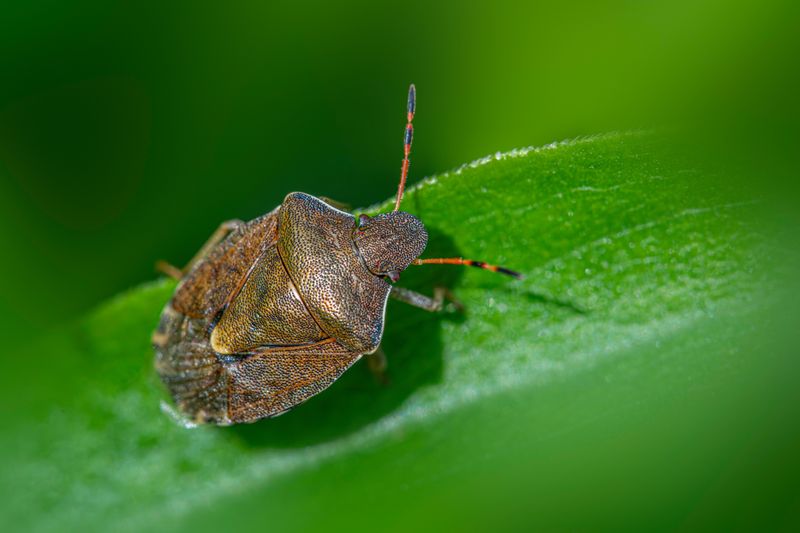
Nature built this little insect with its own chemical alarm system. When a stink bug feels pinched, poked, or pressed, it releases a strong-smelling liquid from glands on the underside of its body.
Out in the garden, that trick helps it escape birds, lizards, and other hungry critters. A predator gets one bad taste and usually decides to look for lunch somewhere else.
Indoors, though, the story changes fast. Squashing the bug is basically the strongest possible way to trigger that defense, so you get the full dose right in your hand, on your tissue, and in the air around you.
Researchers have studied these compounds closely. They belong to a group of chemicals called aldehydes, which are the same type of compounds that give fresh cilantro its sharp, soapy smell for some people.
That explains why so many folks describe the odor as herby or green. Others pick up something closer to burnt rubber, and plenty of people simply call it awful.
Fun fact for your next garden club chat. Some young stink bugs release slightly different scent blends than adults, so the smell can vary a bit depending on the bug’s age and species.
2. A Cup and an Index Card Beat a Shoe Every Time
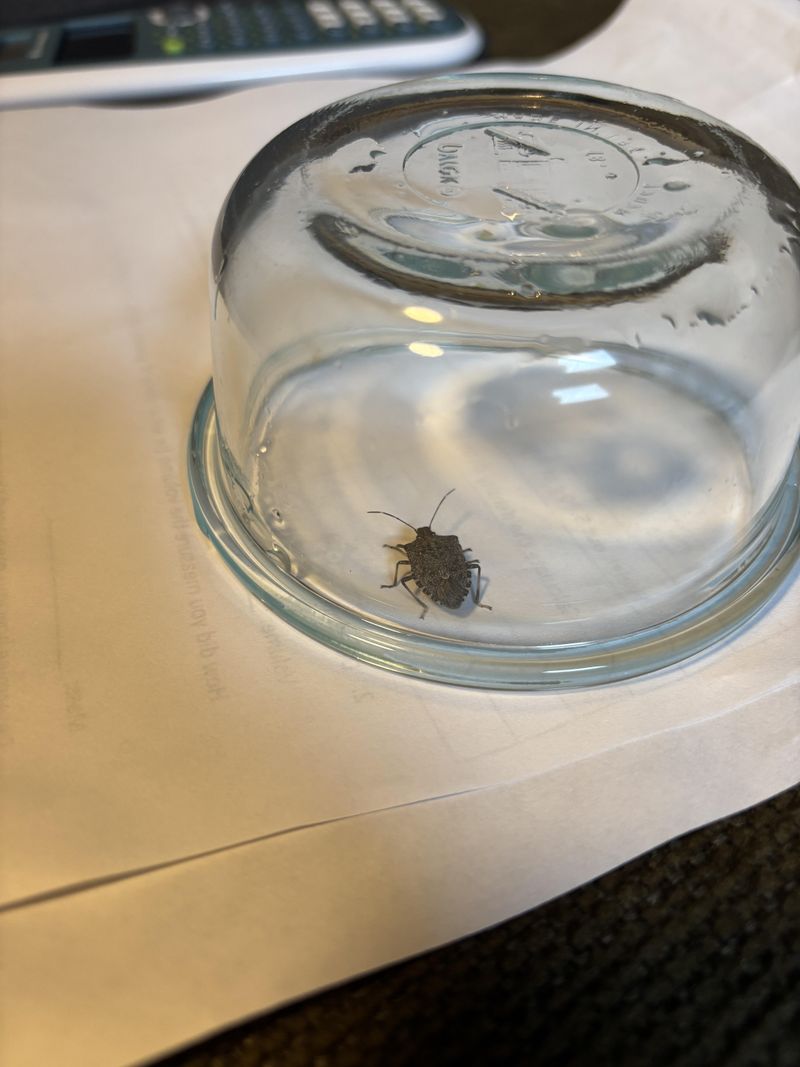
My go-to tool for indoor stink bugs costs about nothing. Grab a clear plastic cup and a stiff index card, and you have a gentle capture kit ready for action.
Place the cup over the bug, slide the card underneath, and walk it outside. Release it well away from your doors and windows so it does not just wander right back in.
Got more than a few? A bucket or jar with water and a squirt of dish soap works well. Tap or brush the bugs into it, and the soap breaks the water’s surface tension so they sink and stop moving without much of a smell.
Vacuums can help with bigger groups on ceilings or high corners. Use one with a disposable bag, then remove the bag right away and seal it in a plastic bag before tossing it outdoors.
Skip the bagless vacuum if you can. The canister can hold onto that odor for days, and nobody wants to smell cilantro every time they clean the rug.
Some people keep a dedicated old shop vac just for bug season. Honestly, that is a pretty clever move.
3. Squashed Stink Bug Odor Clings to Curtains and Couches
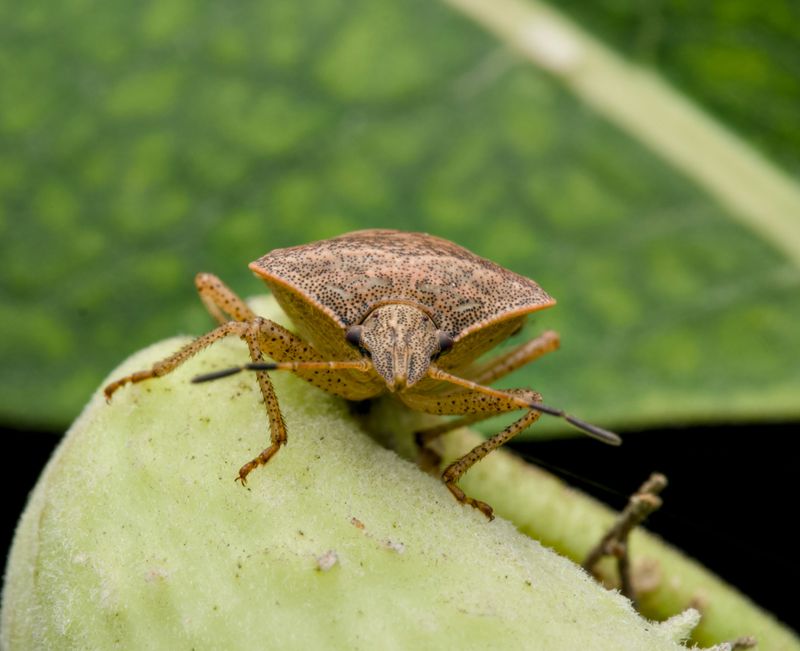
Outdoors, a breeze carries the smell away in minutes. Your living room has no such luck.
Closed rooms trap the odor and let it hang around much longer than it would in open air. Many people report the scent lingering for hours, and a strong whiff can stick around even longer in a small space.
Soft surfaces make things worse. Curtains, couch cushions, rugs, and throw blankets can soak up the oily residue, especially if the bug was crushed right on them.
The liquid can also leave a faint yellow or brown stain on light fabrics. That means you may be scrubbing a spot and still catching a sour note days later.
If an accident already happened, act quickly. Blot the area with a mix of mild dish soap and cool water, then rinse and let it air dry with a window cracked open.
For washable items, toss them in the laundry as soon as possible. Avoid running them through the dryer until the smell is gone, since heat can set both odors and stains into fabric. A little fresh air and patience usually win in the end.
4. Could One Crushed Stink Bug Invite More to the Party
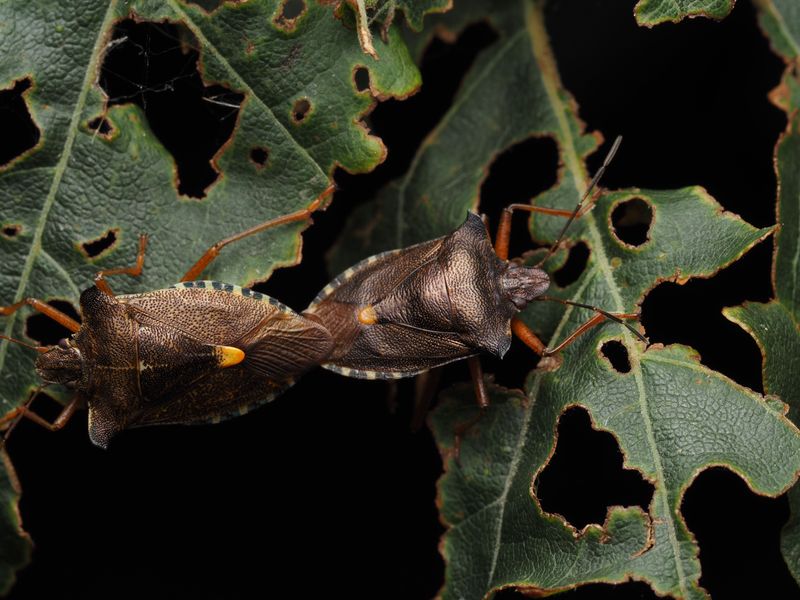
You may have heard that crushing one stink bug calls in a crowd. That claim pops up all over pest control websites, so it deserves an honest look.
Science does show that brown marmorated stink bugs use an aggregation pheromone to gather together. Researchers have even used that pheromone in traps to monitor them in farm fields.
The defensive smell from a squashed bug is a different set of chemicals, though. Current research does not clearly show that crushing one bug pulls dozens more into your kitchen.
So why do people notice more bugs after a squish? Most often, it is simply the season. Many stink bugs are already hunting for shelter at the same time, and where you find one, others are usually close by.
That means the smarter takeaway is not panic about a summoning spell. Treat that first bug as a clue that your home has an open door somewhere.
Check the room where it showed up. Look closely at window frames, air conditioner units, and attic vents, since those spots are common entry points that deserve a little attention.
5. Brown Marmorated Stink Bugs Are the Usual Indoor Culprit
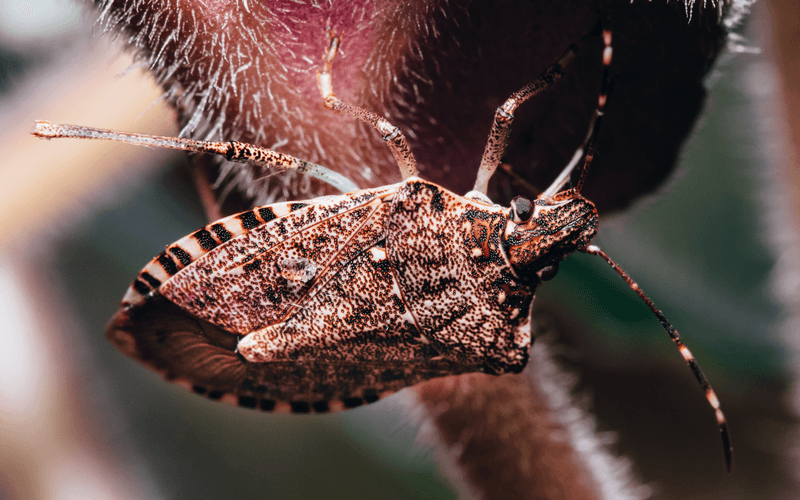
Most of the stink bugs crawling across North Carolina windowsills are not locals. The brown marmorated stink bug arrived from Asia and was first confirmed in Pennsylvania in the late 1990s.
It has spread across much of the country since then. NC State Extension reports it in many counties, with heavier numbers often showing up in the mountains and Piedmont than along the coast.
Spotting one is easy once you know the clues. Look for a mottled brown shield shape, light bands on the antennae, and alternating light and dark marks along the outer edge of the body.
Native stink bugs, like green stink bugs, live here too. They rarely move indoors for winter the way their imported cousins do.
Inside your home, these bugs are mostly harmless. They do not bite people, sting, spread disease to humans, chew wood, or breed indoors over winter.
Out in the garden, they are a different story. They feed on tomatoes, peppers, apples, peaches, beans, and corn, leaving cloudy spots and dimpled fruit behind, which is why farmers and gardeners keep a close eye on them.
6. Stink Bugs Start Hunting for Winter Hideouts When Fall Nights Cool
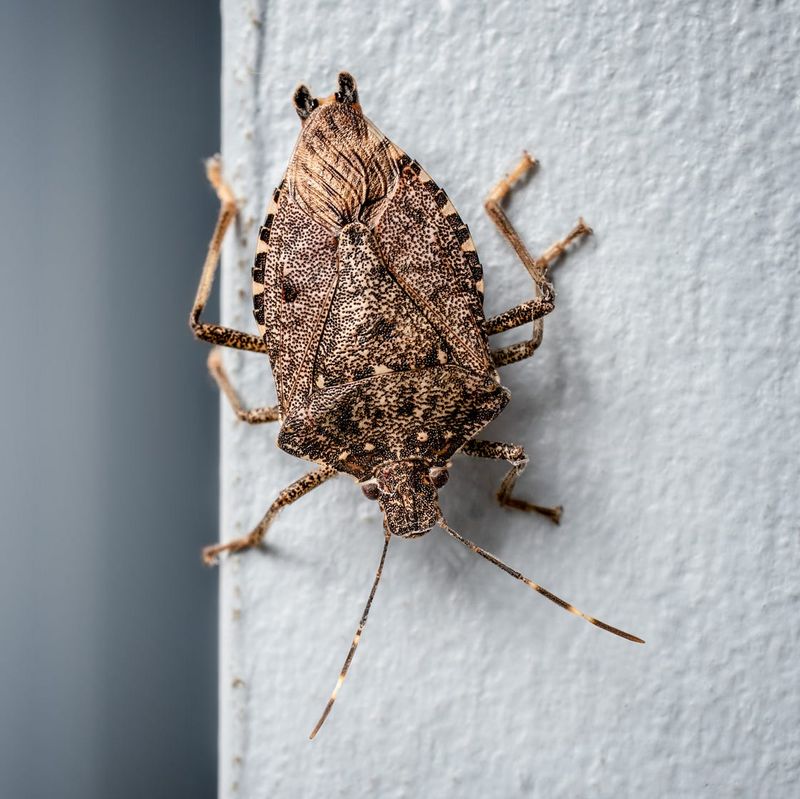
Late September in my yard brings two things. Cooler mornings, and bugs sunbathing on the siding like tiny tourists.
Brown marmorated stink bugs move into shelter mode as days shorten and temperatures drop in fall. In the wild, they would tuck into dry trees or rock crevices, but homes offer warm, dry gaps that work even better.
They often gather on the sunny south and west sides of buildings during warm afternoons. From there, they crawl into small cracks and settle into wall spaces, attics, and window frames.
Once inside, they slow down and stay mostly quiet through winter. On sunny days, warmth can wake a few, and they wander into living spaces looking confused.
That is why you may see them in January near a bright window. Then a second wave often shows up in early spring as they try to head back outdoors.
Timing varies across the state. Mountain areas cool earlier, so bugs may move sooner there, while coastal homes may see activity a bit later in the season.
7. Caulk Those Window Gaps Before the Bugs Find Them
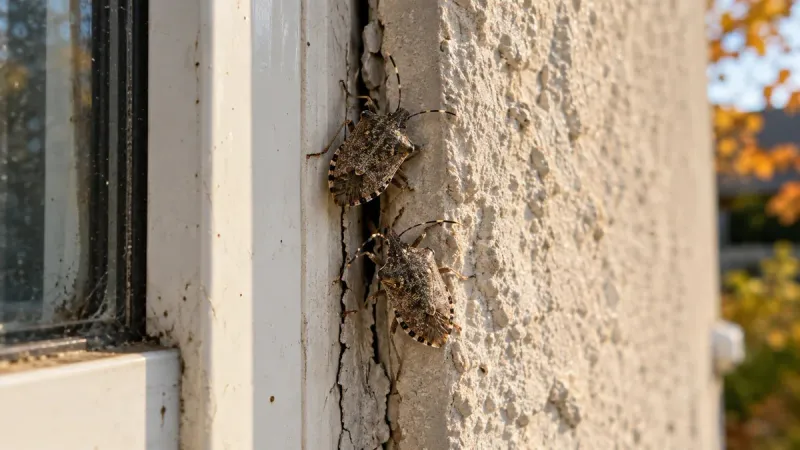
Prevention is where you win this battle of wits. A quiet weekend with a caulk gun in late summer can save you a whole season of chasing bugs with paper cups.
Walk around your house and look closely. Check gaps around window frames, door frames, siding seams, chimney edges, and spots where pipes, cables, and dryer vents enter the walls.
Seal small cracks with good-quality silicone or silicone-latex caulk. Larger openings may need foam sealant, mesh, or new weatherstripping.
Doors deserve extra attention. Install or replace door sweeps so you cannot see daylight underneath, and patch any torn window screens.
Do not forget the attic and crawl space vents. Covering them with fine screening helps keep bugs out while still letting air flow.
Window air conditioners are sneaky entry points too. Seal around them well, or remove them before fall if you are done using them.
Extension experts generally discourage spraying pesticides inside walls for these bugs. Bodies left behind can attract carpet beetles, so sealing up beforehand is the far cleaner plan.
8. A Simple Soapy Water Trap Keeps Your Home Smelling Fresh
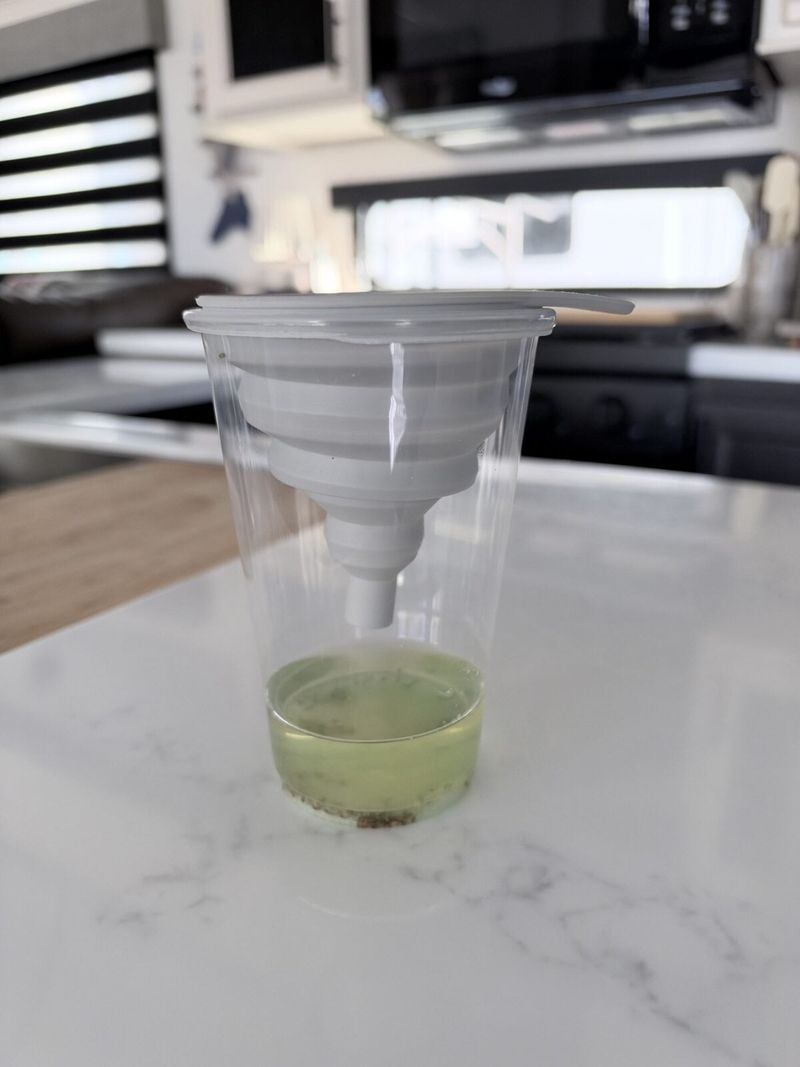
My favorite lesson from all this is that a calm approach beats a quick swat. A little planning keeps your home fresh, your hands clean, and your garden visitors in check.
Try a homemade light trap for evenings. Set a shallow pan of soapy water under a small desk lamp in a dark room, and curious bugs often drift toward the glow and drop in.
Store-bought indoor traps exist too, though results vary. Pheromone traps made for outdoor use can actually pull more bugs toward your home, so place those well away from the house, if you use them at all.
Keep a capture kit handy during fall and spring. A cup, an index card, and a soapy jar near your sunniest window makes quick work of surprises.
Out in the garden, check tomatoes and peppers for egg clusters under leaves in summer. Squishing eggs outdoors is fine, and hand-picking adults into soapy water is a classic, low-tech method.
Gentle habits pay off. Your nose, your curtains, and your guests will thank you every single fall.