The Georgia November Routine That Gets Christmas Cactus Blooming Before Christmas
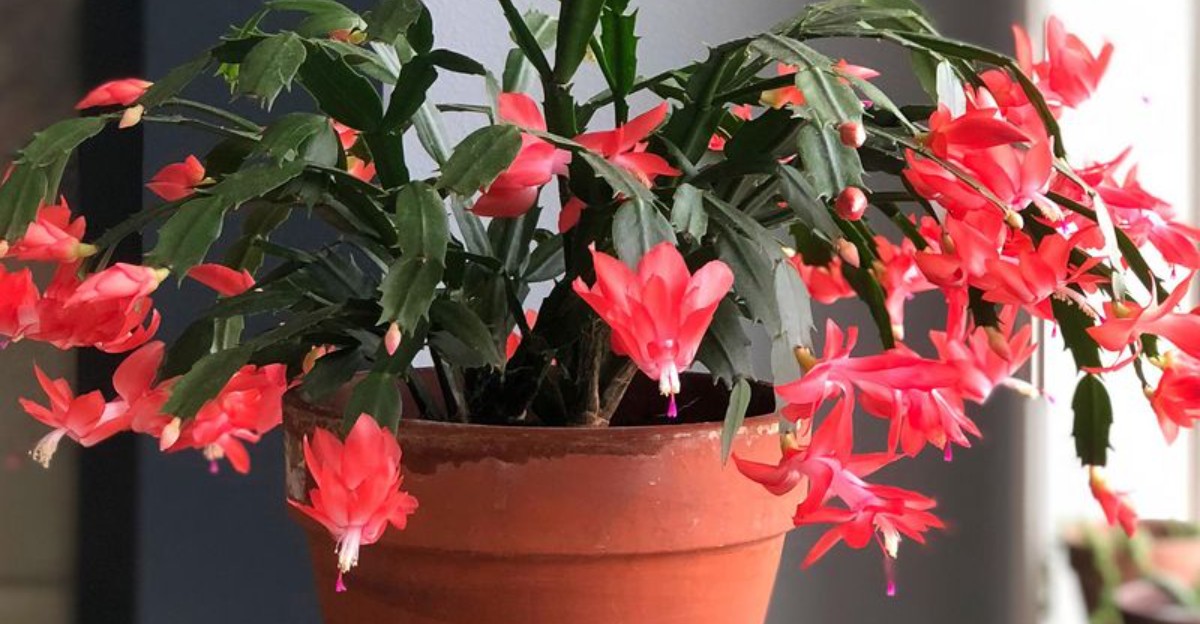
One porch light left on after sunset can quietly cancel a whole season of holiday flowers. I learned that the hard way, staring at a plant that stayed stubbornly green while my neighbors posted photos of hot pink blooms.
The plant in question grows wild on tree branches in cool, misty mountain forests. It has no idea what a calendar is.
It reads the length of the night and the chill in the air, and it makes its decision from there.
Here in Georgia, November hands you most of what this plant wants for free. Nights stretch longer, temperatures dip, and the stage is nearly set.
I think the trick feels a little like tucking a toddler into bed on schedule. You set the rhythm, and the plant handles the rest.
Even a little light after dinner could be the reason those holiday blooms haven’t appeared yet.
1. That Christmas Cactus on Your Windowsill Might Be a Different Holiday Plant
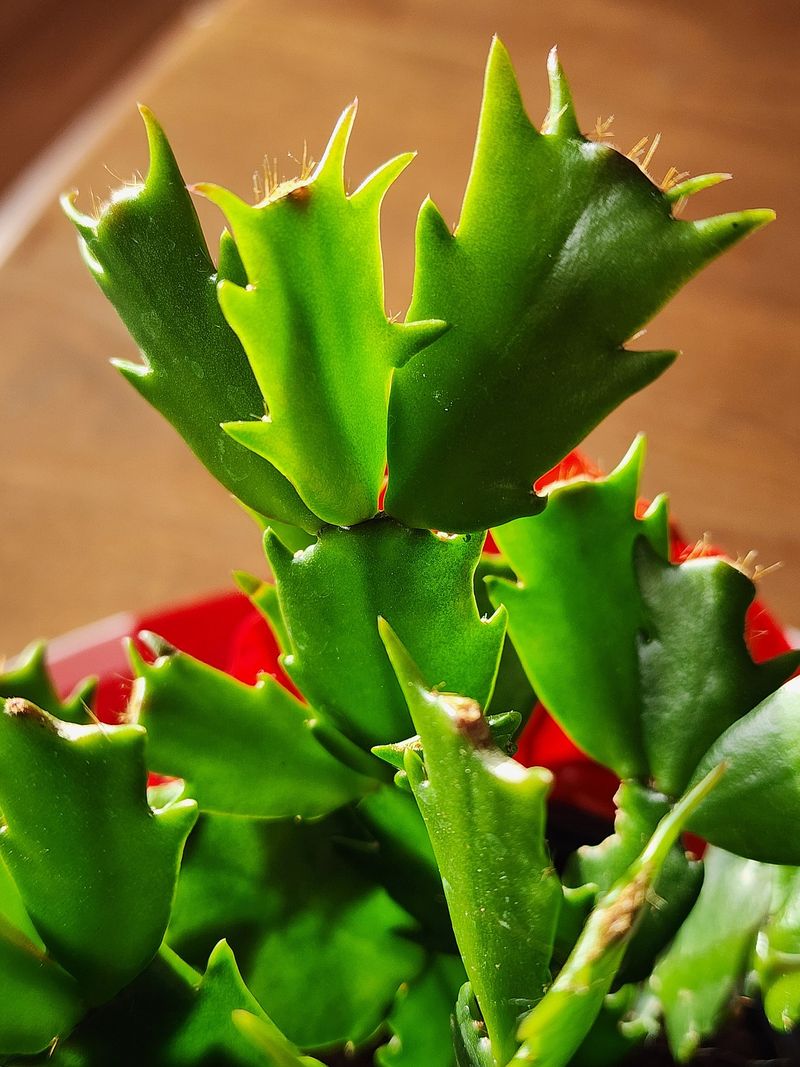
Grab your plant and run a finger along the edge of one flat stem segment. Feel little pointy teeth, almost like a crab claw?
Then you probably own a Thanksgiving cactus, not a true Christmas cactus.
Most holiday cacti sold in stores are Thanksgiving types, known as Schlumbergera truncata. The true Christmas cactus, Schlumbergera x buckleyi, has smooth, rounded, scalloped edges.
Flowers offer another clue, since Thanksgiving types usually have yellow pollen while Christmas types carry purplish-brown pollen.
Why does this matter in November? Timing.
Thanksgiving cacti often bloom from late November into December, so they may already be showing buds right now. True Christmas cacti tend to flower a few weeks later, usually in December.
Both plants respond to the same cues, so the routine in this article works for either one. Knowing which plant you have simply helps you set fair expectations.
A Christmas type that starts its routine in early November may open buds right around the holiday, while a Thanksgiving type might beat it by weeks.
I like to think of it as a friendly family rivalry on the windowsill. Either way, you get color during the darkest stretch of the year, and that feels like a win.
2. Long Dark Nights Flip the Bloom Switch on Holiday Cactus
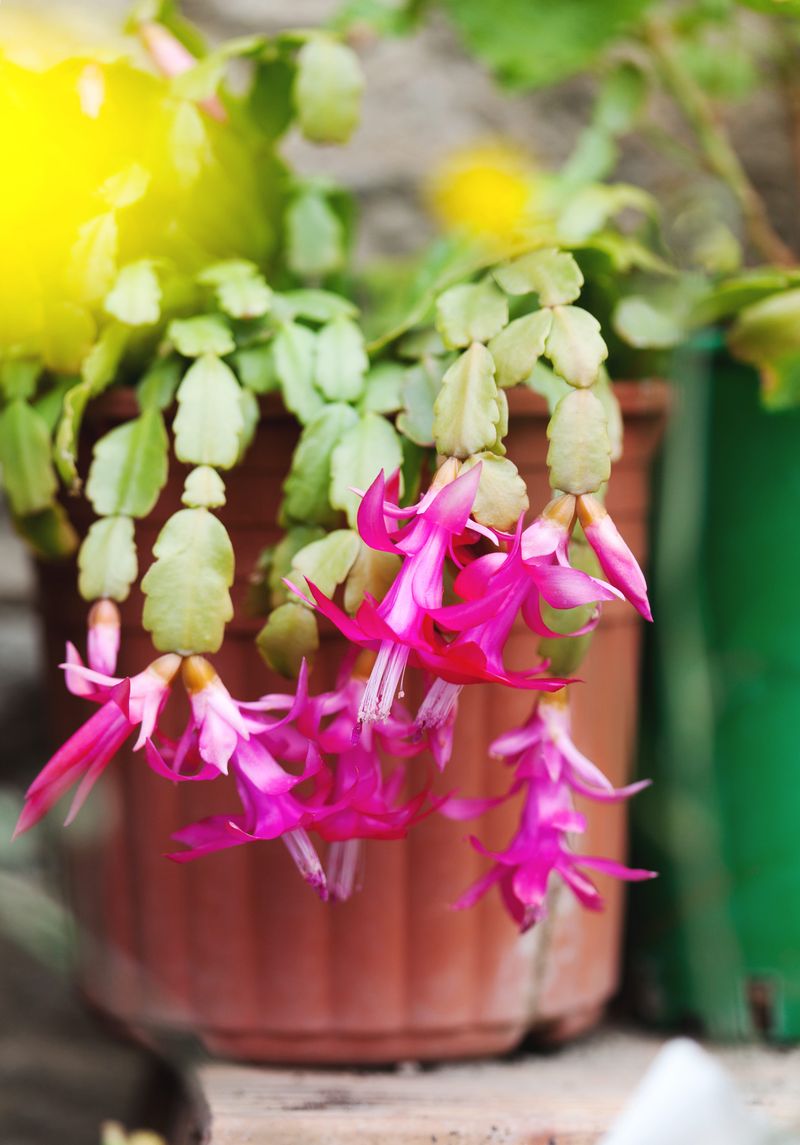
Darkness is the main ingredient here. Holiday cacti are short-day plants, meaning they set flower buds when nights grow long and uninterrupted.
University of Georgia Extension and other extension services suggest giving the plant about 12 to 14 hours of continuous darkness each night. Keep this going for roughly six weeks, which lines up nicely if you start in early November.
Buds often appear after three to four weeks.
The catch is that the darkness needs to be real. A lamp switched on for a midnight snack, a bright TV, or a streetlight shining through the window can interrupt the signal.
Plants are surprisingly sensitive to even short bursts of light during their night.
You have a few easy options. Move the pot into a spare bedroom nobody uses after sunset, or set it in a closet each evening.
A large cardboard box or a heavy, dark cloth draped over the plant works too.
During the day, bring it back to bright, indirect light so it can keep making energy. I set a phone reminder for 5 p.m. to cover mine and another for 7 a.m. to uncover it.
Boring? Sure, but those little buds make the chore feel worth it.
3. Cool Georgia Nights Are Secretly Helping Your Christmas Cactus
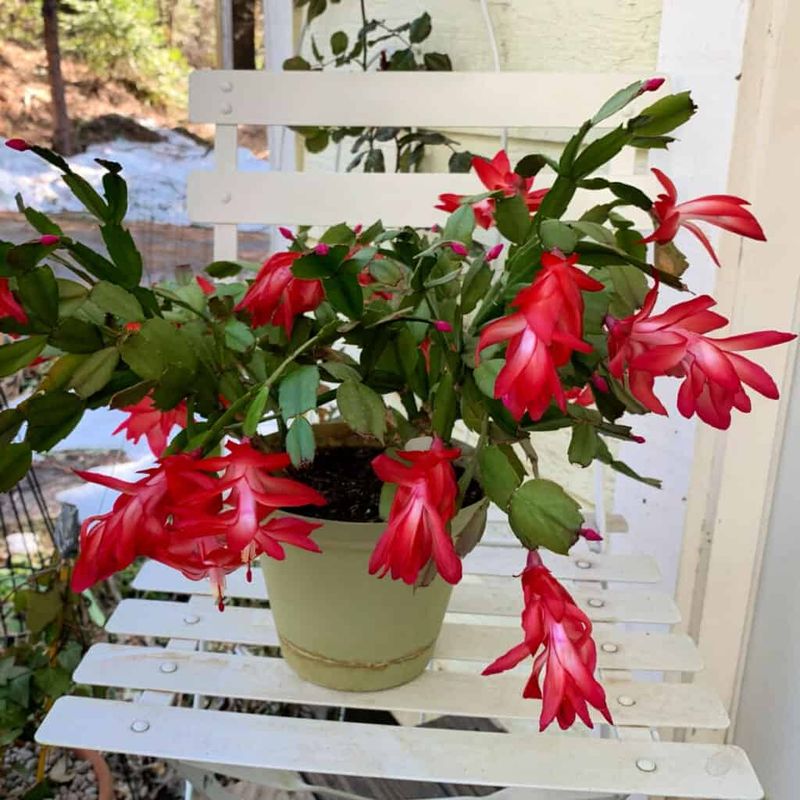
Chilly air is the second half of the bloom recipe. Holiday cacti set buds best when nighttime temperatures sit between about 55 and 65 degrees Fahrenheit.
Here is a fun twist backed by extension research. When nights stay near 50 to 55 degrees, these plants can set buds even without strict darkness.
Cool temperatures act as a backup signal, which is handy if your house has no truly dark room.
Georgia gives you a real advantage in November. Across much of the state, autumn nights drop into the 40s and 50s, especially in the north Georgia mountains and the Piedmont.
A sheltered porch can do much of the work for you early in the month.
Watch the forecast closely, though. Bring the plant indoors when lows head toward 45 degrees, and certainly before frost.
Cold below freezing can damage the tender stems quickly.
Indoors, a cool spare room, an unheated sunroom, or a spot away from the furnace vent can mimic those crisp nights. Daytime temperatures around 65 to 70 degrees work well.
Down in south Georgia and coastal areas, where nights stay milder, you may lean more on the darkness method to fill the gap.
4. A Lighter Hand With the Watering Can Helps Buds Form
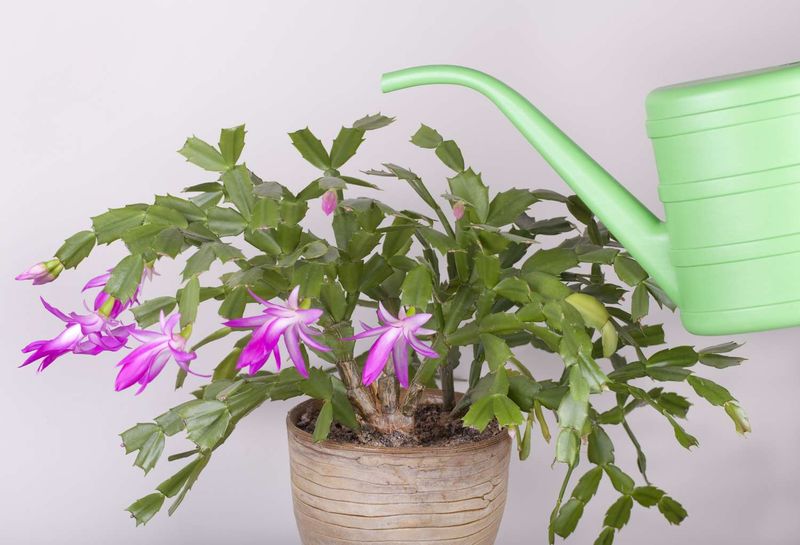
Many folks assume anything called a cactus wants bone-dry soil. Holiday cacti actually come from humid forests, where they grow perched on trees, so they like steady moisture without soggy roots.
During the bud-setting weeks, ease off slightly. Let the top inch or so of potting mix dry out before you water again.
When you do water, soak the pot until water flows from the drainage hole, then empty the saucer so the roots are not sitting in a puddle.
Once buds appear, keep things a bit more consistent. Swinging between parched and drenched is a common reason buds shrivel and drop.
A quick finger test every few days usually tells you everything you need to know.
Drainage matters as much as frequency. A pot with a hole and a loose, fast-draining mix, like a blend of regular potting soil with perlite or orchid bark, keeps roots healthy.
Heavy, compacted soil holds too much water and can lead to root rot.
Indoor heating in late fall can dry the air. Setting the pot on a tray of pebbles with a little water underneath adds some humidity, which these forest natives quietly appreciate.
5. Put the Plant Food Away Until the Pink Flowers Fade
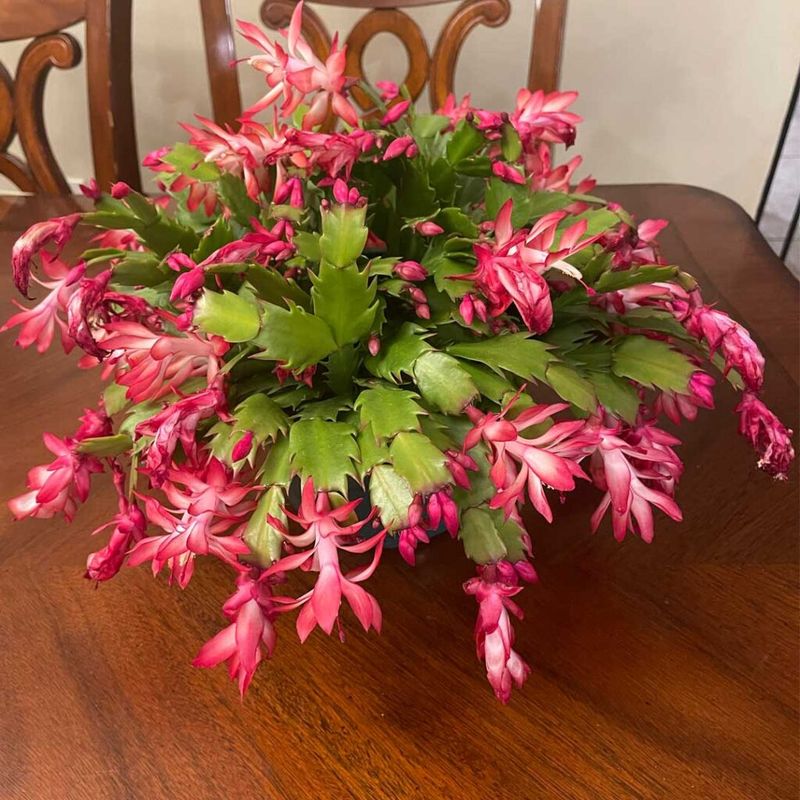
Feeding a plant feels like a kind gesture, but November is not the time for it. Extra fertilizer during bud set can push leafy growth instead of flowers.
Most extension guides recommend stopping fertilizer by late summer or early fall. If you forgot and kept feeding into October, no need to panic.
Just stop now and let the plant settle into its bloom routine.
Think of this season as a pause button. The plant shifts its energy away from making new stem segments and toward building flower buds.
Fresh nutrients can muddle that message.
After the blooms finish in late winter, rest the plant for a few weeks with a little less water. Then, once new growth begins in spring, start feeding again with a balanced houseplant fertilizer mixed at half strength, roughly every two to four weeks through summer.
One more tip I picked up from older gardeners is that holiday cacti may appreciate a little extra magnesium during the growing season. Some growers add a small amount of Epsom salt to water occasionally.
Research on this is limited, so treat it as optional rather than required. A steady spring and summer feeding schedule matters far more.
6. Bud Drop Usually Starts With a Sudden Move or Drafty Window
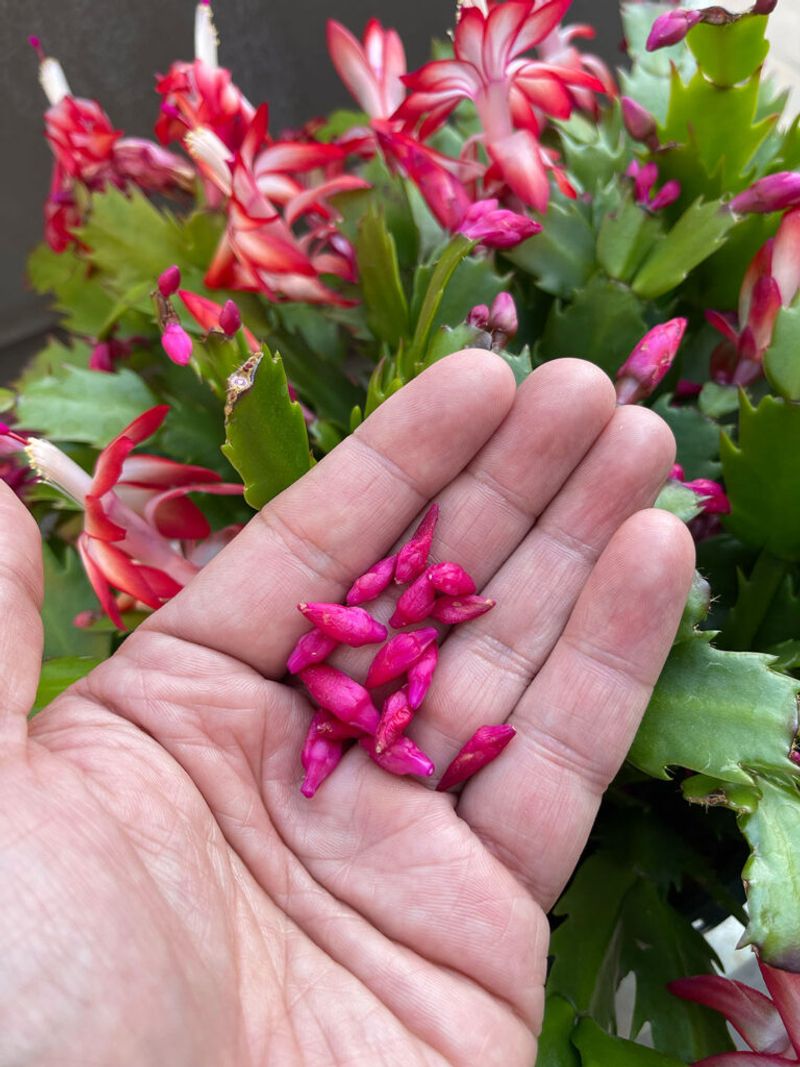
Nothing stings quite like finding tiny pink buds scattered on the windowsill. Bud drop is frustrating, yet it usually has a simple cause.
Holiday cacti dislike sudden change once buds have formed. A jump in temperature, a cold draft, a hot blast from a heating vent, or a shift in light can trigger the plant to drop its buds.
Fireplaces, space heaters, and front doors that open often are common trouble spots.
Moving the pot from a cool room straight into a warm, bright living room can cause the same reaction. If you used a closet for darkness, keep the routine steady rather than switching locations every few days in new ways.
Once buds are visible, many growers stop the darkness routine and pick one stable spot with bright, indirect light. Then they leave the plant alone.
Rotating the pot can also unsettle it, since buds often orient toward the light.
Dry soil and very low humidity add to the problem. If buds keep dropping, check the soil moisture first, then look for nearby heat sources.
A small adjustment often saves the rest of the show, so try not to give up after losing a few buds.
7. A Simple Week by Week Calendar for Christmas Blooms
Some people love a plan, and I happen to be one of them. Breaking November into weeks makes this routine feel manageable instead of fussy.
Week one, check your plant type, stop any fertilizer, and pick a dark, cool spot. Begin the nightly darkness, aiming for 12 to 14 hours.
If your porch stays in the 50s at night and frost is not forecast, outdoor time can help too.
Week two, keep watering lightly and stay consistent with the darkness. Look closely at stem tips for anything new.
Patience is the main job right now.
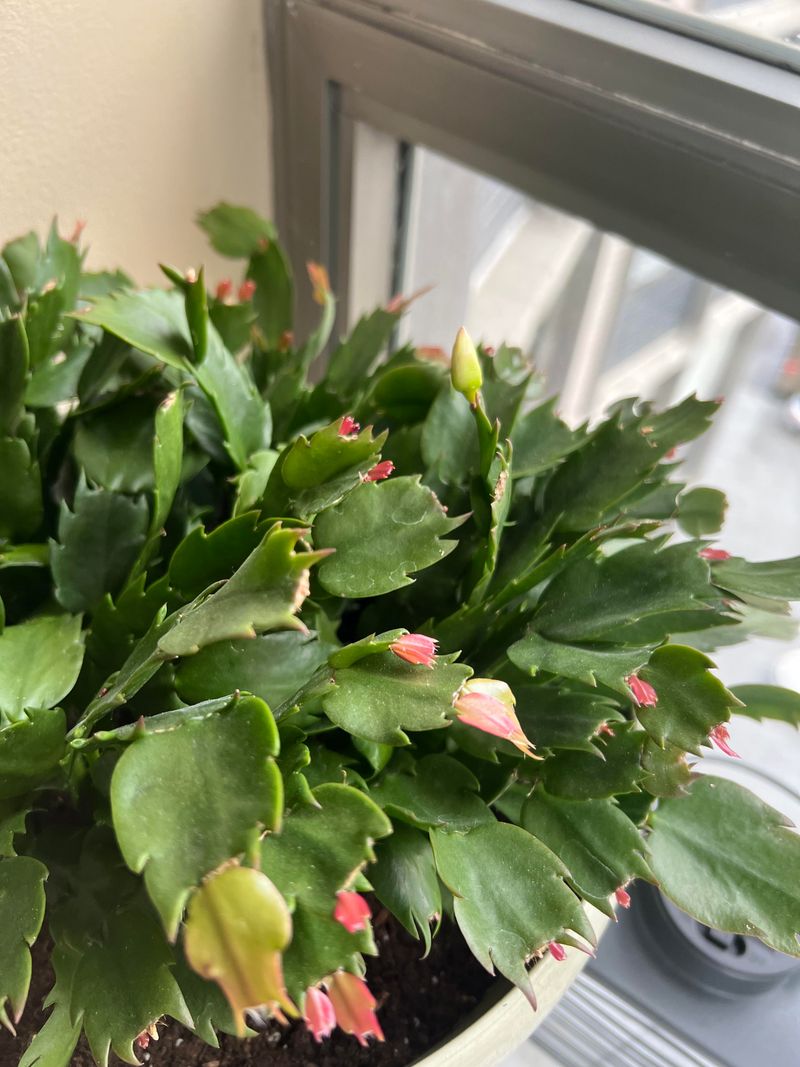
Week three, tiny bumps may show up at the ends of the segments. Those are buds.
Keep the routine going and avoid moving the plant around.
Week four and beyond, when buds are clearly visible and growing, settle the plant in its display spot with bright, indirect light. Keep temperatures steady and soil evenly moist.
Starting in early November gives a true Christmas cactus a solid shot at flowering by the holiday, since buds often take several more weeks to open. Starting earlier, in October, gives you more breathing room for next year.
8. Make Those Christmas Cactus Flowers Last Through the New Year
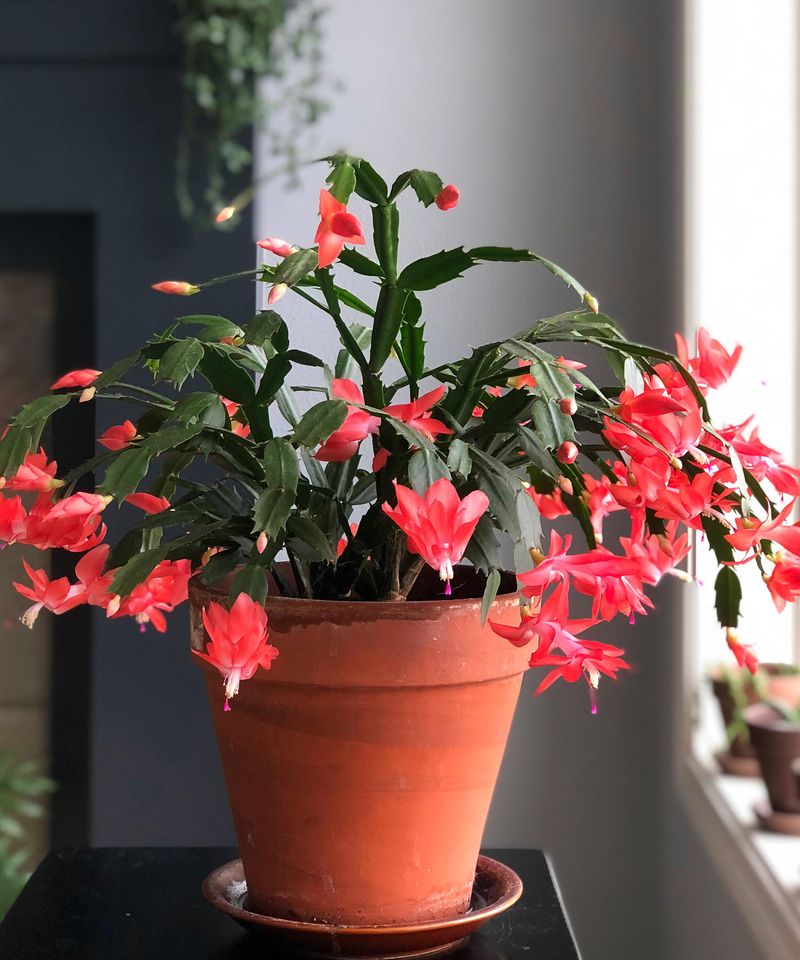
Watching the first flower unfurl feels like a reward for every evening you covered that pot. And with a little care, the color can stick around for weeks.
Cooler rooms help blooms last longer. Display the plant somewhere bright but away from heaters and drafts, and keep the soil lightly moist.
Individual flowers fade after several days, but new buds keep opening, so the show can stretch on for a good while.
Fun fact from the plant world: in their native Brazilian forests, these cacti are often pollinated by hummingbirds. Those long, tubular flowers make a lot more sense once you know that.
After flowering ends, let the plant rest. Late winter is a good time to trim a few segments for shape.
Each cutting can root easily in moist potting mix, making it a lovely gift for friends.
Many families pass these plants down for decades, and they can live a very long time with basic care. Mark your calendar for early October next year to start the routine again.
You may be the gardener everyone in Georgia asks for advice come December.