This Little Winter Visitor Is a Sign Your Michigan Yard Is Doing Something Right
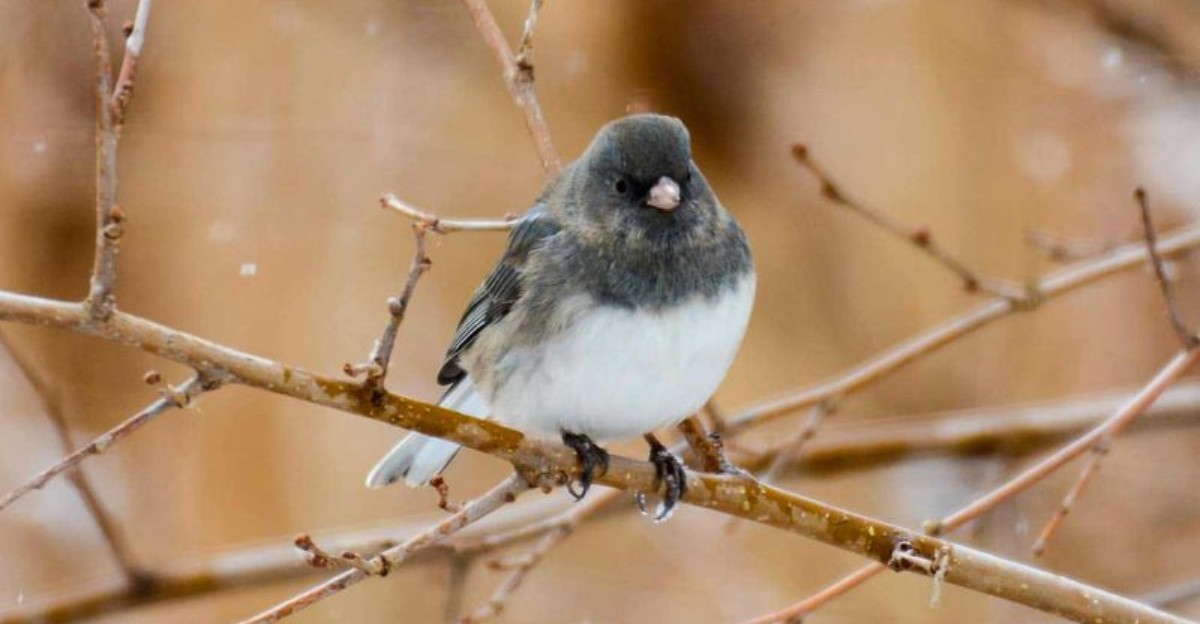
Some small birds fly hundreds of miles south every fall and decide a snowy Michigan backyard is the perfect vacation spot. They show up right as the first hard cold rolls in, which is why so many people call them snowbirds.
One thing I love about winter gardening is how much it teaches you by watching. These gray little guests hop along the ground in small flocks, scratching through snow and leaves like busy chickens.
They flash white tail feathers when they take off, and that quick flash is easy to miss. Here’s something you might not expect.
Their visits often have less to do with your feeder and more to do with the messy corners you skipped in fall. Those seed heads, leaf piles, and shrubs matter more than you think.
1. That Gray Bird With the White Tail Flash Chose Your Yard on Purpose
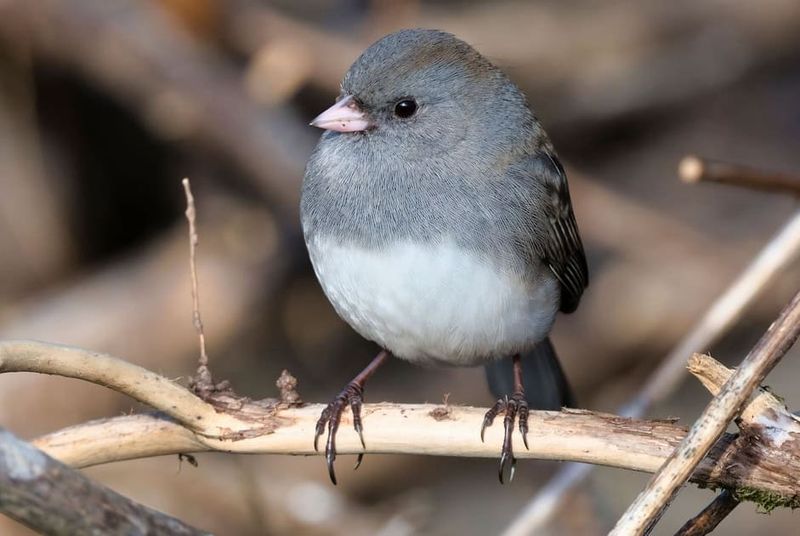
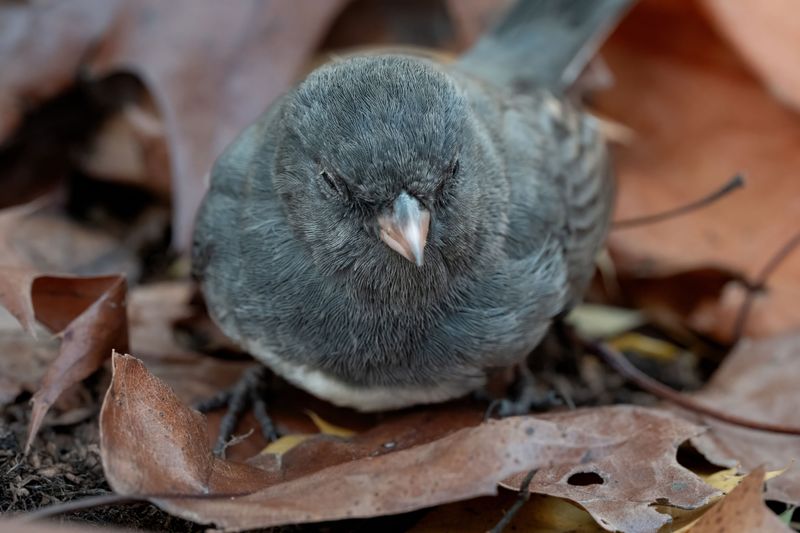
Spot a small gray bird with a pale pink beak and a snowy white belly? You’ve likely met the dark-eyed junco, one of the most familiar winter birds in the Midwest.
Most juncos seen in the state belong to the slate-colored form. Many of them nest in Canada and the northern forests, then travel south when cold weather arrives.
Some also breed in the northern Lower Peninsula and the Upper Peninsula, so a few may stick around in those areas year-round.
Juncos rarely settle in random places. They look for three things before they stay. They want seeds on or near the ground, thick cover close by, and a safe spot to rest on long winter nights.
Fun fact for you. Bird watchers have long called them snowbirds because their arrival often lines up with the first snowfalls, and their coloring looks like a gray sky over a white yard.
When a flock returns day after day, that steady habit is a clue. It suggests your yard is offering what these birds need to get through the cold. Keep an eye out for that flash of white tail feathers as they flutter up into a nearby shrub.
2. Seed Heads Left Standing Are Basically a Junco Buffet
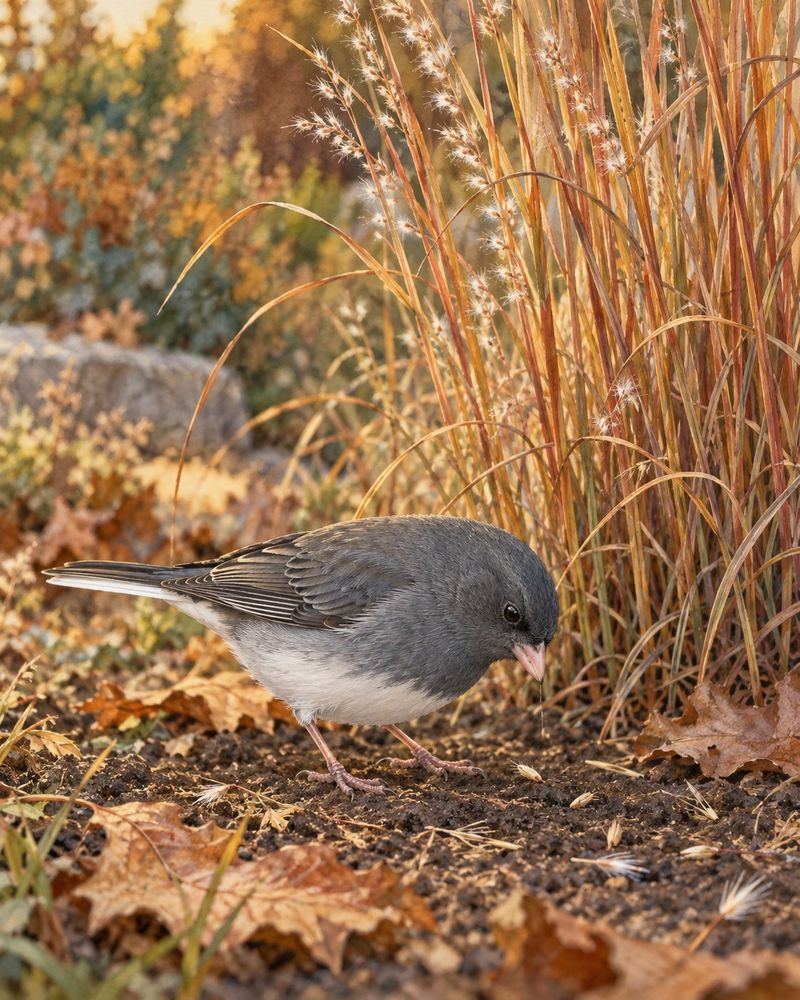
Juncos are seed lovers, plain and simple. In winter, most of their diet comes from small seeds, and they gather much of it right off the ground or from low stems.
That’s why the garden you didn’t cut back last fall is such a big deal. Seed heads on native plants like purple coneflower, black-eyed Susan, goldenrod, asters, and little bluestem grass keep dropping seeds all winter long.
Juncos happily pick through the snow below them. Here’s a simple tip I swear by. Leave your perennials standing until spring instead of trimming them in October. The stems also catch snow, which can help shield plant crowns from harsh freezes.
If you run a feeder, juncos still prefer to eat on the ground. Scatter white proso millet or a small seed mix on a flat tray or a cleared patch of ground. Hulled sunflower chips work well too.
Try placing that food within a few feet of shrubs, so the birds can dash for cover quickly. Keep the area tidy by raking away old, moldy seed now and then. A clean feeding spot helps lower the chance of spreading illness among your visiting flock.
3. Dense Shrubs and Evergreens Give Juncos a Safe Place to Hide
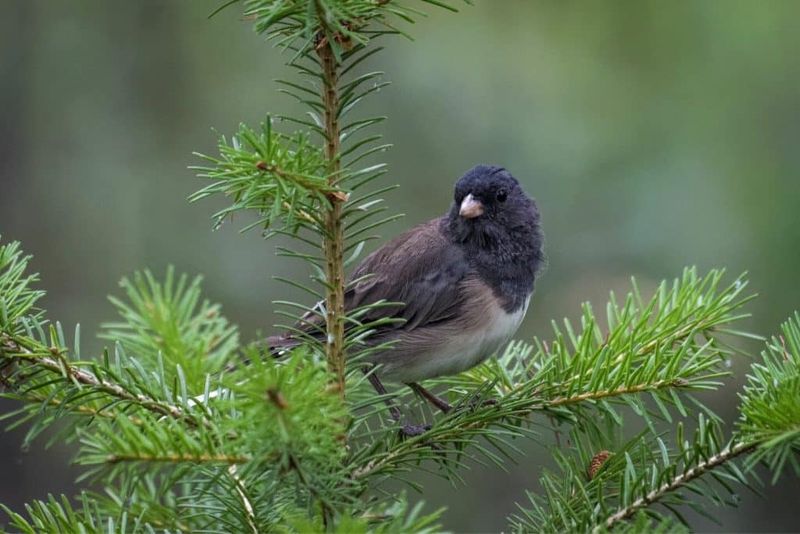
Ever notice how fast juncos vanish when a hawk swoops over? They don’t fly far. They zip straight into the nearest thick shrub or evergreen and wait there quietly.
Cover is just as important as food for these birds. Cooper’s hawks and sharp-shinned hawks often hunt around backyards in winter, and outdoor cats are a real threat too. A yard with no nearby hiding spots feels risky, so juncos may skip it.
Native evergreens like eastern red cedar, white spruce, and eastern white pine provide year-round shelter.
Shrubs such as gray dogwood, American hazelnut, and native viburnums add thick branches near the ground. Mixing heights creates layers, which birds love.
Brush piles are another easy win. Stack fallen branches loosely in a quiet corner, larger pieces on the bottom and smaller twigs on top. The gaps create cozy pockets that block wind and hide birds from predators.
One quick warning. Skip invasive shrubs like burning bush, Japanese barberry, and common buckthorn, even if they look dense.
They push out native plants in Michigan woodlands. Choosing natives gives birds shelter while supporting the local landscape.
4. Fallen Leaves Under Your Shrubs Are Doing Quiet, Important Work
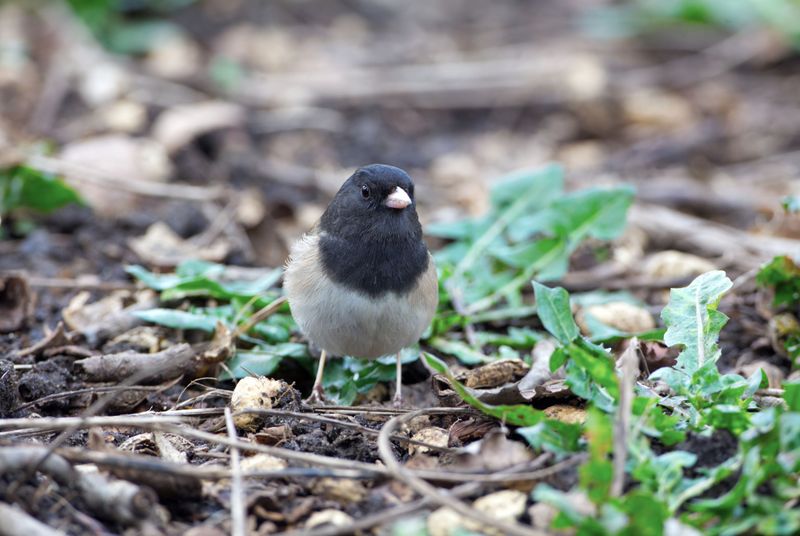
Raking every leaf off your lawn feels productive, I know. But under your shrubs and along garden edges, that leaf layer can be one of the best gifts you give winter birds.
Juncos forage with a fun little move. They hop forward, then kick back with both feet to flip leaves and uncover hidden seeds. Watching a flock do this together is like seeing a tiny dance crew at work.
Leaves also help the soil. They break down slowly, add organic matter, and protect roots from sharp temperature swings. Many insects, including some moth caterpillars and beetles, spend winter tucked in that layer too.
Those insects matter later in the year. Many songbirds feed insects to their babies in spring, so a healthy leaf layer supports birds beyond winter.
You don’t need to give up on a neat yard. Mow leaves on the lawn into small bits so they feed the grass, and rake the rest into garden beds. Michigan State University Extension notes that shredded leaves make a useful mulch.
It’s a tidy look with big benefits for your junco crew and the soil beneath them.
5. A Heated Birdbath Can Make Your Yard the Neighborhood Favorite
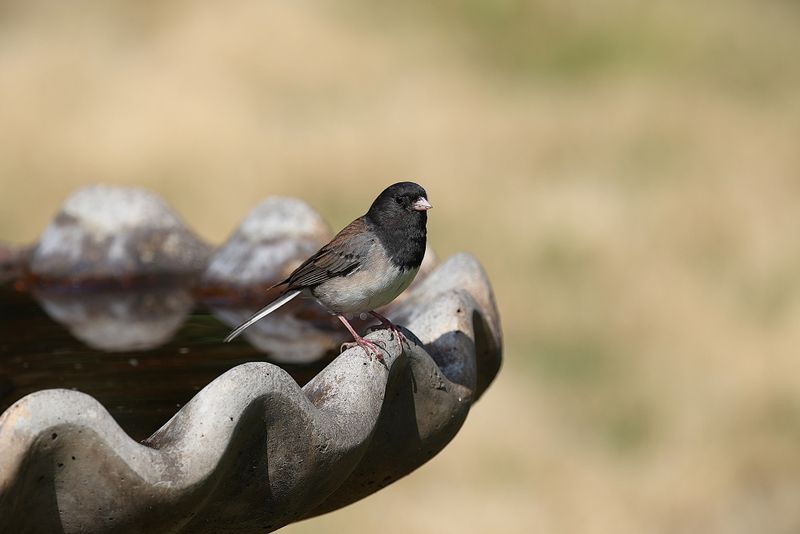
Water gets surprisingly hard to find once January hits. Ponds freeze, puddles turn to ice, and birds are left searching for a sip.
Juncos can eat snow, but melting it uses precious body heat. A reliable source of open water saves them energy, and that can make your yard stand out on frigid mornings.
A heated birdbath is the easiest fix. Many models use a thermostat, warming the water only enough to keep it from freezing. You can also drop a birdbath heater into a basin you already own.
Placement matters more than you’d guess. Set the bath near shrubs, about ten feet away, so birds can escape quickly but predators can’t hide right beside it.
Because juncos are ground lovers, a bath set low or on a pedestal near the ground often suits them well. Keep the water shallow, around one to two inches deep. Refill it often and scrub it every few days to keep it clean.
One tip worth repeating: avoid antifreeze or any chemicals in the water. They can harm birds. Plain, fresh water is all your feathered friends need.
6. Skipping the Big Fall Cleanup Pays Off in Winter Birds
Sometimes doing less really is doing more. A garden that looks a little shaggy in December often has far more life in it than a perfectly trimmed one.
When you leave stems, grasses, and seed heads alone, you’re giving juncos food and cover all at once. Hollow stems also make winter homes for native bees. Some, like small carpenter bees, nest inside pithy stems of plants such as raspberry and sumac.
I tend to think of my fall garden as a pantry I’m stocking for others. It changes how the mess looks to me. Those brown stems glowing under frost can be beautiful in their own right.
There are exceptions. Remove plants that had disease problems, like peonies with leaf blotch or vegetables with blight, so problems don’t carry into next season. Clear walkways and keep things tidy near your house if you like.
Wait until spring to do the main cleanup. Many experts suggest holding off until daytime temperatures stay above 50 degrees for about a week.
That timing gives overwintering insects a chance to wake up and move on. When you do cut stems, leave some at 8 to 15 inches for nesting bees.
7. When the Juncos Head North, Spring Is Close Behind
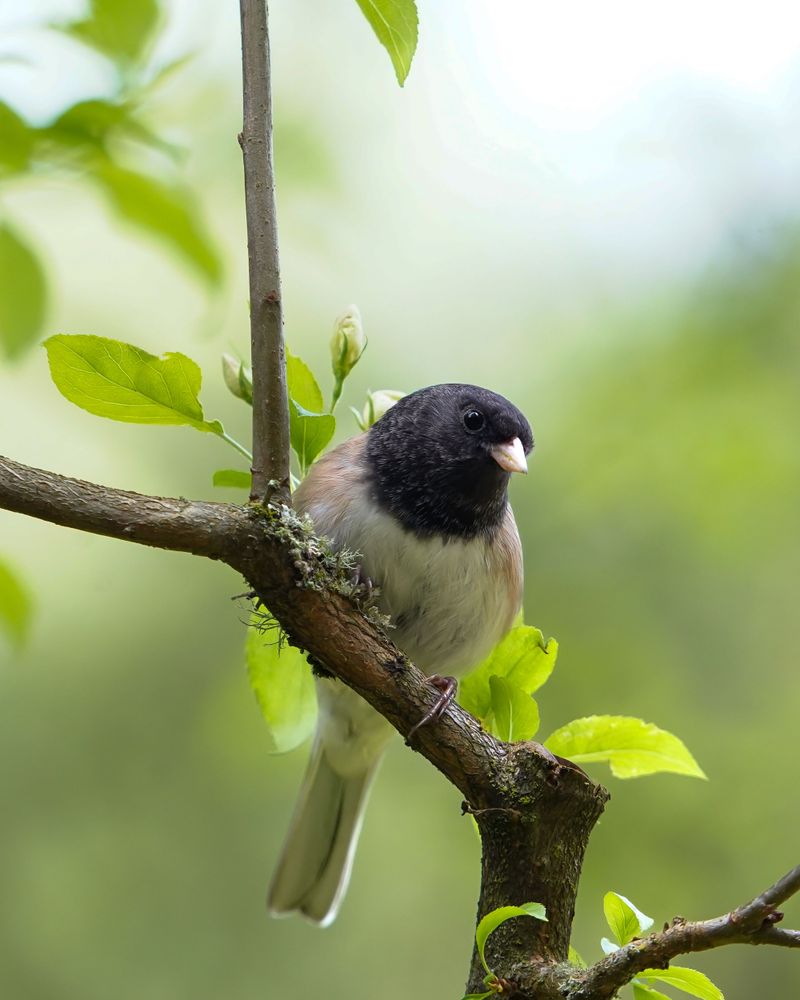
A quiet morning in April might feel a little lonely. Your busy flock of juncos has packed up and headed north to breed. In much of southern Michigan, juncos usually leave around March and April.
They travel to forests in Canada and the northern Great Lakes region, where they build nests on the ground, often tucked under roots, logs, or overhanging plants. Before leaving, males may start singing a pleasant, musical trill.
Their exit is a fine time to take stock of your yard. Which spots did they visit most? Maybe it was the corner by the cedar or the bed full of coneflowers.
Use what you saw to plan ahead. Add a few more native perennials, plant another evergreen, or build a second brush pile. Small changes each year can turn a good yard into a great one.
You can even help science while you watch. Programs like Project FeederWatch and the Great Backyard Bird Count invite regular people to report birds they see.
Your counts help researchers track bird populations over time. Then next fall, when that white tail flash returns, you’ll know your yard earned it.