Michigan Boxwood Turning Orange This November? Here’s What It Means
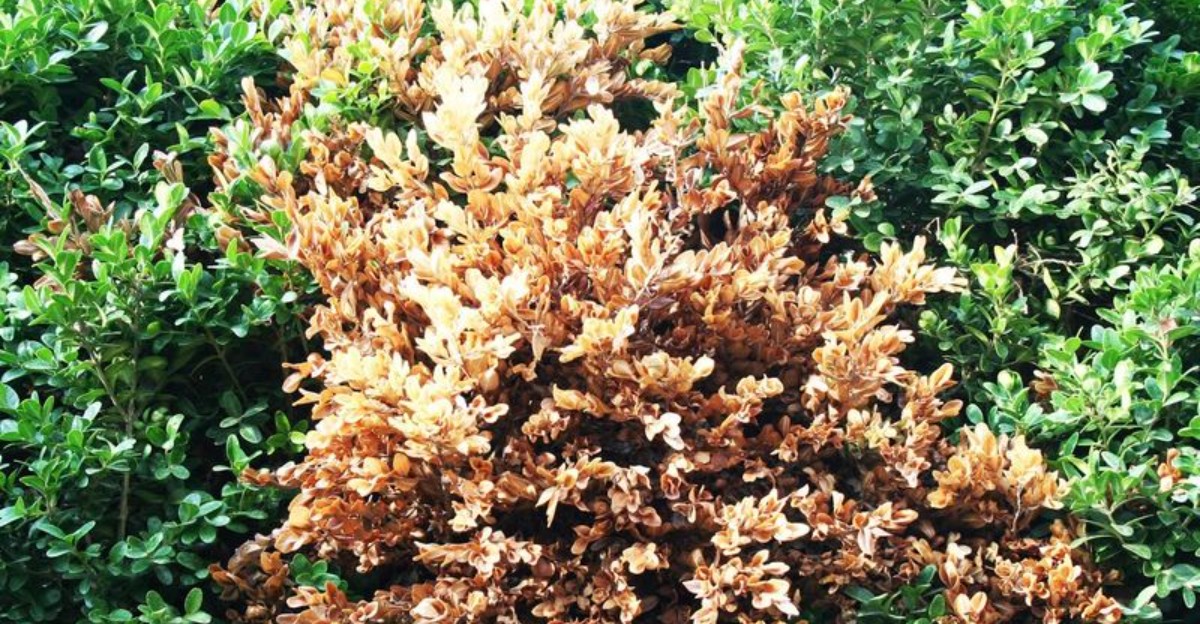
Some evergreen shrubs quietly change color in late fall, swapping deep green for copper, bronze, or even pumpkin orange. Nobody told them they were supposed to stay green all winter, apparently.
One thing I love about gardening is how plants talk to us without saying a word. That rusty glow often shows up first on the south and west sides of a shrub, where sun and wind hit hardest. It tends to appear just as cold, dry air settles over Michigan yards.
I know how frustrating it can be when a hedge you trimmed so carefully all summer suddenly looks scorched. Your first thought might be disease, bugs, or something you did wrong.
The truth is usually far less scary, though not every orange leaf tells the same story.
So is your shrub simply bracing for winter, or quietly asking for help?
1. That Coppery Boxwood Hedge Is Sending You a Seasonal Signal
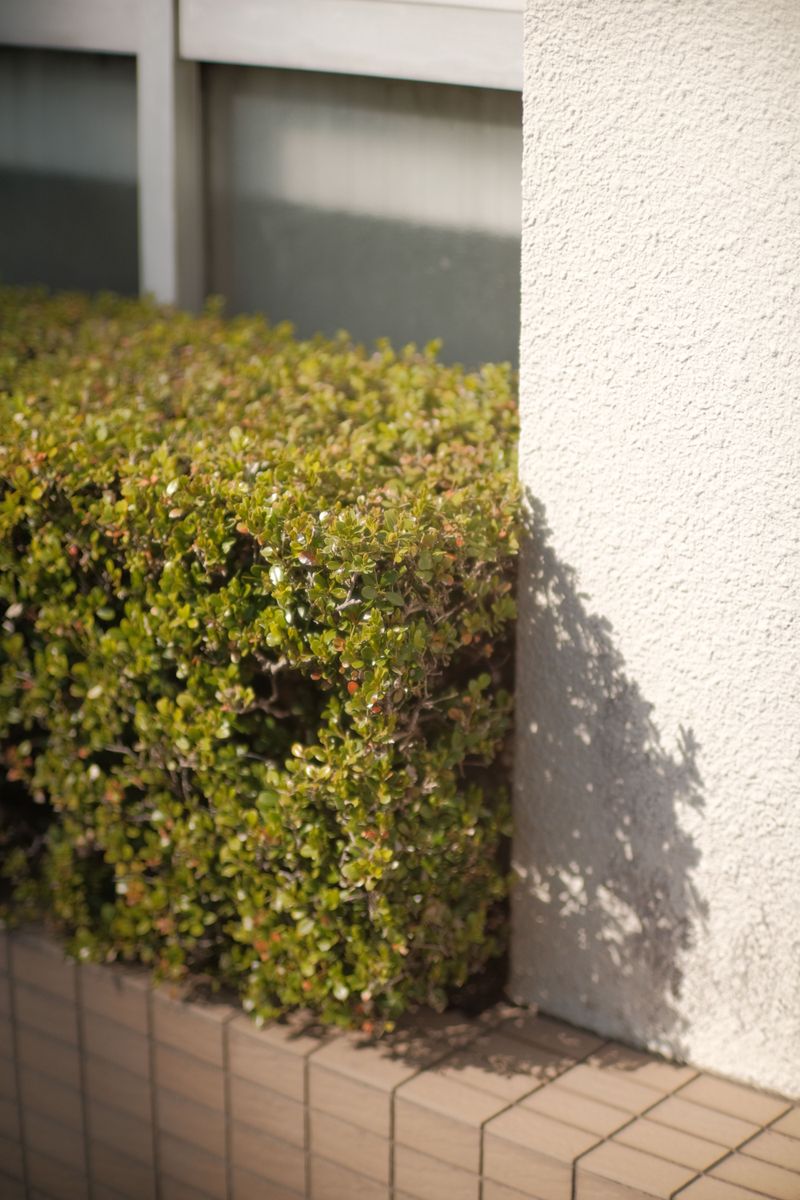
Late fall has a funny way of surprising boxwood owners. One week the hedge looks crisp and green, and the next it wears a coat of copper. Most of the time, that shift is a natural reaction to the season, not a sign of trouble.
Many common boxwoods, especially some American and English types, show what gardeners call winter bronzing.
Leaves take on orange, bronze, or reddish tones as days shorten and temperatures fall. The change usually shows up on the outer leaves first, while inner foliage stays greener.
Here’s a quick test you can try today. Gently bend a few discolored twigs and scratch a stem with your fingernail. Flexible stems with green tissue underneath mean the plant is still very much alive and active.
Look at the pattern, too. Even color across the sunny or windy side of the shrub points toward weather stress. Patchy browning, bare stems, or spots scattered deep inside the plant deserve a closer look.
I tend to think of bronzing as a shrub putting on a winter jacket. It looks a bit odd, but it often fades once spring growth arrives. Patience is usually your best friend here.
2. Cold Wind and Bright Sun Pull Water From Boxwood Leaves
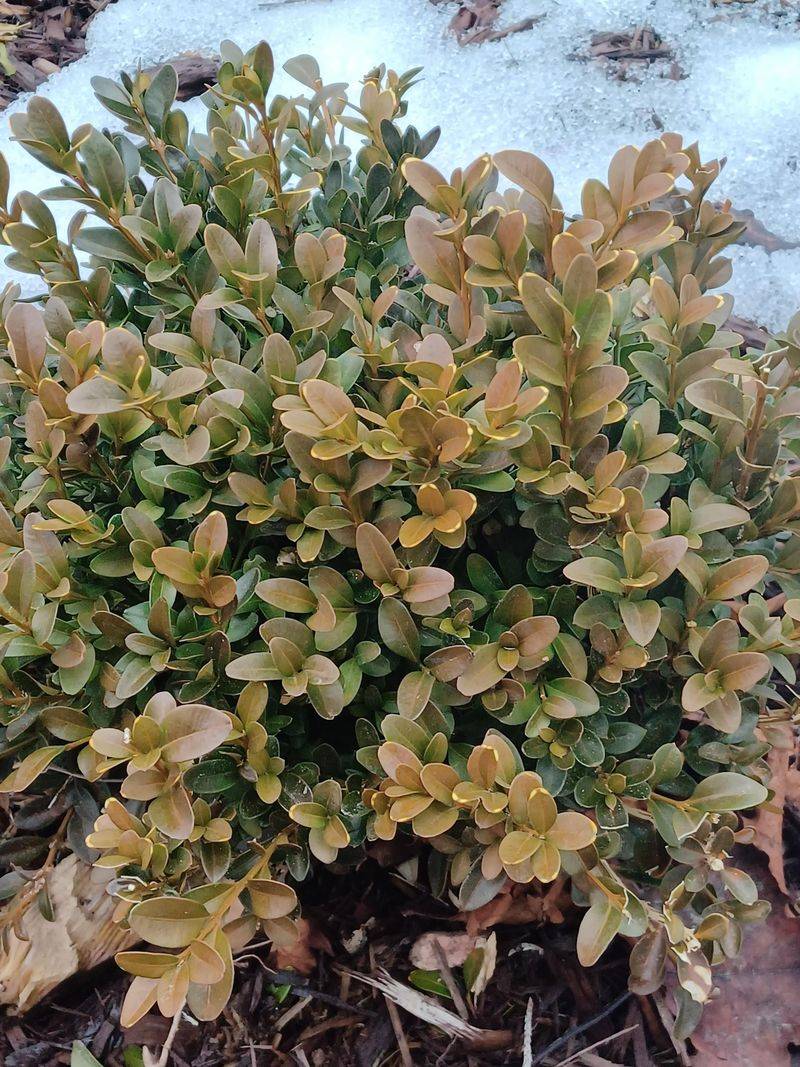
Broadleaf evergreens keep their leaves all winter, and those leaves keep losing water. Sun and wind pull moisture out, even on freezing days. When the soil is cold or frozen, shallow boxwood roots struggle to replace it.
That water shortage stresses the leaves. Green chlorophyll breaks down, and orange or bronze pigments that were hiding underneath become easier to see. Extension experts often describe the most severe version of this as winter burn or desiccation injury.
Location makes a huge difference. Shrubs on the south or west side of a house catch strong afternoon sun, and reflected heat from walls or pavement adds even more stress. Plants on open corners take the full blast of winter winds.
You might notice that the side facing your driveway looks rustier than the side facing the house. That lopsided look is a classic clue. Snow cover, oddly enough, often protects the lower branches, so bottom foliage may stay greener.
Mild bronzing typically recovers when new leaves push out in spring. Heavier burn can leave some foliage brown and crispy, which you can trim away later. Either way, the cause is weather, not something contagious.
3. A Deep Drink Before the Ground Freezes Helps Boxwoods
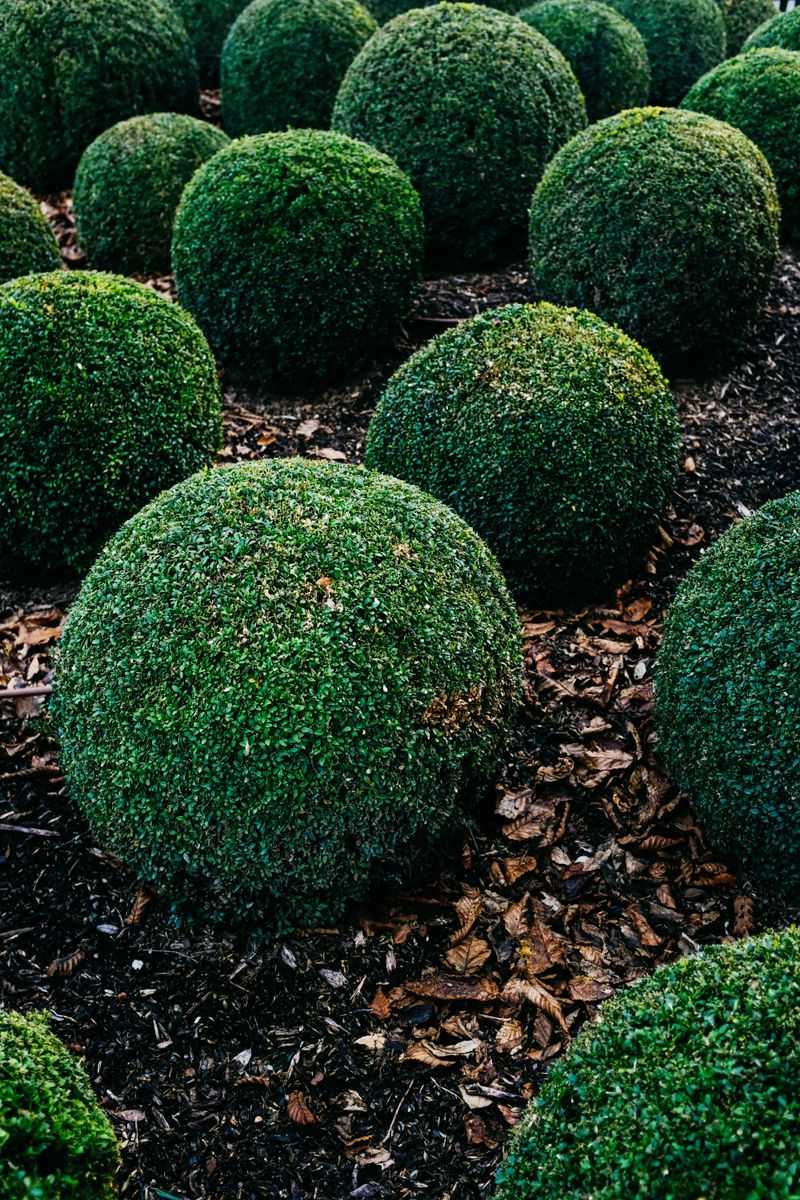
Summer and early fall weather can set the stage for winter color. A dry stretch in August or September leaves boxwoods heading into the cold with thirsty roots. Those plants often bronze faster and harder.
Your best move right now is simple watering. If the soil is dry and not yet frozen, give each shrub a slow, deep soak at the base. A soaker hose or a gently trickling garden hose works well.
Aim to moisten the root zone several inches down, since boxwood roots stay fairly shallow. Check with a trowel or your finger after watering. Stop once the ground freezes, because water can’t soak in at that point.
Potted boxwoods need extra attention. Containers dry out quickly, and roots in pots face much colder temperatures than roots in the ground. Many gardeners move pots against a sheltered wall or into an unheated garage for winter.
Skip fertilizer this late in the year. Feeding in November can encourage tender growth that the cold easily damages. Save that for spring, when your shrubs can actually put it to good use.
4. Blistered Boxwood Leaves Could Mean Tiny Leafminers Inside
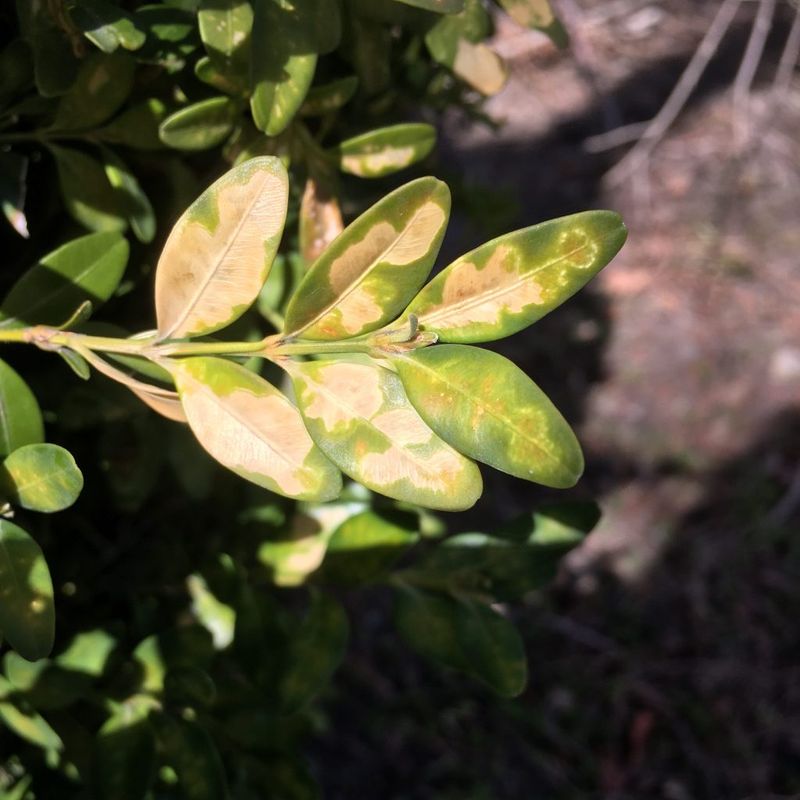
Hold a discolored leaf up to the light, and you might spot something sneaky. Boxwood leafminer larvae live between the upper and lower layers of the leaf. Their feeding creates blotchy, puffy blisters that turn yellow or orange.
These small orange larvae spend fall and winter tucked inside the leaves. In spring, tiny orange flies emerge, looking a bit like miniature mosquitoes. They lay eggs in new leaves, and the cycle starts again.
Try gently squeezing a blistered leaf. If it feels puffy and splits to reveal little larvae, you’ve found your answer. Bronzing from weather stays flat and smooth, which makes the difference easy to spot.
Light infestations often just affect looks. Heavier ones can thin a shrub over time. Pruning out badly affected branches before spring helps lower the number of flies that emerge.
Some boxwood varieties resist leafminers better than others, so keep that in mind if you plan new plantings. For persistent problems, check MSU Extension guidance on timing treatments. Correct timing matters far more than strength with this pest.
5. Soggy Soil Around Boxwood Roots Brings Different Trouble
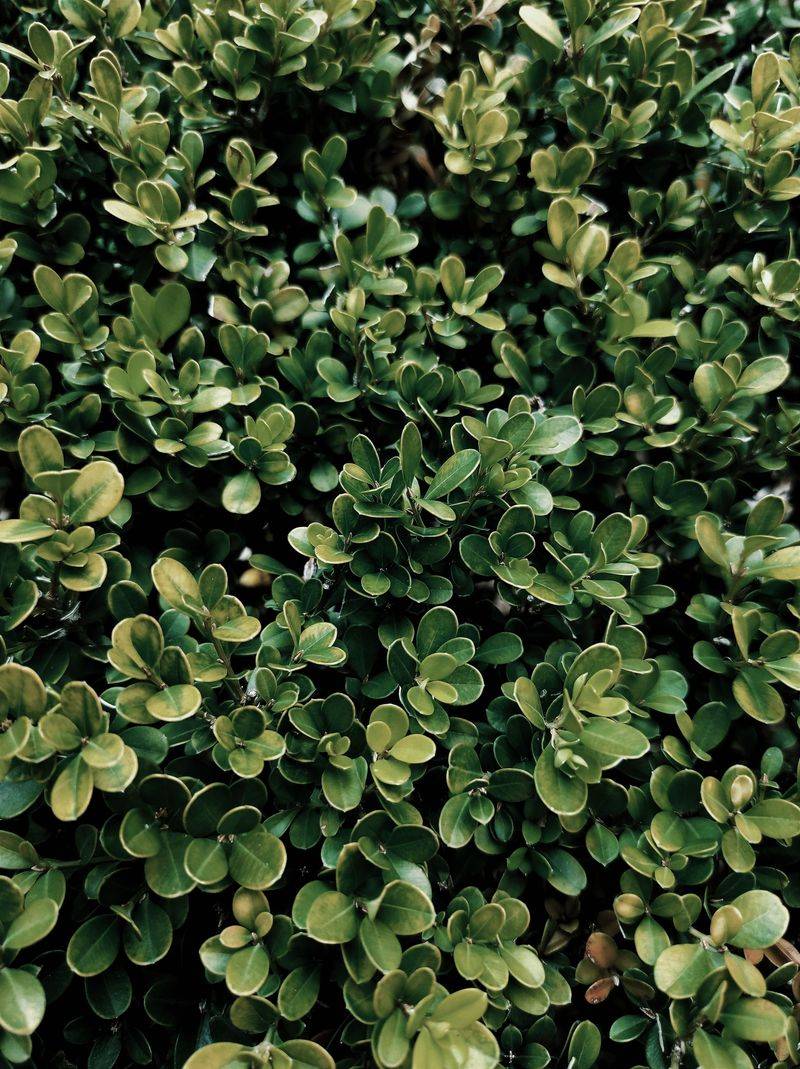
Too much water can cause just as much trouble as too little. Boxwoods dislike wet feet, and soggy ground invites root rot. Phytophthora root rot is one of the better-known culprits.
The color pattern looks different from winter bronzing. Leaves often fade to a dull yellow-green, then turn straw-colored or brownish, sometimes curling upward. The whole plant tends to decline slowly rather than showing a tidy sunny-side tint.
Roots tell the real story. Carefully dig near the base and look at small feeder roots. Healthy ones look light and firm, while rotted roots appear dark and break apart easily.
Heavy clay soils, low spots, and downspouts pointed at shrubs are common setups for this problem. Many Michigan yards have dense clay, so drainage deserves real thought. Fixing a gutter or regrading a bed can make a big difference.
Severely affected plants often don’t recover well. If you replace them, choose a spot with better drainage or raise the planting area slightly. Prevention beats any cure when it comes to root rot.
6. Bronze Boxwood Branches With Pink Spots Point to Volutella
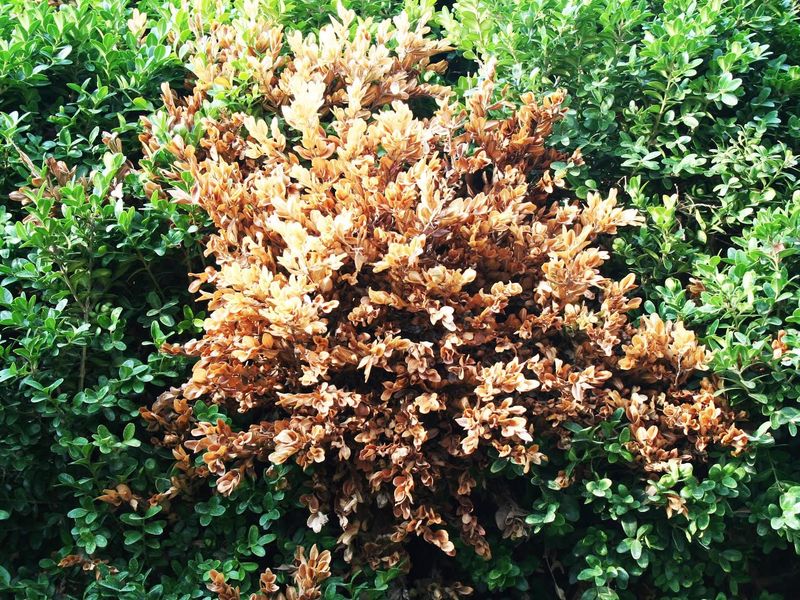
Sometimes a single branch turns color while its neighbors stay green. That spotty pattern points toward Volutella blight, also called Volutella canker. This fungal disease is fairly common on boxwoods.
Affected leaves often turn light green, then bronze, tan, or straw-colored. Many stay attached to the branch instead of falling. In damp weather, you might see small salmon-pink spore masses on the undersides of leaves and stems.
Peel back a little bark at the base of the discolored branch. Loose bark or darkened wood suggests a canker. Winter injury, pruning wounds, and crowded branches all give this fungus an easy way in.
Management starts with cleanup. Prune out affected branches on a dry day, wiping tools between cuts. Shake out fallen leaves trapped inside the shrub, since they hold moisture and spores.
Thinning dense plants improves airflow, which helps leaves dry faster. Boxwood blight is a separate, more serious disease with dark leaf spots and black stem streaks. Have suspicious samples tested rather than guessing.
7. Box Tree Moth Caterpillars Leave Chewed Boxwoods Behind
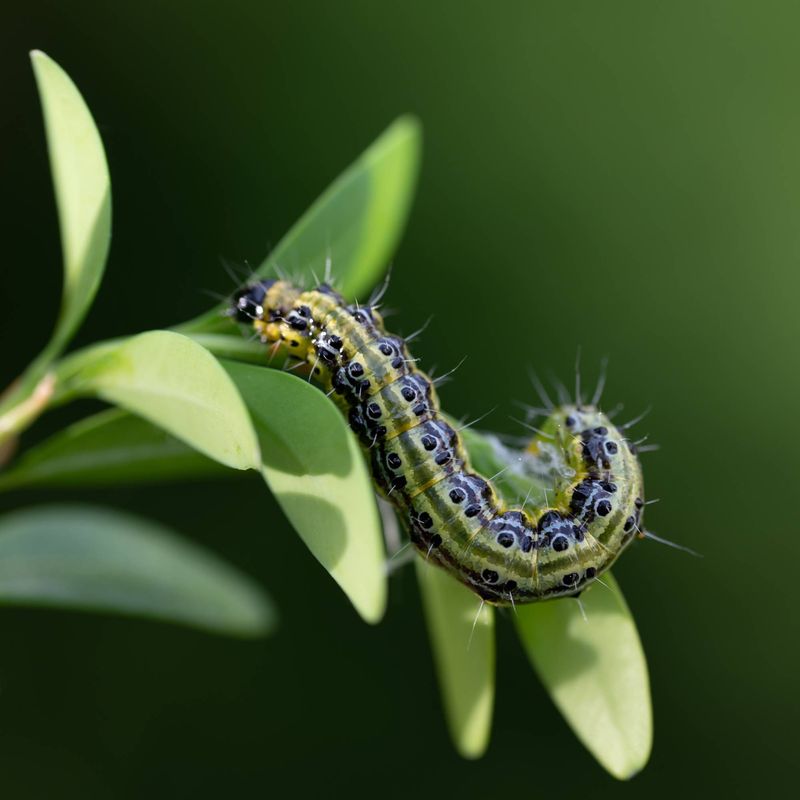
Michigan gardeners have a newer pest worth watching. The box tree moth, an invasive insect from East Asia, was confirmed in Michigan in recent years. Its caterpillars feed heavily on boxwood leaves.
Damage looks quite different from bronzing. Caterpillars chew leaves, sometimes leaving thin skeletons, and spin webbing filled with green droppings. Badly hit shrubs look brown, ragged, and bare instead of evenly tinted orange.
The caterpillars are bright green to yellow with black stripes and dots. Adult moths are usually white with a dark brown border, though some are mostly brown. Young larvae overwinter in silky shelters between leaves, so November checks can still pay off.
Look closely inside your shrubs for webbing or tightly bound leaf pairs. Report suspected finds to the Michigan Department of Agriculture and Rural Development. Their quarantine rules aim to slow the spread of this pest.
Be careful about bringing in boxwoods from unknown sources. Buying from reputable nurseries helps. Disposing of infested clippings in sealed bags, not compost, also limits the problem.
8. Burlap Screens and Mulch Keep Boxwoods Greener Next Winter
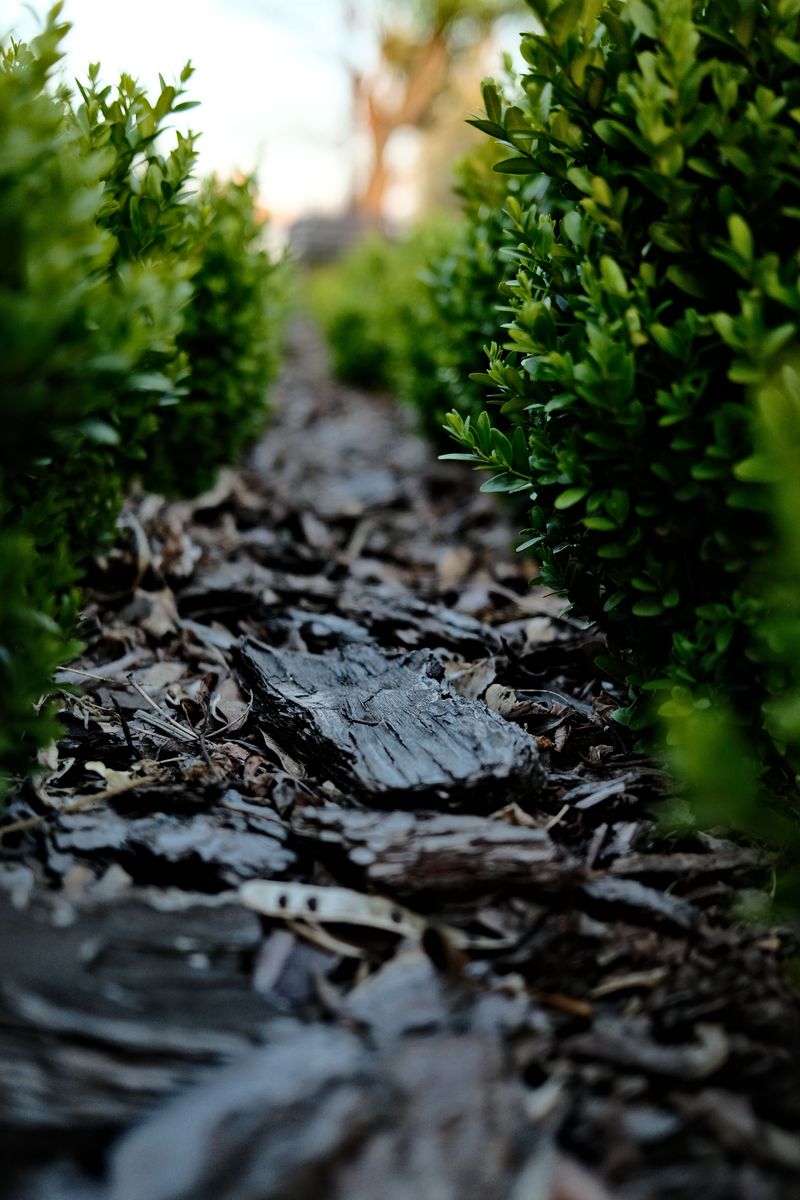
A little effort now can mean greener shrubs come March. Start with mulch. Spread two to three inches of shredded bark or wood chips over the root zone, keeping it a few inches away from the stems.
Mulch holds soil moisture and evens out temperature swings. It also helps protect those shallow roots during freeze and thaw cycles. Refresh it each fall as it breaks down.
Exposed shrubs benefit from a burlap screen. Set stakes on the windy or sunny side and attach burlap so it blocks wind and harsh sun. Leaving a bit of space around the plant is better than wrapping it tightly.
Avoid plastic wraps, which trap heat and moisture. In spring, wait until new growth begins before pruning away brown tips. Many bronzed leaves green up on their own.
For future plantings, consider hardier varieties suited to your USDA zone, which ranges from about 4 to 6 across the state. Still puzzled? MSU Extension’s diagnostic lab can identify tricky problems. A clear answer helps you choose the right next step.