Why Slugs Suddenly Take Over Michigan Fall Greens After A Rain
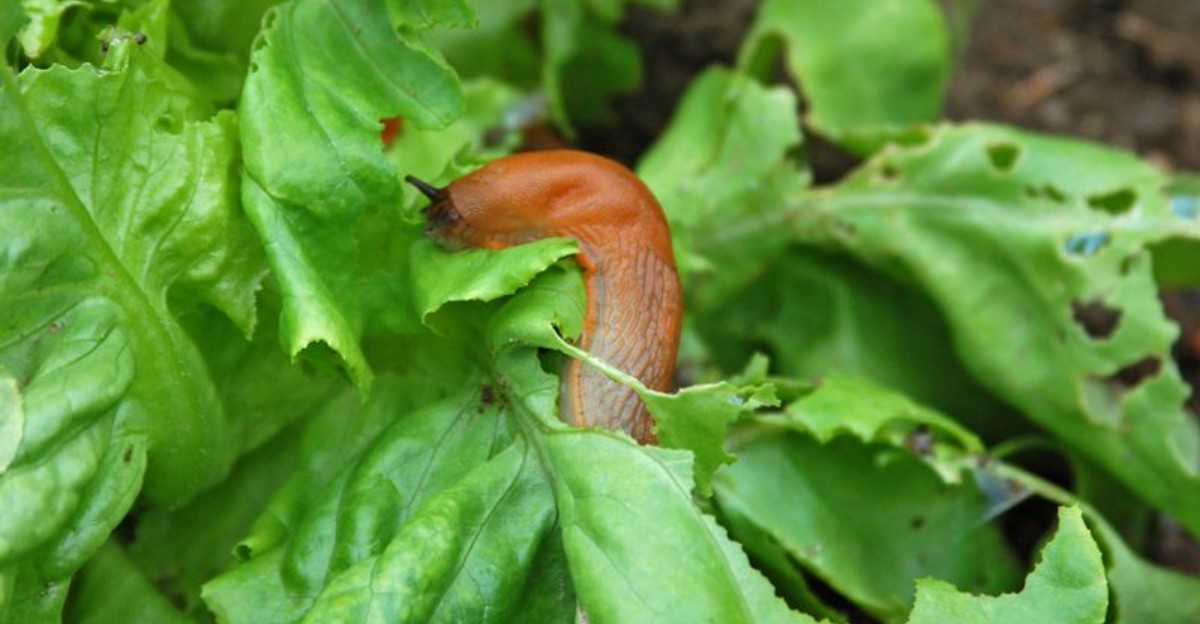
The lettuce looked perfect on Monday. Then Tuesday brought rain, and by Wednesday the leaves are full of ragged holes. Silvery trails shine across the bed, and nothing seems to have caused it.
Slugs have been there the whole time. They hide in cool, dark spots through the day and wait for the right conditions. Rain is their signal.
Fall greens, with their tender leaves and shady, damp growing conditions, are an ideal feast. Michigan’s wet autumns make the problem worse than in many other places. Some gardeners respond with a quick fix that does little.
Others find ways to change the bed so slugs lose interest. A few small adjustments can save your greens before the next storm arrives.
1. Rain Lets Slugs Leave Their Hiding Places
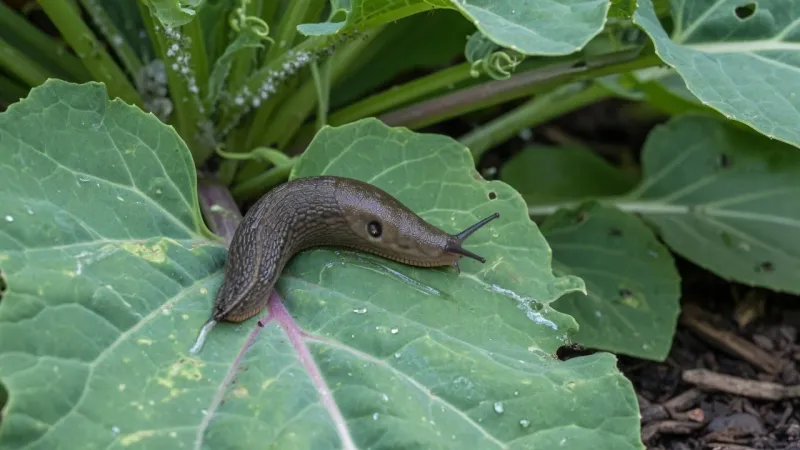
Yesterday your spinach looked perfect. Then a rainy night rolled through, and now the leaves are full of ragged holes and shiny silver streaks. Slugs did not move in overnight. They were there all along, just waiting for the right moment.
Slugs need moist skin to move and breathe. Their bodies lose water quickly, so dry air is a real threat to them. During dry spells, they tuck themselves away in damp spots under mulch, boards, rocks, and garden debris, staying still and saving their moisture.
Rain changes everything for them. Wet ground acts like an open highway, letting slugs slide farther from their hiding places and feed for hours longer than usual. Their slime glides easily over damp soil, so travel takes much less effort.
Most gardeners notice the damage the morning after a rainy night. Look for uneven holes chewed in the middle or along the edges of leaves. You may also spot glistening slime trails on plants, pots, and soil, which are a clear sign slugs were feasting while you slept.
Michigan weather makes this pattern even stronger. Late summer often brings dry stretches, and then fall rains arrive and wake up a large slug crowd all at once. That sudden burst of activity can catch you off guard if you are not ready.
A smart move is to walk your garden the morning after every good rain. Check the youngest plants first, since they suffer the most. Spotting fresh damage early gives you time to act before a small problem turns into a stripped bed of greens.
2. Cool Fall Weather Suits Them Perfectly
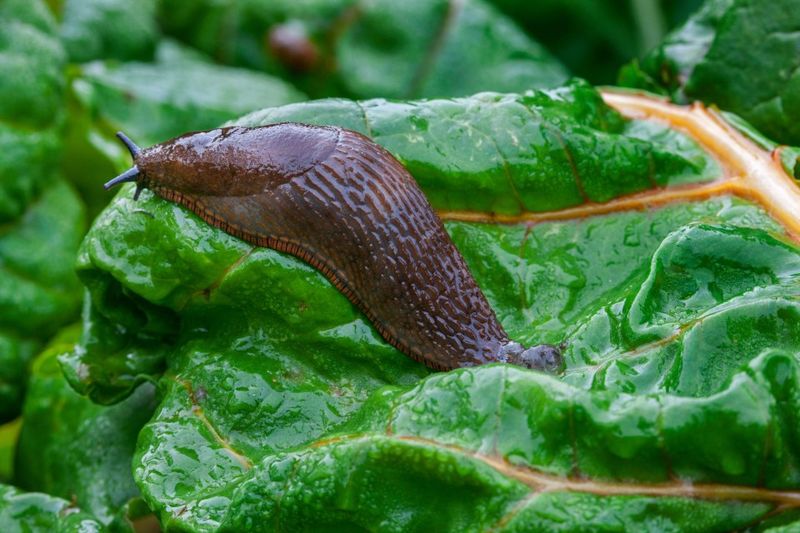
Summer heat is no friend to a slug. Hot sun and dry air pull moisture from their soft bodies, so on scorching days they hide and wait. Fall feels like a vacation by comparison.
Slugs are most active in cool, damp conditions. Mild afternoons and chilly nights keep the ground moist and the air humid, which lets them stay out longer and eat more.
Many slugs feed best when temperatures sit somewhere between the 40s and 60s, which describes a typical Michigan fall day almost perfectly.
So when should you start watching closely? Begin as soon as the weather turns cool and damp. Waiting until you see big holes means the slugs already have a head start.
Your Michigan Garden Changes Every Week. Your Plan Should Too.
Gardening in Michigan changes quickly throughout the season. Every Friday you’ll receive a simple weekly plan showing exactly what to plant, prune, fertilize, harvest, and protect so you never miss the right timing.
Timing your checks matters too. Slugs come out mostly in the evening and through the night, then slip back into hiding by mid-morning. Grab a flashlight about an hour after sunset, or head out at dawn while the grass is still wet.
Those are the best times to catch them in action. Cloudy days can bring them out as well. Overcast skies keep things cool and moist, so slugs may keep feeding later into the morning than usual. A quick peek under leaves on a gray day can surprise you.
Here is the tricky part for Michigan gardeners. Fall greens like lettuce, spinach, and kale grow best during the same cool, damp weeks when slugs are busiest.
Your crops and the pests share the same favorite season, so staying alert from September onward pays off with healthier, prettier harvests.
3. Tender Greens Are Their Favorite Food
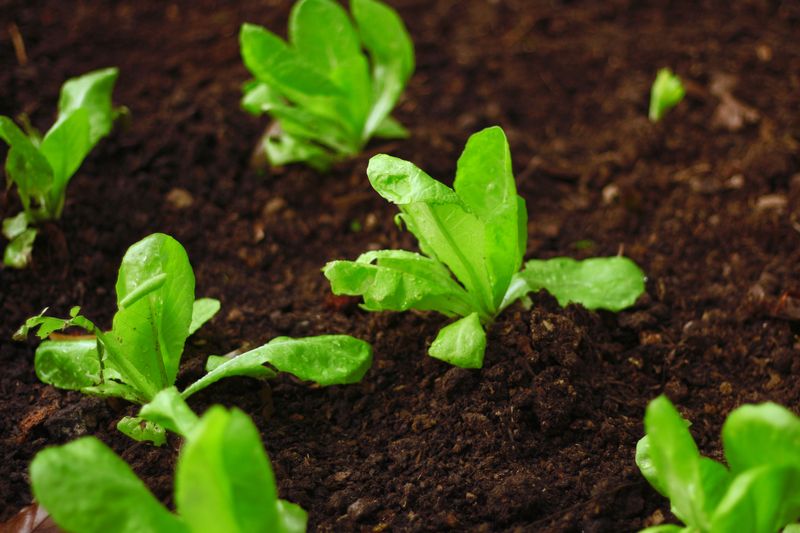
Think of your fall garden as a salad bar, and slugs as very hungry customers. They skip tough, woody plants and head straight for anything soft and juicy. Your greens are exactly what they crave.
Lettuce sits near the top of their menu. Spinach, young kale, cabbage seedlings, Swiss chard, and Asian greens like bok choy follow close behind.
Slugs have a rough, tongue-like part called a radula that scrapes away soft leaf tissue easily, which is why tender leaves disappear so fast.
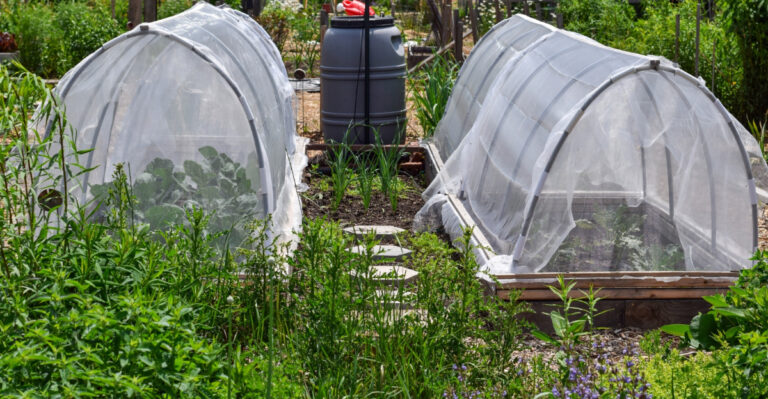
Seedlings face the biggest risk. A tiny plant with only a few leaves can be eaten down to a stub in a single night. Covering young plants with cloches, cut-off plastic bottles, or floating row cover can buy them time to grow tougher.
Slugs love to hide right on the plants, too. Check the undersides of leaves and peek into the tight centers of lettuce heads and cabbage. Moist, shaded pockets like these make cozy daytime shelters.
Regular harvesting helps more than you might expect. Pick outer leaves often, and remove any that are chewed or yellowing. Damaged leaves piling up near the soil create damp cover and easy snacks, so keeping plants trimmed makes your garden less welcoming.
Michigan gardeners have good reason to care. Many people plant greens in late summer for harvests that stretch into November, especially with row covers or cold frames.
Every leaf saved from slugs means more homemade salads on chilly fall nights, which is a pretty sweet reward for a few minutes of checking.
4. A New Generation Is Hatching
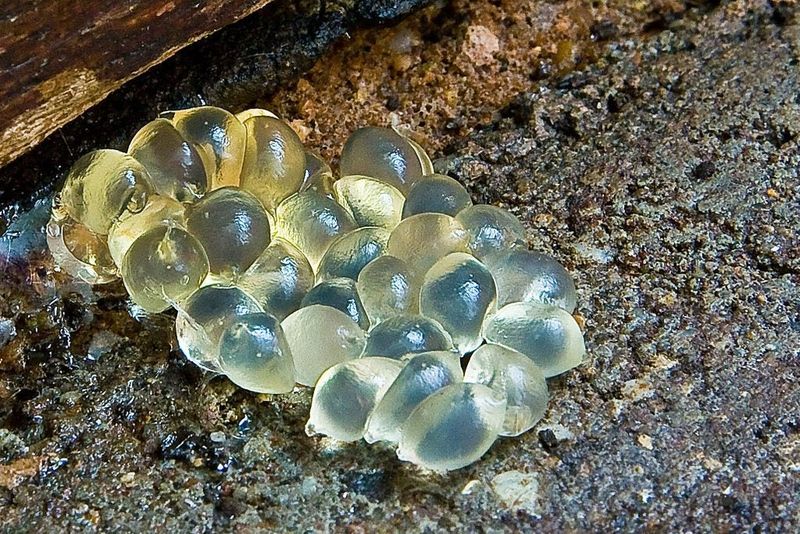
Ever lift a board in your garden and spot a little pile of tiny, clear beads? Those are not seeds or fertilizer pellets. They are slug eggs, and each cluster can hold dozens of future leaf-munchers.
One of the most common culprits is the gray field slug, known to scientists as Deroceras reticulatum.
Adults lay clusters of small, pearl-like eggs in moist soil, under debris, and in other damp hiding spots. Slugs carry both male and female parts, so nearly every adult can lay eggs.
Fall is a busy time for hatching. Young slugs emerge and start feeding right away, adding to the crowd already roaming your beds. Some eggs also wait through winter and hatch in spring, which keeps the cycle going year after year.
You can break that cycle with a little detective work. When weeding, moving mulch, or lifting boards and pots, keep an eye out for those shiny clusters.
Scoop them up and toss them in the trash in a sealed bag, or leave them on a sunny, dry surface where they will shrivel.
A tidy garden gives slugs fewer places to lay eggs. Clear out old plant stems, weeds, and soggy piles of leaves near your vegetable beds. Loose clutter makes ideal nurseries, so less mess means fewer babies.
Michigan gardeners see gray field slugs more than almost any other kind. They are small, usually under two inches, and light gray to brown with darker mottling.
Learning to spot both the adults and their eggs gives you a real advantage before the next generation gets hungry.
5. Mulch And Debris Give Them Shelter
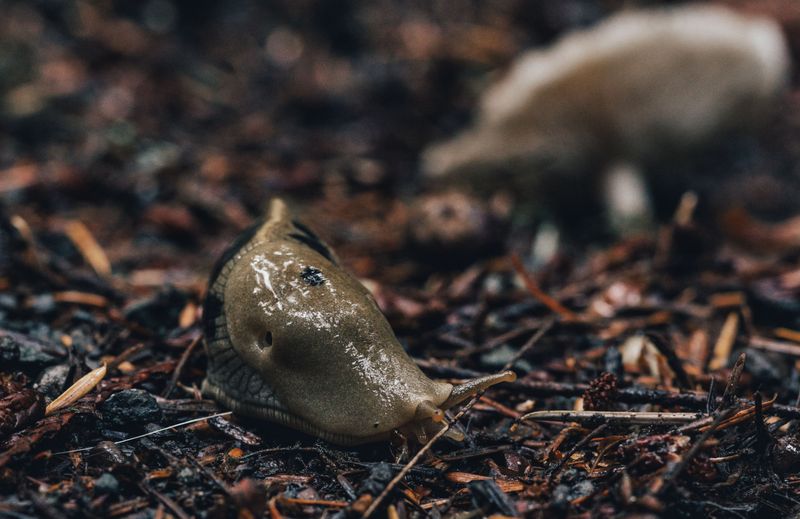
Slugs are expert campers. They spend their days resting in the coolest, dampest spots they can find, and your garden often hands them a perfect campsite right beside dinner.
Thick mulch, piles of fallen leaves, weeds, old boards, flower pots, and leftover plant debris all trap moisture and stay shaded. Underneath, the air stays cool and humid even on a sunny afternoon. Slugs crawl under these covers at sunrise and wait for nightfall.
The best part, from a slug’s point of view, is the short commute. Their hiding spot sits only inches away from your lettuce, so they can slide out, eat their fill, and slip back home before morning.
Mulch still has a place in your garden, but a few small changes help a lot. Pull mulch back a couple of inches from young greens so the soil right around the stems can dry.
Around crops already showing slug damage, keep the mulch layer thin rather than piled high.
Next, clear away weeds and debris growing near the edges of your beds. Tall grass along a border can shelter a surprising number of slugs. Stack any spare boards or empty pots away from the garden, unless you are using them as traps on purpose.
Michigan autumns add a special challenge. When maples and oaks drop their leaves, gardens fill up with soft, damp hiding spots almost overnight.
Rake leaves away from your vegetable beds and pile them in a compost bin or a spot well away from your greens. Your plants will thank you with cleaner, fuller leaves.
6. Evening Watering Adds To The Problem
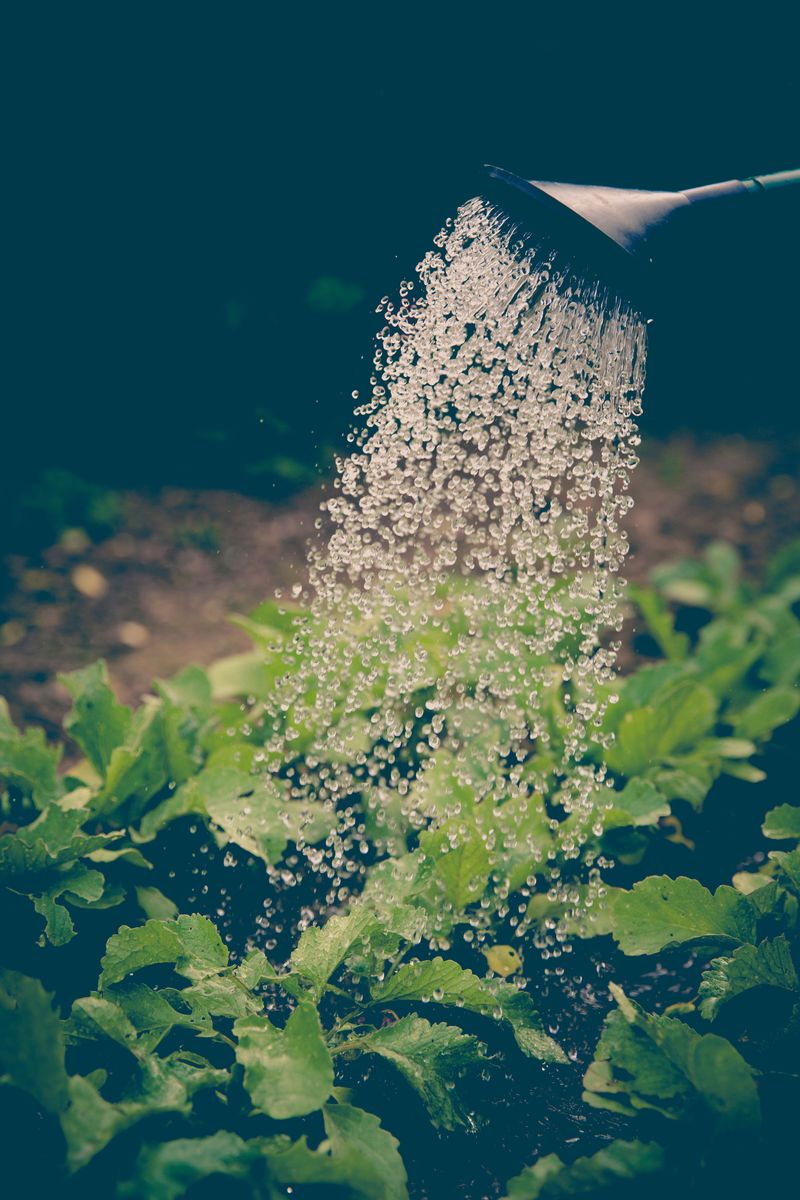
Watering after work feels relaxing, doesn’t it? The sun is low, the air is calm, and the garden looks lovely. Sadly, slugs see that evening shower as a dinner invitation.
When you water in the evening, the soil and leaves stay wet all night long. Night is exactly when slugs are most active, so damp surfaces make it easy for them to glide around and feed for hours. You basically roll out a slippery welcome mat.
Switching to morning watering makes a big difference. Water early, and the soil surface has the whole day to dry out under the sun and breeze. By evening, the ground feels less inviting, and slugs have a harder time traveling.
How you water matters as much as when. Aim at the base of each plant instead of spraying over the top of the leaves. A watering can with a long spout, a soaker hose, or drip lines deliver moisture to the roots while keeping leaves dry.
Rain counts as watering, too. After a good soaking, push a finger an inch or two into the soil. If it still feels moist, skip watering for a day or more. Extra water on already damp ground just helps the slugs.
Michigan fall weather makes these habits extra important. Cool temperatures, shorter days, and cloudy skies slow down drying, so wet soil can stay soggy far longer than in summer.
A small change in your watering routine is one of the easiest, cheapest ways to make your garden less attractive to slugs.
7. Simple Controls Can Turn The Tide
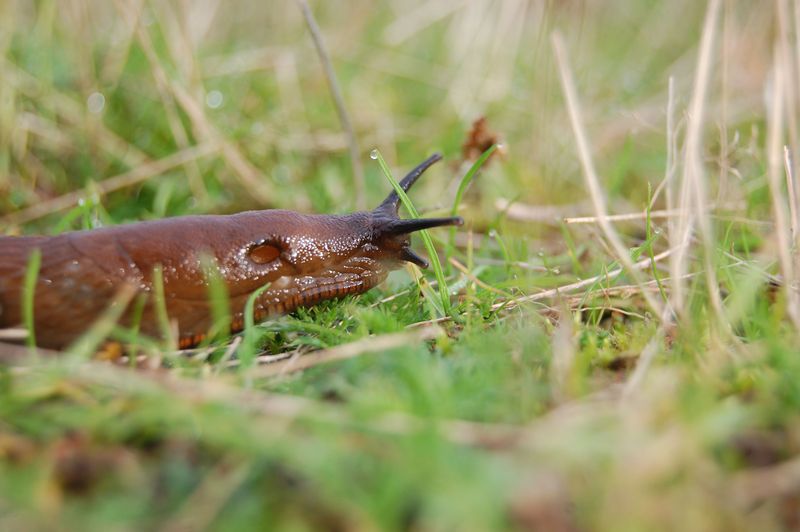
Good news: you can win this battle. No single trick stops every slug, but mixing a few easy methods works far better than leaning on just one. Most of them are safe for vegetable gardens and cost very little.
Hand-picking comes first. Head out about an hour after dark with a flashlight and a jar of soapy water. Pluck slugs off plants with gloves or chopsticks and drop them in, and you will be amazed how many you collect.
Beer traps come next. Sink a shallow container so its rim sits level with the soil, then fill it partway with beer. Slugs are drawn to the yeasty smell, crawl in, and cannot climb out. Empty and refill the traps every few days so they keep working.
Boards make clever traps, too. Lay a flat board on damp soil near your greens in the evening. By morning, slugs will crowd underneath looking for shelter, so flip the board and scrape them into your soapy water.
For heavier problems, try iron phosphate slug bait. Look for a product labeled for use in vegetable gardens, and follow the label directions carefully. Sprinkle the pellets on the soil around plants, not in piles, and reapply after heavy rain if the label allows.
Steady effort is what really counts in Michigan, where fall rains keep slugs busy for weeks. Check traps often, keep up with evening patrols, and combine these tools with smart watering and tidy beds.
Stay consistent, and your fall greens can make it all the way to harvest looking crisp and beautiful.