Your New York Hens Stopped Laying After the Time Change. Here’s Why, and Whether You Should Add a Light
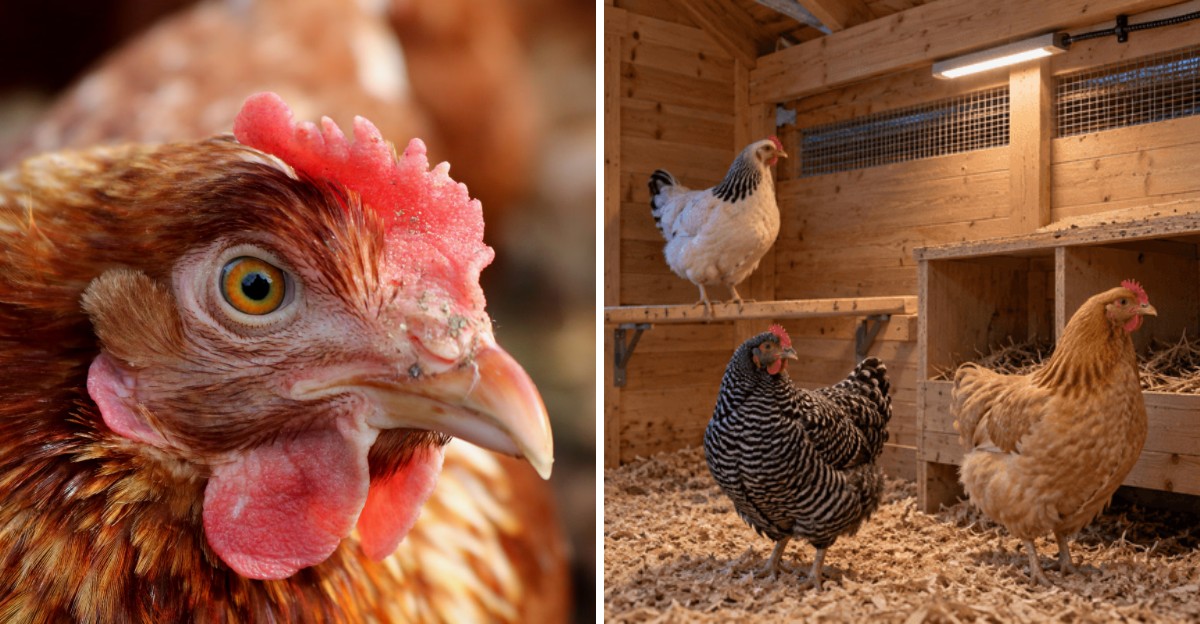
Your chickens have no idea the clocks changed. Their bodies run on sunlight, and a tiny gland behind their eyes keeps careful track of every minute of it.
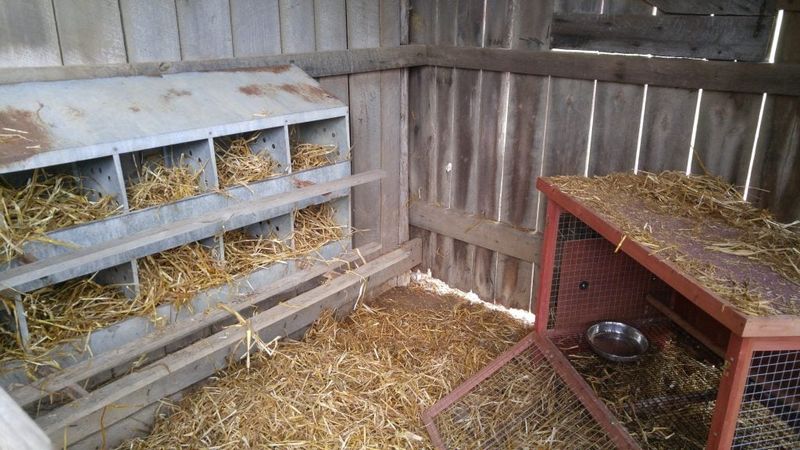
In my own coop, the nest boxes went quiet almost the same week we set the clocks back. It felt like the hens had read the calendar. Truth be told, the timing was a coincidence with a very real cause behind it.
In New York, December days shrink to about nine hours of daylight. That is far below what a hen’s body wants before it commits to making an egg. Many birds also start dropping feathers around now, which makes the coop look like a pillow fight happened overnight.
So is your flock broken, lazy, or simply smart? And would a cheap bulb on a timer really change anything, or could it cause more trouble than it fixes?
Those Empty Nest Boxes Started Long Before the Clocks Fell Back
Funny thing is, the time change itself did nothing to your hens. Moving the clock an hour changes your schedule, not the sun.
Your birds were already responding to something bigger.
Day length started shrinking right after the summer solstice in late June. By early November in New York, daylight drops to around ten hours, and it keeps sliding toward about nine hours by mid-December.
Hens notice that steady decline every single day.
Penn State Extension and other poultry experts explain that hens lay best with about 14 to 16 hours of light. Once natural days fall below roughly 12 hours, egg numbers usually start dropping.
That threshold arrives in late September here, so the slowdown simply becomes obvious around the same weeks we adjust our clocks.
There is another twist. When the clocks fall back, your morning visit to the coop might suddenly happen in full daylight instead of dusk.
That shift can make an existing slowdown feel sudden, even though it has been building for weeks.
So if you blamed daylight saving time, you were close. The real signal is the shrinking amount of sunlight your hens see from sunrise to sunset, and their bodies are reading it with surprising accuracy.
A Light-Sensing Gland Behind the Hen’s Eye Runs the Egg Factory
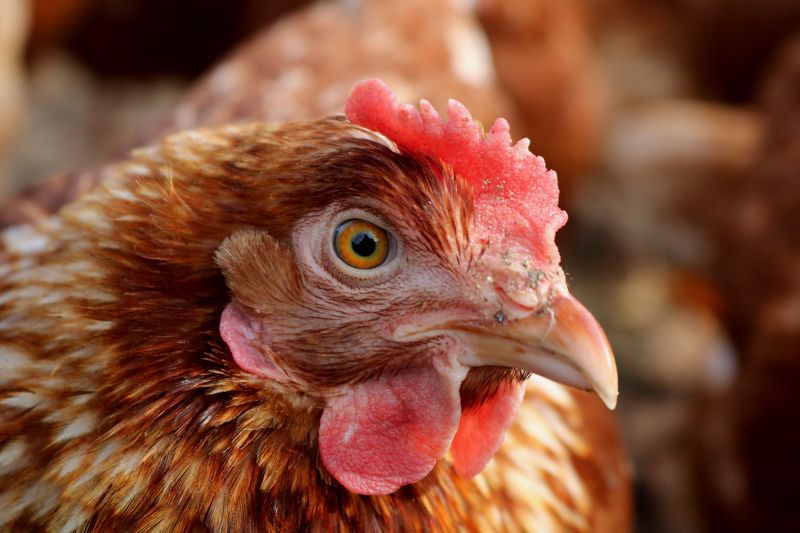
Did you know a hen can sense light even through her skull? Light reaches receptors in the brain, including the hypothalamus, which acts like the control room for egg production.
When days are long, the hypothalamus releases a hormone that tells the pituitary gland to get busy. The pituitary then sends signals to the ovary, and yolks begin developing.
Each egg takes about 24 to 26 hours to form, so a hen needs a long, steady supply of daylight to keep that cycle going.
Shorter days flip that system the other way. Hormone levels drop, the ovary slows down, and your hen quietly takes a break.
You might even notice her comb looking paler and smaller, which is a common sign she has paused laying.
From an evolutionary view, this makes great sense. Wild jungle fowl, the ancestors of our backyard birds, raised chicks when food was plentiful and weather was mild.
Laying eggs in a cold, dark season would have been risky.
Modern breeds still carry that old wiring. Some heavy layers push through winter better than others, but nearly every hen responds to short days in some way.
Your flock is following an instinct thousands of years old.
A Timer and a Small Bulb Can Bring Winter Eggs Back
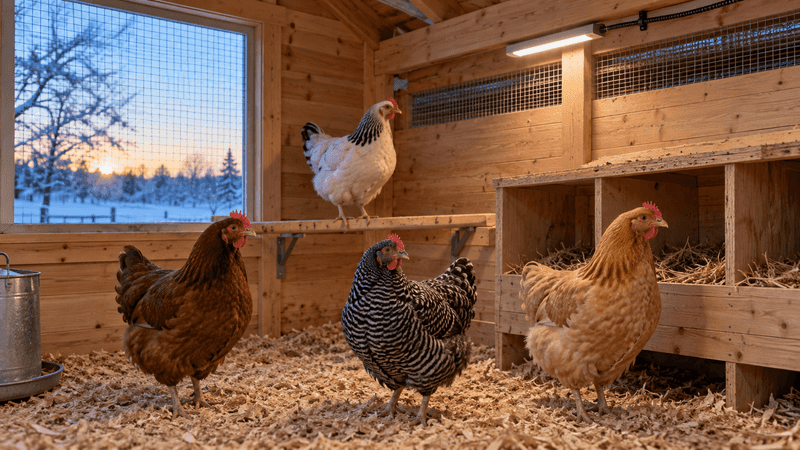
Yes, adding light works, and the method is pretty simple. Poultry specialists generally recommend bringing total light up to about 14 to 16 hours per day using a bulb on a timer.
Add the extra light in the morning. Set the timer to switch on before sunrise, then let natural daylight take over.
Your hens still enjoy a real sunset, which helps them settle onto the roost calmly before dark.
Evening light is trickier. If a bulb switches off suddenly at night, birds can get stranded off the roost in pitch black, which stresses them.
A morning schedule avoids that problem neatly.
Brightness does not need to be dramatic. A low-wattage warm white LED, often in the range of a 40 to 60 watt equivalent for a small coop, is usually plenty.
Experts often describe the right level as bright enough to read a newspaper at bird height.
Choose a fixture rated for damp or dusty spaces and keep it away from bedding. Heat lamps are a real fire risk and are not needed for laying.
Once the timer is set, keep the schedule steady every day, since hens respond best to routine.
Letting Your Flock Rest Through Winter Is a Fair Choice Too
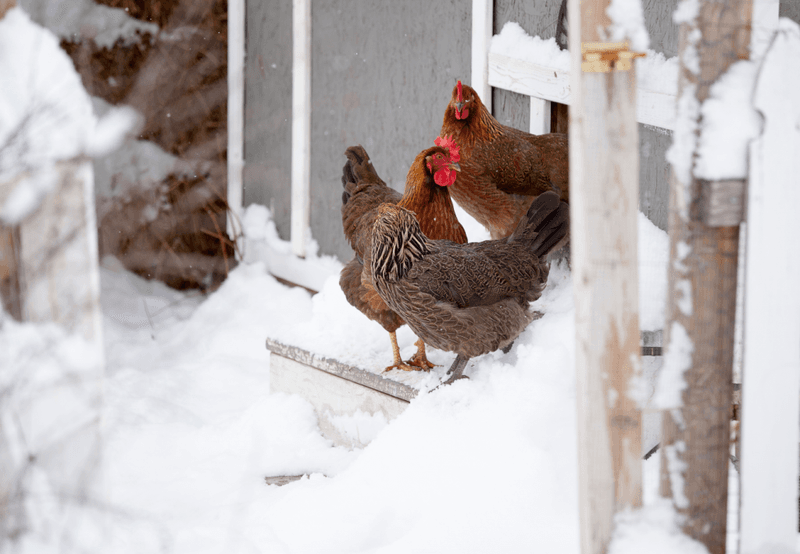
Plenty of seasoned keepers skip the bulb entirely, and I get it. A winter break gives hens a chance to rebuild their body reserves after months of steady laying.
Egg production takes a lot of calcium, protein, and energy. A pause lets birds focus on staying warm and growing new feathers.
Many owners feel their hens come back stronger in spring.
You may hear that lights make hens run out of eggs sooner. Hens hatch with thousands of potential yolk cells, far more than they will ever lay, so that idea is mostly a myth.
Still, extra light can push older hens a bit harder, and some keepers prefer not to.
Your decision really depends on your goals. If your family counts on fresh eggs for breakfast every week, a light makes sense.
If your hens are more like feathered pets, a natural rhythm might feel right.
There is also a middle path. Some people light only their younger hens or wait until after molt finishes.
Whatever you pick, there is no wrong answer here, just different priorities. Eggs will return on their own once spring days stretch past twelve hours again.
Scattered Feathers Around the Coop Mean Molting Has Begun
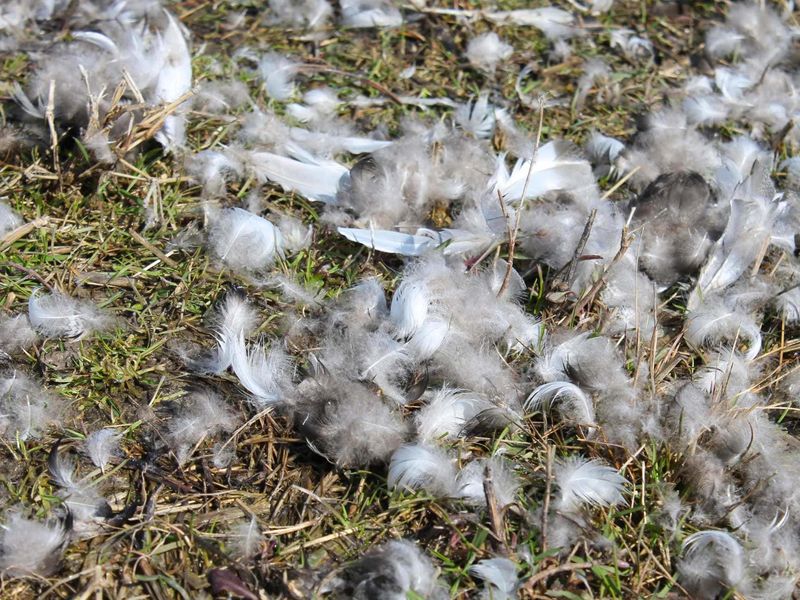
Walk into the run some November morning and it can look like a pillow exploded. Feathers everywhere, and a few hens looking scruffy and grumpy.
Welcome to molting season.
Molting is the yearly shedding and regrowth of feathers. Shorter days trigger it, often starting in late summer or fall.
Feathers are almost pure protein, so hens usually stop laying while they rebuild their coat.
A light will not speed up molting much, and lighting a hen mid-molt is usually not helpful. Most experts suggest waiting until new feathers have grown in before adding light.
A full molt can take eight to twelve weeks, and some hens go slower.
You can help, though. Switch to a higher protein feed, around 18 to 20 percent, while feathers regrow.
Keep oyster shell available on the side for hens still laying.
Handle molting birds gently, since those new pin feathers are full of blood and feel sore. Skip extra treats like scratch grains, which dilute protein.
Once their shiny new coats come in, your hens will look fantastic and be better prepared for cold nights ahead. Eggs often return soon after, especially if days are lengthening or a light is in place.
Young Pullets Should Wait Before Getting Any Extra Coop Light
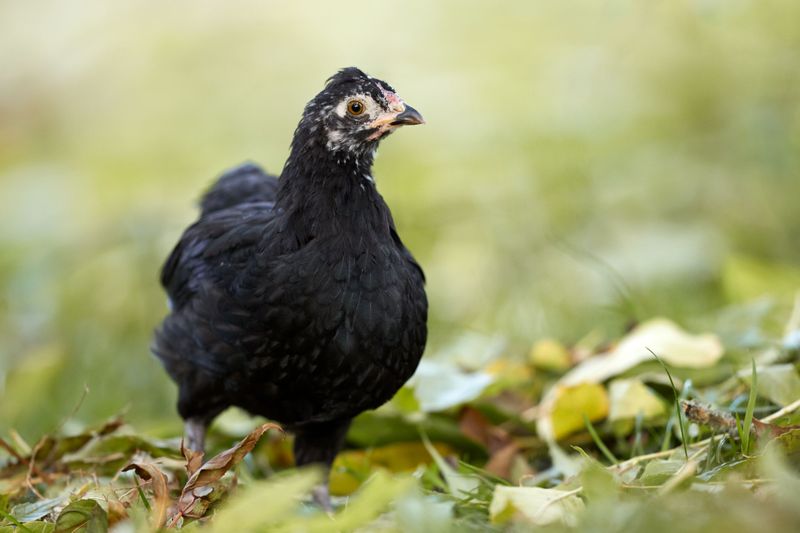
Spring chicks are teenagers by fall, and they are not ready for the spotlight yet. Giving extra light to pullets too early can push them into laying before their bodies are mature.
Most guidance says to hold off on supplemental light until pullets reach about 18 to 22 weeks old, depending on breed. Larger, heavier breeds often mature more slowly than lighter ones like Leghorns.
Early laying can cause small eggs, prolapse, and other reproductive problems. A hen needs proper body weight and strong bones before she starts the daily work of building shells.
Many New York keepers raise chicks in April or May. Those birds often reach laying age right as days get short, so they may not start until late winter.
That delay feels annoying, yet it is normal.
Once your pullets hit the right age, you can gradually add light to help them begin. Increase total light slowly, adding around 15 to 30 minutes per week rather than jumping to 16 hours overnight.
Sudden changes can stress birds or cause irregular laying.
Patience now pays off with healthier hens and steadier eggs for years. Watch for reddening combs and squatting behavior, which signal your girls are almost ready.
Frozen Waterers and Cold Drafts Can Slow Laying Even More
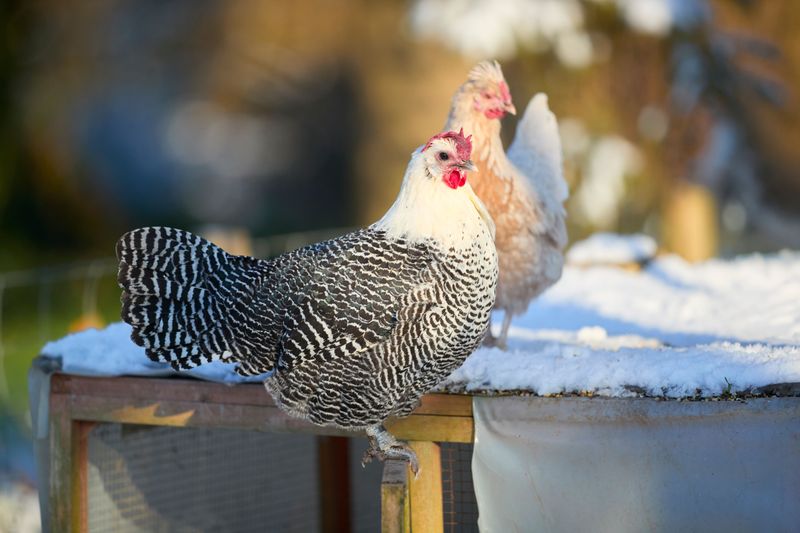
Light gets most of the attention, but a frozen water dish can halt eggs just as fast. An egg is mostly water, and hens drink less when water turns to ice.
Winter in New York varies a lot. The Adirondacks and Tug Hill can drop well below zero, while Long Island and New York City stay milder.
Either way, ice in the waterer is a common headache.
A heated base or heated waterer is a smart investment for colder regions. Check it daily, since a hen without water for even a day may stop laying for a while.
Drafts matter too. Hens handle cold well when they are dry and out of the wind.
Good ventilation up high removes moisture, which helps prevent frostbite on combs and wattles.
Feed counts as well. Birds burn more calories staying warm, so keep a complete layer feed available.
A small handful of scratch grains in late afternoon can add warmth overnight without replacing their main diet.
Stress from predators, crowding, or sudden changes can also reduce eggs. If your lit hens still are not laying, check these basics first.
Often the fix is simpler than expected.
Spring Sunshine Will Refill Your Egg Basket Either Way
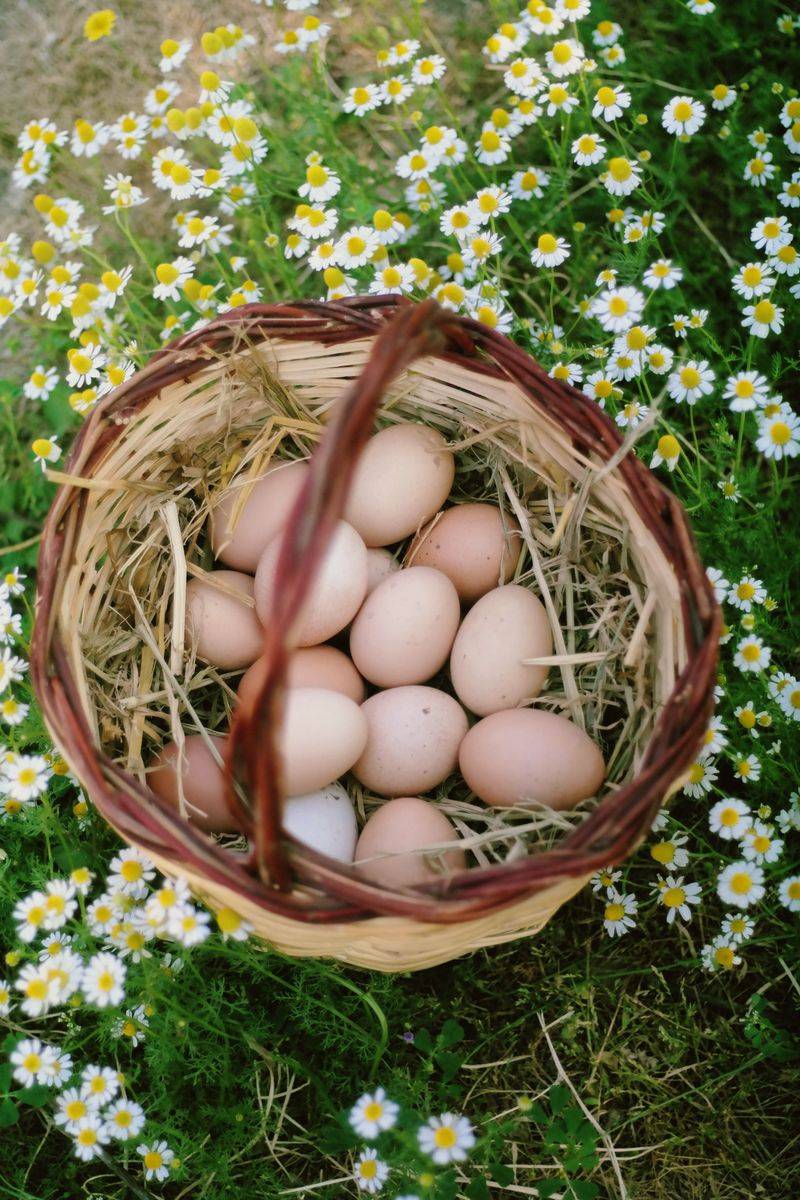
Here’s what I love about winter flocks. The slowdown is temporary, and nature has a reliable plan for bringing eggs back.
By late February, New York days stretch past eleven hours. Most unlit hens start laying again from March into April as days pass about twelve hours.
Many keepers see a big flush of eggs right around then.
If you added light, keep it steady until natural daylight catches up in spring, then simply let the timer go. Avoid cutting light suddenly in midwinter, since a sudden drop can trigger a molt.
Your next steps are simple. Note when your hens slowed down this year, track their ages, and jot down when eggs return.
That record will help you plan next fall with far less guesswork.
Store-bought eggs can fill the gap now. Some keepers also freeze extra summer eggs, cracked and whisked in batches, for winter baking.
Whatever path you choose, your flock is not broken. They are following an old seasonal rhythm that has kept chickens healthy for ages.
Treat them well through the dark months, and those nest boxes will be busy again before the garden wakes up.