Grow Free Privacy Plants From Cuttings Of Your Virginia Leyland Cypress
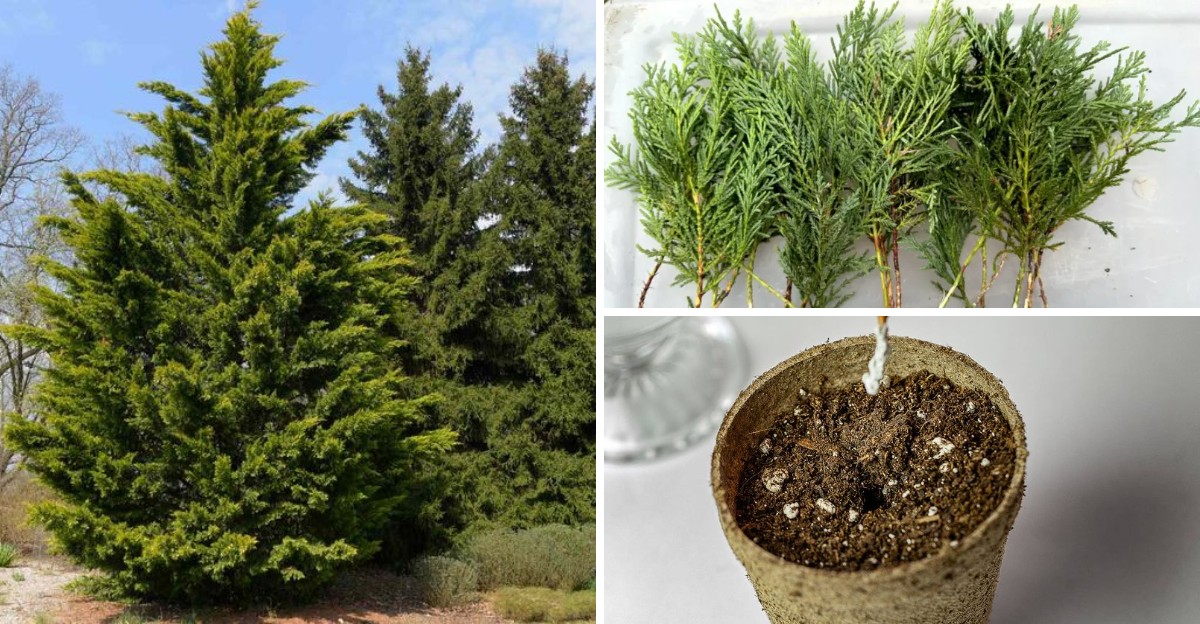
Every single one of these towering evergreens is a hybrid that almost never makes viable seed. Nearly all of them exist because someone snipped a twig and coaxed it into growing roots.
That detail stopped me in my tracks. It means the tall green wall in your yard is basically a family of clones, started the same way you could start one this winter.
In my own yard, I’ve found that a handful of pencil-sized snips can turn into a whole row of baby screen plants. No nursery bill, no delivery fee, and a lot of bragging rights.
Here in Virginia, the cold months happen to be prime time for this trick.
A sharp pair of pruners, a bag of potting mix, and some patience may be all that stands between you and a free privacy hedge. So which branch will you clip first?
That Winter Leyland Cypress Branch Is Ready For Snipping
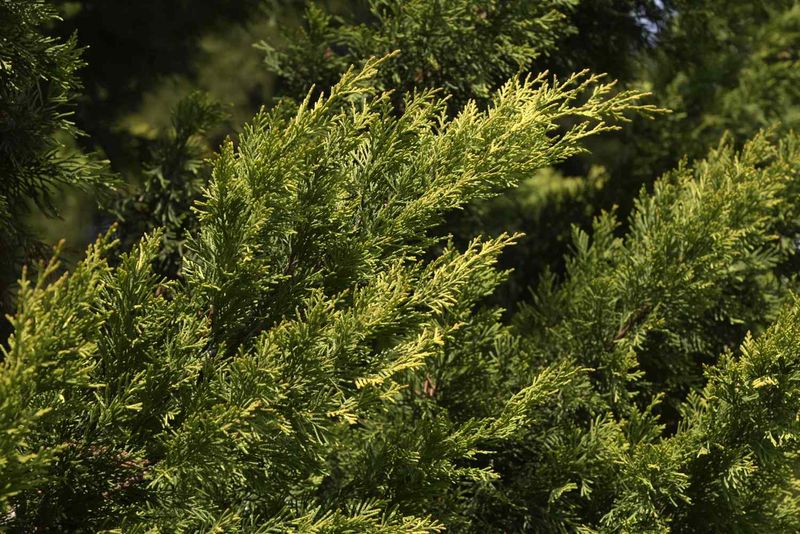
Cold weather sends most gardeners indoors, but it quietly opens the best window for cloning your screen trees. Leyland cypress cuttings root most reliably when taken from about late fall through early March, with January and February being favorites for many growers.
Why winter? The tree has slowed down, so its stems are firm and full of stored energy.
A cutting taken now spends its effort building roots instead of pushing tender new growth that wilts fast.
Fun bit of history: Leyland cypress first appeared in Wales in the 1880s as an accidental cross between Monterey cypress and Alaska cedar. Because the hybrid rarely makes good seed, nurseries have relied on cuttings for well over a century.
In Virginia, this timing works across the state. Gardeners in the mountains and the Shenandoah Valley may wait for a milder day so stems are not frozen stiff.
Folks in Tidewater and Hampton Roads can usually clip on almost any winter afternoon.
Here’s a simple rule I follow. Take cuttings in the morning when branches are fully hydrated, and skip days below freezing.
Pop each snip into a plastic bag with a damp paper towel right away, then keep the bag cool and shaded until you’re ready to prep them. Fresh, plump stems give you a real head start.
Pick Semi-Hardwood Leyland Stems With A Hint Of Brown
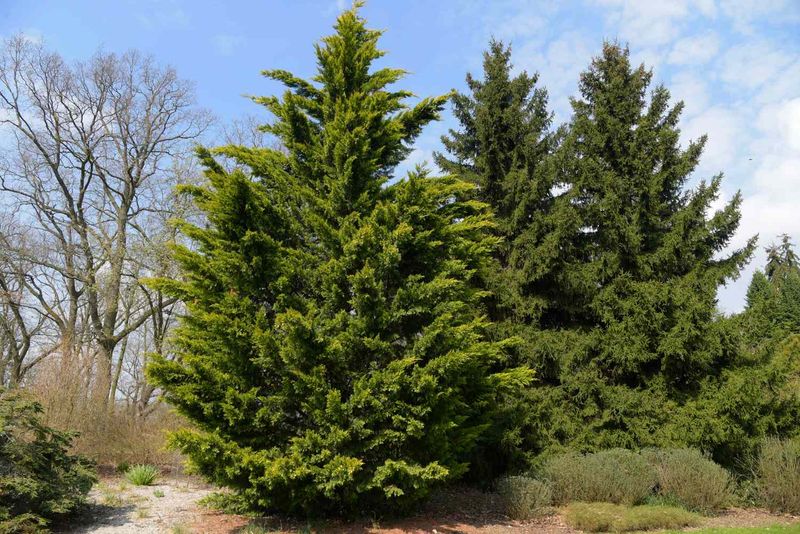
Grab the wrong twig and you’ll be waiting for roots that may not show up. The sweet spot is a semi-hardwood tip, roughly six to eight inches long, taken from this year’s growth.
Look closely at the base of each stem. You want it starting to turn tan or light brown, firm enough that it doesn’t flop over, yet still a little bendy.
Soft, bright green shoots tend to collapse, while thick old wood roots very slowly.
Tree age matters more than most folks realize. Research on Leyland cypress shows cuttings from younger trees, roughly under ten years old, root far more readily than those from older giants.
If your hedge is a mix of ages, favor the youngest plants.
Sunny, healthy branches make the strongest starts. Steer clear of any limb showing yellowing, reddish-brown patches, or oozing sap, since those can signal canker that you don’t want to spread.
I like to take more cuttings than I need, often double. Home success rates vary, and having extras means a few failures won’t sink your plans for a full row.
One more tip from experience: clean your pruners with rubbing alcohol between trees. It’s a quick habit that keeps hidden fungus from hitching a ride into your brand-new nursery.
Strip The Lower Foliage And Make A Fresh Angled Cut
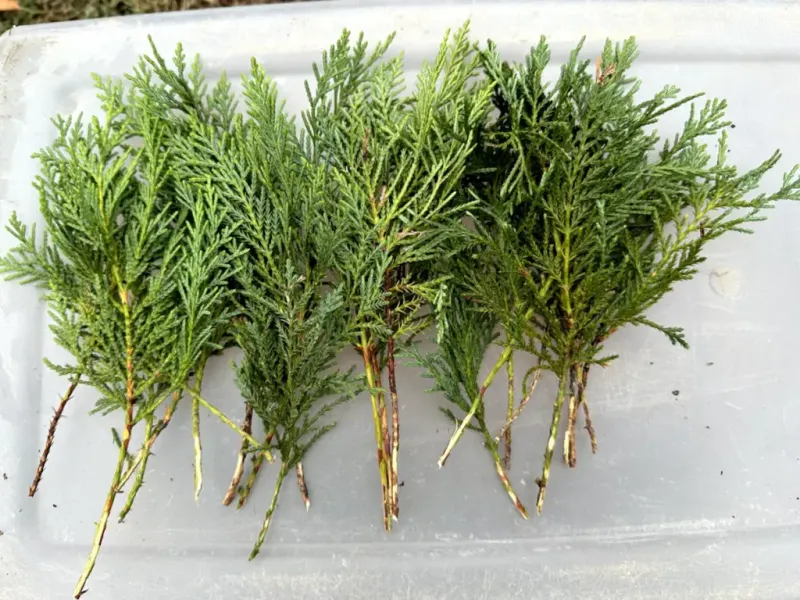
A few careful minutes at the potting bench can make or break your future hedge. Start by removing the foliage from the bottom three to four inches of each cutting.
Leaves buried in damp soil tend to rot, and rot invites trouble. Pull them off gently by running your fingers downward, or snip them with small scissors if the bark starts tearing.
Next, make a fresh cut at the base with sharp, clean pruners. Many growers angle it slightly, which exposes a little more of the inner tissue where roots like to form.
Some propagators also scrape a thin strip of bark along one side of the bottom inch. This light wounding can help the stem soak up rooting hormone and encourage new roots along that edge.
Keep things moving quickly. Cuttings dry out faster than you’d expect, especially indoors near a heater.
I work in small batches and keep the rest bagged with a damp towel until their turn comes.
Trim the tops if they look extra bushy too. A cutting with a huge cap of foliage loses water faster than its bare stem can handle.
A tidy, balanced cutting about the length of your hand usually performs best, and it fits neatly into a standard pot or tray.
A Quick Rooting Hormone Dip Gives Leyland Cuttings An Edge
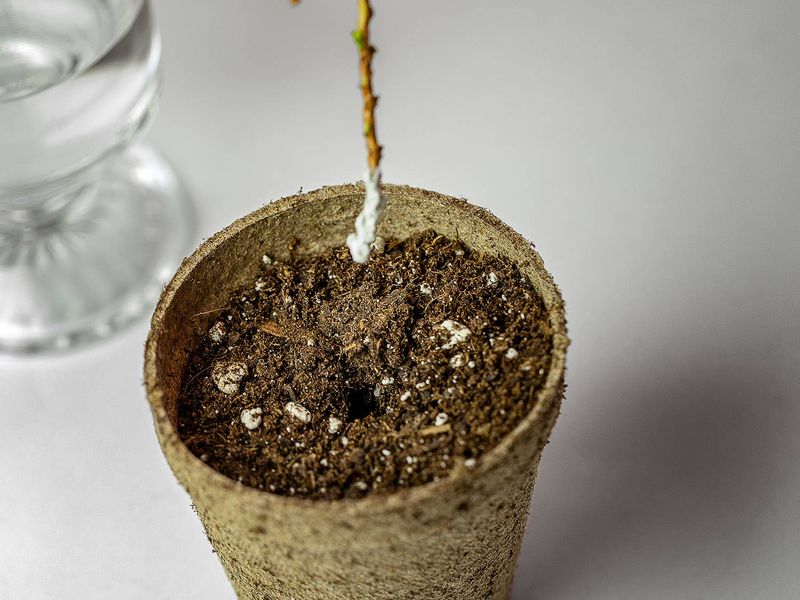
Conifers can be stubborn about rooting, and Leyland cypress is no exception. A rooting hormone containing IBA, short for indole-3-butyric acid, gives those stems a real nudge.
University research on Leyland cypress found that moderate IBA levels, around 2,000 to 3,000 ppm, produced strong rooting results. Very weak treatments, near 200 ppm, didn’t help much at all.
Winter cuttings may respond well to the stronger end of that range.
For home gardeners, garden center powders and gels make this easy. Look for products labeled for semi-hardwood cuttings, which usually fall in that useful middle range.
Pour a small amount into a separate dish rather than dipping into the original container. That keeps the rest of your supply clean.
Moisten the bottom inch of the stem, dip it, then tap off the extra.
A light, even coat works better than a thick crust. Too much hormone can actually damage tender tissue at the base.
If you’re using a liquid concentrate, a quick dip of about five seconds is typical. Follow the label for mixing, since strengths vary between brands.
Honestly, I was skeptical at first. Then I tried a side-by-side test, and the treated cuttings rooted noticeably better.
That little jar earned a permanent spot on my shelf.
Your Leyland Cuttings Love A Humid Mini Greenhouse
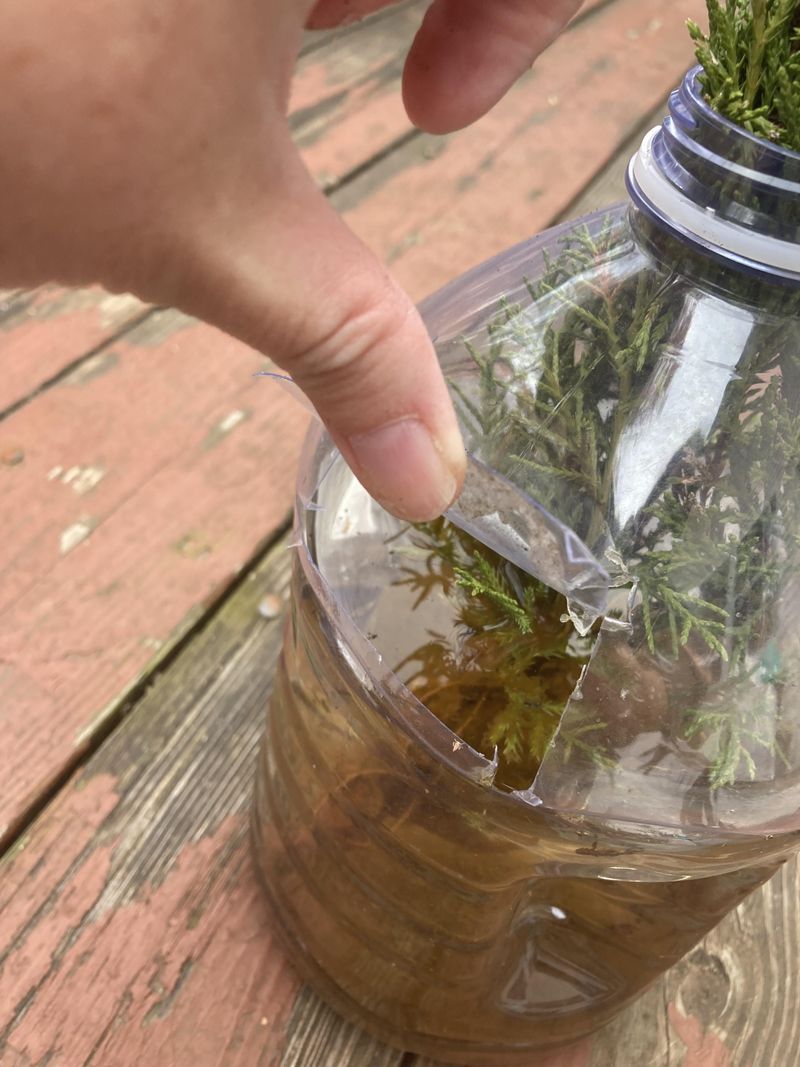
Without roots, a cutting is basically sipping water through a tiny straw. Your job is to keep it from losing moisture faster than it can drink.
Start with a light, airy mix that holds moisture but drains well. Many growers use mostly peat or coir blended with perlite and coarse sand, roughly 60 percent peat with the rest split between the other two.
Skip heavy garden soil, which stays soggy and smothers new roots.
Poke a hole with a pencil first, then slide each cutting about two inches deep. Firm the mix gently so the stem stands upright.
Space cuttings so their foliage barely touches.
Now cover them. A clear humidity dome, a plastic storage tote, or even a clear bag held up by sticks will trap moisture around the needles.
Fogging on the inside is a happy sign.
Bright, indirect light suits them best. Direct sun under plastic can cook cuttings fast.
Many gardeners also use a seedling heat mat set around 70 degrees, since warm roots and cool tops speed things along.
Open the cover for a few minutes every couple of days. Fresh air reduces mold, and it gives you a chance to check that the mix still feels lightly damp.
New Roots On Leyland Cuttings Take A Few Patient Weeks
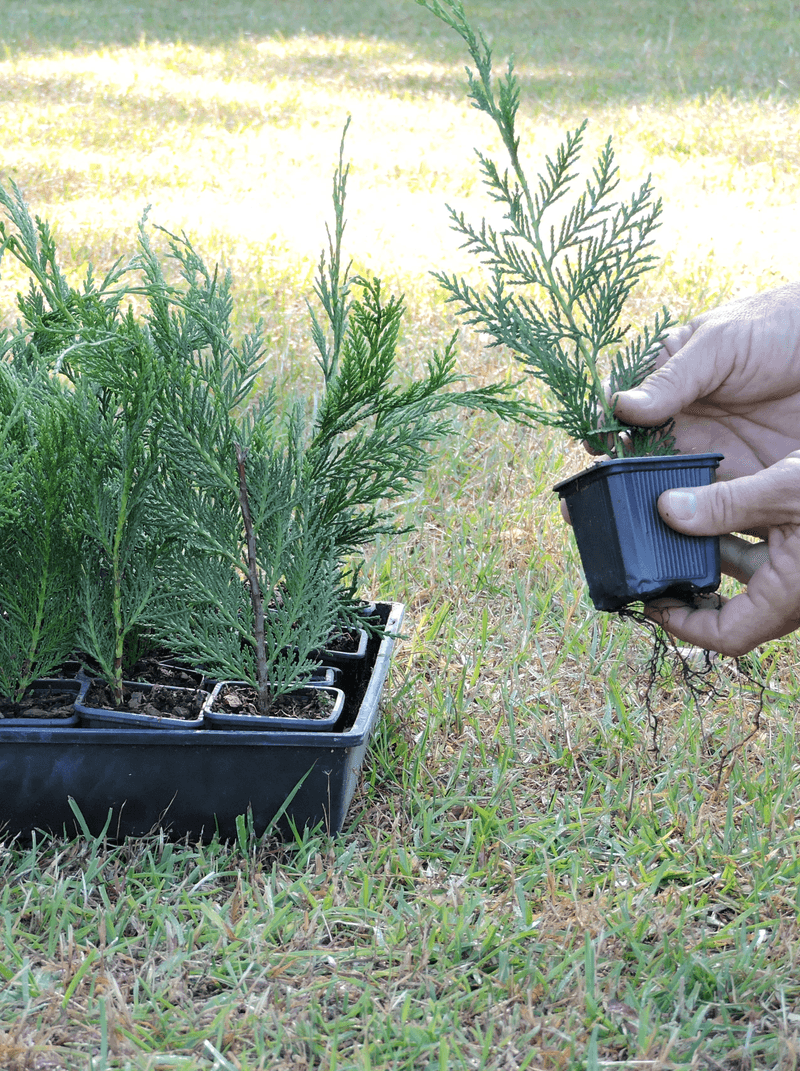
Waiting is the hardest part, and I’ll admit I’ve peeked too often. Leyland cypress cuttings usually need about six to twelve weeks to form roots, depending on warmth, stem quality, and the hormone you used.
Resist yanking them out to check. Instead, give a very gentle tug.
If the cutting resists, roots are holding on. Fresh new growth at the tips is another cheerful clue.
Once roots appear, start weaning cuttings off the high humidity. Prop the cover open a bit more each day for a week or two.
Sudden exposure to dry room air can shock them.
Then move each one into its own small pot filled with quality potting mix. A three or four inch container is plenty for now.
Plan on keeping these youngsters potted for most of a year. Set them outside in a sheltered, partly shaded spot after spring frost danger passes, then slowly give them more sun.
Water whenever the top inch dries out, and feed lightly with a diluted fertilizer during the growing season. Bump them up to a gallon pot if roots circle the bottom.
By the following fall or early spring, many will be sturdy enough for the ground. That’s a pretty sweet payoff for a winter snip.
Give Your Young Leyland Cypress Screen Room To Grow
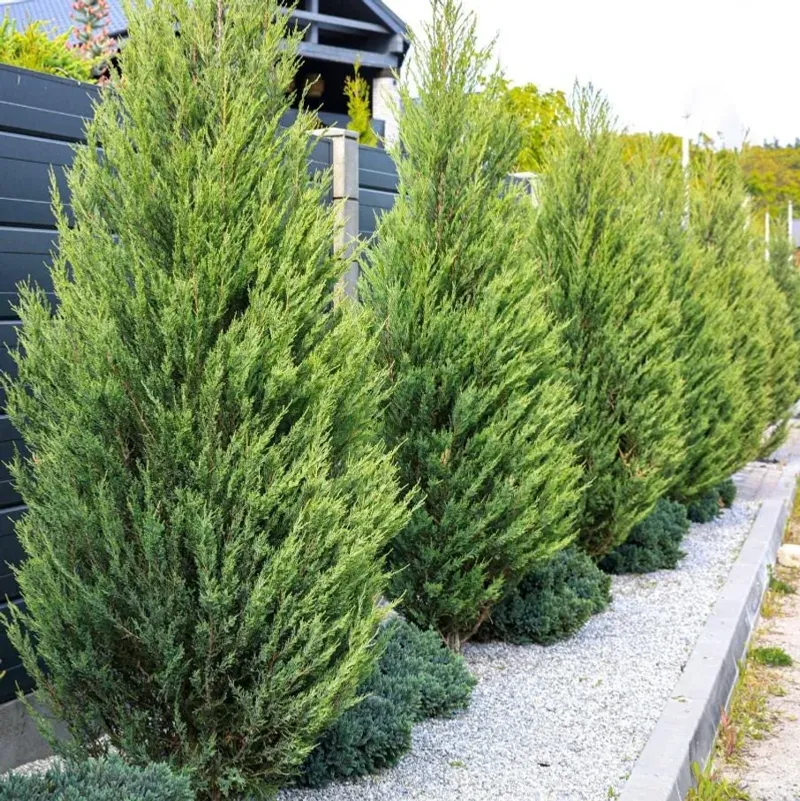
Those cute little starts won’t stay little for long. Leyland cypress can add two to three feet a year, sometimes more, and mature trees often top 60 feet tall and 15 to 20 feet wide.
That growth is exactly why people love them for privacy. It’s also why spacing matters so much.
Plant them at least six to ten feet apart, and keep them well back from fences, driveways, and power lines. Crowded trees shade each other out, trap humidity, and become easier targets for disease.
Full sun and well-drained soil keep them happiest. Virginia Cooperative Extension notes that heavy, poorly drained clay is a recipe for root problems, so pick a spot where puddles don’t linger after rain.
Fall is a great planting season across Virginia, giving roots time to settle before summer heat. Early spring works too.
Dig a hole as deep as the root ball and twice as wide. Set the plant level with the surrounding ground, then spread two to three inches of mulch, keeping it off the trunk.
Water deeply once or twice a week through the first year. A soaker hose saves time.
If you’d like a shorter hedge, light yearly shearing of new growth can help, but avoid cutting into old bare wood, which rarely regrows.
Watch For Browning Leyland Branches And Mix In Other Evergreens
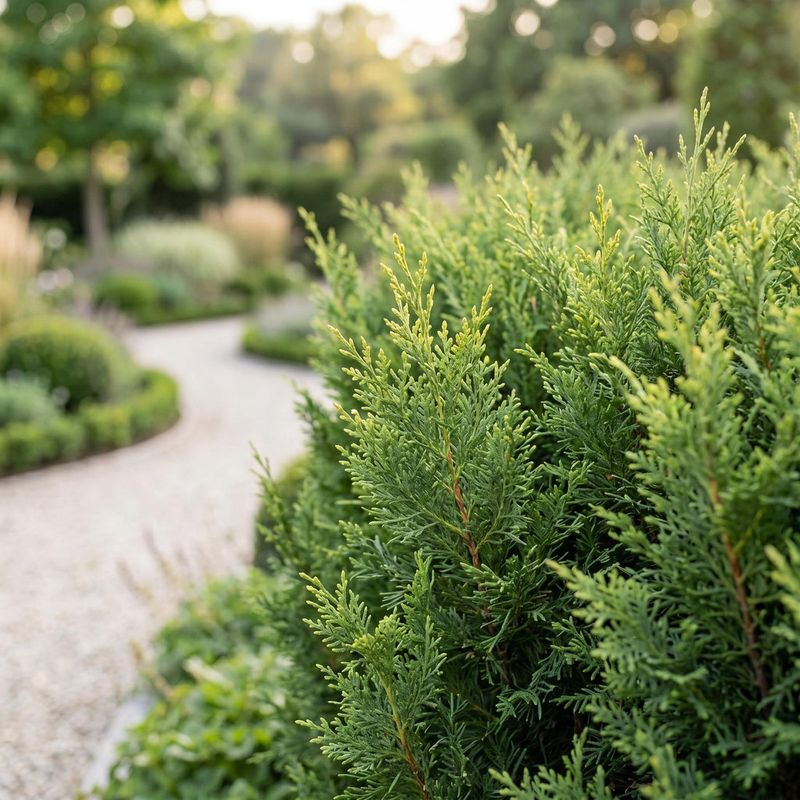
Free trees are wonderful, but here’s my honest take: an all-Leyland hedge is a gamble. Virginia Cooperative Extension and other experts warn that these trees often struggle with fungal canker diseases, especially once they’re stressed.
Seiridium canker and Botryosphaeria canker are the big ones. Watch for single branches turning yellow, then reddish-brown, often with sunken, oozing spots on the bark.
No fungicide reliably cures these cankers once they’re established.
Prune out affected limbs during dry weather, cutting several inches into healthy wood. Clean your tools between cuts.
Drought, crowding, and poor drainage make outbreaks much worse, so steady watering during dry spells is your best defense.
Bagworms are another pest to check for. Those small, cone-shaped bags dangling from branches can be hand-picked in winter before eggs hatch.
Smart gardeners hedge their bets. Mixing your homegrown Leylands with other evergreens means one disease can’t strip your whole screen.
Native eastern red cedar and American holly are excellent choices, and both support birds.
Green Giant arborvitae and Nellie Stevens holly are also popular, tough options around the state. Staggering them in a loose, layered row looks natural and gives wildlife more cover.
So go ahead and root those cuttings. Just treat them as one great piece of a sturdier, more varied privacy planting.