Why Sourgrass Explodes In California Yards After The First Fall Rain
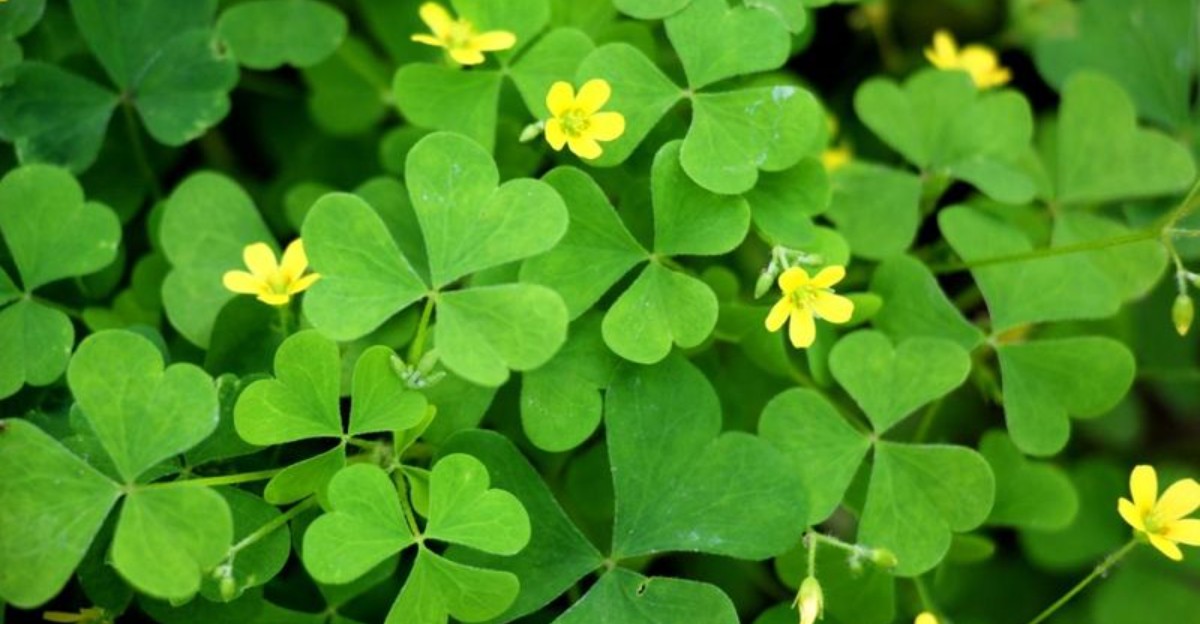
The bright yellow flowers carpeting many winter lawns here come from a plant that rarely sets viable seed. Instead, it spreads by tiny underground bulbs, and each one can wait out a long dry California summer.
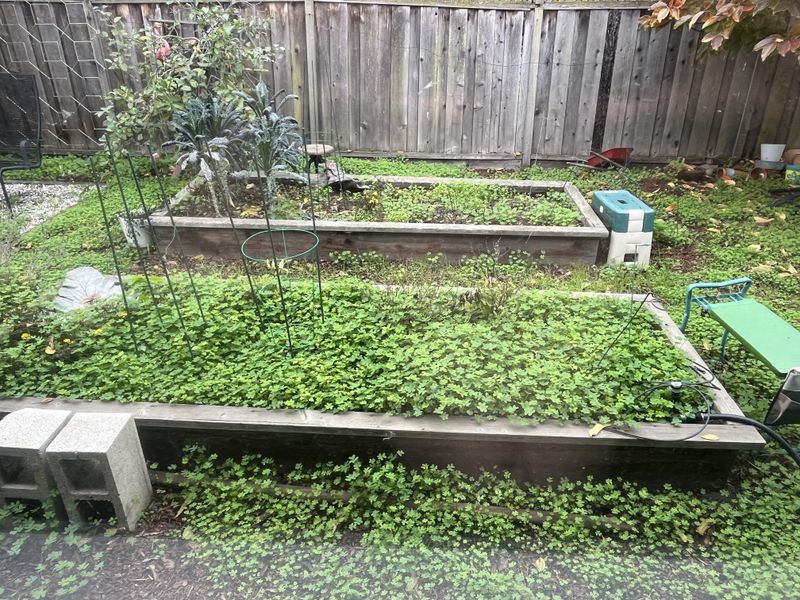
Those bulbs sit quietly through months of heat, then wake up fast once real rain soaks the soil. Within a few weeks, bare patches can turn into thick clover-like mats with lemony leaves and shamrock shapes.
I have to admit that I chewed those tangy stems as a kid without a single worry. Now I spend every rainy season pulling them out of my vegetable beds in Northern California.
You might notice the same patch returning each winter, no matter how carefully you weeded the spring before. So what makes this tart little green so good at bouncing back after that first big storm?
1. Tiny Sourgrass Bulbs Wait Underground All Summer
Dig into a sourgrass patch in August and you will find nothing green, just a scatter of pale bulbs. Many are roughly the size of a pea, yet each one holds enough stored food to restart a plant.
The plant builds these bulbs along a thin underground stem during its growing season, often several inches down. When summer heat arrives, the leaves wither away and the whole operation simply goes quiet below the surface.
I love how sneaky that strategy feels, because the yard looks clean while trouble waits just out of sight. Summer drought rarely harms the bulbs, since the plant is built to rest underground through long rainless months.
You need to remember this hidden supply whenever you dig a bed or move soil around your property. Every shovelful from an old patch can carry dozens of bulbs to a fresh spot in the garden.
Personally, I treat soil from infested areas like it has a warning label attached to it. I keep it in one corner rather than spreading it across clean beds or sharing it with friends.
Watch for the bulbs when you plant new shrubs or divide perennials in late summer or early fall. They look like small brown or whitish beads, and picking them out by hand helps more than you expect.
Knowing where the bulbs hide gives you a real head start before the season turns wet again. That small bit of effort now can mean far fewer shamrock leaves popping up in a couple of months.
2. Fall Rain Wakes Up Sleeping Sourgrass Bulbs
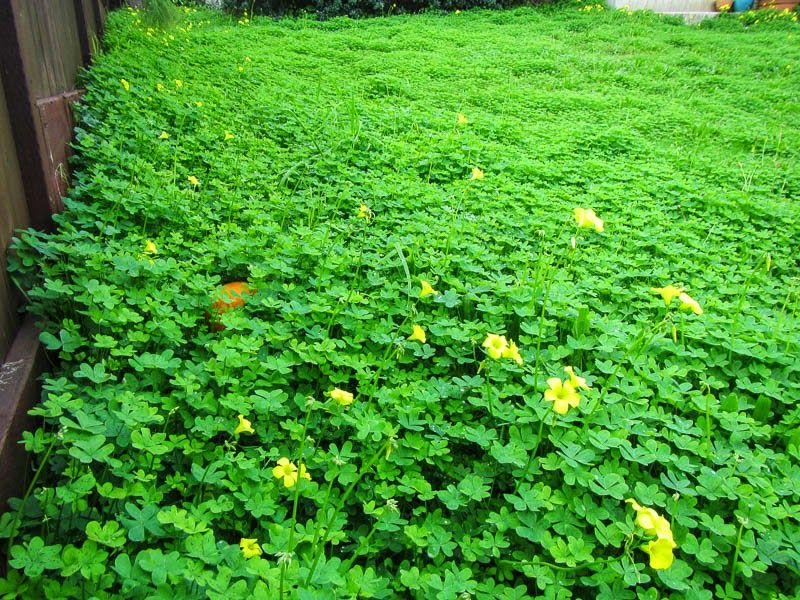
A good soaking storm works like an alarm clock for sourgrass, and the response is surprisingly quick. Within days of steady fall rain, small green shoots start nudging up through lawns and the cracks between pavers.
Cooler temperatures matter too, because the bulbs seem to respond best when moisture and mild weather show up together. Hot soil with a quick sprinkle rarely triggers the same big flush you see after the first real storm.
What surprises me most is how evenly the shoots appear, almost as if someone planted them overnight. That happens because thousands of bulbs sat in the same soil all summer and woke up to the same signal.
You might notice the first leaves in spots that stay damp longest, like along fences or under shrubs. Those areas hold moisture longer after a storm, so they often show the bright green flush first.
I like to walk the yard about a week after that first rain with a trowel in hand. Spotting new patches early makes it easier to stay ahead before the leaves spread into thick mats.
Watering your garden in early fall can also wake the bulbs up a little sooner than nature would. That is not a reason to skip watering, but it helps to expect an early crop of shamrocks.
Keep a simple map or a few notes on where the green carpet shows up first each year. Over time, that record shows you exactly which beds need the most attention when the rainy season returns.
3. Bermuda Buttercup Comes From South Africa
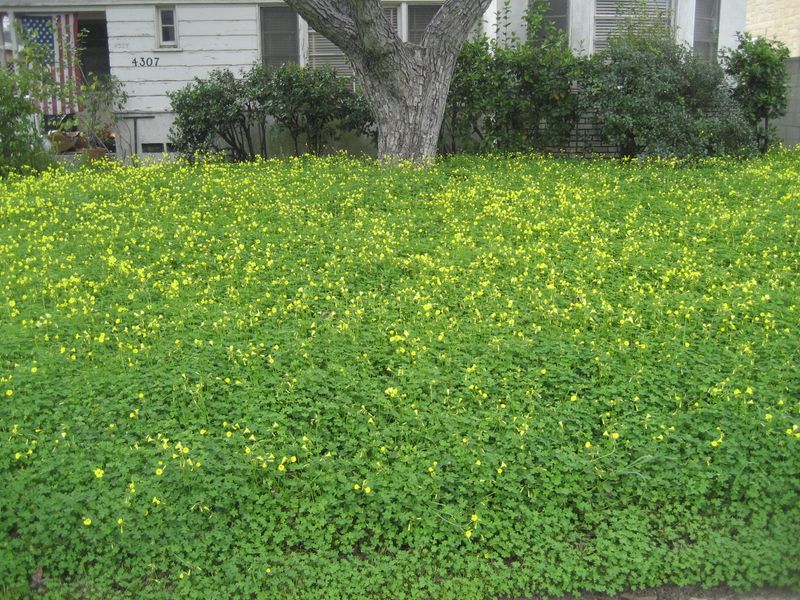
Despite the name Bermuda buttercup, this plant is no buttercup and it does not come from Bermuda at all. Its scientific name is Oxalis pes-caprae, and its true home is the winter-rain region of South Africa.
That part of Africa has wet, mild winters and long dry summers, much like coastal and inland valleys here. When the plant arrived as an ornamental, it found a climate that felt right at home.
I find it a little funny that a cheerful garden flower turned into one of our most stubborn weeds. Plenty of gardeners once grew it on purpose for those glowing yellow blooms in the middle of winter.
Today the plant shows up across much of the coast, plus many inland valleys and foothill areas. It also grows as an unwanted guest in other Mediterranean-type climates, including parts of Australia and southern Europe.
You can thank its matching rhythm for the dramatic timing you see in your yard every year. It grows during the cool wet months and rests underground when summer heat bakes the soil dry.
Many local plants share that same schedule, so sourgrass competes directly with them for light and water. That overlap is a big reason land managers keep a close eye on it in open spaces.
If you spot it for sale or in a plant swap, it is wise to pass it up. Choosing a native winter bloomer instead gives you cheerful color without inviting a long-term headache into your beds.
4. Sourgrass Spreads Without Making Seeds
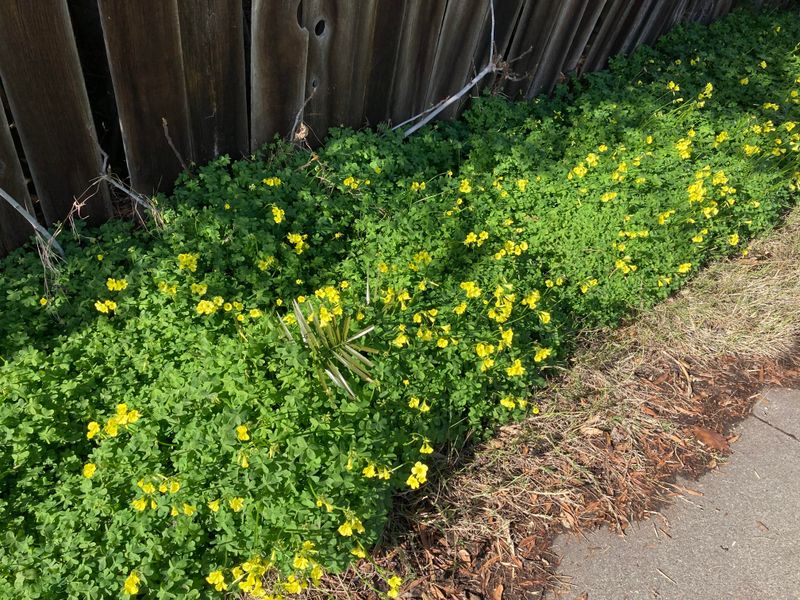
You could search every sourgrass flower in your yard and probably not find a single viable seed. Most plants here belong to a sterile form, so they rely on bulbs instead of seeds to spread.
That sounds like it should slow the weed down, but the bulbs more than make up for it. A single plant can produce many bulbs in one season, and each one can start a new plant.
I have to admit I once tossed pulled sourgrass into my compost pile without a second thought. The next winter, my finished compost sprouted shamrocks everywhere I spread it, which taught me a quick lesson.
Bulbs travel easily in garden soil and nursery pots, and they can ride along on tillers too. Rototilling an infested patch often spreads them farther, breaking up clusters and scattering them through the whole bed.
You need to bag pulled plants and send them out with the green waste rather than composting them at home. Most home compost piles do not stay hot enough to reliably stop the bulbs from sprouting again.
Check the soil surface of any potted plant before buying it, especially in fall and winter. Little clover-like leaves poking up near the stem can be an easy clue that bulbs are hiding inside.
Because seeds are not the issue, preventing flowers will not stop the spread on its own. Focusing on bulbs and soil movement gives you a much better shot at keeping new patches from forming.
5. Sourgrass Leaves Race Ahead In Cool Wet Weather
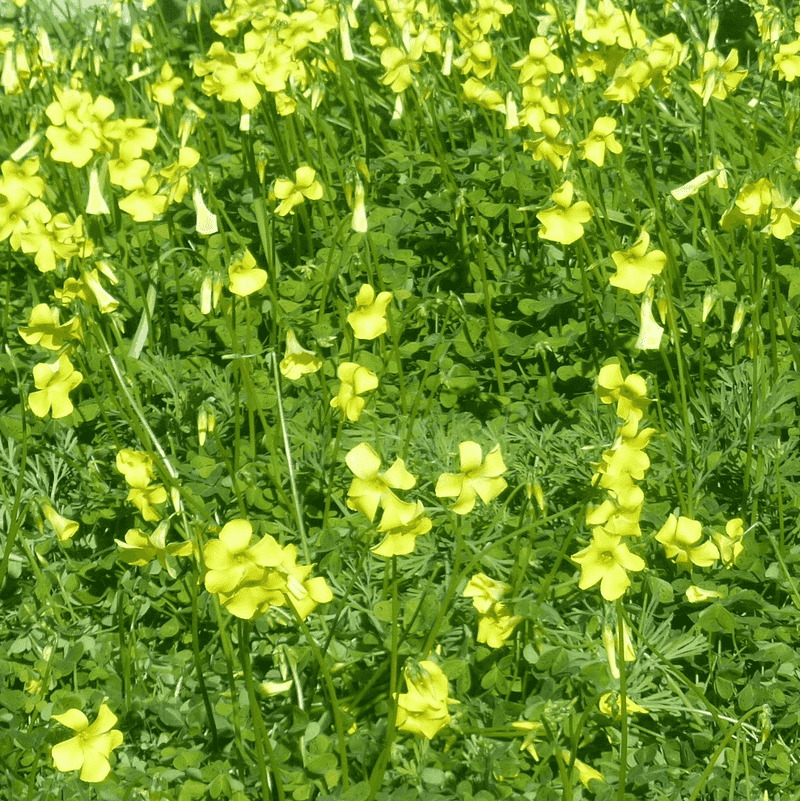
Sourgrass grows like it is in a hurry, and in a way, it really is on a strict deadline. The plant only has the rainy months to grow its leaves and build fresh bulbs for next year.
Its shamrock leaves sit on long stems that lift them above shorter neighbors to catch the winter sun. Soon those leaves overlap into a dense canopy that shades the soil underneath like a green umbrella.
Personally, I think this speed is the real reason the weed seems to explode right after rain. Most lawn grasses and garden plants are slower in cool weather, so sourgrass gets a running start.
By midwinter, a patch often looks much bigger and fuller than it did during those first few weeks. Seedlings of other plants trying to sprout underneath often struggle in the heavy shade it creates there.
You can use this timing to your advantage by acting early, while the leaves are still small. Young plants have not yet poured much energy into new bulbs, so removing tops now hurts them more.
Planting a dense cool-season cover crop may also help compete with sourgrass in beds you are resting. I like keeping the soil busy with something useful rather than leaving it bare after summer cleanup.
Bare soil is basically an open invitation, and sourgrass is happy to accept it when the storms arrive. A little planning before the wet months can make that invitation a lot less tempting for the weed.
6. Bright Yellow Sourgrass Flowers Brighten Winter Lawns
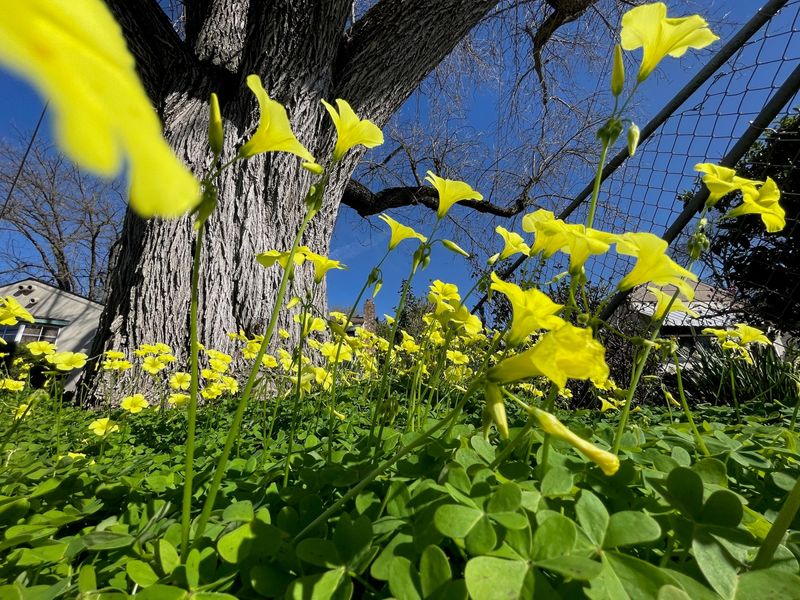
Those glowing yellow trumpets look so cheerful that some visitors assume you planted them in the yard on purpose. The flowers usually appear from late fall into spring, nodding on stalks above the leafy mat.
Bees do visit the blooms, and the flowers close up on cloudy days or in the evening. Watching them open again in the morning sun is one of the oddly pleasant parts of winter weeding.
Still, the flowers are mostly a sign that the plant is well fed and busy below ground. While the blooms put on a show, the plant keeps sending energy down to build next year’s bulbs.
I believe the bloom period is the best reminder to get serious about removal in your yard. Once you see a sea of yellow, the patch has already had weeks to grow strong.
You can cut or mow the tops repeatedly before and during flowering to weaken the plant over time. Each fresh set of leaves uses up stored energy, and the bulbs slowly run low on reserves.
This approach takes patience, and it often needs several seasons before you see a real drop in numbers. Mowing works better when you keep at it rather than cutting once and walking away for a month.
If you love that winter yellow, consider native plants or noninvasive bulbs that bloom in the cooler months. That way you keep the color you enjoy without handing your garden over to a stubborn invader.
7. Pulling Sourgrass By Hand After A Good Soaking

Tug on the leaves and you will usually end up holding a fistful of green with no bulb attached. The stems snap easily, leaving the bulb snug in the soil and ready to send up new shoots.
Moist soil after a good rain is your best friend for this job, since it loosens around the roots. Use a narrow trowel or a hand fork to dig down several inches beside the plant before lifting.
I find it oddly satisfying to pull up the whole thing, white root and little bulbs included. Shake the soil gently over a bucket so you can spot any loose bulbs that try to slip away.
You might notice a pale, carrot-like root below the main bulb, which helps pull the plant deeper. Getting that root and the cluster of bulbs out together makes a much bigger difference than clearing leaves.
Focus on small patches first, especially ones near favorite beds where the weed has not yet settled in. Clearing a few square feet thoroughly beats skimming the tops off a huge area in a single afternoon.
Expect some regrowth, since a few bulbs often hide in spots you missed during the first pass. Going back every couple of weeks during the rainy season helps you catch stragglers before they get comfortable.
Gloves are a smart idea here, especially if your soil is rocky or full of old roots. A kneeling pad helps too, because careful digging takes time and your knees will thank you later.