Should Virginia Gardeners Cut Back Faded Mums Now or Wait Until Spring?
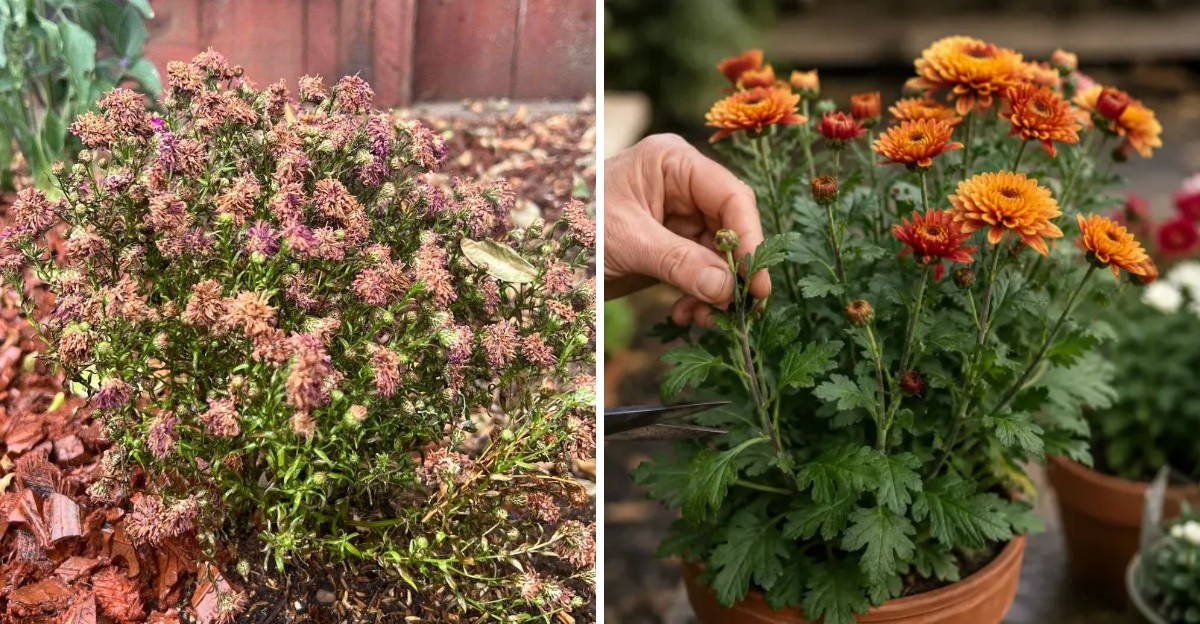
Those crispy brown stems you want to snip right now might be the best winter coat your plant will ever wear. Old growth left standing can help shelter the crown through cold snaps
What I find interesting is how often the tidy fall cleanup works against us. Bare soil around a shallow-rooted perennial can heave and crack as it freezes and thaws over and over.
You might be surprised to learn that many fall porch beauties were bred for one big show, not a long life. Plants set out in full bloom in October often have tiny root systems heading into winter in Virginia.
I could be wrong, but I suspect plenty of gardeners blame the weather for a loss that really came down to timing. So which side of the pruner debate actually wins?
1. Those Brown Mum Stems Are Doing More Work Than You Think
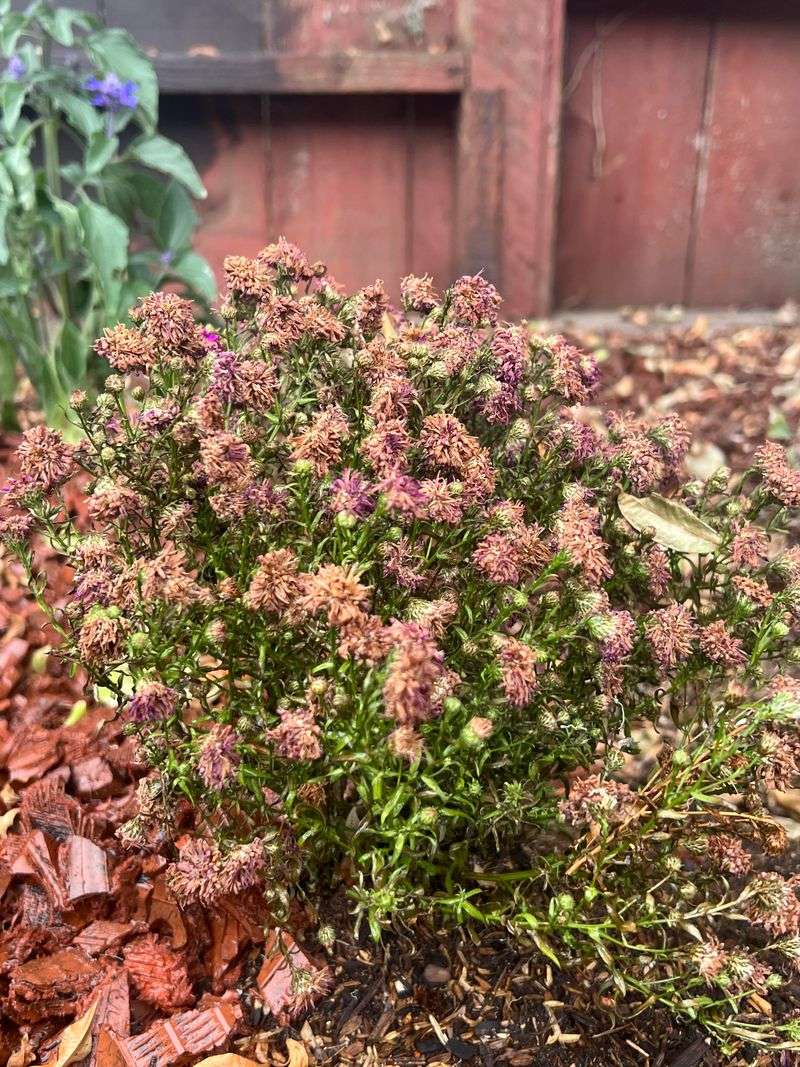
Ugly and useful can live in the same plant. Those faded garden mum stems may look like a chore waiting to happen, but they still have a job to finish before spring.
Leaving the old growth in place helps protect the crown, which is the spot where stems meet roots. That crown holds the buds that will become next year’s shoots.
When the stems stay put, they catch fallen leaves and trap a little extra insulation right where the plant needs it most.
Extension experts, including those at Virginia Cooperative Extension, generally suggest leaving hardy mums standing through winter. The reasoning is simple.
Plants with their tops intact tend to come through cold weather in better shape than plants sheared to the ground in October.
I find it oddly comforting that the lazy choice is also the smart one here. You get to skip a fall task and help your plant at the same time.
Here’s something worth knowing, though. Mums are not as tough as many people assume.
Florist types and late-sold porch mums often struggle to return, even with perfect care. Hardy garden mums, sometimes labeled as perennial or hardy, have a much better shot.
So before you grab the pruners, take a look at what kind of mum you have. That one detail shapes nearly every choice that follows.
2. Wait Until Spring to Trim Your Garden Mums

My vote goes to patience. For most in-ground mums, the best time to cut back old stems is early spring, once fresh green growth starts to peek out from the base.
Across much of Virginia, that usually lands somewhere between late March and mid-April. Gardeners in the warmer Tidewater region may see new shoots a bit sooner.
Folks in the mountains of Southwest Virginia may need to wait a couple of extra weeks.
When you spot those new leaves, trim the old brown stems down to about two to four inches above the soil. Use clean, sharp pruners so you get neat cuts instead of torn stems.
Gently pull away any matted leaves or extra mulch sitting on top of the crown so the new shoots get light and air.
A clever trick is to watch the plant instead of the calendar. Spring weather here can swing wildly, and a warm week in March does not always mean winter is finished.
If a late frost is in the forecast, it rarely hurts to wait a few more days.
Cutting in spring also lets you see exactly what made it through winter. You can spot healthy shoots, remove any soft or moldy stems, and get a clear picture of how big your clump has become.
3. Frost Heaving Can Push Mum Roots Right Out of the Soil
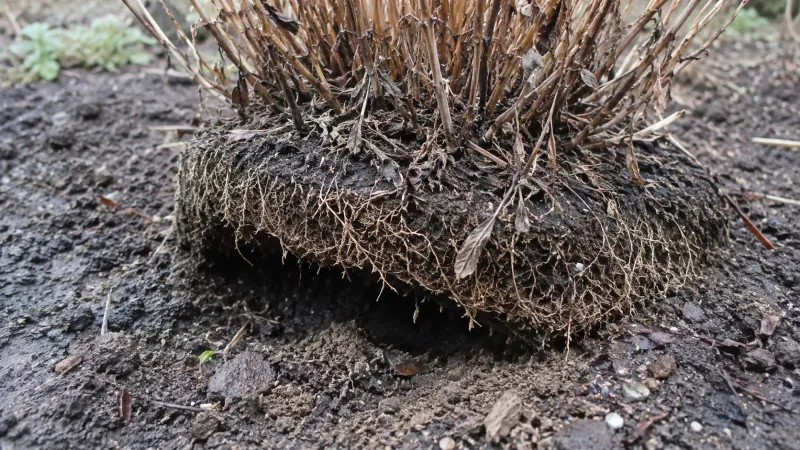
Virginia winters love to change their minds. A frosty Tuesday can turn into a mild Thursday, and then everything freezes again by the weekend.
All that back-and-forth creates a problem called frost heaving. Water in the soil expands as it freezes and shrinks as it thaws.
Over several cycles, that movement can lift shallow-rooted plants like mums up and out of the ground.
Once the roots are exposed, cold air and drying winds can do real harm. You might go out in February and find a mum sitting on top of the soil like a forgotten pincushion.
I’ve seen it happen, and it is not a fun surprise.
Standing stems help in a quiet way. They slow wind at the soil surface and hold leaves and mulch in place, which keeps soil temperatures steadier.
Steadier soil means fewer freeze-and-thaw swings.
Clay soils, common in the Piedmont, can make heaving worse because they hold so much water. Wet, heavy ground expands more when it freezes.
If you do find a heaved plant, gently press it back into the soil on a mild day when the ground is soft. Then add a little mulch around the base.
Quick action like that often saves a plant that would otherwise struggle.
4. A Fluffy Layer of Pine Straw Mulch Keeps Mum Crowns Cozy
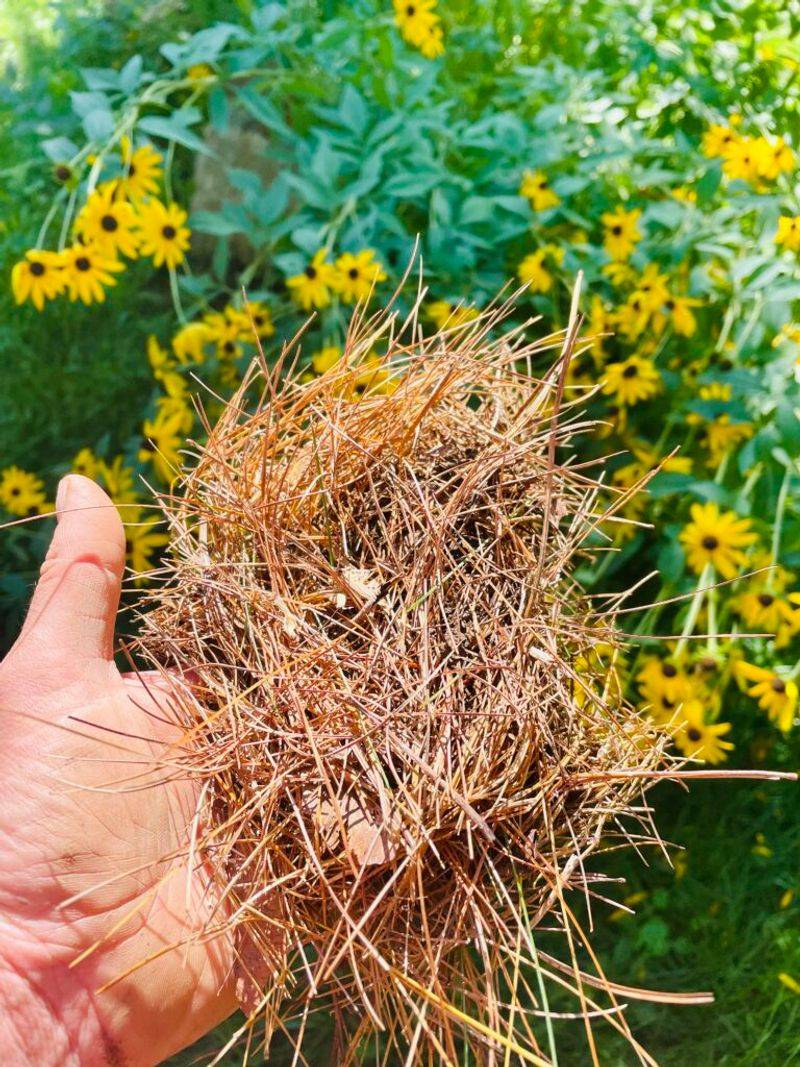
Pine straw is practically a Southern tradition, and mums seem to appreciate it. A loose, airy mulch adds one more layer of comfort for the cold months ahead.
Timing is the part many people miss. Wait until after the first hard frost, when the ground has cooled down.
Mulching too early can keep the soil warm and invite pests like voles to move in for the season.
Spread about two to four inches of mulch around the plant. Good choices include pine straw, shredded leaves, or clean straw.
These materials stay fluffy and let water drain through instead of packing down into a soggy mat.
You might want to think twice about heavy, wet mulches piled right against the stems. Mums dislike sitting in wet soil over winter, and soggy conditions around the crown can lead to rot.
A light touch works better than a thick blanket.
I like to tuck mulch around and between the old stems rather than burying the whole plant. The stems act like little fence posts that keep everything in place during windy days.
In spring, pull most of that mulch back once new shoots appear. The soil warms faster that way, and your mums can wake up without fighting through a heavy cover.
5. Late-Planted Mums From the Garden Center Face the Toughest Winter

Fun fact for your next garden chat. Many of those gorgeous mums sold in fall are grown to look perfect for a few weeks, with most of their energy poured into blooms instead of roots.
That flower power comes at a cost. When a mum goes into the ground in mid-October already in full color, it has very little time to grow new roots before the soil turns cold.
A small root system makes winter much harder.
Gardening experts usually recommend planting hardy mums by late summer or early September. That gives the roots several weeks to spread out and anchor into the soil.
Spring planting is even better if you want a mum that comes back year after year.
Don’t be surprised if a late-planted mum fails to return, even with stems left on and mulch in place. That is not a sign you did something wrong.
It just reflects how these plants are often sold.
Still, it is worth trying. Plant fall mums as soon as you buy them, water them well, and leave the stems standing.
Choosing a sunny spot with good drainage helps a lot. Raised beds or gentle slopes keep water from pooling around the crown during rainy winter weeks.
6. Potted Porch Mums Need a Sheltered Winter Spot

Containers are cute, but they are cold. Roots in a pot sit above ground, with only a thin wall between them and freezing air.
In-ground roots have the earth wrapped around them like insulation. Potted roots do not get that help, so a mum left on the porch through January often takes a beating.
That is why so many container mums end up in the compost pile by spring.
If you want to save a potted mum, move it to a protected, unheated space once the flowers fade and frost arrives. A garage, shed, or cold frame works well.
The goal is to keep the plant cold and dormant, not warm and growing.
Another option is to sink the pot into the ground in a garden bed and surround it with mulch. Some gardeners simply plant the mum in the garden for the winter, though late planting carries the risks mentioned earlier.
Check stored pots every few weeks. If the soil feels dry an inch or two down, add a small splash of water.
Too much water in a cold, dark spot can cause rot.
When spring warms up, bring the pot back outside, trim the old stems, and watch for those first green shoots.
7. Pinch Your Mums This Summer for a Fuller Fall Bloom
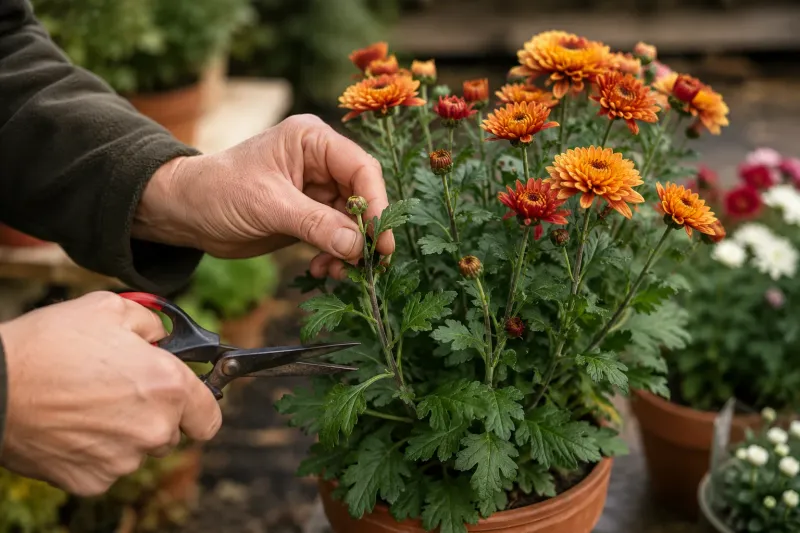
Spring cleanup is only half the story. The real secret to a bushy, flower-packed mum happens in early summer with a simple pinch.
Once new shoots reach about six inches tall, pinch or snip off the top inch or so. Each pinched stem tends to branch, which means more stems and more flower buds later.
Repeat every few weeks as the plant grows.
Most gardeners stop pinching around early July. Mums set their flower buds as the days get shorter, so pinching too late can remove the buds you are hoping to enjoy in fall.
A good rule of thumb is to wrap up by the Fourth of July.
I never get tired of how such a tiny step pays off. Unpinched mums often grow tall and floppy, then split open in the middle.
Pinched plants stay rounder and sturdier.
Every two or three years, consider dividing older clumps in spring. Dig up the plant, keep the healthy outer pieces, and replant them.
The woody center often gets tired over time.
So here is the takeaway. Leave stems up through winter, mulch after a hard frost, trim in spring, and pinch through early summer.
Follow that rhythm and your mums can return with a brighter show each fall.