How To Get California Bougainvillea Ready For Its Winter Rest
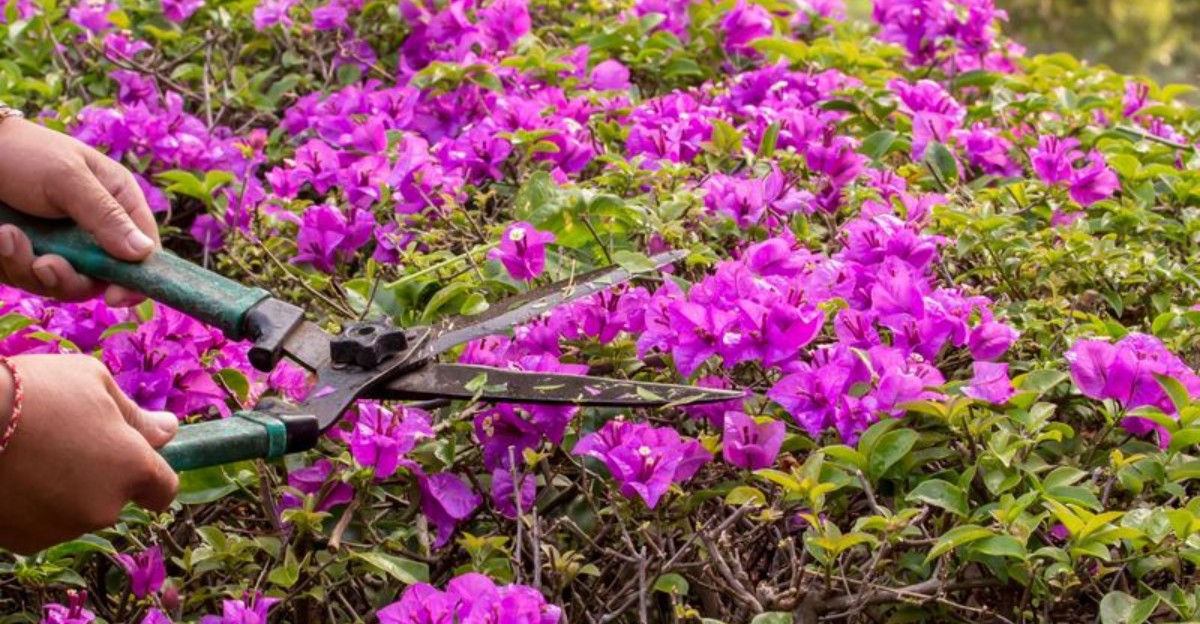
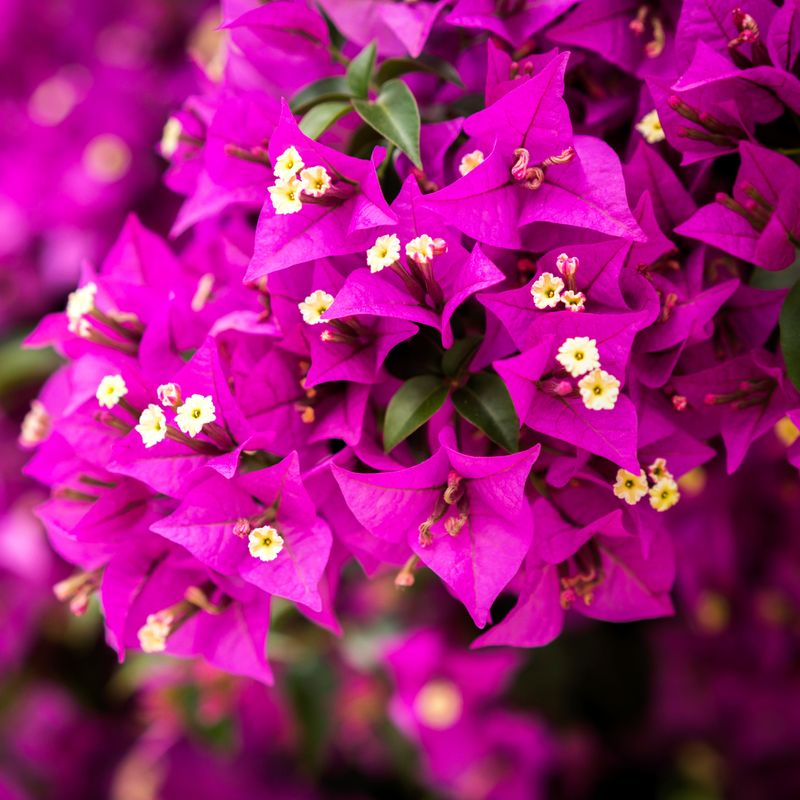
Those blazing pink petals everyone admires are not flowers at all. They are papery leaves called bracts, wrapped around tiny white blooms that most people walk right past.
I love that little secret, and it gets even better. This Brazilian native thrives on neglect in summer, yet one frosty night can send its leaves tumbling by morning. Gardeners in California see this every year, from foggy coastal yards to chilly inland valleys.
Personally, I panicked the first time my vine dropped half its leaves in December. I thought I had ruined it. You need to know that a winter slowdown is often normal, and a few smart moves now can protect next spring’s color.
So what does this sun-loving climber really want when the nights turn cool? The answer is simpler than you might expect, and a bit surprising.
Those Falling Bougainvillea Leaves Might Be Telling You Something

Bare stems in January can look scary. Relax, though, because bougainvillea is often semi-deciduous in cooler parts of California. When nights drop into the 40s, many plants shed some or most of their leaves.
Leaf drop is a natural way for the plant to save energy. It slows growth, pauses blooming, and waits for warmer days. Along the mild southern coast, you may see barely any change, while inland valleys bring much more leaf loss.
So how do you tell rest from real trouble? Scratch a stem gently with your fingernail. Green tissue underneath means the plant is alive and simply taking a break.
Brown, brittle tissue is a different story, and it usually points to frost damage. Still, wait before you cut anything. Many stems that look rough in winter push out new leaves once spring warms up.
I like to think of this season as a slow exhale rather than a deep sleep. Your vine is not hibernating like a bear. It is just running on low power for a while.
Understanding that rhythm is the first step. Once you know what normal looks like, every other winter task makes far more sense and feels a lot less stressful.
Cut Back On Watering Your Bougainvillea As Days Get Shorter
More bougainvillea plants struggle from too much winter water than from too little. Their roots hate sitting in cold, soggy soil, and root rot can set in fast.
Start easing off in fall. Established plants in the ground often get all they need from winter rain, especially in coastal areas. If the season turns dry, a deep soak every three to four weeks is usually plenty.
Before you grab the hose, check the soil. Push a finger about two inches down. If it still feels moist, walk away and check again in a week.
Sprinkler systems deserve extra attention. Many California homeowners forget to adjust their timers, so lawn zones keep soaking nearby vines all winter. Switching to a winter schedule, or capping that drip emitter, can save your plant and your water bill.
Young plants under two years old need a little more care. Their roots are shallower, so they dry out sooner during long rainless stretches.
A bit of thirst in winter is fine. Bougainvillea is famous for blooming best when kept on the dry side, and that tough streak helps it handle the cool months nicely.
Shield Bougainvillea Roots With Thick Mulch And Frost Cloth
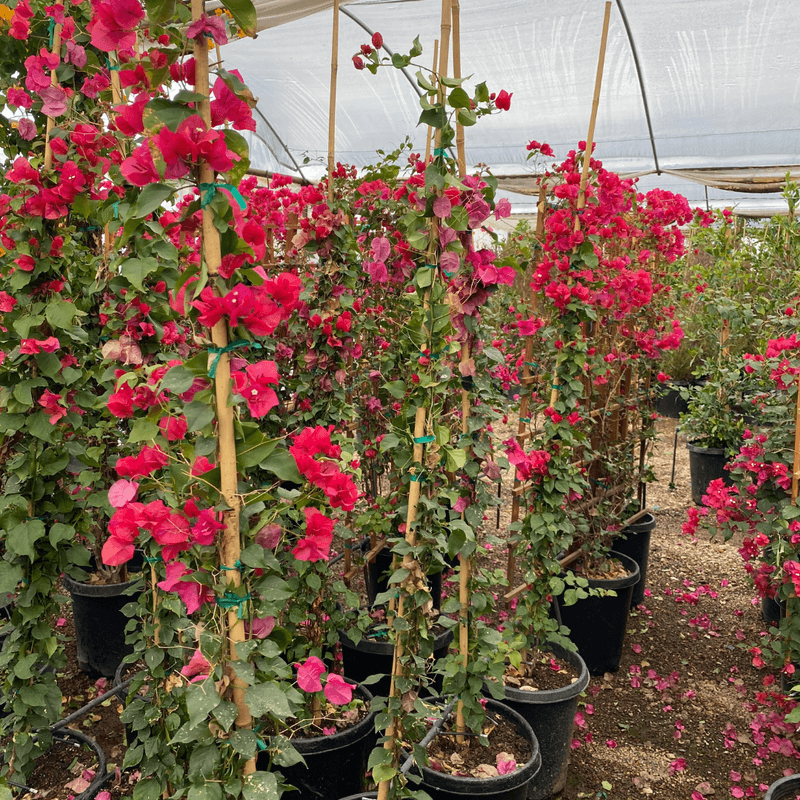
Frost is the true enemy here. Bougainvillea grows best in USDA zones 9b through 11, and temperatures near 30°F can damage leaves and tender stems. A few hours in the mid-20s may harm the whole top of the plant.
Mulch is your easiest defense. Spread three to four inches of shredded bark, compost, or chopped leaves over the root zone. Keep it a few inches away from the trunk so moisture does not rot the bark.
Watch the forecast closely, especially in places like the Central Valley, the high desert, or inland Southern California valleys. When a frost warning pops up, drape frost cloth or an old bedsheet over the plant in the late afternoon.
Let the cover reach the ground. That traps warmth rising from the soil, which is the whole point. Plastic is a poor choice because it touches leaves and transfers cold.
Remove the cover the next morning once temperatures climb. Your plant needs sunlight and fresh air during the day.
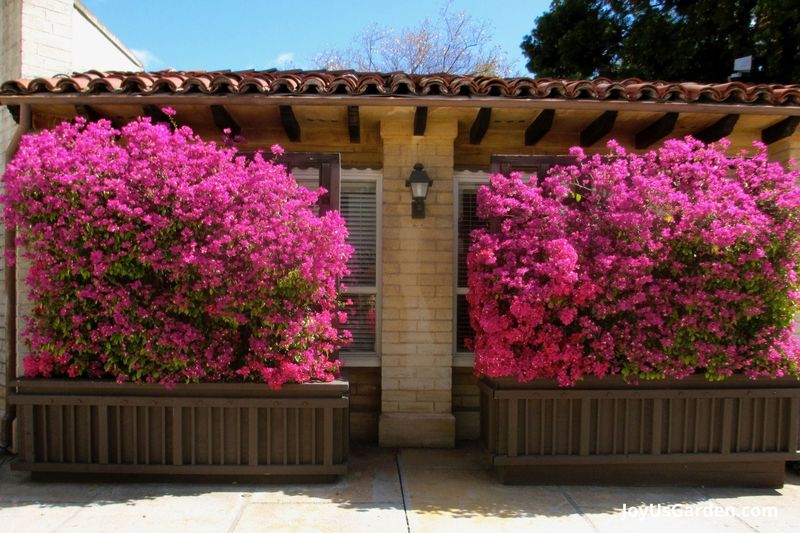
Planting against a south-facing wall helps too. Stucco and brick soak up daytime heat and release it at night, giving your vine a cozy bonus.
Potted Bougainvillea Can Ride Out The Cold In A Bright Garage
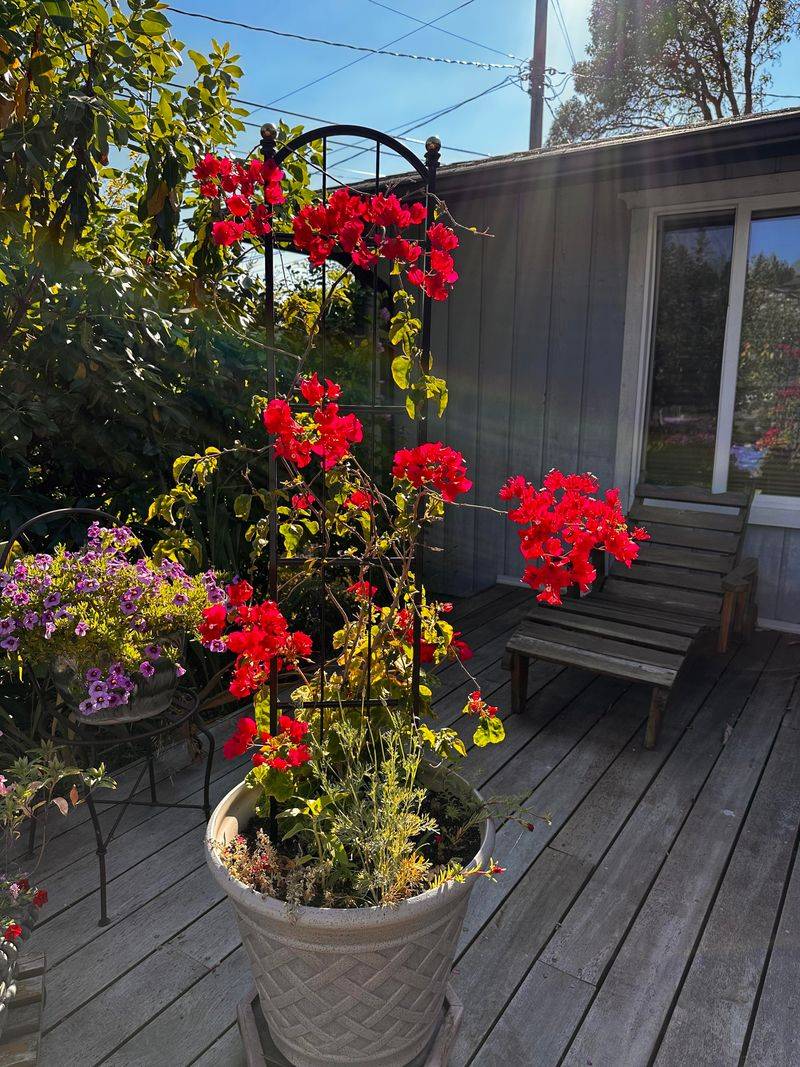
Container growers get a nice perk in winter. You can simply move your plant out of harm’s way.
When nights start dipping below about 40°F, think about relocating your pot. A covered patio, an unheated sunroom, or a garage with a window works well. Aim for a spot that stays cool but above freezing.
Light still matters. A bright window or a simple grow light keeps the plant healthier than a dark corner. Expect some leaf drop anyway, since the change in conditions often triggers it.
Moving day goes smoother with a little prep. Trim long, floppy shoots so the plant fits through doors without snapping. Wear gloves, because those thorns are sharp and sneaky.
Check for pests before bringing it inside. Aphids and mealybugs love hitching rides, so look under leaves and along stems.
Indoors, water sparingly. Once a month is often enough for a resting plant in a cool room. Let the top few inches of soil dry out between drinks.
In mild coastal yards, you may never need to move it. Pushing the pot under an eave on frosty nights is often all it takes.
Put The Fertilizer Bag Away Until Bougainvillea Wakes Up
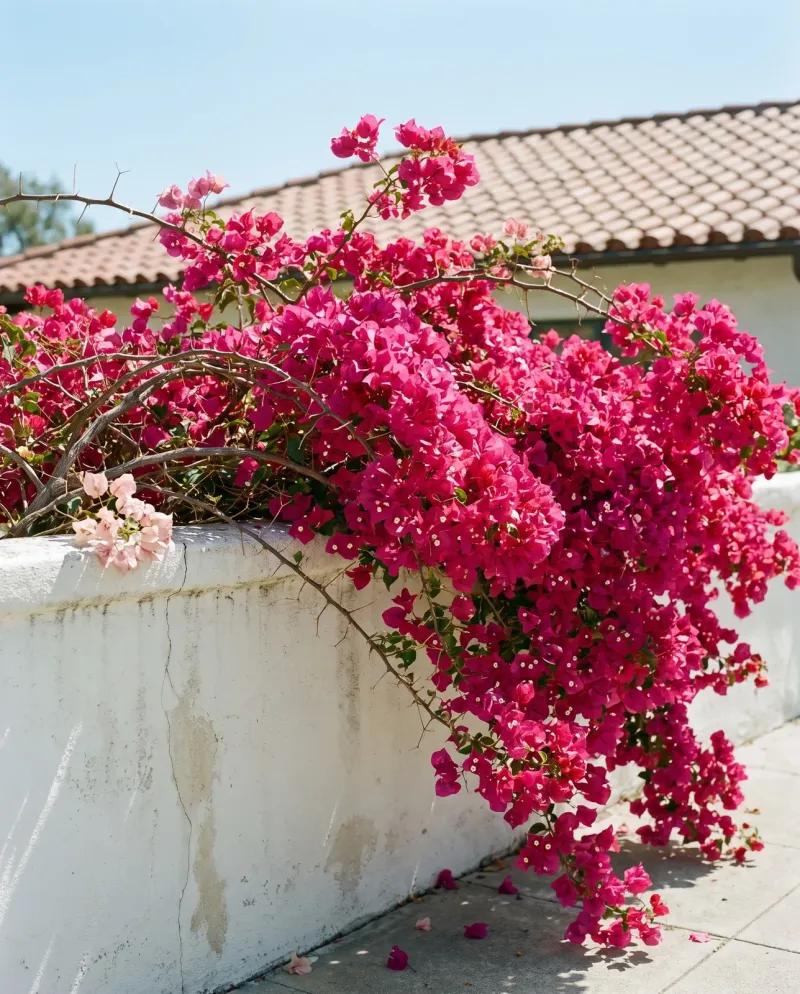
Feeding a resting plant is a bit like serving a big dinner at midnight. It rarely ends well.
Fertilizer pushes fresh, soft growth. In winter, that tender growth is easily damaged by cold nights, and the plant wastes energy it would rather save. Unused salts can also build up in the soil and stress the roots.
Most experts suggest stopping feeding by late summer or early fall. That gives new shoots time to toughen up before temperatures fall.
Fun fact time. Bougainvillea often blooms more when it is slightly stressed and not overfed. Too much nitrogen gives you a jungle of green leaves and fewer of those bright bracts.
When late winter arrives, you can tuck a thin layer of compost around the base. It breaks down slowly and gently enriches the soil before spring.
Once you see steady new leaves and warm weather settles in, start a balanced fertilizer or one made for blooming plants. Follow the label carefully, and lean toward less rather than more.
Patience here really pays off. A hungry plant in spring responds beautifully, while a pampered one in winter often just sulks.
Save Those Pruning Shears For Late Winter Bougainvillea Trims
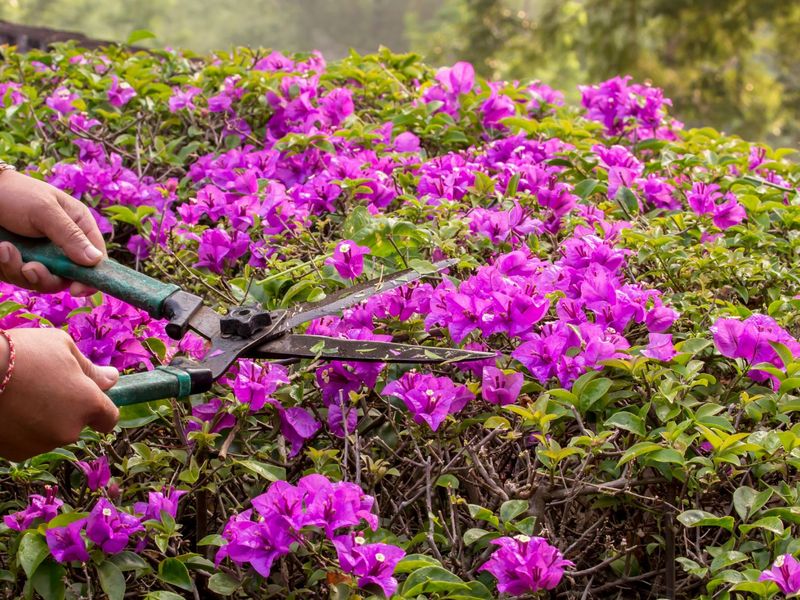
Grabbing the loppers in November feels productive. Honestly, it is one of the most common winter mistakes with this plant.
Bougainvillea blooms on new growth. Heavy fall pruning can wake up fresh shoots right when frost is around the corner, and those soft stems are easy targets. Light tidying is fine, but save the big cuts.
Late winter to early spring is the sweet spot, once your local frost danger has passed. Along the coast, that may be February. Inland valleys often need to wait until March.
Waiting also helps with frost damage. Old, damaged branches act as a shield for the stems underneath. Once new buds appear, you can clearly see what is alive and cut back to healthy wood.
A few quick pruning tips help a lot:
Use sharp, clean shears. Cut just above a leaf node. Remove crossing or weak stems to open up airflow.
Wear long sleeves and thick gloves. The thorns are no joke, and the sap can irritate sensitive skin.
Done right, a spring trim sparks a flush of new growth. That new growth is exactly where the next wave of color forms.
Frost-Nipped Bougainvillea Stems Often Bounce Back In Spring
A hard freeze can leave your vine looking like a pile of crispy brown paper. Take a breath before you dig it out.
Bougainvillea is tougher than it looks. Mature plants with established roots often recover even after losing most of their top growth. The root system stores energy and pushes out new shoots when the soil warms.
The hardest part is waiting. Leave the damaged stems in place until spring, when buds start swelling. Cutting too early can expose healthy tissue to another cold snap.
Once growth resumes, use the scratch test on each branch. Trim back anything brown and brittle to the first spot showing green or new buds.
Hold off on heavy watering during recovery. A plant with fewer leaves uses less water, so soggy soil becomes a bigger risk.
Sometimes recovery takes until late spring. I once nearly gave up on a vine in April, only to spot tiny red shoots poking up from the base a week later.
If nothing appears by early summer, the roots may be gone. Still, give it time first, because these plants love surprising patient gardeners.