Snake Plant Stopped Growing This North Carolina Winter? Here’s Why That’s Normal
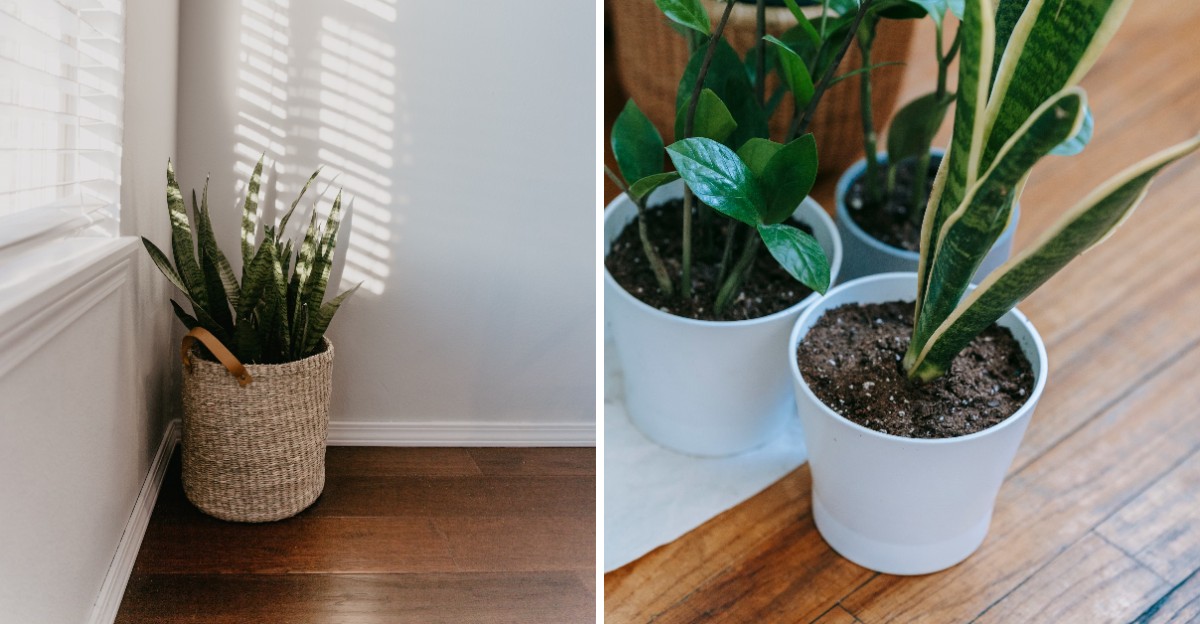
A single leaf on this houseplant can take months to fully unfurl. In the wild, it grows in dry, rocky parts of tropical Africa, where it handles drought like a camel handles a long hike.
So when one sits on your windowsill all winter without a single new spear, it can feel like a personal insult. I know how frustrating it can be when you water, wait, and watch, and nothing changes.
Here’s something you might not expect. That stillness is often a sign the plant is doing exactly what it was built to do. Short days and cooler rooms in North Carolina send a clear message to its roots and leaves.
The real question is whether your care routine matches the plant’s slower pace. A few small tweaks can mean the difference between a calm winter rest and a soggy, sad pot by March.
1. Those Upright Snake Plant Leaves Are Quietly Running On Low Power
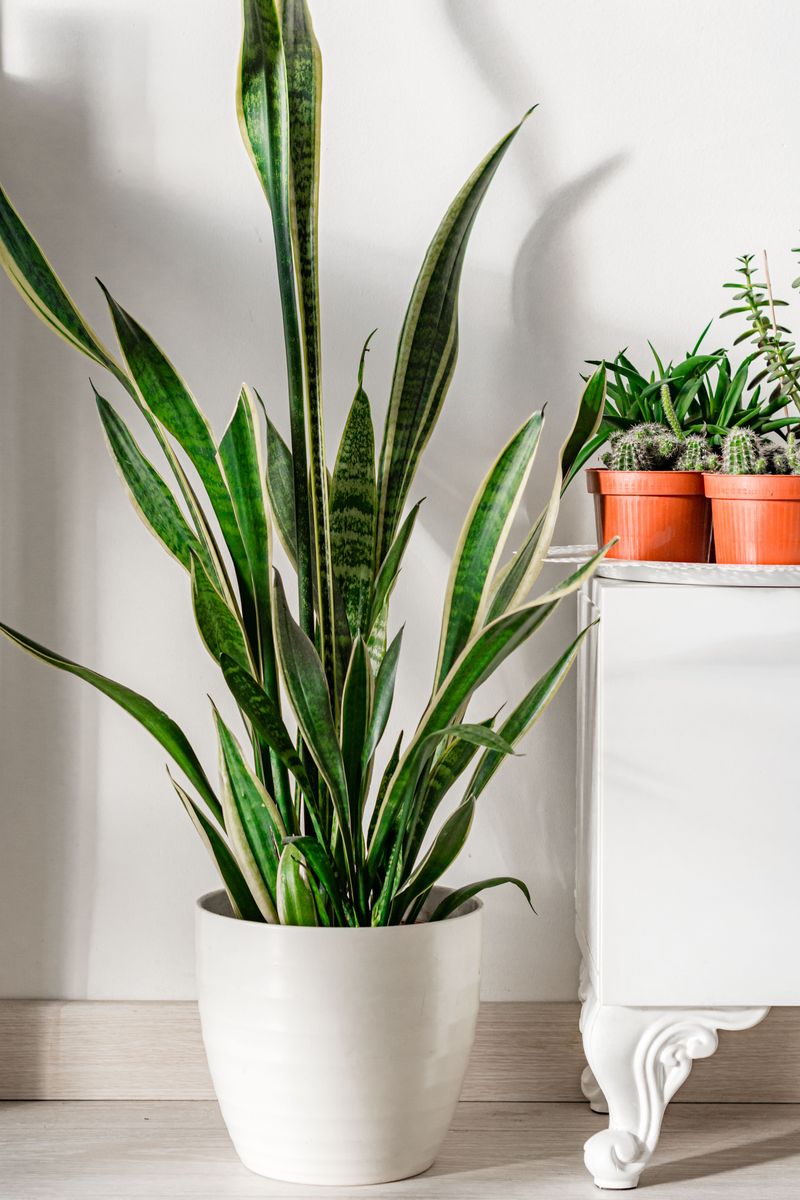
Your snake plant is probably fine. Most growers notice that new leaves slow down or stop from late fall until spring, and that pattern is normal for this tough tropical plant.
Botanists now list it as Dracaena trifasciata, though many of us still call it Sansevieria or mother-in-law’s tongue. It comes from dry parts of West Africa, where it rides out tough stretches by slowing down instead of pushing out fresh growth.
Indoors, the same instinct kicks in when light fades and rooms cool off. The plant isn’t fully dormant like a tulip bulb, but its growth rate drops so low that you may see nothing new for weeks or months.
I like to call it a winter coast. The leaves you already have stay firm, green, and upright, and the roots keep working at a slow, steady pace.
So how do you tell rest from trouble? A resting plant looks the same week after week, with stiff leaves and solid bases.
A struggling plant changes. Leaves get mushy, fold over, wrinkle badly, or turn yellow at the soil line. If your plant simply looks frozen in time, take a breath, because it is likely just pacing itself until spring.
2. Short Winter Days Put The Brakes On New Snake Plant Shoots
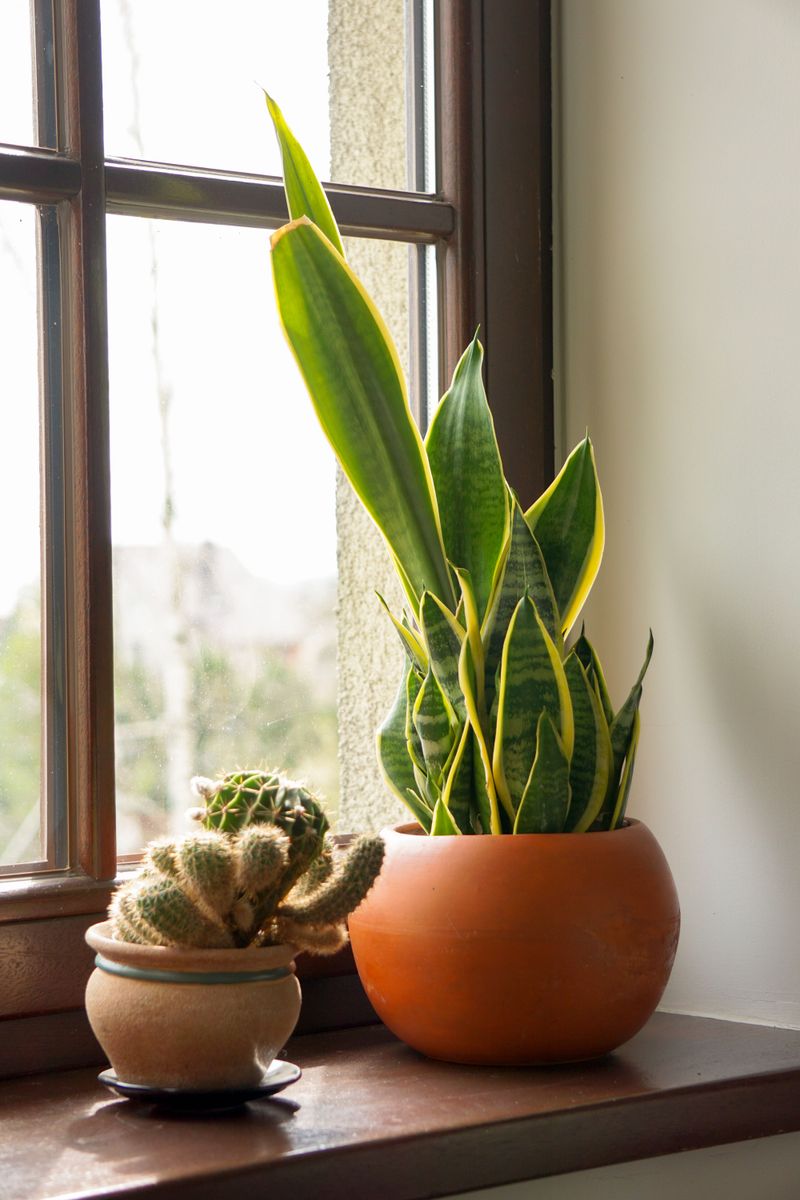
Light is food for plants, and winter serves a much smaller plate. In Raleigh, the shortest day of the year offers under 10 hours of daylight, compared with more than 14 hours in late June.
The sun also sits lower in the sky during winter. That means weaker rays reach your windows, and glass filters out even more of that energy before it lands on a leaf.
Snake plants are famous for tolerating dim corners, but tolerating is not the same as thriving. With less light, the plant makes less sugar through photosynthesis, so it has fewer resources to build new leaves.
Fun fact for your next houseplant chat. Snake plants use a special process called CAM photosynthesis, opening their pores mostly at night to save water, much like cacti do.
That clever trick helps them survive drought, but it also makes them naturally slow growers. Add short winter days, and growth can stall out for a while.
Cloudy weeks make it even more noticeable. If your plant sat still through a gray January, it was simply working with the light it had, and that’s a smart survival move rather than a problem.
3. Watering Your Snake Plant Less Is The Kindest Winter Move
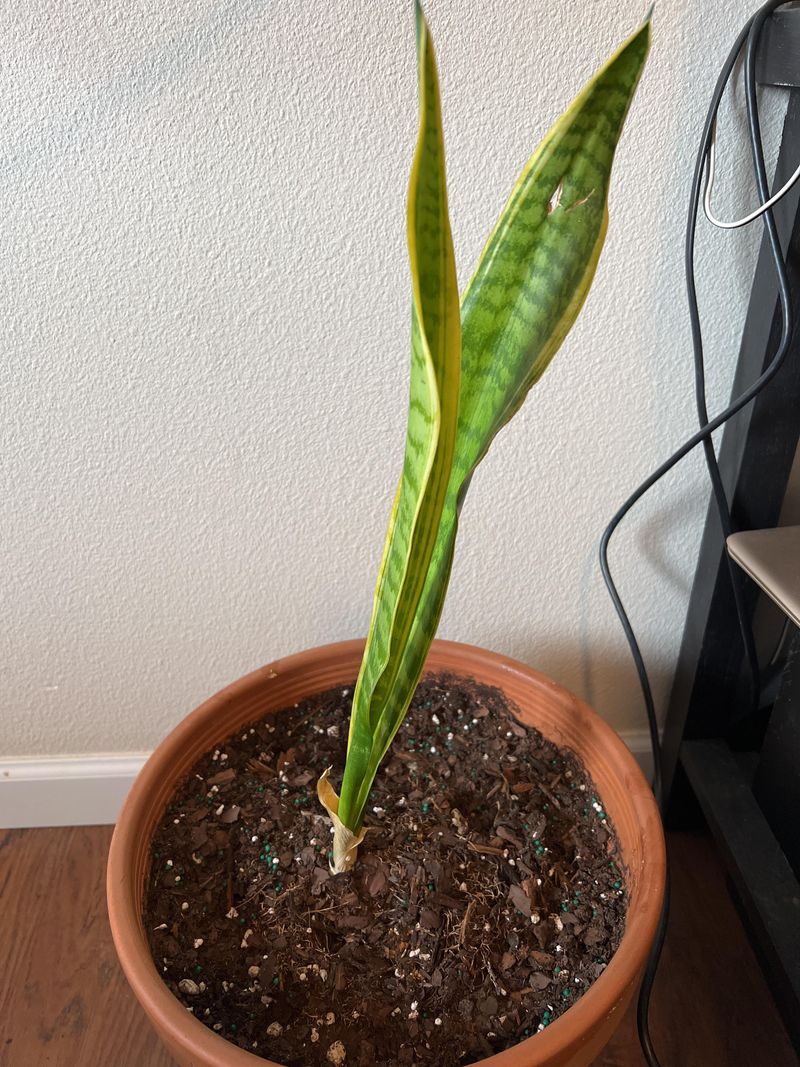
Here’s where most winter snake plant troubles begin, with a watering can and good intentions. A slow-growing plant uses very little water, so the soil stays wet much longer than it does in summer.
Soggy soil invites root rot. University extension experts point to overwatering as the top reason snake plants decline indoors, and winter is when it happens most.
My rule is simple. I let the soil dry out all the way before I water again, and in winter that often means every four to six weeks.
To check, push a finger or a wooden chopstick a couple of inches into the soil. If it comes out damp or with soil stuck to it, wait longer.
When you do water, soak the pot until water runs from the drainage hole. Then empty the saucer so the roots aren’t sitting in a puddle.
Pot choice helps too. Terracotta breathes and dries faster than plastic, and a gritty cactus mix drains far better than heavy potting soil.
If leaves turn soft or the base smells sour, unpot the plant, trim brown roots, and replant in dry, fresh mix.
4. Chilly Drafts Near Windows Can Stress Snake Plant Leaves
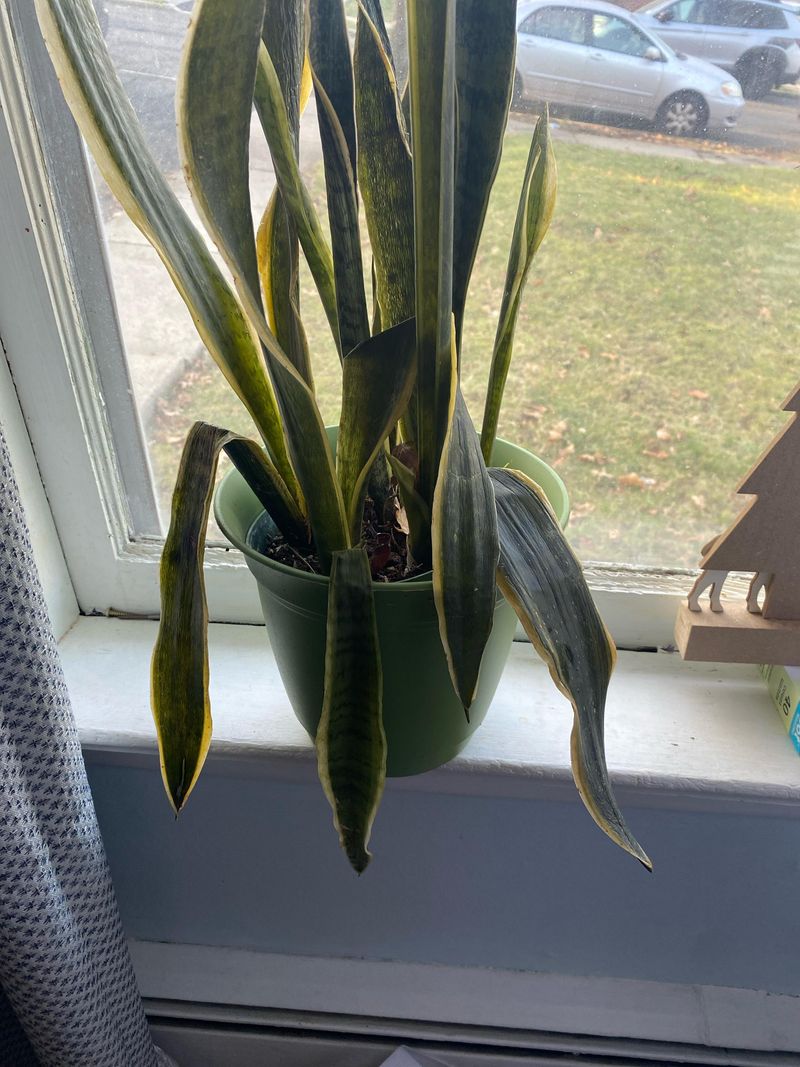
Snake plants love the same temperatures we do, roughly 60 to 85 degrees. Most homes stay right in that range, which is great news for your leafy roommate.
Trouble shows up at the edges of the house. A leaf pressed against icy window glass on a 25-degree night can get much colder than the rest of the room.
Below about 50 degrees, snake plant leaves can suffer cold damage. You may spot soft, see-through, or scarred patches that won’t heal, even after the weather warms.
Winters here vary a lot. Mountain towns like Boone see hard freezes often, while the coast stays milder, but nearly every corner of North Carolina gets cold snaps that chill window glass overnight.
Give your plant a few inches of breathing room from the pane. Pull it back from doors that open to the outside, especially in drafty older homes.
Heat is a sneaky issue too. Placing a pot right next to a space heater or heat vent can dry the soil fast and scorch leaf tips. A steady, comfy spot keeps your plant calm while it waits for spring.
5. Move Your Snake Plant Closer To The Brightest Window You Have
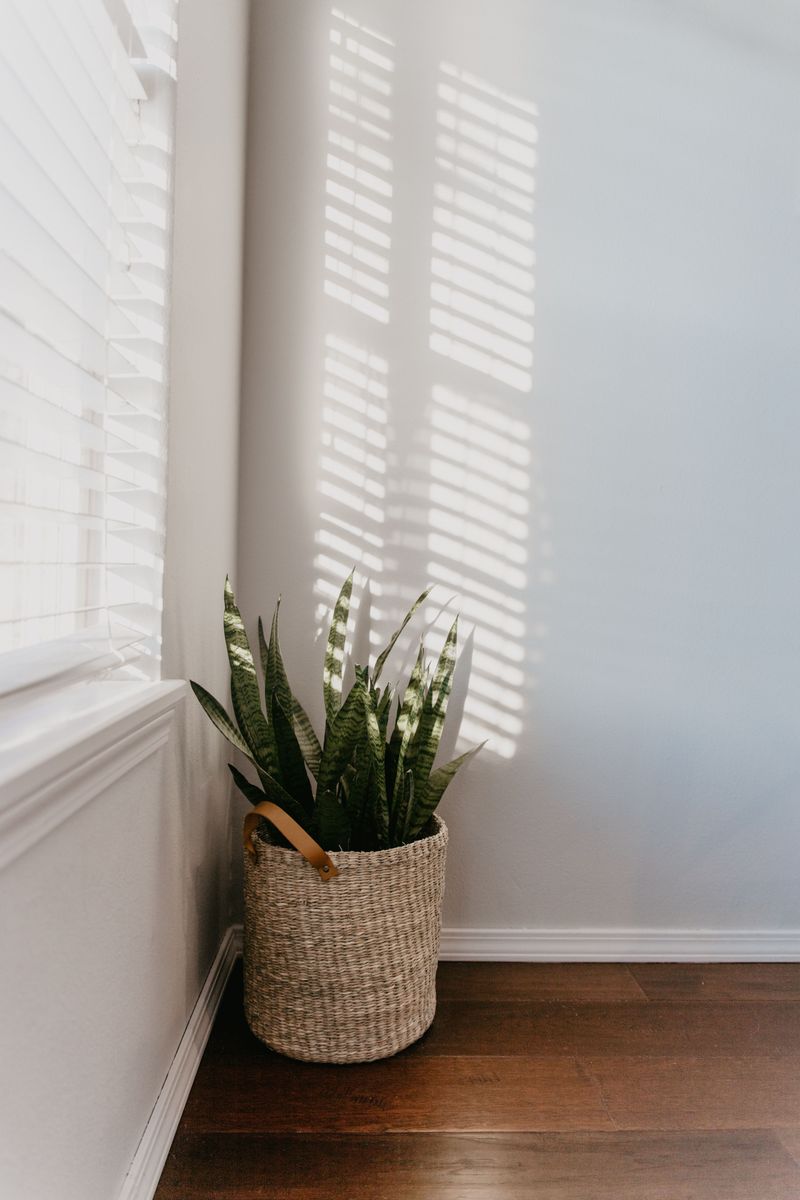
Want to help your plant without overdoing it? Giving it more light is one of the safest winter favors you can offer.
A south or west window usually gets the strongest winter sun. East windows offer gentle morning light, while north windows tend to be quite dim from December through February.
Snake plants handle direct winter sun well, since it’s much weaker than summer rays. Just keep leaves from touching the cold glass.
Dust is another hidden light blocker. Those broad, flat leaves collect a gray film that cuts down how much light reaches the green tissue underneath.
Every few weeks, I wipe each leaf with a soft, damp cloth. It takes five minutes, and the leaves look shiny and fresh afterward.
If your home has few good windows, a simple LED grow light works nicely. Set it on a timer for about 12 hours a day, a foot or two above the plant.
Rotate the pot a quarter turn now and then. That keeps the leaves standing straight instead of leaning hard toward the window, and it spreads light evenly across the whole plant.
6. That Bottle Of Houseplant Fertilizer Can Wait Until Spring
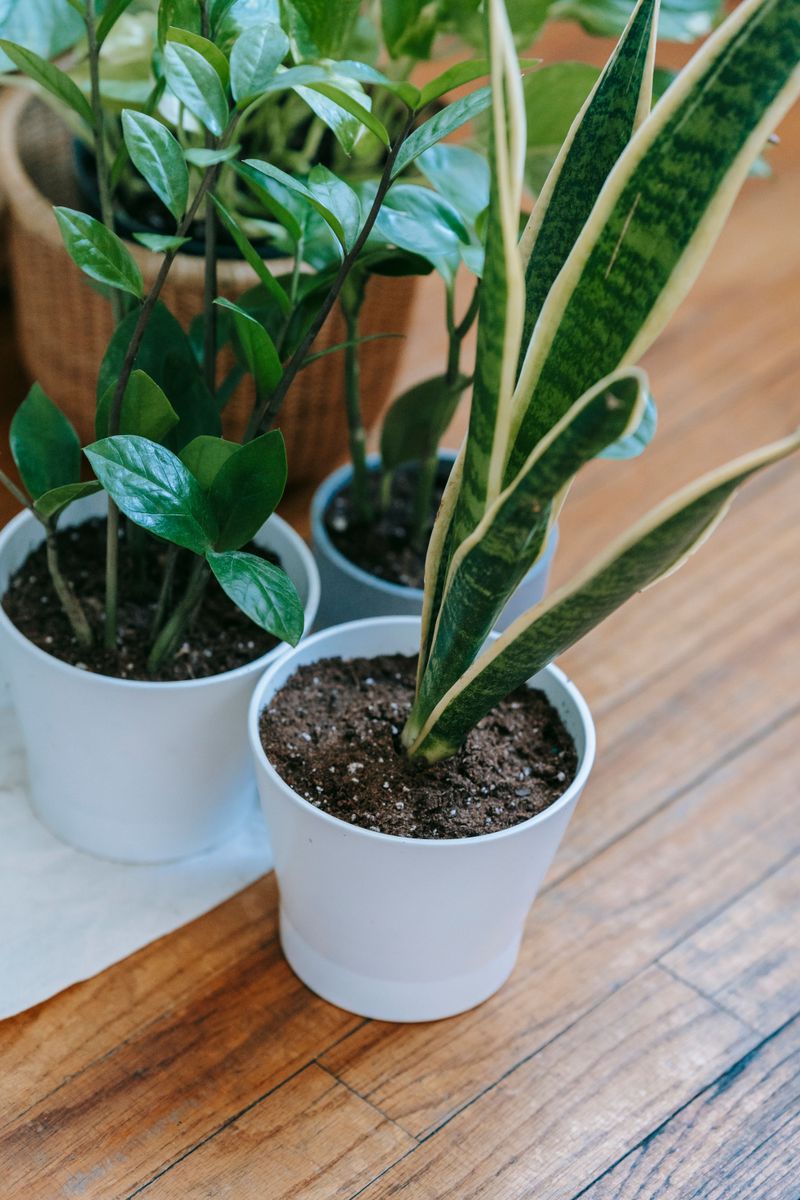
Feeding a resting plant is a bit like serving a big dinner to someone who’s already asleep. Most of it goes to waste.
When growth slows, snake plant roots take up very few nutrients. Extra fertilizer stays in the soil as salts, which can build up over time and burn tender root tips.
Signs of too much fertilizer include crusty white residue on the soil or pot rim, plus brown, crispy leaf tips. If you see those, flush the pot by running plain water through it slowly, then let it dry well.
Snake plants are light eaters even in summer. A balanced houseplant or cactus fertilizer at half strength, once a month during spring and summer, is plenty for most homes.
Hold off on repotting during winter too. These plants actually like being a little snug in their pots, and disturbed roots heal slowly when growth is paused.
Mark your calendar for around March or April instead. Once days stretch out and you spot a fresh spear poking up from the soil, your plant is ready for food and any repotting it needs.
7. Watch For Fresh Snake Plant Spears Poking Up When Spring Returns
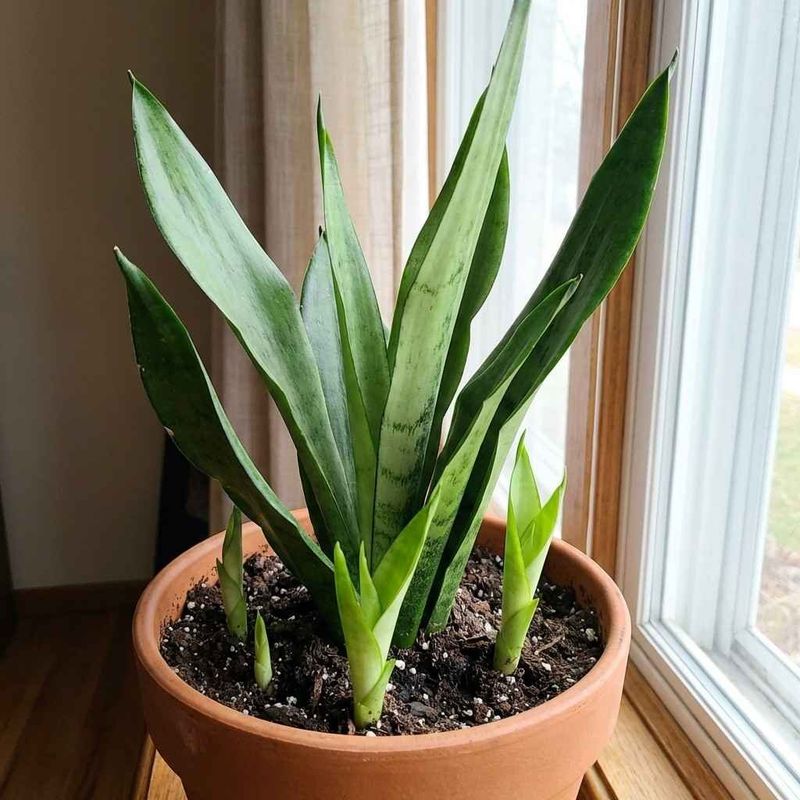
One of my favorite houseplant moments is spotting a tiny green spear pushing up through the soil. It usually shows up once spring days get longer and warmer.
In much of North Carolina, that wake-up call tends to arrive between March and May. Your plant’s timing depends on your window, room temperature, and how much light it gets.
New growth often appears as a pointed shoot from the rhizome, the thick underground stem. Some plants send up several pups at once, which can later be divided into new pots to share with friends.
As growth returns, ease back into normal care. Water a bit more often, but still let the soil dry between drinks, and start that light monthly feeding.
Warm late spring days are also a nice time to repot crowded plants. Pick a container just one size larger with a drainage hole.
A quick safety note for pet owners. Snake plants can upset the stomachs of cats and dogs if chewed, so keep them out of reach.
The big takeaway is easy. A still winter plant is usually a healthy one, so give it light, patience, and very little water.