10 Herbs That Keep Coming Back In Arizona Yards Long After You Plant Them Once
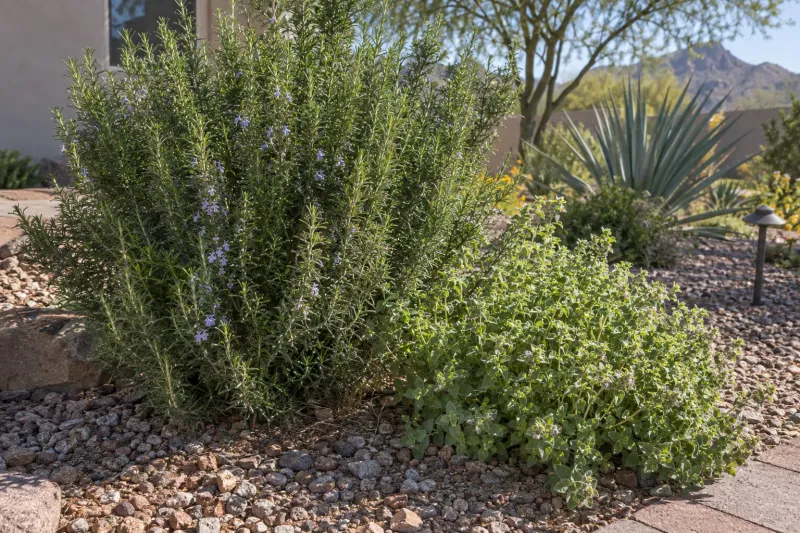
Several herbs sold in tiny four-inch nursery pots grow into woody shrubs that can outlast the patio furniture beside them. In Arizona, a few of them shrug off 110-degree afternoons and still smell amazing when you brush past.
Many of these plants evolved on rocky, sun-baked slopes where rain arrives in winter and summers stay bone dry. That history explains why soggy soil often bothers them more than heat, a lesson I learned the hard way.
I love how a single planting can feed my kitchen and the neighborhood bees for many years running. You also skip the yearly ritual of buying replacement seedlings every spring and hoping they survive the summer.
October happens to be the sweet spot for planting most of them in the low desert of Arizona. So which tough little survivors deserve a permanent spot near your back door before winter arrives?
1. Rosemary
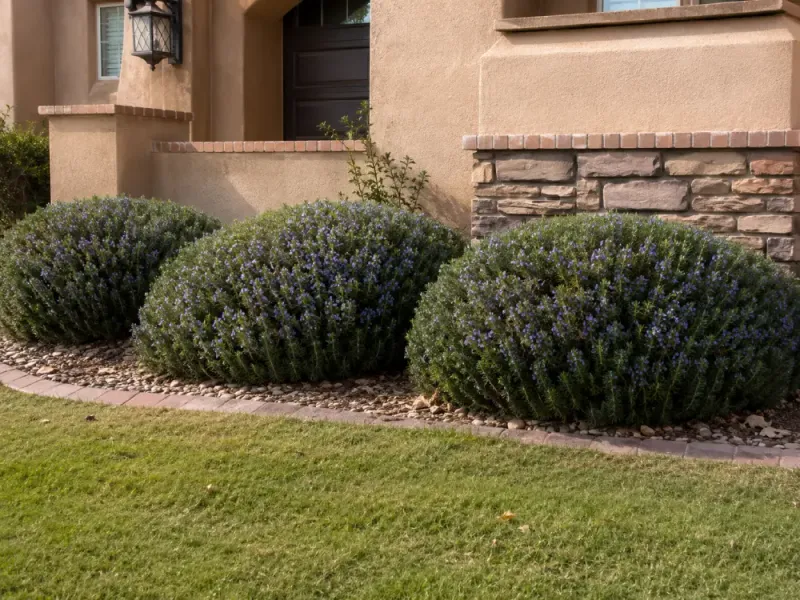
Rosemary is one of those plants that seems to enjoy being ignored, especially once its roots settle into rocky ground. I have seen old hedges in Phoenix neighborhoods that clearly predate the current homeowners by many years.
Brush against the needle-like leaves and a piney, resinous scent clings to your hands for a surprisingly long time. Bees work the tiny blue flowers heavily in late winter and spring, when few other plants are blooming.
Plant it in full sun with fast-draining soil, and skip the rich compost that keeps the roots too damp. Once established, a deep soak every couple of weeks during cooler months is usually plenty for healthy growth.
October is a great time to set out new plants, since roots grow steadily through the mild desert winter. By next summer, your rosemary will have a deeper root system ready to handle the brutal heat ahead.
Trailing types spill nicely over walls, while upright forms like Tuscan Blue make fragrant, low-water hedges along walkways. Personally, I keep one right beside the grill, so snipping a fresh sprig takes about three seconds flat.
2. Thyme
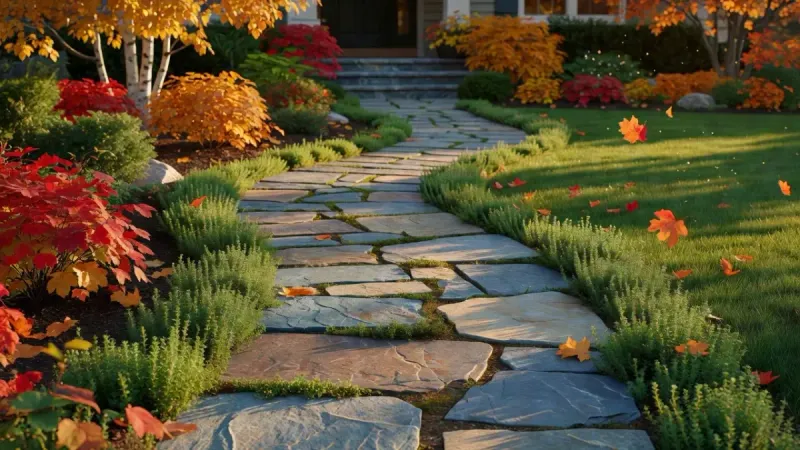
Thyme looks almost too dainty for the desert, yet those tiny leaves are built to hold onto moisture quite efficiently. The small leaf size reduces water loss, which helps the plant cope with dry air and relentless afternoon sun.
In the low desert, thyme appreciates a little afternoon shade during summer, especially when planted near reflective walls. Higher elevation gardens in places like Prescott can usually give it full sun without much worry at all.
Gritty, sharply draining soil matters more than anything else, because heavy clay and frequent watering quickly rot the roots. I like tucking creeping varieties between stepping stones, where they soak up warmth and release scent underfoot.
The pale pink or lavender flowers draw small native bees and tiny beneficial wasps that help keep garden pests in check. Those little helpers were a bonus I did not expect when I first planted thyme for the kitchen.
Trim plants lightly after flowering to keep them from becoming woody and sparse in the center over time. Avoid hard cuts into old bare wood, since thyme often struggles to sprout fresh growth from those older stems.
3. Greek Oregano
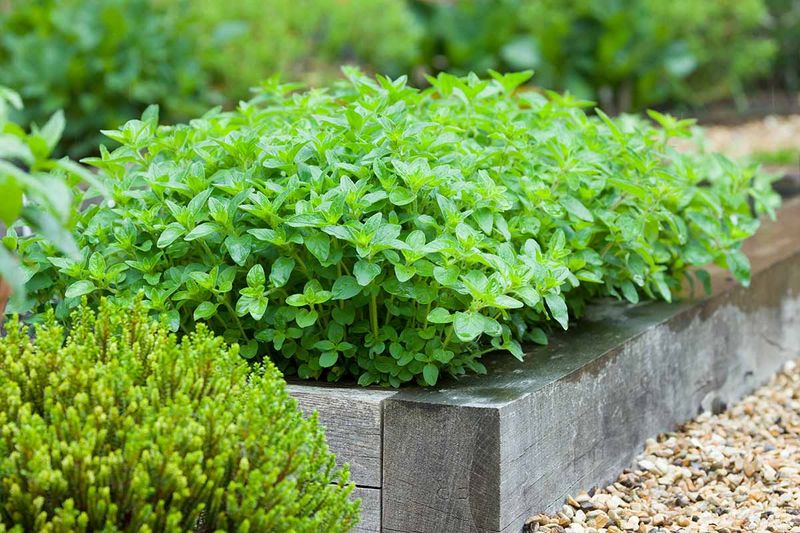
Oregano has a sneaky habit of spreading into a fragrant mat that slowly claims every open inch of the bed. I planted one small Greek oregano years ago, and now I share divisions with half my gardening friends.
The flavor is strongest when plants grow a little lean, so resist the urge to pamper them with fertilizer. Too much water and food produce lush leaves that taste noticeably milder than those from a tougher, drier plant.
Morning sun with some afternoon shade works beautifully in the low desert, where summer heat can scorch tender foliage. Well-drained soil keeps roots happy, and gravel mulch helps reduce rot around the crown during winter rains.
Summer flowers attract hoverflies, whose larvae feed on aphids, plus plenty of honeybees looking for a reliable nectar source. You might notice the patch buzzing with activity on warm mornings when other plants in the yard look tired.
Fall is a fine time to divide crowded clumps and replant the pieces in new spots around the garden. Each division usually roots quickly in cooler weather, giving you free plants that return reliably for years afterward.
4. Spanish Lavender
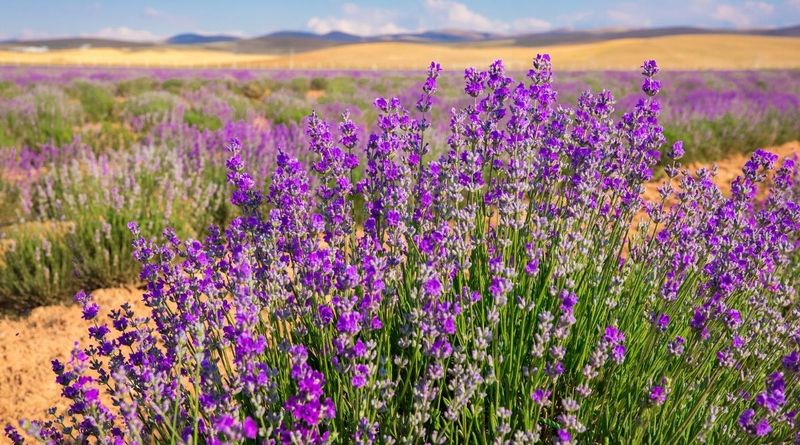
Lavender has a reputation for being fussy in the desert, but choosing the right type makes a huge difference. Spanish and French lavenders usually handle low desert heat far better than English varieties, which prefer cooler nights.
Those rabbit-ear petals on Spanish lavender bloom early, often greeting bees in late winter before most perennials wake up. I love how the whole plant releases a clean, sweet scent whenever a breeze rolls across the yard.
Drainage is the deal breaker here, so plant it on a slight mound or in a raised bed with gritty soil. Overwatering causes more lavender losses than heat, especially when monsoon humidity settles over soggy roots in summer.
October planting gives lavender months of mild weather to build roots before the next round of triple-digit temperatures. Water deeply but infrequently, letting the top few inches of soil dry before you reach for the hose again.
Shear spent flower stalks after blooming to keep plants compact and encourage a fresh flush of new growth. Rabbits and javelina usually leave lavender alone, which makes it a smart choice for yards near open desert.
5. Garden Sage
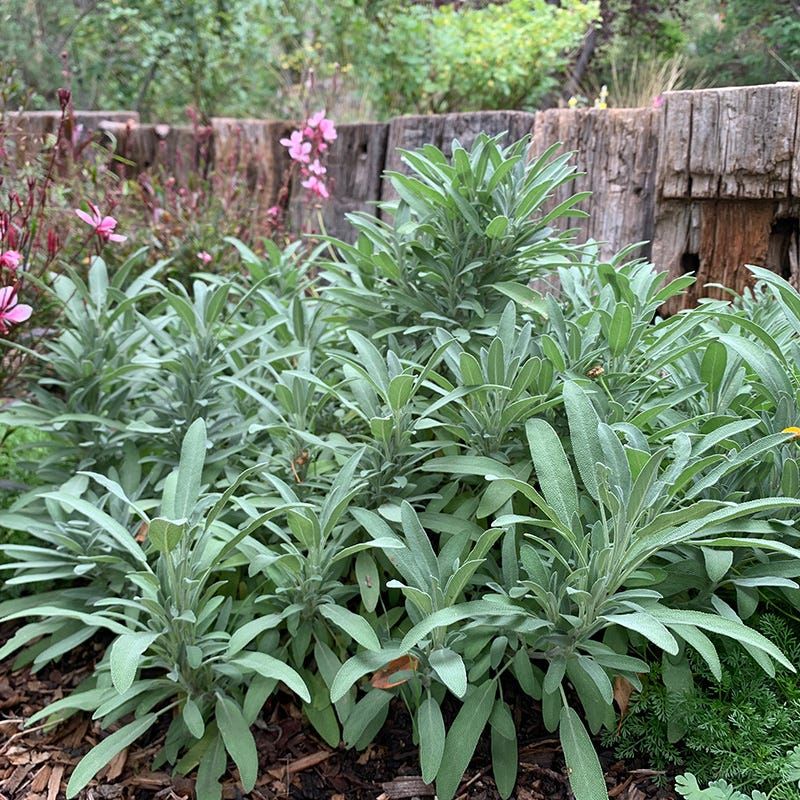
Garden sage surprises plenty of people by coming back year after year instead of fading like a summer annual. Its soft, gray-green leaves feel like felt, and that fuzzy coating helps reflect harsh sunlight away from the plant.
In the low desert, sage performs best with morning sun and protection from blasting afternoon heat in summer. I grow mine on the east side of a block wall, and it has rewarded me with abundant leaves for years.
Water deeply, then let the soil dry out somewhat, because constantly wet roots invite rot and fungal problems. Plain gray varieties tend to be the toughest, while tricolor and golden types look prettier but grow less vigorously.
Spring brings spikes of purple-blue flowers that attract carpenter bees and bumblebees, both strong pollinators for nearby vegetables. The leaves taste best before flowering begins, so plan your heaviest harvests for the cool months ahead.
Sage relatives fill desert landscapes, and many native salvias attract hummingbirds and support local wildlife beautifully. Pairing culinary sage with a native salvia gives you dinner ingredients and a hummingbird hangout in one sunny corner.
6. Mint
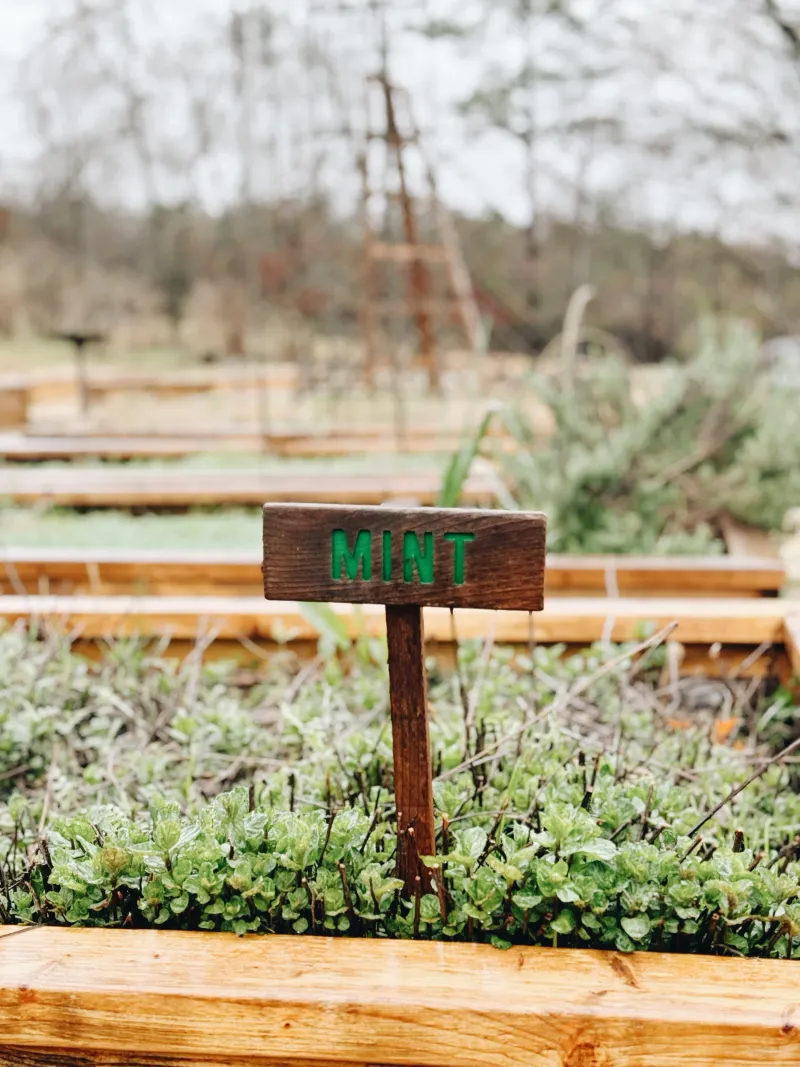
Mint is the herb that refuses to take no for an answer, sending runners beneath borders and popping up nearby. That stubborn energy is exactly why it keeps coming back, even after a rough summer knocks it back hard.
Unlike most herbs on this list, mint prefers steady moisture and some shade, so it fits a different spot. I grow mine in a large pot near a dripping faucet, and it thrives on the occasional bonus water there.
Containers are the smartest approach, since mint spreads aggressively through underground stems and can overrun neighboring plants quickly. Sink a bottomless bucket into the ground if you want it in a bed without losing your whole garden.
During the hottest months, mint may look ragged and stop growing, which is normal stress rather than outright failure. Once October temperatures ease, fresh leaves usually return with surprising enthusiasm, ready for tea and lemonade again.
Small summer flowers draw tiny wasps and hoverflies, two helpful insects that prey on soft-bodied garden pests nearby. Cut stems back regularly to encourage bushy growth, and you will soon have more mint than you can use.
7. Garlic Chives

Garlic chives earn their spot by staying green and productive when many other herbs sulk through the summer heat. The flat, grassy leaves taste like a gentle blend of garlic and onion, perfect for eggs and stir-fries.
Late summer and early fall bring clusters of starry white flowers that attract a surprising crowd of bees and butterflies. You might still catch a few blooms in October, buzzing with insects stocking up before cooler weather arrives.
Clumps tolerate heat and drought well once established, though regular water keeps the leaves tender and mild. Plant them in full sun or light afternoon shade, using soil that drains reasonably well after a deep watering.
One warning matters here, because garlic chives self-seed heavily and can turn weedy if the flowers are left alone. I snip off faded flower heads before seeds ripen, which keeps volunteers from popping up all over the yard.
Every few years, divide crowded clumps in fall to refresh their vigor and expand your harvest at no cost. Cut leaves down to a couple of inches when harvesting, and new growth often appears within a week or two.
8. African Blue Basil
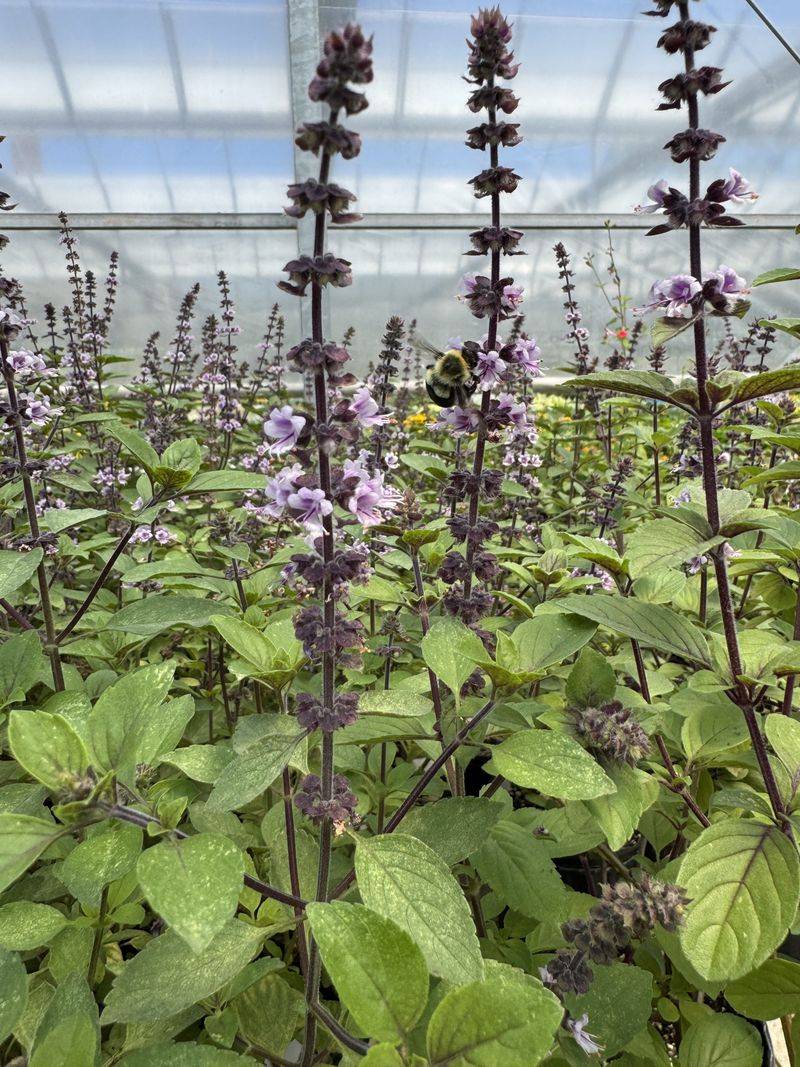
African blue basil is the rare basil that keeps going for years instead of fading after a single season. Because it is a sterile hybrid, it rarely sets seed, so it pours that energy into constant flowering instead.
The purple-tinged spikes are a bee magnet, and I have counted dozens of visitors on one plant before breakfast. Many pollinator gardeners in warm climates grow it mainly for the insects, treating the edible leaves as a happy bonus.
Its flavor carries a noticeable camphor note, so use it sparingly in cooking compared with sweet Italian basil. Plants grow into woody shrubs about three to four feet tall, with leaves that blend green and deep purple.
Give it full sun or light afternoon shade with regular water, especially while young plants settle into new soil. Frost can damage tender growth, so cover plants on cold nights or grow them near a warm south-facing wall.
Because seeds are rarely produced, new plants come from cuttings, which root easily in a simple glass of water. October is a perfect time to start a few cuttings indoors as backup against a surprise winter cold snap.
9. Lemon Balm
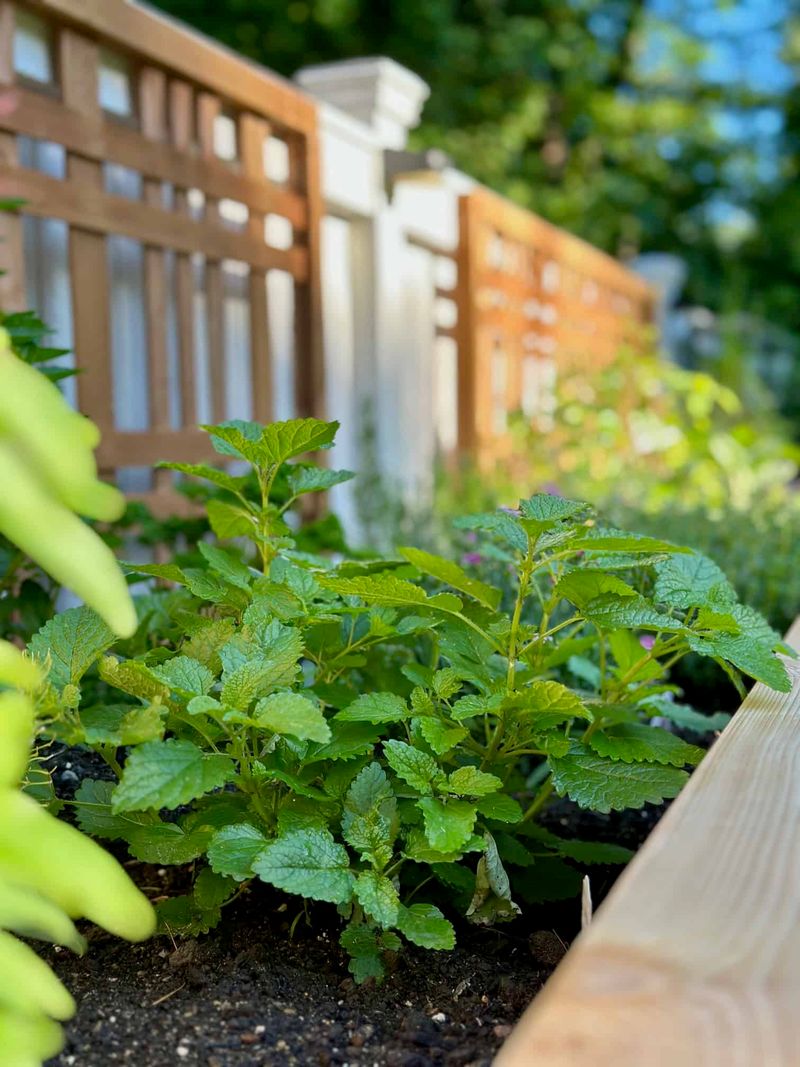
Lemon balm smells like someone rubbed a fresh lemon across a mint leaf, and that scent is hard to resist. Brush past it on a warm afternoon, and you will understand why I planted it beside my garden bench.
In desert gardens, lemon balm acts more like a cool-season plant, growing happily from fall through the following spring. Summer heat often slows it down, so afternoon shade and steady moisture help it pull through until autumn.
As a member of the mint family, it spreads mostly by seed rather than runners, so trim flowers before they mature. That simple habit keeps volunteers manageable while still letting the plant return reliably in the same shady corner.
Fall planting gives roots time to grow strong during mild months before facing another round of serious heat. Rich, well-drained soil and a layer of mulch help the shallow roots stay cooler and hold onto moisture longer.
Small white flowers attract honeybees, which explains its scientific name Melissa, taken from the Greek word for honeybee. I enjoy steeping a handful of leaves in hot water for a bright, calming tea on chilly winter evenings.
10. Mexican Oregano
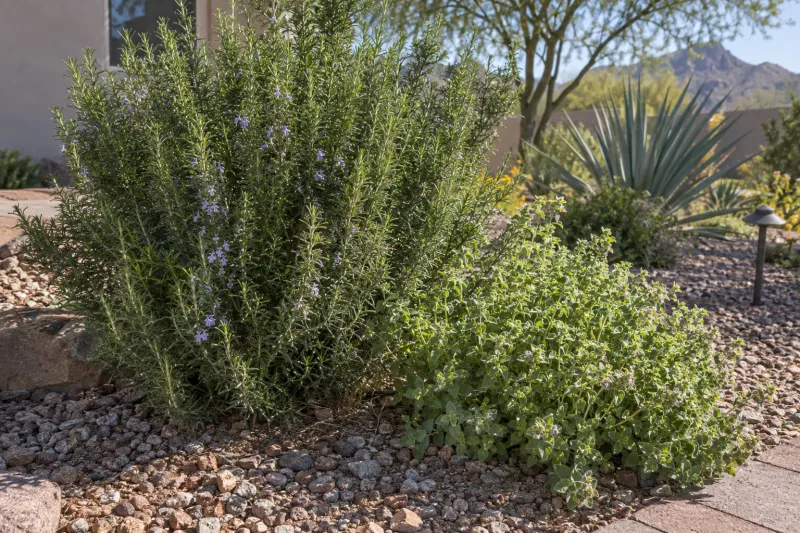
Mexican oregano is the true desert native on this list, growing wild in rocky areas of southern Arizona and Mexico. That local pedigree means it handles brutal heat and long dry spells far better than its Mediterranean cousin.
Despite the shared name, it belongs to the verbena family, and its leaves pack a bold, earthy flavor. I love crumbling the dried leaves into chili and salsa, where that strong taste stands up to spicy ingredients.
Plants grow into airy shrubs several feet tall, with small fragrant leaves and clusters of tiny white flowers. Butterflies and native bees visit those blooms repeatedly, turning a sunny corner into a lively feeding station for pollinators.
Full sun and well-drained soil suit it perfectly, and established plants need only occasional deep watering in summer. Light frost may cause leaf drop, but plants usually resprout from the base when warm weather returns in spring.
October planting lets roots spread through cool soil, setting the shrub up for a strong start next year. Harvest leaves before flowering for the richest flavor, then hang small bundles somewhere dry and shady to preserve them.