Why Succulents Rot After Heavy California Rain And How To Prevent It
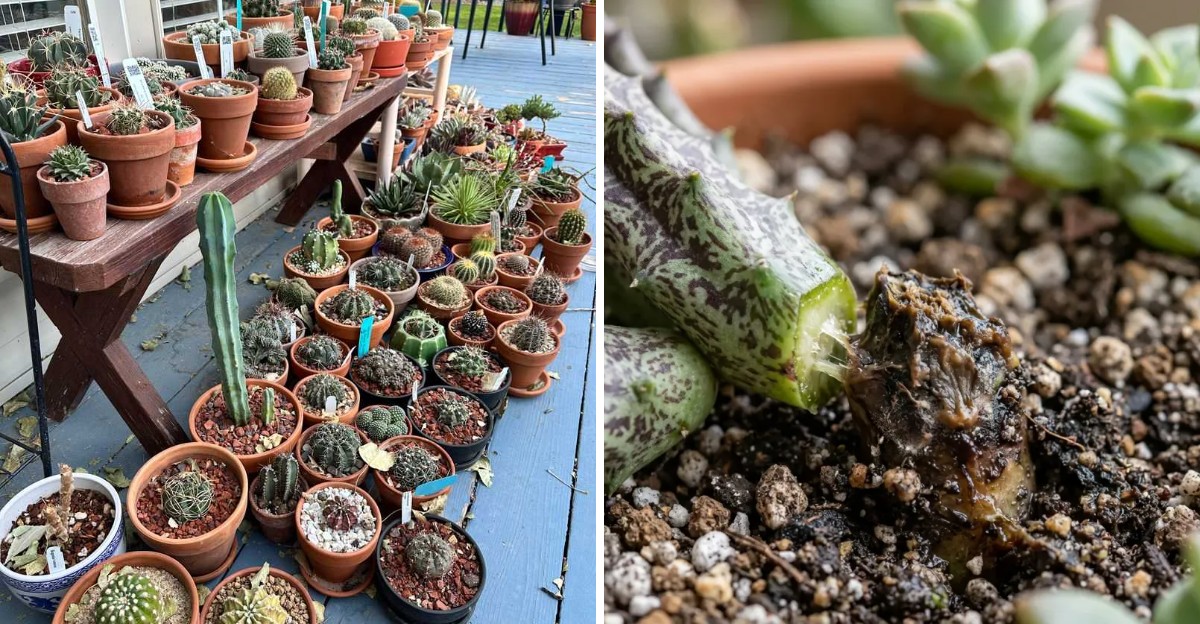
How does a plant that shrugs off months of drought turn to mush after one long, stormy week? The answer starts underground, where its roots quietly gasp for air.
Embarrassing but true, I had no idea roots needed to breathe until my favorite rosette collapsed.
Each tiny root hair pulls oxygen from air pockets in the soil. Heavy rain floods those pockets. Then microscopic water molds send swimming spores toward the stressed roots, and the trouble creeps upward.
November often brings California’s first serious storms, and some park overhead for days. My porch now looks like a lifeboat drill whenever a big one rolls in. Pots shuffle under the eaves, saucers get dumped, and I mutter weather reports at my plants.
Those chunky, water-hoarding leaves were built for survival. With a few small tweaks before the next downpour, they might breeze through winter without a single soft spot.
1. Soggy Succulent Roots Run Out Of Oxygen In Waterlogged Soil
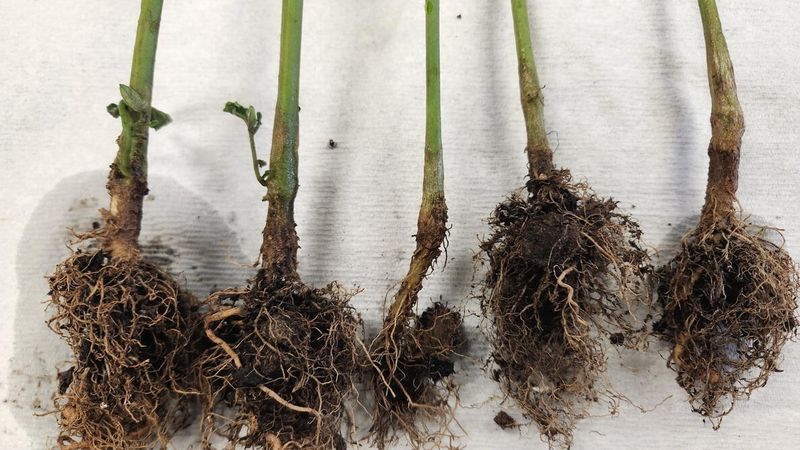
Roots breathe, and that simple fact surprises a lot of gardeners who picture them only drinking water all day. Every tiny root hair needs oxygen from air pockets in the soil to keep working properly.
Heavy rain fills those pockets with water, pushing the air out until the root zone becomes a soggy, airless sponge. University extension experts describe this low-oxygen condition as one of the main stresses behind root rot in container plants.
Succulents feel this stress more than most plants because their roots evolved in loose, rocky ground that dries fast. In their native habitats, a desert storm soaks the soil briefly, then sun and wind pull moisture away quickly.
Personally, I think of waterlogged soil like a crowded elevator where nobody can catch a breath. Roots in that situation stop absorbing water well, so the plant may look thirsty even while sitting in mud.
That confusing wilt tricks many people into watering more, which only deepens the problem below the surface. You need to check the soil with a finger or wooden skewer before assuming your plant wants a drink.
Short soakings usually cause little harm when soil drains within a day or so after the clouds clear. Trouble builds when storms arrive back to back and the ground stays saturated for a week or longer.
Watching the forecast helps you spot those long wet stretches before they begin to stack up. A little planning ahead gives those thirsty-looking but drowning roots a fair chance to breathe again.
2. Water Mold Pathogens Thrive In Saturated Succulent Soil
Some of the sneakiest troublemakers in your garden are not true fungi at all, even though they act like them. Pythium and Phytophthora belong to a group called water molds, and they love soggy ground.
These organisms produce swimming spores that travel through water films between soil particles, searching for tender roots. Saturated soil after a big storm gives them a perfect highway straight toward your favorite plants.
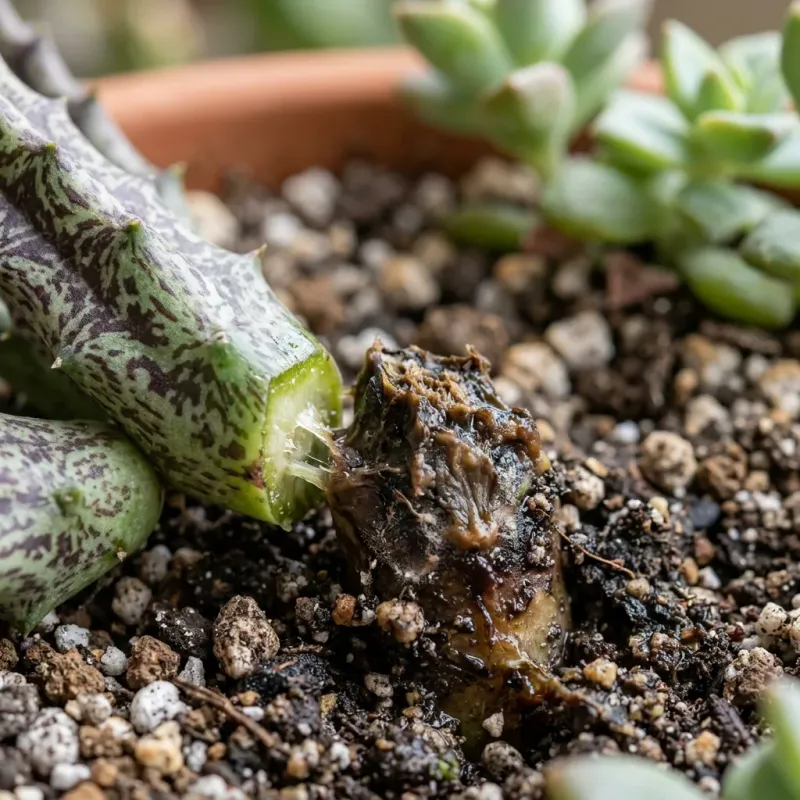
I find it fascinating, and a little creepy, that these spores can sense chemicals released by roots. Once they arrive, they invade the root tissue and spread upward, turning healthy white roots brown and mushy.
Plants already stressed by low oxygen struggle to fight back against these invaders. That combination explains why rot often shows up a week or two after the rain finally stops falling.
Bacteria such as Erwinia can also cause soft rot, especially where leaves or stems carry small wounds. Their damage usually smells sour, which makes it easier to identify than water mold rot below ground.
Preventing these problems mostly comes down to keeping soil from staying wet for long periods. Clean pots and fresh potting mix also help, since old soil can carry spores from earlier plantings.
Fungicides rarely rescue a succulent once rot has spread through the crown or main stem. Your best tools remain fast drainage and good timing, which stop the spores before they settle in.
3. Dense Clay Garden Beds Hold Rain Around Succulent Roots
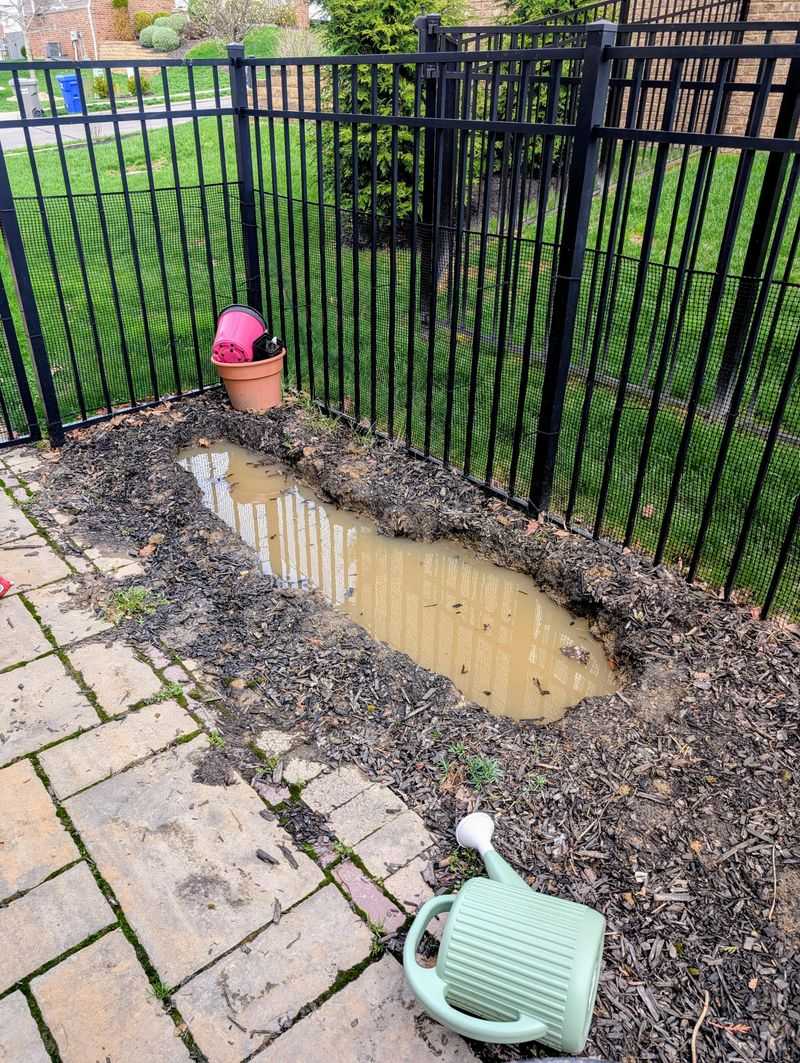
Squeeze a handful of wet clay and you can practically make pottery, which tells you plenty about drainage. Large parts of California sit on heavy clay soils that cling to water long after storms pass.
Clay particles are incredibly tiny and pack tightly together, leaving very little room for air or quick drainage. After a winter storm, a clay bed may stay soggy for days while sandy soil nearby dries out.
I learned this the hard way when my in-ground echeverias sulked every January in a low corner. Moving them just a few feet uphill made a bigger difference than any fancy product I tried.
A simple percolation test helps you understand your soil before planting anything new. Dig a hole about a foot deep, fill it with water, and see how long it takes to drain.
If water still sits there after several hours, your succulents will need some help from you. Mixing in pumice or crushed lava rock across a wide area can loosen the soil over time.
Avoid adding a little sand to a small hole, since that can create a sunken bowl that collects water. Amending a broad bed works much better than pampering one tiny planting pocket.
Some gardeners skip the fight entirely and build their succulent gardens on top of native clay. That approach often saves your back and gives roots a drier home far above the soggy layer.
4. Gritty Pumice Mix Helps Succulent Pots Drain Fast
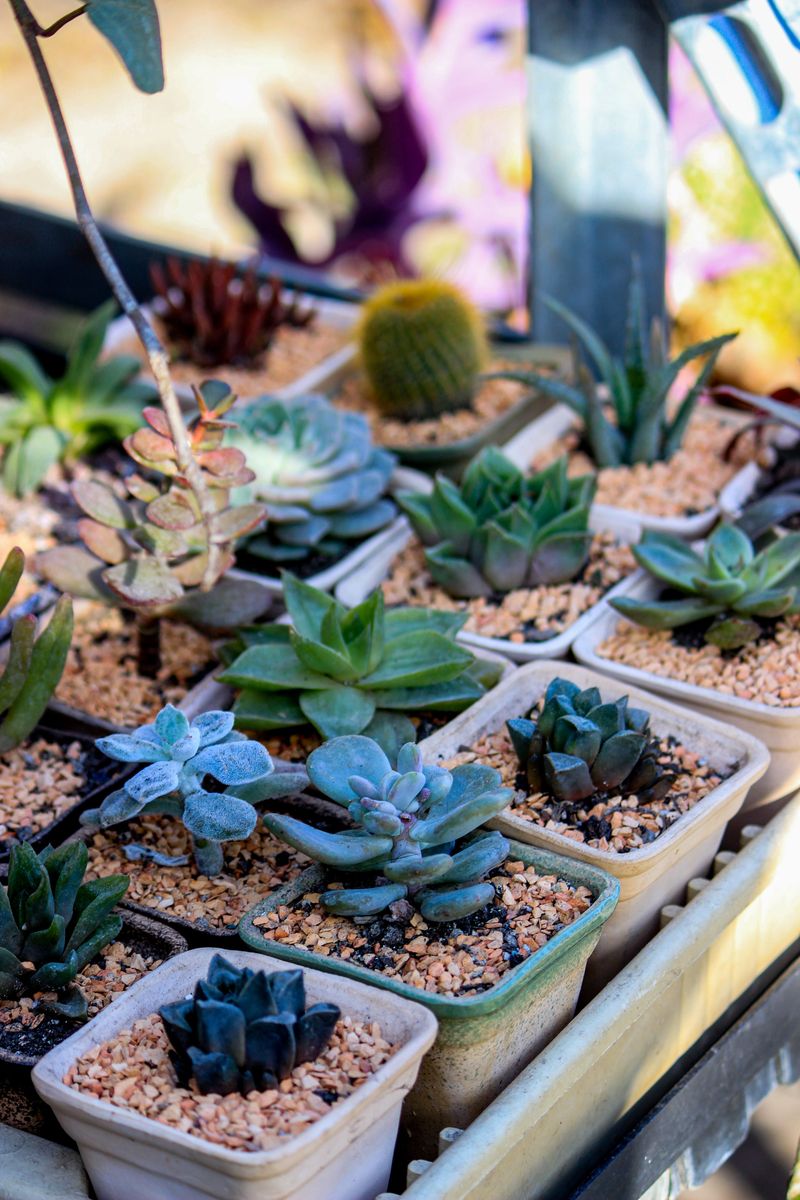
Pumice floats on water, which feels like a magic trick the first time you dump it into a bucket. Those tiny volcanic stones are full of air pockets that make them perfect for succulent potting mixes.
Bagged cactus mix is a decent start, but many brands still contain plenty of peat or fine bark. Those ingredients hold moisture well, which becomes a real problem when rain keeps soaking your pots.
I like blending roughly half cactus mix with half pumice for most of my outdoor containers. That ratio is a common recommendation among succulent growers, and it drains beautifully during stormy weeks.
Perlite works too, though it is lighter and tends to float toward the surface after heavy watering. Pumice stays put better and holds a bit of moisture inside its pores for steady root health.
Fine play sand is a sneaky mistake, because those small grains can fill gaps and pack down tightly. Coarse grit or decomposed granite with larger particles offers much better drainage for thirsty desert plants.
You might notice that a gritty mix dries out faster during summer heat, so plan your watering accordingly. That tradeoff feels worth it once you see plants sailing through winter storms without a soft leaf.
A top dressing of small gravel finishes the look and keeps leaves off damp soil. It also helps the crown of each plant stay drier when raindrops splash across the pot.
5. Pots Without Drainage Holes Turn Into Succulent Bathtubs
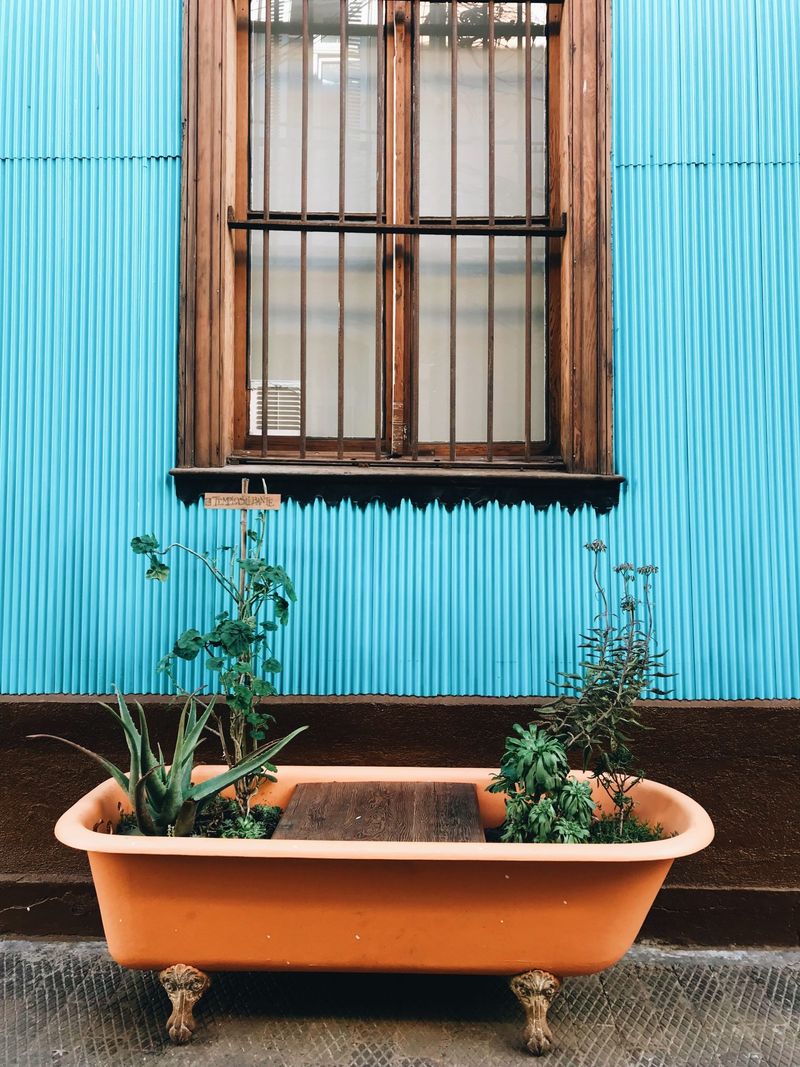
That adorable ceramic owl planter on your porch might be the biggest threat your succulent faces this winter. Without a drainage hole, every drop of rain stays trapped inside like water in a closed bathtub.
Indoors, careful watering can sometimes make holeless pots work, though even experts find it tricky. Outdoors, you lose control the moment a storm rolls in and dumps an inch of rain overnight.
I have to admit, I still buy cute pots without holes, but they now become cachepots instead. A plain nursery pot with good drainage slips inside, and I lift it out during wet weather.
Drilling your own holes works well for many ceramic and plastic containers with the right bit. A masonry or diamond bit, a little water, and slow pressure usually do the trick without cracking.
Saucers create a quieter version of the same problem when they fill up during long rainstorms. Your pot may have holes, but roots end up sitting in a puddle that never drains away.
Emptying saucers after every storm takes only seconds, yet it saves plenty of plants each season. Raising pots on small feet also lets water escape freely and improves airflow beneath the container.
A quick walk around the yard after rain lets you spot any water that is lingering. Tipping a heavy pot slightly can release trapped water before the roots start to struggle.
6. Terra Cotta Pots Let Wet Succulent Soil Breathe
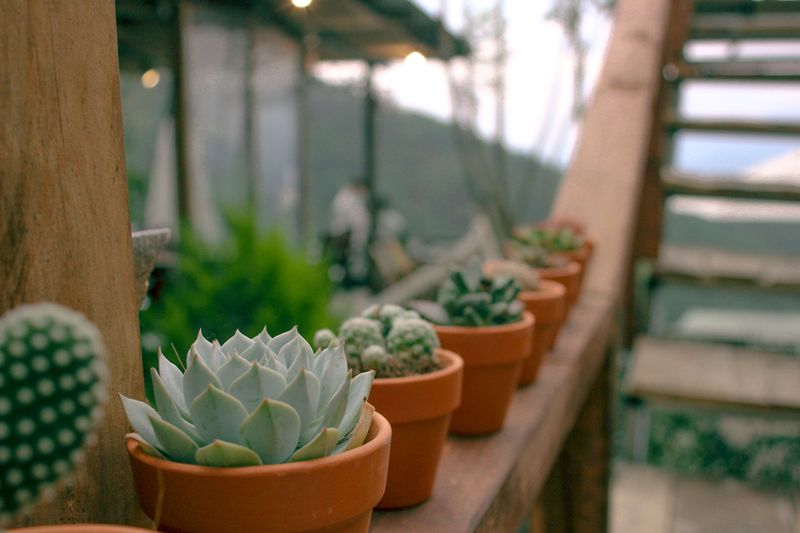
Touch an unglazed terra cotta pot after watering and you will feel the clay itself turn cool and damp. That sweaty surface is moisture escaping through tiny pores, carrying extra water away from roots.
Plastic and glazed ceramic pots hold water in much longer because nothing passes through their walls. Those materials still work fine, but they need a grittier mix and closer attention during rainy months.
Personally, I keep my fussiest succulents in terra cotta from late fall until spring arrives. Those clay walls give me a little extra insurance when storms arrive faster than I expected.
Pot size matters just as much as material when you want soil to dry out quickly. A huge pot around a small plant holds lots of extra soil that roots cannot reach or use.
That untouched soil stays wet for days, creating a damp zone where rot organisms can easily settle. Choosing a pot only slightly wider than the root ball keeps moisture levels much more balanced.
Shallow bowls suit many succulents well, since their roots often spread outward instead of plunging deep. Less soil depth means the whole container dries more evenly after a heavy soaking.
Terra cotta can crack during hard freezes, so inland gardeners should move pots during cold snaps. A sheltered spot near the house usually keeps both the clay and the plants much safer.
7. Rain Pooling In Tight Echeveria Rosettes Rots Their Centers
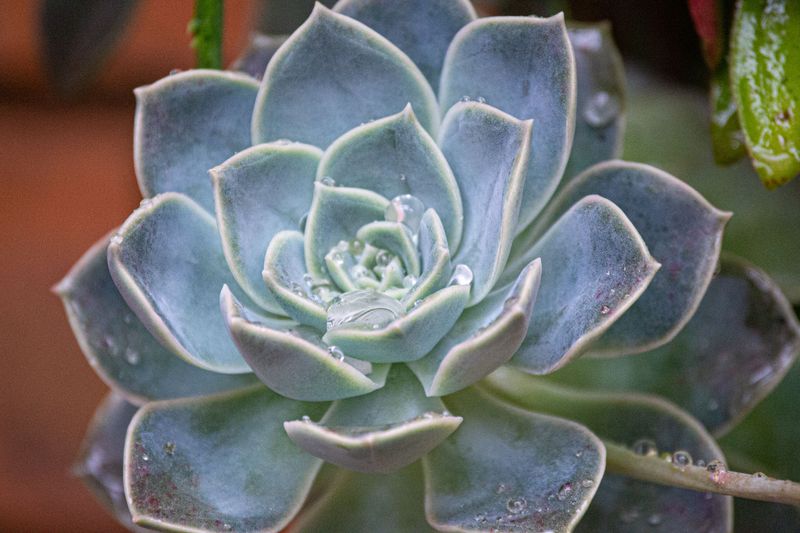
Echeverias look like stone roses, and their tidy cupped leaves catch raindrops almost like tiny bowls. That beauty comes with a catch when water sits in the center for hours at a time.
Moisture trapped between tightly packed leaves keeps tender new growth wet, especially during cool, cloudy weather. Rot can begin right at the heart of the rosette, turning the newest leaves brown and translucent.
I love tilting pots of echeverias slightly sideways during long storms, borrowing a trick from cliff plants. That small angle lets water run out of the rosette instead of collecting in the middle.
A gentle puff from a turkey baster or bulb blower also clears pooled water quickly after rain. Some growers use a rolled paper towel to soak up droplets hiding deep between leaves.
Fallen leaves and debris stuck inside rosettes hold moisture too, so remove them whenever you notice. Cleaning out old lower leaves improves airflow around the base and reduces hiding spots for pests.
Crowded plants dry slowly because neighboring leaves block sun and breeze from reaching each other. Spacing pots a few inches apart helps every rosette shed water faster after a downpour.
Hybrids with ruffled or frilly leaves trap water even more easily than smooth types. You need to give those dramatic beauties extra shelter whenever rain settles in for days.
8. Cold Wet Nights Hit Dormant Cacti And Succulents Hardest
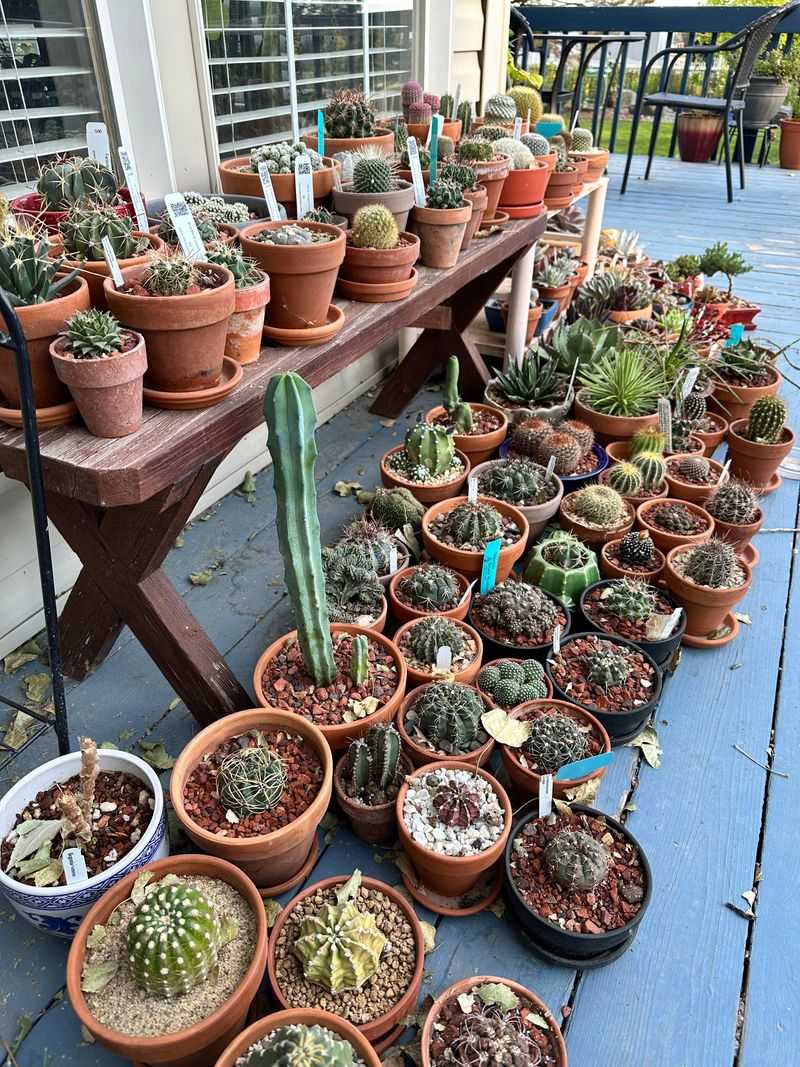
Many succulents slow way down in winter, and a sleeping plant drinks very little water at all. Rain that arrives during cool weather can sit in the soil far longer than summer showers.
Plants from summer-rainfall regions, including many cacti and euphorbias, mostly rest during cold months. Wet roots plus chilly temperatures make a rough combination for these warm-loving species.
Winter growers like aeoniums react differently, since they evolved with cool, wet seasons in the Canary Islands. Those plants often look their best during rainy months, which surprised me when I first grew them.
Knowing which group your plants belong to helps you decide who needs shelter during long storms. A quick search for each species can reveal whether it grows in summer or winter.
Frost adds another layer of trouble, especially for inland gardens and higher elevations across California. Frozen water inside leaves can damage cells, leaving soft spots where rot organisms find an easy entrance.
Frost cloth draped over stakes protects in-ground plants without pressing wet fabric onto leaves. Remove covers once temperatures climb in the morning so trapped humidity can escape again.
Potted plants can simply move against a warm house wall or under an eave on cold nights. That small shift often protects plants from both the chill and the extra moisture at once.