Why More Arizona Gardeners Are Switching To Ollas Before The Storms
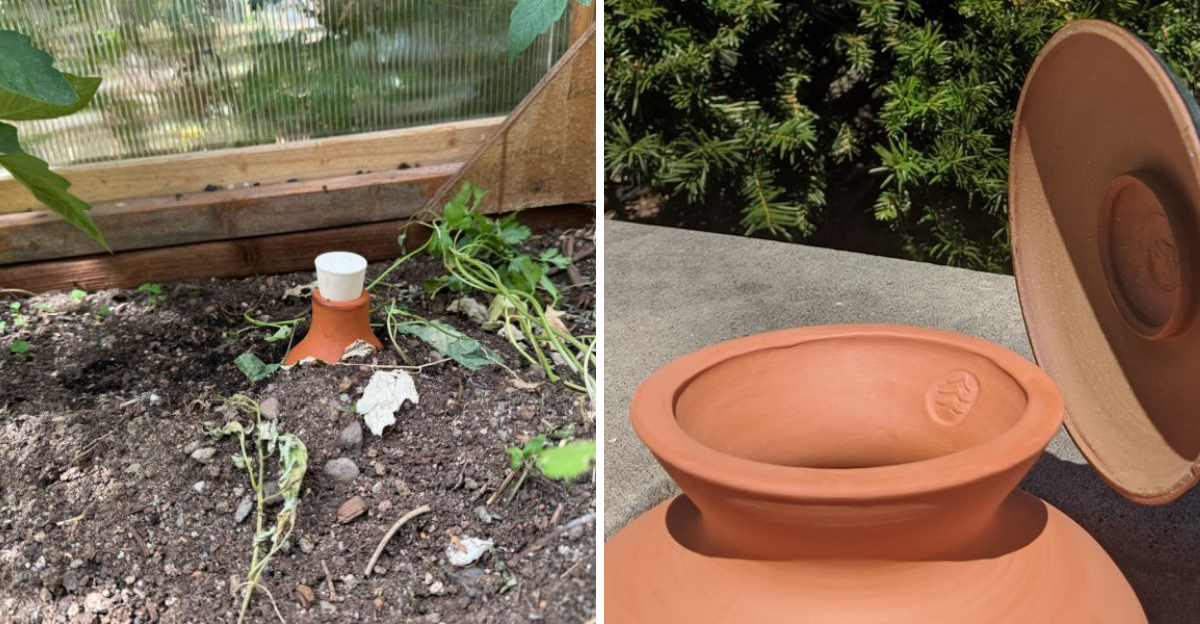
Watering through an Arizona summer can turn into a daily guessing game, especially when storm clouds start appearing and the weather becomes less predictable.
That is where ollas can make a real difference. These simple clay vessels deliver moisture below the surface, right where thirsty roots can reach it.
Bury one near the plants that need steady moisture, then fill it with water and let the porous clay do the slow work.
You will still need to pay attention after heavy rain. However, this method can take some pressure off your usual watering routine between storms.
The trick is knowing where ollas work best and how to use them without keeping the surrounding soil wetter than necessary.
Get the setup right, and summer watering may become much easier to manage.
1. Ollas Release Water Slowly Right At The Roots
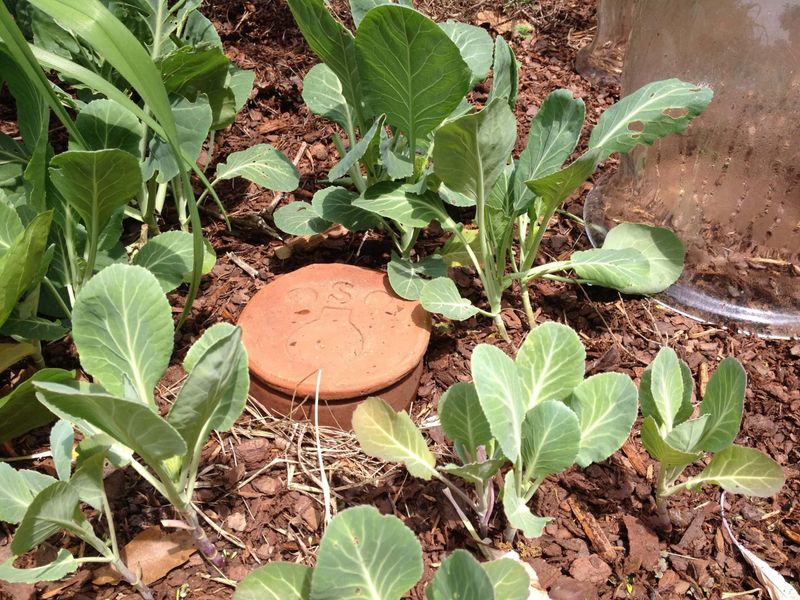
Most surface watering methods send water across the soil before it ever reaches the roots. Ollas skip that problem entirely.
Water seeps directly through the porous clay walls, moving outward into the surrounding soil at a pace that roots can actually absorb.
Clay is naturally porous. When an olla is filled with water and buried, osmotic pressure pulls moisture toward drier soil nearby.
Roots sense the moisture and grow toward the pot, which means the plant is actively drawing water rather than waiting for a surface soak to trickle down.
In a hot desert climate, that slow release matters more than most people realize. Surface water can evaporate within minutes on a 110-degree afternoon.
Water delivered underground stays in the root zone much longer, giving plants consistent access between refills.
Slow delivery also reduces stress on plants. Sudden floods of water followed by long dry spells can cause uneven growth.
Root vegetables especially benefit from steady moisture, since irregular watering can cause cracking or splitting in produce.
Gardeners who switch to ollas often notice their plants look steadier throughout the week. There are fewer wilting episodes between watering sessions.
2. Buried Clay Pots Lose Less Water To Evaporation
Evaporation is one of the biggest water wasters in hot, dry gardens. Sprinklers and surface drip lines are especially vulnerable because water sits exposed to sun and wind before it soaks in.
Buried ollas sidestep most of that loss.
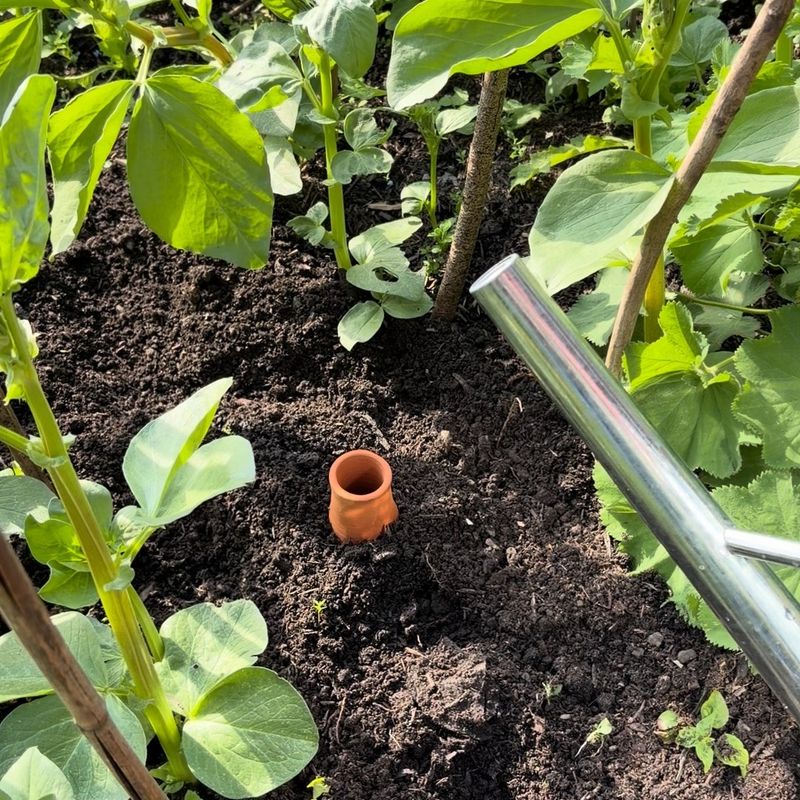
When the pot is underground, the water inside stays shaded and cool. Only a small opening at the top is exposed to air, and a simple lid or flat stone can cover that gap.
Less surface exposure means less moisture lost to the atmosphere.
Water delivered underground also does not run off hard or compacted soil. In many desert yards, the top layer of soil can get so dry and dense that water beads and rolls away before soaking in.
Ollas bypass that layer completely.
Keeping more water in the root zone means you use less overall to get the same result.
Gardeners in water-restricted areas often find that switching to ollas reduces how much they pull from a hose or irrigation system each week, though exact savings vary depending on soil type, plant size, and temperatures.
Your Arizona Garden Changes Every Week. Your Plan Should Too.
Gardening in Arizona changes quickly throughout the season. Every Friday you’ll receive a simple weekly plan showing exactly what to plant, prune, fertilize, harvest, and protect so you never miss the right timing.
Covering the olla opening with a stone or small cap also keeps mosquitoes from breeding in standing water. That small detail makes the system cleaner and more practical for long-term use in a backyard garden setting.
3. They Can Reduce How Often Garden Beds Need Watering
Watering every day in summer feels exhausting, and it can still leave plants stressed if the timing is off. Ollas change that routine in a practical way.
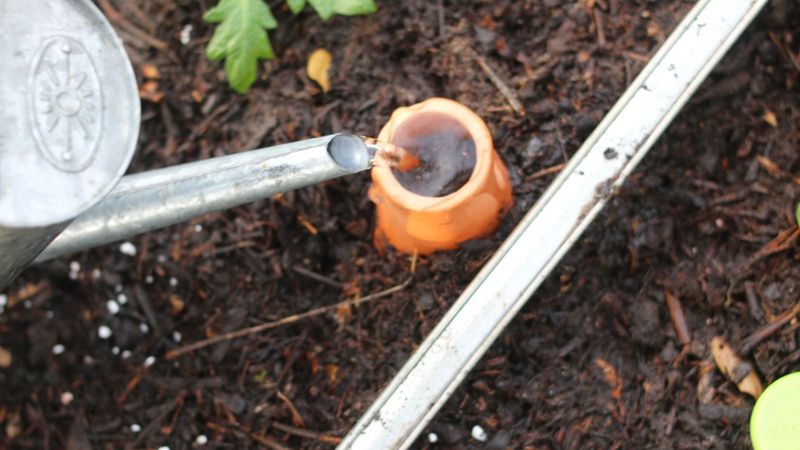
A well-placed pot can keep the surrounding soil moist for two to four days, depending on plant demand and heat levels.
Larger ollas hold more water and extend that window further. Some gardeners use one-gallon to four-gallon pots for established beds, refilling only two or three times per week instead of daily.
That shift adds up over a full growing season.
Reduced watering frequency also benefits the soil. Constant surface watering can compact the top layer over time and disrupt beneficial soil organisms.
Less surface disturbance gives the soil structure a chance to stay loose and breathable around the root zone.
Gardeners with busy schedules or limited mobility find ollas especially helpful. Fewer watering trips mean less time spent dragging hoses or adjusting drip timers.
Once the pots are set up and buried, the maintenance routine becomes noticeably simpler.
Frequency still depends on plant type and weather. During a heat wave, thirsty crops like squash or tomatoes may drain an olla faster than expected.
4. Ollas Work Best With The Right Soil And Plant Spacing
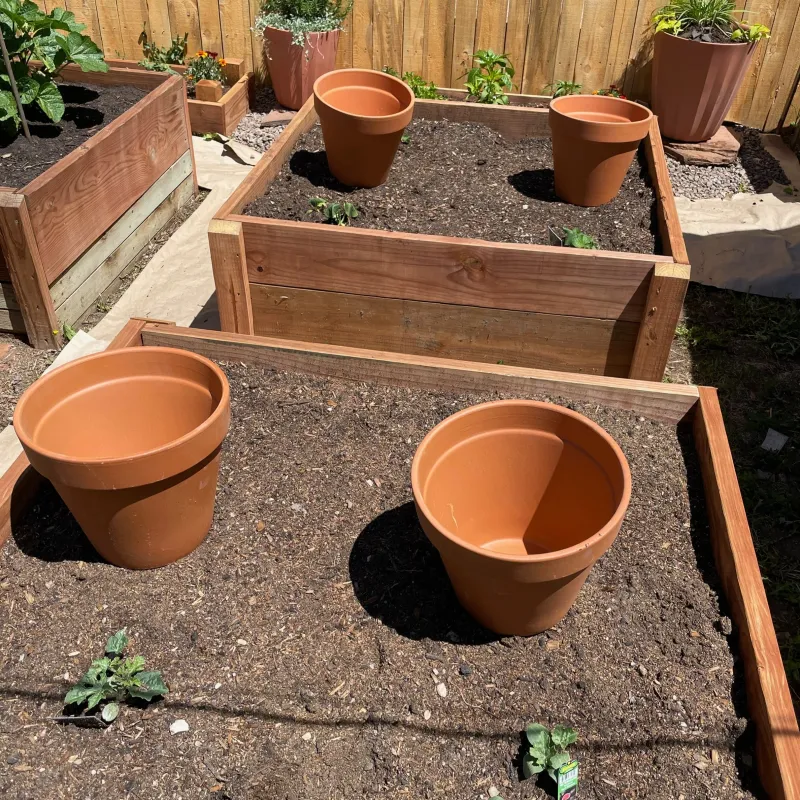
Placement and soil type can make or break how well an olla performs. Sandy soil drains fast, so water spreads quickly but may not hold long enough for roots to absorb it fully.
Clay-heavy soil holds moisture better but may slow the seepage rate from the pot itself.
Loamy soil with some organic matter tends to work well with ollas. It holds moisture without becoming waterlogged, and it allows water to spread outward at a steady pace.
Adding compost to the planting area before burying the olla can improve results in both sandy and heavy soils.
Plant spacing around the olla matters just as much. Most standard ollas can water plants within a radius of roughly 12 to 18 inches, though that range shifts with soil type and pot size.
Planting too far away means roots may not reach the moisture zone effectively.
Grouping plants tightly around each olla is a practical approach. Gardeners often arrange transplants in a circle or cluster, with the pot centered in the middle.
That layout puts more roots within reach of consistent moisture.
Spacing that is too tight, on the other hand, can cause competition for both water and airflow. Finding the right balance takes a season or two of observation.
5. Storm Rainfall Can Change When They Need Refilling
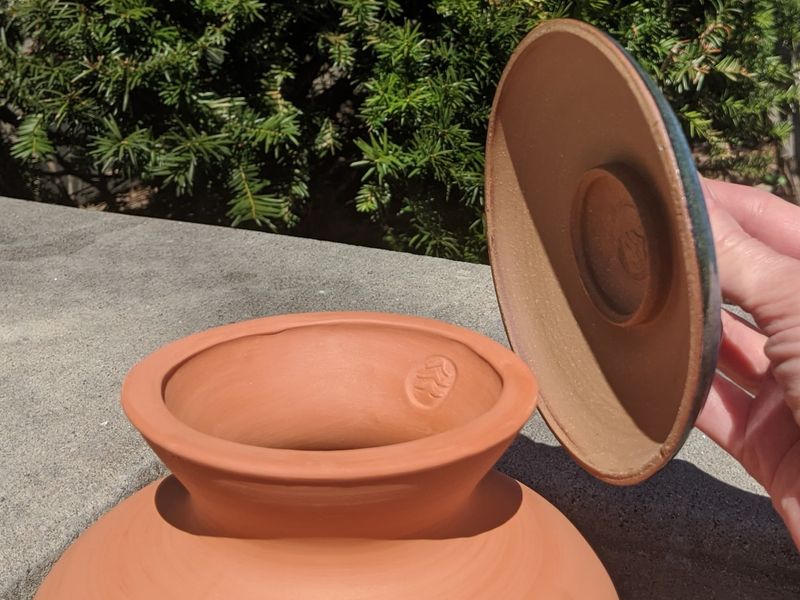
Monsoon season brings unpredictable rain that can shift your watering schedule fast. A heavy storm might drop an inch of rain in under an hour, which can saturate the soil around your ollas and reduce how quickly the pots empty.
Refilling right after a storm can lead to overwatering.
Checking soil moisture before refilling is a smarter habit during storm season. Push a finger two to three inches into the soil near the olla.
If it feels damp, the pot likely does not need topping off yet.
Storms in the Southwest can be erratic. One part of a neighborhood might get soaked while another stays dry.
Relying on a fixed refill schedule without checking actual soil conditions can waste water or leave plants short during dry stretches between storms.
Standing water around the olla after heavy rain is worth monitoring. If water pools near the pot opening, check that the olla is not sitting in a low spot that collects runoff.
Repositioning or adding a small mound of soil around the base can redirect excess water away.
Some gardeners in Arizona reduce olla use during peak monsoon weeks and return to regular schedules once storms taper off. Flexibility matters more than routine when weather patterns shift quickly.
6. Placement Determines How Much Of The Root Zone Gets Water
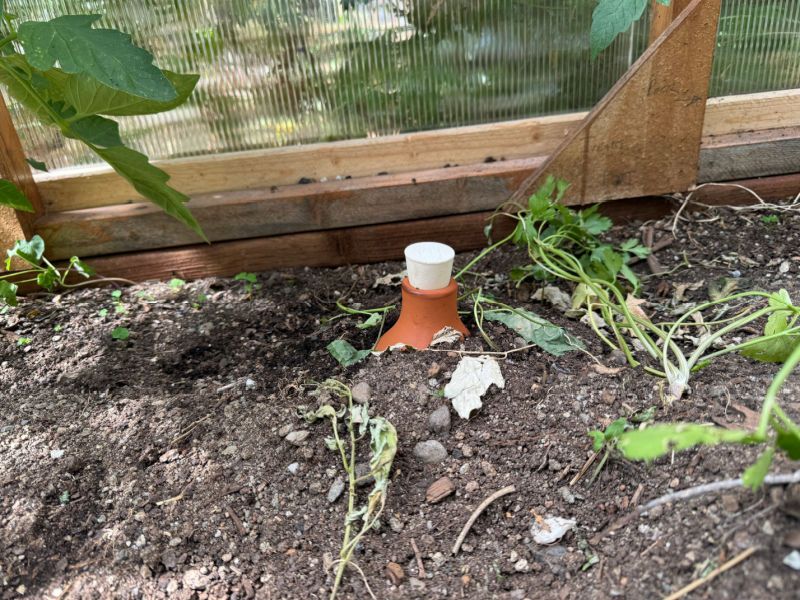
Where you bury the olla shapes everything about how well it works. A pot placed too close to one plant gives that plant an advantage while leaving neighboring plants without enough moisture.
Centering the olla between plants is usually the most effective approach.
Depth also plays a role. Burying the olla so only the neck sticks out above the soil keeps the water release zone in the upper root layer, where most feeder roots are active.
Planting depth varies by crop, so matching olla depth to the root depth of your specific plants is worth thinking through before you dig.
Shallow-rooted crops like lettuce or herbs need the olla placed at a shallower depth than deep-rooted plants like tomatoes or peppers.
A pot buried too deep for a shallow-rooted plant may release water below the active root zone, reducing how much the plant can use.
Garden beds with irregular shapes can be tricky. Odd corners or long narrow rows may need more than one olla to cover the full root zone.
Mapping out your bed before planting helps you figure out how many pots you need and where to space them.
Adjusting placement after a few weeks of observation often improves results.
7. Regular Checks Keep The Clay From Clogging Over Time
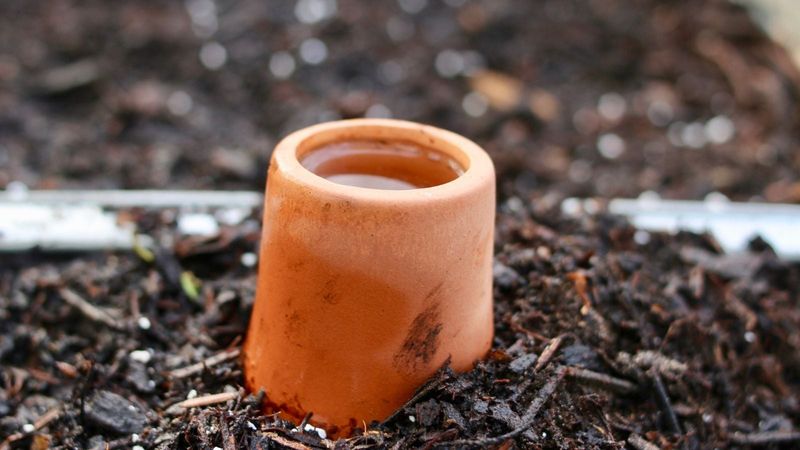
Clay pots can clog over time, and it happens more gradually than most people expect. Mineral deposits from hard water, algae growth, or fine soil particles can slowly block the pores in the clay wall.
When that happens, water stops seeping out at the rate it should.
Checking your ollas every few weeks helps catch buildup early. A simple way to test flow is to fill the pot and watch whether the surrounding soil shows signs of moisture within a few hours.
If the soil stays dry despite a full pot, the clay may be partially blocked.
Scrubbing the outside of the olla with a stiff brush and plain water can clear surface buildup. Soaking the pot in clean water overnight sometimes restores seepage in mildly clogged pots.
Avoid soap or chemical cleaners, since residue can affect soil biology near the roots.
Hard water is a common issue in desert regions. The minerals in tap water can accumulate inside and outside the clay over a season.
Flushing the pot with rainwater when possible may reduce buildup compared to using tap water for every refill.
Replacing an olla that no longer seeps properly is sometimes more practical than extensive cleaning. Pots used for several seasons may reach a point where pores are too compacted to clear easily.