Some Shaggy Leaf Bundles High In Arizona Trees May Be Squirrel Nests, And Thinning Leaves Can Reveal Them
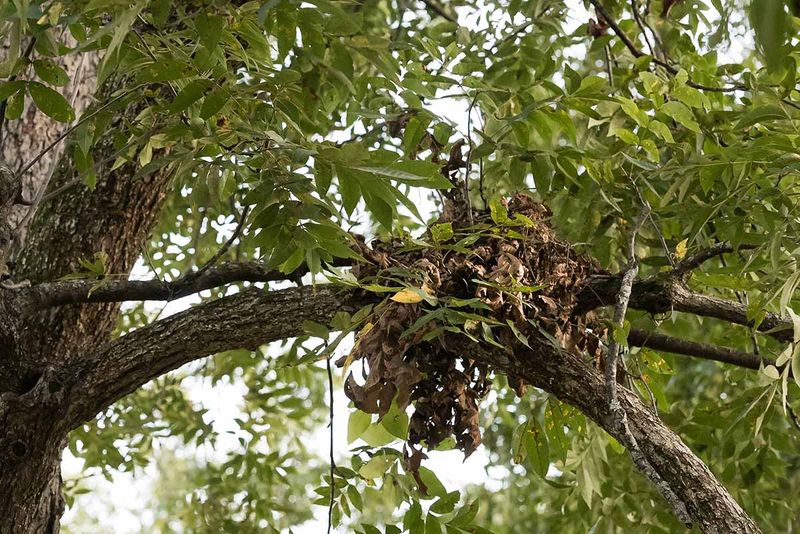
A squirrel nest has its own name, and it is called a drey. Some of the shaggy clumps you spot high in Arizona trees may be dreys, but appearance alone cannot confirm it.
Thinning leaves can make an old nest easier to see from the ground. Here is how to read the clues without guessing too boldly or bothering the wildlife.
Why Thinning Foliage Can Reveal A Clump
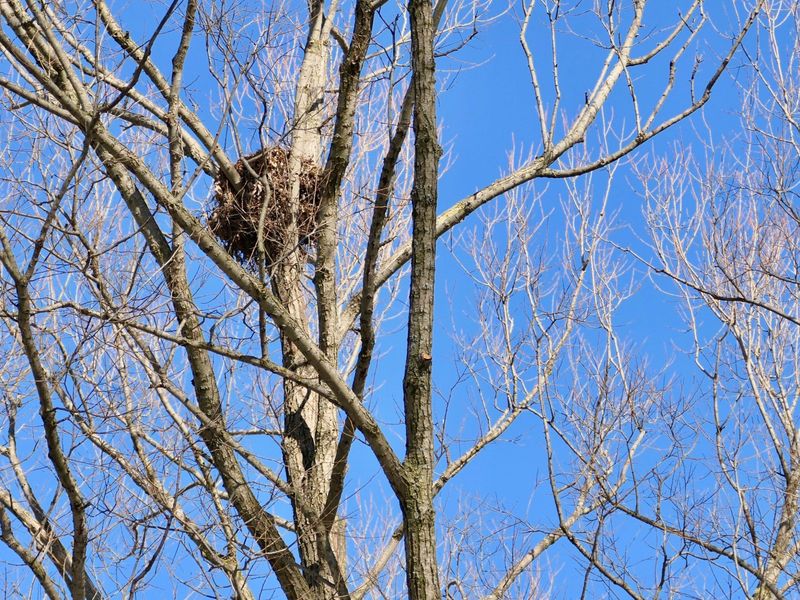
Bare branches make a good stage for hidden things. When a deciduous tree drops leaves, a bundle that was tucked into the canopy all summer can suddenly stand out from the ground.
That is a visibility effect, nothing more. Squirrels do not build nests just for winter, and University of Arizona squirrel research describes nests that serve as shelter across the seasons.
The clump was probably there all along, and your eyes simply caught up.
Arizona is a big place, and the timing varies. A cottonwood along a low-elevation creek thins out on a different schedule than a pine-covered mountainside, and evergreens keep their needles.
So leaf drop is not a statewide rule you can count on.
Treat a newly visible bundle as a question, not an answer. Some bundles may be squirrel nests, and Arizona Game and Fish tree squirrel information is a good place to learn which squirrels live near you.
Other things can look just as shaggy from far below.
A Leafy Drey May Point To An Arizona Gray Squirrel
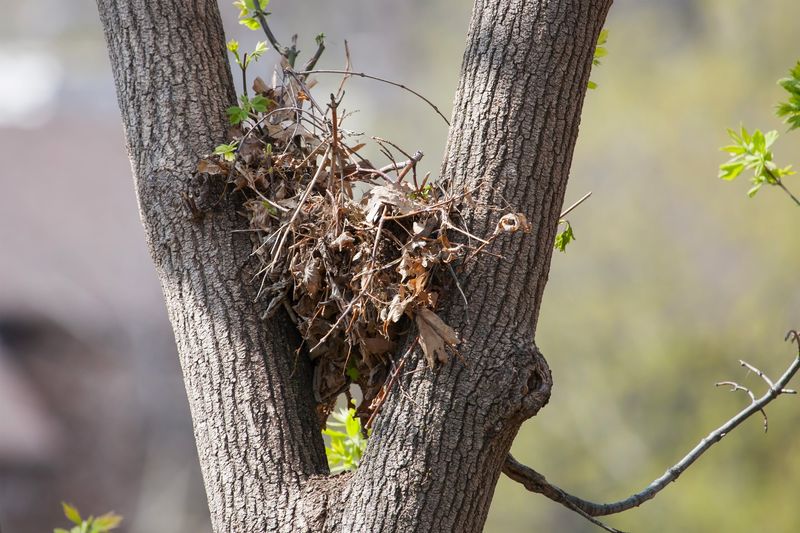
Squirrel nests have a charming name, drey. It simply means a tree squirrel’s nest, and some are quite easy to spot.
Arizona gray squirrels are known for leafy nests built in tree forks. They live in riparian deciduous forests and oak woodlands south of the Mogollon Rim, so a creekside walnut or sycamore is a likely neighborhood.
A leafy ball in that kind of habitat fits an Arizona gray squirrel. It does not prove one lives there, though.
Arizona gray squirrels may also use tree hollows, so the best home might be a cavity you cannot see at all.
Habitat is your friend here. A leafy clump in a desert yard far from oaks or streams deserves more doubt than one in a shady canyon bottom.
Think of it as a clue to weigh, not a label to stick on.
Abert’s Squirrels Build In Ponderosa Country
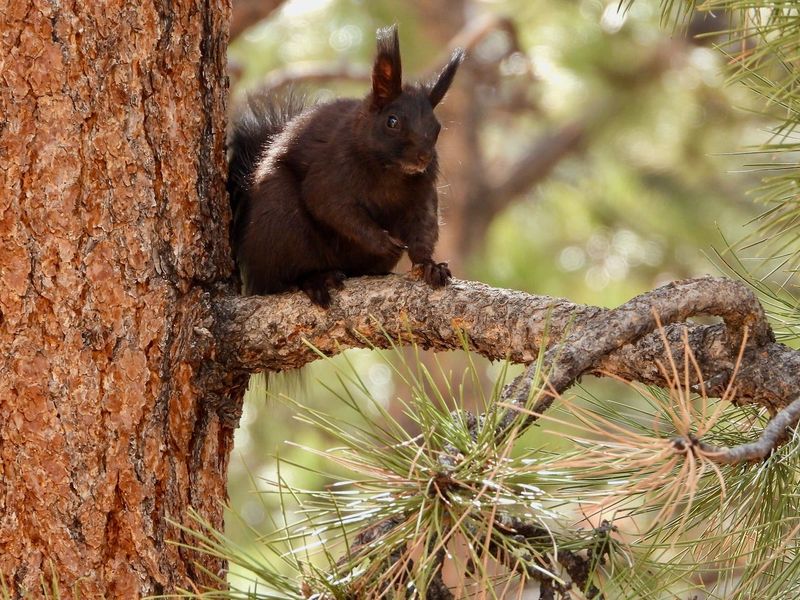
Head up into ponderosa pine country and the nests change style. Abert’s squirrels build roughly spherical nests from pine twigs and line them with other soft materials.
These nests often sit high in the tree crown. They are tied to higher-elevation ponderosa forests, including central Arizona, so you will not find them in a low desert wash.
Details on both squirrels appear in Arizona Game and Fish tree squirrel information.
Here is a catch. Abert’s squirrels use nests for shelter year-round, and they may also use cavities.
A tall nest in a pine in January or in July tells you very little on its own.
So height and season cannot name the occupant. Tree type, twig construction, and elevation make better clues, and even those only point in a direction.
Sometimes The Clump Is Part Of The Tree
Not every shaggy bundle belongs to an animal. Some are growths on the tree itself, called witches’-brooms.
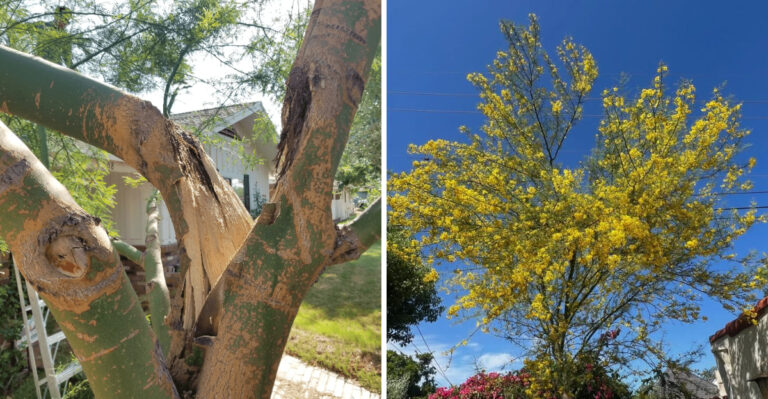
University of Arizona Cooperative Extension documents witches’-broom on blue palo verde in southern Arizona. It shows up as dense clusters of short branches, sometimes on a single limb and sometimes across much of the canopy.
From the ground, that can look a lot like a nest.
Conifer country adds a twist. Dwarf mistletoe can cause witches’-brooms in pines, and Abert’s squirrels may use or build onto these growths as nest support.
So a broom and a nest can be the very same clump.
That means you cannot sort a bundle into one box. If it looks dense and bristly, keep both possibilities open, and let the tree and the setting guide your guess.
Combine Clues Without Guessing With Certainty
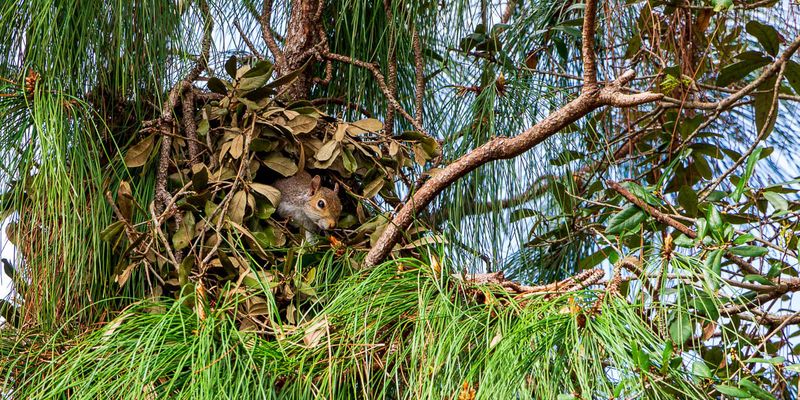
Think like a detective who never gets a confession. You gather clues, and they add up to a likely answer.
A leafy structure in deciduous or oak habitat may fit an Arizona gray squirrel. A twig structure in ponderosa country may fit an Abert’s squirrel.
The habitat notes in Arizona Game and Fish tree squirrel information help you match the two.
Keep the exceptions in mind. Squirrels also use cavities, so a quiet tree may still house one.
And tree growths can pass for nests, so a clump may be wood and not twigs at all.
The best tool is a pair of binoculars. Watch from the ground, keep your distance, and skip anything that might stress wildlife.
A patient ten minutes will teach you more than any climb.
Use Caution If Tree Work Is Planned
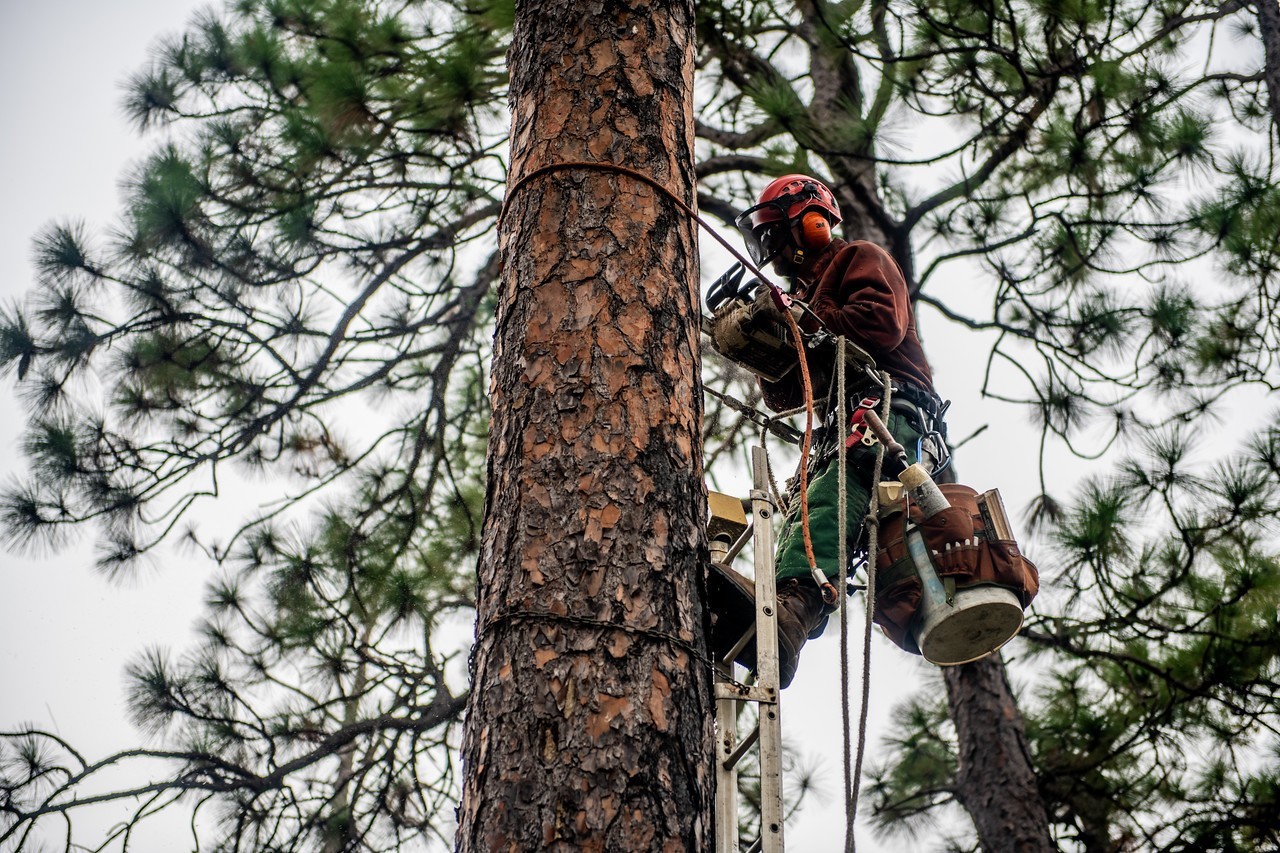
Curiosity should stay on the ground. Do not climb to, handle, or remove a suspected nest based on how it looks.
If you plan tree work and cannot tell what a clump is or whether anything is using it, ask a qualified local professional or wildlife authority first. Arizona Game and Fish also offers wildlife viewing tips that stress using optics and not harassing animals.
Rules can differ by situation, so do not assume every nest is treated the same way.
A good arborist can also tell you whether the bundle is a growth on the tree, which changes the plan entirely.
Treat every sighting as a clue, not a verdict. The best view of a mystery is often the one from the sidewalk.