What Arizona Lavender Actually Needs To Stay Healthy And Keep Going Through Summer
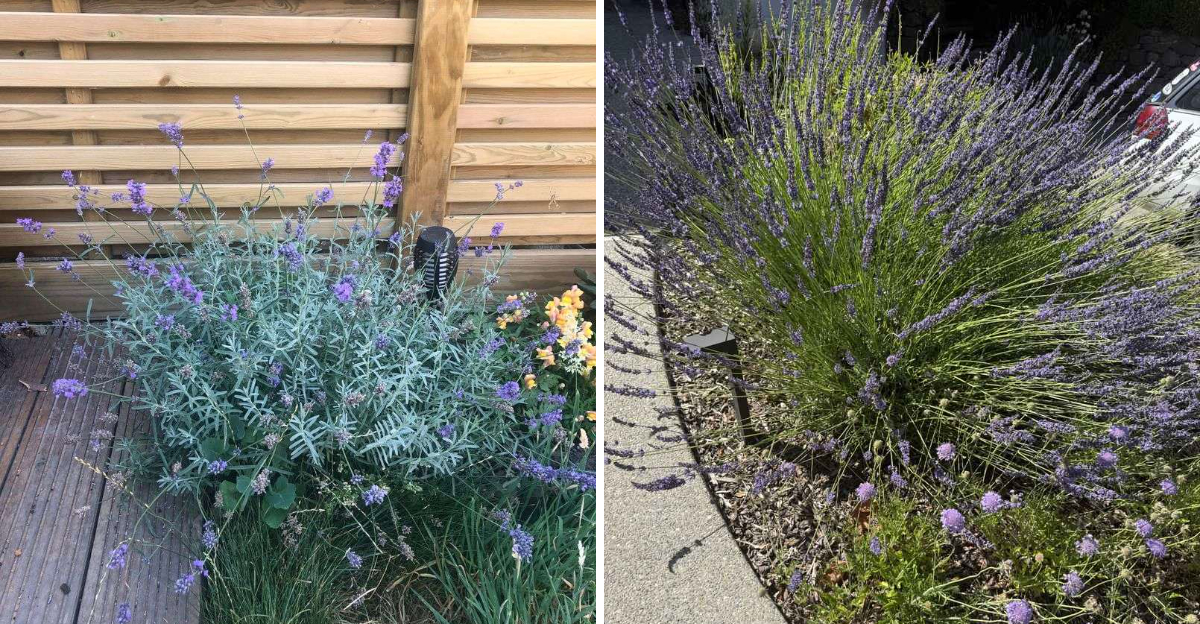
Lavender and Arizona sound like a perfect match on paper. Sun-loving plant. Sun-filled desert. The logic is obvious.
Then reality shows up in July.
The plant that thrives on Mediterranean hillsides, the one that fills the air with fragrance and drapes itself in purple without much encouragement, starts looking stressed in ways that do not make immediate sense. The heat should be fine. The sun should be fine. Something else is going wrong.
Now, Arizona lavender care is not complicated. But it is specific. The same conditions that make lavender easy to grow in coastal European climates create entirely different challenges when you add monsoon rains, caliche soil, and afternoon sun that pushes past one hundred degrees.
There is a specific set of habits that separates lavender beds that perform reliably all summer from the ones that need replacing every fall.
Eight of them. All practical. None of them obvious until someone explains the reasoning behind each one.
1. Give Lavender Fast Draining Soil
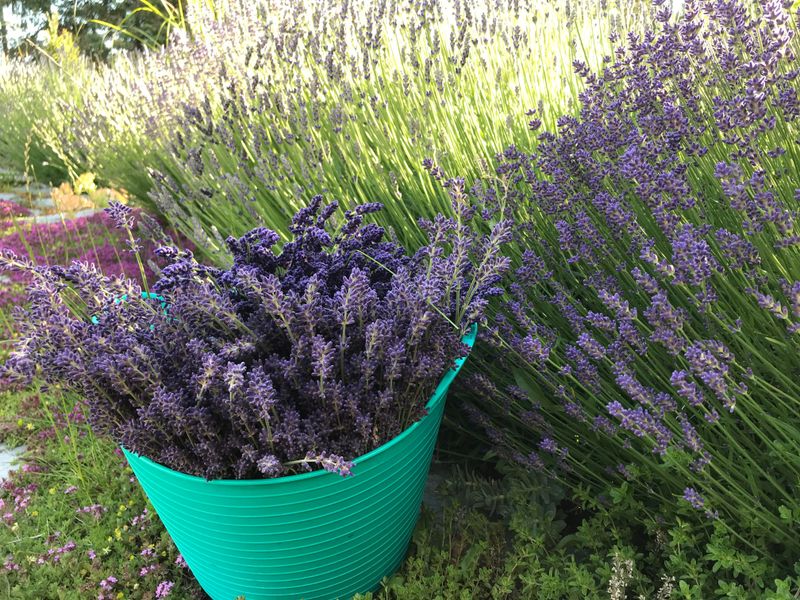
Soil drainage determines more about Arizona lavender success than any other single factor. Heat tolerance, variety selection, watering schedules, all of them matter less when roots are sitting in water after a monsoon storm.
Arizona native soil presents a specific challenge. Caliche, clay, and compacted hardpan all drain poorly. Water pools around roots rather than moving through.
Lavender roots in wet, oxygen-deprived conditions stop functioning. A week of poor drainage during monsoon season creates root damage that compounds quietly through the rest of summer without announcing itself clearly until the plant looks visibly stressed.
Coarse sand, decomposed granite, or pea gravel mixed into the planting area creates the fast-draining profile lavender evolved in. Target a blend that drains completely within an hour of watering.
Do you know how your current soil actually drains? A straightforward test answers that question. Dig a hole about twelve inches deep, fill it with water, and time how long it takes to disappear.
More than two hours means the drainage needs improvement before lavender goes in.
Raised beds remove the native soil problem entirely. A blend of one-third native soil, one-third coarse sand, and one-third decomposed granite gives lavender well-draining root environment it prefers. Slope the bed slightly to direct water away from the crown after heavy rain.
Good drainage is not one of several important factors for Arizona lavender. It is the prerequisite.
Get it right and lavender becomes significantly easier. Skip it and the plant spends all summer quietly wondering what went wrong.
2. Use Morning Sun With Light Shade
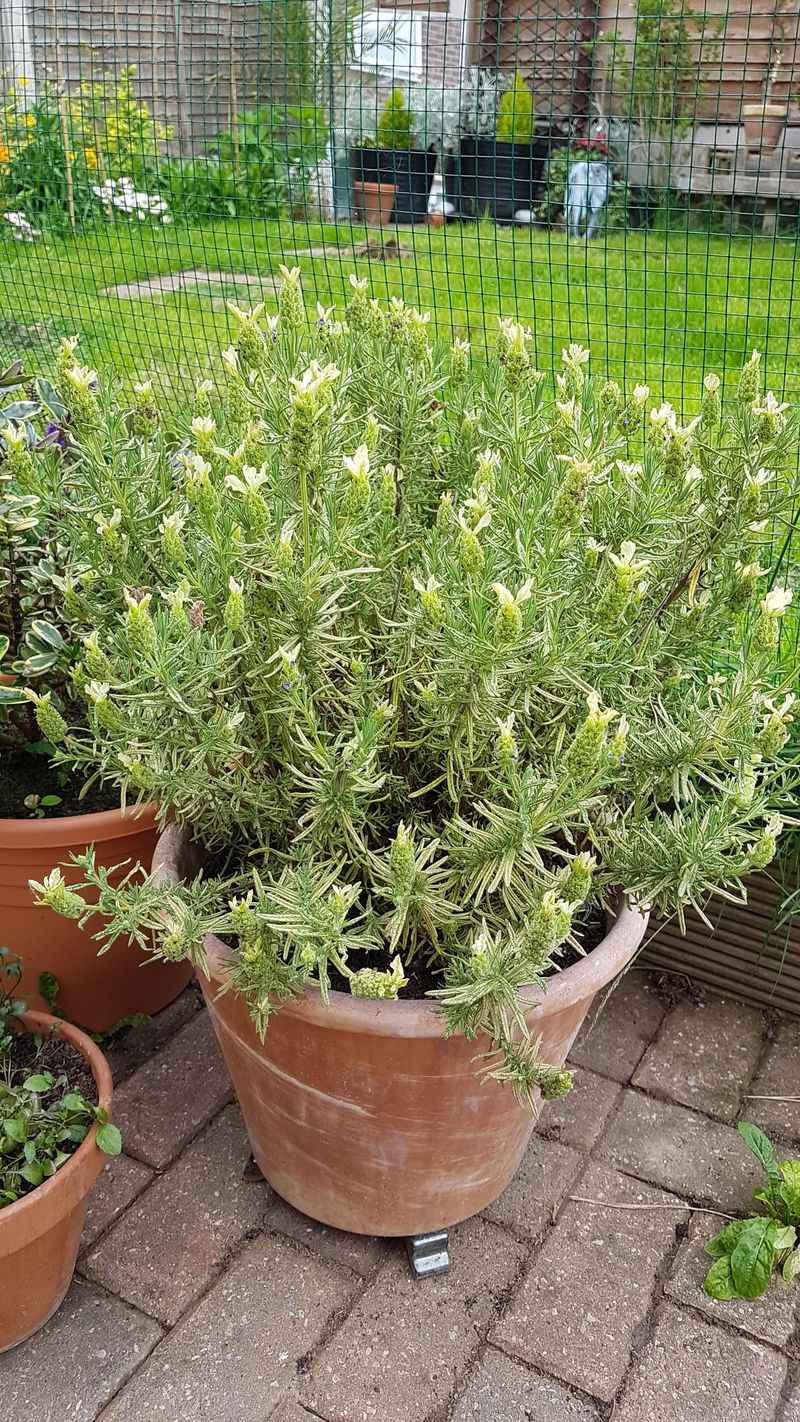
Standard lavender guides recommend full sun without qualification. In Arizona, that instruction needs context.
Full sun in Arizona between June and September includes afternoon exposure that routinely pushes past one hundred ten degrees Fahrenheit.
Direct western sun during those peak hours scorches lavender leaves, stresses the plant, and slows its recovery heading into fall. The plant needs sun, but not that specific sun during those specific hours.
The productive placement is a location with strong direct morning sun from roughly six in the morning through noon.
Your Arizona Garden Changes Every Week. Your Plan Should Too.
Gardening in Arizona changes quickly throughout the season. Every Friday you’ll receive a simple weekly plan showing exactly what to plant, prune, fertilize, harvest, and protect so you never miss the right timing.
After that, filtered shade from a nearby wall, tree, or shade cloth makes a measurable difference in how well the plant holds through summer.
Morning sun provides the energy lavender needs for growth and essential oil production. Afternoon protection prevents heat stress without making the plant leggy or weak.
Are you currently growing lavender on the west side of a block wall or building? That surface stores heat through the day and radiates it back through the evening, keeping soil temperatures too high for root recovery overnight.
It is one of the most common placement mistakes in Arizona lavender beds and one of the easiest to avoid at the outset.
Shade cloth rated at thirty to forty percent handles afternoon protection when natural shade is unavailable.
Mesquite trees, palo verde, and desert willows cast the light, dappled shade that many lavender growers across Tucson and Phoenix find genuinely useful. East-facing and southeast-facing positions tend to perform best across southern Arizona.
The sun is not the problem here. The four hours between two and six in the afternoon are.
3. Keep Air Moving Around Stems
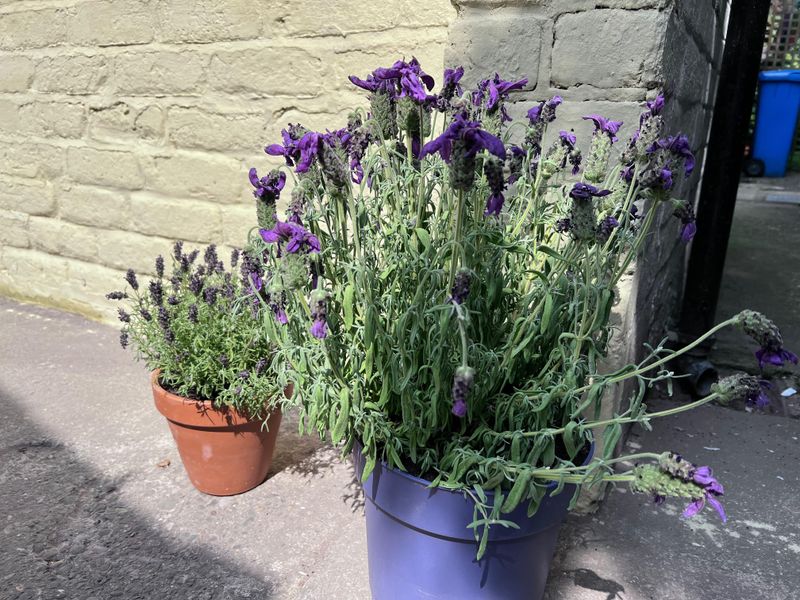
Lavender evolved on breezy Mediterranean hillsides. That origin shapes everything about where and how it should be placed in an Arizona garden.
The plant developed in open, exposed spots where humidity stays low and air moves consistently across the foliage.
Pack lavender plants too close together or position them against a fence, and the result is a still, humid pocket that invites fungal problems at exactly the moment the plant is already managing heat stress.
Monsoon season shifts humidity levels in Phoenix and Tucson dramatically. The air moves from below ten percent to above fifty percent within hours.
Dense, crowded plantings trap that moisture against stems and foliage. Fungal diseases like gray mold establish quickly under those conditions and spread faster than most gardeners expect before symptoms become visible.
Spacing plants at least twenty-four to thirty-six inches apart, depending on the variety, lets air move freely between stems and helps foliage dry quickly after rain or irrigation.
If you have lavender growing directly against a wall or fence right now, that placement blocks airflow on at least one side and creates the humid conditions that fungal problems require.
Thinning out crossing or crowded stems during spring pruning keeps the center of each plant open to air movement throughout the growing season.
The Mediterranean hillside did not have walls on three sides. There is a reason for that, and lavender has not forgotten it.
4. Water Deep But Not Often
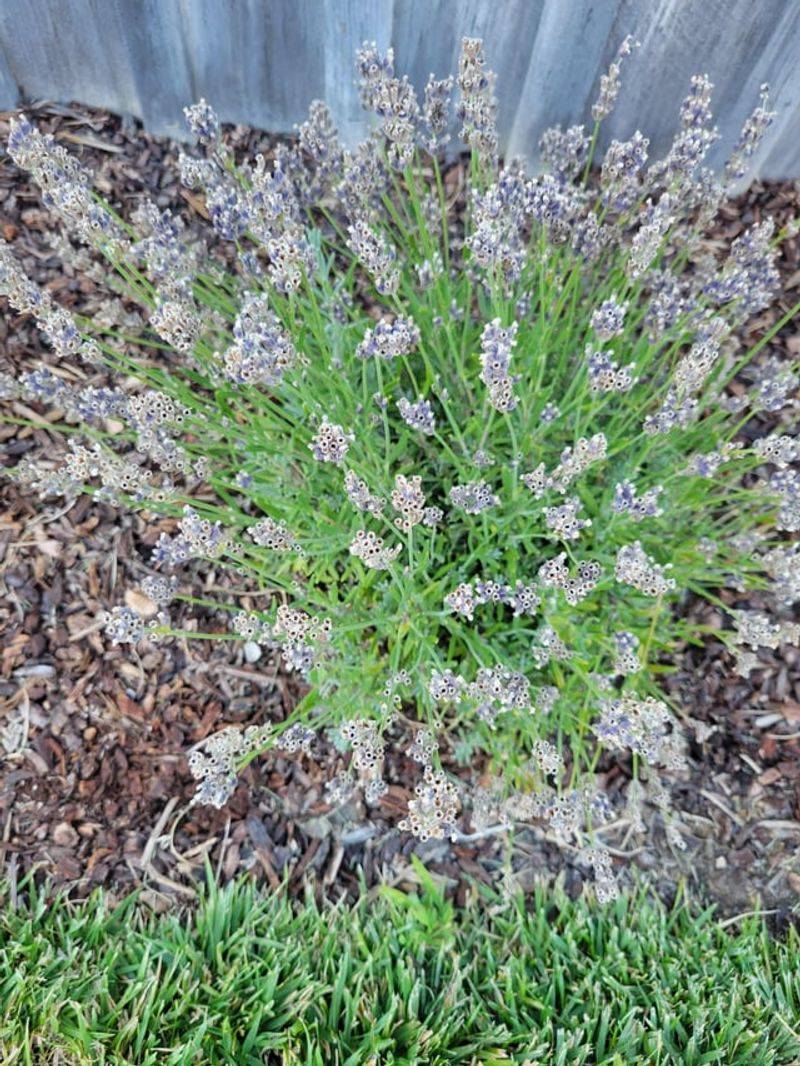
Lavender prefers a slightly dry existence. That preference is not incidental. It reflects how the plant functions, and watering against it creates the root problems that most Arizona lavender growers encounter without fully understanding the cause.
Frequent shallow watering keeps roots near the surface where Arizona soil heats to damaging temperatures during summer.
Deep, infrequent watering sends roots downward into cooler, more stable soil layers. That difference in root depth determines how the plant handles the hottest weeks of the season.
For established lavender in Arizona, watering every ten to fourteen days in summer is a reasonable starting point.
Slow irrigation through drip emitters delivers moisture directly to the root zone without wetting foliage. Wet foliage during hot, humid monsoon conditions creates fungal pressure that the plant does not need while managing heat simultaneously.
Allow the top two to three inches of soil to dry out completely before watering again. That drying interval is not neglect. It is the condition the plant prefers.
Newly planted lavender needs more attention during its first summer, roughly every five to seven days until roots establish. After that initial season, the plant becomes considerably more self-sufficient.
During active monsoon periods, check soil moisture before running the irrigation system. Rainfall may have already done the job.
Overwatering lavender in the desert Southwest causes more problems than underwatering, and it does so without producing obvious symptoms until damage is already significant.
The plant wants to be slightly thirsty. Respect that and it stops struggling with Arizona summer entirely.
5. Keep Mulch Thin And Loose
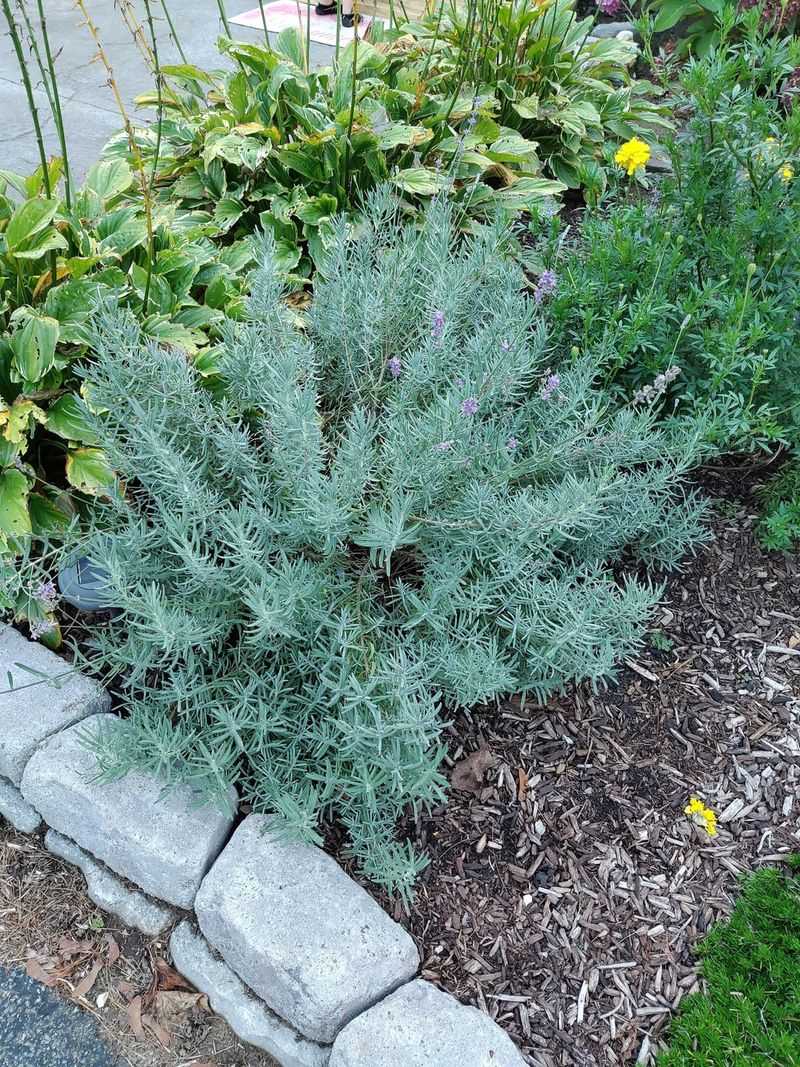
Mulch improves most garden situations. Lavender has a specific opinion about it that differs from the general rule. Too much mulch piled near the crown holds moisture directly where lavender is most vulnerable.
The base of the stems at soil level is the weakest point during wet periods, and keeping that zone dry and open matters more than any temperature benefit a thick mulch layer provides.
Decomposed granite and small pea gravel suit Arizona lavender beds well. They allow water to pass through quickly without retaining it against stems. They reflect some heat. They do not break down into organic matter that raises soil fertility, which lavender does not need.
Organic mulches like wood chips or bark can be used but require careful management. Keep them to one inch or less and pull them back a few inches from the crown at all times.
Are you currently using a standard three to four inch organic mulch layer around lavender? That depth suits many garden plants but creates the damp, stagnant crown conditions that lavender handles poorly.
A two-inch layer of decomposed granite around the base of each plant, kept clear of the stems, addresses temperature and moisture simultaneously without the risks that come with thicker organic coverage.
Refresh the layer each spring before temperatures climb.
Lavender wants a breathable surface. The gravel costs about ten dollars per plant, requires no ongoing management, and delivers exactly what the plant asked for.
6. Prune Lightly After Spring Bloom
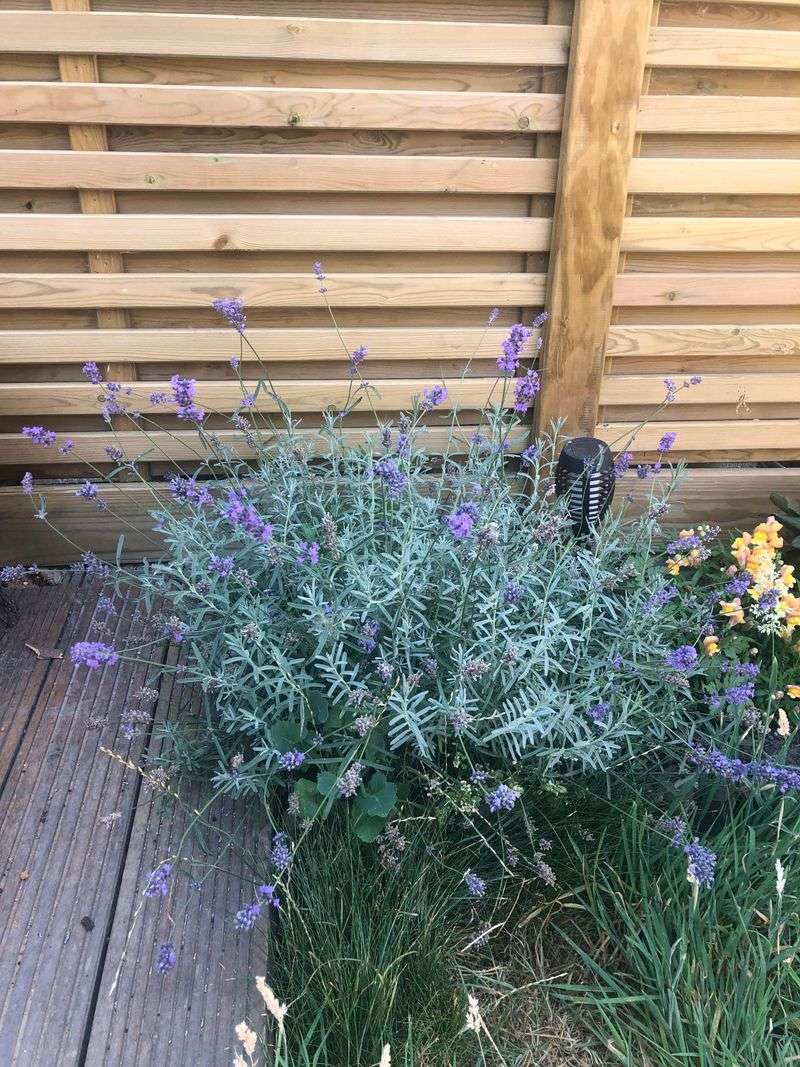
Spring is when Arizona lavender earns its reputation. Late February through April brings the blooms that justify the whole growing project.
Once those flowers fade, a light trim accomplishes more for the plant’s summer health than almost any other intervention available.
The word light is carrying considerable weight in that sentence.
Cut back about one-third of the stem length, removing spent flower stalks and any leggy growth. Never cut into the woody, brown base of the stems.
Lavender does not regenerate from old wood. A cut too deep into that woody base removes the green growth the plant needs to recover, leaving bare stems that cannot push new growth before summer heat arrives.
That specific mistake is one of the most common reasons Arizona lavender beds need replacing. The plant does not fail from the heat. It fails because a well-intentioned pruning session went too far in April.
Avoid heavy pruning through July and August. The plant is managing heat stress and has limited energy available for recovery during the hottest weeks.
Individual damaged stems can come out at any point. The major shaping work stays scheduled for after spring bloom and lightly again in early fall.
Clean, sharp shears make cleaner cuts that heal faster and reduce disease entry points on every stem you work through.
A well-timed light trim once or twice a year keeps lavender full and structured without adding stress during the weeks when the Arizona climate is already providing plenty.
The lavender is not asking for much. Just do not get enthusiastic with the shears in July.
7. Avoid Rich Soil And Heavy Feeding
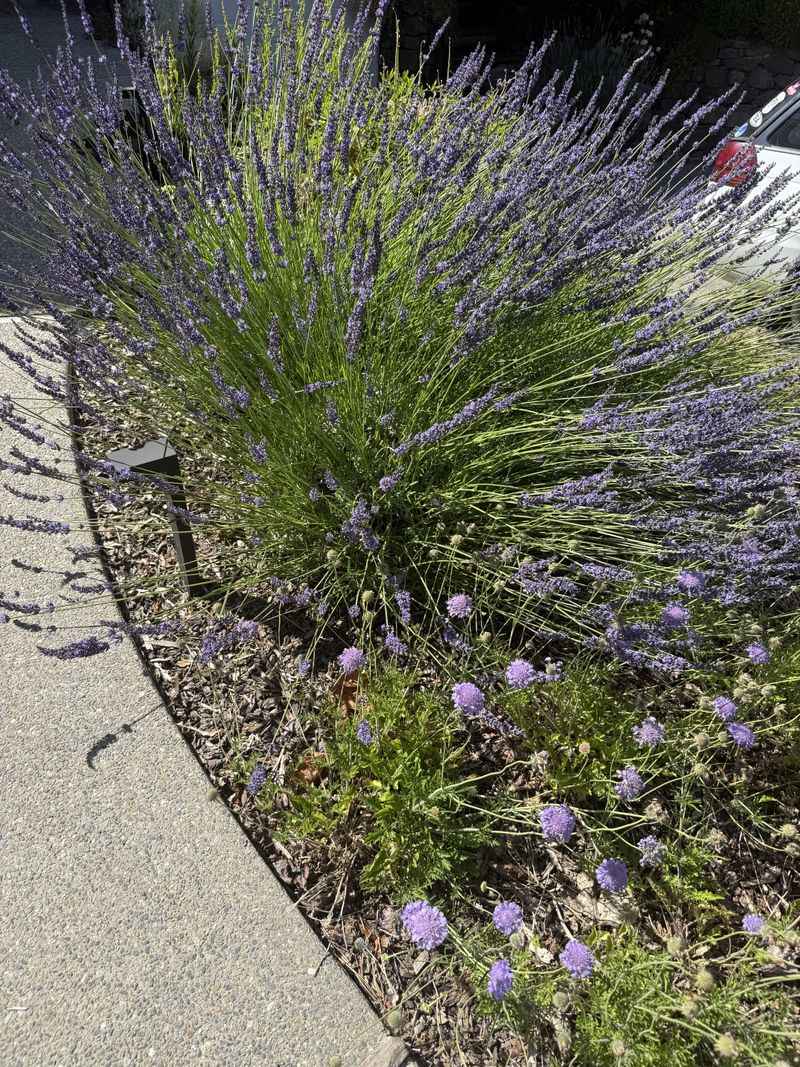
Lavender originated in poor, rocky, lean soil along Mediterranean coastlines. That origin is not trivia. It shapes everything about how the plant responds to the environment you provide.
Rich, heavily amended soil loaded with compost and fertilizer produces soft, lush growth. That soft growth struggles most in Arizona summer heat.
It is more susceptible to fungal problems, more sensitive to temperature swings, and less structurally resilient than the compact growth that lean soil naturally produces.
The essential oils that give lavender its fragrance concentrate more in plants grown in lower-fertility conditions.
Skipping fertilizer is not neglect. It is the condition that produces the most fragrant, most aromatic results. Highly amended beds that feel productive for vegetables are working against lavender rather than supporting it.
For established lavender, skip the regular fertilizer schedule entirely. A single light application of low-nitrogen, slow-release fertilizer in early spring is the maximum that benefits the plant without pushing growth in the wrong direction.
High-nitrogen products encourage leafy green growth at the expense of bloom production and oil concentration. That trade is the opposite of what lavender is worth growing for.
Compost worked into the soil at planting time in small amounts is appropriate. Annual top-dressing with compost for established lavender beds is not recommended.
Lean soil, fragrant plant. That relationship is not coincidental, and the lavender has developed strong opinions about gardeners who refuse to respect it.