Where Do California Native Bees Go In Winter And How To Help Them
Some of the bees in your garden right now are sleeping inside the hollow stems you were planning to cut down. Others are tucked into small tunnels under your lawn, waiting out the cold in tiny earthen rooms.
California has more than 1,600 kinds of native bees. Most of them live alone, with no hive and no honey stash to keep them cozy. I find that both humbling and a little amazing.
They still make it through winter, mostly by staying very still in very secret places. Many spend the season as young bees developing inside sealed cells. A few tough species even fly on mild winter afternoons.
Personally, I used to rake, trim, and tidy every fall without a second thought. Then I learned what was hiding in all that mess. Would you look at your yard the same way?
A Hidden Winter World Is Resting Under Your Garden Soil
Quiet gardens in winter are not as empty as they look. Most native bees do not migrate south or huddle in a warm hive. Instead, they go dormant right where they were born.
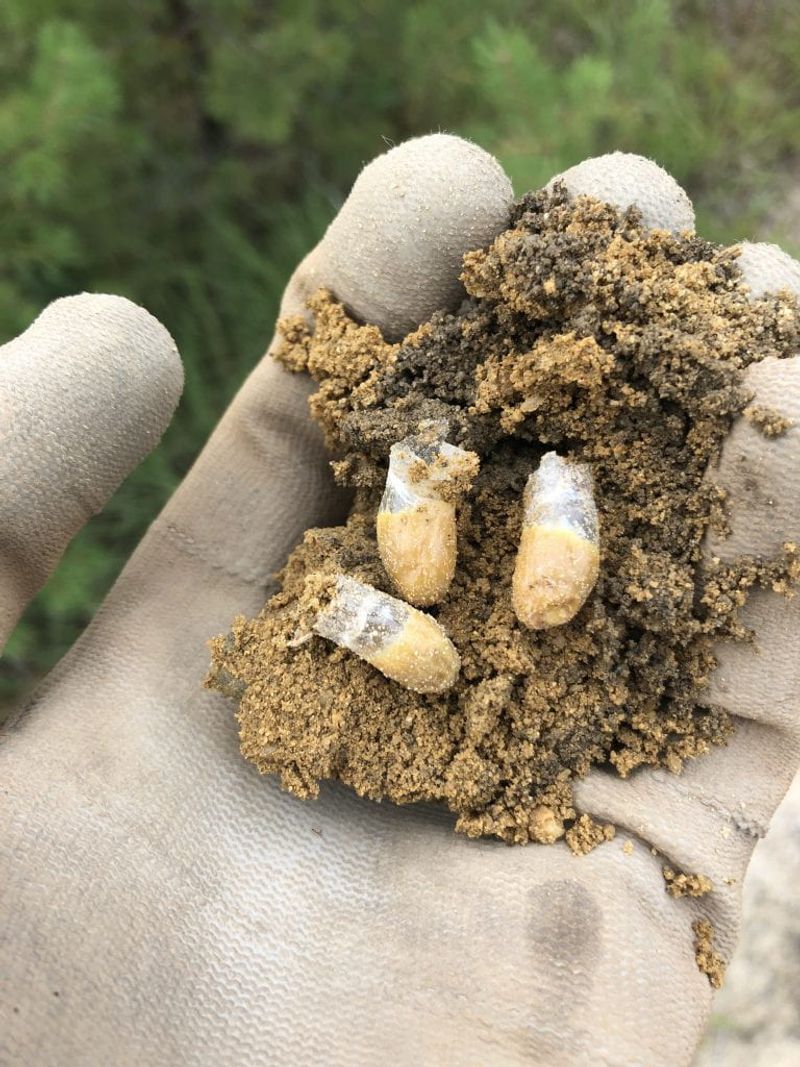
For many species, winter is not just a rest stop. The mother bee built a nest months ago, stocked each cell with pollen and nectar, laid an egg, and then her short adult life ended. Her offspring grow from larva to pupa to adult inside that sealed room, often staying put until spring warmth tells them it is time to chew their way out.
Biologists call this resting state diapause. Development slows way down, and the bee waits for the right signals of temperature and daylight. Some species even stay in diapause for more than one year if conditions are poor, which is a clever backup plan in dry years.
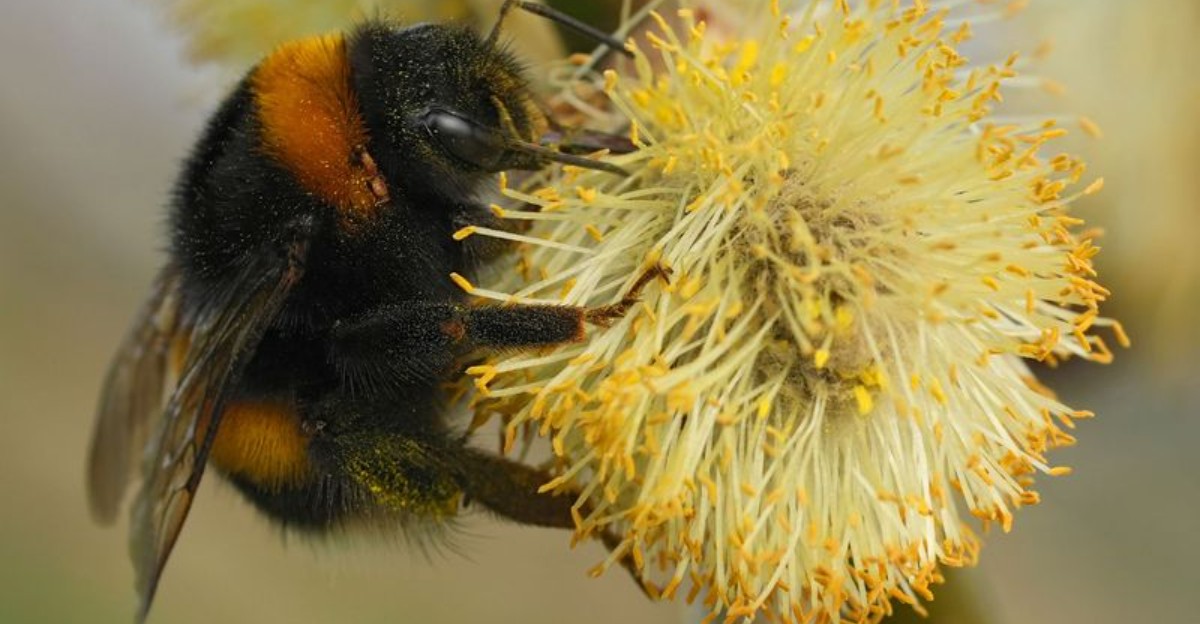
Bumble bees work a bit differently. Only new queens survive the season, and each one rests alone in a small hollow in soil or leaf litter. The rest of her colony fades out in fall.
So the real answer is simple. Your bees are probably still in your yard, just hidden in soil, stems, and wood.
Roughly 70 Percent Of These Bees Spend Winter In Ground Nests
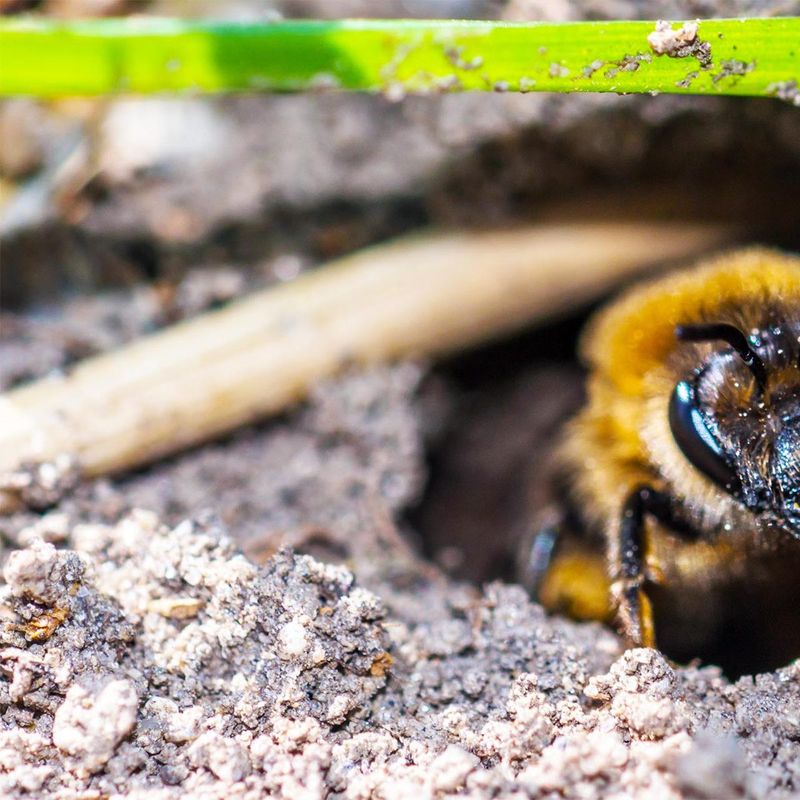
Ever noticed tiny holes with little soil piles in a bare patch of yard? You may have spotted a bee nursery. About 70 percent of native bee species nest in the ground, according to UC researchers and the Xerces Society.
Female mining bees, sweat bees, and digger bees dig narrow tunnels into the dirt. Side branches lead to small chambers, each one holding a pollen ball and an egg. Many bees line these rooms with a waterproof coating they make themselves, which keeps moisture and mold away during rainy months.
The young develop safely below the surface, where temperatures stay steadier than the air above. In spring or later in the year, depending on the species, new adults dig upward and pop out into the sunshine.
Ground nesters love bare, well-drained soil that gets plenty of sun. South-facing slopes and sandy or loamy patches are favorites. Thick mulch, weed fabric, and constant tilling make it hard for them to reach the soil.
Fun fact: some ground-nesting bees build nests close together in big groups. A busy patch can look alarming, yet these bees are rarely aggressive and seldom sting people.
Hollow Stems And Old Wood Make Cozy Bee Bedrooms
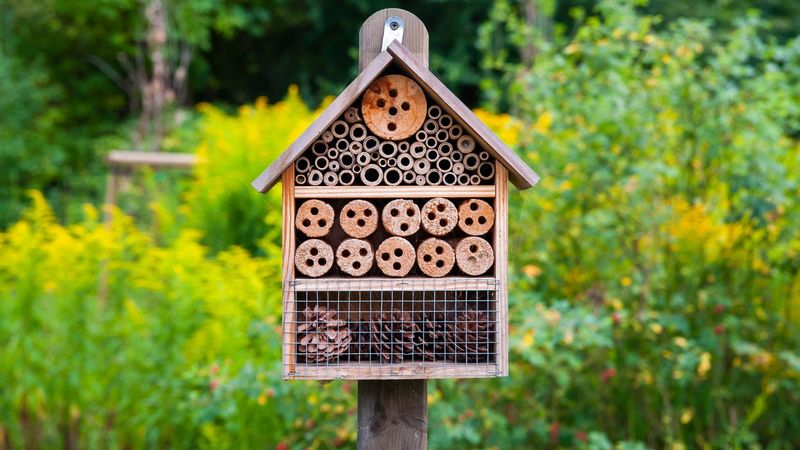
Snap open a dry elderberry or sunflower stalk in winter and you might find a surprise tenant. The other 30 percent or so of native bees nest in cavities like hollow stems, pithy twigs, and old beetle tunnels in wood.
Mason bees and leafcutter bees are classic examples. A mother mason bee builds a row of cells inside a tube and walls them off with mud. Leafcutters use neat circles of leaves instead, almost like tiny rolled sleeping bags. Their young stay sealed inside until it is time to emerge.
Small carpenter bees in the genus Ceratina have a different trick. They often spend winter as adults, resting inside pithy stems they chewed out themselves. On a warm day you might even see one peek out.
Large carpenter bees, the shiny black ones, carve tunnels into soft, weathered wood. They can overwinter as adults in those galleries too.
All of this means old stalks, snags, and branches are not just garden leftovers. They are housing. Before you toss that pile of brush into the green bin, take a closer look at the ends for small plugged holes.
Hold Off On That Big Fall Cleanup Around Spent Perennials
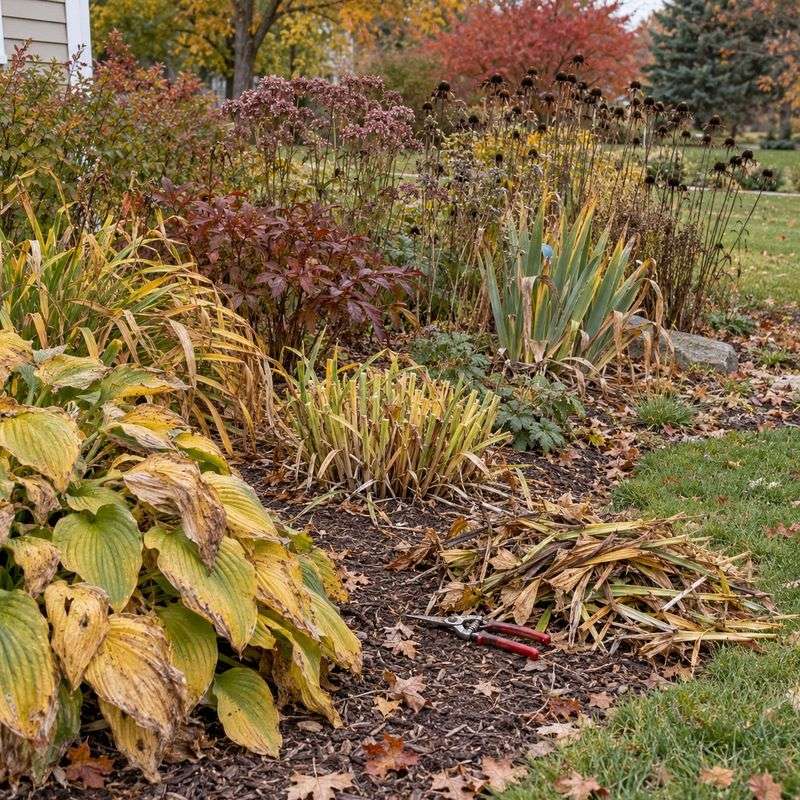
Honestly, being a slightly lazy gardener in fall is one of the kindest things you can do for bees. Cutting everything to the ground removes winter homes along with the clutter.
Leave hollow and pithy stems standing through winter. Good choices include elderberry, blackberry relatives, sunflowers, and other plants with soft centers. If you prefer a neater look, cut stems to different heights between about 8 and 24 inches. Bees can move into the open ends next season.
Wait until late spring to do any major trimming of old growth. By then, many overwintering bees have already left their stems. If you must move stalks sooner, lay them gently in a quiet corner instead of tossing them.
Leaf litter matters too. Bumble bee queens and many other insects rest under loose leaves near the ground. A light layer under shrubs is perfect.
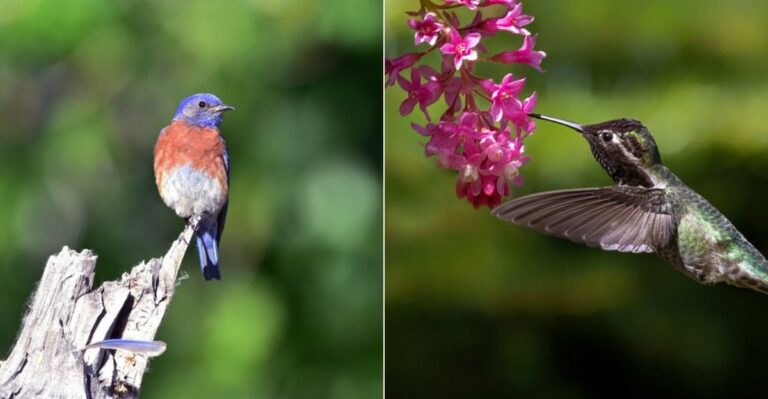
I like to think of it as a winter blanket for the yard. You still get a tidy front path, while the back beds stay a bit wild. Neighbors may raise an eyebrow, but the hummingbirds and spring bees will thank you.
Bare Sunny Soil Patches Are Prime Real Estate For Mining Bees
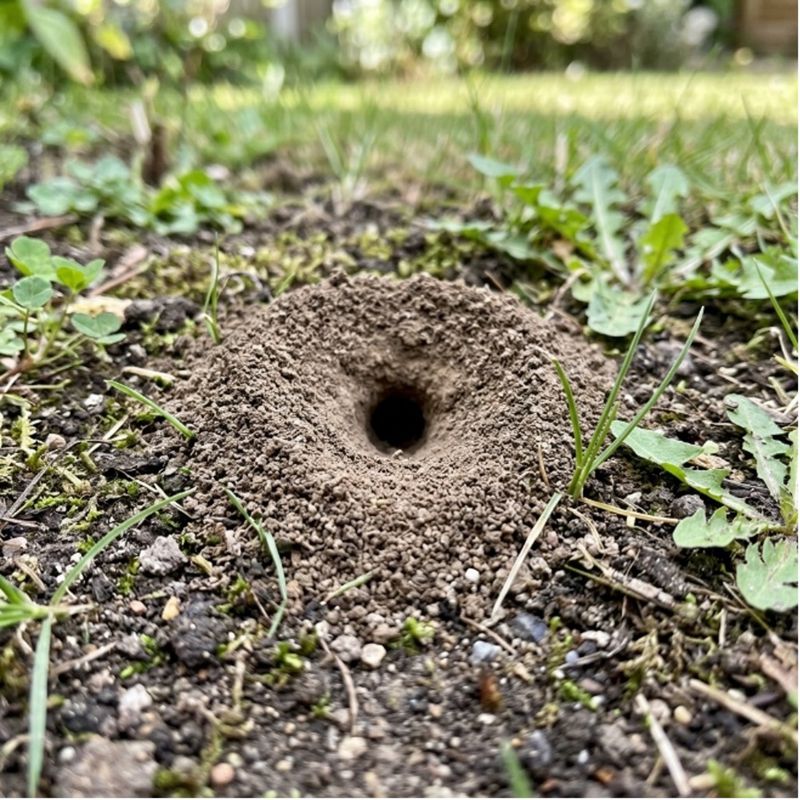
Gardeners are taught to cover every inch of soil with mulch. Ground-nesting bees would politely disagree. They need open dirt to dig into, and most yards offer very little.
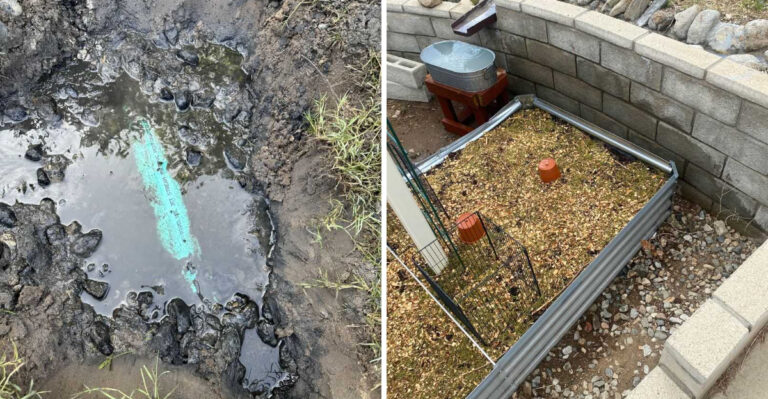
Pick a sunny, well-drained spot, ideally facing south. Clear a patch of at least four to six square feet and leave it free of mulch, gravel, and weed fabric. A gentle slope or the edge of a bed works nicely.
After that, the main job is to leave it alone. Avoid tilling, digging, or heavy foot traffic there, especially from late winter through summer. Even a quick pass with a shovel can wreck nest tunnels below.
Watering matters too. Soggy soil can lead to moldy brood cells, so skip overhead sprinklers on the bee patch if you can.
Do not worry if it looks plain at first. In spring you may notice tiny holes with soil crumbs around them, a sure sign that someone moved in. Kids love watching bees zip in and out of these spots, and it makes a great backyard science lesson. A small bare patch is easily the cheapest bee hotel you will ever build.
Manzanita Blooms Feed The Early Bumble Bee Queens
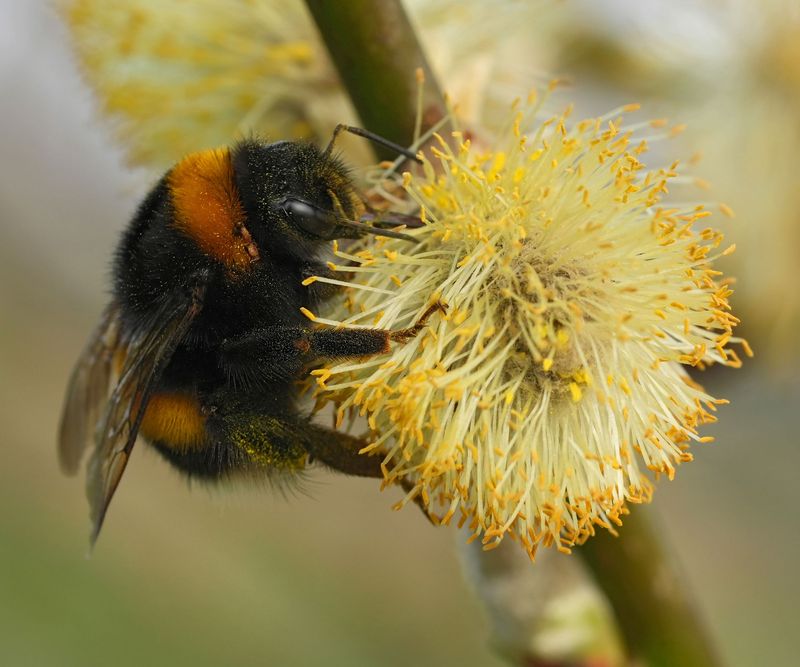
Late winter in much of California brings a lovely sight. Tiny pink and white bells cover manzanita shrubs, and fuzzy bumble bee queens come buzzing to them on mild days.
Thanks to the state’s gentle winters, some native bees wake up early, especially along the coast and in lower valleys. These early risers need nectar and pollen right away. A garden with winter and early spring blooms can make a real difference.
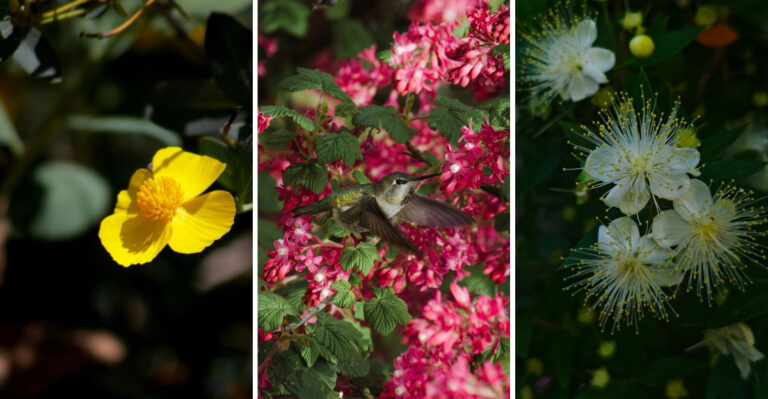
Native standouts include manzanita, early ceanothus, currants and gooseberries, and western redbud. Willows also offer valuable early pollen. Native plants tend to support far more native bee species than exotic ornamentals.
Plant flowers in clumps of at least a square yard. Bees forage more efficiently when they can visit many blooms of one kind in a single spot. Aim for something in flower from late winter through fall, so each bee generation finds food.
Fall and winter rains make this the ideal planting season in much of California. Young shrubs settle in while the soil is moist and cool. Check with a local native plant nursery or your regional chapter of the California Native Plant Society for species that suit your area.