Why Cedar Waxwings Are Stopping In California Yards Before Winter
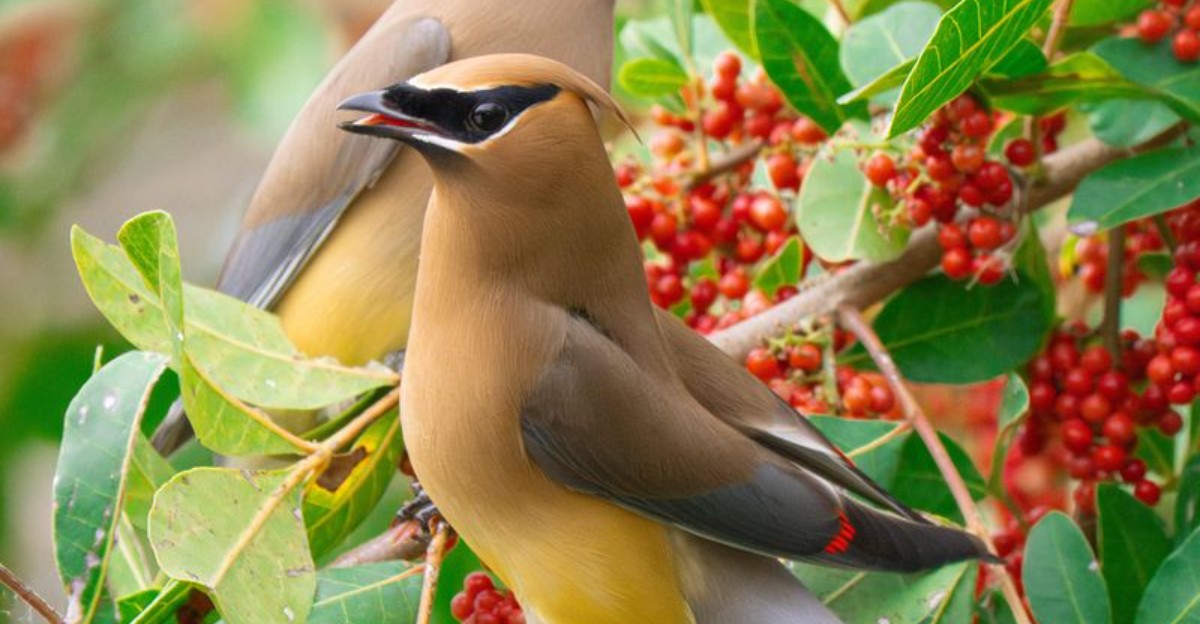
A toyon shrub covered in bright red berries can sit quiet all morning without a single visitor stopping by.
By lunchtime, a flock of sleek, masked birds with silky tan feathers might be swarming every branch, gulping fruit as fast as their bodies can process it.
These are cedar waxwings, and they were nowhere in sight the week before.
Their surprise visits follow food, not the calendar, which makes them one of the harder birds to predict and one of the more rewarding ones to catch when the timing lines up.
Here’s what actually drives where these flocks show up, and how a yard can improve its odds of hosting one this winter.
They Travel In Loose Nomadic Flocks
A bird that never bothers to claim a backyard as its own stands out among most California songbirds. Robins, mockingbirds, and many other species pick a patch of ground, sing loudly to defend it, and chase away rivals without hesitation.
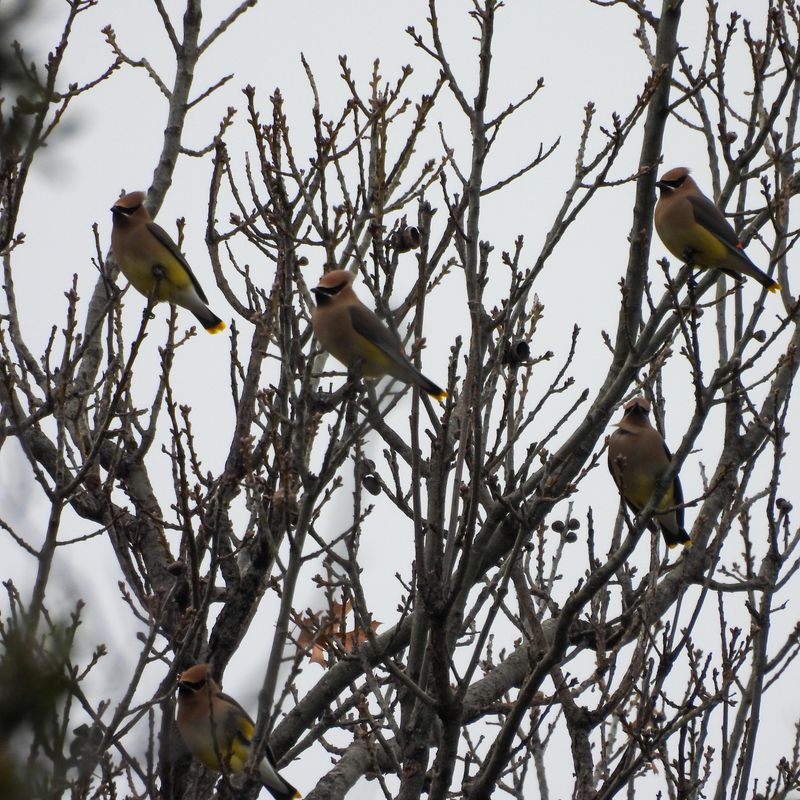
Cedar waxwings skip all that drama entirely. According to the Cornell Lab of Ornithology, cedar waxwings are very social birds that travel in flocks for most of the year.
Outside of nesting season, they aren’t territorial at all, and a group wanders across the countryside together instead of guarding a single spot.
Scientists often describe them as nomadic, meaning they move around without a fixed home base. That makes them unusual among songbirds in North America, where many species follow the same route and arrive at nearly the same place each year.
Waxwings roam wherever the eating looks good instead. Flocking also helps them stay safe from predators overhead.
With many eyes watching, a hawk has a harder time sneaking up on the group unnoticed. The whole flock can lift off at once, swirl through the air, and land together in a new tree a few seconds later.
Even their voices fit this group lifestyle well. Waxwings don’t sing a long song like a finch, instead giving thin, high, buzzy whistles that sound almost like a squeaky hinge.
Those calls help the flock stay connected as it drifts along, so when waxwings show up, a yard is never hosting just one guest.
Berry Crops Not Dates Drive Their Path
Circling a date on the calendar won’t help predict when cedar waxwings arrive. Looking at the fruit instead tells a far more useful story about their timing.
The Cornell Lab of Ornithology explains that cedar waxwings eat a lot of fruit, especially in fall and winter. Because of that sweet diet, their movements follow ripening berry crops rather than a strict migration schedule.
Some birds do head south for the colder months, but exactly where and when they settle depends heavily on what food is available along the way.
A family on a road trip that only stops where the best restaurants are open follows a similar logic. When berries ripen in one valley, flocks may pour in suddenly.
When those berries run out, the birds move on to the next good spot, even if that means a totally different direction than expected.
Your California Garden Changes Every Week. Your Plan Should Too.
Gardening in California changes quickly throughout the season. Every Friday you’ll receive a simple weekly plan showing exactly what to plant, prune, fertilize, harvest, and protect so you never miss the right timing.
In California, many waxwings appear from late fall through winter and into spring. That broad window is about as specific as anyone can honestly get with this species.
One year they may show up in October, and another year they might not reach a given neighborhood until February. Keeping an eye on berry bushes around a home and local parks works better than waiting for a certain week on the calendar.
When the fruit turns ripe and colorful, that’s the signal to start listening for those high, wheezy whistles overhead.
Toyon And Pyracantha Are Big Draws
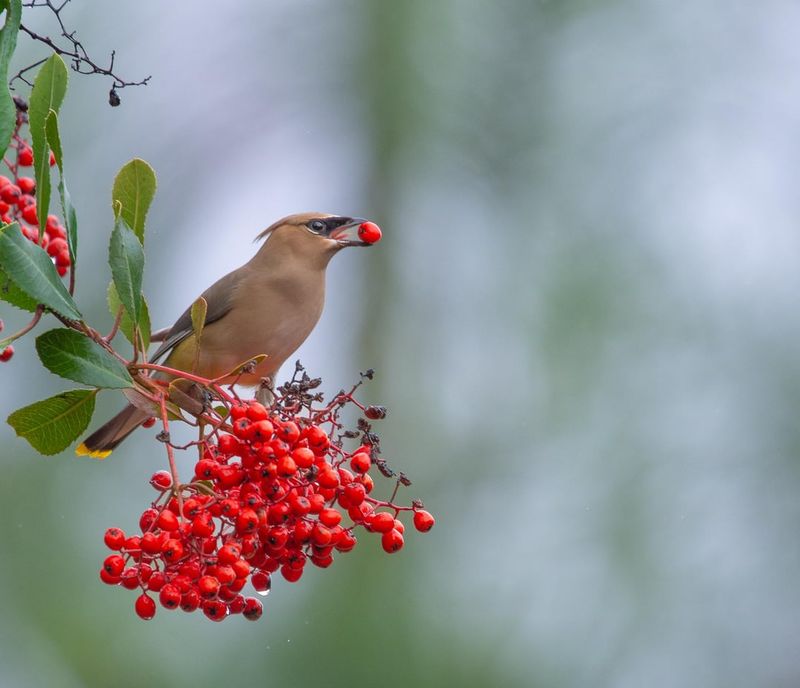
Almost any California neighborhood in late fall shows bushes glowing with red and orange berries scattered along fences and property lines. To a hungry waxwing, that view looks like a giant buffet sign from above.
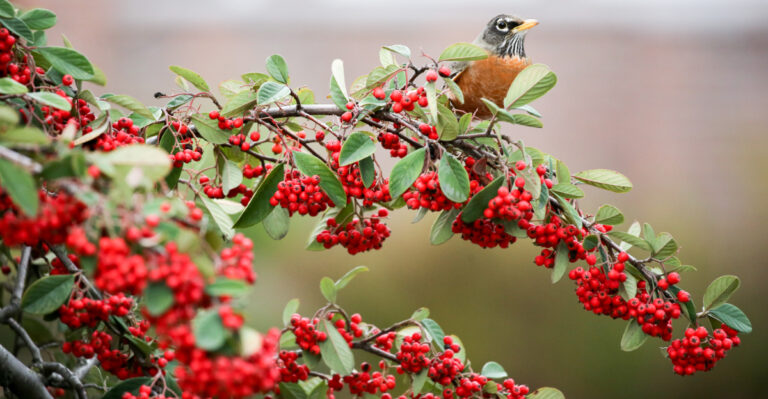
Toyon is one of the stars of this display. This native shrub, sometimes called California holly or Christmasberry, grows across much of the state and produces heavy clusters of bright red berries in late fall and winter.
Waxwings, robins, and other fruit lovers flock to it once the berries soften and ripen fully.
Pyracantha, also called firethorn, is another big magnet for these flocks. It isn’t native, but it’s planted in lots of yards and along fences for its thorny branches and bold berries.
When a flock finds a loaded pyracantha hedge, the feeding can get remarkably busy within minutes.
Other plants that may attract waxwings include juniper berries, native elderberry, coffeeberry, fruiting ornamental trees like crabapple and some hawthorns, and mistletoe berries growing high in older trees.
Planting native toyon is a smart choice for anyone hoping to invite waxwings into a yard specifically. It needs little water once established, supports many local birds and insects, and fits California’s dry summers well.
Placing it where it’s visible from a window makes it easier to catch the action. Worth knowing: waxwings sometimes eat overripe, fermented berries and can act a little clumsy afterward, so keeping large berry shrubs away from big windows helps prevent collisions.
Flocks Can Strip A Tree In Hours
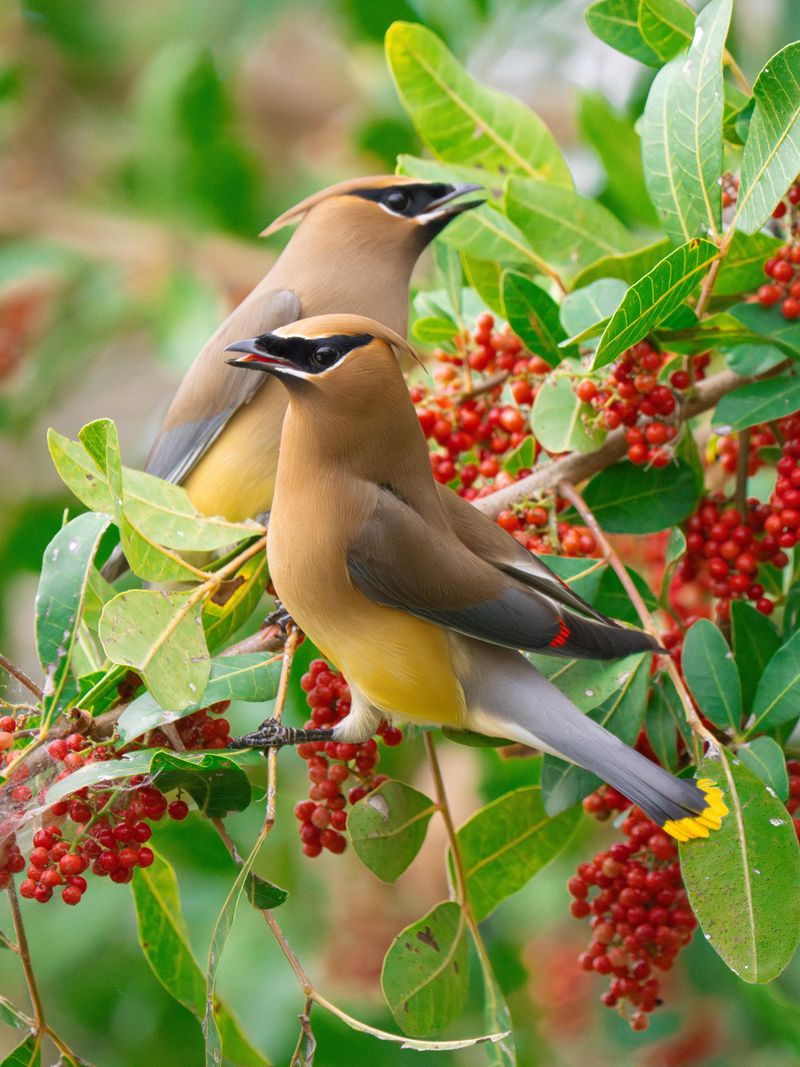
A berry bush can look fully loaded in the morning and nearly bare by afternoon once a large waxwing flock finds it. That’s not an exaggeration when the numbers involved are big enough.
Waxwings are fruit specialists, and they eat a surprising amount relative to their size. The Cornell Lab notes they can survive for months mostly on fruit alone.
Since berries are low in protein and pass through quickly, each bird has to eat many of them just to keep going through the day.
Multiplying that by fifty, a hundred, or even more birds explains how fast a shrub empties out. A single toyon or pyracantha that looked loaded in the morning can be picked nearly clean in a few hours, while a large tree may last a day or two at most.
Exact times vary considerably based on flock size and berry count, so these are rough examples rather than fixed rules.
Watching them feed makes for a genuine show. Some birds perch and pluck steadily, while others hover like tiny helicopters to reach fruit at the tips of branches.
Waxwings have even been observed passing a berry from bird to bird down a row, a behavior that surprises a lot of people watching for the first time.
Enjoying the colors early in the season, and expecting the birds may take everything once they find a shrub, helps set the right expectations. Many people decide the bird show is well worth the empty branches left behind afterward.
Sightings Shift Year To Year With Food
A yard full of waxwings one winter can sit completely empty the next, with nothing obviously different about the setup. That inconsistency rarely signals a real problem worth worrying about.
Because cedar waxwings follow fruit, their sightings can change considerably from one year to the next. Berry crops rise and fall with rain, heat, drought, and the natural cycles of the plants themselves.
A wet winter may lead to a great fruit year in one region, while a hot, dry stretch can leave shrubs with only a thin crop elsewhere.
Birds respond directly to those shifting conditions. In a year when berries are plentiful farther north or inland, fewer waxwings may push into coastal Southern California at all.
In a year when northern crops run poor, more flocks may wander south looking for food instead.
Bird counters sometimes describe these shifting patterns as irruptive or irregular, meaning the numbers jump around instead of staying steady year after year. That uncertainty is exactly what makes a visit exciting when it happens.
Planting fruiting natives, keeping a clean birdbath, and skipping pesticides all make a yard more welcoming regardless of the unpredictable timing.
Programs like eBird, run by the Cornell Lab of Ornithology, let anyone report bird sightings and contribute to a larger picture. Keeping a simple bird journal over several years might reveal surprising patterns specific to a particular neighborhood.
They Rarely Stay Long In One Yard
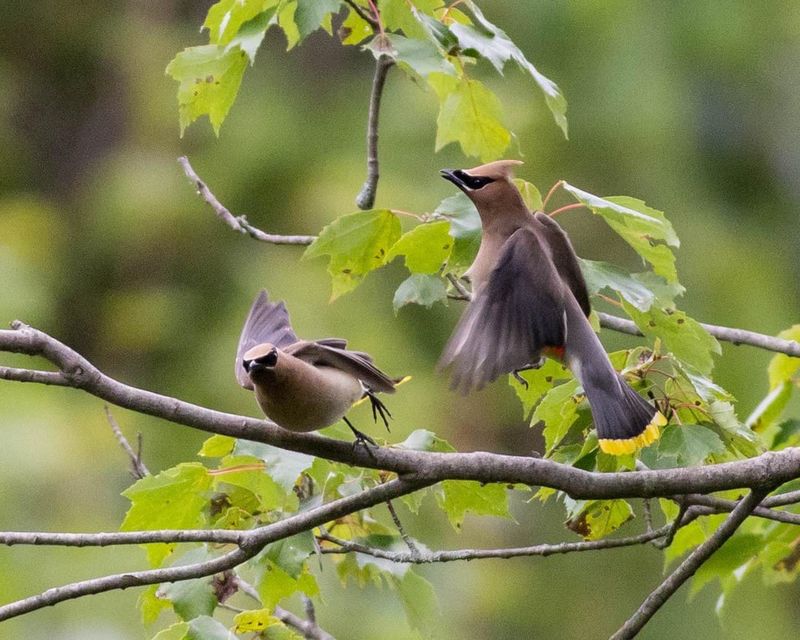
Guests who show up without warning and leave without saying goodbye describe a waxwing flock about as well as anything could. Most visits to a single yard run short by nature.
A flock might stay for a few minutes, a few hours, or maybe a few days if the berry supply happens to be large. Once the fruit runs out, there’s little reason for them to hang around, since they aren’t tied to a territory or a nest during the cooler months.
Sometimes a flock pops in and out over several days, especially in a neighborhood with many fruiting trees scattered around. The birds may feed in one yard, rest in a tall tree down the street, then come back later in the day.
It can look like they left and returned, but really they’re just circling their current food zone nearby.
Nothing about a quick departure suggests a mistake was made somewhere in the yard. They simply finished the meal and followed the next berry lead elsewhere.
Checking fruiting shrubs in the early morning, when feeding is often busiest, improves the odds of catching them. Listening for thin, high whistles coming from treetops helps too, along with keeping binoculars near a window for a quick look.
Tall trees nearby can also help extend a visit somewhat. Waxwings like to perch high between feeding runs, so a sycamore or oak close to berry bushes may keep them around a little longer than they otherwise would stay.
Enjoy Them While The Berries Last
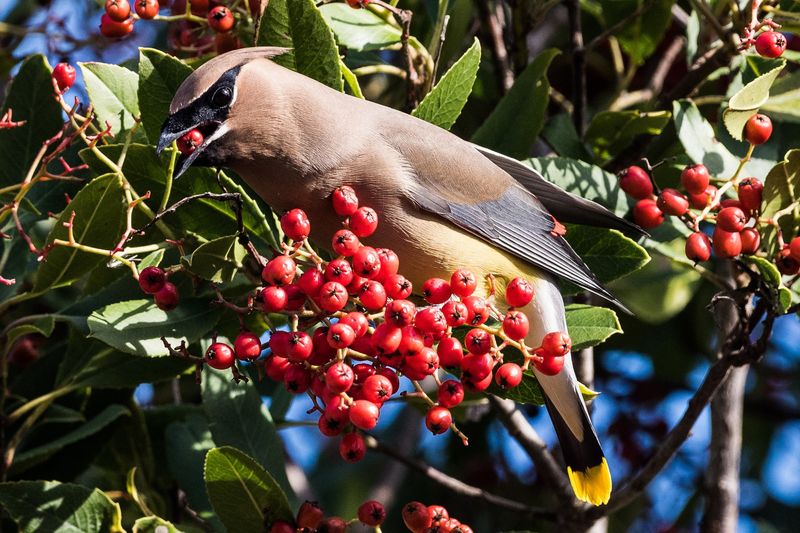
Some of the best moments in nature can’t be planned in advance, and a waxwing visit fits that description perfectly. Taking a closer look while they’re present rewards a bit of patience.
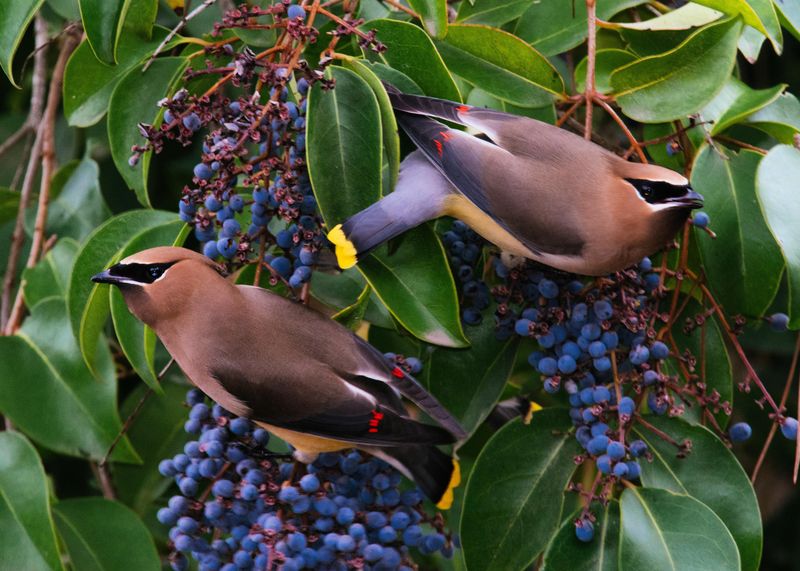
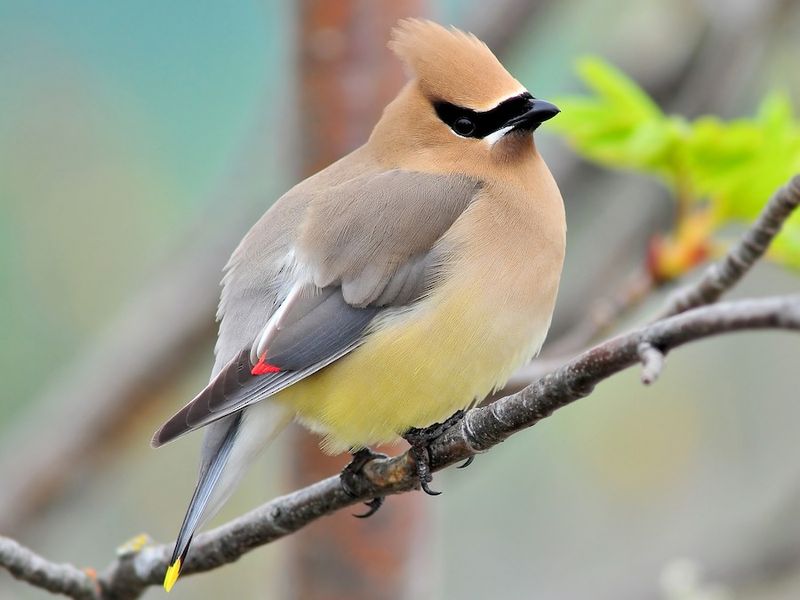
Notice the smooth, buttery feathers, the black mask that looks like a tiny bandit disguise, and the soft crest on top of the head. Checking the tail for its bright yellow tip, and looking for the waxy red spots on the wings that gave the bird its name, rounds out the details worth spotting.
Sitting quietly near a window with a notebook works well for anyone who wants to remember the visit later. Writing down the date, the plant they’re eating, and roughly how many birds appeared builds a useful record over time.
Kids and adults alike can sketch them, count them, or simply watch how they share branches without much fighting between individuals.
A stop in any particular yard is a small part of a much longer, wandering journey for these birds. A toyon or pyracantha might be just one meal on a trip that takes them across many towns before spring arrives.
That makes a single yard part of a much bigger story playing out across the whole region.
When the berries are gone and the flock flies off, there’s no need to feel disappointed. Planting another fruiting native, keeping the birdbath full, and staying curious sets up better odds for a return visit down the line.