Why North Carolina Gardeners Must Submit Soil Samples Before December Hits
A little cardboard box of dirt can save you real money this fall. Once the calendar flips to December 1, the state soil lab starts charging a peak-season fee for every sample.
Here’s something worth knowing about North Carolina gardeners. Many of us guess at fertilizer every spring, and plenty of yards already hold more phosphorus than plants can use.
That guesswork costs cash and can wash into nearby creeks.
I find it fascinating that one scoop of soil can reveal so much.
A lab report tells you how sour or sweet your ground is, which nutrients are missing, and exactly how much lime to spread. Your plants simply can’t tell you all that on their own.
The calendar matters here more than most folks realize. Timing your sample right could mean faster answers, lower costs, and a much happier garden come spring.
So how close is that deadline right now?
1. That Little Soil Sample Box Has a Deadline Attached
Mark your calendar with a big red circle. The state soil testing lab, run by the N.C.
Department of Agriculture and Consumer Services, offers free testing for most of the year.
Department of Agriculture and Consumer Services, offers free testing for most of the year. That generous deal changes on December 1.
From December through March 31, each sample comes with a $5 peak-season fee. That might not sound like much at first.
Still, if you test a lawn, a vegetable plot, a flower bed, and a shrub border, the bill can add up fast.
Here’s the catch many people miss. Your sample must physically arrive at the Raleigh lab by 5 p.m. on November 30 to qualify for free processing.
A postmark from that day does not count.
That means you should mail or drop off your boxes well ahead of time. Giving yourself a week or two of cushion is a smart move, especially around the Thanksgiving holiday when mail can slow down.
Some county Cooperative Extension offices collect samples and send them to Raleigh in batches. Call your local office to ask about their last pickup date, since it may come earlier than the official deadline.
The way I see it, free is the best price for helpful information. Beating the December rush keeps a few dollars in your pocket for seeds, mulch, or that new perennial you have been eyeing at the garden center.
2. The Raleigh Soil Lab Gets Buried in Boxes Every Winter
Winter is crunch time for soil scientists. Farmers across the state send in thousands of samples between December and spring so they can plan their crops, and home gardeners join that crowd right before planting season.
Back before the peak-season fee started in 2013, turnaround times sometimes stretched past 12 weeks. That is nearly three months of waiting for a report you wanted yesterday.
The fee was added partly to encourage people to send samples earlier and spread out the workload.
When you test in fall, your box lands during a quieter stretch. Results often come back in just a few weeks instead of a few months.
You also get your answers while there is still plenty of time to act on them.
Think about the frustration of a late report. You might be ready to plant tomatoes in April but still waiting to learn if your soil needs lime.
Many gardeners give up and guess, which defeats the whole purpose of testing.
Sending samples early is a bit like shopping before the holiday crowds. The lines are shorter, the staff has more breathing room, and you walk away with what you need faster.
Your early box helps the farmers who depend on timely winter results too. Everyone benefits when the work is spread out.
3. Garden Lime Needs Months to Sweeten Sour Soil
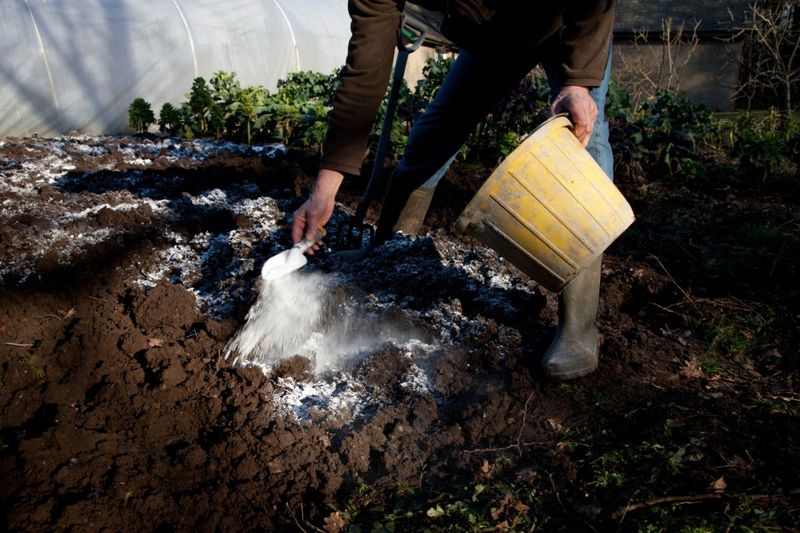
Lime is a slow worker, and that is exactly why fall testing pays off. Much of the soil across the state leans acidic, especially the red clay of the Piedmont and many sandy Coastal Plain soils.
Most vegetables and lawns prefer a pH around 6.0 to 6.5.
When your soil test shows a low pH, the report will recommend a specific amount of lime. Spreading it in fall or early winter gives rain, soil microbes, and time a chance to help it react.
Lime can take several months to change pH in a meaningful way.
Wait until spring, and your plants may start the season in soil that is still too sour. Nutrients like phosphorus and calcium become harder for roots to use when pH runs low.
Working the lime into the top few inches of a new bed speeds things up. For established lawns, you can simply spread it on the surface and let it settle in gradually.
Resist the urge to add lime just because a neighbor did. Some areas, including spots near concrete foundations, can already be closer to neutral.
Too much lime can push pH too high and cause new nutrient problems.
A test turns lime from a guess into a precise measurement. Your spring garden will thank you for the patience.
4. Extra Fertilizer Bags Might Be Wasting Your Money
You might be surprised by how often gardeners feed soil that is already full. Testing results across North Carolina regularly show plenty of phosphorus and potassium in home gardens and lawns.
Years of all-purpose fertilizer tend to build those nutrients up.
Buying a bag of 10-10-10 every spring can feel like the responsible thing to do. Yet if your soil does not need those nutrients, the extra goes unused.
That is money spent with no payoff for your plants.
Excess nutrients do not just sit quietly. Rain can wash them into storm drains, creeks, and eventually rivers and sounds.
Too much phosphorus and nitrogen in water can feed algae blooms that lower oxygen levels and harm fish.
Your soil report solves this neatly. It recommends the right fertilizer ratio and the right amount for the specific plants you grow, whether that is turf, roses, or sweet corn.
Sometimes the advice is surprisingly simple, like adding only nitrogen for a lawn. Other times you may learn your garden needs nothing extra this year at all.
That is a pleasant surprise for any budget.
Spending less while helping local waterways feels like a rare double win. A free fall test makes that win even sweeter.
5. Plastic Buckets and Trowels Make the Best Soil Collection Tools
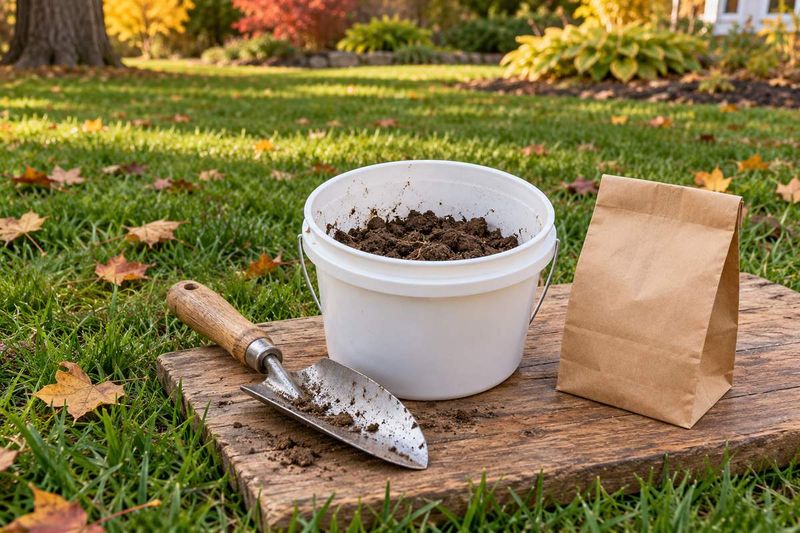
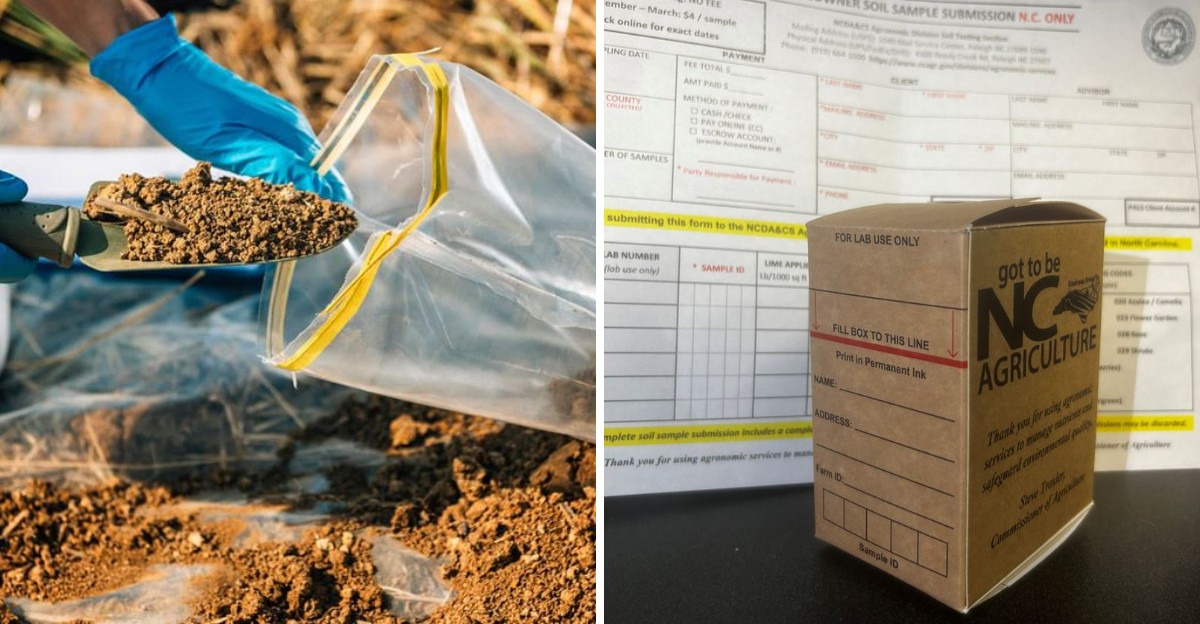
Grab a clean plastic bucket and you are halfway there. Collecting soil is easier than most people expect, and the free sample boxes and forms are available at county Cooperative Extension offices or the lab in Raleigh.
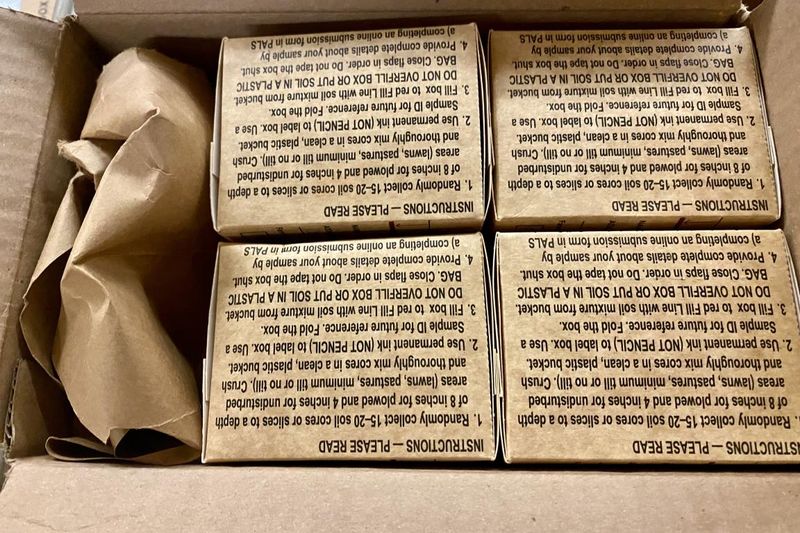
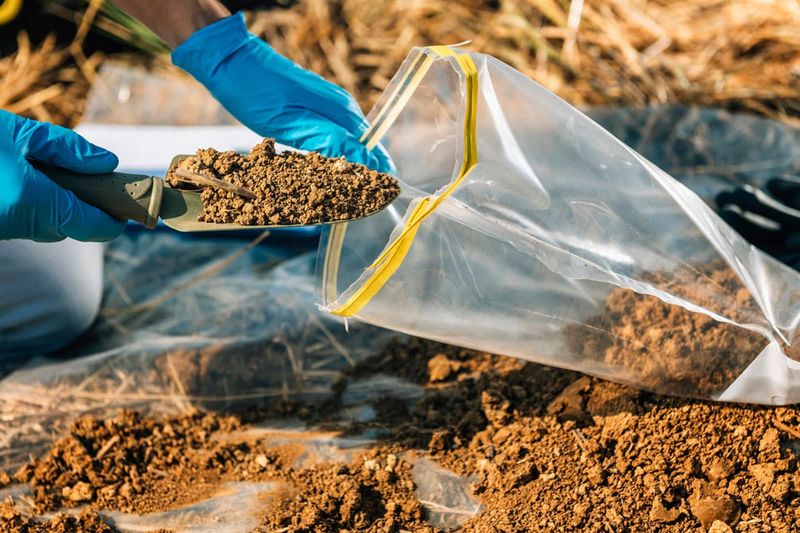
Start by choosing one distinct area, like the front lawn or the vegetable garden. Walk around and take 8 to 10 small slices or cores from different spots.
Mixing them together gives a fair picture of the whole area.
Depth matters for accurate results. Aim for about 4 inches in lawns, 6 to 8 inches in vegetable gardens, and 4 to 6 inches around trees and shrubs.
Skip the metal buckets, especially galvanized ones. They can add zinc and other metals that throw off your numbers.
Stainless steel probes are fine, but plastic containers are the safest choice for mixing.
Avoid sampling right after fertilizing or spreading lime, and stay clear of odd spots like burn piles or puddles. Those areas can skew the results for the rest of the yard.
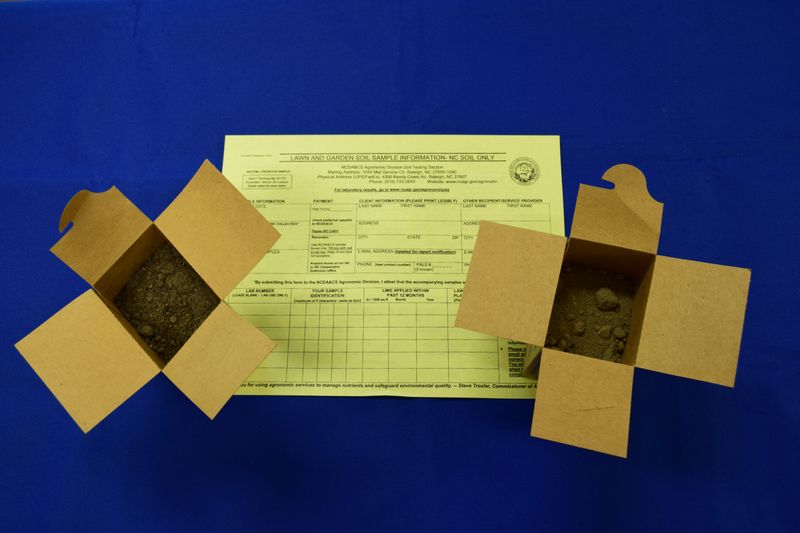
Once mixed, fill the box to the marked line. Each area you want advice on needs its own separate box and its own sample.
Honestly, the whole job takes about fifteen minutes per area. It is a pleasant excuse to wander the yard on a cool fall afternoon.
6. Labeling Your Soil Box Correctly Saves Headaches Later
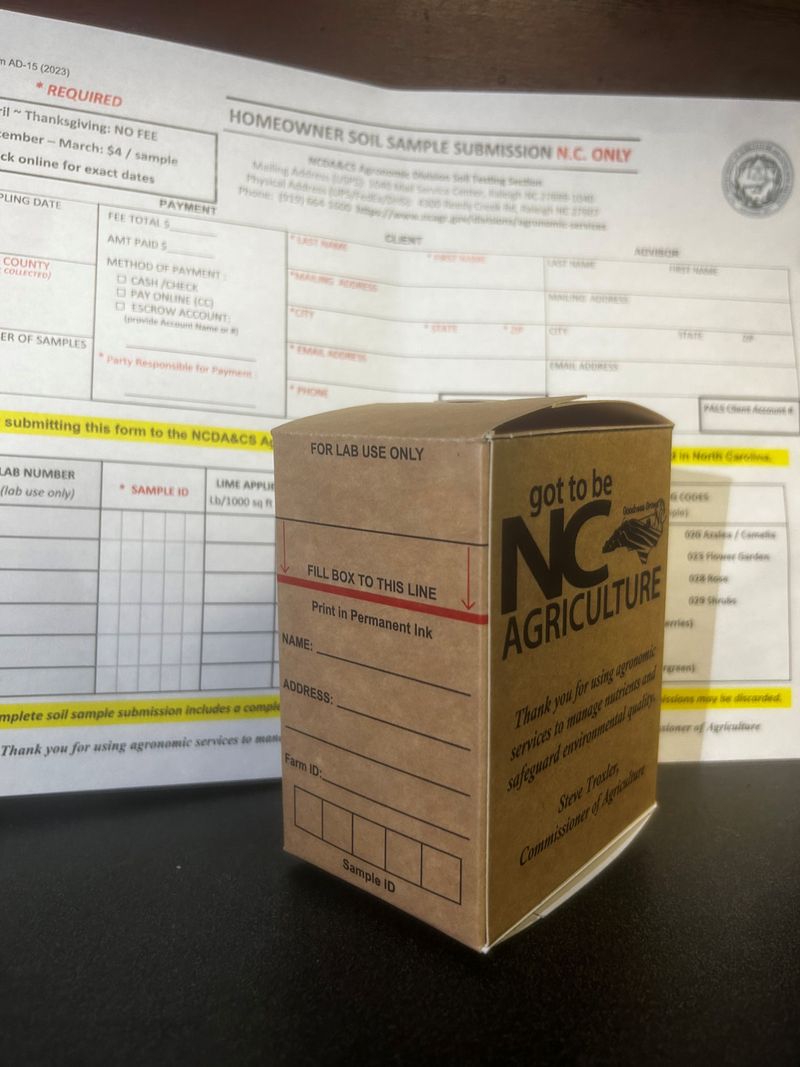
Picking a clever name for each sample is half the fun. The lab asks for a short Sample ID of up to five characters, written on both the box and the submission form.
Something like VEG1 or FRONT helps you remember exactly which spot it came from.
The form also asks for a crop or plant code. That code tells the lab what you plan to grow, so the recommendations match your goals.
A lawn of fescue and a bed of blueberries need very different pH targets.
Blueberries, azaleas, and camellias actually prefer acidic soil. Without the right code, you could end up with lime advice that harms those acid-loving shrubs.
Fill out your contact details carefully, including your email address. Most reports arrive digitally, and a typo can delay your results.
Many gardeners now use the lab’s online system, called PALS, to complete the information sheet. It is a handy way to avoid messy handwriting and keep a record of past tests.
Mailing options vary too. The lab lists separate addresses for the postal service and private carriers like UPS or FedEx, so double-check before shipping.
A few careful minutes with a pen protects all the effort you put into digging. Clear labels mean clear answers.
7. Your Soil Report Reads Like a Garden Report Card
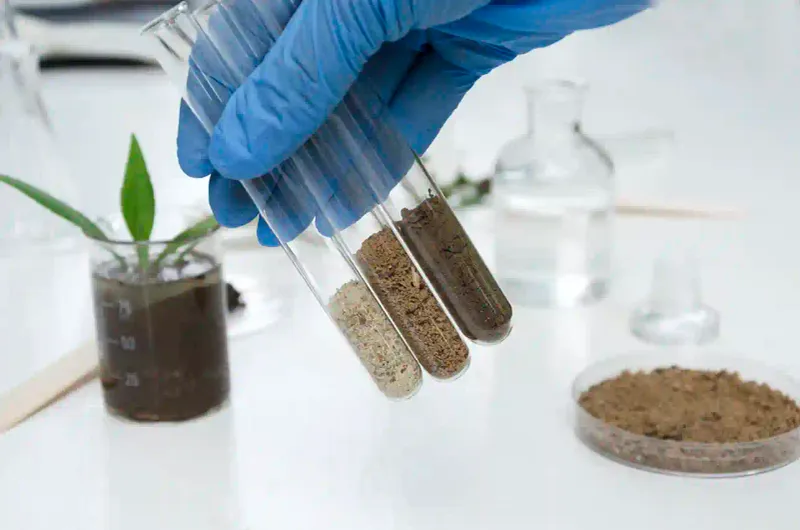
Opening a soil report feels a bit like getting grades back from school. The numbers can look confusing at first, but each one tells you something useful about your ground.
The headline number is pH, which shows how acidic or alkaline your soil is. Right beside it, you will find levels of phosphorus, potassium, calcium, magnesium, and sulfur.
Micronutrients like zinc, manganese, and copper often appear too.
The report also lists humic matter, which relates to organic material, and cation exchange capacity. That second term simply describes how well your soil holds onto nutrients, like a sponge holding water.
Best of all, the report gives specific lime and fertilizer suggestions for the plant code you chose. You do not need a science degree to follow them.
Keep in mind what a soil test cannot do. It will not diagnose plant diseases, insect problems, herbicide damage, poor drainage, or compacted soil.
If a plant struggles with healthy test numbers, look for those other causes.
Stuck on a number? Your local N.C.
Cooperative Extension office and Extension Master Gardener volunteers help folks read reports all the time, usually at no cost.
I love saving old reports to compare over the years. Watching pH creep toward the target feels like real progress.
8. Testing Every Few Years Keeps Your Garden Beds Thriving
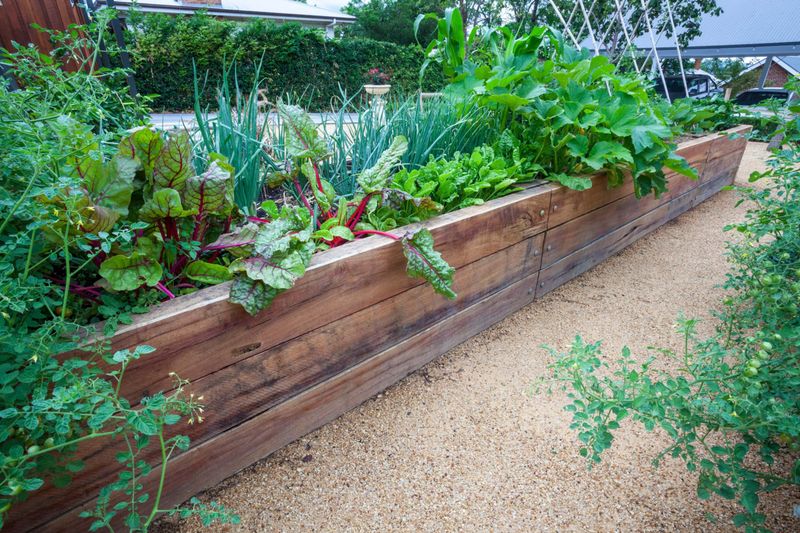
One test is a great start, but soil keeps changing. Rain, fertilizer, mulch, and harvests slowly shift nutrient levels and pH over time.
Extension specialists generally suggest retesting lawns and landscape beds every two to three years. Vegetable gardens and areas where you are fixing a problem may benefit from more frequent checks.
That rhythm helps you catch small issues before they grow.
Fall makes an easy habit to remember. When the leaves start turning and the garden winds down, grab your bucket and boxes.
You will beat the December fee and have results long before spring planting.
Consider making it a family project too. Kids often enjoy digging cores and inventing sample names, and it sneaks in a little science lesson along the way.
New homeowners should test right away. Construction often strips topsoil and leaves behind compacted subsoil with odd pH levels, so a baseline report is especially helpful.
Planning a brand-new bed for next year? Test that spot now so you can add lime and organic matter well ahead of time.
The takeaway is simple and practical. Collect your samples this week, get them to Raleigh before November 30, and let the results guide your choices.
Healthy plants start underground, and now you know exactly where to begin.