How To Tell When A California Hass Avocado Is Ready To Pick
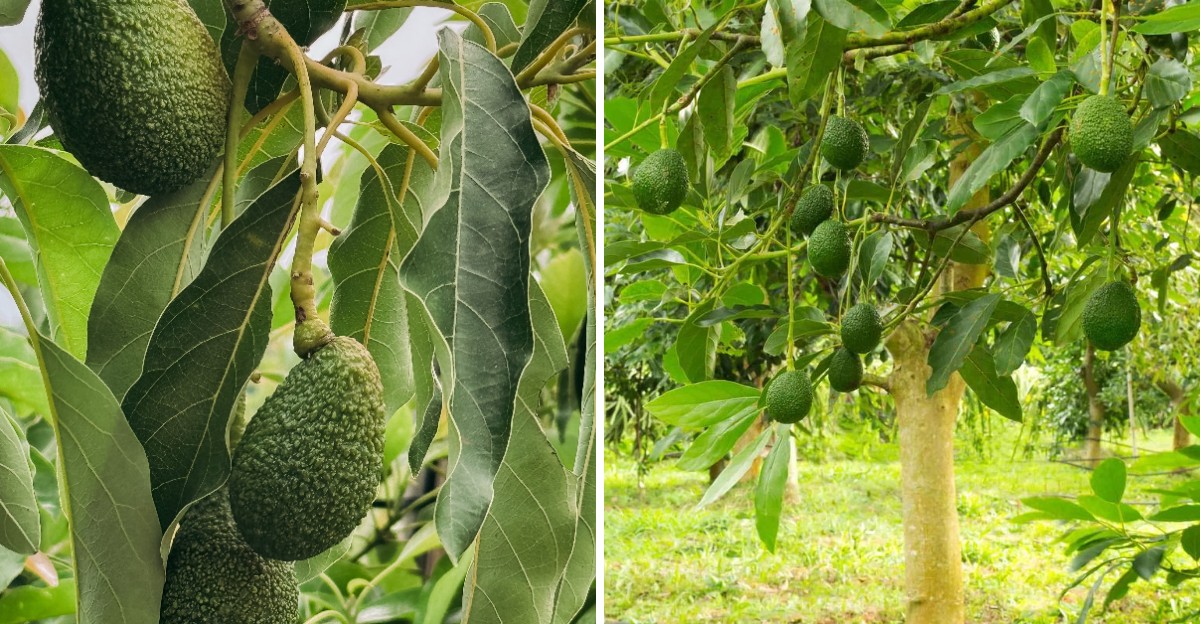
Next year’s blossoms can open on a backyard tree while this year’s fruit still dangles a few branches away. One tree, two crops, and a lot of overlapping drama.
That slow schedule fascinates me. A single pebbly green fruit can take a year or more to mature, packing on rich oil the whole time. It also flat-out refuses to soften while it hangs. Check it this week or next spring, and it still feels like a doorknob.
This time of year, many California trees look loaded and ready, but fruit picked this early often comes up short on oil. I’ve started greeting mine on the way to the mailbox, mostly so my clippers stay in my pocket. My toast is waiting patiently. I am not.
Waiting is the hard part, of course. The good news? That stubborn tree doubles as a pretty great refrigerator.
That Rock-Hard Hass Avocado On Your Tree Is Playing The Long Game
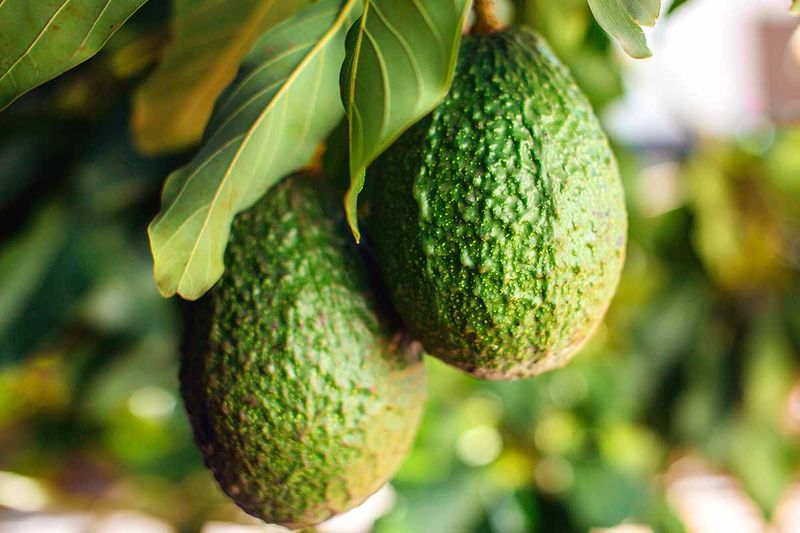
Avocados have a strange superpower. They mature on the tree, but they only soften and ripen after you pick them.
Scientists call this a climacteric fruit with a twist. The tree sends a signal through the stem that holds back ripening, so a hanging Hass stays firm no matter how long you wait. Once you clip it, the fruit starts making ethylene, a natural ripening gas, and the softening begins.
So squeezing fruit on the branch tells you almost nothing. A rock-hard avocado could be perfectly mature or months away from good eating. You need other clues to judge it.
Maturity is really about oil. As the fruit grows, its flesh builds up oil and loses water. University of California research links that rising oil level to the buttery, nutty taste people love about Hass.
California actually sets legal maturity standards for commercial growers, based on dry matter in the flesh. Packers test samples before fruit can be sold. Home gardeners rarely have lab tools, but the same idea applies in your yard.
Give the fruit enough time to load up on oil, then pick. That simple rule shapes every other tip in this guide.
Pick One Test Avocado And Let Your Kitchen Counter Decide
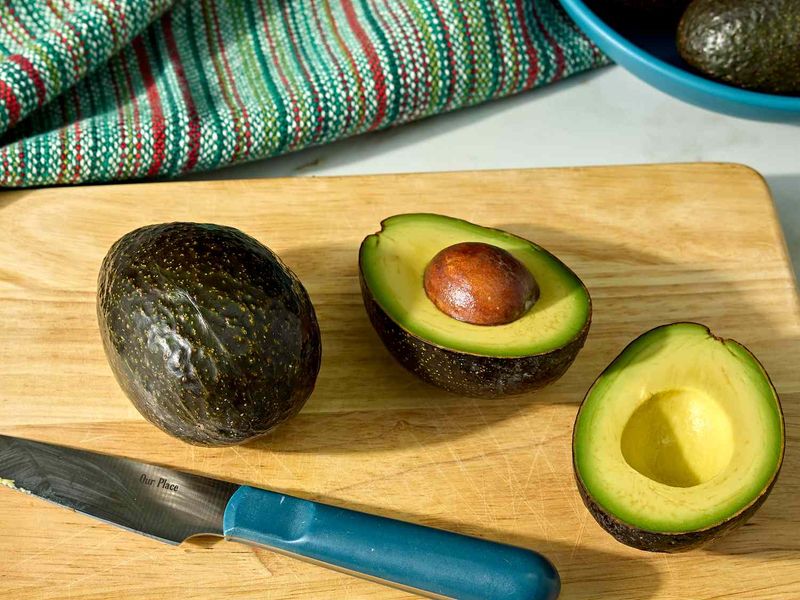
Here is my favorite trick, and it costs nothing. Choose one of the biggest Hass avocados on your tree and clip it off.
Bring it inside and set it on the counter at room temperature, around 65 to 70 degrees. Then simply wait and watch.
A mature fruit usually softens evenly in about one to two weeks. When it gives slightly to gentle pressure, cut it open. You want smooth, creamy flesh with a rich flavor and no bitter edge.
Trouble shows up in obvious ways. An immature avocado often shrivels, turns rubbery, or stays hard in spots. The flesh can taste watery or bitter, and the skin may wrinkle before it ever softens.
If your test fruit flops, there is no need to panic. Wait two or three weeks and try another one. Keep repeating until a test fruit ripens beautifully.
Once you get a winner, the rest of the crop of similar size is likely ready too. Smaller fruit on the same tree may need a bit more time.
I like keeping a little notebook with test dates. After a season or two, you will know your tree’s rhythm almost by heart.
Spring Through Summer Is Prime Hass Picking Season In California
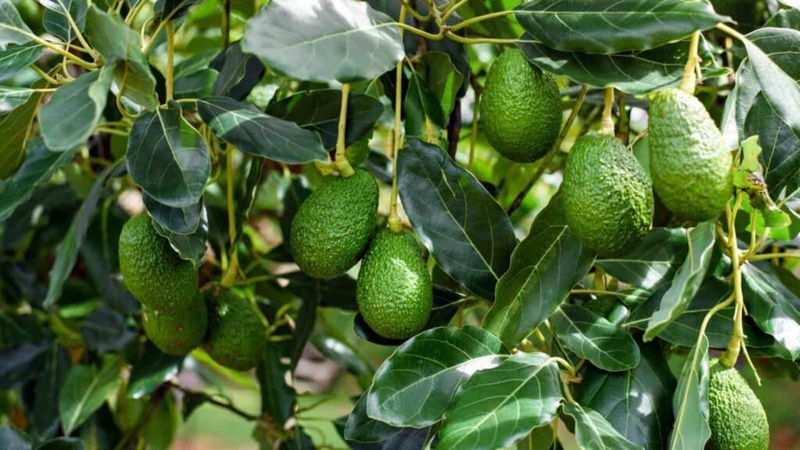
Timing matters a lot with this fruit. Hass avocados take a surprisingly long time to grow, often around 12 to 18 months from bloom to full maturity.
That means the flowers you see in spring will not become your harvest that same year. Trees often carry next season’s flowers while this year’s fruit still hangs.
In California, most Hass fruit reaches good eating quality from late winter or early spring through summer, with many growers picking heavily from about March into September. Warm inland areas often mature fruit earlier. Cooler coastal spots, like parts of Santa Barbara and Ventura counties, tend to run later.
Your own yard has its own microclimate too. A tree near a warm south wall may outpace one shaded by a fence.
Fruit picked in early winter is often low in oil and disappointing. If you are tempted in December, run a test fruit first.
A handy habit is to mark bloom time on your calendar. Then you can estimate when that crop should be worth sampling, roughly a year or more later.
Season gives you a starting window, and the test fruit confirms it.
Glossy Green Hass Skin Turning Dull Is A Quiet Clue
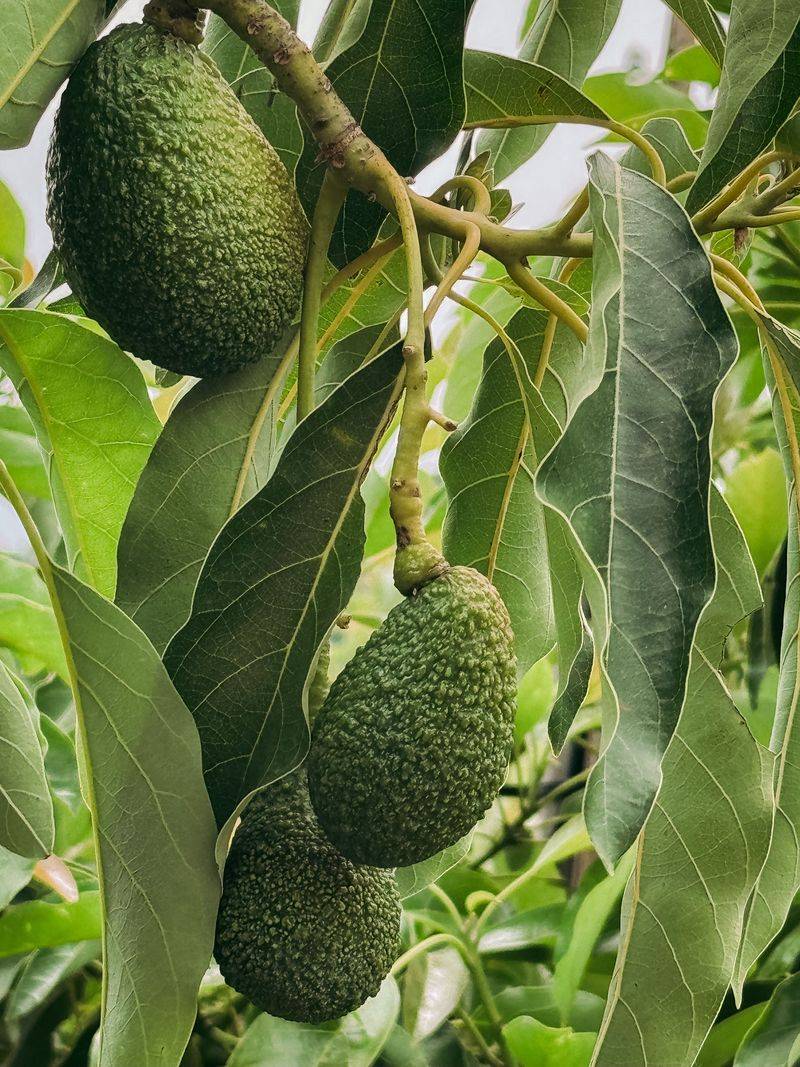
Watch the skin closely and you will notice a subtle shift. Young Hass fruit often looks shiny and bright green.
As it matures, the surface usually turns duller and more matte, with a deeper green tone. The pebbly bumps can look a bit more pronounced too.
Some gardeners also spot a slight yellowish or brownish look on the stem where it meets the fruit. A dried, corky stem end can hint that the fruit has been hanging a good while.
Do not expect the famous purple-black color on the tree. Hass skin mostly darkens after picking, while it softens on your counter. If you see black fruit still hanging, it may be very late season fruit or a sign of stress or sunburn.
Treat these skin changes as helpful hints, not proof. Color and shine vary with sun exposure, tree health, and weather.
A fun habit is snapping a photo of the same fruit every few weeks. Side by side, the change from glossy to matte becomes easier to see.
Pair what your eyes tell you with a test fruit, and you will rarely pick too early.
Full-Size Hass Fruit Should Feel Heavy In Your Hand
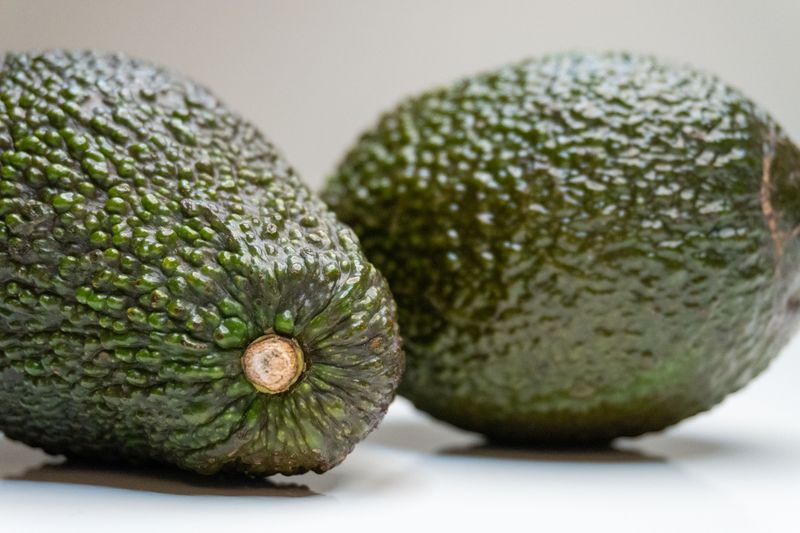
Size is one of the easiest clues to check. A mature Hass is usually a plump oval, often about the size of your palm, and feels heavy for its size.
Fruit on the same tree can vary, though. The largest ones often mature first, so start your harvest with those.
Cup the avocado gently instead of pinching it. You are only checking size and weight, not softness.
Squeezing hanging fruit is tempting, I know. Sadly, it can bruise the flesh, and those bruises often show up later as gray or brown patches when you slice it.
Small size does not always mean immature. Young trees, heat stress, and dry spells can produce smaller fruit that still matures.
Big size does not guarantee readiness either. A large avocado picked in early winter can still lack oil.
So think of size as your shortlist tool. It helps you choose which fruit to test first and which to leave alone a little longer.
Combine a full, heavy feel with the right season and a dull skin. That trio points you toward fruit with the best shot at creamy success.
Leaving Hass Avocados On The Branch Too Long Has A Price
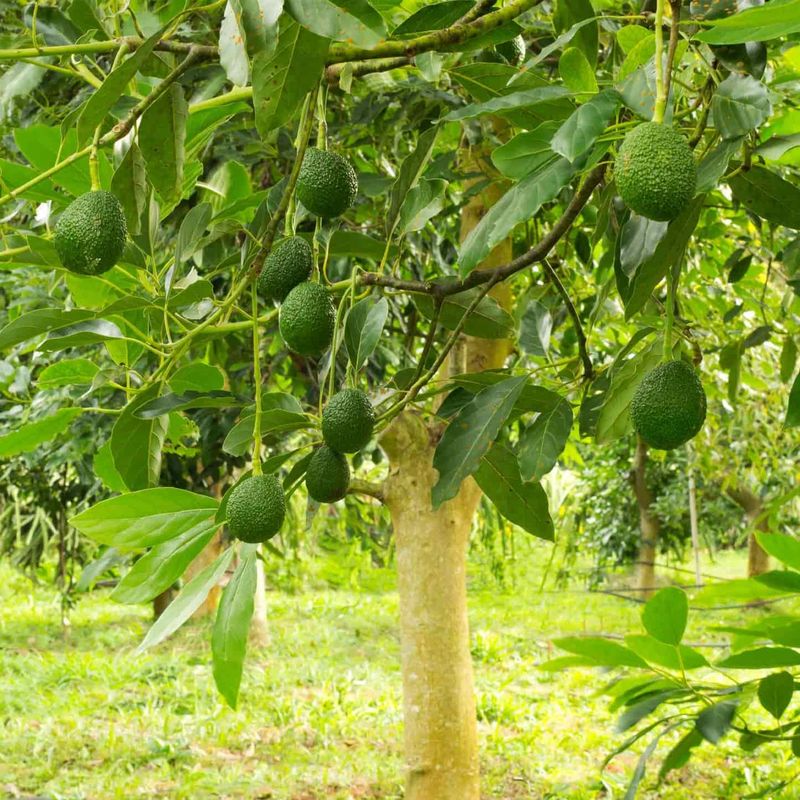
One of the sweetest perks of growing Hass is storage on the tree. Mature fruit can often hang for several months, so you can pick a few at a time as needed.
Many California gardeners treat their tree like a living refrigerator. It is a lovely way to stretch the harvest.
Still, there are limits. Fruit left too long may develop off or rancid flavors, and the flesh can turn stringy or discolored. Sometimes the seed even sprouts inside the fruit.
Very late fruit also tends to drop. Fallen avocados can bruise and may attract rats, squirrels, and other critters.
Heavy late fruit also asks a lot of the tree. Some growers believe leaving too much crop hanging can reduce next year’s yield, since the tree is busy feeding old and new fruit at once.
A smart approach is to finish most of your harvest by late summer or early fall. Pick steadily rather than all at once.
Scoop up fallen fruit quickly and check it before eating. If it smells off or looks moldy, toss it in the green bin.
Clip The Hass Avocado Stem And Enjoy The Creamy Payoff
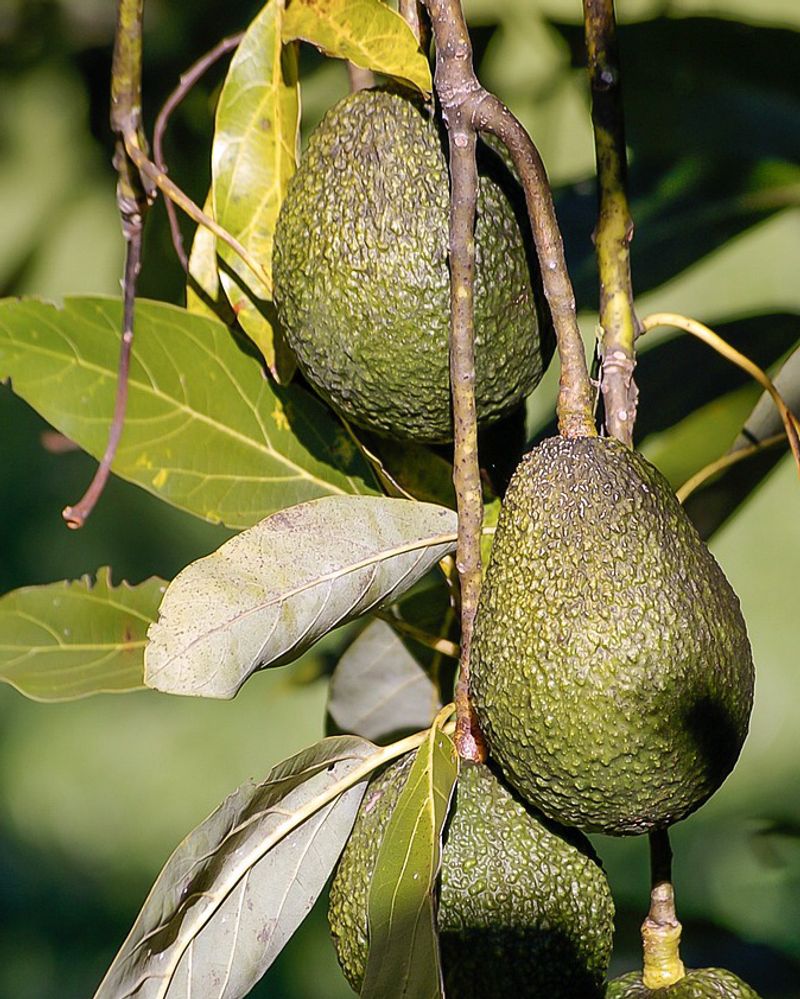
Harvest day deserves a little care. Grab clean pruning shears or a pole picker for high fruit.
Snip the stem close to the avocado, leaving a short button attached. Yanking can tear the skin at the stem end, which lets rot organisms sneak in.
Try to pick on dry days. Wet fruit is more prone to decay after harvest, according to University of California guidance.
Set fruit gently in a padded basket instead of tossing it. Avocados bruise more easily than their tough skin suggests.
Indoors, let them ripen at room temperature out of direct sun. Want them faster? Pop them in a paper bag with a banana or apple, which releases extra ethylene.
Ripe Hass skin usually darkens to purple-black, and the fruit yields to gentle pressure. Move ready fruit to the fridge to slow things down for a few days.
My favorite reward is plain toast with salt and a squeeze of lime. Nothing beats that first creamy bite from your own tree.
Keep testing, keep notes, and pick in small batches. Your harvests will get better every single year.