How to Care for a Norfolk Island Pine as a Living Christmas Tree in Ohio
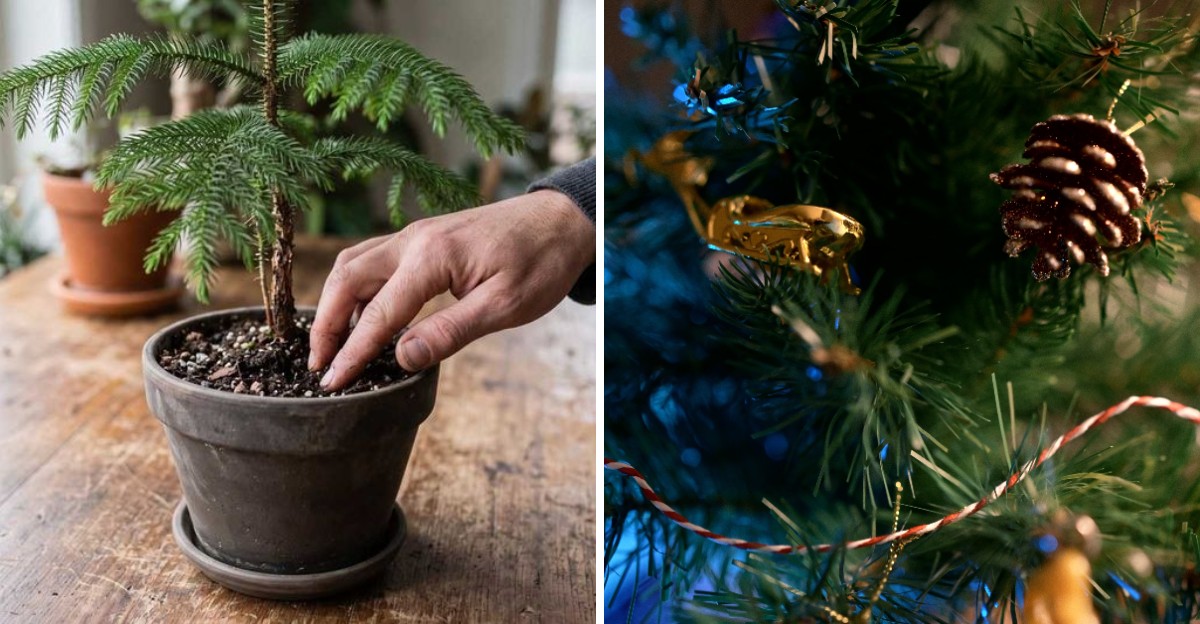
The tree glowing in your living room this December is not a true pine at all. Its family, the Araucariaceae, was already growing when dinosaurs walked the Earth.
It comes from one tiny island in the South Pacific, about 900 miles east of Australia. Back home, it can soar past 150 feet tall. In a pot, it grows slowly and politely, adding just a few inches each year.
I love how its soft, tiered branches hold ornaments without poking your fingers. You also get a tree that can stay with you for many holidays. No needles in the vacuum bag every January, either.
Our Ohio winters make this tropical guest a little fussy indoors, though. Furnace air, chilly windowsills, and short gray days all test its patience. You’re going to love how easily those layered green branches can stay lush until next Christmas.
That Tropical Island Conifer Is Not Built for Snow
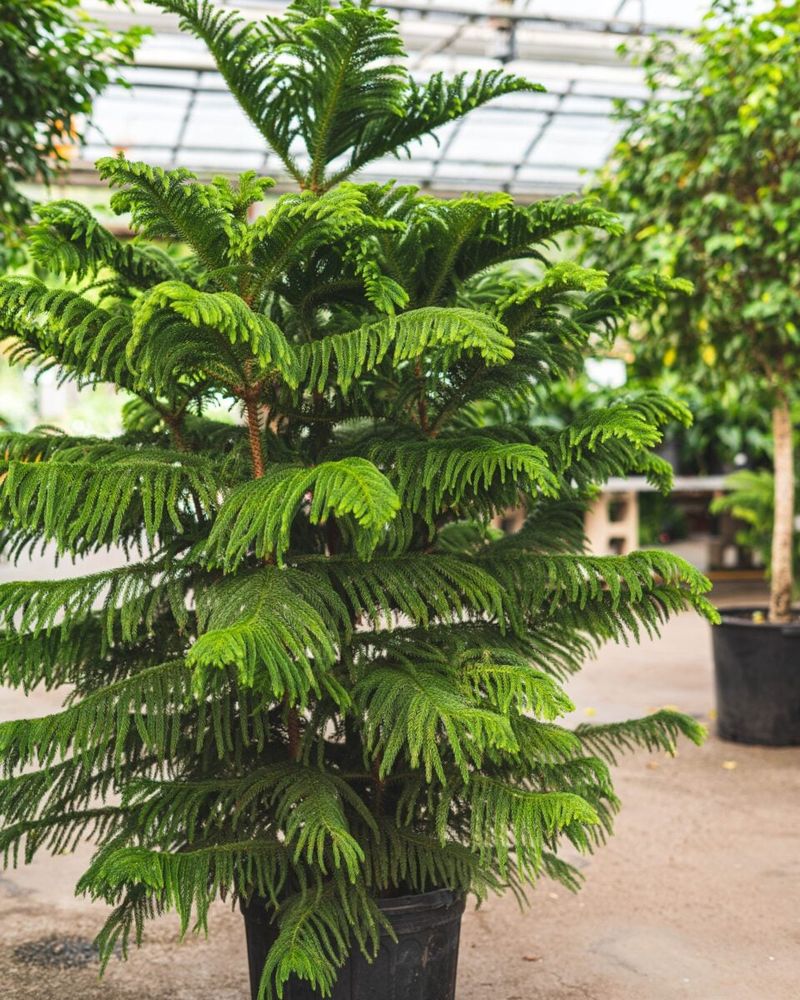
Here in Ohio, a Norfolk Island pine belongs indoors from fall through late spring. It is hardy only in USDA zones 10 and 11, while most of the state falls in zones 6a through 6b, with a few colder pockets in 5b.
Temperatures below about 35 degrees Fahrenheit can harm the needles and branches. Even a short ride home from the garden center on a freezing day can leave a mark.
Wrap your new tree in a plastic sleeve or paper and warm up the car before you load it.
Indoors, it is happiest between roughly 60 and 72 degrees during the day. A slightly cooler night is fine and even helpful.
Keep it away from drafty doors that swing open every time guests arrive.
Heat sources cause trouble too. Spots right beside fireplaces, space heaters, or forced-air vents dry out branches fast.
A few feet of distance makes a big difference.
Once nighttime lows stay above 50 degrees, often in late May, you can move it to a shaded porch for summer. Ease it outside gradually.
Bring it back inside in September, well before the first frost sneaks up on you.
Bright Window Light Keeps Your Norfolk Pine Branches Full
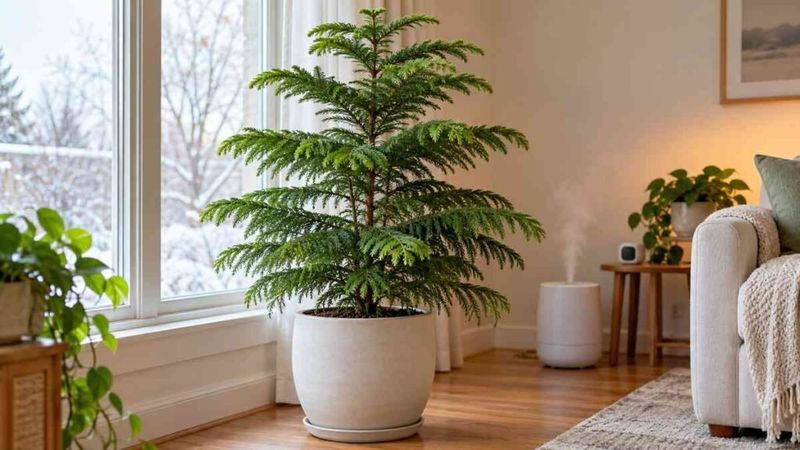
Light is the secret ingredient most people underestimate. Ohio winters bring short days and plenty of cloudy skies, so your tree needs the brightest spot you can offer.
A south, east, or west window works well during the cold months. Winter sun is weak, so direct light through glass rarely scorches the needles this time of year.
In summer, shift it a little farther back from hot afternoon rays.
Low light shows up slowly. Lower branches may yellow and drop, and new growth turns thin and stretched.
Sadly, those lost lower branches do not grow back.
Personally, I give my pot a quarter turn every week. Norfolk pines lean hard toward the sun, and a weekly spin keeps that classic pyramid shape straight and even.
If your best window is dim, consider a simple LED grow light. Run it 10 to 12 hours a day and position it a foot or two above the top.
It costs little and can rescue a tree tucked into a darker corner.
Watch the tree itself for clues. Steady, deep green color and firm, outward-reaching branches tell you the light is just right.
A Quick Finger Test Tells You When to Water the Pot
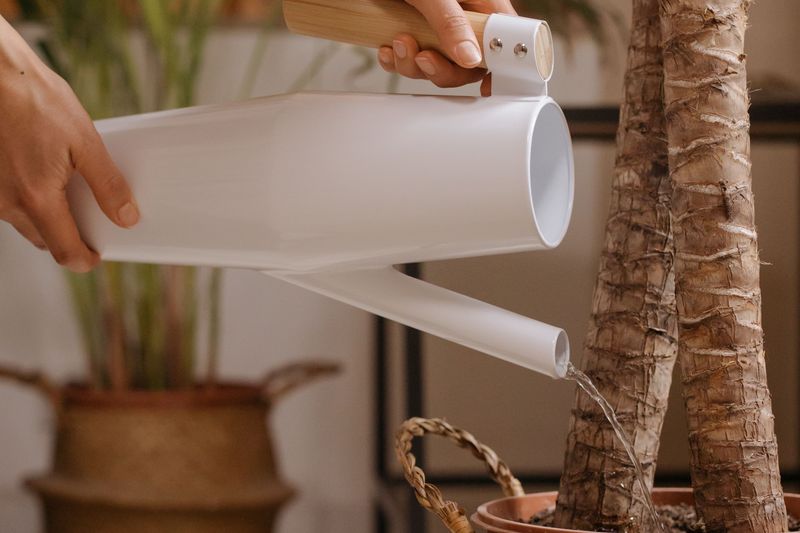
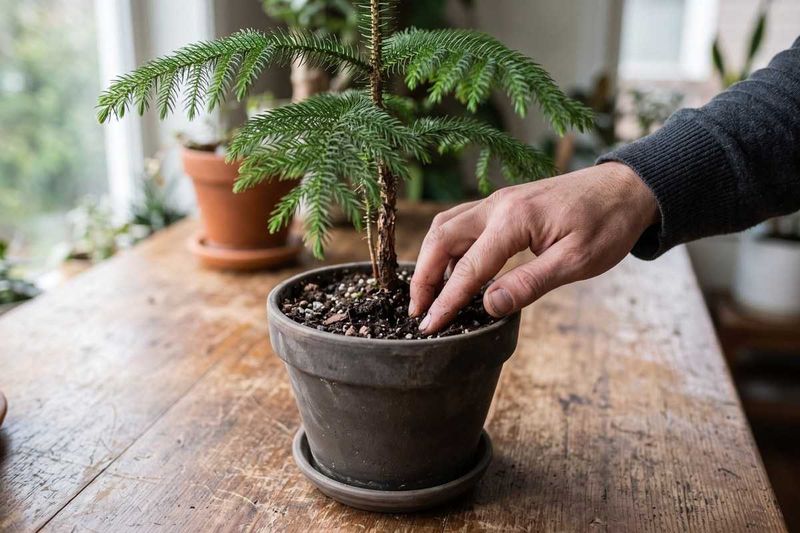
Your finger is the best moisture meter you own. Push it about an inch into the soil every few days.
When that top inch feels dry, water thoroughly until it trickles out the drainage holes. Then empty the saucer within 15 minutes or so.
Roots sitting in water can rot, and rot is hard to reverse.
Overwatering is a very common reason these trees decline. Drooping branches and yellowing lower needles often point to soggy soil, not thirst.
On the flip side, letting it dry out fully leads to crispy tips and needle drop.
Winter changes the rhythm a bit. Growth slows, so the soil may stay damp longer than you expect, even with the furnace running.
Check rather than following a strict calendar.
Room-temperature water is kinder than icy tap water straight from the line. I fill my watering can the night before so it warms up overnight.
Many holiday trees arrive wrapped in decorative foil. It looks festive, but it traps water at the bottom.
Poke holes in it or remove it entirely so extra water can escape.
Furnace Air Can Leave Norfolk Pine Needles Brown and Crispy
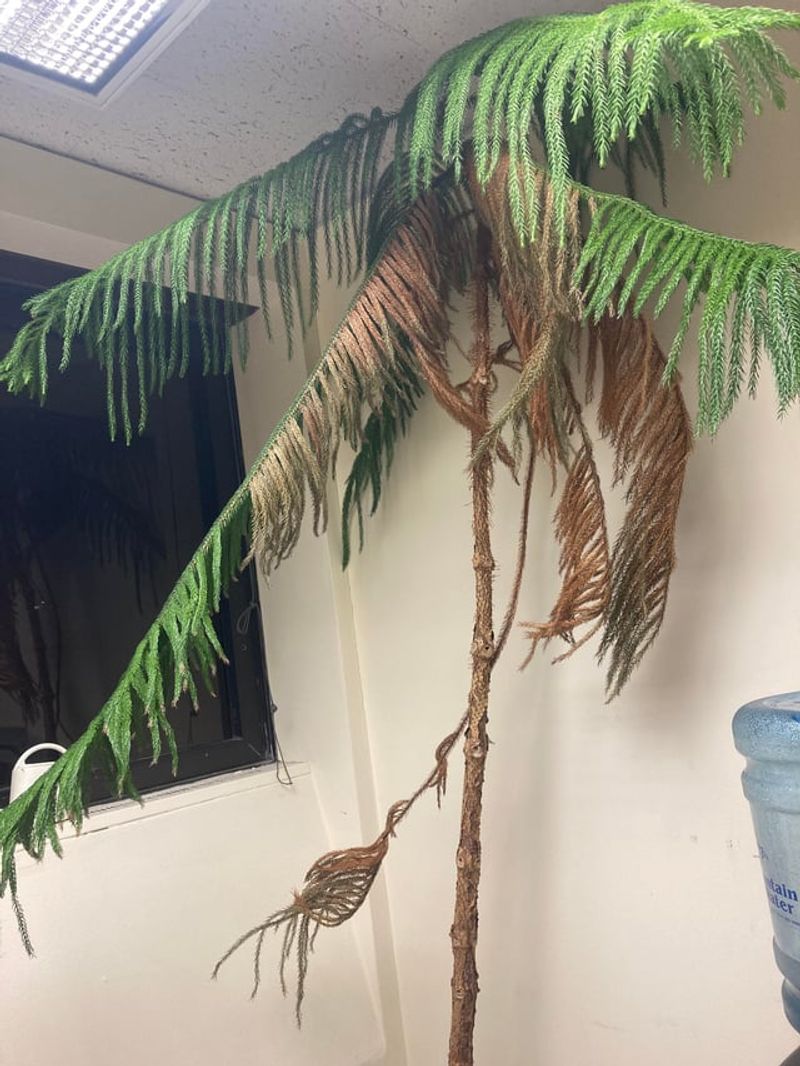
Ohio homes in January can feel drier than a desert. Indoor humidity often drops to 20 or 30 percent once the furnace starts cycling.
Back on its home island, this tree breathes moist ocean air. Indoors, it does best with humidity around 50 percent.
Dry air shows up as brown needle tips and branches that shed when you brush past.
A pebble tray offers an easy fix. Fill a shallow tray with gravel and water, then set the pot on top so it sits above the waterline.
Evaporation adds a gentle cloud of moisture right where the tree needs it.
A small cool-mist humidifier works even better. Your skin and sinuses will likely thank you as well.
Grouping several houseplants together also helps. They release moisture through their leaves and create a slightly humid pocket around one another.
Misting gives a quick boost, but it fades within minutes. Think of it as a bonus rather than a solution.
A cheap hygrometer from the hardware store lets you see exactly how dry your room really is, and the numbers often surprise people.
Light Ornaments and Cool LED Strings Keep Those Soft Branches Happy
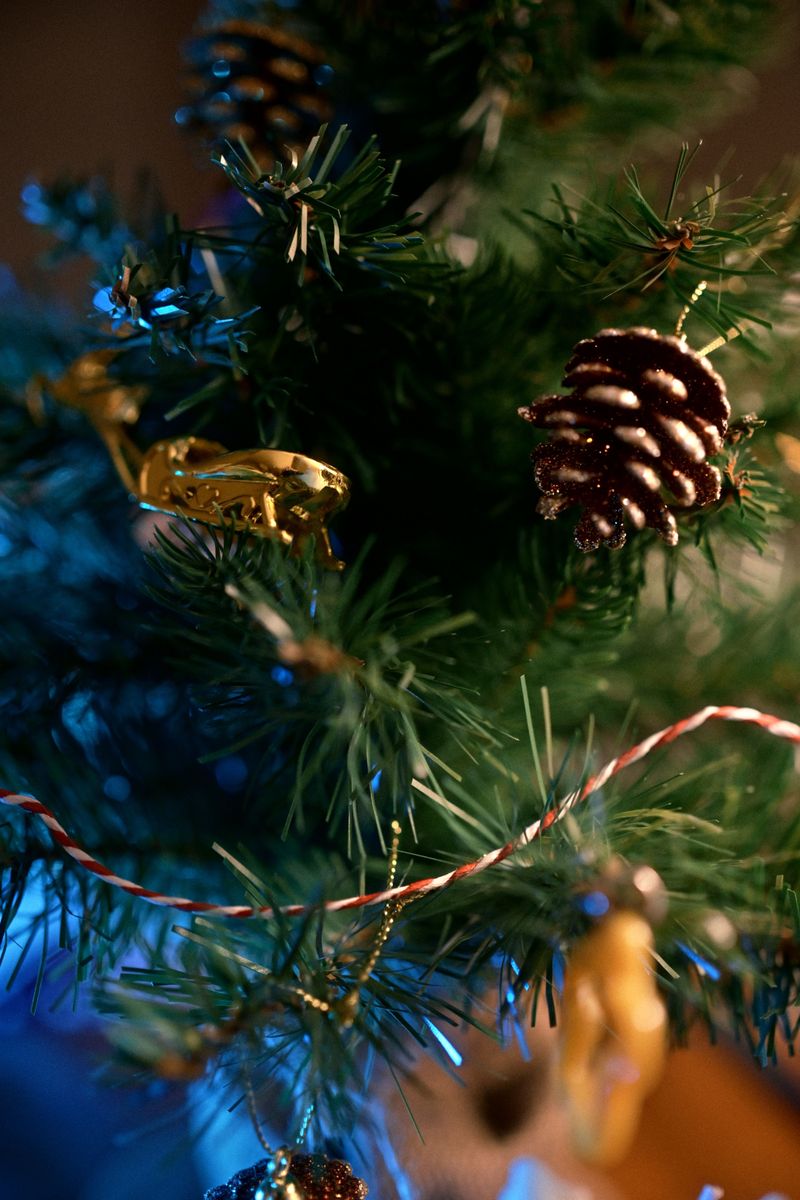
Decorating is the fun part, and a little care goes a long way. Those tiered branches are much softer than a fir or spruce, so heavy glass balls can bend them downward.
Choose small, lightweight ornaments like paper stars, felt shapes, tiny pinecones, or ribbon bows. I also love dried orange slices for a cheerful, old-fashioned look.
Spread the weight evenly so no single branch carries the whole load.
Skip the heavy tree topper. The central tip is precious, and a big star can snap it.
A bow tied loosely below the top looks sweet and stays safe.
For lights, pick LED strings. They run cool and will not heat or dry the needles the way older incandescent bulbs can.
Avoid spray-on snow, glitter glue, and paint. These coat the needles, block light, and make the tree look tired by February.
Plan to keep decorations up for just a few weeks. Once the holidays wrap up, gently remove everything and move the tree back to its brightest spot.
It has worked hard as a centerpiece and deserves a rest.
Never Snip the Top Leader on a Norfolk Island Pine
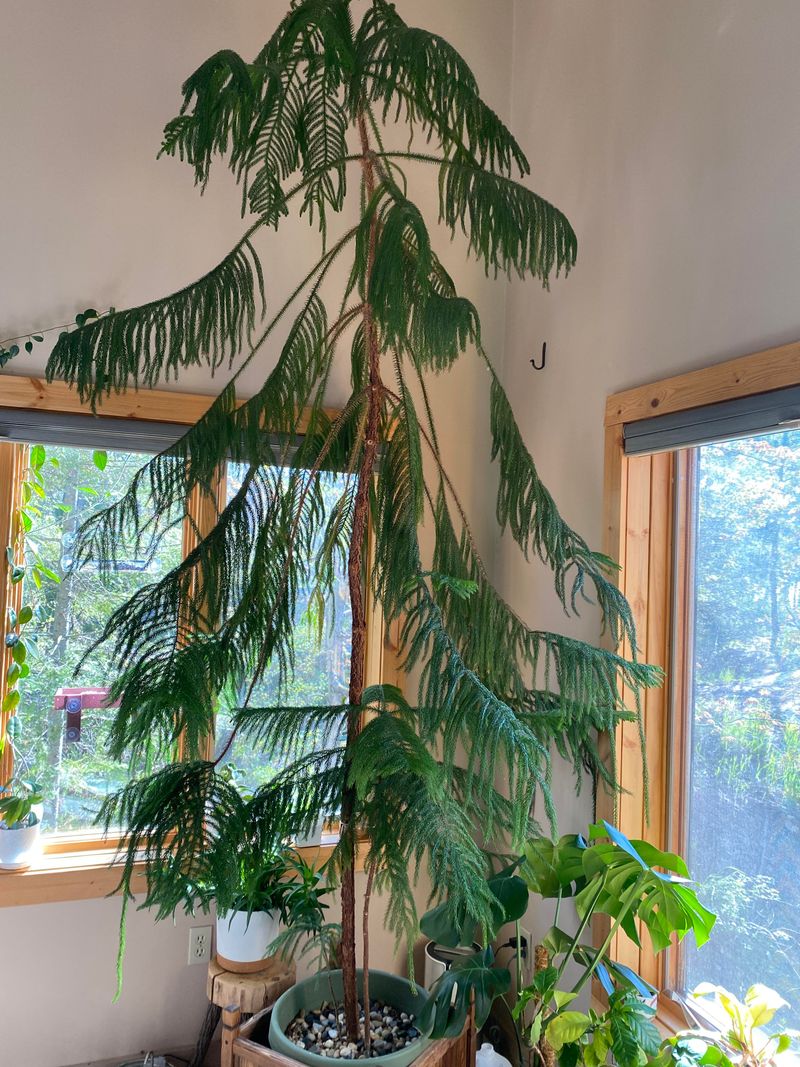
One cut can change your tree’s shape for good. The central leader, that single upright shoot at the very top, is where all new height and fresh branch tiers come from.
Snip it off and the tree stops building upward in its tidy pyramid form. It may send up awkward side shoots, but the clean, layered look is mostly gone.
So resist the urge to trim it, even when the tree bumps the ceiling.
Side branches do not regrow from bare trunk either. Lose a lower tier and that spot usually stays empty.
Pruning, then, is mostly cleanup. Remove brown or broken branches by cutting cleanly near the trunk with sharp, clean pruners.
Lower branches naturally fade as the tree ages, and that is normal.
A Norfolk pine grows slowly indoors, often just 3 to 6 inches a year. Many people keep one for a decade or more before it outgrows the room.
Did you know? On Norfolk Island, these trees grew so straight and tall that British explorers hoped to use them as ship masts.
The wood turned out too weak, but the trees stayed famous anyway.
Spring Is Feeding and Repotting Time for Your Potted Pine
Patience pays off with this tree. Winter is its quiet season, so hold off on fertilizer from about November through February.
Once spring daylight stretches out, usually in March, growth picks up again. Feed with a balanced, water-soluble houseplant fertilizer at half strength about once a month through early fall.
More is not better, since extra salts can burn tender roots.
Repotting is needed only every three or four years. Norfolk pines like being a bit snug, and they dislike root disturbance.
Move up just one pot size, roughly 2 inches wider.
Use a fast-draining potting mix. A regular houseplant blend with extra perlite or a little coarse sand works nicely.
Make sure the new container has drainage holes.
Keep the trunk at the same soil depth as before. Burying it deeper can invite rot.
Many garden centers sell several seedlings crowded into one pot to look fuller. Separating them risks harming the roots, so most growers leave the cluster alone.
Personally, I enjoy the bushy look and let them grow together as a little grove.
Watch for Drooping Branches, Spider Mites, and Curious Pets
Trees talk through their branches. Drooping often means water trouble, either too much or too little, so check the soil first.
Yellow lower needles that drop slowly usually point to low light or age. Sudden needle loss after a move is often simple stress, and a stable spot helps it settle.
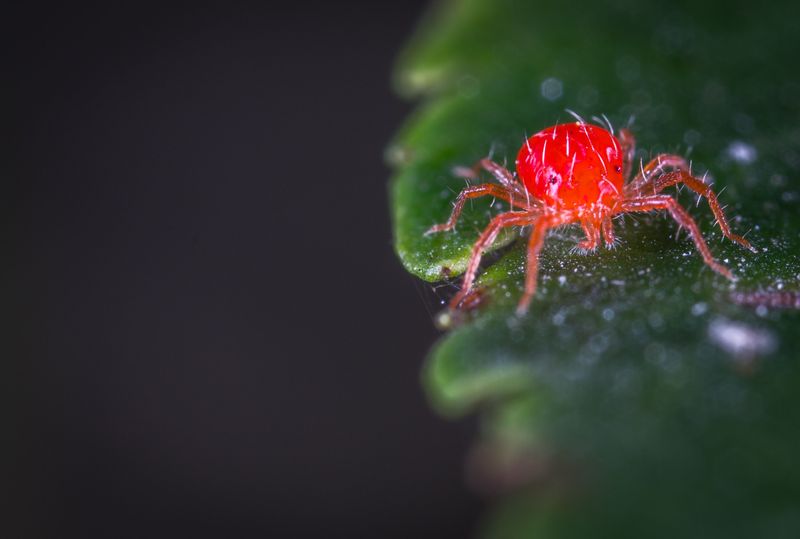
Dry Ohio winter air invites spider mites. Look for fine webbing and tiny speckled needles.
A lukewarm shower in the tub rinses many of them off, and insecticidal soap handles stubborn cases.
Mealybugs look like small cottony tufts tucked where branches meet the trunk. Dab them with a cotton swab dipped in rubbing alcohol.
Inspect new holiday plants before setting them beside your tree.
Pets deserve a mention too. The ASPCA does not list Norfolk Island pine as toxic, but chewed needles can still upset a cat’s stomach.
Tinsel and dangling ornaments tempt curious paws as well.
Treat this tree like a long-term friend, not a seasonal prop. A few minutes each week checking light, soil, and needles keeps it ready for next December, a little taller and fuller every year.