How to Create a “Jungalow” Houseplant Paradise in Your Virginia Home
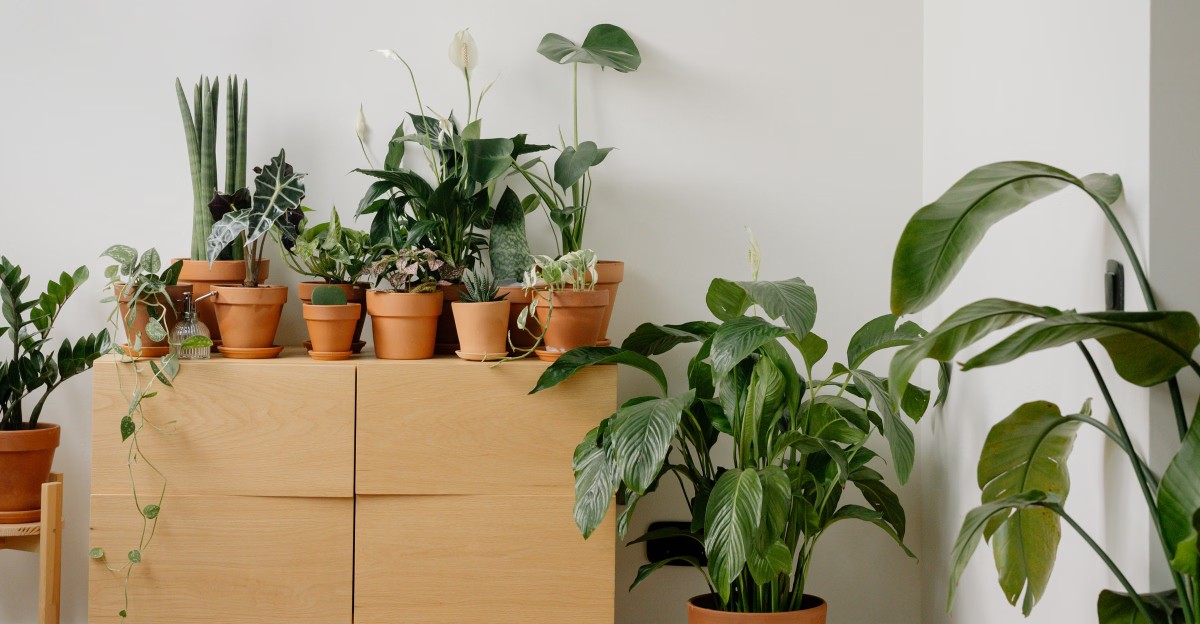
A Los Angeles designer named Justina Blakeney blended the words jungle and bungalow into one cheerful, catchy label.
Her style fills ordinary rooms with lush leaves layered against bold patterns and cozy woven furniture.
Rainforest plants thrive indoors because our homes copy the warm, shaded floor beneath tall tropical trees.
Many popular houseplants evolved in that dim understory, so a bright window feels like a sunny forest gap to them.
I am surprised how well those tropical travelers handle Virginia winters once they settle near the glass. You might notice dry furnace air bothers them far more than the chilly weather right outside your window.
After I tested a few simple tricks, my plain Virginia living room started feeling like a vacation spot. Which leafy roommates deserve a spot first, and where should each one live inside your cozy home?
1. Let a Monstera Climb a Mossy Totem Pole
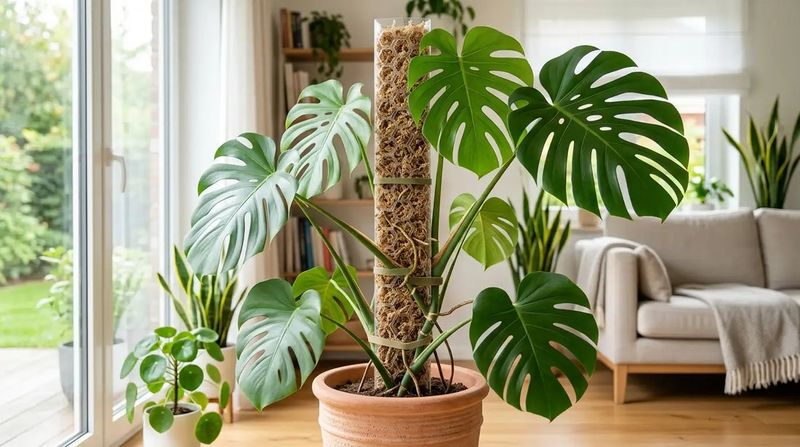
Those famous holes in Monstera leaves, called fenestrations, only show up as the plant matures and climbs. Mine stayed stubbornly solid for months until I finally gave it something sturdy and tall to grab onto.
In the wild, this big vine scrambles happily up rainforest trees from southern Mexico down to Panama. A moss pole or wooden plank copies that tree trunk and encourages much bigger leaves over time.
Push the pole deep into the pot when you repot, so you avoid stabbing the roots later. Tie stems loosely with soft plant tape, and gently guide the aerial roots toward the pole each week.
Bright, indirect light works best, so place it a few feet back from a south or west window. Harsh afternoon summer sun can scorch those huge leaves and leave ugly crispy tan patches behind.
Water only when the top inch or two of soil feels dry to your fingertip. A chunky, well-draining mix with bark and perlite keeps those thick roots from sitting in cold soggy muck.
Monstera contains calcium oxalate crystals, which can irritate the mouth and throat of curious pets or kids. Set it somewhere your cat cannot reach, because swollen lips and drooling are no fun for anyone.
I really love how one climbing Monstera instantly makes a plain corner feel like a jungle hideaway. Add a woven rattan basket around the plain nursery pot, and your living room gains real bungalow charm.
2. Drape Golden Pothos Vines Across Bookshelves And Curtain Rods
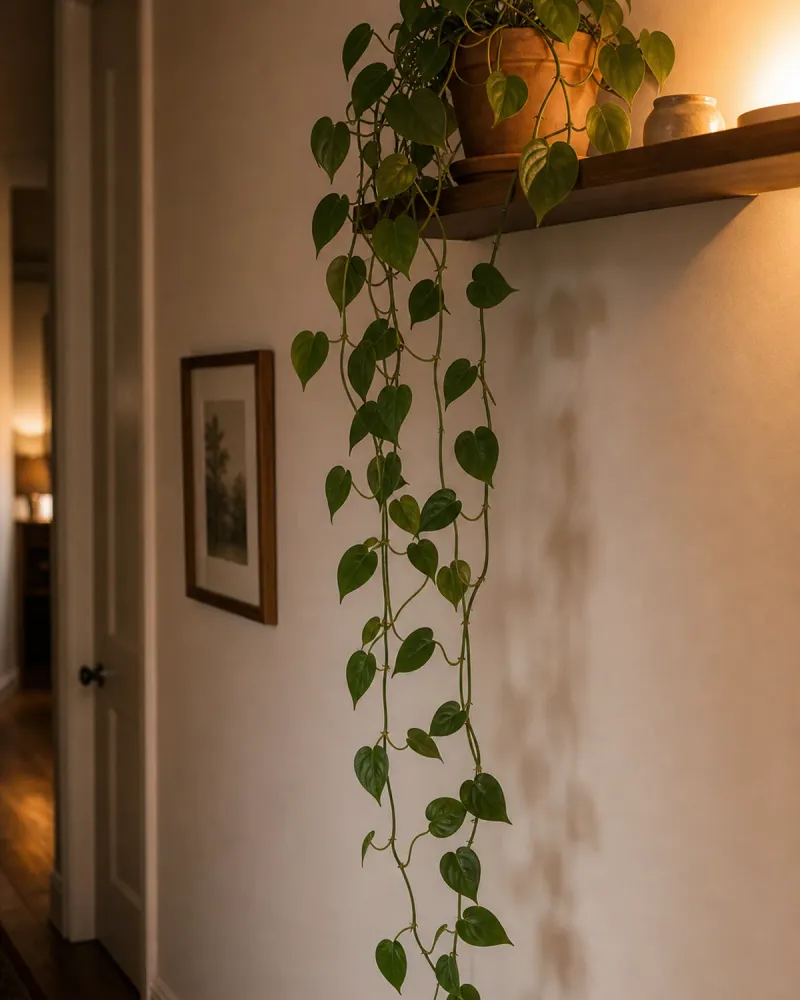
Pothos earned the nickname devil’s ivy because it stays green in dim rooms and shrugs off plenty of neglect. My first cutting came from a coworker in a coffee mug, and it now wraps two whole bookshelves.
Trailing vines are the secret sauce of jungalow style, since they soften hard edges and pull eyes upward. Small adhesive hooks along a curtain rod or shelf let you steer the stems wherever you like.
Medium to bright indirect light keeps the creamy or golden marbling bold and cheerful on every new leaf. In a darker hallway, the variegation often fades, and leaves come out smaller and more plain green.
Let the top inch or two of soil dry before watering, because soggy pots invite root rot fast. Mixing a handful of perlite into regular potting soil helps extra water drain away from the roots.
Long vines can look stringy after a while, so pinch them back just above a leaf node. Those trimmed pieces root easily in a glass of water, giving you free plants for another bare corner.
Pothos also contains calcium oxalate crystals, so hanging vines should stay above the reach of chewing pets. I keep mine on the top shelf, where my cat can admire them but rarely gets a taste.
Growers sell many fun cultivars, including Marble Queen with white splashes and Neon with glowing chartreuse leaves. Pairing two colors on one shelf creates an easy layered look that feels wild without much effort.
3. Tuck Heartleaf Philodendron Into Hanging Macrame Planters
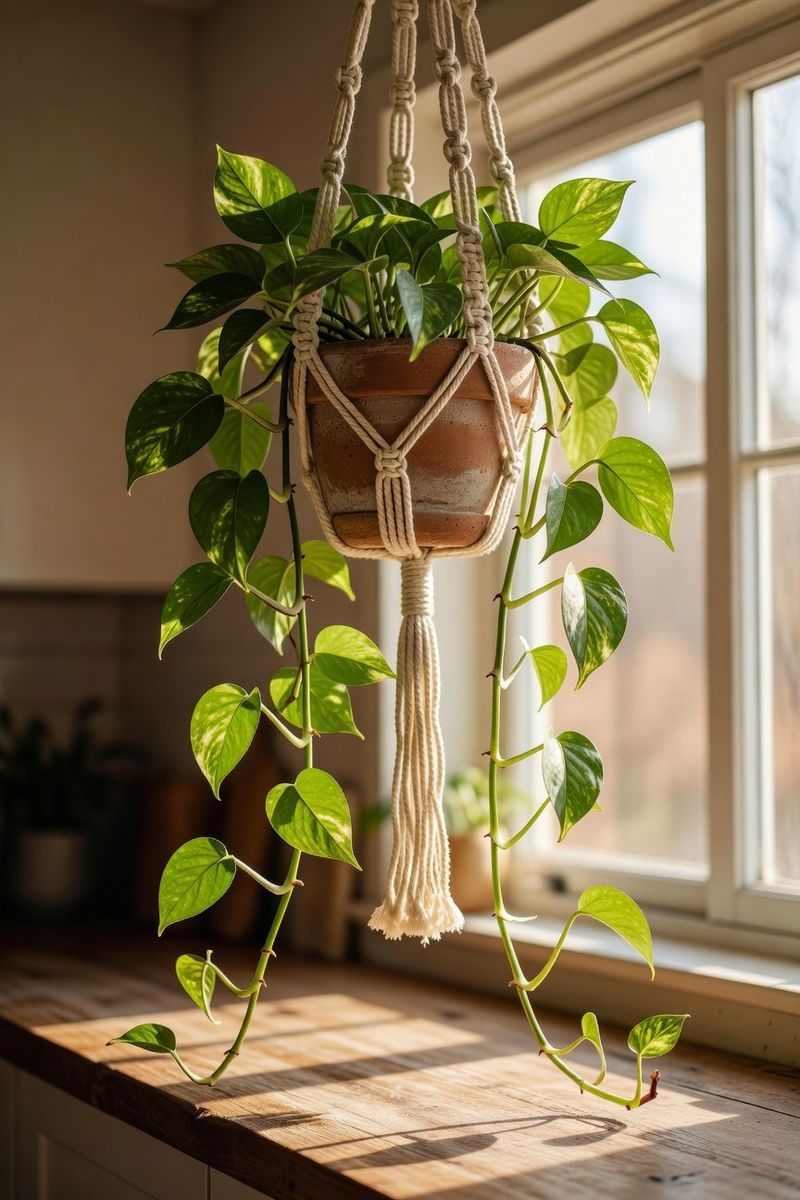
Heartleaf philodendron has glossy leaves shaped like little valentines, and they practically glow when light hits them. I hung one in a macrame planter by my sunny kitchen window, and guests point at it first.
This vine, known scientifically as Philodendron hederaceum, grows wild across the tropics of Central and South America. Indoors, it trails several feet from a hanging pot, which adds height and movement to bare walls.
Macrame hangers fit the jungalow look perfectly, since knotted cotton cord adds soft bohemian texture to a room. Choose a pot with a drainage hole, and set a saucer inside to catch the extra drips.
Bright, indirect light is ideal, though this forgiving plant handles lower light better than many tropical cousins. Leaves spaced far apart along the stem usually mean the plant is stretching toward a brighter spot nearby.
Water once the top inch of soil feels dry, aiming for steady moisture rather than a soggy swamp. Yellowing older leaves often signal too much water, so check the soil before reaching for the can.
The cultivar Brasil shows off bright golden stripes down the middle of each leaf, almost like streaks of sunshine. Mixing a solid green vine with a striped one in neighboring hangers creates a playful contrast overhead.
Like its arum family relatives, this philodendron contains calcium oxalate crystals that irritate mouths and throats when chewed. Hanging planters help here, keeping those tempting dangling vines up and away from nosy pets and toddlers.
4. Stand Tall Snake Plants Beside Shady Doorways
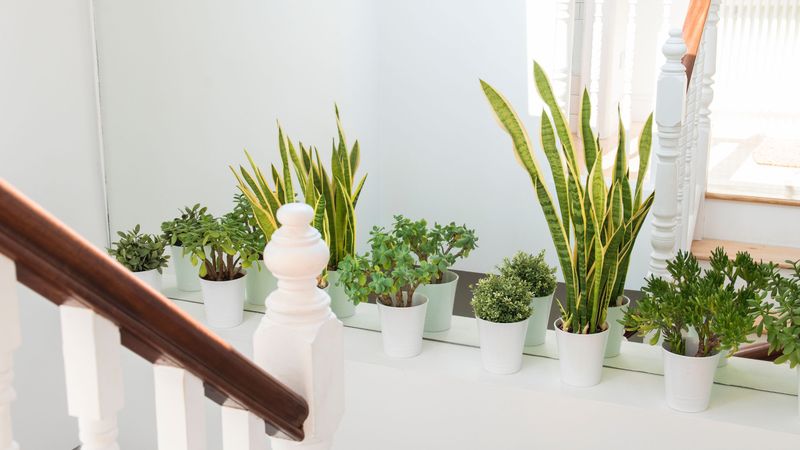
Snake plant leaves stand so stiff and upright that friends sometimes poke them to check if they are fake. I admit I did the same thing at a local garden center before finally bringing one home.
Botanists now call it Dracaena trifasciata, though you will still see the older name Sansevieria on many labels. Its sword-shaped leaves bring a strong vertical line that balances all the floppy vines in a jungalow room.
Low light rarely bothers this tough plant, which makes it great for a dim entryway or bedroom corner. Growth speeds up in bright, indirect light, though, so move it closer to a window if you can.
Overwatering is the most common problem, because the thick leaves store water much like a succulent does. Let the soil dry out fully between drinks, which might mean watering just once a month in winter.
A cactus or succulent mix in a heavy terracotta pot helps the soil dry evenly and prevents tipping. Tall varieties can become top-heavy, so a wide base keeps your plant standing proud near busy doorways.
Snake plants contain saponins, which can cause nausea or vomiting if pets or people chew on the leaves. Symptoms are usually mild, but placing the pot away from playful puppies still makes good sense.
Try grouping a tall snake plant with a short one in woven baskets for a mini forest effect. The striped leaves look especially sharp next to bold patterned rugs or a painted accent wall.
5. Tuck A Glossy ZZ Plant Into Your Darkest Corner
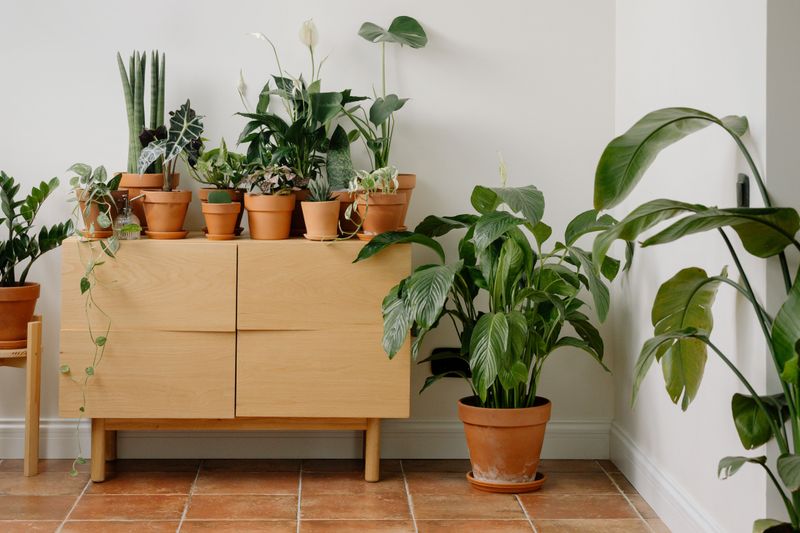
Underneath the soil, a ZZ plant hides chunky potato-like rhizomes that store water for weeks at a time. That hidden pantry explains how mine handled a two-week vacation without a single drop of water.
Its scientific name is Zamioculcas zamiifolia, and its native home is eastern Africa, where dry spells are common. The waxy, dark green leaves reflect light so well that people often mistake them for polished plastic.
Few houseplants handle a dim corner as gracefully, which makes the ZZ perfect for hallways and north-facing rooms. Keep it out of harsh direct sun, since strong rays can scorch and yellow those shiny leaflets.
Watering sparingly matters most, because rotting rhizomes are the main way people lose this plant indoors. Wait until the soil is nearly dry from top to bottom, then soak it and let it drain.
You may read claims that ZZ plants purify indoor air, but home-scale effects are small according to most researchers. Enjoy it for its looks and toughness rather than counting on it to replace an air filter.
The plant contains calcium oxalate crystals, so chewing on stems or leaves can irritate mouths and stomachs. Wash your hands after repotting, and keep cuttings away from curious pets who like to nibble greenery.
In a jungalow room, a ZZ in a bright patterned ceramic pot keeps dark corners from feeling forgotten. I like the cultivar Raven with nearly black leaves for extra drama beside lighter green plants.
6. Give A Fiddle Leaf Fig The Brightest Window In The House
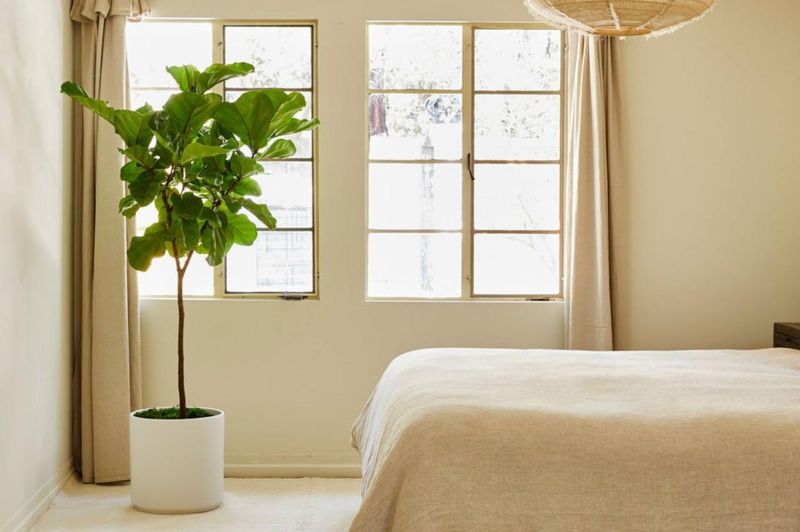
Fiddle leaf fig leaves really do look like little violins, with wide tops and narrow waists near the stem. I call mine the diva of the living room, because it sulks whenever I move it even slightly.
Known as Ficus lyrata, this tree belongs to the mulberry family and comes from the forests of western Africa. Indoors, it can reach six feet or more, making it a natural centerpiece for any jungalow space.
Bright, indirect light is non-negotiable, so park it near a large south or west window with sheer curtains. Rotate the pot a quarter turn every few weeks so the trunk grows straight instead of leaning.
Water when the top two inches of soil feel dry, and let every drop drain out the bottom. Soggy roots cause brown spots and dropped leaves faster than almost any other mistake with this plant.
Indoor heating in Virginia winters dries the air, and crispy brown edges often follow on fig leaves. A small humidifier nearby helps, and it keeps your own skin happier during those chilly months too.
The milky sap can irritate skin, and chewing the leaves may upset the mouths and stomachs of pets. Wear gloves when pruning, and wipe up any dripping sap before a curious dog investigates the mess.
Dusty leaves block light, so I wipe each big leaf gently with a damp cloth about once a month. That simple chore leaves the foliage shining and lets the plant soak up every bit of brightness.
7. Watch Calathea Leaves Fold Upward At Night
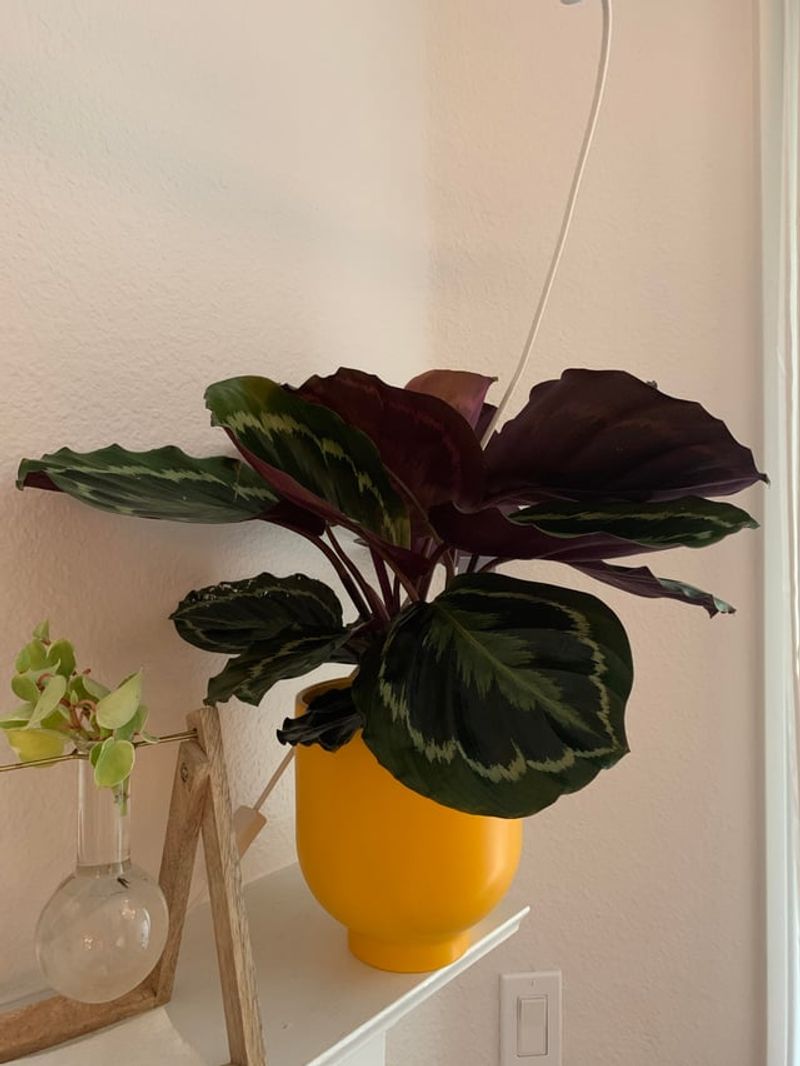
Every evening, my calathea lifts its patterned leaves upward, and every morning they drift back down again. That slow daily motion is why many relatives in the family earn the cute nickname prayer plants.
Many species once called Calathea now carry the scientific name Goeppertia, though stores still use the older label. Their leaves come painted with bold stripes and pink or purple undersides that look almost hand-drawn.
In the wild, these plants grow on shady tropical forest floors beneath a thick canopy of taller trees. Filtered light a few feet from a bright window copies that setting without bleaching the gorgeous patterns.
Keep the soil evenly moist, avoiding both soggy puddles and bone-dry spells that curl the leaves tightly. Tap water minerals can cause crispy brown tips, so many growers switch to filtered or rain water.
Humidity around fifty percent or higher keeps calatheas happiest, which can be tricky in winter Virginia homes. Grouping several plants together creates a small humid pocket, and a humidifier makes an even bigger difference.
Pet owners can relax a bit here, because the ASPCA lists calatheas as nontoxic to cats and dogs. That makes them a smart choice for low tables and floor plants where curious paws often wander.
Calatheas can be fussy, so I try not to panic when one leaf curls or browns after a move. Give a new plant a few weeks to adjust, and it usually rewards you with fresh unfurling leaves.
8. Brighten Shady Shelves With White Peace Lily Blooms
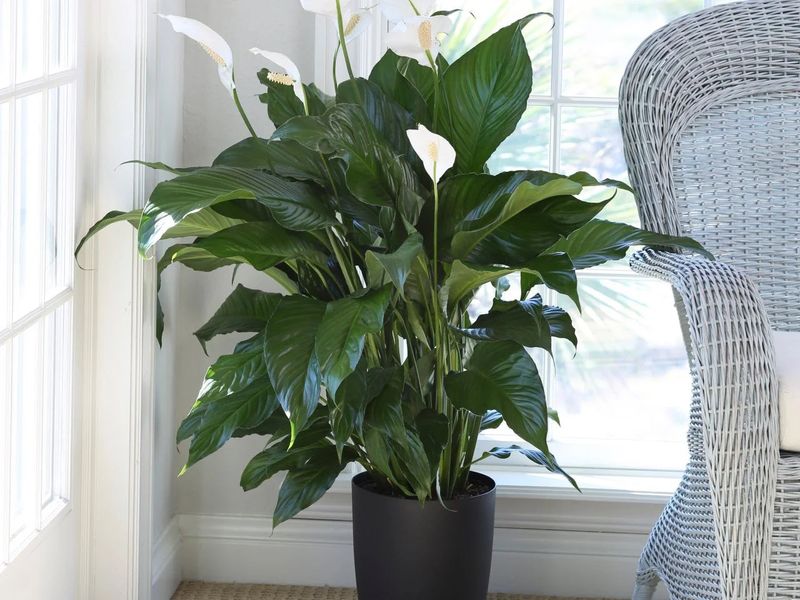
Those white peace lily flowers are not really petals but a modified leaf called a spathe wrapped around a spike. I was honestly shocked to learn that, after years of calling them blooms at every family gathering.
Peace lilies belong to the genus Spathiphyllum, and they are not true lilies despite their pretty common name. That difference matters, since true lilies are dangerous to cats while peace lilies cause milder irritation.
The spathes start bright white and slowly fade to pale green as they age over several weeks. Snip faded ones at the base of the stalk to keep the plant looking tidy and fresh.
Low light is tolerated, but bright indirect light near an east window encourages far more flowers each year. Direct afternoon sun tends to scorch the leaves, leaving pale yellow patches on the glossy green foliage.
Keep the soil lightly moist, letting the surface dry slightly before you water again with room temperature water. Peace lilies droop dramatically when thirsty, then perk back up within hours after a good, thorough drink.
Cold drafts from leaky doors or windows can damage leaves, so keep this plant away from chilly spots. Warm rooms with decent humidity suit it best, especially once Virginia furnaces start running in late fall.
Calcium oxalate crystals in the leaves can cause mouth swelling and stomach upset if pets chew them. Set your peace lily on a high shelf among trailing vines, and it adds bright white sparkle above.