9 Signs Kudzu Is Creeping Into Your Virginia Yard
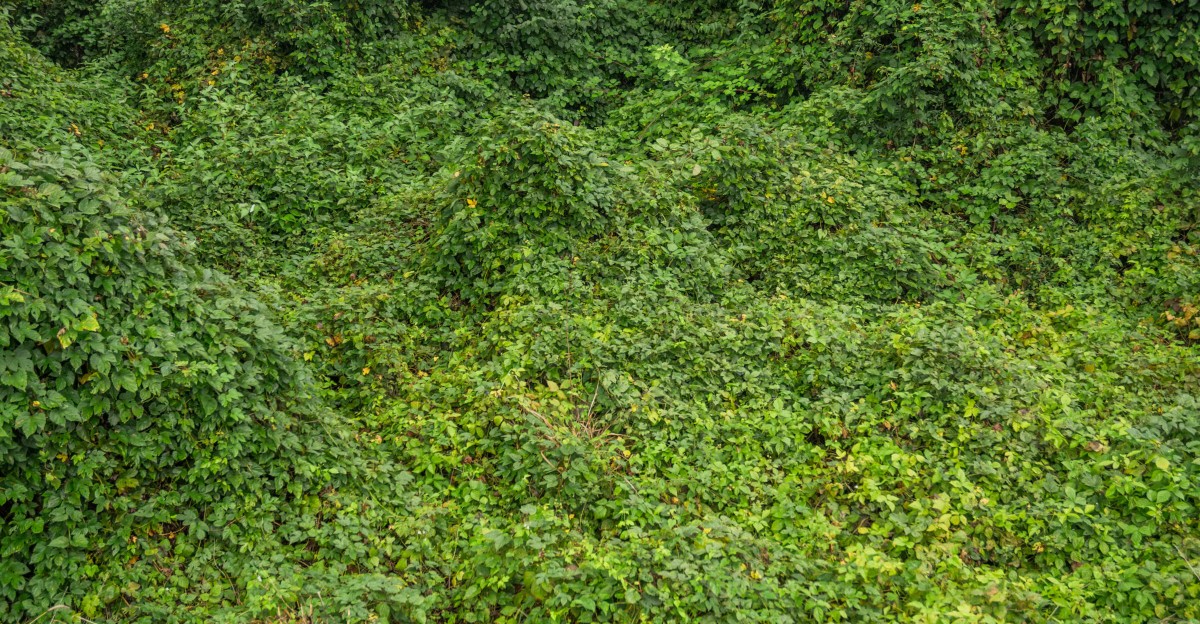
A single vine stem can stretch about a foot in one summer day, outpacing most growing kids. That same plant arrived in America as a garden showpiece in 1876, and people once got paid to plant it.
Today it blankets roadsides across Virginia, and its biggest roots can outweigh a grown adult by a lot. Those roots sit deep underground, sometimes twelve feet down, quietly storing energy for another round of growth.
I learned about it the hard way when a fence corner behind my shed disappeared under huge leaves. You build your confidence fast once you know which clues to watch for along the edges.
October is a sneaky month in Virginia yards, because the leaves are still green and the pods are forming. So how close has this green invader crept toward your own garden gate while you were busy?
1. Three-Part Leaves Bigger Than Your Hand
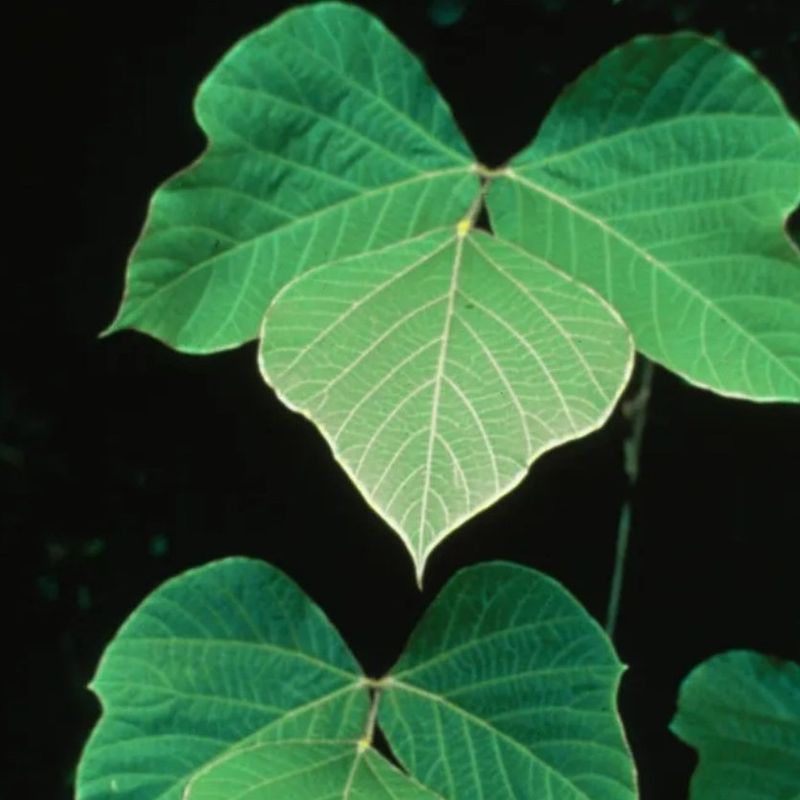
Hold one of these leaves up to your face, and it might cover your whole cheek and chin. Each leaf splits into three broad leaflets, a pattern botanists call trifoliate, and that trio is your first giveaway.
The leaflets are dark green and fairly large, often with soft rounded lobes along the edges. Some leaflets look like mittens, while others stay smooth and oval, so do not expect perfect matches on every stem.
Flip a leaf over and run your fingertip across the back side for a quick texture test. You should feel fine hairs underneath, which separates this vine from many smooth-leaved plants growing nearby.
I mistook poison ivy for it once, since both plants carry three leaflets on each stem. Poison ivy leaves are smaller and shinier, though, and they lack that fuzzy underside, so wear gloves while you compare.
Beans and some native vines also share the three-leaflet look, which is why a single clue rarely settles things. Pair the leaf check with stem hairs and growth speed before you decide what you are facing.
October is a handy time for this check, because the foliage often stays green while many natives start turning colors. A patch of big green leaves holding strong at the yard edge deserves a closer look this month.
2. Golden Hairy Stems Twisting Up Your Fence
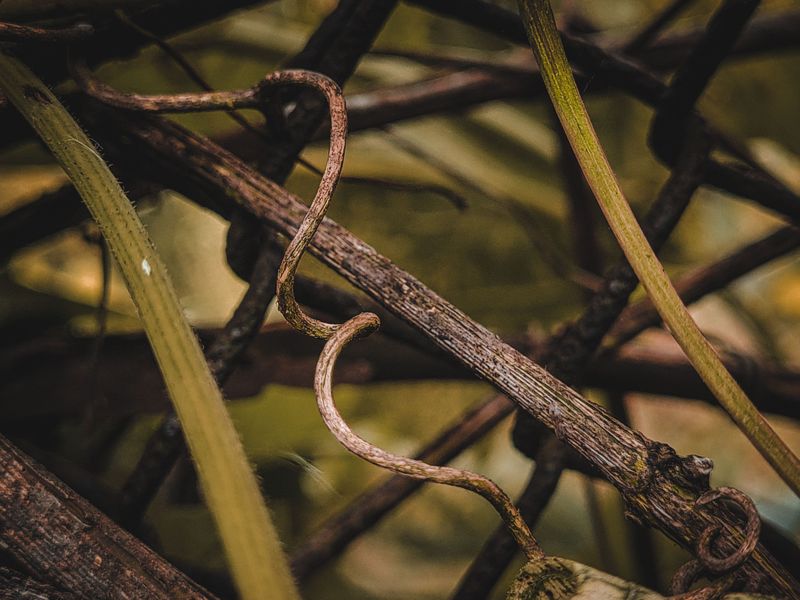
Young stems on this vine look like they need a haircut, covered in bristly golden hairs that catch the sunlight. I find them oddly pretty up close, which is a sneaky trait for such a pushy plant.
Those fuzzy stems are round and yellow-green, and they twist tightly around anything they can reach. Fence posts, mailbox poles, and clothesline supports make perfect ladders for a climber that loves heading toward the sun.
Run a gloved hand along a suspicious stem and you will notice that scratchy, bristly feel right away. Smooth native vines like Virginia creeper feel quite different, and creeper also has five leaflets instead of three.
Catching the vine at this hairy young stage makes your job much easier than waiting for woody growth. Clip each stem near the ground, then unwind the rest gently so the fence boards do not get pulled loose.
Your Virginia Garden Changes Every Week. Your Plan Should Too.
Gardening in Virginia changes quickly throughout the season. Every Friday you’ll receive a simple weekly plan showing exactly what to plant, prune, fertilize, harvest, and protect so you never miss the right timing.
Bag the cuttings instead of tossing them on a compost pile, since stem pieces touching damp soil can sometimes root. A sturdy yard bag set out with regular trash pickup works well for most homeowners with small patches.
Keep checking those same posts every couple of weeks until the first hard frost arrives later this fall. New shoots often pop up from the same spot, and quick clipping slowly drains the energy stored below.
3. Purple Grape-Scented Flowers From Late Summer
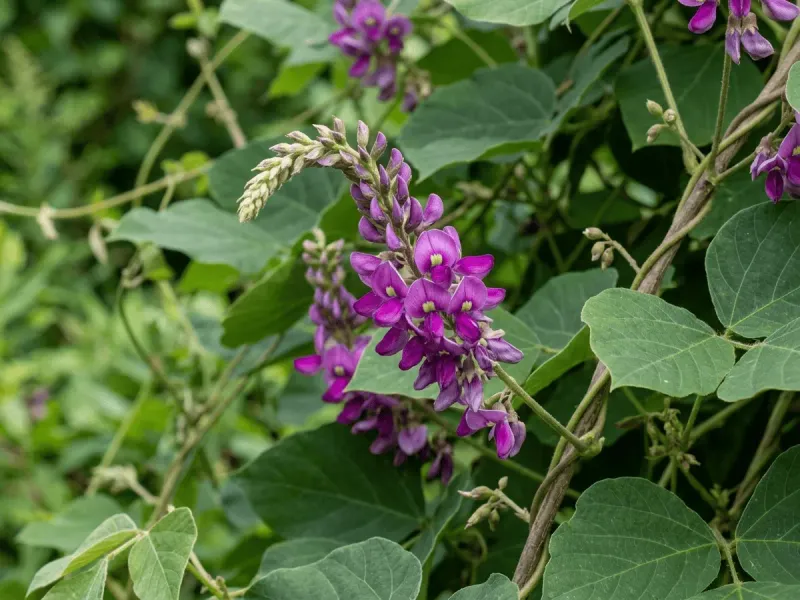
People often describe the scent as grape soda or even grape Kool-Aid, and honestly, my nose agrees with them. If your yard smelled like a candy shop back in August, those sweet purple blooms might be the reason.
The flowers look like small pea blossoms, roughly half an inch to three quarters of an inch long. They grow in upright or drooping clusters tucked under the big leaves, so you may smell them before seeing them.
Blooming usually happens from mid to late summer, so most flowers have faded by early October. Look closely anyway, because a few stragglers sometimes linger on sunny vines, especially after a warm stretch of weather.
Flowering also reveals something about the plant’s age, since blooms typically show up only after about three years. A vine that flowered this year has likely been settling into your property for a while without much notice.
That timeline gives you a useful clue for planning, because older plants have bigger roots and need longer follow-up. Jot down where you remember smelling grape scent this summer so you can mark those spots for removal work.
Bees do visit the blossoms, but native flowering vines like American wisteria feed pollinators without taking over the neighborhood. Swapping in a well-behaved native later can give you blooms and fragrance with far fewer headaches.
4. Fuzzy Brown Seedpods Hanging In October
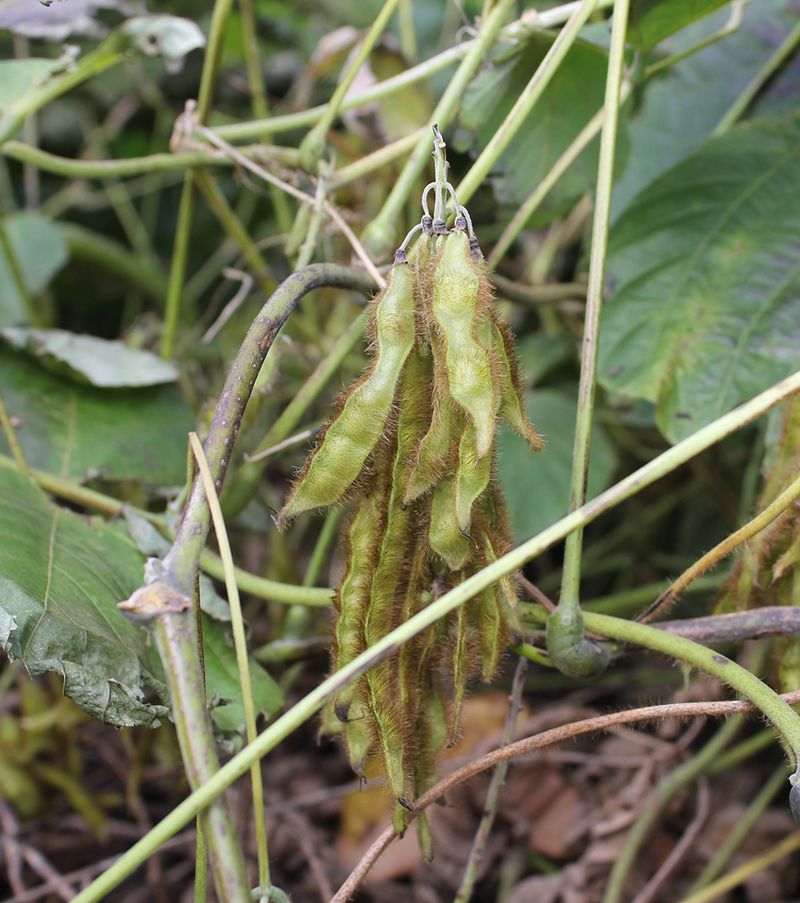
Right about now, the vine starts dangling little fuzzy pods that look like flattened green beans wearing sweaters. October and November are prime months for spotting them, which makes this clue perfect for a fall yard walk.
Each pod measures about one to two inches long, starting green and slowly fading toward brown. Inside, you might find several kidney-shaped seeds, often somewhere between three and ten tucked in a tidy row.
I was surprised to learn that viable seeds are fairly rare in the United States, according to research sources. Most spreading happens through creeping stems instead, so the pods mostly serve as an identification badge for you.
Hairy pods hanging beside large three-part leaves make a pretty convincing combination for a confident identification. Snap a clear photo with your phone and compare it with extension service images if you still feel unsure.
Clipping and bagging pods is a simple bonus step while you handle the stems this month. Even if few seeds sprout, removing them gives you peace of mind and keeps your cleanup a little more thorough.
Native plants like hog peanut also make small pods, but they are tiny and delicate by comparison. Size matters here, so a chunky fuzzy pod on a vigorous vine points strongly toward our unwanted guest.
5. Green Blankets Smothering Shrubs And Trees

Strange green shapes along your property line can look like topiary animals, but they are rarely planned that way. Across Virginia, shrubs and small trees buried under a thick leafy blanket are a classic sign of this vine at work.
The vine grows so densely that it blocks sunlight from reaching the leaves of whatever sits underneath. Without enough light, buried plants struggle to make food and slowly decline over several seasons.
Vines can lengthen as much as sixty feet in one growing season, so a small patch spreads surprisingly fast. I once watched a holly hedge disappear over a single summer in Virginia, and it shocked me how quiet the takeover felt.
The sheer weight adds trouble too, bending branches and sometimes snapping limbs during storms or heavy rain. Utility poles and even outbuildings can be damaged when tangled vines pile up heavy for years on end.
Start rescue work by cutting vines at the base of each covered shrub instead of yanking from above. Once cut, the upper growth withers and becomes much easier to pull off without tearing your plant.
Give freed shrubs a little extra water during dry October weeks so they can recover before winter rest. Some will look ragged for a while, but many bounce back nicely by the following spring, and gardeners all over Virginia can tell you that patience pays off.
6. Vines Rooting Wherever They Touch The Ground
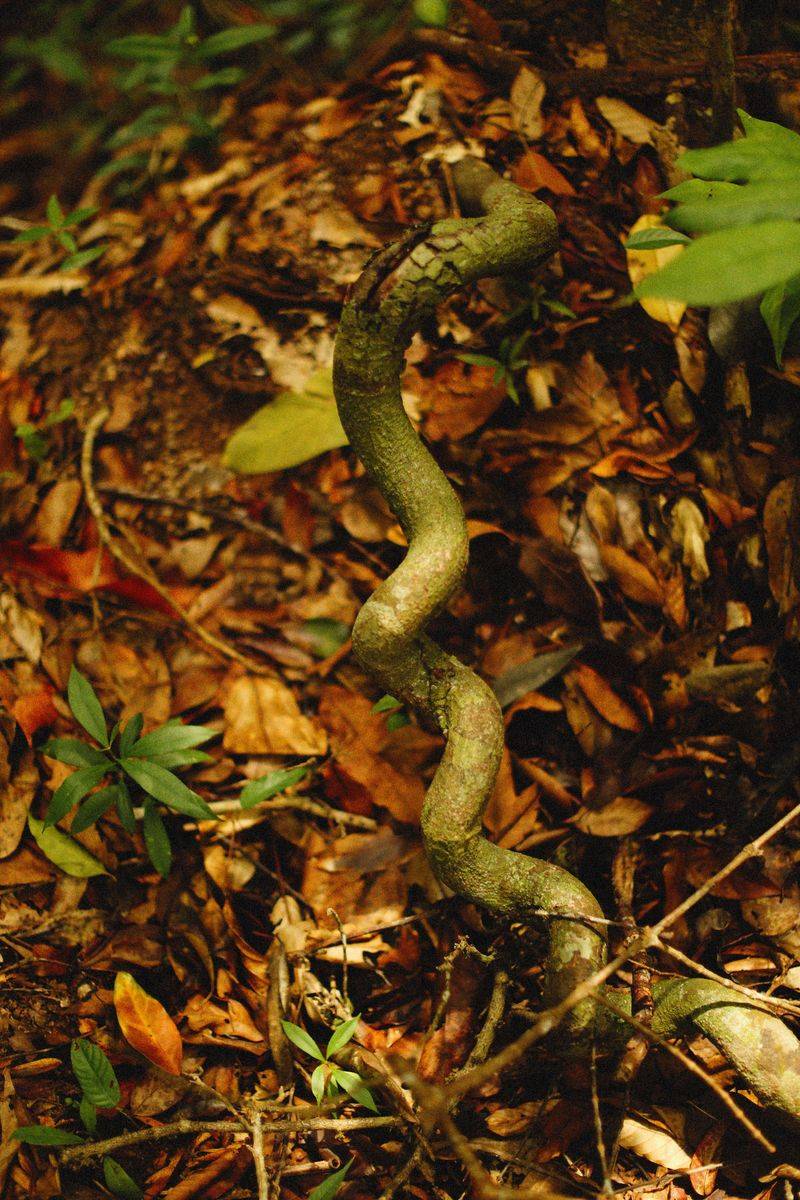
Lift a trailing stem off the ground and you might hear a tiny tearing sound as fresh roots let go. That little snap tells you the vine has been planting new copies of itself right across your lawn.
Runners creep along the soil surface and send down roots at their leaf nodes, the bumpy joints along each stem. New plants can establish every one to two feet, which explains how patches seem to march outward each year.
Research notes that a single root crown can eventually support many new vines, sometimes up to thirty. That spreading trick matters far more than seeds, so ground-level runners deserve most of your attention this fall.
Walk the outer edge of any patch and gently lift stems to check the undersides for anchored spots. Pulling those young rooted sections now, while soil stays moist from autumn rain, often works better than waiting.
I like using a hand trowel to loosen each little root cluster before tugging it free from the dirt. Small rooted pieces come up easily, and it feels satisfying to undo a whole summer of sneaky progress.
Mowing regularly along lawn borders also helps, because constant cutting weakens runners trying to enter grassy areas. Keep that mowing habit going for several seasons, since one year alone rarely solves an established patch.
7. Knobby Root Crowns Hiding At Soil Level
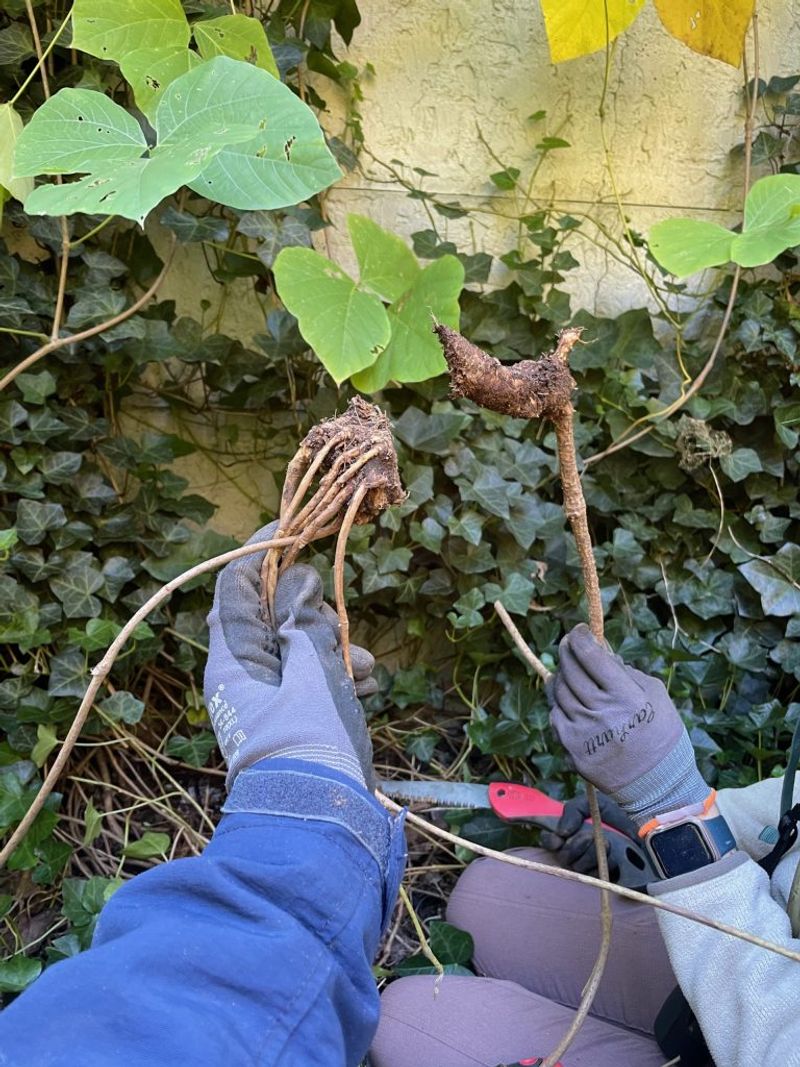
Brush away the leaf litter at the base of a big vine, and you may find a lumpy knob like a potato. That woody lump is the root crown, and it acts as the command center for the whole plant.
Crowns sit right at the soil surface or just slightly below it, connecting sprouting vines to the giant tubers underneath. Those tubers can grow huge, reaching hundreds of pounds and stretching many feet down into the soil.
Extension experts point out that cutting the crown away from its vines and roots helps the plant decline. I find that method oddly satisfying, because you skip the impossible job of digging up an enormous underground root.
Use a sharp spade or a sturdy pruning saw to slice beneath the crown and pop it free. Then remove the crown from the area, since leaving it on moist ground gives it another chance to sprout.
Expect several crowns in one patch, since rooted runners form new ones as the colony spreads outward over time. Mark each one with a bright garden flag so you can track your progress and check for regrowth.
Fall is a smart season for crown hunting, because thinning foliage makes the base of each vine easier to see. Take your time and work steadily, since patient crown removal often pays off within a few seasons.
8. Leafy Curtains Spilling From Roadside Edges

Driving through southern parts of the state, you might notice green curtains draped over entire roadside forests. Those leafy walls rarely stay put, and the nearest open yard often becomes their next target.
The vine loves disturbed ground with plenty of sun, like road shoulders, old fields, and utility corridors. Southern Virginia and the Blue Ridge region see especially heavy growth, according to state and university sources.
If your yard backs up to one of these spots, treat the property line like a border crossing you patrol. I walk mine every few weeks with clippers in hand, and the routine takes less than twenty minutes.
Look for stems reaching across ditches, under fences, or along the ground toward your lawn and flower beds. Snipping those scouts early keeps the main mass from gaining a foothold on your side of the line.
Neighbors and local road crews can be helpful partners, since vines ignore property lines entirely when they spread. A friendly conversation about shared problem spots often leads to teamwork that benefits the whole street.
Some towns even use goats to munch down large roadside patches, which is a pretty fun sight to witness. Ask your local extension office about community control programs, because group efforts usually make a bigger difference.
9. Thick Woody Vines Hanging From Tall Trees
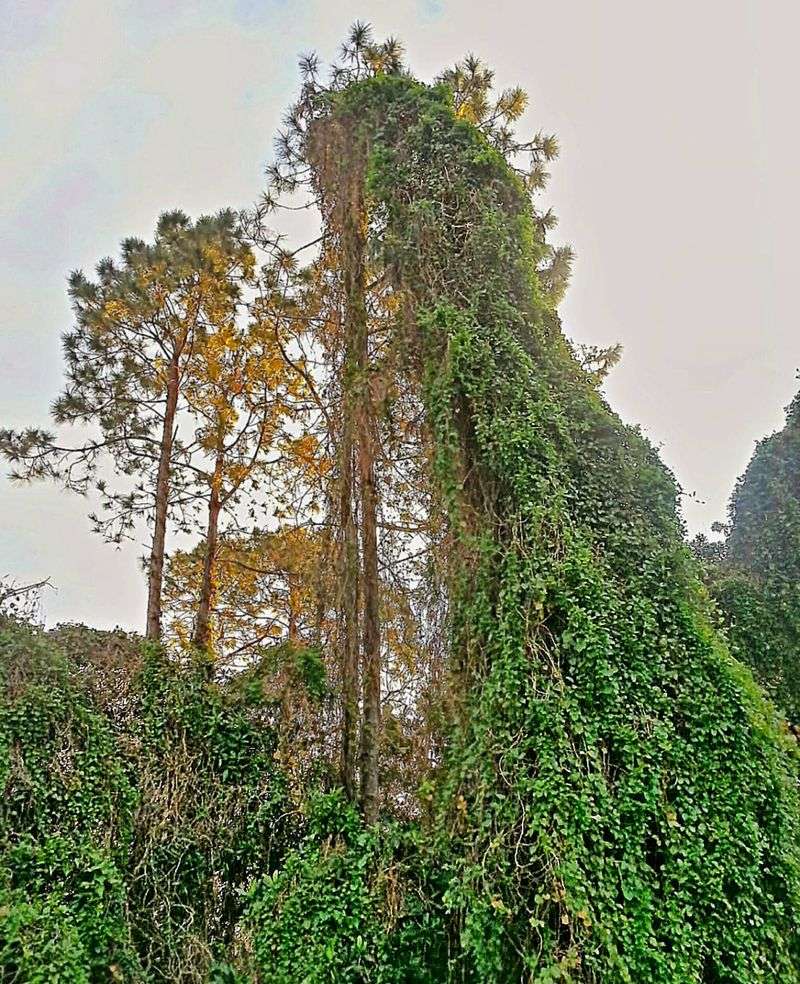
Some vines grow as thick as a broom handle or even wider, reaching about four inches across. Spotting rope-like woody stems hanging from your tallest trees often means the vine has lived there for years.
Young green stems gradually toughen into rigid vines covered in rough dark-brown bark as they age. That woody growth helps the plant hold its position high in the canopy, where sunlight feeds its rapid growth.
Later this winter, after leaves drop, those bare vines will stay draped over branches like tangled brown ropes. October is a good time to locate them, though, because green leaves still show exactly where each vine travels.
Cut thick vines near the ground with a pruning saw, then leave the upper portions to wither in place. Yanking heavy vines down can snap branches or bring debris tumbling toward you, so safety comes first.
Large infestations high in trees may need help from a certified arborist or a licensed herbicide applicator. Late fall treatments can work well, since nutrients are moving toward the roots at the end of the growing season.
I felt overwhelmed the first time I saw woody vines in my oaks, but steady effort made real progress. Plan for a multi-year approach, and celebrate each season when fewer green shoots come back to greet you.