One Cold Night Changes Everything And New Jersey Apple Gardeners Know
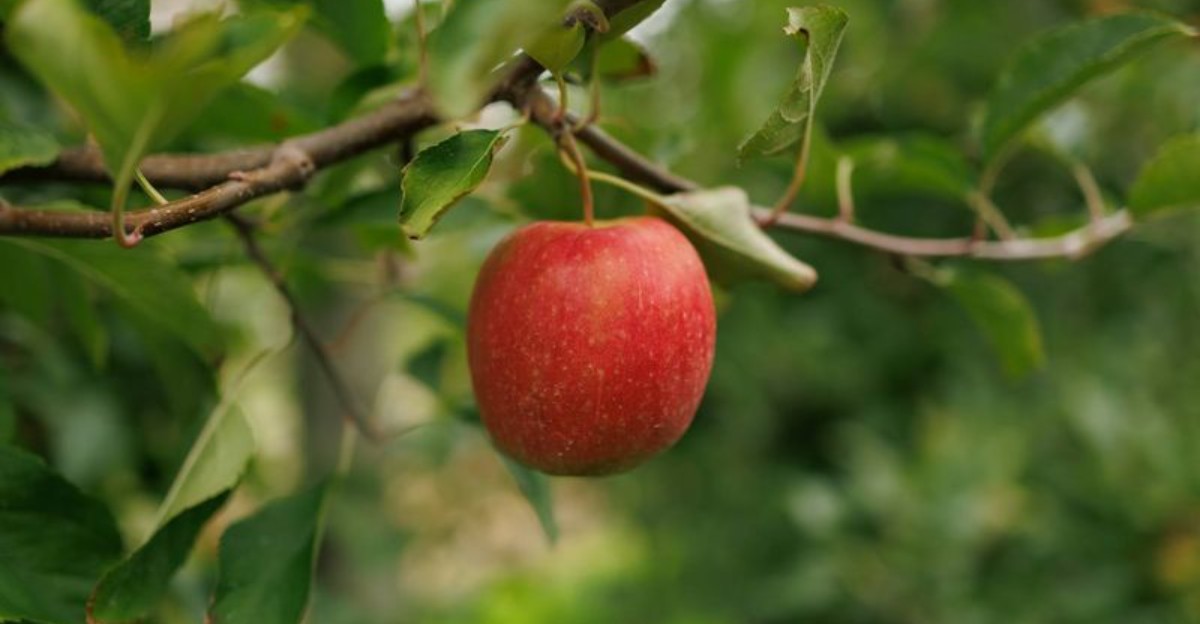
Red apple skin often gets its deepest color only after nights turn cool. Warm September evenings in New Jersey can leave fruit looking a little washed out, even when it tastes ready.
I used to grab every apple the first week it looked decent. Turns out patience paid off. The fruit I left hanging through a few crisp nights tasted brighter, smelled stronger, and looked like it belonged on a farm stand sign.
You might notice the same thing in your own New Jersey backyard tree. Cool nights paired with sunny days slow the tree down while the fruit keeps building color and flavor.
That simple weather swing does more work than most of us realize. Growers across the state watch the forecast closely this time of year.
Some nights help the harvest, while others put it at risk. How do you tell a helpful chill from a harmful one?
Cool Autumn Nights Leave Their Mark on Ripening Apples
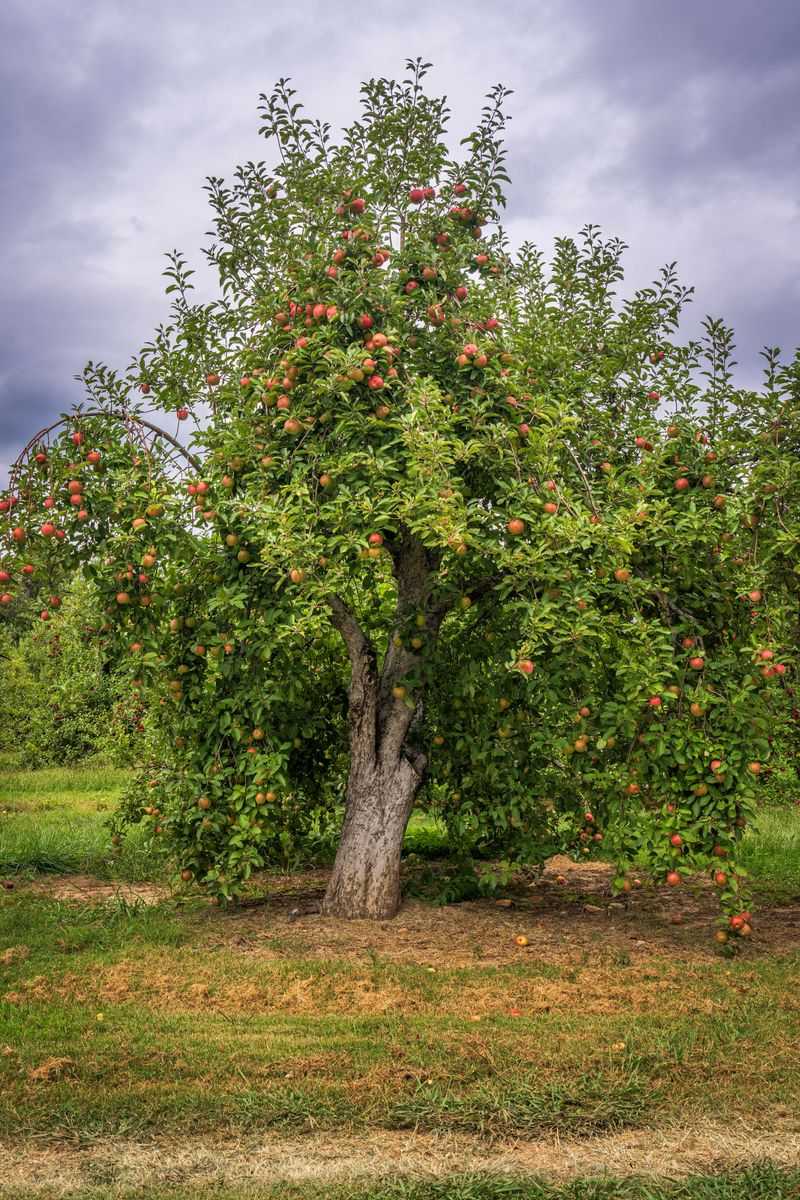
Apple growers have a favorite weather pattern, and it sounds a little backward. They want warm, sunny afternoons followed by cool nights, often in the 40s or low 50s. That swing is when the fruit seems to wake up.
During the day, leaves make sugars through photosynthesis and send them into the fruit. At night, cooler air slows the fruit’s respiration, so it burns fewer of those sugars. More sweetness stays inside the apple instead of getting used up as energy.
Cool nights also help red color develop. The red in apple skin comes from pigments called anthocyanins, and university extension research shows they build up best when days are bright and nights are chilly.
Warm nights tend to hold that color back, which is why apples in hot regions sometimes ripen with a dull or streaky blush.
I find this one of the most satisfying parts of fall gardening. You do nothing at all, and the weather quietly improves your fruit overnight.
Your job is mostly to notice the pattern and resist picking too soon. Keep an eye on your local forecast. A week of clear days and crisp nights is often the stretch that turns good apples into great ones.
Starch Turns to Sugar Inside That Apple You Waited For
Bite an apple picked too early and you get a chalky, flat taste. That dull flavor comes from starch, which is stored energy the fruit has not converted yet.
As the apple matures, enzymes break that starch down into simple sugars like fructose and sucrose.
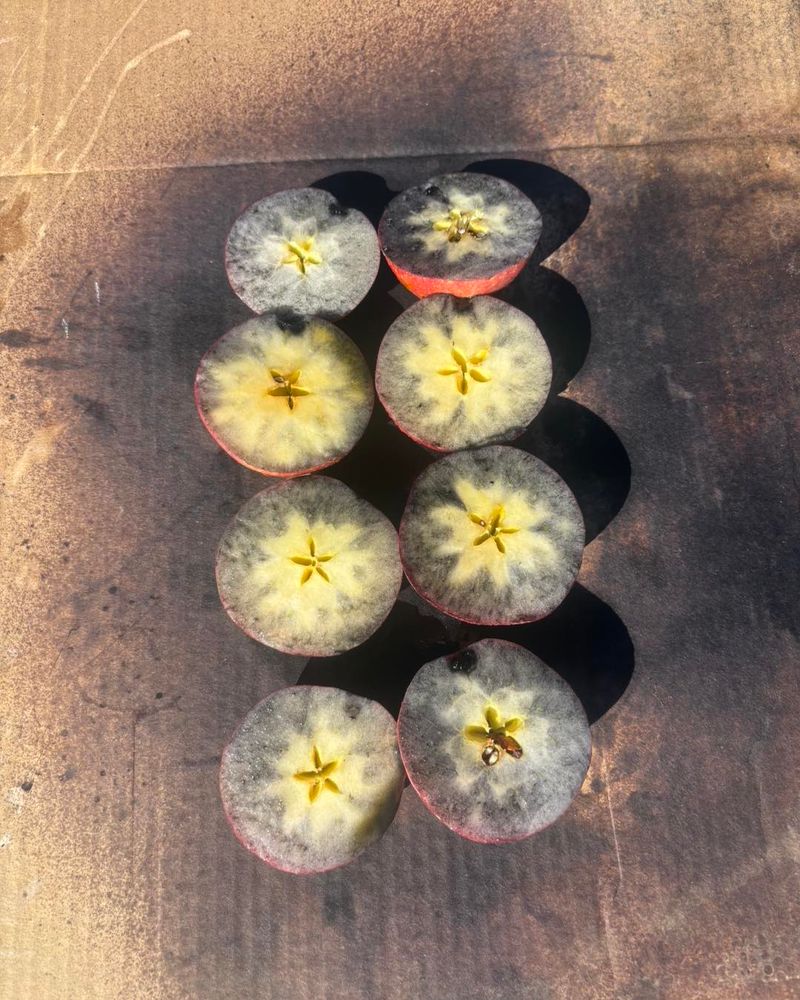
Fruit researchers actually test this with iodine. They slice an apple in half and paint the cut surface with an iodine solution.
Starch stains dark blue-black, while converted areas stay pale, so the pattern shows how far ripening has gone.
Extension programs and others use these starch charts to help orchards time harvest. Most dessert apples taste best once a good share of the starch has converted.
You can try a simple version at home with iodine from the pharmacy, but please do not eat the tested slices.
Cool weather pairs nicely with this process. Lower night temperatures slow the loss of sugars and help preserve malic acid, the compound behind that tangy zip.
The result is a balance of sweet and tart instead of one-note sugar. That balance is the reward for waiting. A crisp apple that is sweet and still lively on the tongue is the goal.
Check the Ground Color on the Shady Side of Your Apples
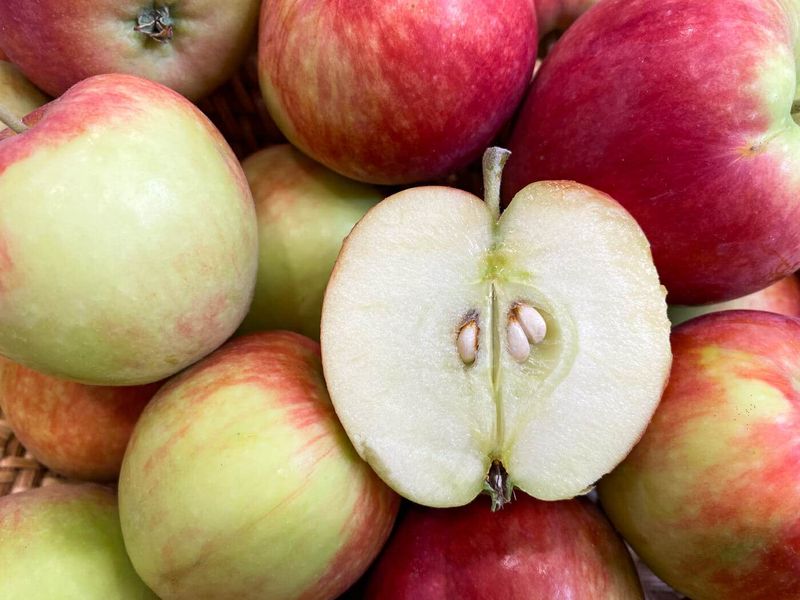
My favorite ripeness clue hides on the side of the apple facing away from the sun. Growers call it ground color, meaning the base skin color under any red blush.
On many varieties, it shifts from leafy green to a creamy yellow-green or gold as the fruit matures.
Red blush is a poor guide by itself. Some strains color up weeks before the fruit is ready, especially after cool nights. Ground color gives a more honest reading.
Next, try the seeds. Cut one apple open and look for brown seeds instead of white or pale tan ones.
Brown seeds suggest the fruit is close, though they show up a bit early on some types. The lift test helps too. Cup the apple and gently roll it upward. A ripe apple usually lets go with its stem attached, while an unripe one clings tight.
Finally, taste a few from different spots on the tree. Fruit on the sunny outside edges often ripens before apples tucked deep inside the canopy. Picking in two or three rounds lets each apple come off at its best moment.
Each Apple Variety Keeps Its Own Harvest Calendar
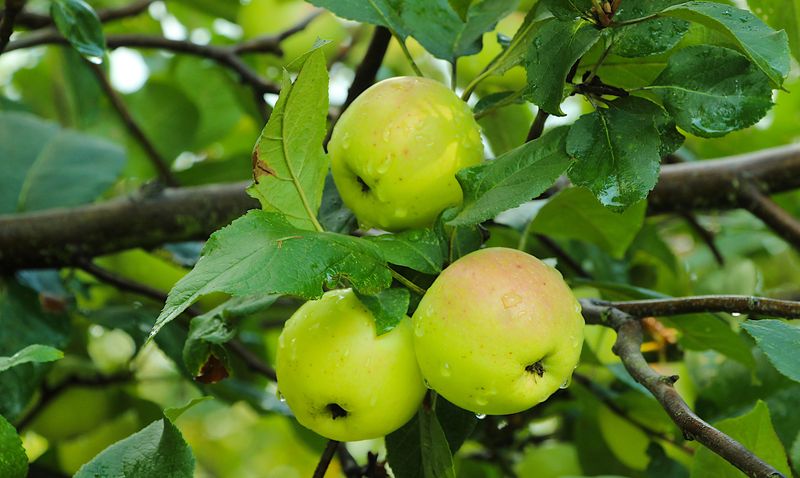
Gala and Honeycrisp are usually off the tree well before Fuji or Pink Lady even think about ripening. Apple varieties span a long season, starting in late summer and stretching into late fall.
Knowing your variety matters more than any single date. In many northern states, early types like Zestar! ripen in August. Midseason picks such as McIntosh, Gala, and Honeycrisp follow in September.
Late keepers like Fuji, Granny Smith, Goldrush, and Pink Lady often hang into October or even November.
Late varieties benefit most from cool nights. They have the time on the tree to soak up those crisp autumn stretches. Some, like Goldrush, actually taste better after a few weeks in storage too.
Early apples are a different story. Waiting too long on a summer variety can leave you with soft, mealy fruit that drops on the ground. So the wait-for-cold advice fits late apples best.
If you lost the tag on your tree, ask your county extension office or a local orchard. They can often identify the variety from fruit shape, color, and timing. That knowledge makes planning next fall much easier.
A Light Frost on Late Apples Is Usually No Cause for Panic
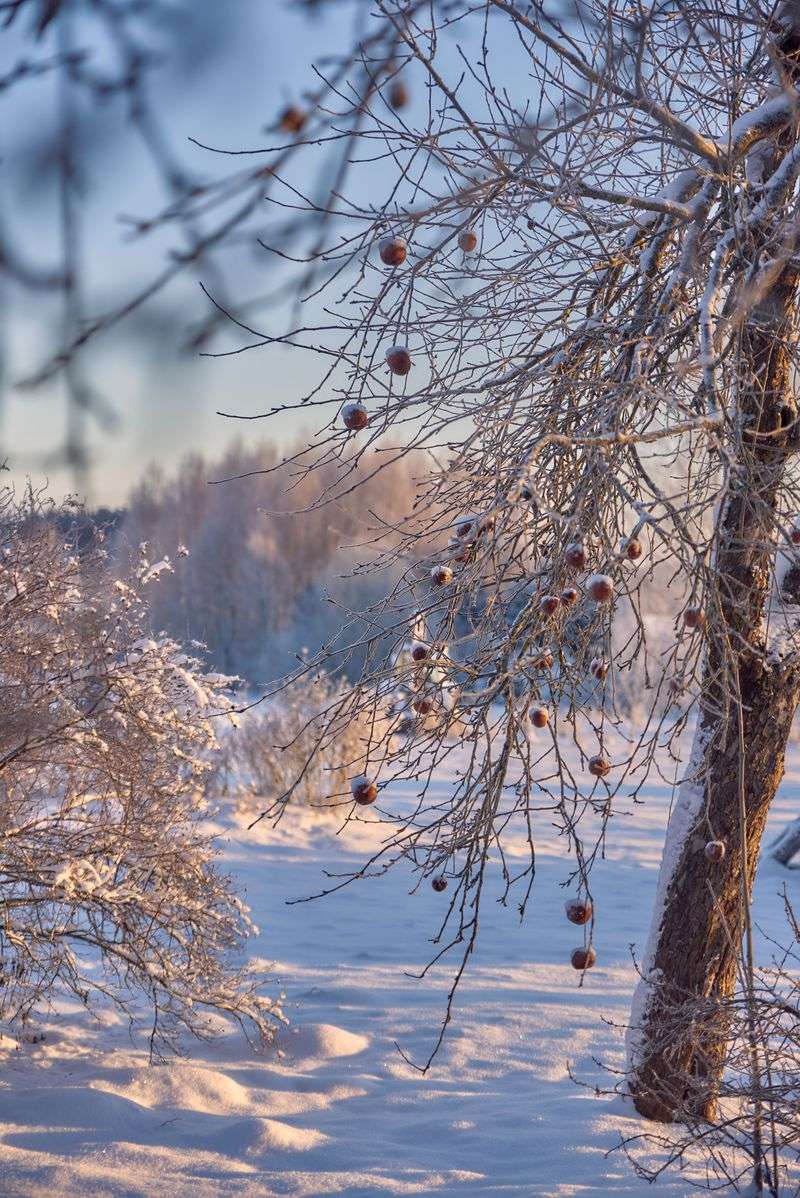
Waking up to frost on your apples feels alarming the first time. Mature fruit, though, handles a light frost better than most people expect.
Sugars in the cells lower the freezing point, so apples often stay unharmed until temperatures dip into the high 20s.
Extension sources note that ripe apples can usually tolerate brief temperatures near 28 to 30 degrees. Short exposure matters a lot. A quick dip before sunrise is far gentler than many hours of hard cold.
Some growers swear frost makes apples taste sweeter. The honest answer is that the crisp nights leading up to frost do most of the flavor work. A light frost may nudge ripening along, but it is not required for good taste.
Here is the most useful tip. If your apples froze lightly overnight, leave them alone until they thaw on the tree. Handling frozen fruit bruises the flesh, and those bruises turn brown fast.
Once the sun warms things up and the skin softens back to normal, check a few. If the flesh looks clear and firm, you are fine to keep waiting or start picking.
Pick Your Apples Before a Hard Freeze Hits the Orchard
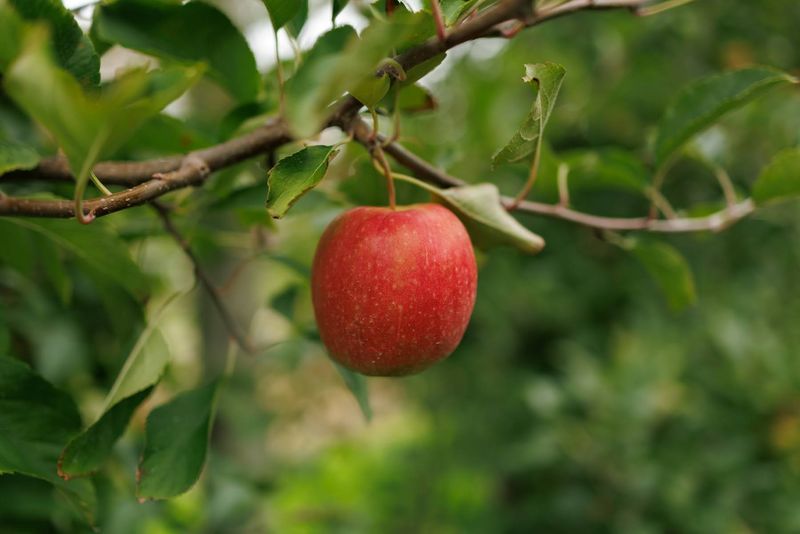
Patience has a limit, and the forecast tells you where it is. When temperatures in New Jersey are predicted to fall to about 25 degrees or lower for several hours, it is time to harvest.
A hard freeze like that can damage apple flesh from the inside. Freeze-damaged apples often look fine at first. Later, the flesh may turn brown, watery, or soft, and the fruit stores poorly.
Some apples also drop from the branch after a severe cold snap. So I keep a simple rule. Crisp nights in the 30s and 40s mean I wait.
A deep freeze warning means I grab the ladder and baskets that afternoon, and New Jersey gardeners would be wise to do the same.
Nearly ripe apples will keep improving a little after picking, especially varieties that store well. Even if they are not perfect yet, they will be far better than frozen fruit.
Keep them cool so they finish slowly. Pick on a dry day when you can. Twist and lift each apple rather than yanking, and keep the stem attached.
Set the fruit down softly, because even small bumps lead to bruises you will see a week later in any New Jersey orchard or backyard.
Cold Storage Keeps That Crisp Apple Crunch for Weeks
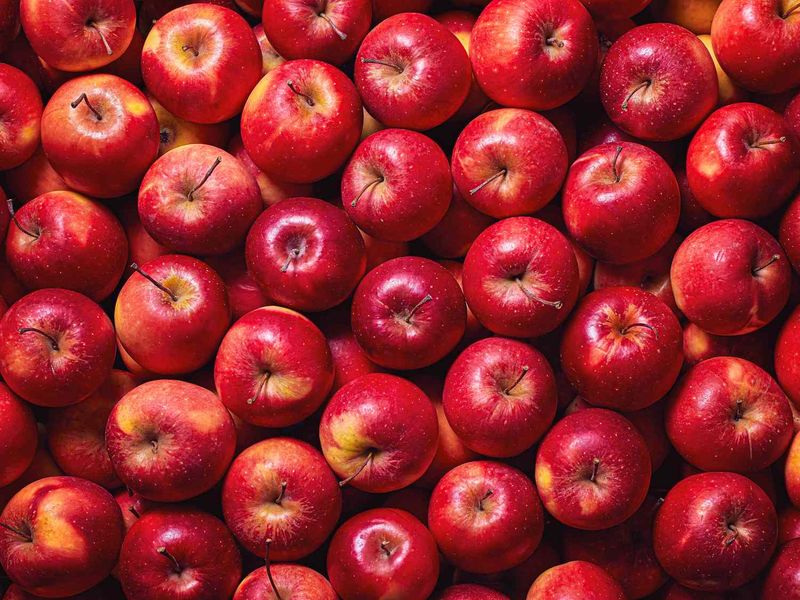
A room-temperature countertop is the quickest way to lose the crunch you waited all fall for. Apples soften much faster when warm. In fact, many sources say fruit can ripen several times faster at 70 degrees than at 32.
The sweet spot for most varieties is around 30 to 32 degrees with high humidity. A spare refrigerator, a cold garage that stays above freezing, or a chilly basement can work.
Honeycrisp is one exception, and growers often keep it a little warmer to avoid chilling disorders.
Perforated plastic bags help hold moisture so apples do not shrivel. Store them away from vegetables like carrots and leafy greens.
Apples give off ethylene gas, which can speed up spoilage and bitterness in nearby produce.
Sort your harvest before storing it. Eat bruised, cut, or wormy apples first, since one damaged fruit can spoil the ones around it. Only clean, sound apples belong in long-term storage.
Check your stash every week or two. Late varieties like Fuji and Granny Smith often keep for months when stored well. Early ones last a few weeks, so enjoy those first.
Your Backyard Apple Tree Rewards a Little Fall Watchfulness
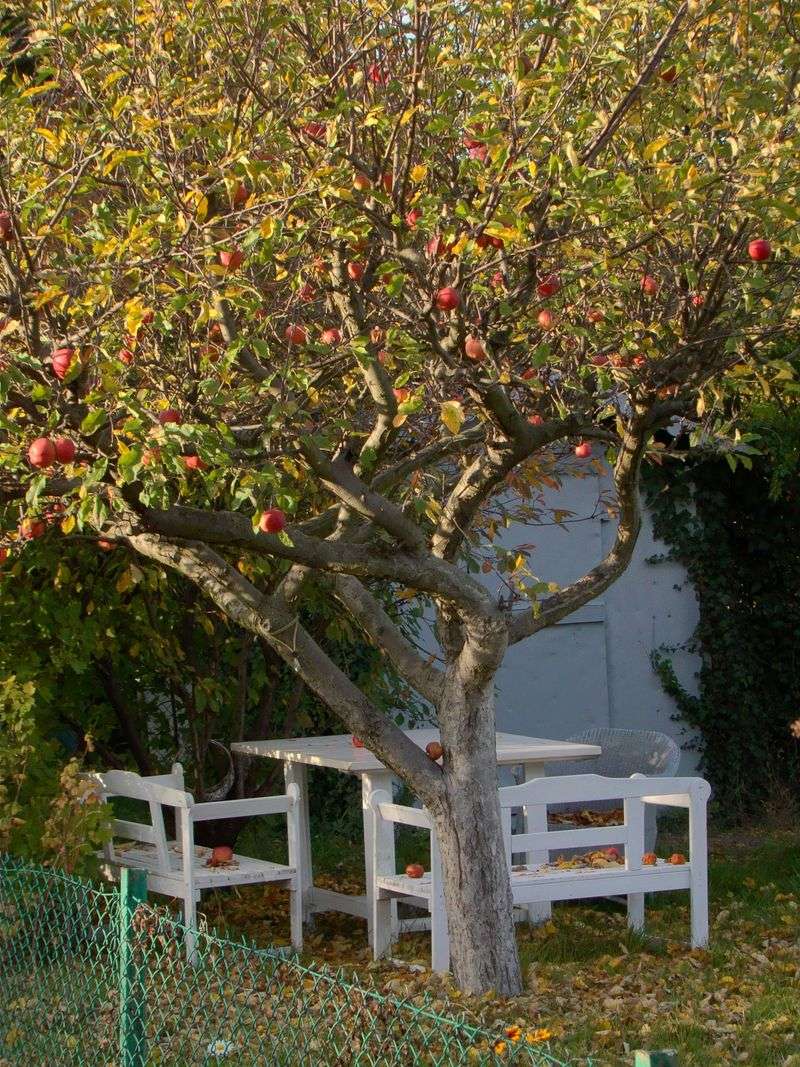
Some of the best gardening happens with a coffee mug and a weather app. Watching your apple tree through autumn costs nothing, and it teaches you more than any chart. Every season adds a little more knowledge.
Start a simple harvest notebook this year. Jot down your variety, the date you picked, the nightly lows that week, and how the fruit tasted. After two or three seasons, you will have your own reliable calendar.
Clean up after harvest too. Rake fallen fruit and leaves, since they can carry pests like apple maggot and diseases like apple scab into next year. Your future apples will thank you.
Remember that weather varies a lot from place to place. A hilltop yard may avoid frost that settles in a low valley just a mile away. Your tree’s spot shapes its timing as much as the calendar does.
The main lesson is simple. Let crisp nights do their quiet work, watch the ground color and seeds, and move fast before a deep freeze. Follow that rhythm, and your next bite may be the best apple you have ever grown.