8 Succulents and Desert Plants That Survive Virginia Winters
Snow can blanket a spiny native plant on Virginia’s coastal dunes, and it still greets spring looking perfectly fine. I had to read that twice, because I grew up thinking desert plants belonged only in Arizona postcards.
Plenty of fleshy, spiky plants actually shrug off freezing temperatures as long as their roots stay fairly dry. Cold rarely causes the real trouble, since soggy winter soil does far more harm to these tough characters.
Personally, I love how a gravel bed full of these plants still looks lively in the middle of January. You mostly need sunshine and sharp drainage, and the plants happily handle nearly everything else on their own.
A few picks on this list are true natives, and a couple came from chilly mountains in Asia and Africa. Which one do you think could turn your frosty yard into the boldest winter showpiece on the block?
1. Eastern Prickly Pear Cactus
Few people expect a cactus to sit quietly under snow along the East Coast, yet this one does it. I love how its pads wrinkle and blush purple in winter, then plump back up when spring arrives.
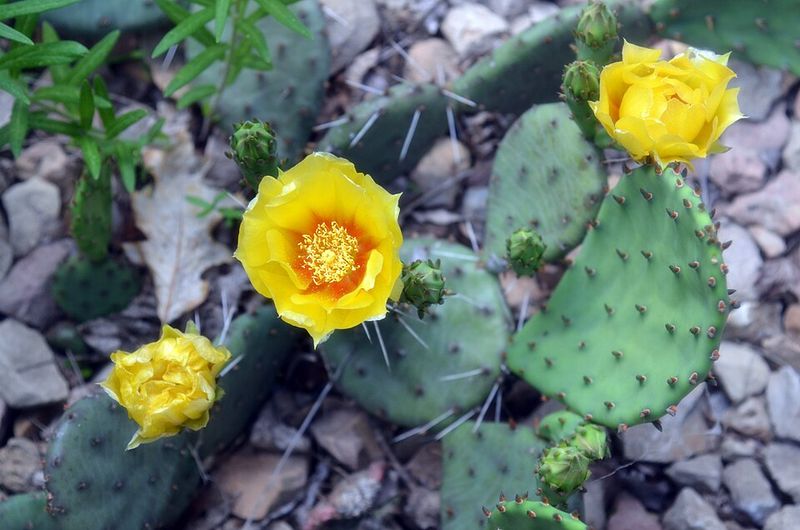
Opuntia humifusa is native to Virginia and much of the eastern United States, and it handles zones 4 through 9. Its flat green pads grow low and sprawling, forming wide patches that rarely climb above twenty inches.
Late spring brings waxy yellow flowers about three inches across, and each bloom lasts only a single day. Thankfully, new buds keep opening for several weeks, so bees get a long buffet of bright color.
Afterward, reddish purple fruits form and ripen in fall, often hanging on through winter for extra interest. The fruits are edible, though you should peel them carefully because they carry tiny barbed bristles too.
Those bristles are called glochids, and honestly they bother me more than the occasional longer spines do. Wear thick leather gloves and use kitchen tongs when moving pads, or you will regret it for days.
Plant it where it gets at least six hours of sun, ideally in sandy or rocky soil. Soggy ground invites root rot, so skip the clay beds and choose a slope or raised mound instead.
Once settled, it needs very little watering, and deer and rabbits usually leave the prickly pads alone. I think every sunny curb strip deserves one, especially where hoses struggle to reach in summer.
2. Hens And Chicks
Old European folklore claimed these rosettes on a rooftop would protect the house from lightning strikes. I can’t promise that, but I can promise they look cheerful through even the grayest winter weeks.
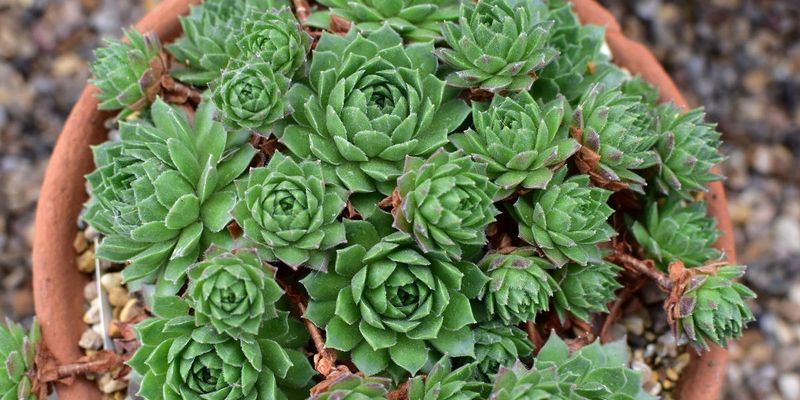
Sempervivum species are hardy from zones 3 to 9, so cold snaps across the state barely faze them. Each rosette usually measures one to four inches wide, with leaves ranging from bright green to deep maroon.
The big mother rosette is the hen, and the little offsets that pop up around her are chicks. Chicks travel out on short runners and root quickly, soon filling gaps between stones like living tiles.
In late summer, a mature hen may send up a stalk of starry pink flowers that butterflies adore. That rosette fades away after blooming, but the chicks surrounding it carry the colony forward without missing a beat.
You’ll get the richest color in full sun, since shade tends to make the rosettes loose and pale. Gritty soil matters most, so mix in coarse sand or small gravel before tucking them into place.
Water sparingly once they settle in, and cut back even more during the cold, damp months. Potted hens appreciate a spot under an eave, where heavy winter rain cannot soak the container for days.
Personally, I tuck them into stone wall cracks and even an old leather boot beside the porch steps. Deer and rabbits mostly ignore them, and nobody should eat them, so keep curious pets supervised nearby.
3. Autumn Joy Sedum
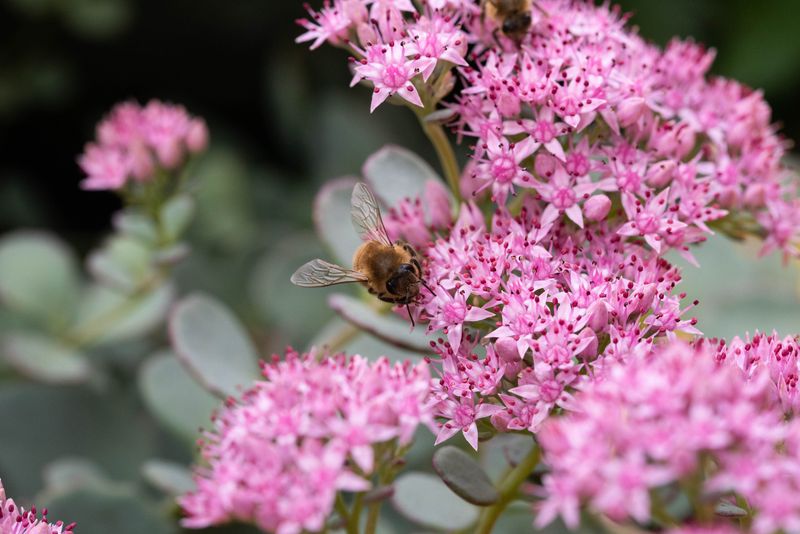
Watching this plant change color feels like flipping through a paint swatch book over six slow weeks. The flower heads open rosy pink in late summer and slowly deepen into brick red by midfall.
Botanists now call it Hylotelephium ‘Autumn Joy,’ though most garden centers still label it as a sedum. It grows into a tidy clump one to two feet tall, with thick paddle-shaped leaves in soft green.
I love how bees and butterflies crowd those flat blooms when most other nectar sources have faded. It becomes a late-season snack bar, and you can almost hear the buzzing from across the yard.
My favorite winter trick is simple, because I leave the dried seed heads standing instead of cutting them. They catch frost beautifully, and small birds sometimes stop by to pick through the tiny seeds.
Wait until late winter or early spring to trim, right when fresh green shoots peek up at the base. Cut the old stems close to those new buds, and the clump will look neat again quickly.
Rich soil sounds generous, but it actually makes the stems weak, so the heavy flower heads flop over. Give it lean, well-drained ground and at least five hours of direct sun for sturdy, upright growth.
Water only when the top few inches feel dry, since overwatering causes the same floppy problem. Deer usually pass it by, and it’s considered pet-safe, which makes it an easy choice for family yards.
4. Angelina Stonecrop
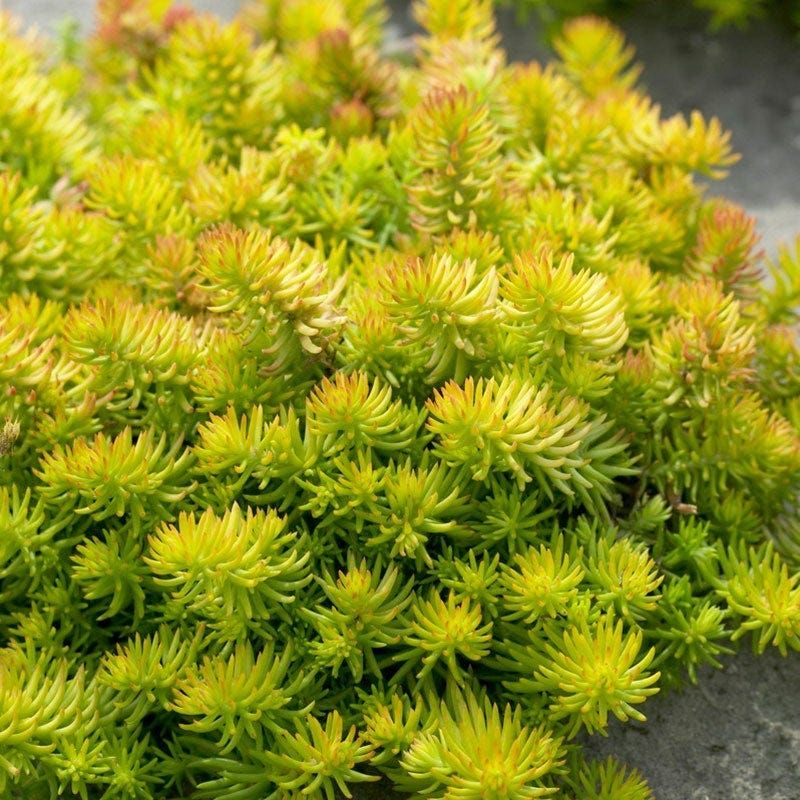
Bright gold needles spill out over rocks like someone dropped a box of tiny glowing pipe cleaners. Then winter arrives, and the whole mat slowly turns a warm copper orange that practically glows against snow.
Sedum rupestre ‘Angelina’ is hardy in zones 5 through 9, which covers nearly every corner of Virginia. It stays only four to six inches tall but can spread up to three feet wide over time.
I have to admit that I first planted it just to cover a bare slope near my driveway. Within two summers, it had knitted itself into a solid carpet that crowded out most sneaky weeds.
Clusters of small yellow star flowers appear in midsummer, usually showing up sometime between June and August. They blend right into the golden foliage, so the effect feels more like sunshine than separate blooms.
Sun matters here, because too much shade turns that brilliant gold into a rather plain lime green. Full sun or partial sun works, though I think the brightest color shows up with afternoon light.
Sandy or gravelly soil suits it best, and poor ground is perfectly fine for this easygoing groundcover. Winter wetness is its biggest headache, so avoid low spots where puddles linger after a cold rain.
Pests rarely bother it, although slugs and snails sometimes nibble during long damp spells in early spring. Snap off a piece, press it into gritty soil, and you’ll have a brand-new patch by summer.
5. Adam’s Needle Yucca
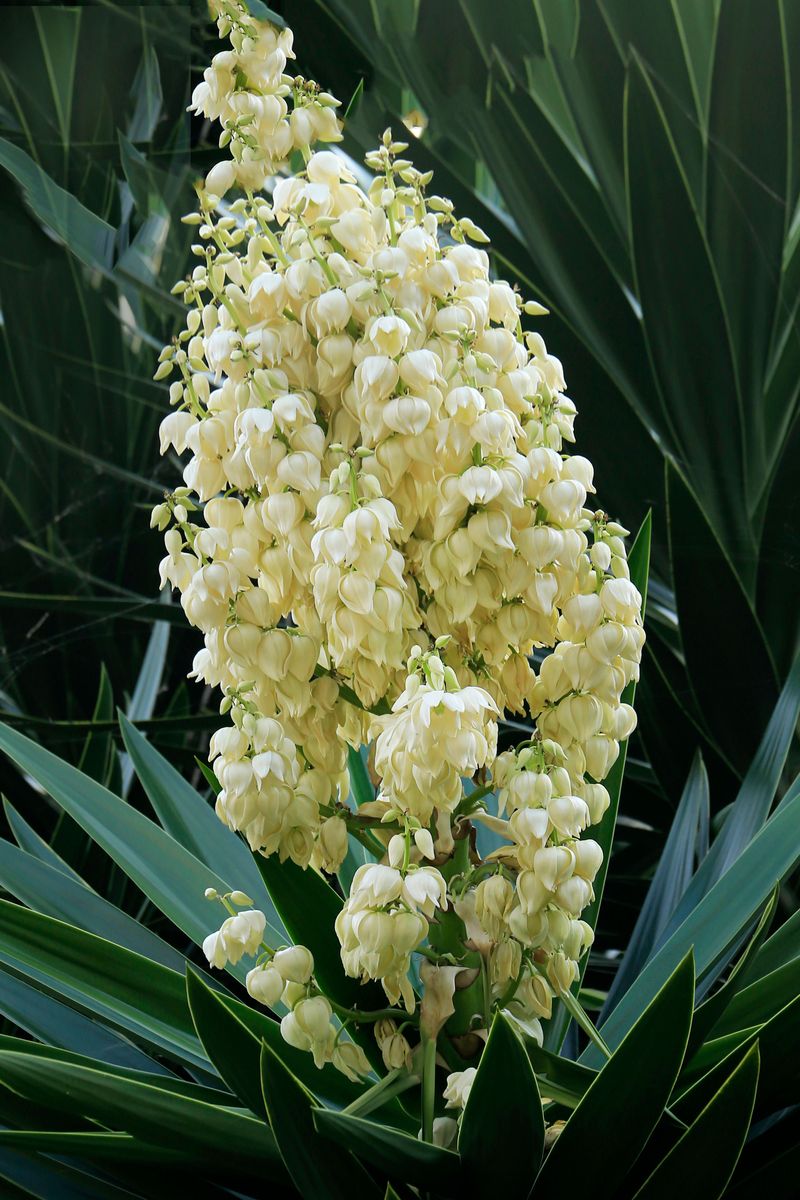
Curly white threads peel off the leaf edges of this yucca, like the plant is slowly unraveling its own seams. Those filaments gave Yucca filamentosa its scientific name, and they make the plant easy to identify.
Adam’s needle is native to the southeastern United States, including sandy spots across much of Virginia. It shrugs off zones 4 through 11, and its stiff evergreen leaves stay upright even under snow.
Early summer brings the real show, when tall spikes shoot up five to ten feet above the rosette. Creamy white bells dangle from those stalks, and I think they look like lanterns on a summer evening.
A clump usually grows two to three feet tall and three to five feet wide, so give it room. Those sword-shaped leaves end in sharp points, which means it belongs away from walkways and play areas.
Sharp drainage matters far more than cold, because winter moisture causes more trouble than freezing temperatures do. Sandy or rocky soil works well, but heavy clay will leave the roots struggling for most of the season.
Full sun gives the best flowering, though partial shade works fine if your yard gets mixed light. After blooming, cut the spent stalk down at the base to keep the rosette looking tidy.
Pet owners should know that yuccas contain saponins, which can upset the stomachs of curious dogs and cats. Still, I can’t imagine a bolder native plant for a dry, sunny corner that needs some drama.
6. Parry’s Agave
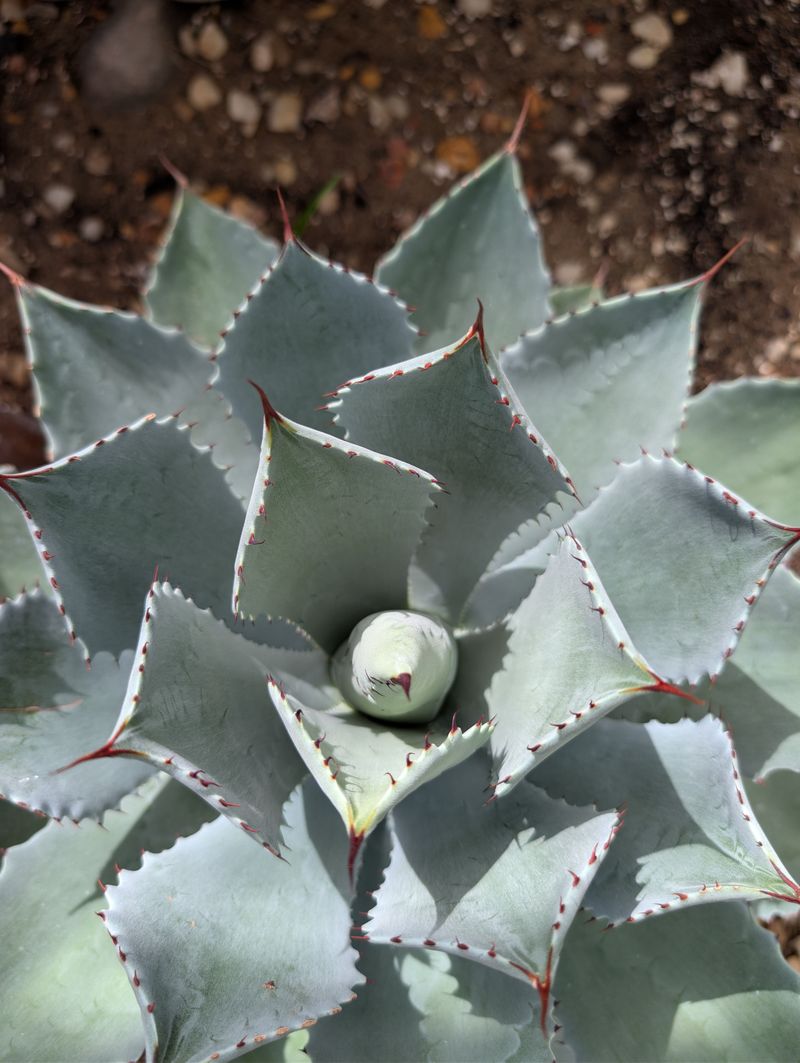
Each rosette of this agave can wait ten to thirty years before sending up a single towering flower stalk. That kind of patience makes me feel better about my own slow progress on garden projects.
Agave parryi forms tight, symmetrical rosettes of blue-gray leaves that look a lot like a giant artichoke. In fact, one of its common names is artichoke agave, which feels pretty fitting once you see it.
Mature plants reach one to three feet tall, and every leaf ends in a dark, sharp spine. Small teeth line the edges as well, so plant it well away from paths and handle it with gloves.
Reports suggest it can handle temperatures near minus twenty degrees, but only when its roots stay dry. Wet, cold soil is the challenge, so hardiness ratings vary from zone 5 to zone 7 by source.
In most of Virginia, I would plant it on a gravel slope or in a raised bed with grit. Some gardeners prop a clear panel over it during long rainy spells to keep the crown from rotting.
Full sun suits it best, and watering can stop once cold weather settles in for the season. Over the years, little pups appear around the base, and you can gently pull them to share with friends.
When a rosette finally blooms, the stalk can reach ten to twenty feet with bright yellow flowers. That rosette fades after flowering, but its pups carry on, and the RHS lists it as toxic to pets.
7. Hardy Ice Plant
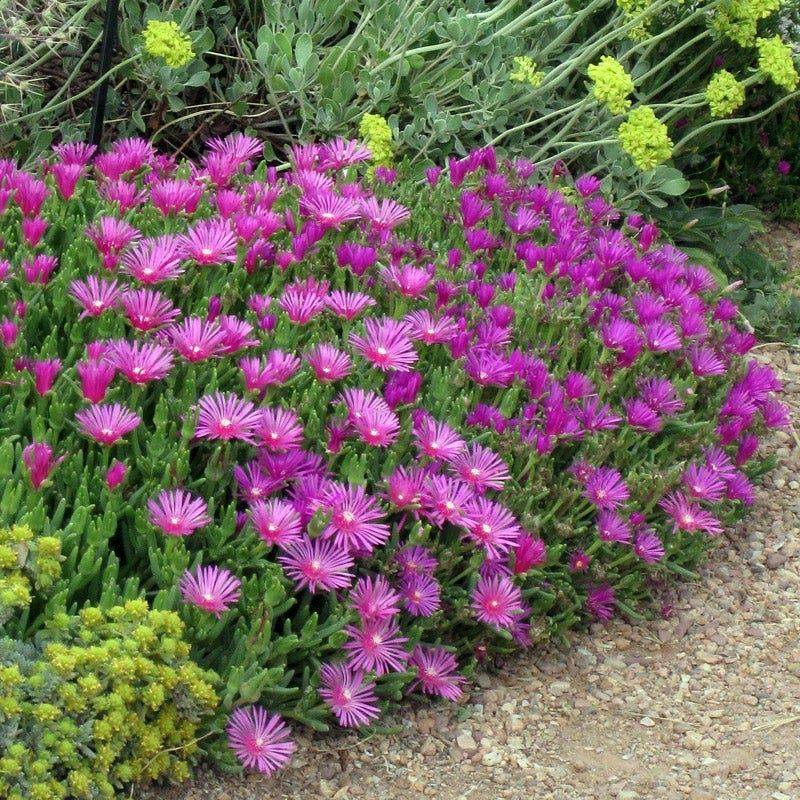
Tiny clear flakes on the leaves sparkle in sunlight, which explains how this plant earned its frosty nickname. The name has nothing to do with cold tolerance, though hardy types handle winters surprisingly well.
Hardy ice plants belong to the genus Delosperma, and many come from high mountain areas of South Africa. Delosperma cooperi is a popular pick, growing only a few inches tall while spreading into a glossy mat.
I love how the daisy-like flowers practically cover the foliage from late spring well into fall. Colors range from hot magenta to sunny yellow, and the blooms open in sunshine before closing at dusk.
Most varieties are rated for zones 5 through 9, so they suit the majority of Virginia gardens. Leaves may turn purplish in winter, and some foliage can drop back before fresh growth returns in spring.
Clay soil is the biggest threat, because wet roots in winter cause far more losses than cold air. Plant it in sandy or gravelly ground, and use gravel mulch to keep the crowns dry.
Avoid thick wood mulch around the stems, since it holds moisture right where this plant hates it most. Give it at least six hours of direct sun, and water sparingly once the roots settle in.
Come spring, simply snip off any winter-damaged bits and feed lightly with a low-nitrogen fertilizer if needed. Deer usually skip it, and it’s considered safe around kids and pets, which makes me smile.
8. Dunce Cap Succulent
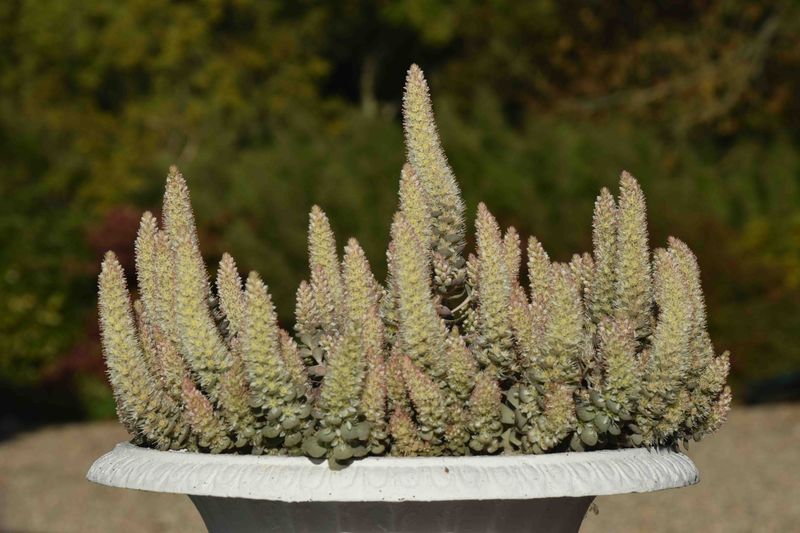
Every fall, the center of this little rosette stretches upward into a pointy cone that looks like a wizard hat. Gardeners nicknamed it dunce cap, and honestly I find that pointed bloom spike pretty charming every year.
Orostachys species come from Asia, and their low rosettes closely resemble hens and chicks in size and shape. Orostachys iwarenge has soft gray leaves, and it spreads by tiny pups that cluster tightly around the parent.
Small white or pink flowers cover the cone from late summer into midfall, adding late color. After blooming, that parent rosette fades away, while the pups around it keep the clump going strong.
You’re in for a surprise during winter, because the foliage may go dormant and seem to vanish. Resist the urge to dig, since healthy plants typically return in spring with fresh rosettes ready to grow.
Many types handle zones 5 through 10, and some sources rate certain varieties even hardier than that. Full sun to light shade works, as long as the soil is gritty and drains quickly after rain.
Mixing pumice into the planting spot helps a lot, and raised beds or containers with drainage holes work nicely. Water at the soil line instead of over the rosettes, and cut back sharply during fall and winter.
Pull out any old, withered leaves from the rosettes, because they can trap moisture and attract pests. It’s considered pet safe too, and I think a shallow trough of these makes a delightful conversation piece.