Illinois’s Tiny Venomous Mammal Hunts Right Beneath Your Feet Through Every Frost
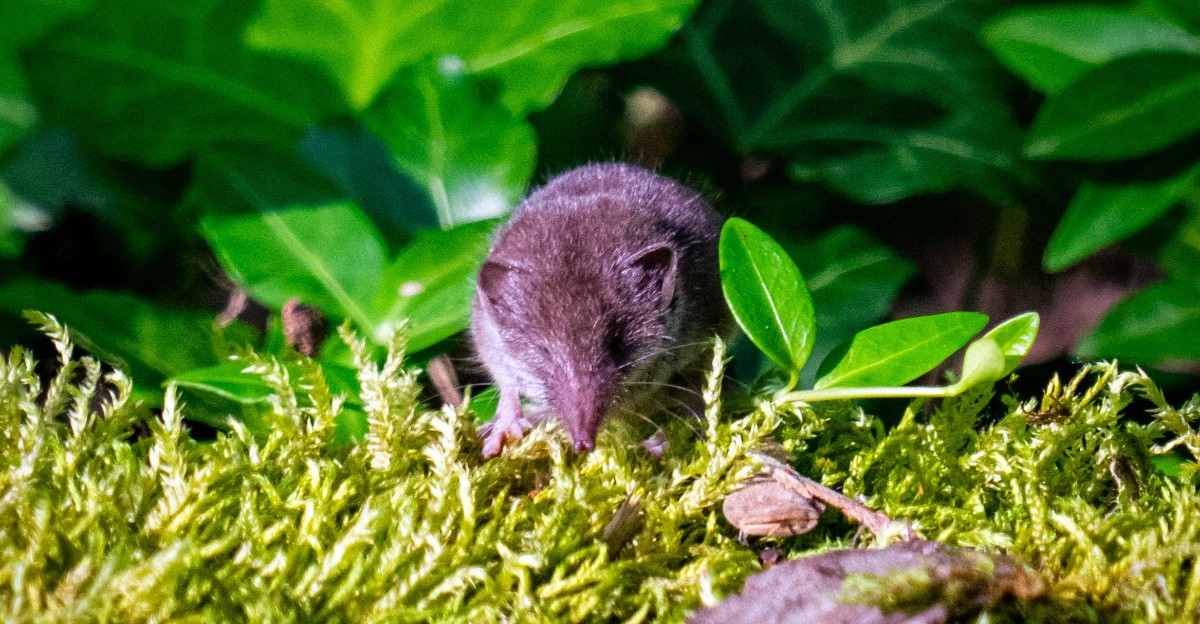
Somewhere under your frosty flower bed, a furry animal smaller than a candy bar is carrying venom in its spit. I had no clue Illinois held a secret like that until a neighbor’s cat dropped one on a porch step.
It looked like a gray mouse with a stubby tail and no visible ears. Then I learned its heart can race past 700 beats a minute. It barely sleeps for long and must eat around the clock, even in January.
You might notice tiny tracks across fresh snow or a neat hole near your compost pile. Most of us blame mice or voles and move on. I used to do the same thing.
So what kind of creature stays busy all winter, paralyzes its food, and finds its way using clicks like a bat? Your Illinois garden may already know the answer.
That Gray Mouse in Your Leaf Pile Is Not a Mouse at All
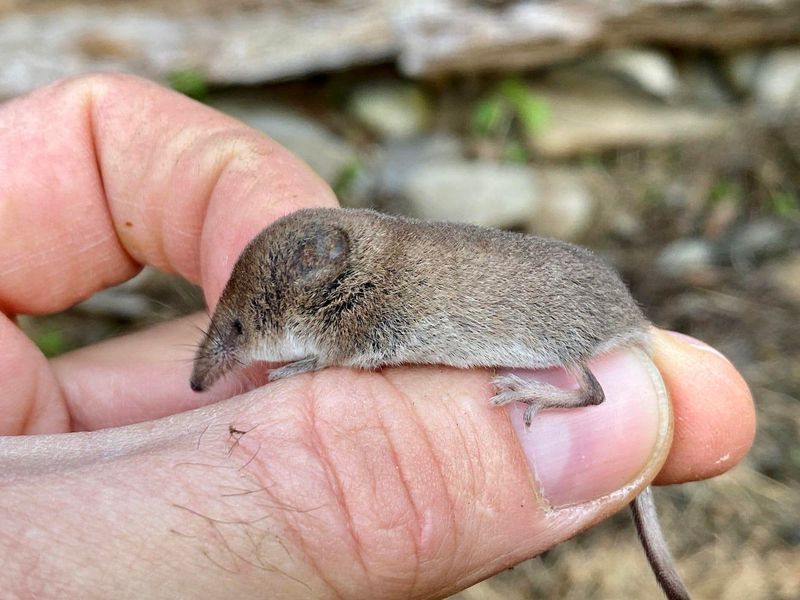
Take a closer look next time something small dashes under your hostas. The northern short-tailed shrew, Blarina brevicauda, is one of the most common mammals in Illinois, yet few gardeners can name it.
It measures about four to five inches long, tail included. The fur is thick, soft, and slate gray, and it lies smooth in either direction, which helps it slip through tunnels.
Look for a pointed, wiggly snout, eyes as small as pinheads, and ears hidden under fur. Mice have big eyes, large round ears, and long tails. Voles are browner, with blunt faces.
Shrews aren’t rodents at all. Scientists place them in a separate group, the order Eulipotyphla, alongside moles.
That difference matters for your garden. Rodents gnaw on seeds, bulbs, and bark. Shrews mostly want meat, like insects, worms, slugs, and other small animals.
Here’s the twist that grabbed me. This little hunter is one of the few venomous mammals in North America. Its saliva carries toxins strong enough to stun prey much bigger than a beetle.
So before you set a trap for that gray blur, check the snout and tail. You might be about to evict your hardest-working helper.
Venomous Shrew Saliva Turns Slugs and Beetles Into Easy Meals
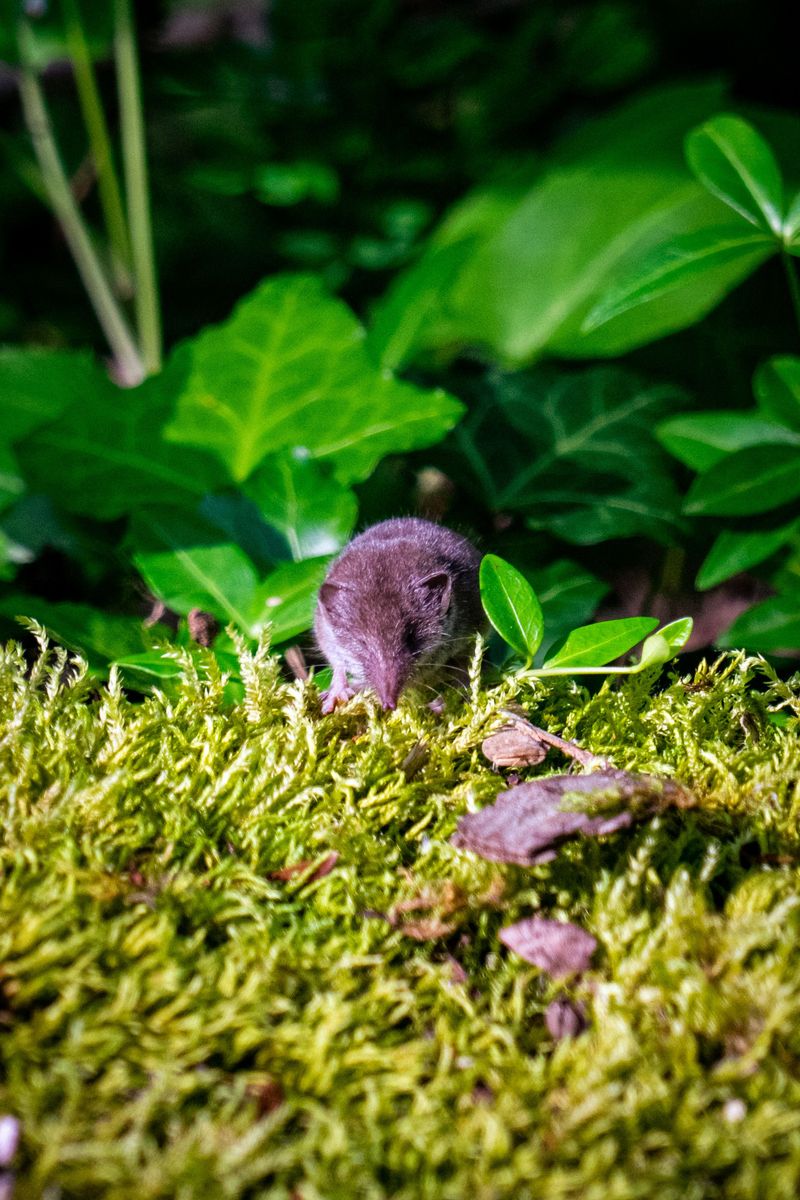
Venom in a mammal sounds like science fiction, but this Illinois shrew makes it work every day. Glands under its jaw produce toxic saliva, and grooves along its lower front teeth guide it into each bite.
The venom contains a toxin called blarina toxin, plus other compounds. It affects the nervous system of small prey, slowing or paralyzing it. Insects, earthworms, snails, and even small mice can be overpowered.
Researchers have found that some stunned prey stays alive but still for days. That lets the shrew tuck food into a hidden pantry and eat it fresh later.
It’s clever storage for an animal that can’t skip meals. Are you in danger while weeding in Illinois? Not really.
A bite from a handled shrew can hurt, with burning pain and swelling that may last a few days, but it isn’t considered a serious health threat to people. The easy fix is simple. Don’t pick one up with bare hands.
If your dog or cat catches one, watch for drooling or pawing at the mouth, and call your vet if symptoms seem strong.
Many predators also find shrews distasteful. Across Illinois, cats often catch them, then leave them uneaten on the doormat.
Shrew Tunnels Stay Busy Under Snow All Winter Long
When frost locks up the ground, plenty of animals check out for the season. Chipmunks doze, woodchucks hibernate, and frogs tuck into mud. Your shrew keeps working right on through.
Shrews don’t hibernate. Instead, they rely on the space between soil and snow, which scientists call the subnivean zone.
Snow acts like a fluffy blanket, so temperatures down there stay near freezing even when the air turns bitter.
Short-tailed shrews dig their own tunnels and also borrow runways made by moles and voles. In colder spells, they may move deeper underground. Leaf litter, mulch, and brush piles make the commute easier.
Their bodies adapt too. Studies on this species and its relatives show shrews can shrink a bit in winter, including parts of their skull and organs, then regrow in spring. Less body means less fuel needed.
Nests matter as well. A shrew builds a ball of dry grass and leaves, often under a log or rock, and returns to rest between hunting trips.
So that silent, sparkly yard after a January storm isn’t empty at all. Below the crust, a tiny hunter is patrolling its routes and sniffing out supper.
A Racing Heartbeat Keeps This Little Hunter Eating Nonstop
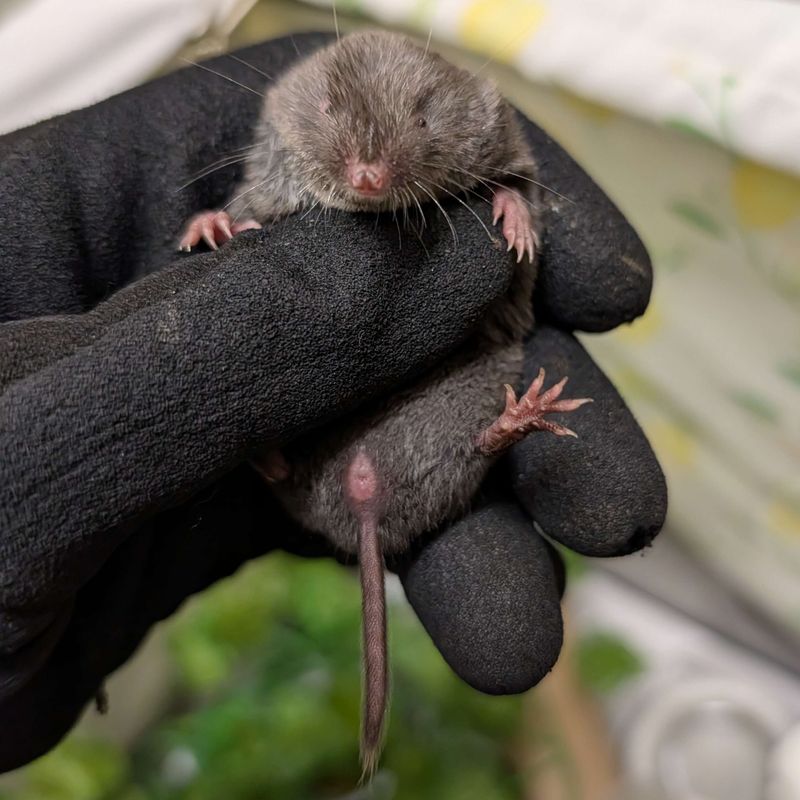
Hungry doesn’t begin to describe it. A short-tailed shrew burns energy so fast that a few hours without food can put it in trouble.
Its heart rate has been measured at roughly 700 beats per minute or more, and tiny bodies lose heat quickly. To keep up, a shrew may eat about its own body weight or more in a single day.
That’s like a person polishing off a refrigerator of groceries before dinner. The shrew stays active in short bursts around the clock. It hunts for a while, rests in its nest, and heads out again.
Winter or summer, the cycle barely pauses. What’s on the menu? Beetle grubs, cutworms, centipedes, slugs, snails, spiders, and earthworms top the list.
It also eats some fungi and seeds, plus the occasional small mouse or salamander. For your garden, that appetite adds up. Slugs that shred lettuce and grubs that chew roots become regular meals.
A shrew won’t solve every pest problem, and it eats helpful earthworms too. Still, a creature that hunts nearly every hour of the year is a pretty handy neighbor to have lurking under the beds.
Tiny Clicks Help This Nearly Blind Digger Find Its Way
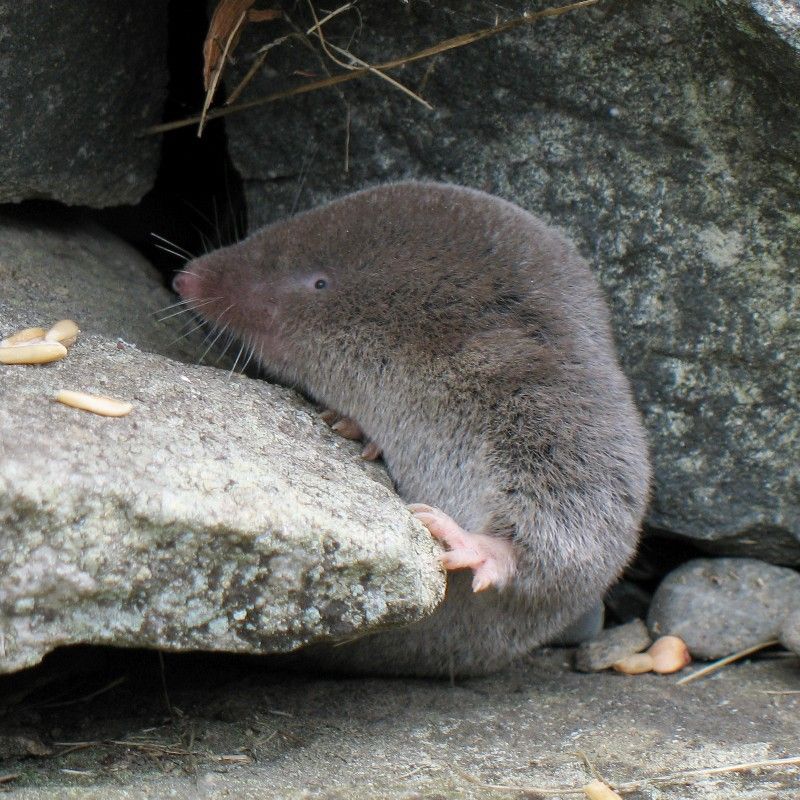
Bats get all the credit for echolocation, but this pocket-sized digger has a version of its own. Researchers have recorded short-tailed shrews making very high, ultrasonic clicks as they explore.
The shrew’s eyes are tiny and do little beyond sensing light. So it leans on other senses. Scientists believe those clicks bounce off nearby objects and help it judge its surroundings, like tunnel walls or open spaces.
This system is simpler than a bat’s. It works best for understanding the layout of a space, not for spotting a flying moth. For pinpointing dinner, the shrew depends heavily on smell and touch.
Look at that snout up close and you’ll see long, sensitive whiskers. They sweep constantly as the animal noses through leaf litter, feeling for movement.
I find this oddly comforting while pulling weeds in early spring. The ground I’m kneeling on is a crowded little world, full of chirps and squeaks I can’t hear.
If your kids love animal trivia, this one makes a great bedtime fact. A furry gardener in their own yard uses sound to see in the dark.
Watch for Little Holes and Snow Tracks Near Your Garden Beds

Spotting a live shrew takes luck. Spotting the clues it leaves behind is much easier, especially after a light snowfall.
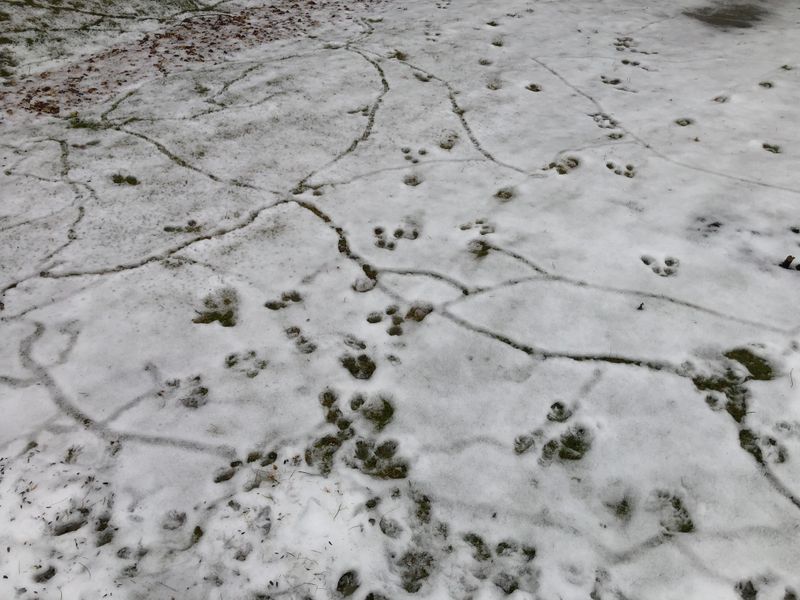
Look for tiny paired prints with a narrow trail, often less than an inch wide. Sometimes a faint tail drag shows between the steps. The trail usually darts from cover to cover, then disappears into a small hole.
Openings are roughly an inch across, often tucked beside rocks, logs, raised bed edges, or compost bins. Thick mulch and matted leaves hide the surface runways, which look like tiny grooves.
In spring, you may find narrow trails in grass where snow melted away. Voles make similar paths, so check for chewed grass or gnawed plant stems.
Shrews rarely damage garden plants, so clean trails without plant damage point more toward a shrew.
Musky smells near a hole can be another hint. Shrews have scent glands that produce a strong odor.
Want a peek without disturbing anything? Try a trail camera set low near a brush pile. Many Illinois gardeners are surprised how often these little hunters show up on night footage.
Owls and Hawks Count on Shrews for Winter Meals
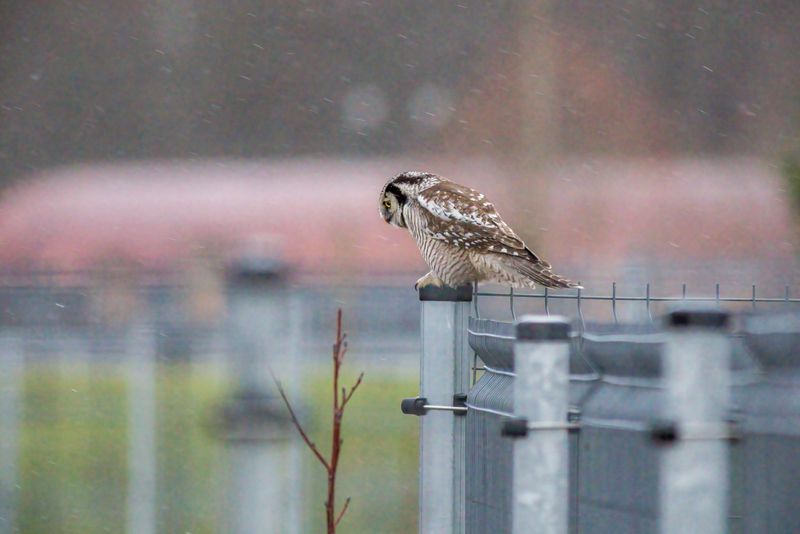
Every food web needs its small links, and this shrew is a sturdy one. It eats huge numbers of invertebrates, and then it becomes food for bigger hunters.
Owls are top shrew-catchers. Great horned owls, barred owls, and barn owls don’t mind the musky smell much, since birds have a weak sense of smell. Hawks, foxes, snakes, and weasels also snatch shrews when they can.
That musky odor comes from glands along the shrew’s sides. Many mammals, including house cats, find the flavor unpleasant. That’s why a cat might bring home a shrew but rarely eats it.
Shrews also help keep soil lively. Their tunneling loosens dirt and mixes leaf bits into the ground, a little like a tiny rototiller.
In spring, females usually raise litters of about five to seven young in grassy nests. The babies grow fast, and most shrews live only about a year or so in the wild.
So when an owl calls over your snowy yard, picture the connection below. Your garden’s quiet hunter is feeding a whole chain of wildlife, one frosty night at a time.
Leave Some Leaf Litter and Let Your Shrew Patrol the Yard
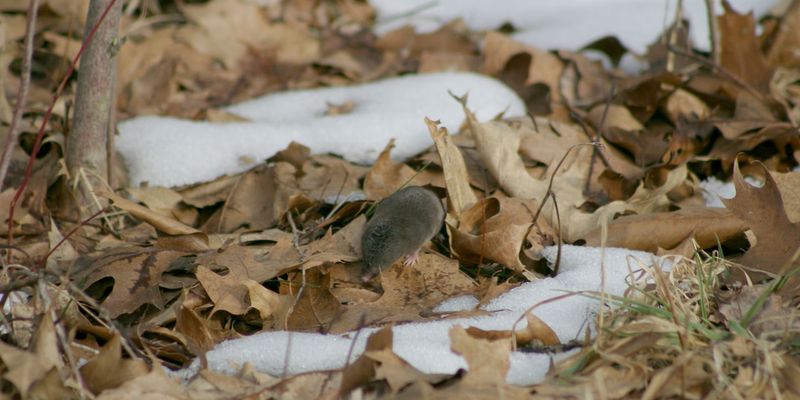
Making room for shrews is one of the easiest garden chores you’ll ever skip. Mostly, it means doing a little less cleanup.
Leave a layer of fallen leaves under shrubs and along bed edges. Keep a small brush pile or a log in a back corner.
Let some native perennials stand through winter so snow catches around them. Go easy on pesticides. Shrews eat insects, and poisoned bugs can affect them too.
Slug baits made with metaldehyde are a particular concern for wildlife and pets. Indoors is another story. Shrews occasionally wander into basements or garages during cold snaps.
Seal gaps around doors, vents, and foundations with weather stripping or hardware cloth. If one does sneak inside, wear thick gloves and guide it into a container, then release it outdoors near cover. Snap traps meant for mice aren’t needed for a visitor that eats bugs.
I stopped raking every corner a few autumns ago. Now I spot more tracks, more owls, and fewer chewed seedlings in spring.
Give your tiny venomous neighbor a cozy spot, and it will keep hunting under your feet through every frost.