Something Is Digging Up Illinois Lawns At Night And The Grass Explains Why
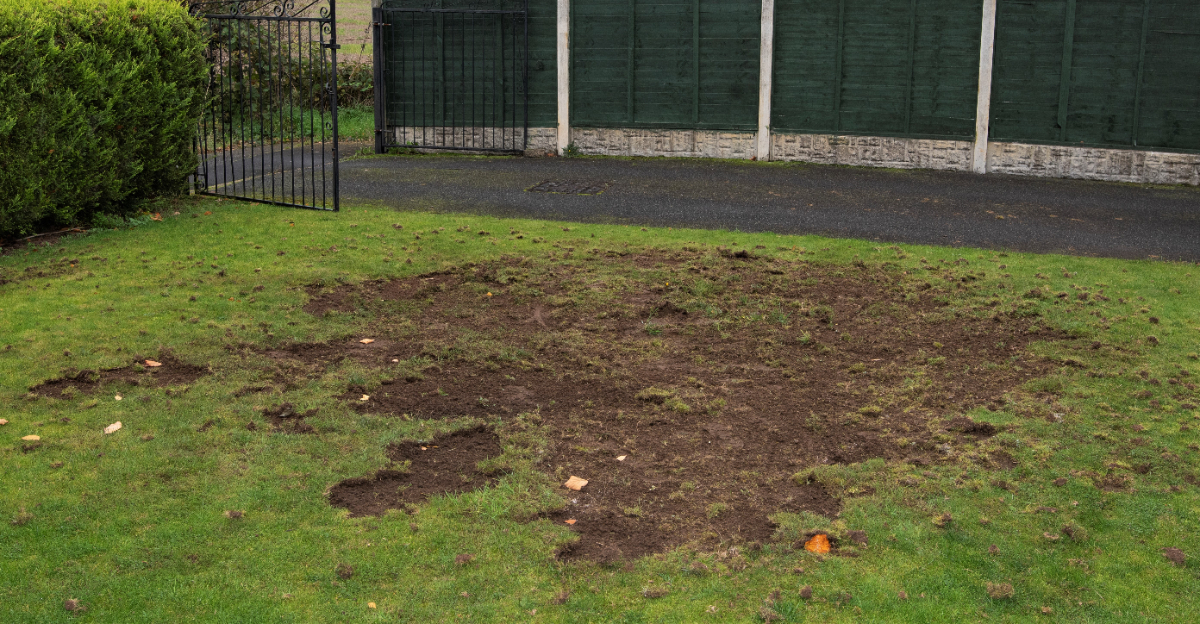
Torn patches of sod scattered across your yard suggest something more deliberate than a stray raccoon passing through. Illinois lawns from Chicago’s suburbs to downstate towns are showing the exact same wreckage this week.
Peeling back the loosened turf reveals soft, chewed roots instead of healthy soil. Raccoons and skunks get blamed constantly, yet they only dig where dinner already waits.
Beneath every ripped section lives a plump, curled feeder thriving on your grass roots. Statewide, Illinois conditions this season have created a near-perfect setup for this underground takeover.
Every yard reacts differently, but the underlying culprit stays the same from block to block. Confusion about the real cause only makes the damage worse. Waiting even a few days lets the damage spread from a small patch into your entire yard.
You cannot fix what is destroying your lawn until you know exactly what is living beneath it.
Grubs Feeding Below The Turf Are Drawing The Diggers In
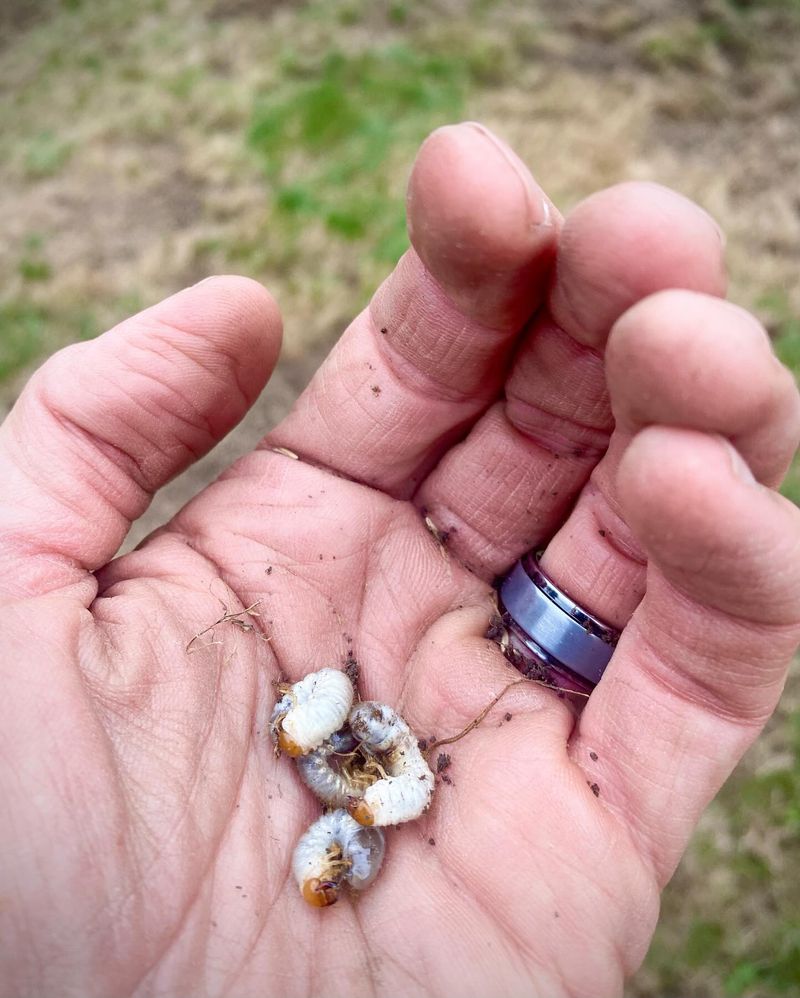
Your lawn is basically a buffet right now. Beneath that green surface, white grubs are munching through grass roots like they own the place.
These grubs are the larvae of beetles, most commonly Japanese beetles and masked chafers in Illinois. They hatch in summer and spend months eating underground.
A grub does not look like much. It is pale, soft, and curled into a C-shape, usually about the size of a nickel when fully grown.
What makes them dangerous is their appetite. A single grub eats enough root material to weaken a patch of turf above it.
When grub populations are high, roots get chewed off entirely. The grass above loses its anchor and starts to fade from below, not above.
Wildlife with sharp noses can smell grubs through the soil. Skunks and raccoons pick up that scent and come running most nights once the infestation sets in.
The digging you see each morning is not random destruction. Animals are following a very real food trail that your lawn is broadcasting underground.
Grub infestations often go unnoticed until the diggers arrive. By then, the damage is already double, one layer underground and one layer on the surface.
That midnight raiding lines up with something small and hungry chewing through your root system below. Once you know what that is, the rest of the picture falls into place fast.
Skunks And Raccoons Peel Back Sod To Reach Them
Picture this: you step outside at 6 a.m. and your front yard looks like something exploded. Strips of sod are rolled back like little rugs, and muddy paw prints are everywhere.
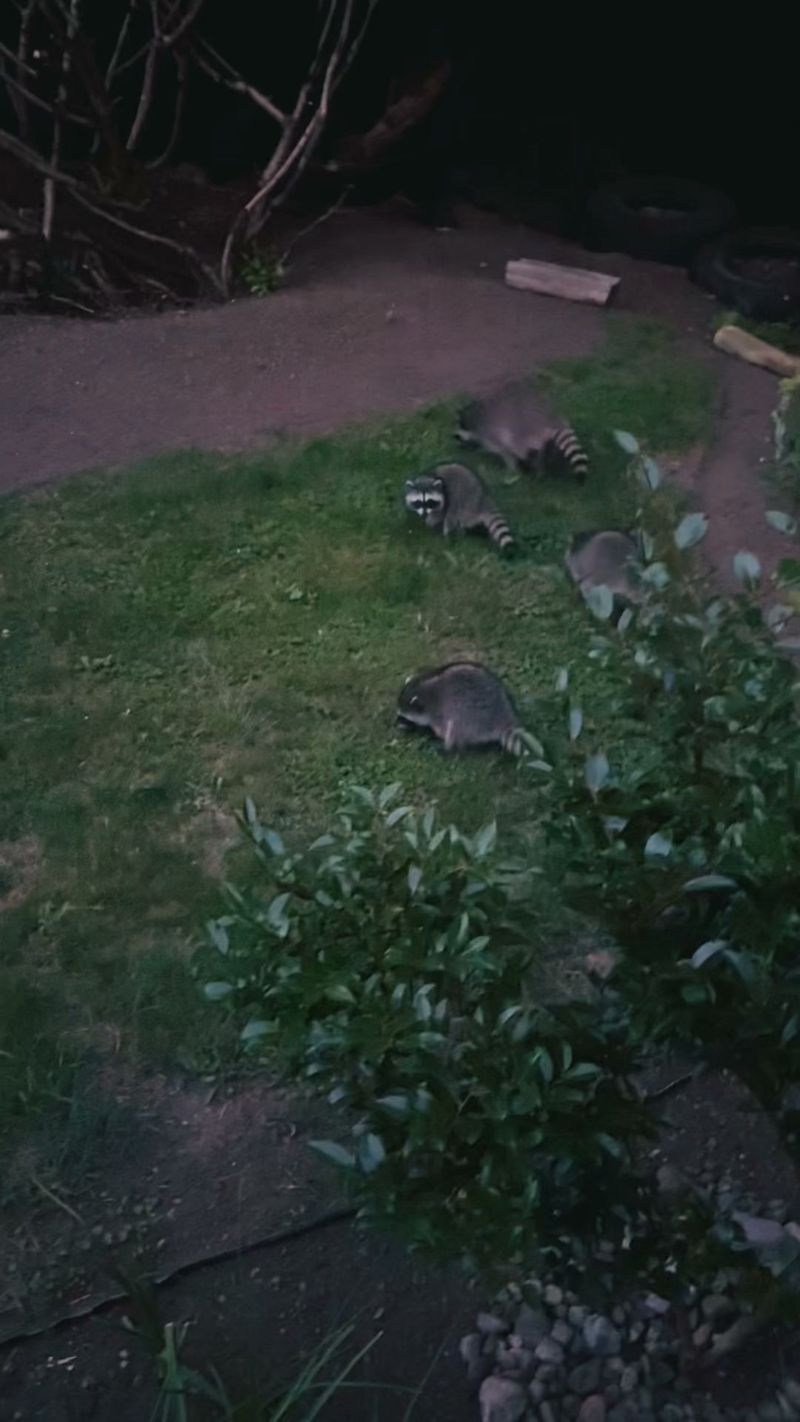
Skunks and raccoons are the most common diggers in Illinois yards. Both animals have strong front claws built perfectly for tearing through turf.
Skunks tend to leave small, cone-shaped holes scattered across the lawn. Raccoons are messier and will pull up large sections of sod in one aggressive sweep.
Neither animal is being destructive for fun. They are hunting, and your lawn is the hunting ground they keep returning to each night.
Your Illinois Garden Changes Every Week. Your Plan Should Too.
Gardening in Illinois changes quickly throughout the season. Every Friday you’ll receive a simple weekly plan showing exactly what to plant, prune, fertilize, harvest, and protect so you never miss the right timing.
Raccoons use their nimble paws to grip the grass and yank. Skunks snuffle along the surface and punch down where they smell activity below.
Both animals have an extraordinary sense of smell. A grub population that seems invisible to you is basically a flashing neon sign to them.
Opossum and moles can also be responsible in some cases. However, the rolled-back sod pattern almost always points to raccoons or skunks specifically.
Chasing these animals away without addressing the grubs rarely works for long. They tend to return night after night until the food source is gone.
Understanding which animal is visiting helps you set traps or deterrents correctly. But the real solution lives deeper than any cage or spray ever reaches.
Late Summer Is Peak Feeding Season For White Grubs
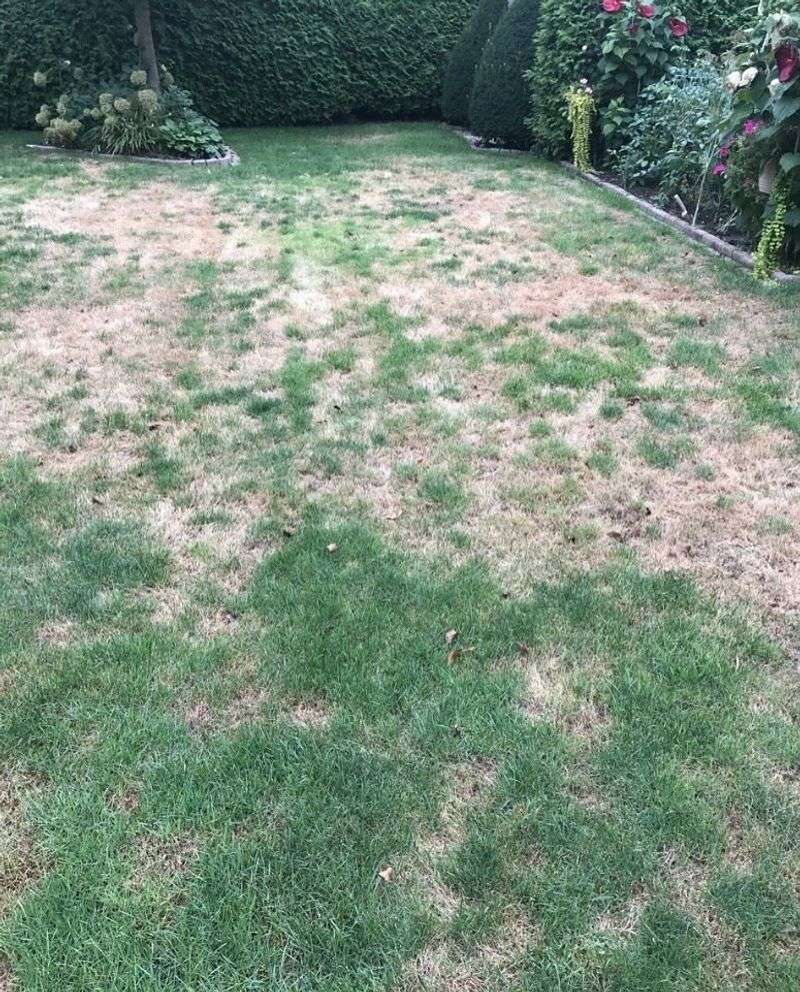
Timing matters a lot with grubs. Late summer, roughly July through September, is when young grubs are small, hungry, and feeding closest to the surface.
Beetle eggs hatch in mid-summer after adults lay them in the soil. Within weeks, the larvae begin feeding aggressively just a few inches below the grass.
This shallow feeding is what makes late summer the most destructive period. Roots are being eaten right where the grass needs them most.
As temperatures cool in fall, grubs burrow deeper to survive winter. By then, the surface damage is already done and wildlife has already found the spot.
Spring brings a brief second wave as grubs return to the surface before transforming into beetles. However, fall feeding causes the most visible lawn destruction.
Irrigated lawns become especially attractive during dry summers, since female beetles seek out moist soil to lay their eggs. A well-watered yard in the middle of a drought can end up drawing in more egg-laying activity than a neglected one.
If you watered your lawn faithfully through a dry July, that consistent moisture may have made your yard more appealing to egg-laying beetles. Conditions like that quietly set the stage for a heavier infestation later in the season.
Knowing the seasonal cycle helps you act at the right moment. Treating grubs in late summer hits them when they are young and most vulnerable to products.
Late summer marks the point when this underground feeding hits its peak across the state. Miss this window and you are waiting another full year to get ahead of the problem.
The Tug Test That Confirms A Grub Problem
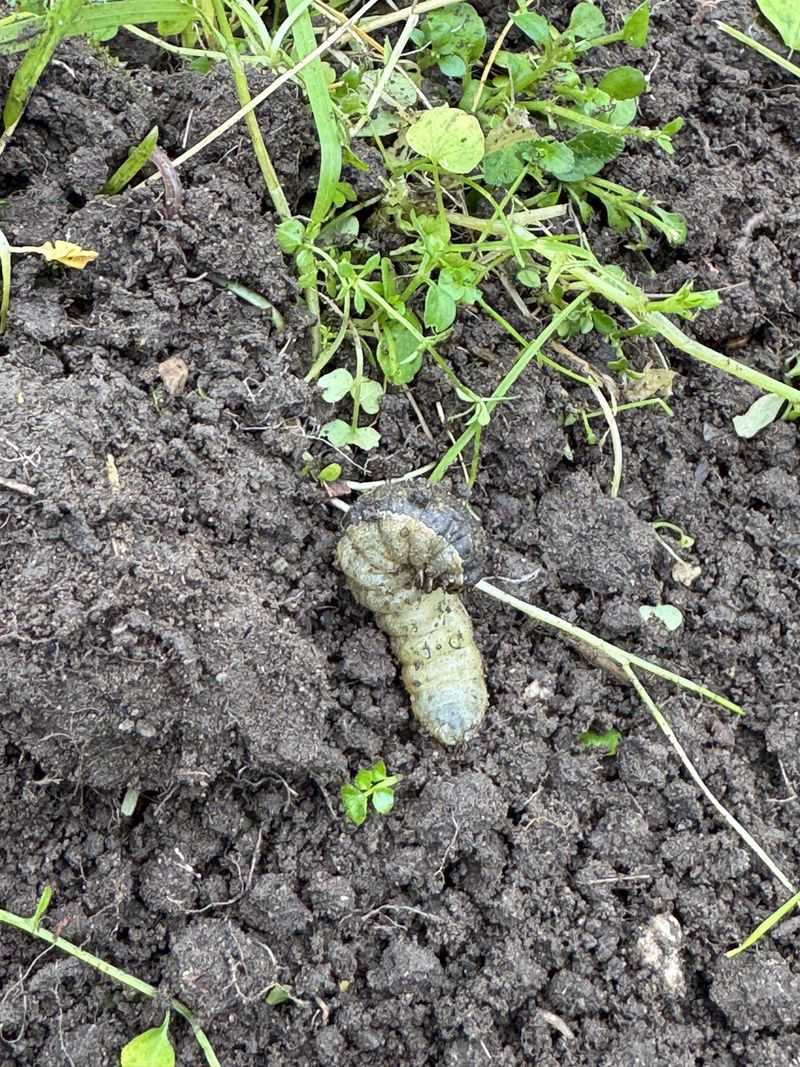
Before you treat anything, you need proof. The fastest way to confirm grubs is a simple test anyone can do without any tools or expertise.
Grab a patch of discolored grass near a dug-up area and pull firmly. If the turf lifts like a loose piece of carpet, grubs have eaten the roots holding it down.
Healthy grass resists that tug hard. Its roots grip the soil tightly, and pulling it up takes real effort and usually tears the blades.
Once the sod peels back, look at the exposed soil immediately. Count how many grubs you can spot in a one-square-foot section of dirt.
Finding five or fewer grubs per square foot is usually manageable. Ten or more in that same space means you have a serious infestation that needs treatment.
Grubs are easy to identify once you see them. They are creamy white, soft-bodied, and curl into a tight C when you disturb them.
Check several spots around your yard, not just the damaged areas. Grubs spread unevenly, so one section might be fine while another is heavily infested.
Cooler, damper soil in the morning makes grubs and their tunneling easier to spot during your check. This quick test takes about five minutes and gives you a clear answer.
Knowing your grub count tells you exactly how aggressive your response needs to be.
Damage Patterns That Point To Animals Rather Than Drought
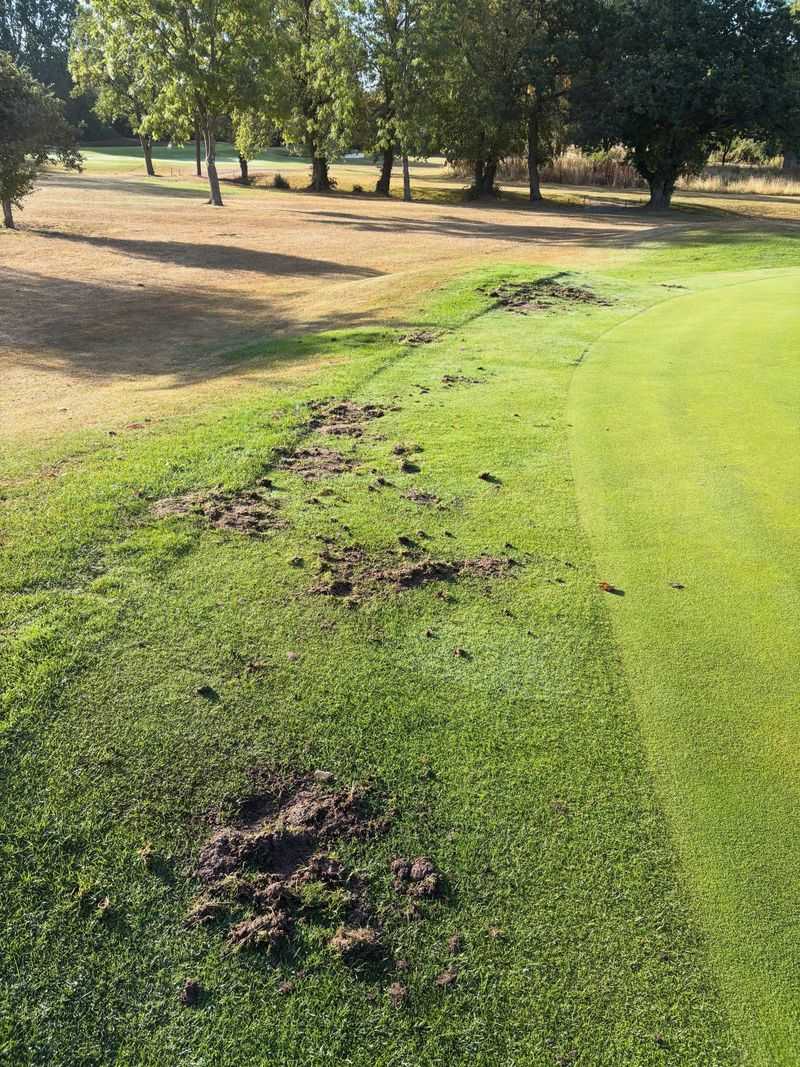
Not every struggling lawn has a grub problem. Drought stress, fungal disease, and compaction can all make grass look terrible in summer.
The key difference is the pattern. Drought damage spreads gradually and evenly across a lawn without any physical disturbance to the soil surface.
Animal digging leaves very specific clues. Rolled sod, loose soil, and paw prints are signs that something physical happened, not just a lack of rain.
Drought-stressed grass turns brown but stays firmly rooted. You cannot peel it back easily because the roots, though stressed, are still attached to the ground.
Grub-damaged turf separates from the soil with almost no resistance. That loose, spongy feeling underfoot before the digging even starts is your first warning sign.
Look for irregular patches of brown that do not follow a logical watering pattern. Grub damage clusters where beetle populations were highest during egg-laying season.
Fungal disease leaves rings or web-like patterns on the grass blades themselves. Animal digging leaves the blades mostly intact but exposes bare soil underneath them.
If your sprinklers are running normally but sections keep fading, stop blaming the weather. Something underneath is cutting the water supply off at the root level.
Recognizing these patterns early saves you from wasting money on the wrong fix. Fungicide will not stop a skunk, and drought watering will not eliminate grubs hiding in your soil.
Treating The Grubs Removes The Reason For The Digging
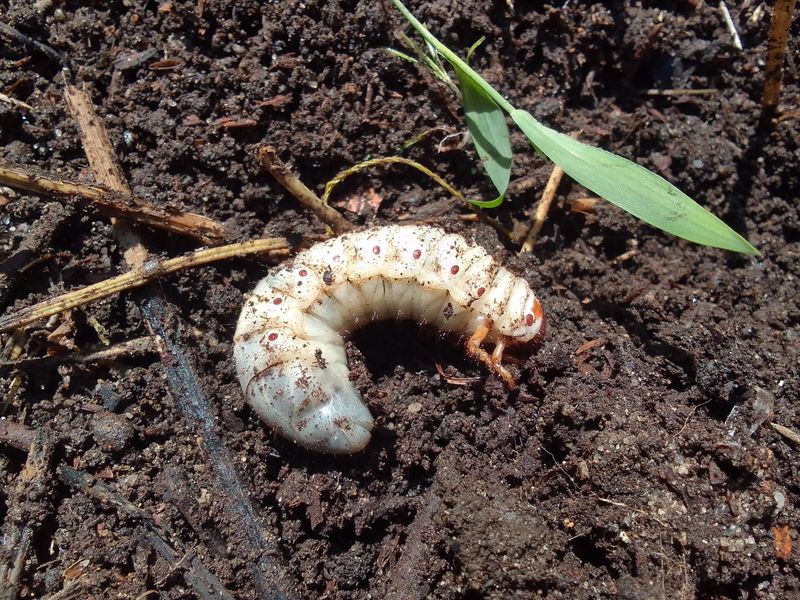
Once you confirm grubs, the fix is straightforward. Treating the soil removes the food source, and when the food disappears, the nightly visitors stop coming.
Two main types of grub control products exist: preventive and curative. Preventive options work best applied in June or July before grubs hatch from eggs.
Curative products containing trichlorfon or carbaryl work on active grubs already feeding. These are your go-to options in late summer when damage is already showing up.
Always water the lawn thoroughly after applying any granular grub product. The treatment needs to soak into the soil to reach the grubs feeding below the surface.
Nematodes offer a natural alternative for homeowners avoiding chemicals. These microscopic organisms enter grubs and eliminate them without harming pets, birds, or beneficial insects.
Milky spore is another organic option, though it works slowly over several seasons. It targets Japanese beetle grubs specifically and builds up protection over time in the soil.
After treatment, repair the torn-up sections of lawn with fresh seed or sod patches. Grubs and digging animals together can leave bare spots that weeds love to claim.
Keep an eye out the following season for fresh beetle activity. Adult beetles feeding on your plants in summer signal that a new egg-laying cycle may be starting again.
You now have every piece needed to stop this cycle for good. Fix the grubs and you fix everything else along with them.