Flowers to Plant in Arizona in November for Color All Winter
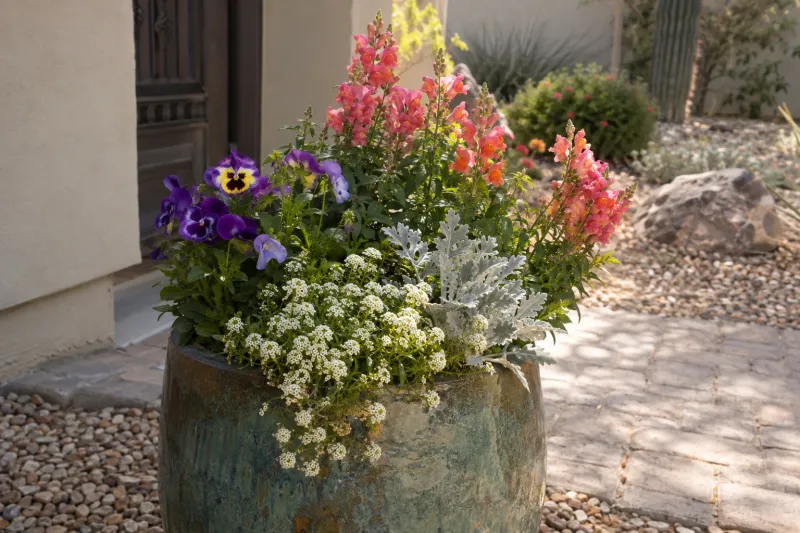
Hummingbirds in the low desert often skip winter migration because certain red, tubular blossoms keep serving nectar through January. While gardeners up north scrape frost off their windshields, Arizona yards can quietly burst into pink, orange, and gold.
I have to admit that a desert bloom in midwinter still makes me grin like a kid on a snow day. Which flowers earn a spot in your November planting plan, and which ones bring the hungry hummingbirds back?
1. Desert Marigold
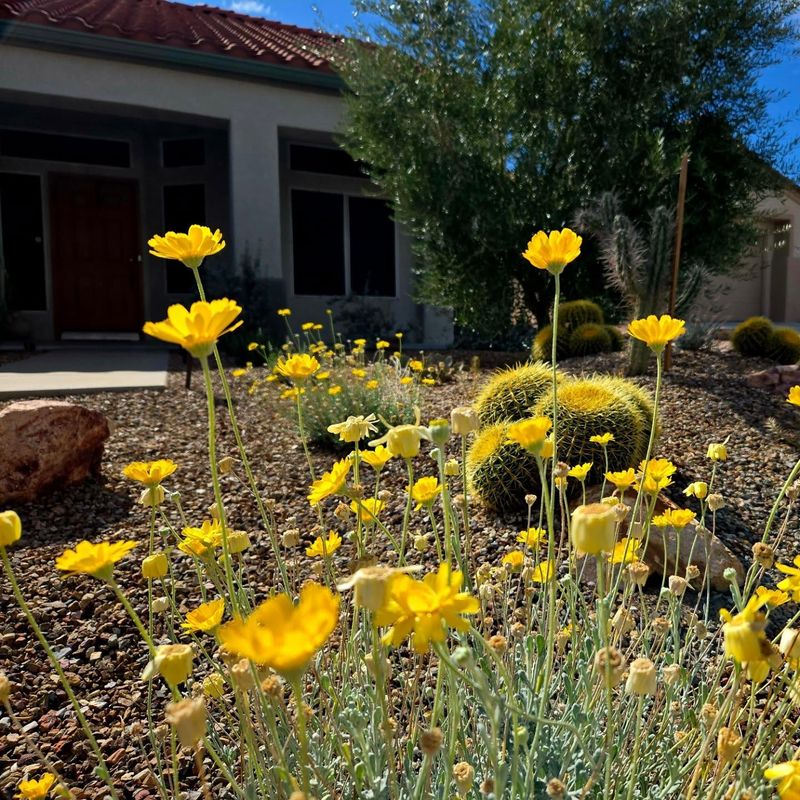
Sunny yellow daisies floating above fuzzy silver leaves look almost too cheerful for a desert winter afternoon. Desert marigold, known to botanists as Baileya multiradiata, keeps flowering for months when its roots stay dry.
I love how those woolly leaves catch low winter light and glow like brushed felt in the garden. That soft coating helps the plant reduce water loss, which explains why it thrives in lean, rocky ground.
Plants are often short-lived, lasting only a couple of years, but they reseed freely across open gravel beds. You might notice baby rosettes popping up in cracks and pathways where you least expect them next spring.
Skip compost and rich potting mix, because fertile, soggy soil tends to shorten its life and cause rot. Full sun with sharp drainage suits it best, and established plants need water only during long dry spells.
Bees and butterflies visit the blooms, while finches pick through the seed heads after flowers fade. Trim tired stems back a few inches in late winter, and fresh growth will usually follow within weeks.
2. Parry’s Penstemon
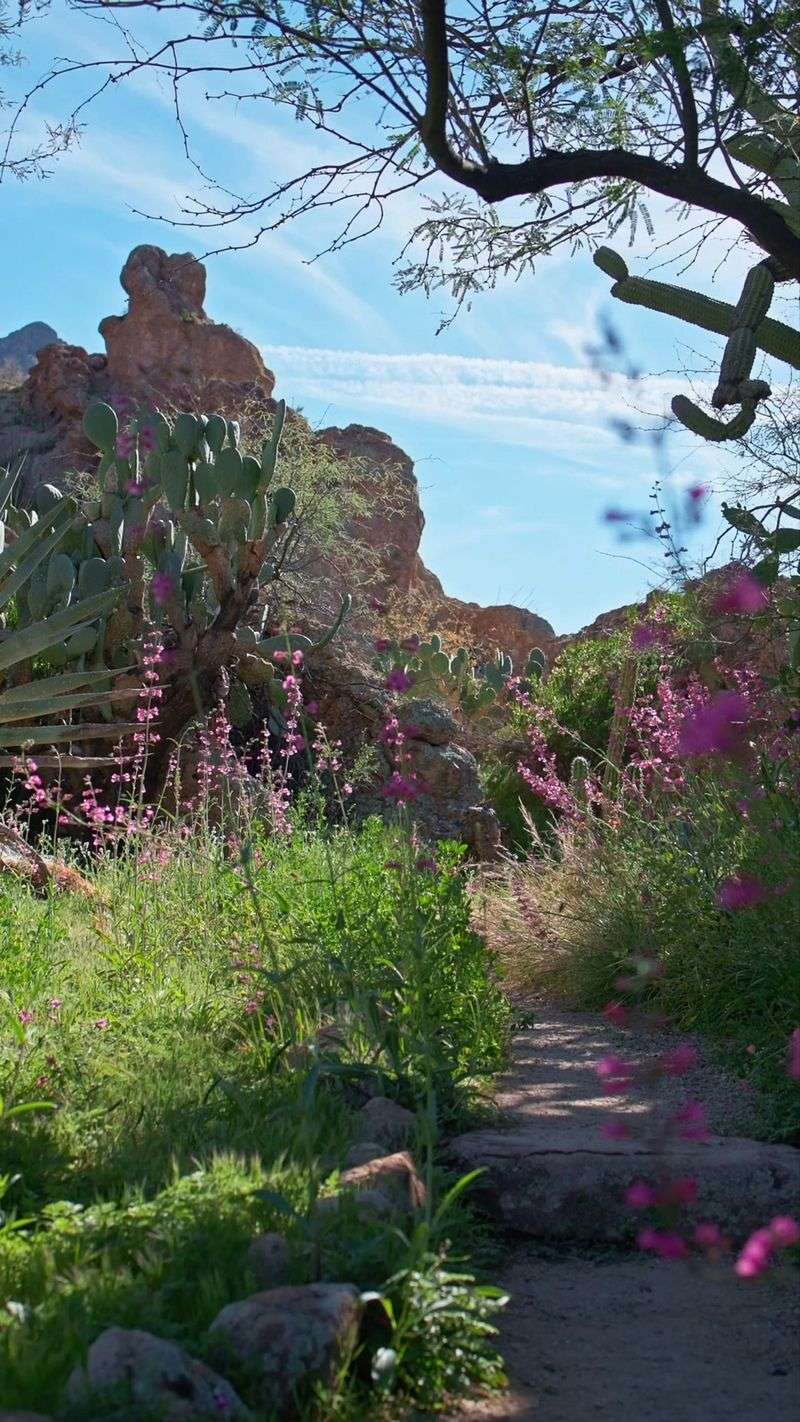
Hummingbirds seem to keep a calendar for Parry’s penstemon, arriving just as those rosy spikes start opening in late winter. Few native wildflowers announce the end of the cold season with such bold, upright flair.
Penstemon parryi forms a low rosette of blue-green leaves through the cool months, often blushing purple during chilly nights. Planting in November gives roots several weeks to settle before the flowering spikes shoot upward.
Personally, I tuck them among boulders, since the reflected warmth and quick drainage mimic their native desert washes. Sandy or gravelly soil works beautifully, while heavy clay or frequent watering often leads to crown rot.
Once established, an occasional deep soak every few weeks is usually plenty during dry winter stretches. Each plant may live only a few seasons, yet leaving seed stalks standing lets new seedlings fill gaps.
The tubular flowers fit hummingbird bills perfectly, and native bees squeeze inside them for pollen too. If you want a native plant that feeds wildlife while asking for little, this one earns its spot.
3. Chuparosa
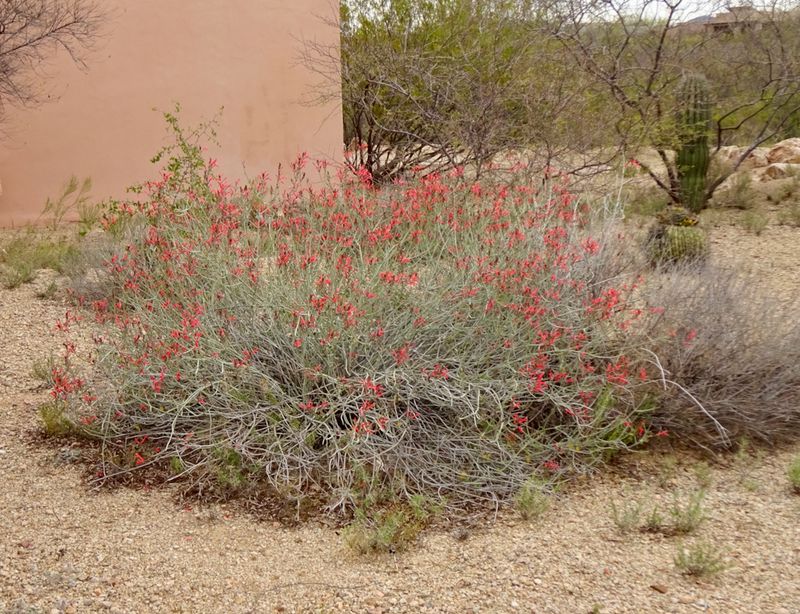
Its Spanish name roughly means hummingbird, and anyone who plants chuparosa quickly understands the reason behind it. Those slender red tubes attract Anna’s and Costa’s hummingbirds like porch lights attract moths on summer nights.
Justicia californica is a sprawling native shrub with gray-green stems that stay green even after leaves drop. Those stems handle much of the photosynthesis, which helps the plant cope with long, dry stretches.
Flowers often appear from late fall into spring, giving you nectar-rich color when many gardens look bare. You might also spot finches nipping the flower bases, stealing nectar without doing any pollination work at all.
Give it full sun and well-drained soil, then water established plants deeply about once or twice monthly. Too much water makes the shrub lanky and floppy, with noticeably fewer blossoms during the peak season.
Frost below the upper twenties can damage stem tips, so warmer low desert yards suit it best. Damaged branches usually regrow from the base, and a light shaping after spring bloom keeps things tidy.
4. Desert Globemallow
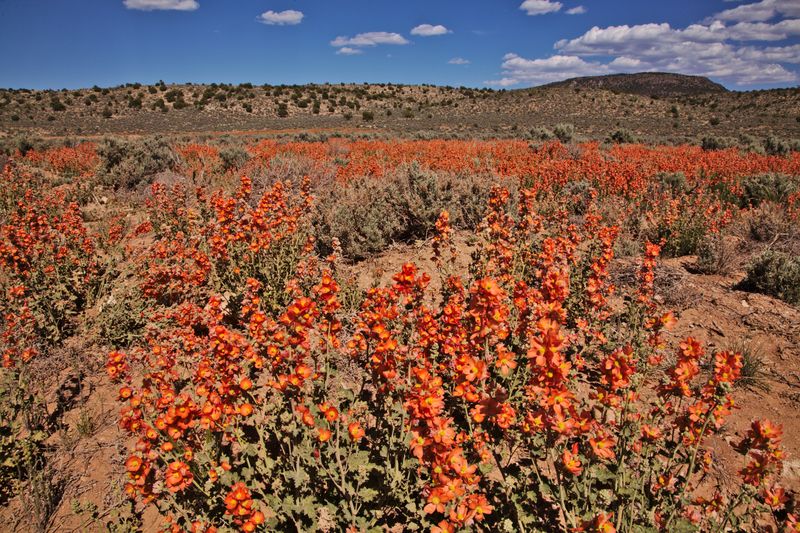
Apricot-orange cups bobbing on gray stems make desert globemallow look like a sunset decided to grow roots. I can’t imagine a native border without that warm glow catching the late afternoon light.
Sphaeralcea ambigua is a tough perennial native to the Sonoran and Mojave deserts, reaching roughly three feet tall. Its biggest flush arrives in late winter and spring, though scattered blooms often appear during mild months.
Fall planting works well because cool soil encourages strong roots before the heat returns to the desert. Choose a sunny, well-drained spot, and water every week or two until new growth looks steady and healthy.
Native globe mallow bees depend on these flowers, so your planting supports specialist pollinators along with honeybees. Quail and other ground birds also find shelter under the shrubby clumps when hawks circle overhead.
One small warning involves the fine leaf hairs, which can irritate sensitive skin and eyes during pruning. Wear gloves when cutting stems back by about a third after the spring show to encourage denser growth.
5. Valentine Emu Bush
Named for the holiday when its show peaks, Valentine emu bush delivers rosy red flowers while most shrubs rest. Desert landscapers love it because the blooms often begin in midwinter and continue into early spring.
Eremophila maculata ‘Valentine’ hails from Australia, yet it handles desert heat and alkaline soil with surprising ease. It is not a native, but it is widely used and not considered invasive in our region.
The dense, rounded shrub grows roughly three to four feet tall, with small leaves that darken during cold nights. Hummingbirds find the tubular blossoms quickly, especially when few other nectar sources are open nearby.
Plant it in full sun or light afternoon shade with well-drained soil, avoiding heavy clay that holds water. Established shrubs usually need a deep drink every two to three weeks during the cooler months.
Resist shearing it into tight balls during fall, because that removes the buds waiting to open soon. A light trim after flowering in spring keeps it compact and protects the next winter’s color.
6. Brittlebush
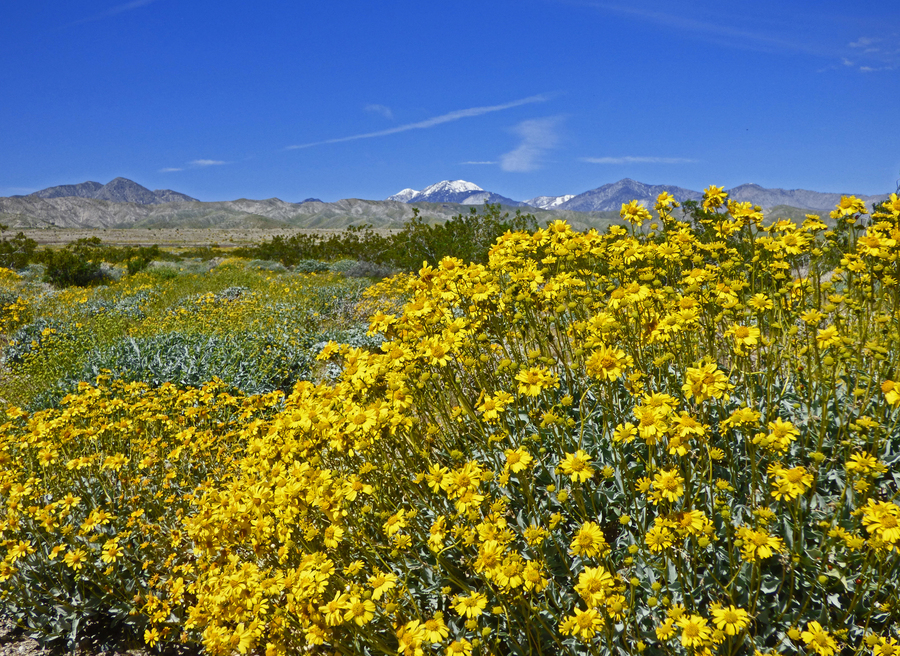
Whole hillsides around Phoenix turn yellow in late winter, and brittlebush deserves much of the credit for that show. Seeing those silver mounds wearing golden crowns feels like the desert finally exhaling after summer.
Encelia farinosa is a native shrub with soft white leaves that reflect sunlight and help conserve water. Its stems once supplied a fragrant resin that people used as glue and incense in earlier times.
November planting lets roots spread through cool soil, setting the stage for flowers from roughly January through spring. Full sun and rocky, well-drained ground suit it, while rich soil and frequent water shorten its lifespan.
Finches and sparrows feast on the seeds, and native bees work the flowers during warm winter afternoons. The shrub also offers cover for lizards, which happily snack on insects that wander through your yard.
Hard frosts in the low twenties can burn foliage, so colder neighborhoods may see some winter damage. Trim back faded flower stalks after bloom, and the plant usually responds with fresh silver leaves.
7. Pansies
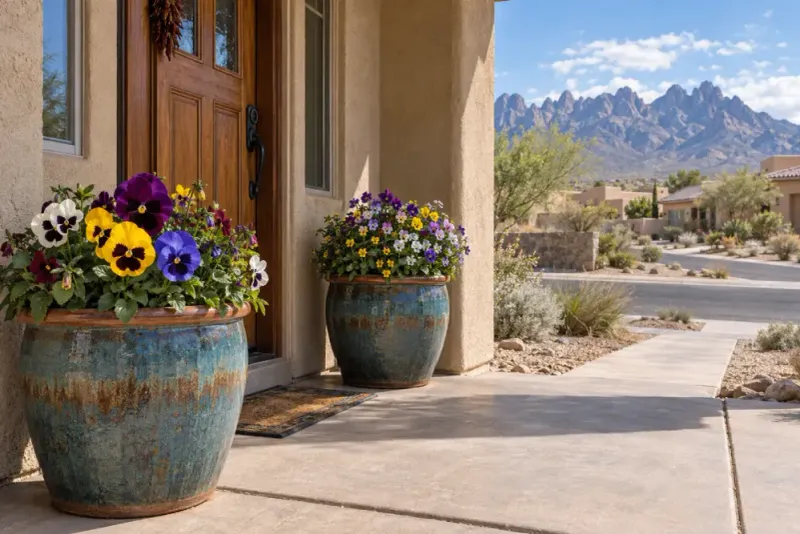
Little faces peeking up from a pot on a January morning have a way of brightening the grumpiest coffee break. Pansies handle the cool season in the low desert better than many gardeners expect.
These cool-season annuals come in purple, yellow, orange, and many bicolor blends, often with dark centers. Late October through November is a popular planting window once daytime temperatures settle below the nineties.
Personally, I group them in containers near the front door, where their colors greet visitors all season. Give them rich, well-drained soil and steady moisture, but avoid letting pots sit in saucers of water.
They tolerate light frost, and mild freezes rarely trouble established plants in sunny desert gardens. Pinch off faded flowers every few days to keep new buds coming and the plants looking neat.
Bright afternoon sun suits them now, though they usually fade once spring heat arrives in April or May. The flowers are edible too, so a few blossoms can decorate a winter salad with real charm.
8. Snapdragons
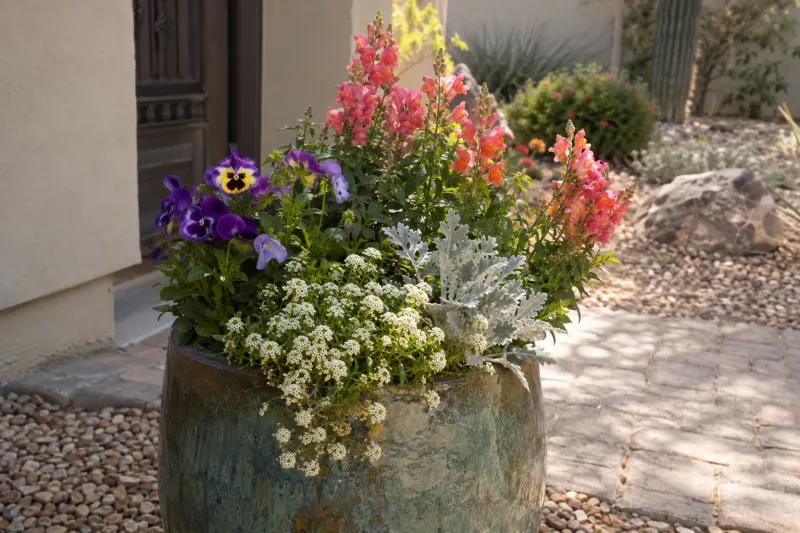
Squeeze a snapdragon blossom from the sides, and the little dragon mouth pops open like a puppet. Kids love this trick, and I have to admit I still do it whenever I walk past.
Antirrhinum majus grows as a cool-season annual in desert gardens, flowering from winter well into spring. Tall varieties reach about three feet, while dwarf types stay compact for borders and pots.
Plant nursery transplants in late October or November so roots establish before the shortest days arrive. Full sun, fertile soil, and regular watering help them build strong spikes packed with buds.
Bumblebees are among the few insects strong enough to pry open the closed flowers for nectar inside. Watching them disappear into the blooms and wiggle back out is surprisingly entertaining on a quiet afternoon.
Remove spent flower spikes to encourage side shoots, which often produce a second wave of color. Tall varieties may need staking in windy spots, especially when late winter storms sweep through the valley.
9. Calendula
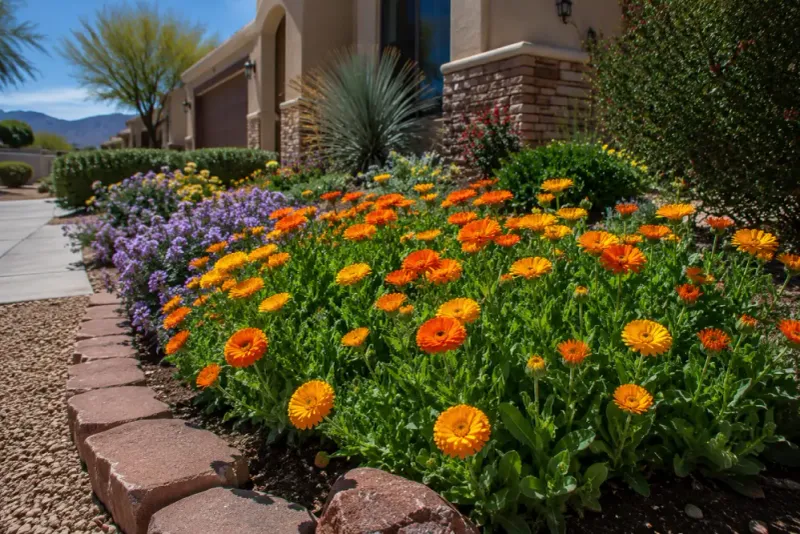
Gardeners once called calendula pot marigold, because cooks tossed its petals into soups and stews for color. That old kitchen habit hints at how easygoing and useful this sunny flower can be.
Calendula officinalis is a cool-season annual that blooms in warm orange and yellow shades through mild winters. It is not a true marigold, despite the nickname, and its seeds look like curled little caterpillars.
You can sow seeds directly in fall or plant transplants in November for faster flowers. Full sun and average, well-drained soil work nicely, with water whenever the top inch feels dry.
I like tucking calendula into vegetable beds, where it draws hoverflies and lady beetles that eat aphids. Those helpful insects make it a hardworking companion for winter lettuce, broccoli, and kale nearby.
Snip faded blooms regularly to keep flowers coming, or leave a few to drop seeds for next fall. Plants usually decline once temperatures climb in late spring, so enjoy them while cool weather lasts.
10. Sweet Alyssum
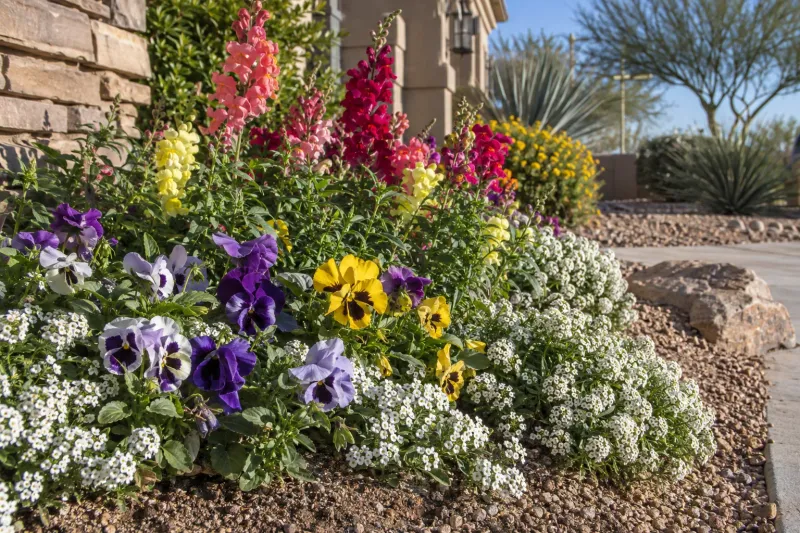
Kneel near a patch of sweet alyssum on a sunny winter afternoon, and you will catch a honey-like fragrance. That scent seems far too big for such tiny white flowers clustered close to the ground.
Lobularia maritima forms low carpets about six inches tall, spilling softly over pot edges and garden borders. White is most common, though you can also find lavender, rose, and deep purple selections at nurseries.
Plant it in November along walkways, where you will brush past and release its sweet perfume. Full sun keeps it flowering in winter, and moderate watering prevents the shallow roots from drying out.
What surprises me most is how many small beneficial insects visit, including tiny parasitic wasps that hunt aphids. Those wasps are harmless to people, and they quietly protect nearby roses and winter vegetables from pests.
If stems turn leggy, shear them back by about half, and fresh blooms usually return within weeks. Alyssum often reseeds lightly, so a few volunteers may greet you again when next fall arrives.