Arizona Homeowners Are Digging Basins Instead Of Watering Trees By Hand
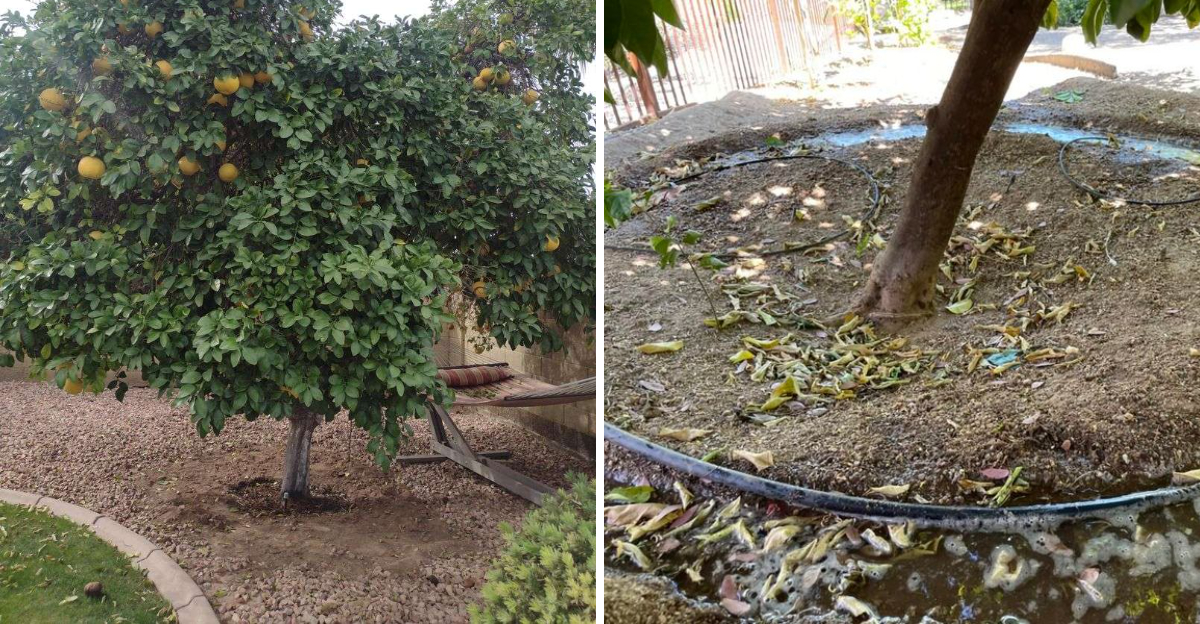
Dragging a hose from tree to tree is not the only way to get valuable moisture where your landscape needs it.
Some homeowners are letting the shape of the ground handle more of the work. Shallow basins can hold rainfall near trees instead of letting that water quickly run elsewhere.
That simple idea is finding a practical place in more Arizona yards.
Watch what happens during the next summer storm. Water moving through your property may reveal spots where a carefully placed basin could capture moisture around the landscape.
The appeal goes beyond saving yourself another watering session during a busy week.
Working with rainfall can change how you think about caring for thirsty trees. Once water settles where it can soak into the soil, that ordinary dip in the ground suddenly feels surprisingly useful.
1. Basins Hold Water Where Roots Can Reach It
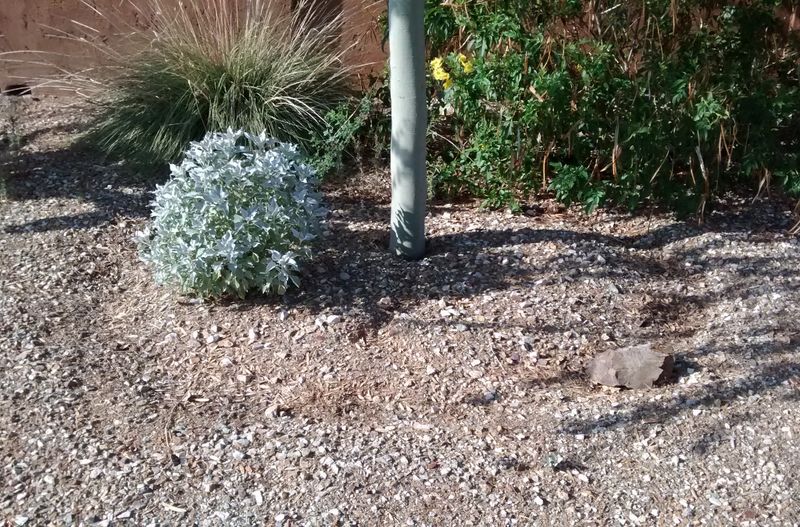
Water poured at the surface without a basin just spreads out and evaporates before roots get a chance to absorb it. A basin changes that completely.
By forming a low ring of soil around the tree, you create a bowl that keeps water in one spot long enough to soak deep.
Roots need moisture several inches below the surface, not just a wet patch on top. A well-built basin sends water straight down into the root zone instead of letting it sheet off in every direction.
That focused delivery is what makes basins so effective in hot, dry climates.
Building one is not complicated. Scrape soil from inside the drip line and mound it into a low ring, roughly four to six inches tall.
Pack it firm so it holds water without breaking apart too quickly.
Depth matters too. A shallow basin holds a smaller volume, which may not be enough for larger trees during peak heat.
Aim for a basin that can hold several gallons before it starts to overflow. That gives water enough time to penetrate past the top layer of soil.
Consistent basin watering can support healthier root development compared to quick, surface-level hand-watering sessions.
2. Wider Coverage Reaches More Feeder Roots
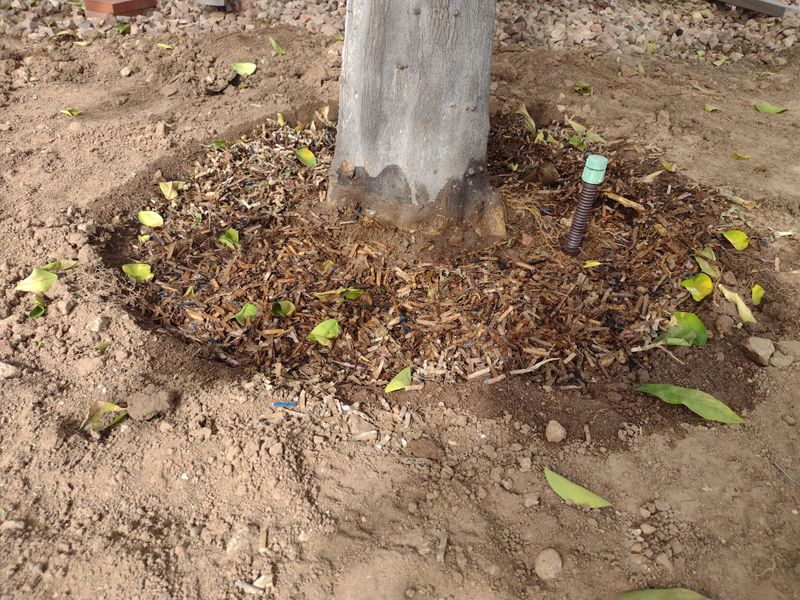
Feeder roots are not clustered right next to the trunk. Most of them spread outward, often reaching as far as the canopy edge or beyond.
Watering only near the base misses a large portion of the roots that actually absorb moisture and nutrients.
A wider basin solves this problem directly. Extending the soil ring out toward the drip line puts water right above where feeder roots are most active.
For young trees, even a modest basin of two to three feet across makes a real difference compared to splashing water at the trunk.
Mature trees need even more coverage. A basin that only encircles the trunk may leave the outer root zone completely dry between watering sessions.
Gradually widening the basin as a tree grows helps keep up with where the roots are actually spreading.
Homeowners who switch from hand-watering often notice that wider basins reduce how often they need to water. Deeper, more even soil moisture can support the tree between sessions, especially when temperatures are not at their peak.
Your Arizona Garden Changes Every Week. Your Plan Should Too.
Gardening in Arizona changes quickly throughout the season. Every Friday you’ll receive a simple weekly plan showing exactly what to plant, prune, fertilize, harvest, and protect so you never miss the right timing.
Wider coverage is not just about reaching more roots. It also helps distribute water more evenly, so no single section of the root zone gets oversaturated while another stays bone dry.
A balanced approach tends to serve trees better long term.
3. Monsoon Runoff Becomes A Useful Water Source
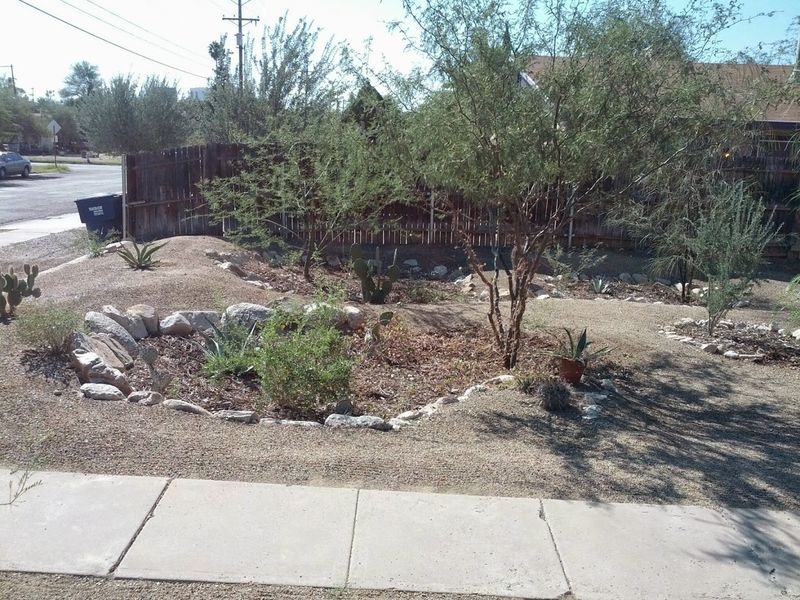
Monsoon season brings intense rain bursts that hit fast and drain away just as quickly. Without a basin, most of that water runs off the surface and soaks into the street or evaporates before trees benefit at all.
A basin flips that situation around. When rain hits a property with basins already in place, the water gets captured right where it falls near the tree.
Instead of losing that moisture to runoff, the basin holds it long enough for the soil to absorb a meaningful amount.
In desert regions, every monsoon storm is a free watering opportunity. Capturing even part of that rainfall can reduce how often you need to supplement with hose or drip irrigation during the wet season.
Over a full monsoon season, that adds up to real savings in time and water use.
Basin placement matters for capturing rain effectively. A slight grade toward the basin helps direct surface water into the bowl rather than away from it.
Checking that the basin rim stays intact before storm season starts is worth a few minutes of effort. Storms can erode loose soil, so rebuilding the ring after heavy rains keeps it functional.
Taking advantage of natural rainfall through smart basin design is one of the more practical habits desert gardeners develop over time.
4. Slow Soaking Helps Limit Surface Runoff
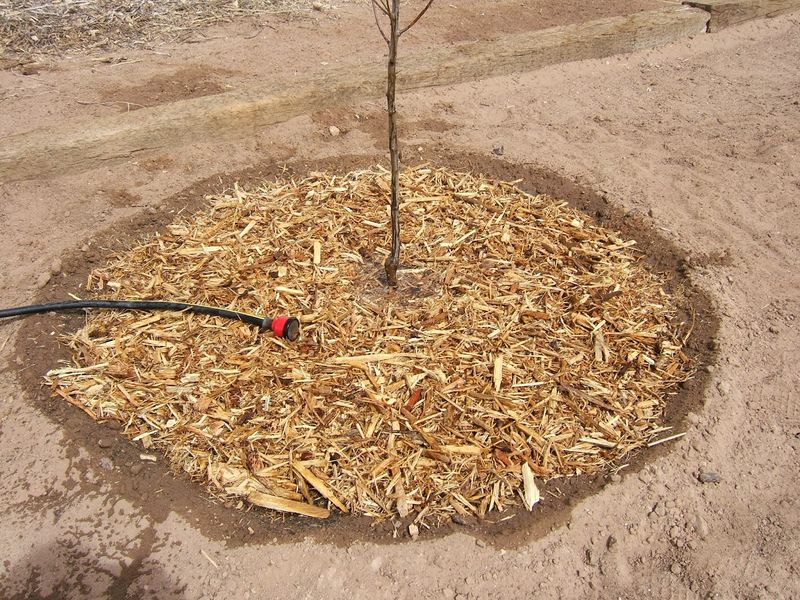
Fast watering on hard desert soil mostly creates runoff. Dry caliche and compacted ground can shed water like a rooftop when it hits too quickly.
A basin slows the whole process down by containing the water in one area and forcing it to soak in gradually.
Slow soaking reaches deeper into the soil profile than a quick surface spray. When water has nowhere to escape, it sits in the basin and works its way down through the soil layer by layer.
That process takes longer, but the moisture ends up where roots can actually use it.
Surface runoff is not just wasteful. It can carry away topsoil and leave exposed roots vulnerable to heat and dryness.
Keeping water inside a basin protects the soil structure around the tree and reduces erosion over time.
Filling a basin slowly works better than dumping a large volume all at once. A slow trickle from a hose gives the soil time to accept water without overwhelming the surface.
If water starts pooling above the rim, ease back and let the basin drain before adding more. Some soils absorb water faster than others, so a little observation early on helps you figure out the right pace.
Matching your fill rate to your soil type makes slow soaking much more effective overall.
5. Mature Trees Need Water Beyond The Trunk
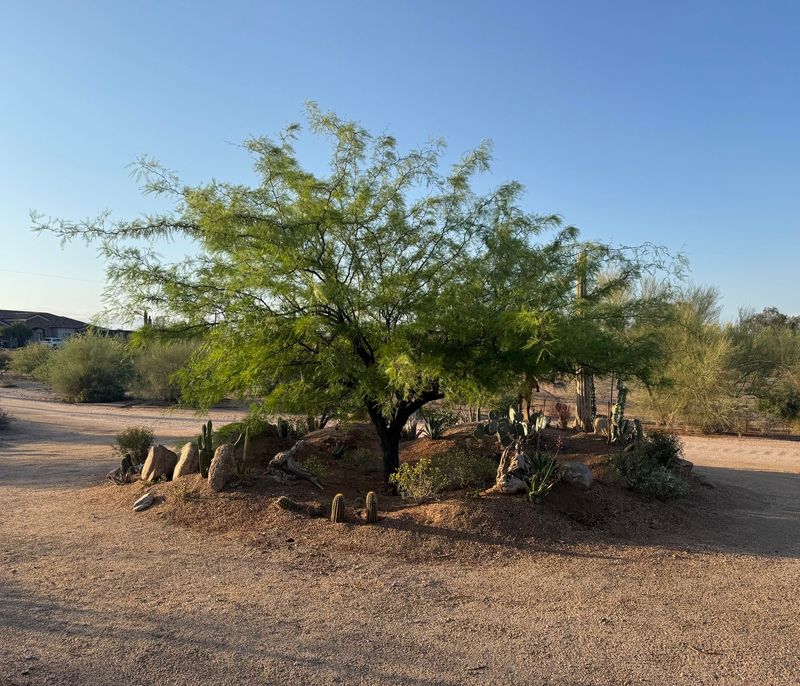
Young trees have compact root systems that stay fairly close to the trunk. Mature trees are a different story.
Their roots can extend far beyond the canopy, sometimes two to three times the width of the tree’s spread. Watering only at the base barely touches the zones where most water uptake actually happens.
Homeowners sometimes continue using the same small basin they built when the tree was young. Over time, that basin becomes less effective as the root system expands outward.
Keeping the basin sized appropriately for the tree’s current stage is part of good tree care.
Extending the basin outward does not require starting over from scratch. Simply add to the existing ring by pushing the soil berm further out.
Even moving it a foot or two further from the trunk can make a meaningful difference for a tree that has been in the ground for several years.
Mature trees in hot climates can handle deeper, less frequent watering better than shallow, frequent sessions. A large basin that holds more water encourages roots to grow downward toward consistent moisture rather than staying near the surface.
Surface roots can be more vulnerable to heat stress during extreme temperature spikes. Encouraging deeper root growth through proper basin sizing is one of the more practical things a homeowner can do for a well-established tree.
6. Proper Placement Helps Protect The Root Crown
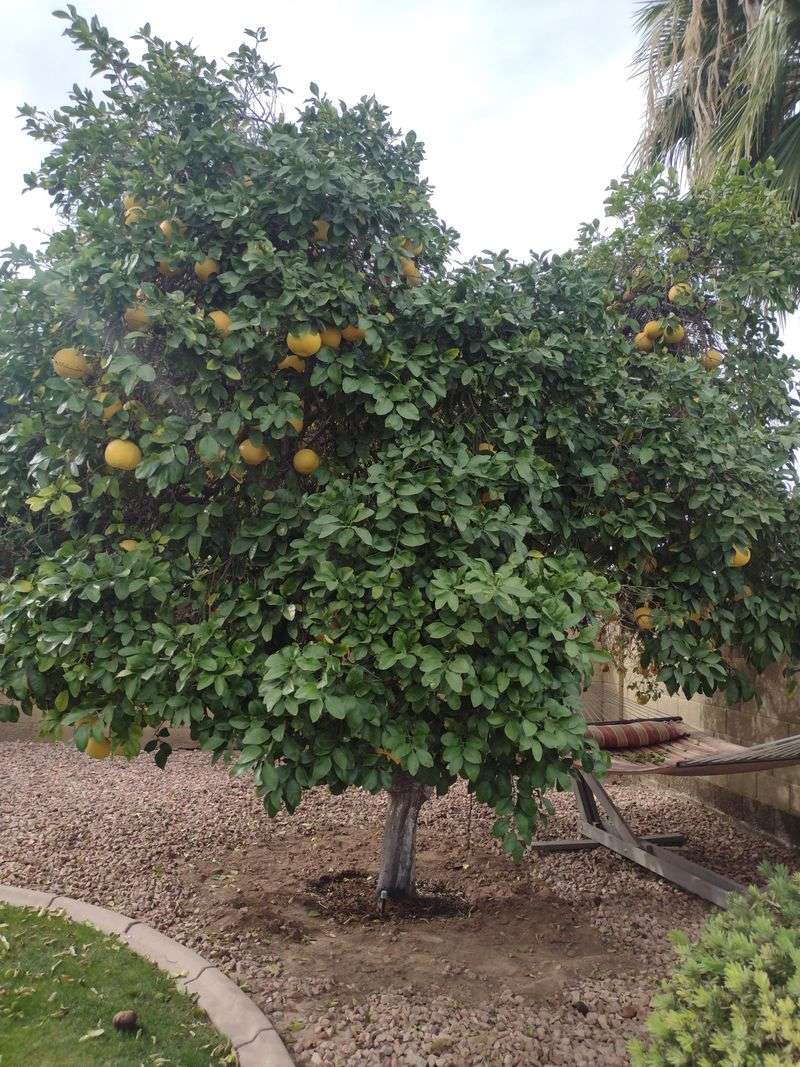
Keeping water away from the trunk itself is just as important as getting it to the roots. The root crown, which is the area where the trunk meets the soil, needs to stay relatively dry.
Consistent moisture against the bark at that junction can lead to rot and serious long-term damage.
A common mistake is building the basin so the berm sits right against the trunk. That funnels water directly to the base every time you fill it.
Shifting the inner edge of the basin several inches outward from the trunk keeps that critical zone protected.
Some homeowners also mound soil up against the trunk when building a basin, thinking it helps. It actually does the opposite.
Soil piled against bark traps moisture and restricts airflow, which creates conditions where bark can break down over time. Keeping the area immediately around the trunk clear and slightly raised helps protect it.
Placement also affects how roots develop. A well-positioned basin encourages roots to grow outward and downward rather than circling tightly near the trunk.
Roots that spread well tend to anchor the tree more effectively and access a wider range of soil moisture. Getting the placement right from the start saves a lot of correction work later.
A few extra minutes of planning before you dig makes the basin far more effective and safer for the tree overall.
7. Basins Need To Expand As Trees Grow
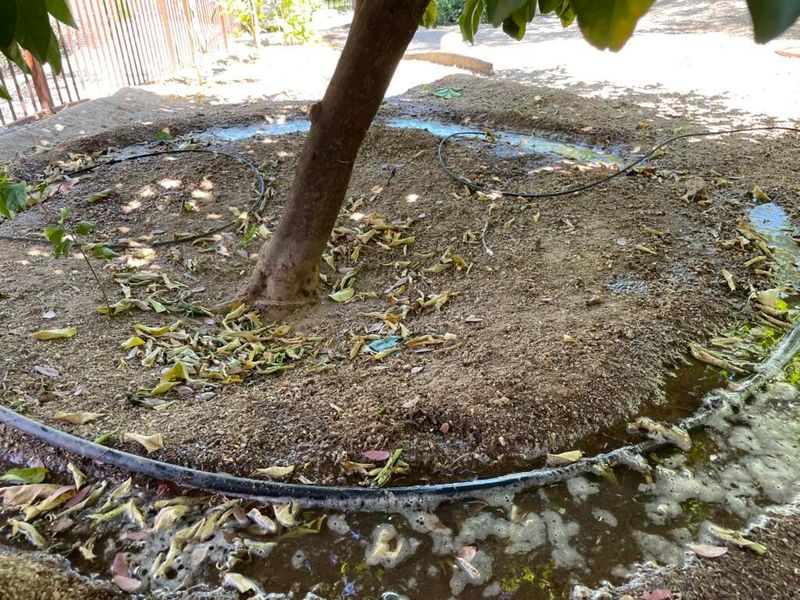
A basin that worked perfectly for a newly planted tree will not keep up as that tree matures. Root systems spread steadily outward over the years, and a basin that stays the same size eventually stops serving the tree well.
Expanding the basin is a normal part of tree care, not a sign that something went wrong.
Checking basin size once a year is a simple habit worth building. If the canopy has grown noticeably wider since you last adjusted the basin, the root zone has likely expanded too.
Matching the basin size to the current canopy spread gives you a rough guide for how far out to extend the berm.
Expanding a basin is straightforward physical work. Scrape the existing berm outward, add fresh soil if needed, and pack it firmly to hold water.
Breaking up compacted soil inside the expanded area helps water penetrate more evenly instead of pooling only in soft spots.
Larger basins also hold more water per fill, which can reduce how often you need to water during hotter months.
A tree with an appropriately sized basin and deep soil moisture is generally better positioned to handle heat stress than one that gets frequent shallow watering.
Basin expansion is one of those low-effort adjustments that pays off steadily over the life of the tree. Staying consistent with it makes a real difference in how well desert trees perform year after year.