Eastern Tiger Swallowtail Chrysalises Spend Winter Hidden On Georgia Trees Before Emerging In Spring
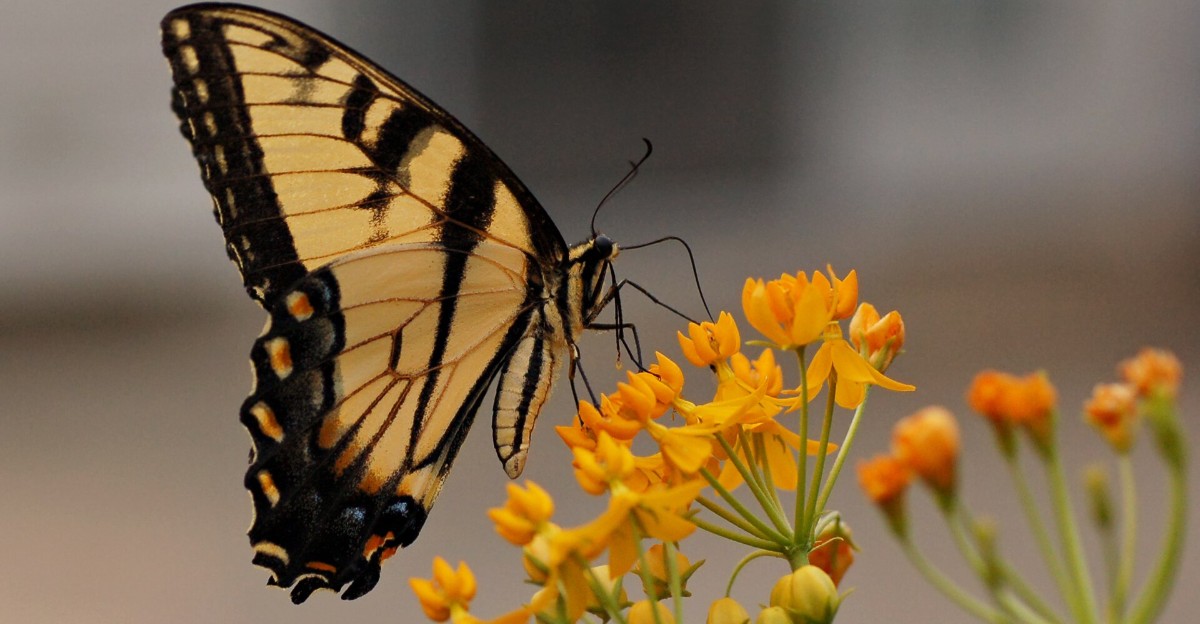
A butterfly can spend five or six months sitting perfectly still on a tree trunk, disguised as a scrap of bark. It does not eat, drink, or move much at all.
Then one warm spring morning, it simply pops open and flies away.
I walked past these tiny winter sleepers for years without noticing a single one. They hang by a thin silk belt, often brown, sometimes green, and they look like nothing worth a second glance.
Birds miss them too, which is the whole point.
Georgia gardeners see the grown-up version every summer, fluttering big and bold over the flower beds. Few of us ever wonder where those wings spent January.
I find that question more fun than any seed catalog.
Something remarkable could be hiding on the trees in your yard right now, and a little care could help it survive until spring.
1. That Brown Twig On Your Tree Trunk Might Be A Sleeping Swallowtail
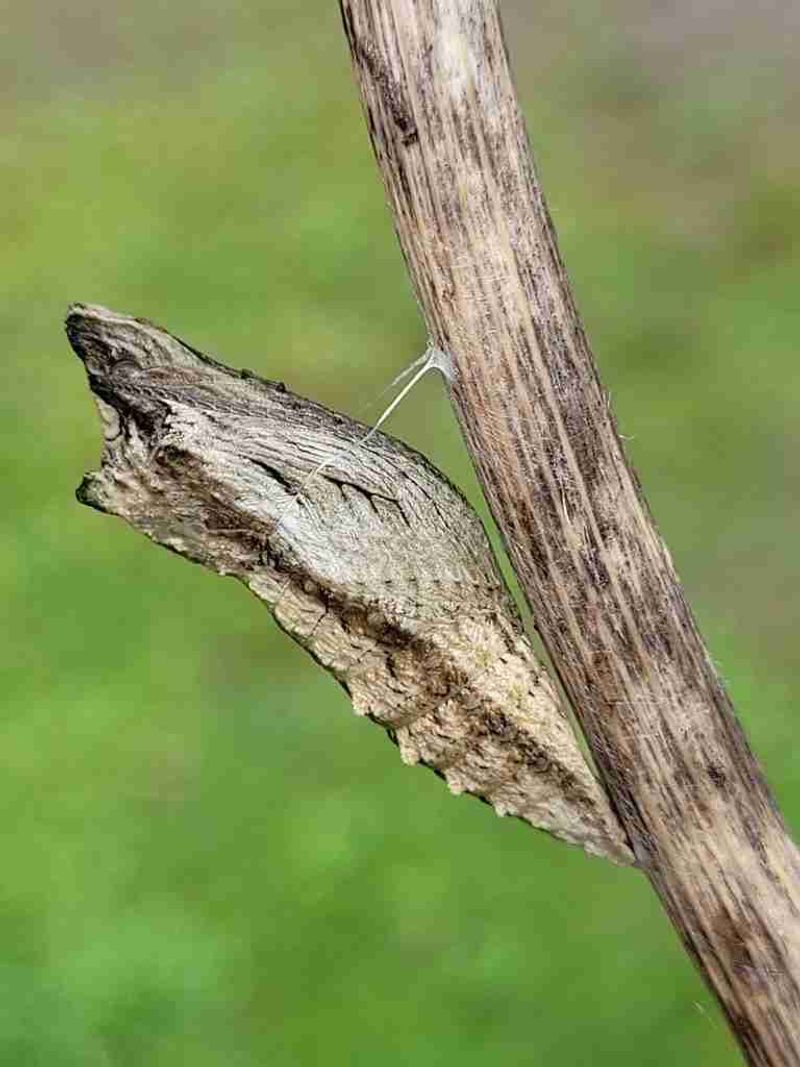
Last winter I spotted a lumpy little stick on a tulip poplar branch, and it turned out to be a chrysalis. That moment changed how I look at bare trees.
The Eastern Tiger Swallowtail spends the cold months in this hidden pupal stage.
A chrysalis is the stage between caterpillar and butterfly. The caterpillar finds a sturdy spot, spins a small silk pad for its tail end, and loops a silk belt around its middle.
Then it sheds its skin one last time and hardens into a shell about an inch and a half long.
Color is the clever part. Many chrysalises that form in fall are brown or grayish, which matches bark and dry stems.
Others stay green, especially on leafy plants. Scientists think the texture and color of the surface nearby help guide which shade forms.
Spots vary a lot. Some hang on tree trunks, some on twigs, and some on fence posts, sheds, or plant stems near the ground.
The caterpillar often crawls away from its host tree before settling in, so the hiding place may not be obvious.
Next time you rake or prune, slow down. That odd bump with a silk loop could be a butterfly waiting for spring.
2. A Built-In Pause Button Keeps Each Chrysalis Waiting For Spring
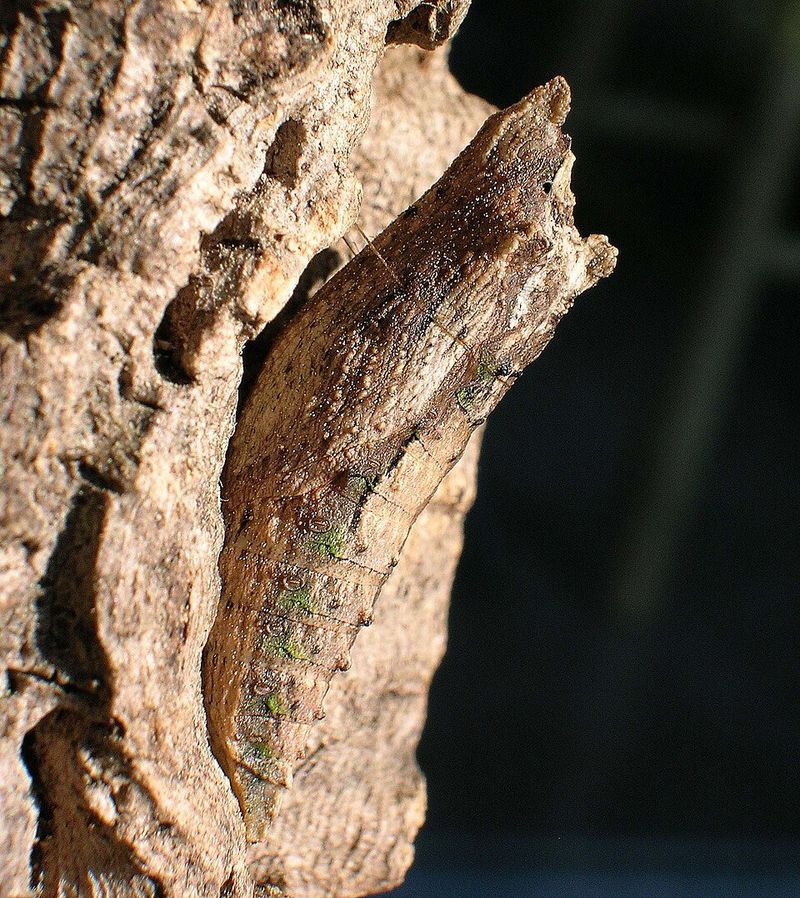
Here is a trick I wish I could borrow on gray January mornings. Swallowtail chrysalises that form in late summer and fall enter a state called diapause.
It works like a pause button on growth.
Shorter days and cooler nights are the main triggers. When caterpillars sense day length shrinking, the chrysalis they form holds off on turning into a butterfly.
Growth slows way down and energy use drops to a tiny trickle.
Summer chrysalises behave differently. Those usually open in about two weeks.
Only the fall group settles in for the long wait, and that wait can last from roughly October until March or April.
Insects that overwinter often build up natural sugars and protective compounds such as glycerol in their bodies. These help protect cells from ice damage during freezing nights.
Researchers have studied cold tolerance in many butterflies, and swallowtails handle cold winters across a huge range, from Florida up into New England.
The pause does not end on the first warm day. A chrysalis needs a period of cold before it is ready to restart.
That safety step helps prevent a butterfly from popping out during a surprise warm spell in December, when no flowers are open.
3. Fresh Tiger Swallowtails Break Out When Georgia Warms Up
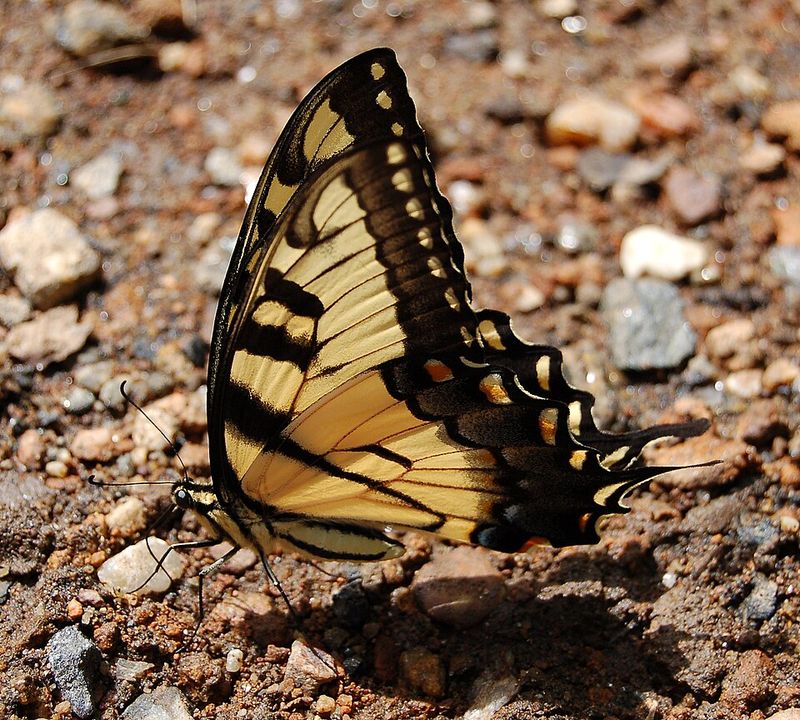
Watching one emerge is pure magic, and it happens faster than you would guess. Once spring warmth and longer days arrive, the butterfly inside finishes forming.
Within days, the shell turns darker and you can sometimes see wing colors through it.
The shell splits near the top, and the adult wiggles out. Its wings look crumpled and soft at first.
The butterfly pumps fluid into the veins, and the wings slowly spread to full size.
Drying takes a few hours. During this time the butterfly hangs quietly and stays vulnerable, so it is best not to touch it.
Once the wings stiffen, off it goes in search of flowers.
In south Georgia, the first adults often show up in late February or March. Folks in the north Georgia mountains may wait until April.
Weather each year shifts these dates a bit.
These early spring butterflies tend to be a little smaller than the summer crowd. That size difference is normal and comes from the cooler conditions their caterpillars faced the fall before.
Keep an eye on sunny garden edges in early spring. That first flash of yellow is your sign the winter sleepers made it.
4. Tulip Poplars And Wild Cherries Feed The Next Batch Of Caterpillars
Want more chrysalises on your trees next winter? Start with what the caterpillars eat.
Female swallowtails only lay eggs on certain host plants.
Tulip poplar, also called tuliptree, is a top favorite and grows across most of the state. Black cherry is another big one.
Sweetbay magnolia works well in damper yards, especially in the coastal plain.
Other native hosts include ash trees, basswood, cottonwood, willows, birches, and hoptree. You do not need all of them.
Even one healthy host tree can support caterpillars for years.
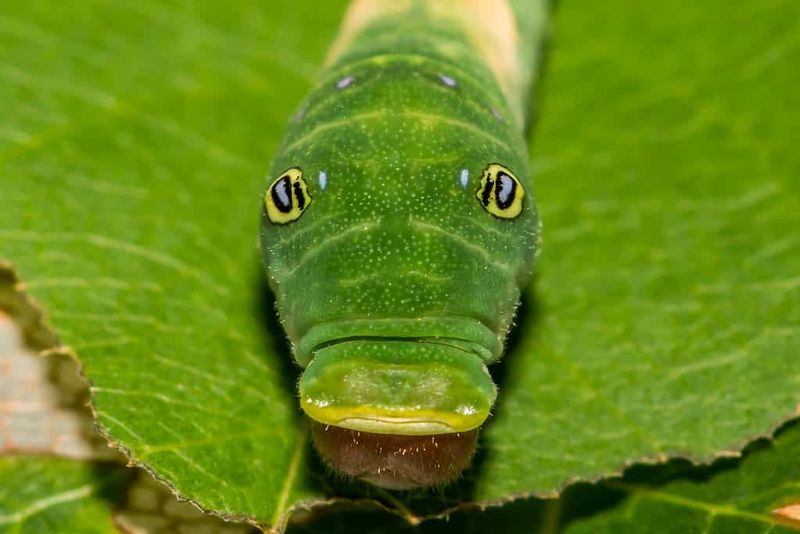
Young caterpillars look like bird droppings, which is a smart disguise. Older ones turn bright green with two big fake eyespots that make them look like a tiny snake.
Kids love finding them.
Caterpillars often rest on a leaf they have curled with silk. If you see chewed leaves on your tulip poplar in summer, take a peek before you reach for any spray.
Fall planting works nicely across Georgia because roots settle in during mild winters. Check with your local extension office or native plant nursery for trees that suit your soil.
Choosing natives gives butterflies, birds, and bees much more value than a fancy ornamental would.
5. Your Fall Cleanup Could Be Tossing Out Butterflies
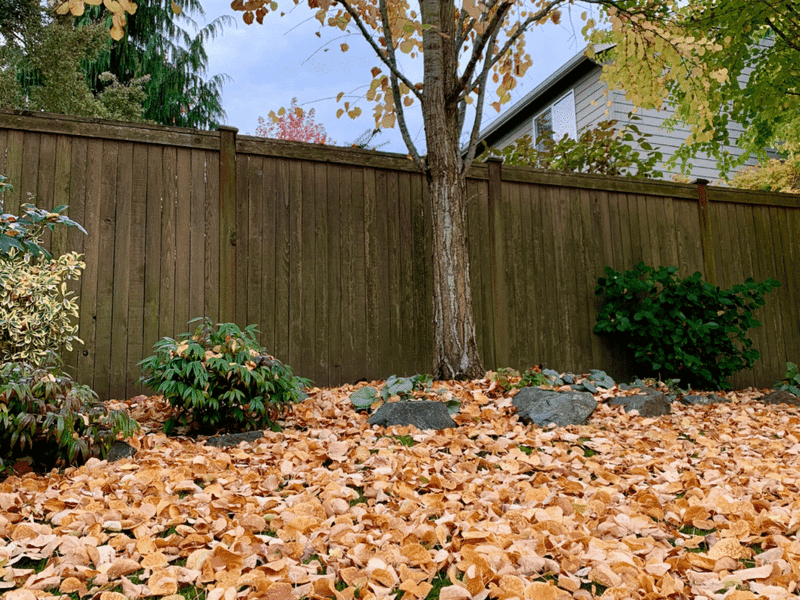
Confession time: I used to bag every leaf and snip every stem by Thanksgiving. Then I learned how many insects ride out winter in that so-called mess.
Swallowtail chrysalises are among them.
Caterpillars often wander off their host tree to pupate. They may settle on a low branch, a stout perennial stem, a shrub, or a woody spot near the ground.
Heavy pruning and hauling yard waste can send those chrysalises straight to the curb.
A softer approach helps a lot. Leave some leaves under trees and shrubs as natural mulch.
Keep a corner of the yard a bit wild, with stems and twigs left standing.
If you must prune, look over each branch before tossing it. A quick scan for a silk loop or odd bump takes only seconds.
Found one? Prop the branch upright in a sheltered spot outside until spring.
Wait until mid to late spring for your big cleanup if you can. By then, most overwintering butterflies and other helpful insects have moved on.
Your soil benefits too, since leaves break down into rich food for plants.
A slightly untidy yard can be a busy, healthy one.
6. Hungry Birds And Wasps Hunt For Hidden Chrysalises
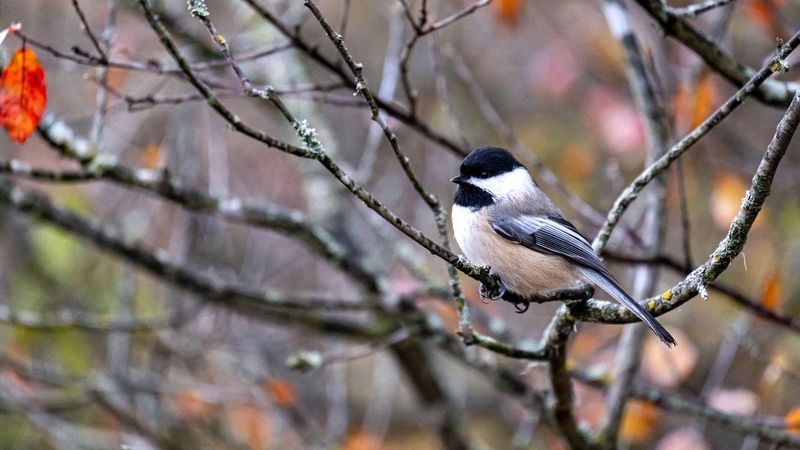
Winter is a tough season to be a snack. Chickadees, titmice, wrens, and woodpeckers spend cold days poking through bark looking for insects.
A plump chrysalis makes a fine meal if they find one.
That is why camouflage matters so much. A brown chrysalis on brown bark is hard for even sharp-eyed birds to spot.
Many still get found, and that is a normal part of the food web.
Tiny parasitic wasps and flies are another threat. Some lay eggs inside caterpillars or young chrysalises.
Instead of a butterfly in spring, a few small insects may chew their way out.
Mice, squirrels, and other small critters may nibble chrysalises close to the ground too. Only a small share of eggs laid in summer ever become flying adults.
Should you try to protect every one? Not really.
Birds need insects, especially when raising chicks in spring. A healthy yard supports both the butterflies and the animals that eat them.
Your best move is planting plenty of host trees so more caterpillars have a fighting chance. Bigger numbers mean more survivors, even when the birds take their share.
7. Spring Swallowtails Will Need Nectar Flowers Right Away
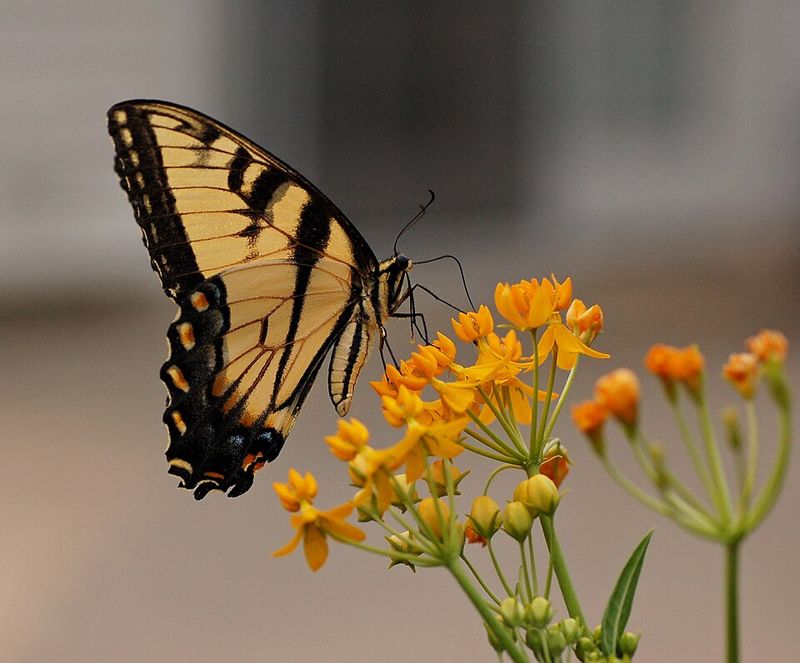
Fresh out of the chrysalis and starving, a new swallowtail heads straight for flowers. Adults drink nectar for energy to fly, find mates, and lay eggs.
Early blooms matter a lot in March and April.
Native wild azaleas are a Georgia showstopper and swallowtails adore them. Woodland phlox, eastern redbud, and native blueberries also bloom early.
These give the first spring fliers a quick meal.
Summer brings even more choices. Purple coneflower, ironweed, Joe Pye weed, milkweeds, and bee balm are favorites.
Buttonbush works well near water or in rain gardens.
Butterflies like big, colorful flower clusters in sunny spots. Plant in groups rather than one of each kind.
That makes your garden easier to find from the air.
Skip invasive plants, even ones sold as butterfly magnets. Lantana camara and some types of butterfly bush can spread into wild areas in parts of the South.
Natives do the job beautifully and support local insects far better.
Fun fact: some female tiger swallowtails are mostly black instead of yellow. Scientists believe this dark form may mimic the bad-tasting pipevine swallowtail, which helps fool birds.
8. Help Georgia’s State Butterfly Make It Through Every Winter
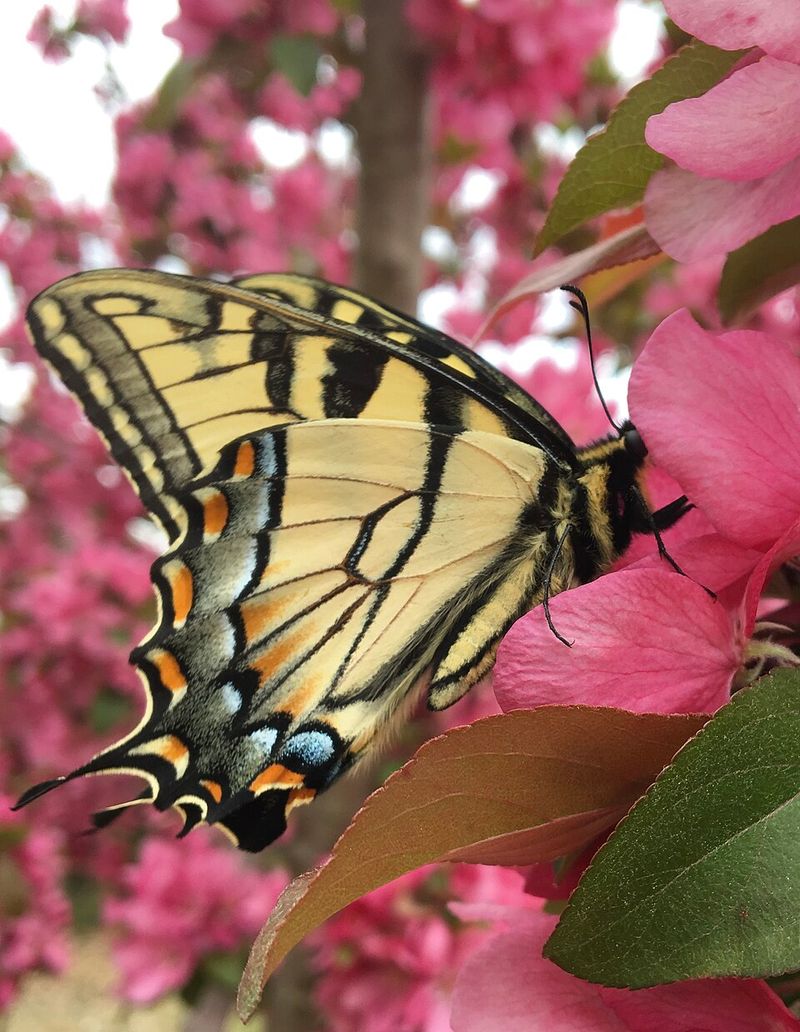
Few states can claim this butterfly as an official symbol, and Georgia is one of them. Lawmakers named the Eastern Tiger Swallowtail the state butterfly in 1988.
Supporting it at home feels like a small dose of state pride.
Start with a host tree like tulip poplar, black cherry, or sweetbay magnolia. Add a mix of native flowers that bloom from early spring through fall.
Together, these cover every stage of the life cycle.
Cut back on pesticides, especially broad sprays on trees and shrubs. Caterpillars and chrysalises are easy to harm by accident.
If a pest problem pops up, ask your county extension agent about targeted options.
Give winter some breathing room. Leave leaves, standing stems, and a few brushy corners until spring warms up.
A shallow dish of damp sand can also attract males, which like to sip minerals from wet soil.
Finally, look closely. Walk your yard on a sunny winter afternoon and check trunks, fences, and low branches.
Spotting even one hidden chrysalis turns a quiet season into a treasure hunt.
Every yard that makes room for them adds up across the whole state.