Do This to Your Arizona Crape Myrtle in November Instead of Pruning It

Some gardeners grab the pruners in November, even though crape myrtles can bloom without a single cut. I like how that small fact takes the pressure off.
Your tree does not need a fall haircut to put on a show.
Soil moisture is a quieter job, and it matters more than most people guess. In Arizona, a cool snap does not mean the ground stays wet.
Roots keep working below the surface.
Personally, I find a simple soil check more satisfying than any trim. You learn what your yard is actually doing.
That knowledge beats guesswork every time.
So what should you look for when you push a tool into the ground? The answer is simpler than you might expect.
Use November for a Soil-Moisture Check

Pruners are not the only tool worth carrying out to your crape myrtle in November. A soil-moisture check is a useful alternative to cosmetic tidying, though it does not replace every kind of pruning.
Some cuts still have good reasons, and we will get to them.
The University of Arizona’s November guide for Pima County suggests adjusting irrigation as the weather cools. That is local, seasonal advice for one part of the state.
It is not a crape-myrtle-specific plan.
Arizona covers low deserts, high deserts, and cold mountain towns. Soils, rainfall, and freeze risk differ a lot between them.
A yard in Tucson may need a very different routine than one in Flagstaff.
General University of Arizona guidance on watering trees and shrubs also notes that needs vary with species, soil, and weather. So treat November as a prompt to look, not a command to follow a calendar.
Check Moisture Where the Roots Reach
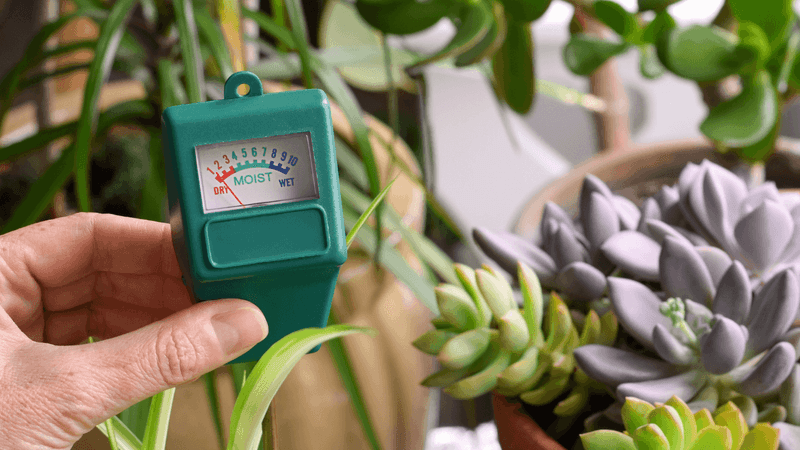
The soil surface can fool you. It may look dusty and dry while the ground below holds plenty of water, or the reverse can be true after a light sprinkle.
What counts is the zone where roots actually live.
University of Arizona Extension advises deep, infrequent watering and gives a typical tree root depth of 18 to 36 inches. Treat that as general guidance, not a rule for every yard.
Your tree may root shallower or deeper.
A long screwdriver or soil probe makes a handy check. Push it into the ground a day or two after watering and notice where it gets harder to push.
Dig a small hole nearby if you want a closer look at how damp the soil feels.
Actual needs depend on the tree, your soil, recent weather, and your irrigation system. Drip emitters, bubblers, and hand watering all wet the soil differently.
Let what you find below the surface guide you.
Apply the Pima County Frequency Advice Locally
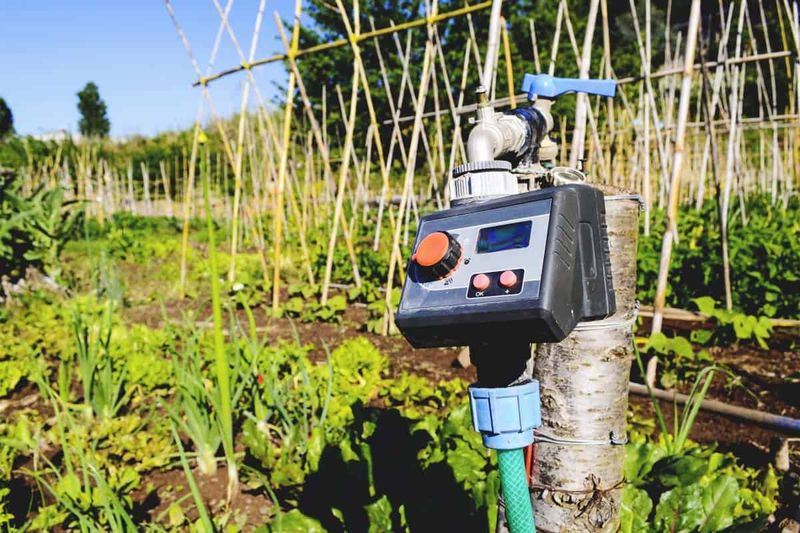
The University of Arizona’s Pima County November guide recommends adjusting watering frequency, not duration. In plain terms, that means you water less often as the weather cools, but each session still soaks deeply.
That idea came from Pima County, so credit it there.
It is not a statewide rule, and it is not a crape myrtle schedule. Nobody can hand you one winter interval that fits every yard.
I would not trust anyone who tries.
If you garden elsewhere in Arizona, let local conditions lead. Check how fast your soil dries, how cold nights get, and whether rain has fallen lately.
The general watering guidance says needs shift with soil and weather.
A timer you adjust by season, backed by a quick soil check, is a sensible habit. Change the gap between waterings first, and keep the soaking depth in mind.
Recently Planted Trees Need Closer Attention
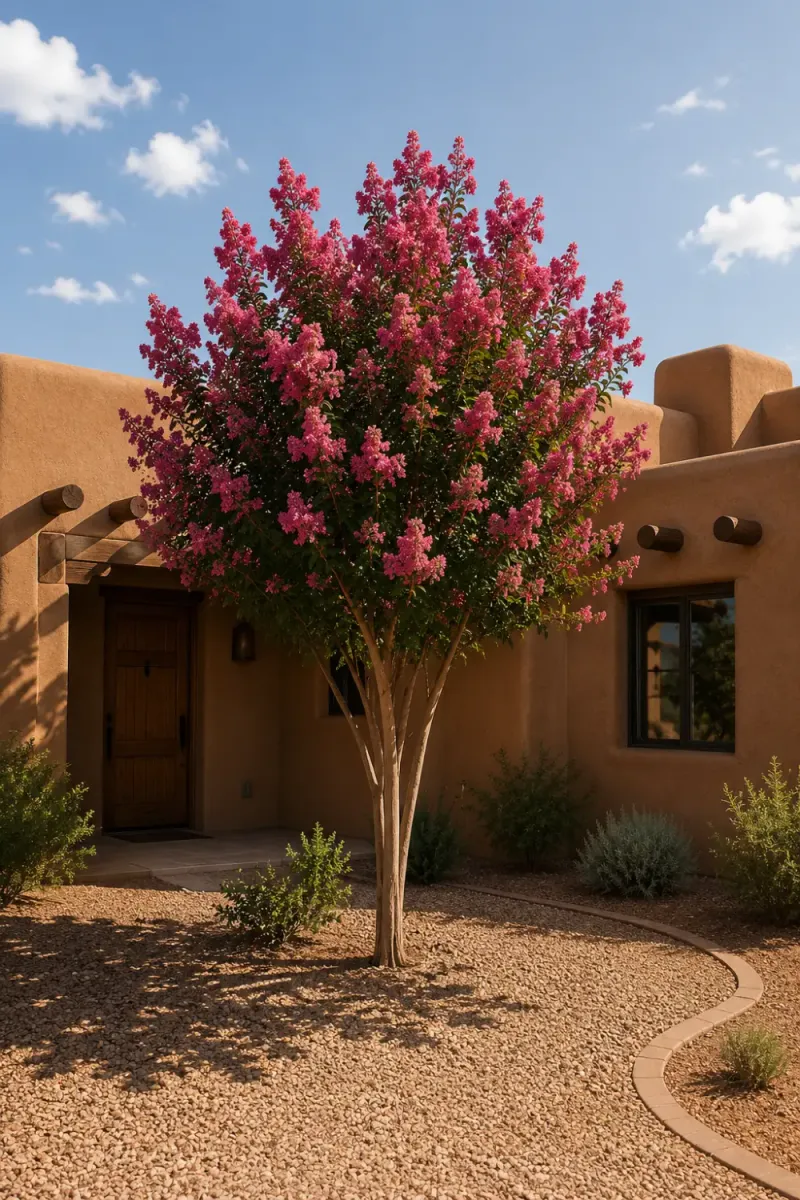
A crape myrtle planted this year is still settling in. Its roots have not spread far, so it relies on the soil near the original root ball.
Older trees have wider, deeper roots and can handle more gaps between drinks.
University of Arizona material on fall and winter irrigation points to this difference between new and established plants. New plantings simply need more frequent attention.
I will not invent a number of days, because yards vary too much.
Instead, check the soil near the trunk and a bit farther out. Notice whether the root ball area dries faster than the surrounding ground.
Sandy soil often drains quickly, while clay holds water longer.
Also watch sun exposure and wind, since both change how fast the ground dries. General tree watering guidance reminds us that tree age matters.
Let the soil tell you when to act.
Use Mulch to Help Conserve Moisture
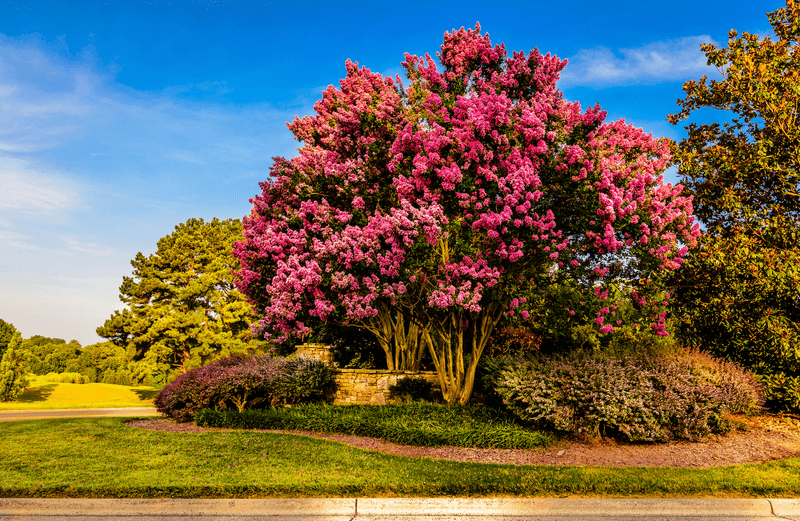
Mulch is optional, but it can be a handy helper. It slows evaporation, so the soil may stay damp a bit longer between waterings.
Think of it as a blanket over the roots.
University of Arizona Extension recommends a 3 to 4 inch layer over the root zone for trees and shrubs. That is general guidance, not a special November step for crape myrtles.
Spread it wide, not just in a small ring.
Keep the mulch away from the base of the plant. Piling it against the trunk can hold moisture where you do not want it.
Leave a small gap around the stem.
Mulch does not replace the irrigation decision. You still need to check the soil and adjust how often you water.
Mulch simply changes how quickly the ground dries, so your checks may show different results.
Crape Myrtles Do Not Need Pruning to Bloom
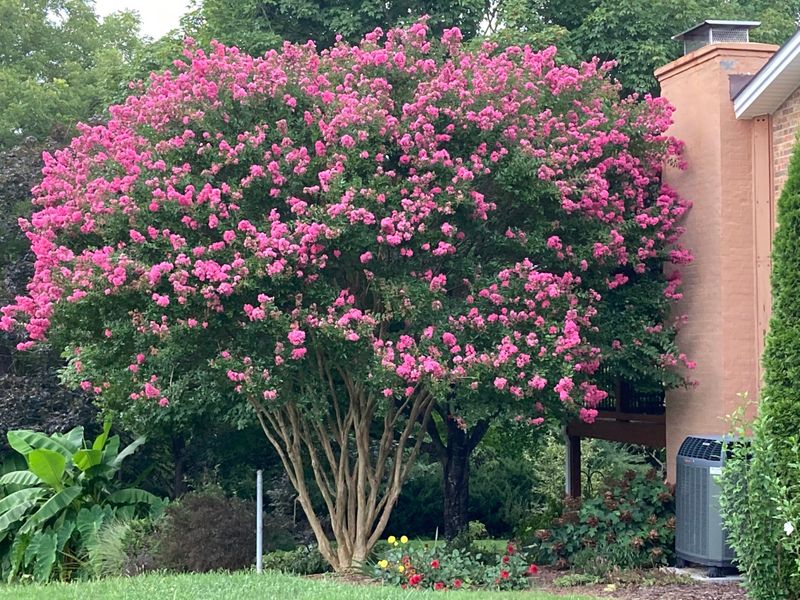
Here is a fact that surprises many people. Crape myrtles flower on new growth, but they do not require pruning to bloom.
A tree left alone will usually flower just fine.
University of Georgia Extension’s crape myrtle culture guide makes this point clearly. It also recommends removing only branches that have a clear reason to go.
Cutting the whole canopy back is not on that list.
Severe topping does not reliably give you more flowers. UF/IFAS pruning guidance reports that topping can delay flowering, and heavier pruning can reduce flower numbers.
It suggests little or no pruning where a tree has room to grow.
So separate routine tidying from pruning with a purpose. A neat silhouette is a fine goal, but it is not a bloom booster.
Ask what a cut will fix before making it.
Reserve Structural Shaping for the Right Timing
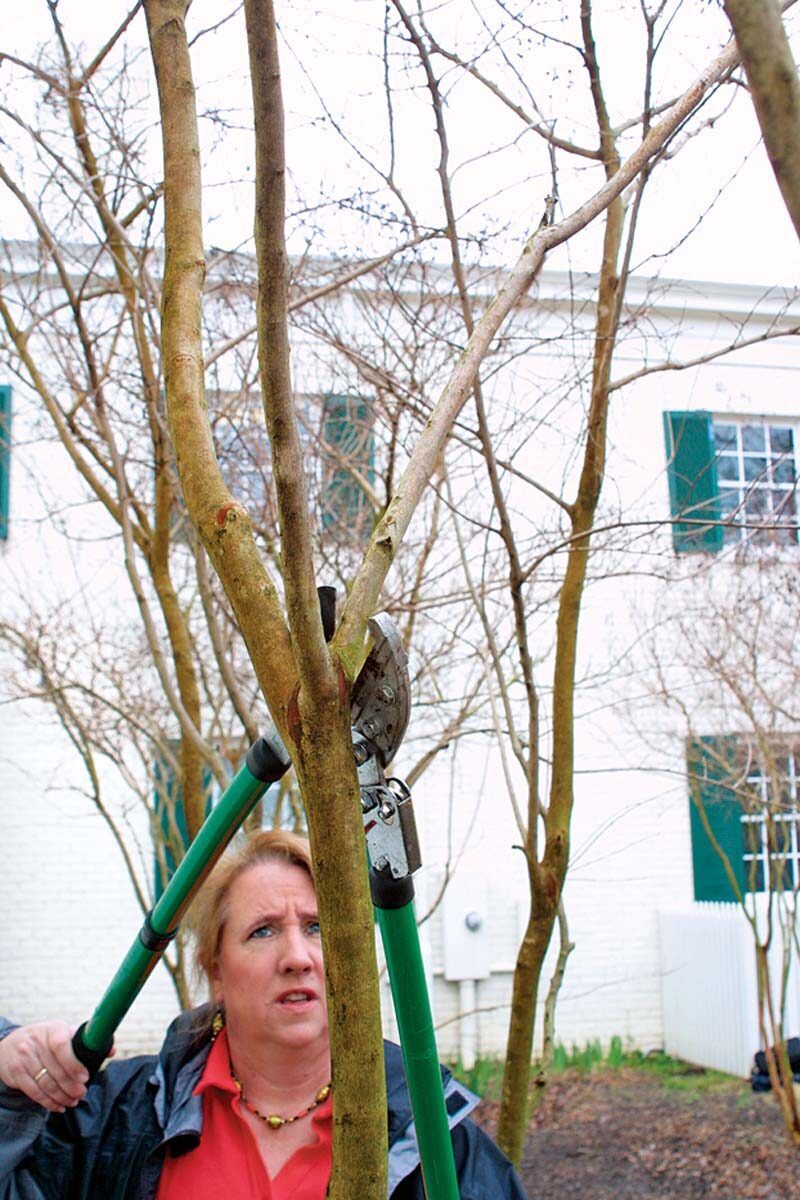
Some pruning does have a good reason. Crossing limbs, weak structure, or a form that needs guiding can all call for a cut.
For that kind of work, crape myrtle guidance favors dormancy.
University of Georgia Extension suggests doing shaping or structural pruning later in winter or early spring, before growth resumes. Remove only branches with a clear purpose.
That timing guidance is for the work itself.
It is not a blanket ban on every November cut in Arizona. A University of Arizona Yavapai County pruning presentation says low-desert pruning can happen nearly year-round.
It also says light cleanup is fine anytime.
That does not mean every amount of pruning suits every region. Elevation and cold risk matter, and so does the reason for the cut.
A tiny cleanup is not the same as a major structural change.
Treat Safety Cuts and Frost Damage Differently

Safety comes first. If a branch is broken, hanging, or likely to fall on a walkway, remove it when needed.
UF/IFAS guidance treats safety pruning as a separate case from cosmetic shaping.
Frost damage is a different story. Damaged wood can be hard to judge early, since a branch that looks bad may still recover.
University of Arizona frost protection guidance advises waiting until spring growth begins before pruning it.
Pruning too soon may also encourage tender new growth that is vulnerable to the next cold night. Patience lets the tree show you which parts are truly finished.
Then you can cut with confidence.
So check the soil, keep your cuts purposeful, and match your choices to your local climate. Your crape myrtle usually knows what it is doing, and sometimes the best November job is a slow walk around the tree.