Why No-See-Ums Slip Right Through Your Florida Porch Screens (and What Mesh Actually Stops Them)
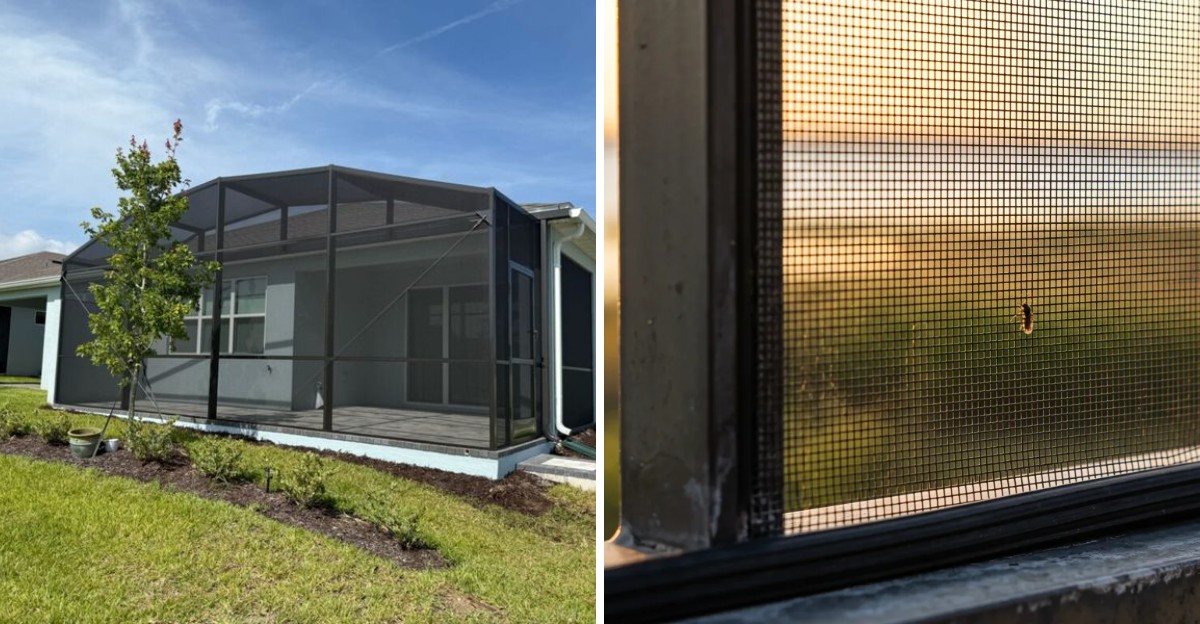
A biting bug smaller than a sesame seed can walk through your porch screen like it owns the place. Most standard screens have holes wide enough for it to stroll in, no squeezing required.
I learned this the itchy way on a calm Florida evening. The screens looked perfect, yet my ankles told a very different story by bedtime.
You’ve probably blamed mosquitoes, spiders, or even your imagination. The real culprit is so tiny you can barely spot it on your arm, and the bites can itch for days. Only the females bite, and they love the same still, muggy dusk hours you love for sitting outside.
The fix comes down to a few strands of woven wire per inch. That small number on a roll of screen makes a bigger difference than most people expect, and your hardware store probably stocks it already.
I’ll defend this to the end: the right mesh beats every bug spray on the shelf.
Those Tiny Biting Midges Fit Through Standard Screen Holes
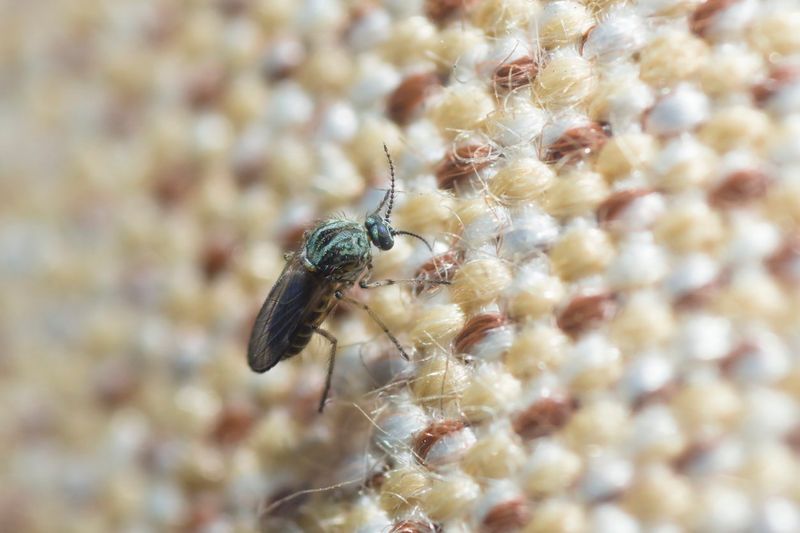
Size explains nearly everything here. No-see-ums are biting midges in the family Ceratopogonidae, and University of Florida entomologists describe most of them as about 1 to 3 millimeters long.
Some are small enough to rest on the head of a pin.
Now look at your porch screen. Most homes and pool cages use 18×14 or 18×16 mesh, meaning 18 strands one way and 14 or 16 the other per inch.
Those openings often measure around 1 millimeter or a bit more on the long side.
You can probably see the problem. A bug that small, with narrow folded wings, slips through gaps like a kid ducking under a fence rail.
It is not chewing or forcing its way in at all.
Mosquitoes are much bigger, so standard mesh stops them well. That is why your screens seem fine during the day and then fail you at sunset.
The screen is doing its job, just against the wrong insect.
Fun fact for your next porch chat. In some coastal towns, people call these pests sand gnats, sand flies, or punkies.
Different names, same itchy little visitor squeezing through your screen.
A 20×20 No-See-Um Screen Closes the Gap
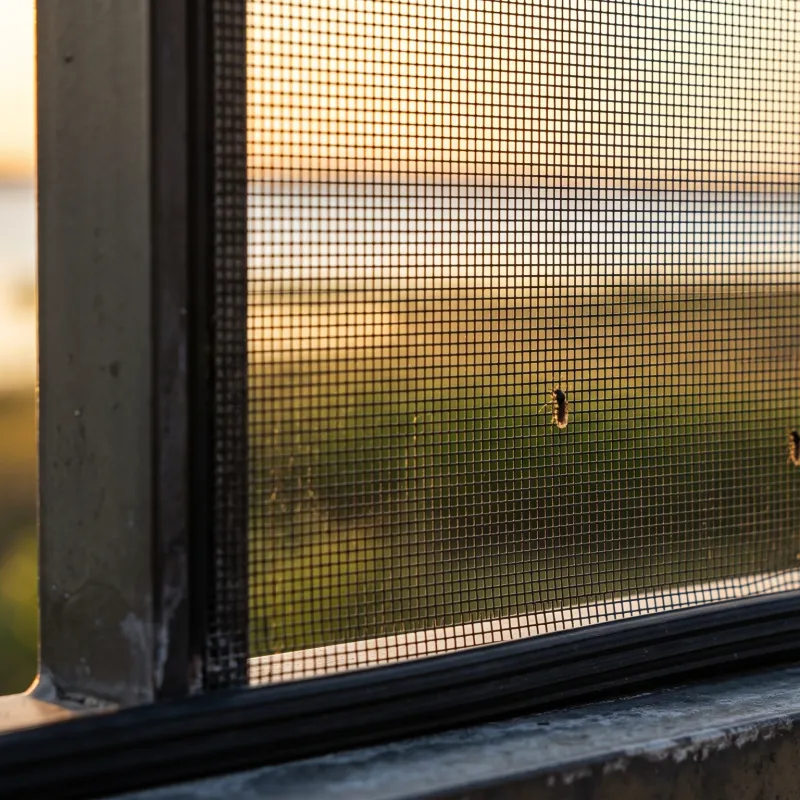
My favorite fix is also the simplest one. Screen makers sell a product literally called no-see-um screen, and it usually uses a 20×20 weave.
That means 20 strands run each way per inch. The openings shrink to roughly one millimeter or a little less, depending on the brand and strand thickness.
For most of these midges, that tighter weave becomes a real wall instead of an open door.
Shopping tip from someone who has wandered the aisles too long. Read the label for the mesh count, not just the color or material.
Some products marked as pet or solar screens use a different weave, so check before you buy.
Fiberglass is the most common choice for porches because it is affordable and easy to install with a spline roller. Some brands also make 20×20 in charcoal, which tends to give a clearer view outside.
You can rescreen a single door or window yourself in an afternoon. Larger pool cages and lanais are usually a job for a local screen company.
Ask them directly for no-see-um mesh, because many crews install standard 18×14 unless you request otherwise.
Finer Mesh Means a Little Less Breeze on Your Lanai
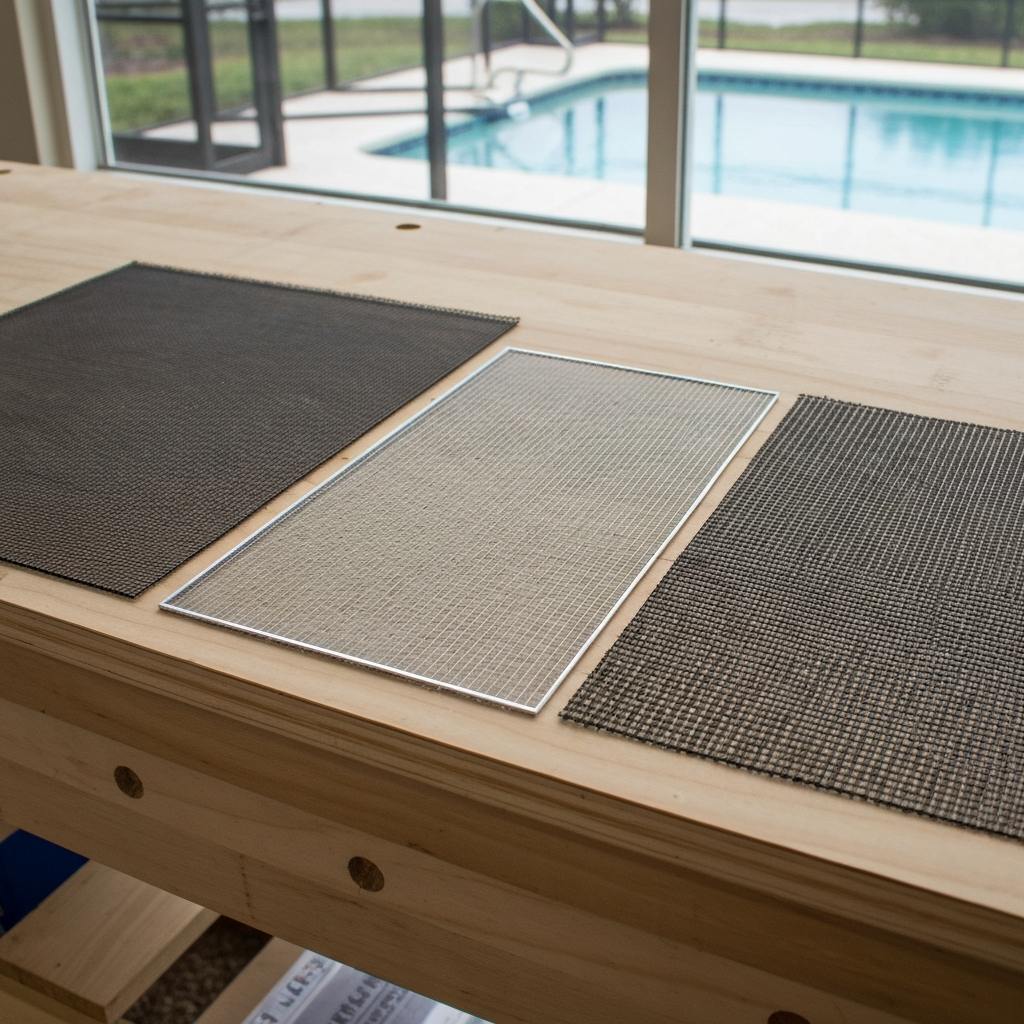
Every upgrade comes with a trade, and this one is fair to mention. Tighter mesh lets slightly less air and light through than standard screen.
On a steamy August night, you might notice the breeze feels a touch softer. The view outside can also look a shade darker, especially with gray mesh.
Charcoal colors usually look clearer from inside, which surprises a lot of people.
Personally, I would take a gentler breeze over a dozen welts on my ankles any day. Many folks living near marshes, mangroves, or the coast feel the same way.
Inland homes far from wet areas might decide the standard screen works fine.
You can soften the airflow loss in a few ways. Add a ceiling fan or a sturdy floor fan to keep air moving.
Keep the screens clean, too, since pollen and dust clog fine mesh faster than coarse mesh.
A soft brush and a gentle rinse with a garden hose usually does the trick. Skip the pressure washer, because it can stretch or tear the fabric.
A little care helps your new screen last for years and breathe better while it does.
Salt Marshes and Mangroves Raise the Sand Gnat Stakes

Location matters a lot with these pests. If your home sits near a salt marsh, mangrove shoreline, or tidal creek, you live right next to a midge nursery.
The larvae develop in wet mud, damp sand, and soggy organic material. UF/IFAS notes that coastal salt marshes and mangrove areas produce huge numbers of them.
Freshwater swamps and wet soil inland can raise them too, though usually in smaller numbers.
So two neighbors a mile apart can have very different evenings. One sits outside happily, while the other is scratching and wondering what went wrong.
Proximity to breeding mud is often the difference.
Season plays a part as well. In much of Florida, midges are active for many months, with heavy activity in warmer, humid stretches.
Coastal residents often notice swarms in spring and fall, though local patterns vary from one area to another.
Draining a marsh is not an option, and it should not be. These wetlands protect shorelines and feed wildlife.
Your best plan near the coast is a strong barrier at the porch, which is exactly where 20×20 mesh earns its keep.
Dusk on a Calm Evening Brings Out the Hungry Females
Timing is part of the puzzle. No-see-ums are most active around dawn and dusk, the exact hours many of us enjoy coffee or supper outside.
They also like still, humid air. A calm, muggy evening after a warm day is basically their dinner bell.
On breezy afternoons, you might not notice them at all.
Only the females bite. They need a blood meal to produce eggs, much like mosquitoes do.
The males feed on plant juices and leave you alone.
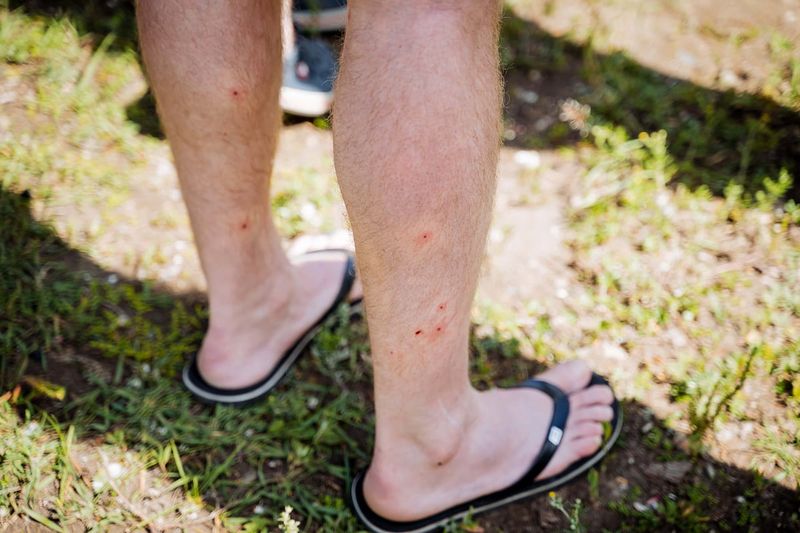
The bite itself can feel sharp for such a small creature. Their mouthparts cut the skin rather than slip in like a mosquito’s needle.
Many people get red, itchy bumps that last for several days, and some folks react more strongly than others.
You can use this schedule to your advantage. Plan porch time for midday or later at night when activity drops, at least until your new mesh goes up.
Wearing long, light pants and socks during peak hours also helps protect ankles, a favorite target.
If bites get swollen or infected from scratching, check in with a doctor or pharmacist for advice.
A Box Fan Grounds These Weak Fliers
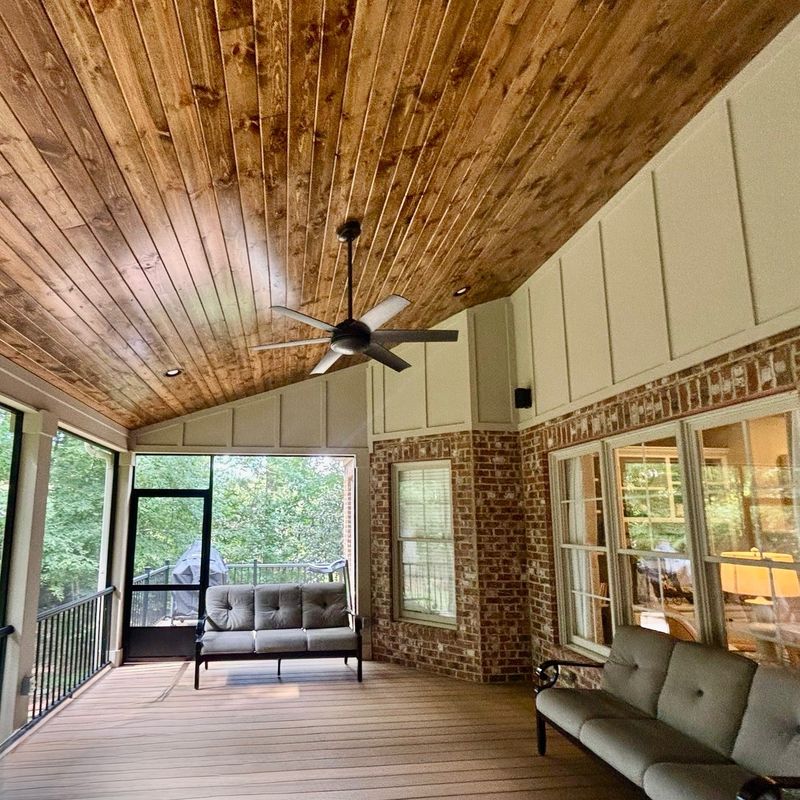
Here is a trick that costs very little. No-see-ums are weak fliers, and even a modest breeze makes it hard for them to land on you.
A ceiling fan running on high can create a calmer zone for sitting. A floor fan aimed at your legs helps even more, since ankles and feet are common targets.
I keep one pointed right under the table during supper.
Fans work outside the porch too. On an open patio or dock, a steady breeze can be the difference between a pleasant evening and an itchy retreat indoors.
Choose fans rated for damp or outdoor locations. Florida humidity and blowing rain can be rough on indoor models.
Keep cords tidy and away from puddles for safety.
Fans pair well with fine mesh. The screen blocks most midges, and moving air handles the few that sneak in through a door left open.
Together, they make a porch much more comfortable.
Insect repellents labeled for biting midges can help when you leave the porch. Read the label, follow directions, and reapply as instructed.
That keeps the yard and garden workable at dusk, too.
Torn Spline and Door Gaps Let Swarms Sneak In
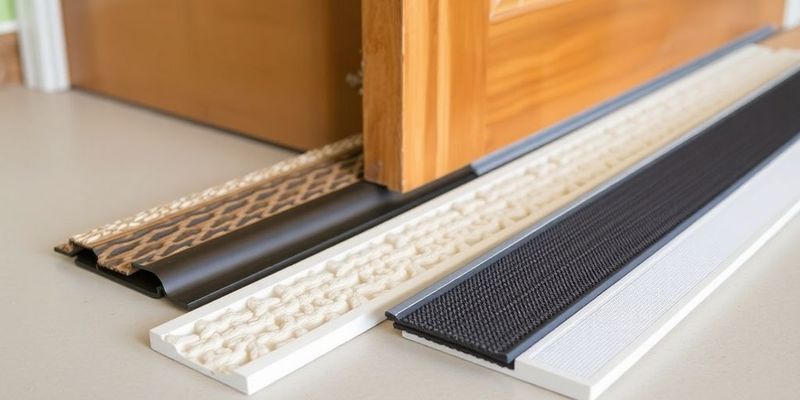
Perfect mesh will not help if the bugs can walk around it. Small gaps are easy to miss, and midges find them fast.
Start with a slow walk around your enclosure in daylight. Look for loose spline, the rubber cord that holds screen in the frame.
Check corners, kick plates near the floor, and where the frame meets the house or slab.
Screen doors deserve extra attention. Gaps under the door, worn sweeps, and magnetic closures that do not fully seal are common trouble spots.
A new door sweep or weatherstripping is a cheap upgrade.
Tiny tears count too. A hole the size of a pencil tip is a wide-open gate to an insect this small.
Patch kits work for small spots, while bigger damage usually means replacing the panel.
Also check vents, dryer outlets, and window frames inside the home. Midges can sometimes enter the house the same way.
One more tip from my own porch. Train everyone to close the door quickly, especially around dusk.
A door propped open for groceries undoes all your careful work in about thirty seconds.
Swap One Screen Panel First and Feel the Difference
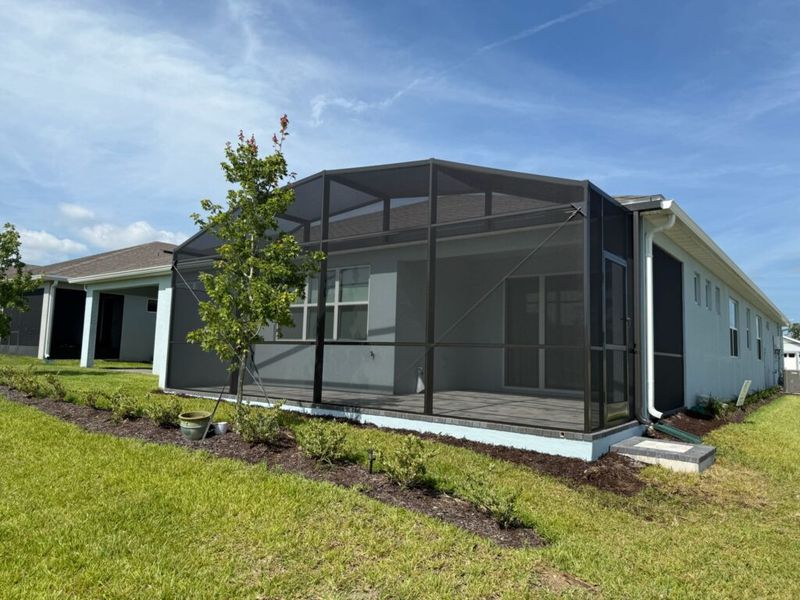
You do not have to rescreen everything this weekend. Start small and see how it feels.
Pick the side of the porch facing the wettest area of your yard, or the door you use most. Replace that section with 20×20 mesh and give it a few evenings.
Many people notice fewer bites right away.
Meanwhile, tidy up around the house. Fix drainage spots that stay soggy, clear clogged gutters, and avoid leaving damp piles of leaves near the porch.
These steps may help a little, though coastal marshes will keep producing midges regardless.
When you hire a pro, ask a few questions. What mesh count will they use?
Does it come in charcoal? How do they seal kick plates and doors?
Clear answers usually signal a careful crew.
Budget varies widely by enclosure size and region in Florida, so get more than one quote. Fine mesh often costs a bit more than standard, but the difference is usually modest.
My takeaway is simple. Match the screen to the smallest pest you want to stop.
Do that, seal the gaps, add a fan, and your evenings outside get a whole lot calmer.