The One Thing You Must Do With Pansies In Georgia Before Frost Settles In
A flower with a cheerful little face can freeze solid overnight and look perfectly fine by lunch. I still remember the first time I saw it happen in my own bed, and I honestly gasped.
The secret sits underground, out of sight. Gardeners across Georgia plant these winter favorites by the flat each fall, yet many beds look tired by January.
I believe most of those letdowns trace back to one small window that slipped by.
You need to know that cold is rarely the true villain here. Dry soil, warm-weather planting, and the wrong fertilizer often cause more trouble than a frosty night ever could.
I love a plant that rewards a little planning with months of color. What happens below the surface during those first few weeks could determine how well your flowers handle the first hard freeze.
1. Those Pansy Roots Are Doing Secret Work Before The First Frost
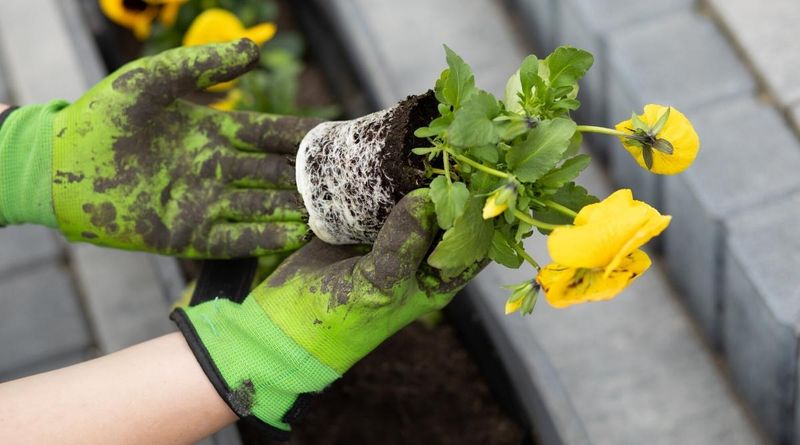
Under every happy pansy sits a busy network of white roots. That hidden system is the real reason these flowers can handle cold that would flatten most bedding plants.
The one thing you must do is get pansies planted early enough to root in before the soil turns cold. University of Georgia Extension experts point to strong root establishment as the key to winter hardiness.
A well-rooted pansy can recover from temperatures in the single digits, while a freshly planted one often struggles.
Why does this matter so much? Roots pull up water, and frozen soil locks that water away.
Plants with shallow, young roots can’t reach enough moisture during a cold snap, so leaves dry out and turn brown.
I like to think of those first few weeks as a training camp. The plant isn’t putting on a big flower show yet.
Instead, it’s quietly anchoring itself and building reserves for the long months ahead.
Healthy roots also mean better blooms come spring. Pansies that settle in during fall often keep flowering into April or May.
Rushed or late plantings tend to sulk until the weather warms, and that’s a lot of wasted bed space.
2. Plant Your Pansies When The Soil Thermometer Hits The Sweet Spot
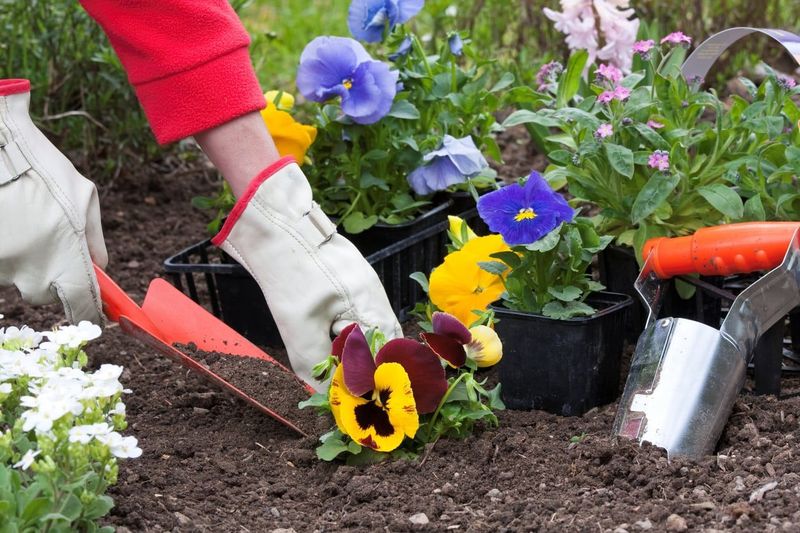
A cheap soil thermometer might be the smartest pansy tool you own. UGA Extension recommends planting when soil temperatures sit between 45 and 65 degrees Fahrenheit.
Planting too early in warm soil can backfire. Pansies may stretch, get leggy, and pick up root rot problems in steamy September beds.
That weak growth handles cold poorly later on.
Waiting too long creates the opposite trouble. Cold soil slows root growth to a crawl, so plants sit there with little time to settle before winter.
Timing shifts a bit depending on where you live in the state. Here’s a handy rough guide:
North Georgia mountains often do best from late September into mid-October. The Piedmont, including metro Atlanta, usually hits the mark from about mid-October to early November.
South Georgia and coastal gardens can often plant into November.
Check your local forecast too. A week of unusual warmth might mean holding off a few days, while an early cold front is a nudge to get moving.
Your county Extension office can share local soil temperature info if you’d rather skip the guesswork.
3. Fluffy, Well-Drained Beds Give Young Pansy Transplants A Running Start
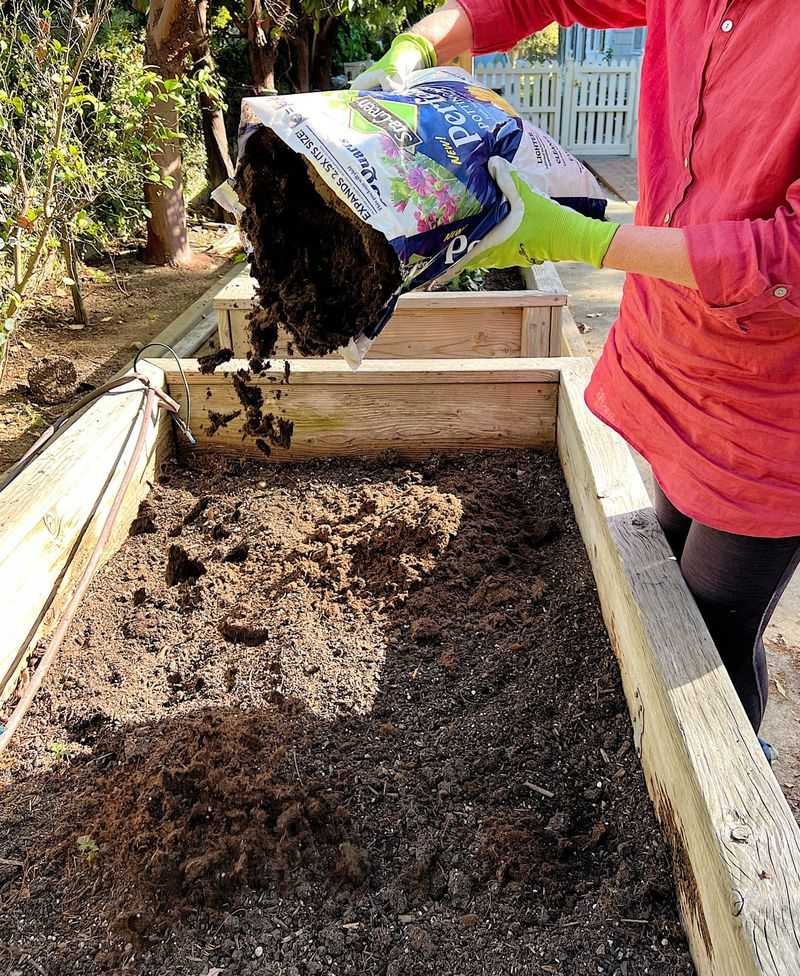
Georgia red clay holds onto water like a sponge that won’t wring out. Pansies hate soggy feet, so a little bed prep goes a long way.
Work a few inches of compost or other organic matter into the top six to eight inches of soil. That loosens heavy clay, improves drainage, and gives tender roots room to spread.
Raised beds are another smart option for wet spots.
Sunlight matters as well. Pansies bloom best with at least six hours of sun, and morning sun is especially helpful on chilly days.
A spot that stays shaded and damp all winter often leads to fewer flowers.
When planting, space pansies roughly 6 to 10 inches apart. If the root ball is tightly wound, gently loosen the outer roots with your fingers so they head outward instead of circling.
Set each plant at the same depth it grew in the pot. Burying the crown too deeply invites rot.
Finish with a deep watering to settle soil around the roots. I find that first soak does more than people expect, since it removes air pockets that can dry out young roots.
4. A Good Drink Before A Hard Freeze Protects Pansy Leaves
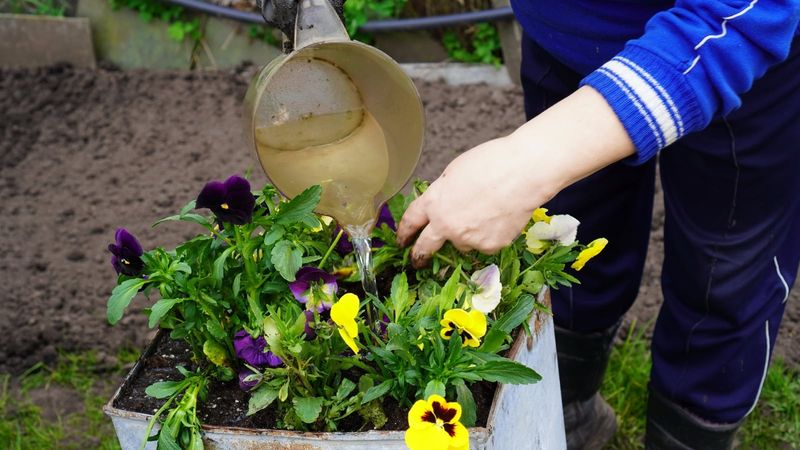
Here’s a twist that surprises plenty of gardeners. Watering your pansies before a freeze can actually help them come through it better.
Moist soil holds and releases heat more evenly than dry soil. Even more important, plants that go into a freeze well hydrated are less likely to suffer from winter drying, sometimes called desiccation.
Cold, dry wind pulls moisture from leaves, and frozen soil can’t replace it.
So when a hard freeze shows up in the forecast and the bed feels dry, give it a thorough soaking a day or so ahead. Water in the morning or early afternoon so foliage has time to dry before nightfall.
Day to day, aim for soil that stays evenly moist but not waterlogged. Let the surface dry slightly between waterings.
Fall rain may handle much of the job, though dry stretches do happen.
Don’t panic if pansies look limp and droopy on a frosty morning. Many gardeners see this and assume the worst.
Usually, the plants perk right back up once temperatures rise, and that floppy look is just a natural response to the cold.
5. Nitrate Fertilizer Keeps Pansy Blooms Coming In Cold Soil
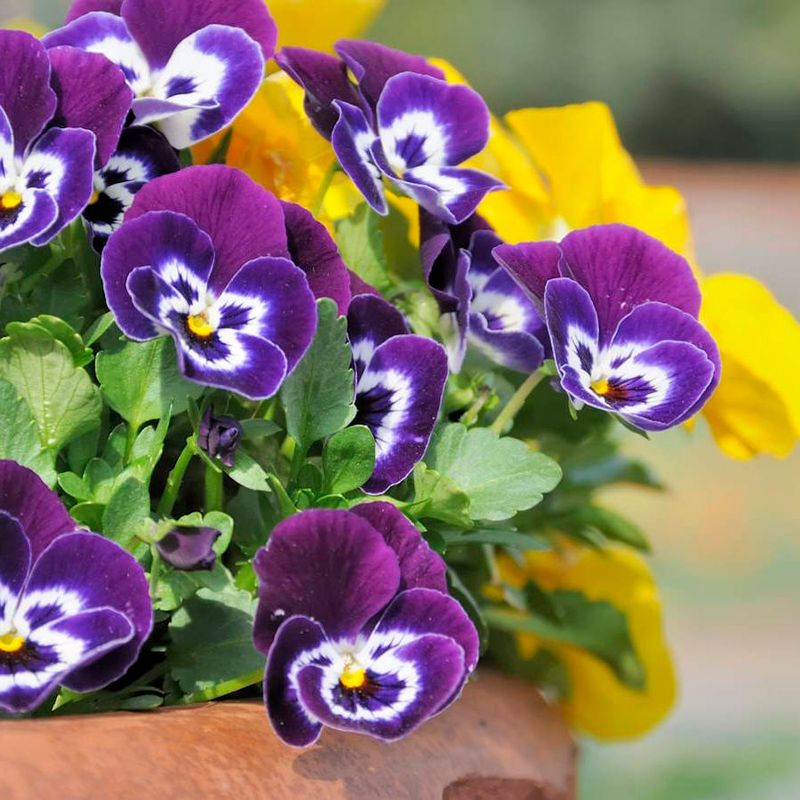
Pansies are picky eaters, and their menu changes with the weather. In cold soil, the type of nitrogen you use matters a lot.
Research from UGA shows pansies prefer nitrate nitrogen during fall and winter.
Ammonium is directly available to plants, but excessive ammonium nitrogen can cause problems for pansies in cold soil, making nitrate-based fertilizers preferable during winter.
Those microbes slow down when soil drops below roughly 50 degrees, so the nutrients sit there mostly unused.
Look for a fertilizer that lists nitrate as the main nitrogen source on the label. Products made for pansies or winter annuals often fit the bill.
A blend like 15-2-20 or similar is common.
A few easy feeding tips:
Mix some slow-release fertilizer into the bed at planting. Follow up with a liquid nitrate feed every two to four weeks through winter, especially after cold spells.
Ease off if plants look stretched during an unusually warm stretch.
Underfed pansies often show pale, yellowish lower leaves and fewer flowers. Overfeeding can cause soft, floppy growth.
Following the label rate keeps things balanced, and your plants will thank you with steady color right through February.
6. Pine Straw Blankets Shelter Pansies On The Coldest Nights
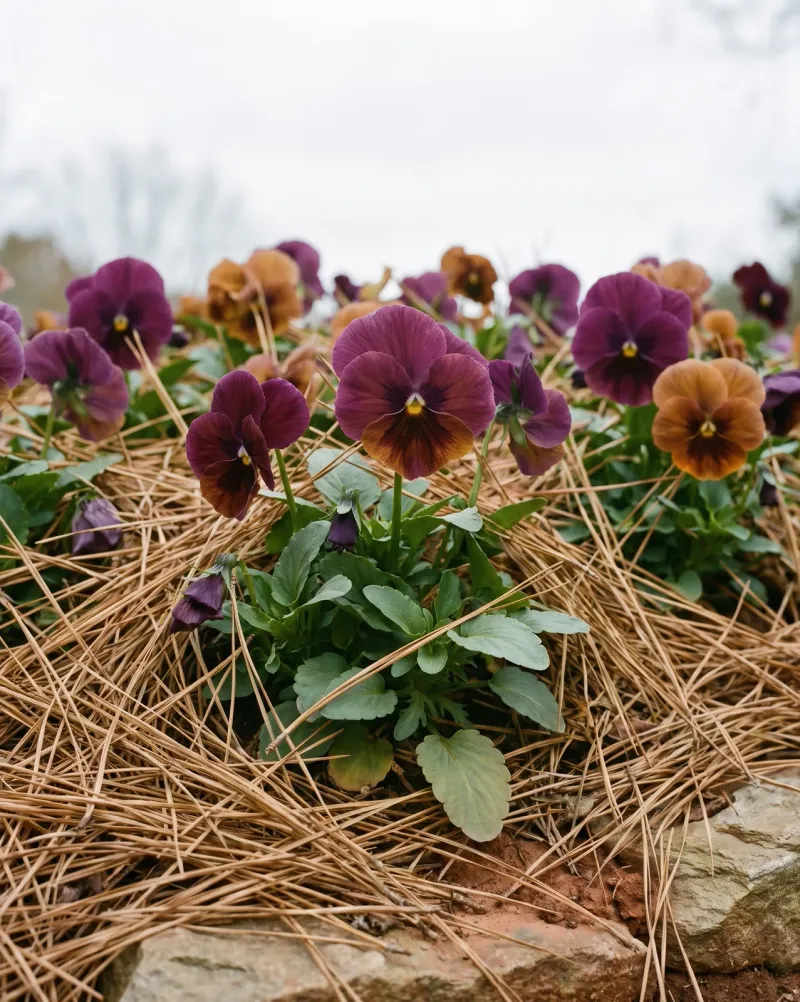
Pine straw is practically a Southern landscaping staple, and it doubles as a cozy blanket for pansies. Established plants handle most Georgia winters on their own, but extreme cold calls for backup.
Extension guidance suggests extra protection when temperatures are expected to fall into the teens or lower, especially with dry, gusty wind. Loosely cover the whole bed, plants and all, with a few inches of pine straw.
Frost cloth works well too.
That light layer traps soil warmth and blocks drying wind. It helps keep crowns and roots from freezing hard, which protects the plant’s ability to bounce back.
Avoid plastic sheeting touching the leaves. Plastic can transfer cold directly and trap moisture that freezes against foliage.
Once the cold snap passes, gently pull the covering back. Leaving it on too long blocks sunlight and can encourage disease or pale, weak growth.
Keep a bale or two handy in the garage through winter. Personally, I sleep a lot better on a windy January night knowing my beds are tucked in.
It takes about ten minutes and can save a whole season of color.
7. Pinch Faded Pansy Flowers For A Showier Spring
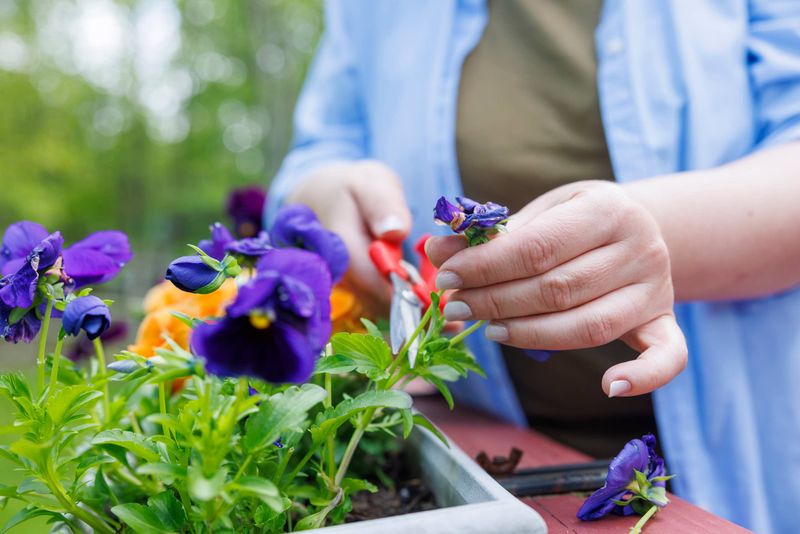
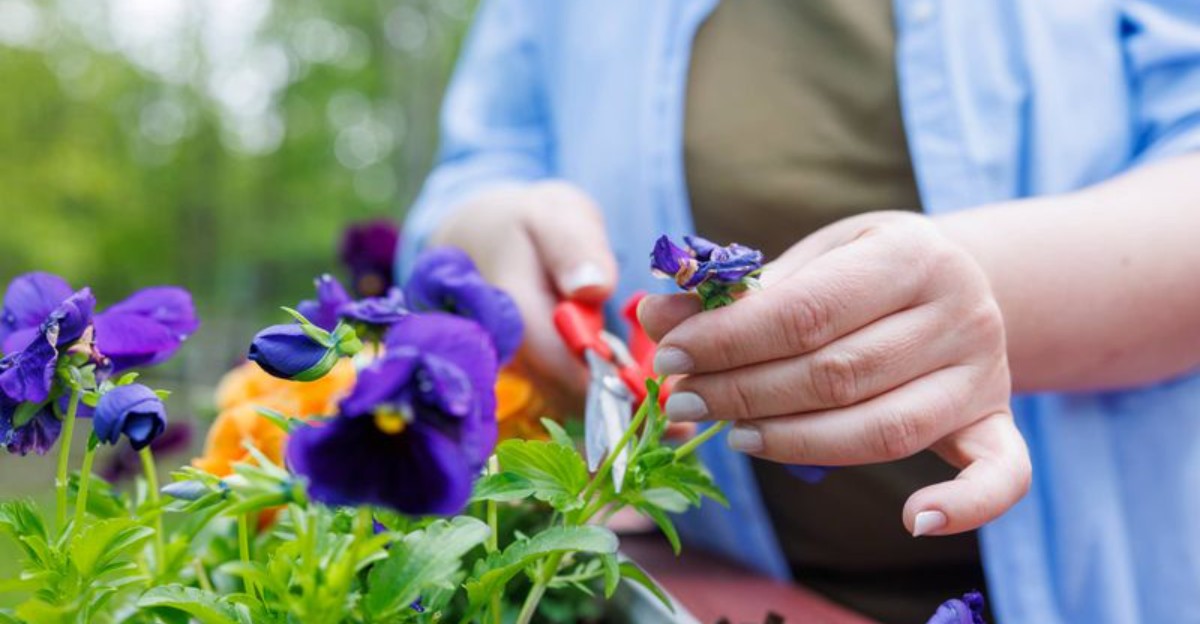
Spending five minutes with your pansies on a sunny winter afternoon pays off in a big way. Deadheading is simple, satisfying, and keeps the flower parade going.
Pinch or snip off faded blooms along with their stems. Removing spent flowers stops the plant from putting energy into seeds, so it pushes out fresh buds instead.
It also tidies the bed and reduces spots where gray mold can take hold.
Keep an eye out for a few common visitors. Aphids sometimes cluster on new growth, and slugs enjoy damp beds.
A strong spray of water or hand-picking often handles small problems.
Once spring heat arrives, usually by late April or May in much of Georgia, pansies start to stretch and fade. That’s normal.
Pull them out and swap in summer annuals that love the heat.
My biggest takeaway after years of growing them? Planting on time sets up everything else.
Get those roots settled before the first real frost, and the watering, feeding, and covering become easy finishing touches. Put a reminder on your calendar for next October, and your future self will be grateful.