Who Is Responsible When Neighbor’s Invasive Plants Spread Into Your Pennsylvania Yard?
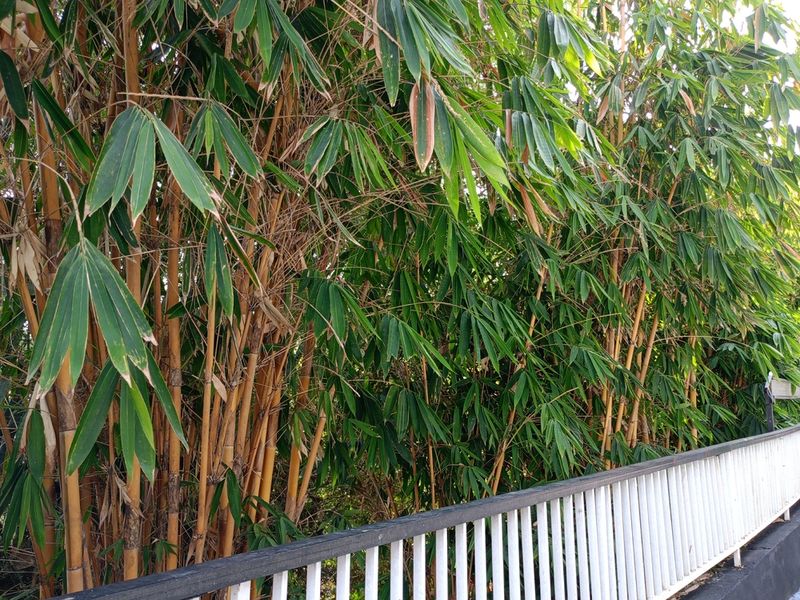
Running bamboo roots can travel 15 feet or more underground before poking up through a lawn that was never meant to hold them. Nobody warned me that a plant could cross a fence without ever touching the fence.
In Pennsylvania, courts have looked at creeping roots and branches in a surprisingly old-fashioned way.
The legal ideas trace back centuries, yet they still shape backyard spats today. I find that oddly comforting, because it means you are not the first gardener to face this mess.
You probably have more options than you realize. Some fixes cost nothing but a pair of loppers and a polite knock on a door. Others involve state rules on banned plants, local township codes, and a paper trail.
So who actually pays when green trouble moves next door? The answer depends on a few details most people overlook.
1. Those Creeping Bamboo Roots Have A Legal Label
A plant crossing a property line sounds harmless, but the law has a name for it. Many Pennsylvania courts and attorneys describe encroaching branches and roots as a form of trespass.
That word matters. Trespass means something belonging to one owner is physically intruding onto land owned by someone else.
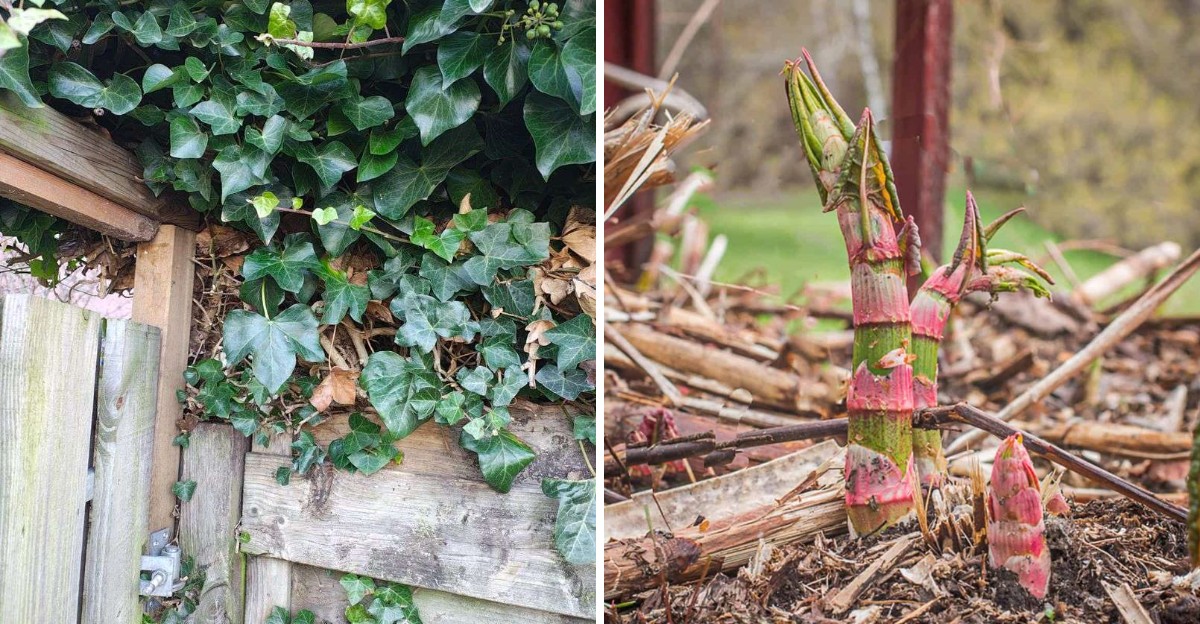
A neighbor does not need to walk into your yard for it to count. Their bamboo, knotweed, or wisteria can do the walking for them.
Here is the honest part, though. Pennsylvania has no single statute spelling out every rule for neighbor plant disputes.
Most guidance comes from court decisions, legal tradition, and local township ordinances, so outcomes can vary from case to case.
Personally, I find that freeing rather than scary. It means you have recognized rights, yet you also have room to solve things calmly before anyone talks about court.
Start by confirming the plant truly started next door. Old surveys, property line markers, and dated photos help. Sometimes a vine people blame on a neighbor actually sprouted from bird-dropped seeds on your own side.
Once you know the source, you can move forward with confidence. The next steps build on that simple fact of where the plant began.
2. Grab Your Loppers And Trim Right Up To The Property Line
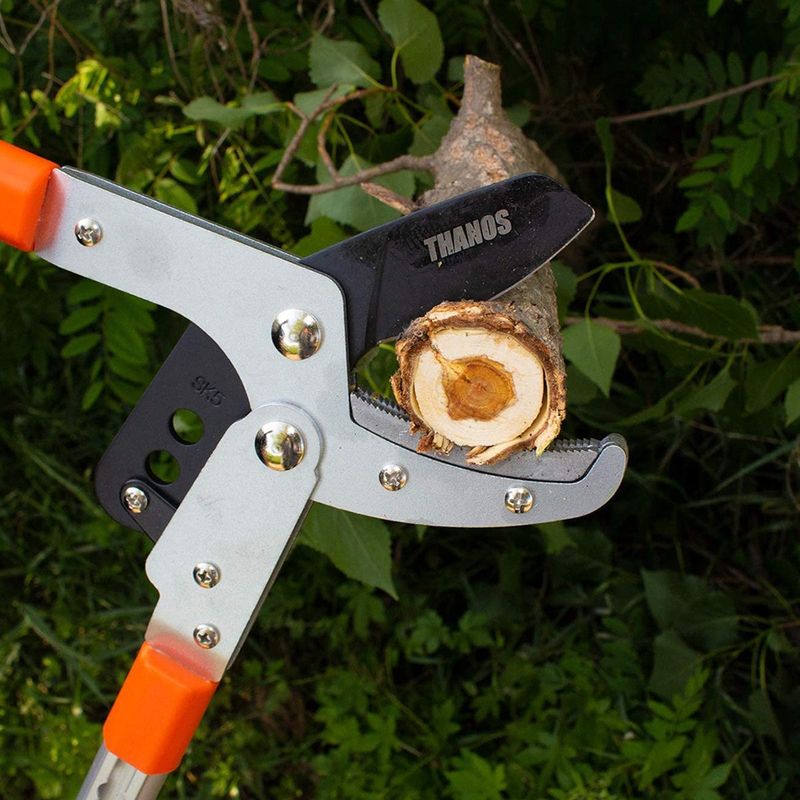
Good news for impatient gardeners comes in the form of a very old rule. You can generally cut back branches, vines, and roots that cross onto your land, at your own expense, without asking permission first.
Lawyers call this self-help. The catch is that you may only trim up to the property line. Reaching over the fence or stepping onto the neighbor’s land to hack at the main stem crosses a line of its own.
Care counts too. If your cutting seriously harms a healthy tree or causes it to fail, you could be held responsible for that damage.
Pennsylvania also allows extra damages for wrongful harm to trees in some situations, so caution pays off. A few smart habits help a lot:
Mark the line clearly before you cut. Take before-and-after photos. Bag invasive cuttings instead of tossing them on a compost pile, since knotweed fragments can resprout.
Big jobs near power lines or large trunks belong to a certified arborist. I truly believe a professional opinion is cheaper than a lawsuit. Plus, an arborist report doubles as useful documentation if the dispute ever grows.
3. A Friendly Chat Over The Fence Solves More Than Pruners Do
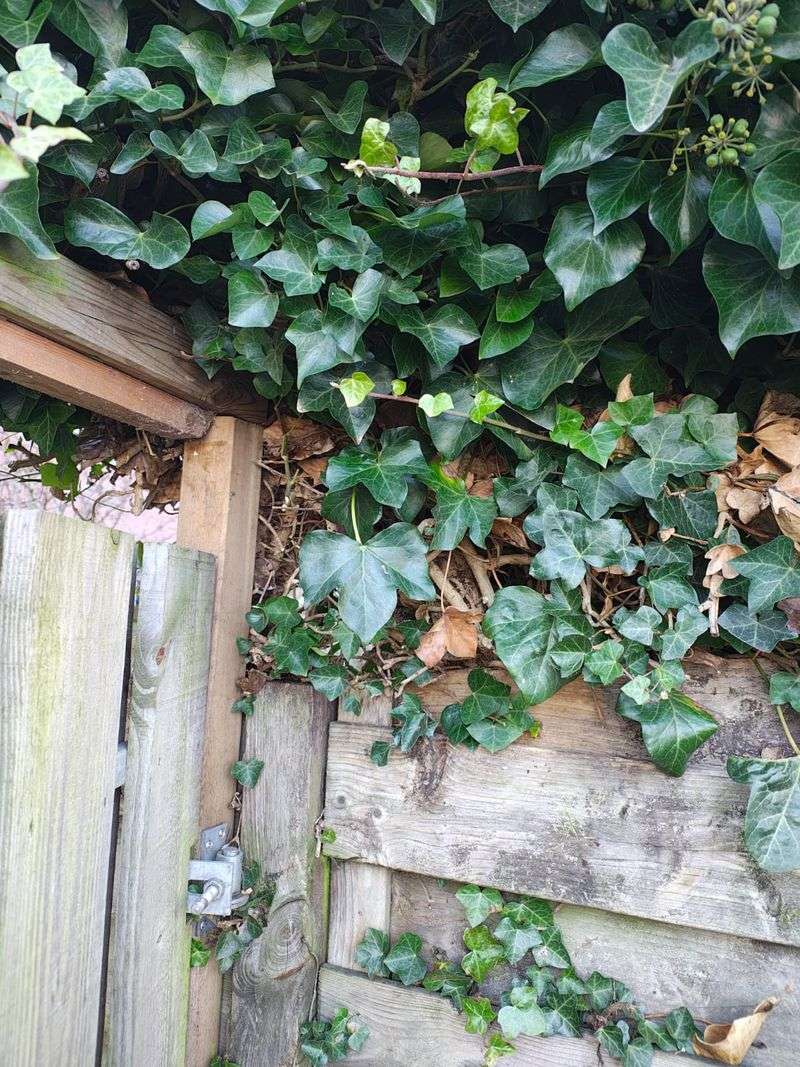
Believe it or not, plenty of neighbors have no clue their pretty groundcover is a troublemaker.
English ivy and burning bush were sold in garden centers for decades, so many folks planted them in good faith.
That is why a calm conversation is usually the smartest opening move. Pick a relaxed moment, not right after you find shoots in your tomato bed. Bring a photo or two so the problem feels concrete instead of personal.
Try something simple. Mention that the plant is spreading into your yard, share that it appears on state invasive lists, and ask whether you could work on it together. Offering to split removal costs often softens things quickly.
Write a short follow-up note or friendly text afterward. That keeps everyone on the same page and quietly creates a record.
If talking stalls, community mediation centers across the state help neighbors settle disputes for little or no cost. Many people overlook them.
Honestly, you will live beside this person for years. A shared plan to clear out invasive shrubs can turn a sore spot into a surprisingly nice project, maybe even with lemonade breaks.
4. Japanese Knotweed And Friends Are On Pennsylvania’s Noxious Weed List
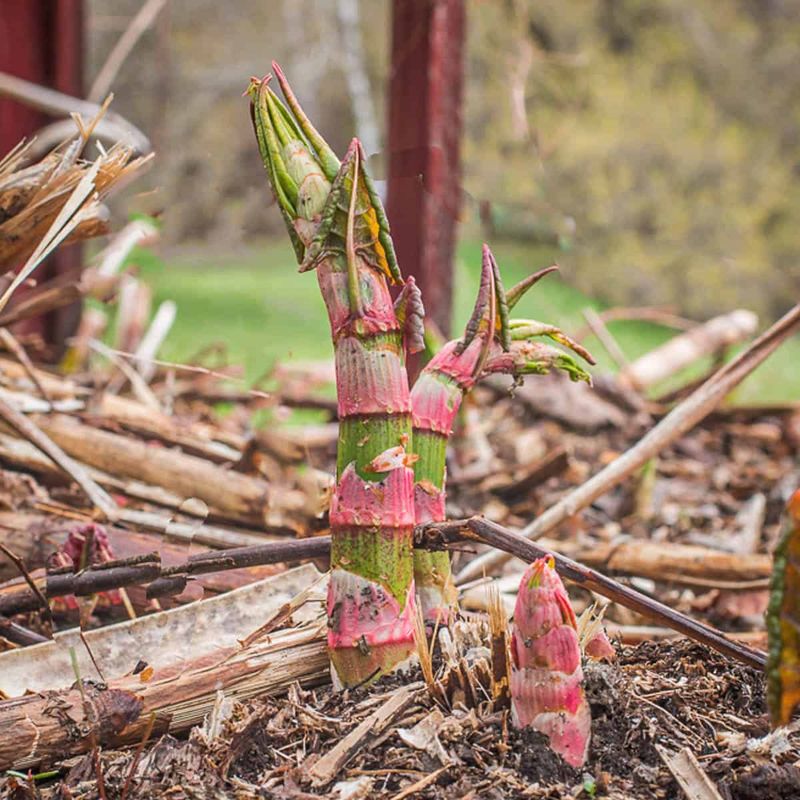
Some plants come with official baggage. The Pennsylvania Department of Agriculture runs the Controlled Plant and Noxious Weed Act, which sorts problem plants into classes. Class A noxious weeds, such as giant hogweed, are targeted for eradication.
Class B plants are widely established and tough to control, and the list includes Japanese knotweed, multiflora rose, mile-a-minute vine, and Callery pear. Some others land in Class C or the controlled plant category.
Listed noxious weeds generally may not be sold, transported, or propagated in the state. Callery pear, for example, had its sales phased out starting in 2024.
Now the twist. Being on the list does not automatically mean your neighbor must rip out a plant already growing.
Enforcement mostly targets sales and spread, though certain species, like giant hogweed, get special attention from state officials.
Still, the listing helps you. It shows the plant is recognized as harmful, which strengthens your request for cooperation.
Check the current lists on the Department of Agriculture and DCNR websites, since they get updated.
You can also report giant hogweed sightings to the state hotline, and you should avoid touching that one bare-handed because its sap can cause severe skin burns.
5. Your Township Code Might Have The Final Word On Overgrown Weeds
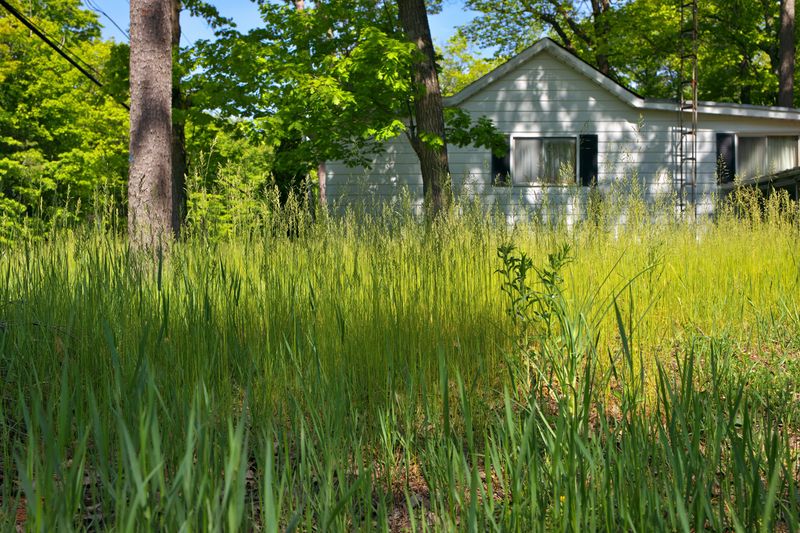
Local rules are the sleeper hit of neighbor disputes. Pennsylvania has more than 2,500 municipalities, and many have property maintenance or weed ordinances of their own.
Some townships limit grass and weed height, often somewhere around 6 to 12 inches. Others adopt the International Property Maintenance Code, which addresses overgrown vegetation.
A few, like Willistown Township in Chester County, have specifically addressed invasive plants such as running bamboo.
Bamboo ordinances are becoming more common across the region. Some require owners to contain it with barriers, keep it a set distance from property lines, or pay for removal when it spreads next door.
So how do you find out what applies to you? Visit your municipal website and search the code for words like weeds, vegetation, or bamboo. A quick phone call to the code enforcement office also works.
If your neighbor’s yard violates an ordinance, filing a complaint puts the responsibility on official shoulders instead of yours. That can save a friendship, since the township does the talking.
Homeowners associations may add another layer. If you live in one, review the covenants, because they sometimes include landscaping standards with real teeth.
6. Cracked Patios And Buckled Walkways Change Who Pays
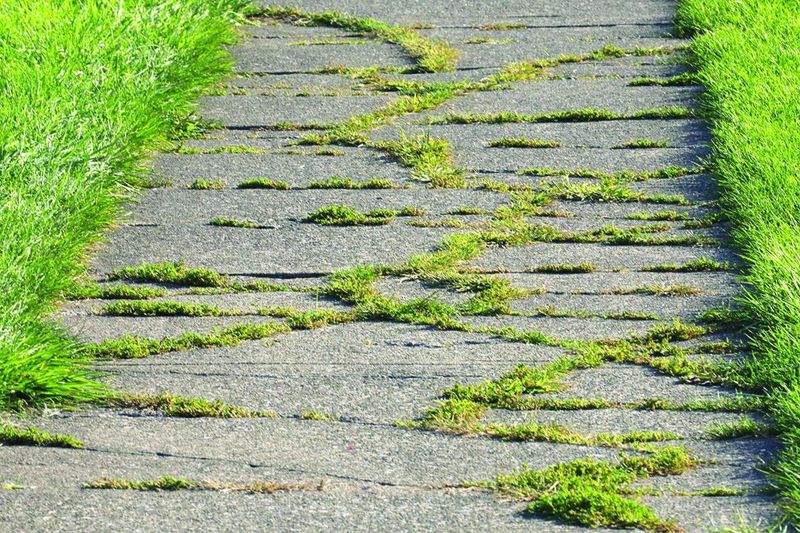
Trimming a stray vine is one thing. A bamboo rhizome shoving up your patio pavers is another story entirely.
When an invasive plant causes real damage, your neighbor’s knowledge becomes the big question.
If they knew, or reasonably should have known, about the problem and did nothing, they may be liable for the harm. Repeated written notices from you help show they knew.
Damage claims can cover repairs, removal costs, and sometimes ongoing problems. Some attorneys note that courts may order a plant removed or contained in serious cases, though results vary.
Documentation is your best friend here. Keep: Dated photos showing the spread over time. Copies of letters, emails, and texts.
Repair estimates from contractors or landscapers. An arborist or invasive specialist’s written assessment, if possible.
Homeowners insurance is worth a quick look too. Policies differ a lot on plant and root damage, so read yours or call your agent before assuming anything.
For bigger losses, a local real estate attorney can explain options, including small claims court for modest amounts.
Magisterial district courts in Pennsylvania handle many civil claims up to $12,000, which keeps costs manageable.
7. Buried Root Barriers Stop Bamboo From Sneaking Back
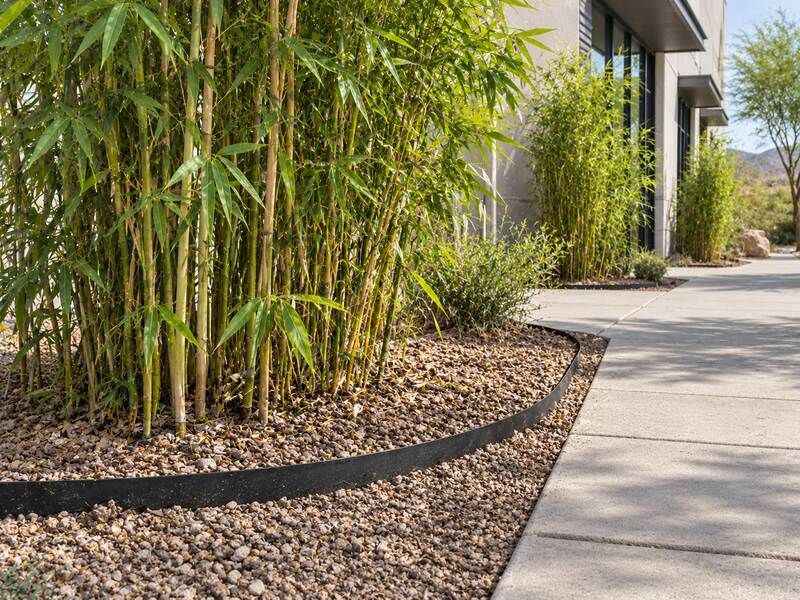
Cutting back invaders feels great for about a month. Then the shoots return, because many invasives store energy in roots and rhizomes underground. A physical barrier can be a game changer.
For running bamboo, experts commonly recommend high-density polyethylene barrier at least 24 to 30 inches deep, with a few inches left above the soil so rhizomes cannot hop over.
Installing it along your side of the line keeps everything legal and on your property. Overlap seams and seal them well, since gaps invite escape artists.
Other invasives need different tactics. Japanese knotweed regrows from tiny root fragments, so repeated cutting, careful disposal, and sometimes targeted herbicide in late summer or fall work better.
Multiflora rose and bush honeysuckle respond to cutting plus stump treatment. Penn State Extension offers detailed fact sheets on controlling each species safely.
Read labels closely if you use any herbicide, and avoid drift onto your neighbor’s plants, which could create a brand new dispute.
Timing matters too. Late summer and fall are ideal for many perennial invasives, since plants pull nutrients downward then. Keep checking the edges each spring, because persistence beats one heroic weekend.
8. Native Shrubs Like Spicebush Make Great Replacements Along The Fence
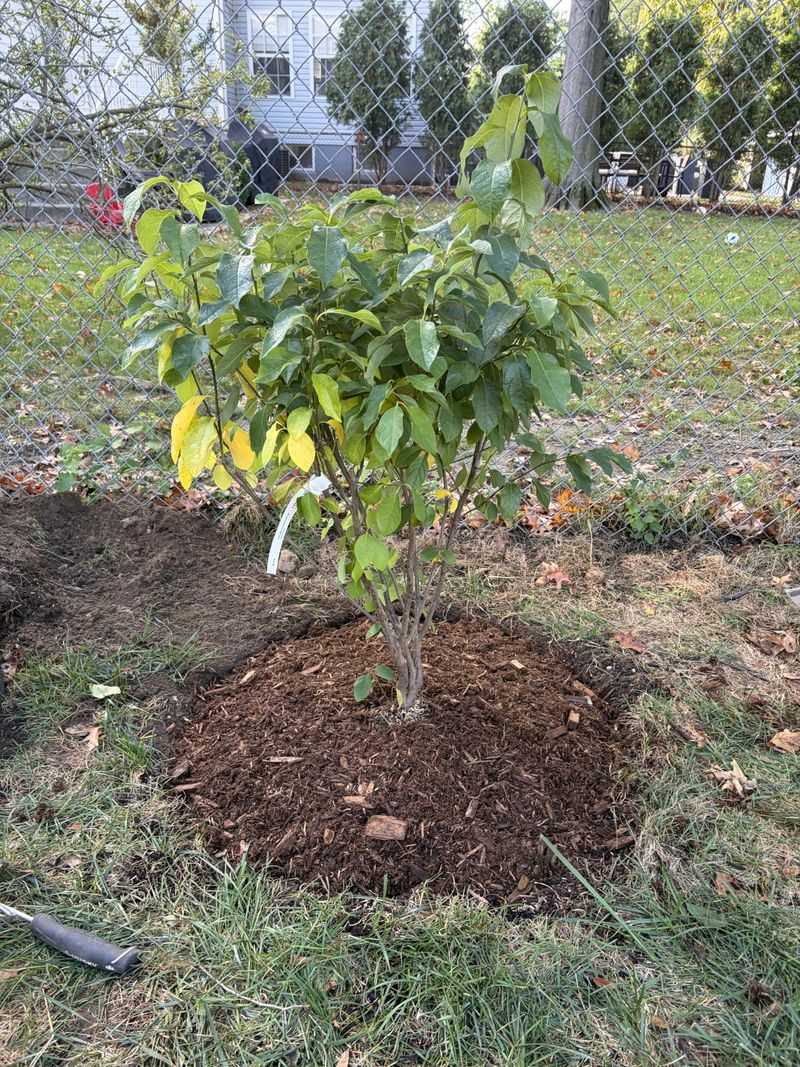
Bare soil is an open invitation. Once you clear out invasive plants, something will move in, so it might as well be something wonderful.
Native plants fill that gap beautifully. Spicebush, serviceberry, arrowwood viburnum, and winterberry holly all make lovely fence-line screens. They feed caterpillars, songbirds, and pollinators that rely on plants they evolved with.
Here is a fun twist. Pennsylvania’s Invasive Replace-ive program has offered free native plants to residents who remove invasive ones, helping offset the cost of starting over. Check current availability, since offerings can change each season.
Planting timing depends on your region. Spring and early fall usually work well across the state, with southeastern counties often warming earlier than northern mountain areas.
Invite your neighbor into the project if things are friendly. A matching native hedge on both sides looks great and slows invasive seeds from regaining a foothold.
My favorite takeaway is simple. Responsibility for spreading plants can be shared, but the solution often starts with one person willing to talk, document, trim, and replant.
Your yard can become the example that makes the whole street a little greener and a lot healthier.