How To Grow A Christmas Rose (Hellebore) In Pennsylvania For Blooms In Deep Winter
Some flowers open their buds while snow still sits on their leaves. To my surprise, one of them shrugs off nights near zero and keeps its blossoms looking fresh for weeks.
I used to walk right past bare winter beds in Pennsylvania, assuming nothing could happen out there until April. Then a cluster of creamy white petals showed up beside a frozen path, and I stopped in my tracks.
The most interesting part? Those pretty petals are not true petals at all. They are tough sepals, which explains why the blooms hang on so long through ice, wind, and gray skies.
Personally, I think every shade garden deserves a winter surprise like this. You need only a shady corner, decent soil, and a little patience. Are you ready to trade a dull January view for flowers that laugh at frost?
1. That Snow-Dusted Hellebore Bloom Keeps Its Own Calendar
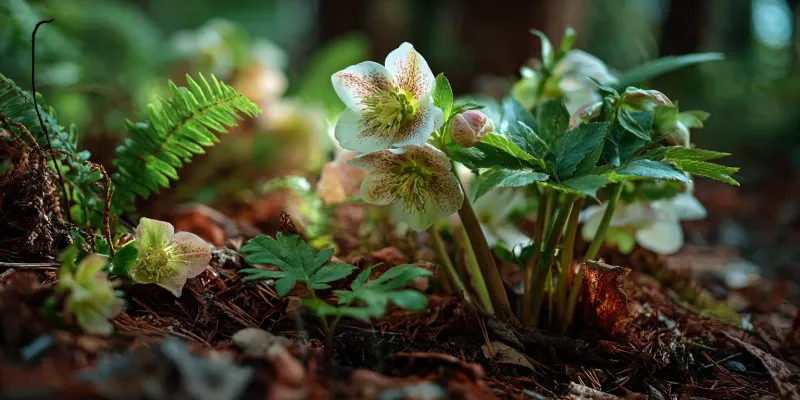
Nobody told me the holiday name was more of a hopeful wish than a promise. The Christmas rose, Helleborus niger, can flower in December in mild spots, but most Pennsylvania gardens see it open later.
In much of the state, expect the first white blooms in late January or February. A warm fall can nudge them earlier, while a harsh season can push them into March.
Southeast areas around Philadelphia often run a few weeks ahead of the colder northern tier.
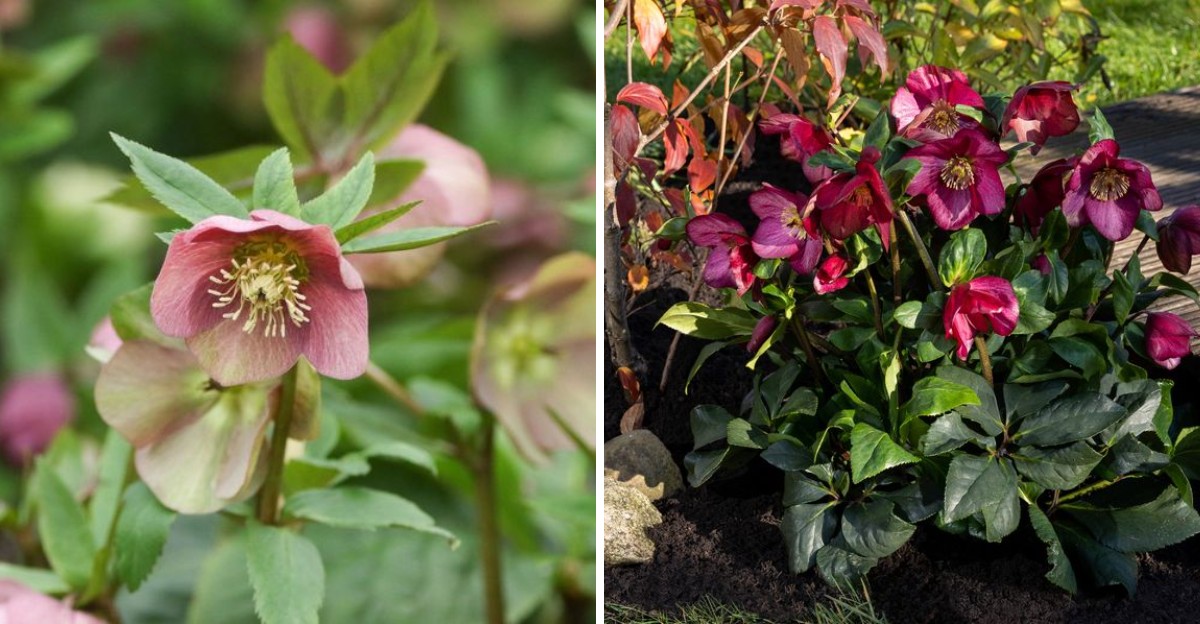
Close cousins help fill the gap. Lenten roses, sold as Helleborus x hybridus or Helleborus orientalis, usually bloom from late winter into early spring.
Stinking hellebore, Helleborus foetidus, sports pale green bell flowers and may start very early in sheltered places.
Planting a few kinds gives you a longer show. I like to tuck a Christmas rose near a window and a couple of Lenten types nearby, so one picks up when the other fades.
Hellebores hold their flowers for weeks because those showy parts are sepals, not petals. The sepals stay put long after pollination, slowly shifting to soft green or pink. That staying power makes every bloom feel like a bargain in the coldest months.
2. Tuck Your Christmas Rose Under A Leafy Deciduous Tree
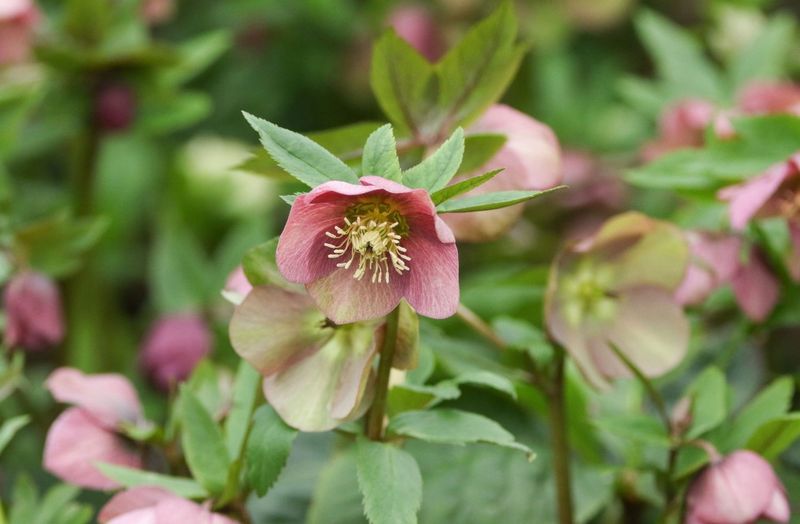
Shade lovers rarely get a better deal than this. Under an oak, maple, or dogwood, hellebores soak up winter sun while branches are bare, then hide from summer heat once leaves return.
Aim for partial to full shade with some morning light. Strong afternoon sun can scorch the leathery foliage, especially during July heat waves. A spot on the north or east side of the house also works nicely.
Wind protection matters more than most people expect. Bitter January gusts can brown the evergreen leaves and bruise open flowers. A fence, low wall, or row of shrubs makes a cozy windbreak.
Think about where you walk in winter, too. Flowers that nod downward are easiest to enjoy along a path, at the top of a slope, or beside your front steps. Placing them where you pass daily means you will catch every new bud.
Leave room to grow. A mature clump can spread 18 to 24 inches wide, and hellebores dislike being moved once settled.
Picking the right home on day one saves you from digging up a happy plant later, which can set flowering back a season or two.
3. Rich, Well-Drained Soil Gives Hellebore Roots A Strong Start
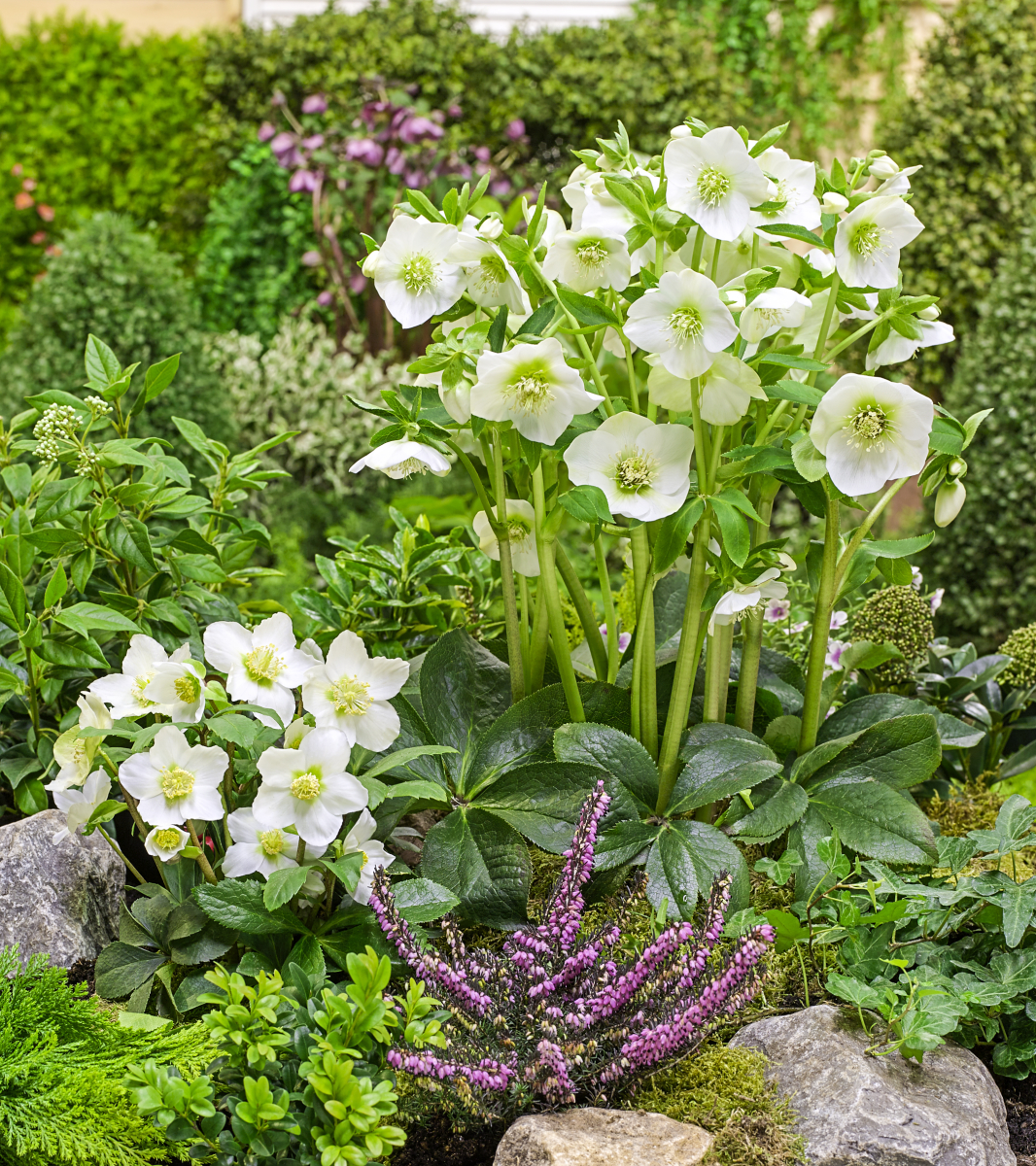
Soggy feet are the quickest way to disappoint a hellebore. These plants want soil that stays evenly moist yet drains well, especially during freeze and thaw cycles.
Much of Pennsylvania has heavy clay, so give it some help. Work several inches of compost or leaf mold into the bed before planting. Raised beds or gentle slopes also keep water moving away from the crown.
Hellebores handle a range of pH levels, though they lean toward neutral or slightly alkaline soil. Penn State Extension offers affordable soil test kits through county offices.
If your results come back quite acidic, a little garden lime can nudge things up, following the test advice.
Timing helps too. Early spring or early fall planting lets roots settle before summer heat or deep cold. Container plants from nurseries can go in anytime the ground is workable, as long as you keep them watered.
Set the crown at the same level it sat in the pot. Planting too deep can delay flowers for years.
I learned that lesson with a sulking plant that took three springs to bloom, and I still remember checking it every week with growing frustration.
4. Easy Watering And Feeding Keep Lenten Roses Happy
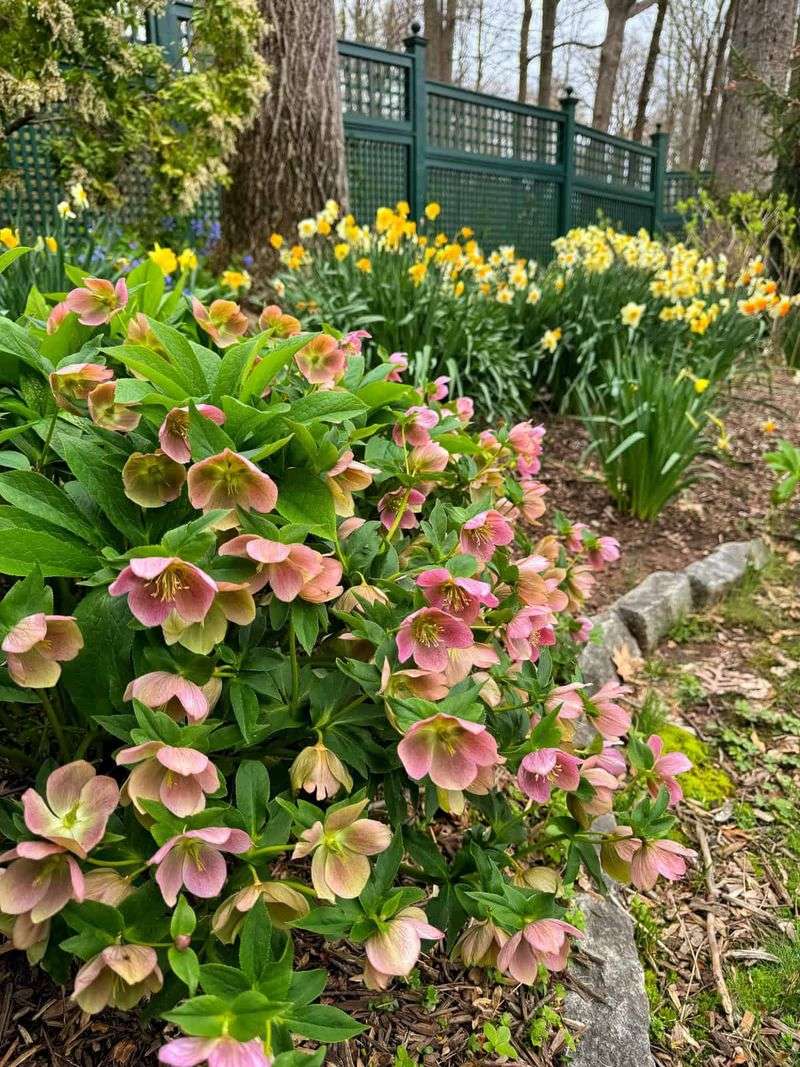
Lazy gardeners, rejoice. Once hellebores settle in, usually after the first year, they get by on surprisingly little care.
New plants need regular water while their roots grow. Give a deep soak about once a week during dry spells, more in hot weather.
After that, water mainly during summer droughts, which do hit Pennsylvania from time to time.
Winter watering is rarely needed. Wet, cold soil invites root rot, so let rain and snowmelt do the job. Only water in winter if the ground is unfrozen and unusually dry for weeks.
Feeding is just as simple. In early spring, scratch a light handful of balanced slow-release fertilizer around the plant, or spread a fresh inch of compost. Too much nitrogen can push leafy growth at the expense of flowers.
Mulch earns its keep year round. Shredded leaves or fine bark hold moisture in summer and buffer roots in winter.
Keep it a couple inches away from the crown, since mulch piled against stems traps moisture and encourages rot.
Honestly, that’s the routine. A little water, a little compost, and plenty of patience usually reward you with more flowers each passing year.
5. Snip Tattered Hellebore Leaves Before The Buds Open
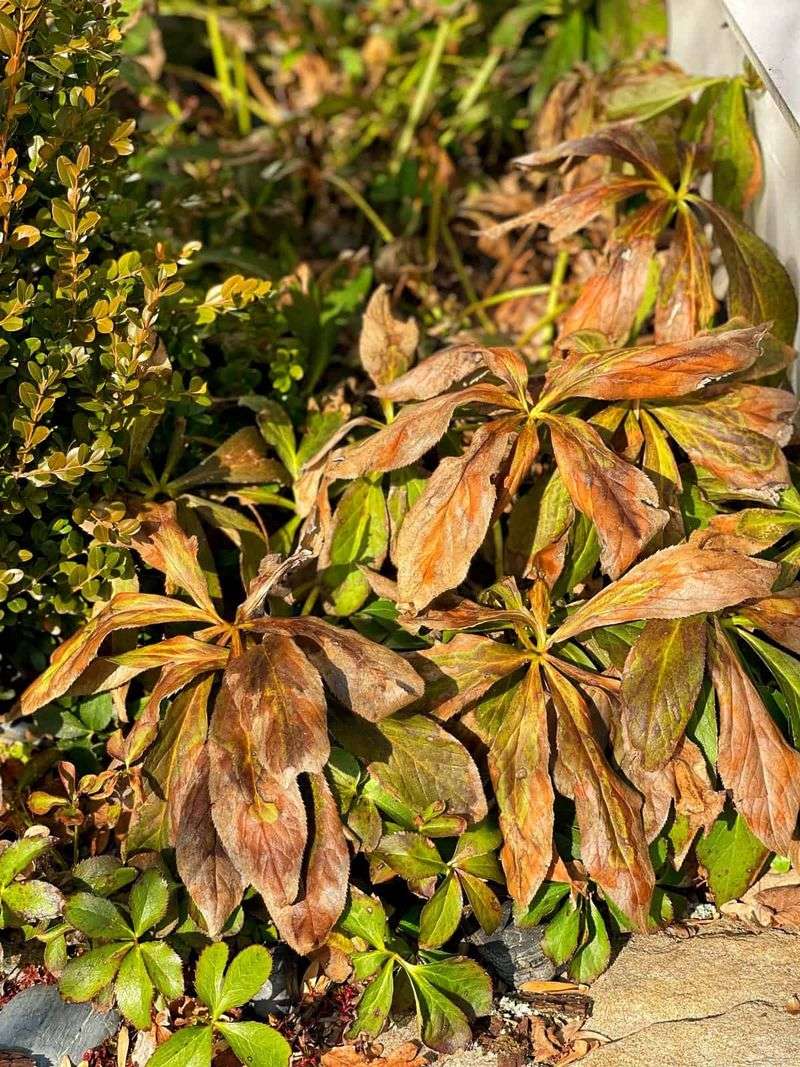
Grab your pruners on a mild day in late winter. Last year’s leaves often look battered by then, with brown edges, black spots, or flattened stems from snow.
Cut those old leaves off at the base, close to the ground. Doing this as buds start rising lets the blossoms shine instead of hiding under a ragged mess. Fresh new leaves will follow soon after the flowers.
Work slowly and look before each snip. Flower stems and leaf stems can grow side by side, and one careless cut can cost you a bloom. I part the clump with one gloved hand and trim with the other.
Wear gloves for another reason too. All hellebore parts are toxic if eaten, and the sap can irritate skin. Keep trimmings away from curious kids and pets.
Removing spotted foliage also helps control hellebore leaf spot, a fungal problem. Bag or trash infected leaves rather than composting them. Good airflow and clean beds keep the issue manageable.
Christmas roses sometimes need less trimming than Lenten types, since their foliage often stays tidier. Just remove the worst leaves and admire those white flowers.
6. Deer Usually Skip Right Past Your Hellebore Patch
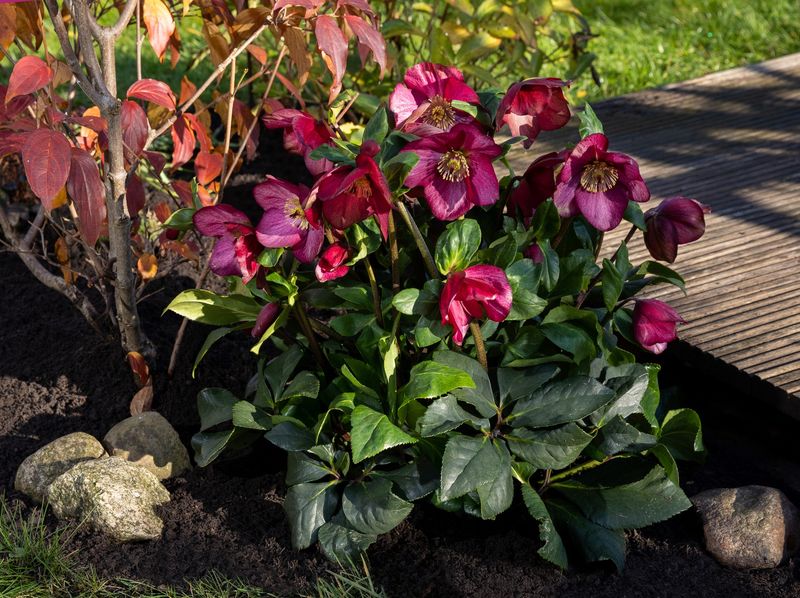
Pennsylvania has a lot of white-tailed deer, and many gardeners feel like they are feeding the herd. Hellebores offer a welcome break from that frustration.
The leaves and flowers contain bitter, toxic compounds that deer and rabbits tend to avoid. Penn State and many nurseries list hellebores among dependable deer-resistant perennials. No plant is fully deer-proof, but hellebores rank near the top.
Toxicity cuts both ways, so plan carefully. Dogs, cats, and young children can get sick if they chew the plant. Keep hellebores away from play areas or spots where a puppy likes to dig.
Slugs and aphids can still show up now and then. Aphids sometimes cluster on new growth in spring, and a strong spray of water usually knocks them off.
Slugs may nibble young leaves in damp weather, so remove hiding spots like boards nearby.
Pair hellebores with other tough shade plants for a lower-stress garden. Ferns, hostas in protected spots, bleeding hearts, and native wild ginger make great company.
Together they fill a woodland corner with texture from winter through fall. Watching deer wander past your blooms without a bite feels like a small victory.
7. Potted Hellebores Bring Winter Flowers Right To Your Doorstep
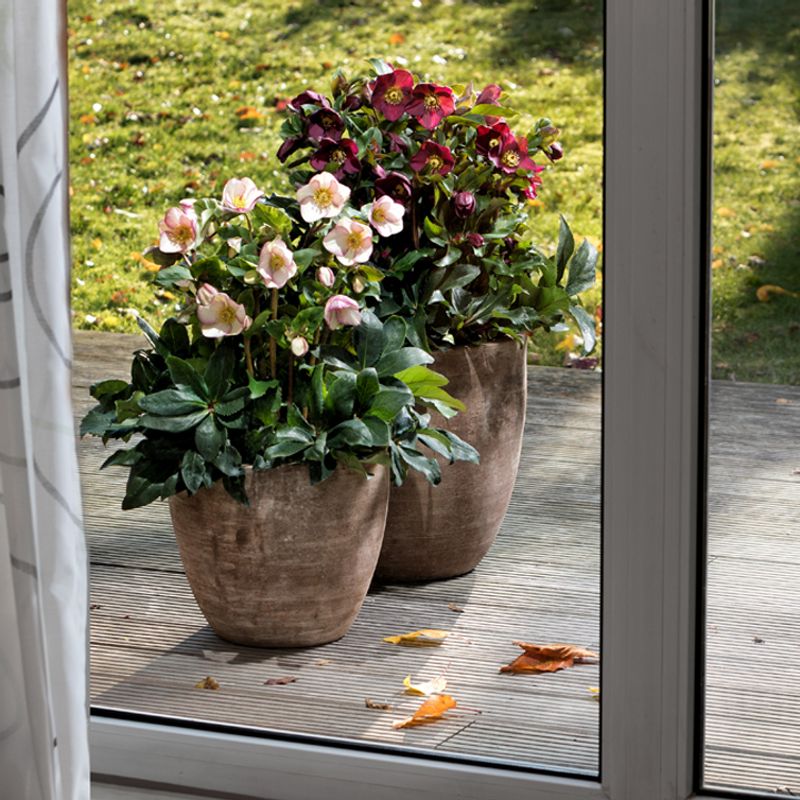
Here’s a fun twist on winter decorating. A pot of blooming hellebores by the front door can greet visitors from late winter into spring.
Choose a container at least 12 to 14 inches wide with drainage holes. Fill it with quality potting mix blended with some compost.
Newer varieties with upward-facing flowers, like the Gold Collection, look especially good in pots.
Containers get colder than garden soil, and that matters. Most of Pennsylvania falls in USDA zones 5 and 6, with pockets of zone 7 in the southeast.
In colder northern areas, move pots into an unheated garage or shed during long hard freezes.
Bring them back outside once the worst cold passes. Hellebores need chilly temperatures to bloom well, so a heated house is not the answer. A sheltered porch corner works nicely in milder areas.
Check moisture regularly, because pots dry out faster than beds. Water when the top inch feels dry, but let extra drain away.
After a year or two, transplant your potted hellebore into the garden. It will appreciate the extra root room and reward you with bigger clumps over time.
8. Hellebore Seedlings Can Turn One Plant Into A Winter Carpet
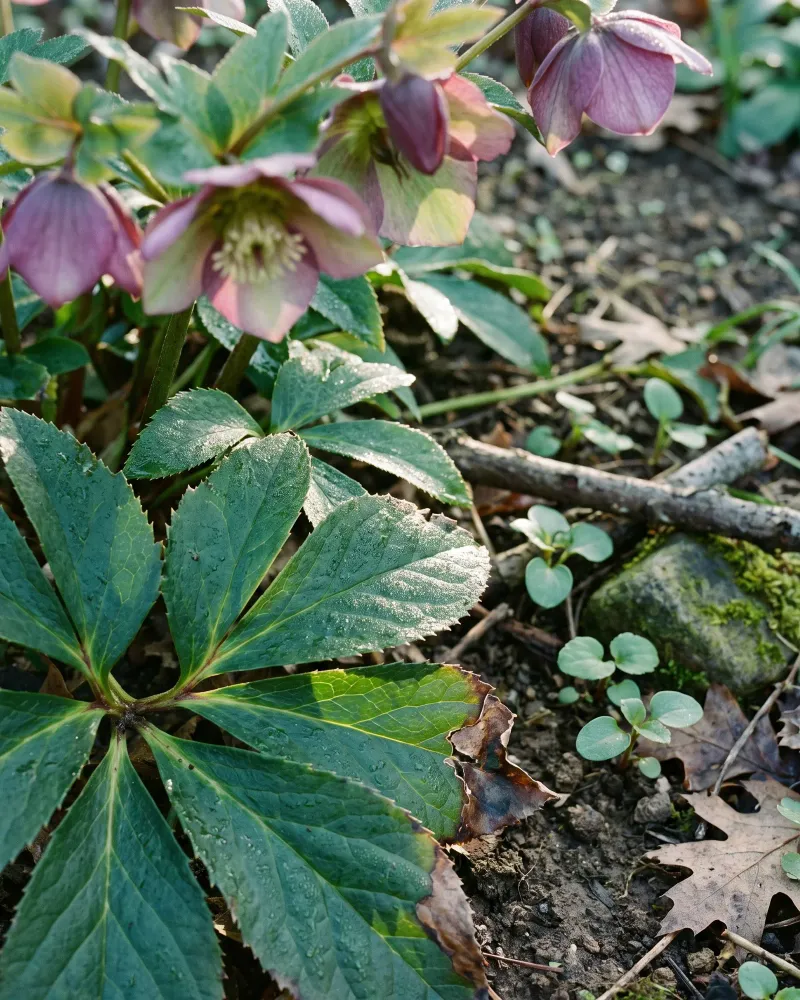
Believe it or not, one happy plant can become a whole patch. Lenten roses especially drop seeds that sprout into little seedlings around the parent each spring.
Look for tiny plants with rounded first leaves near the base of mature clumps. Dig them carefully in spring or early fall and move them where you want more color. Expect to wait two or three years before they flower.
Hybrid seedlings rarely match their parents, which is part of the fun. You might get speckled faces, soft plum shades, or a surprising pale yellow. Each new bloom feels like opening a small gift.
Christmas roses self-sow less often, so buying a few plants is the quicker route. Nursery plants already a few years old usually bloom the first winter.
If you prefer tidy beds, snip spent flower stems before seed pods split in late spring. Leave a few if you want a free crop of babies.
My best advice is to start small this year. Plant one Christmas rose and one Lenten rose in good shade. By next February, you may be checking for buds every morning like I do.