7 Thanksgiving Cactus Care Tips for New York Homes With Dry Radiator Heat
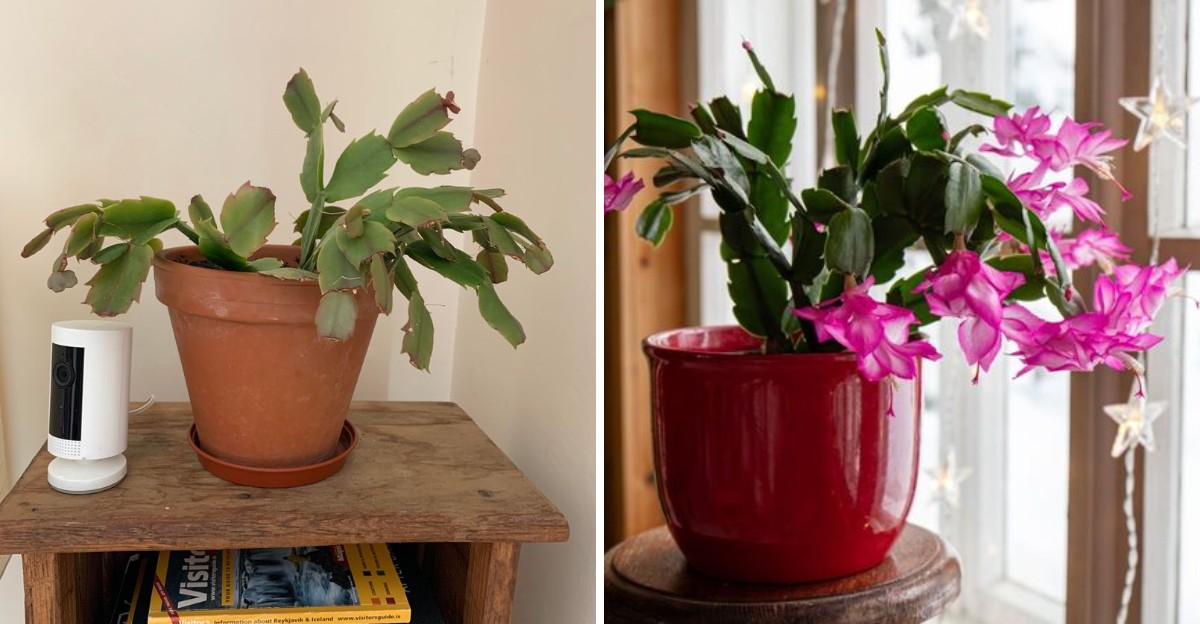
A holiday houseplant sold beside pumpkins every November actually grows on mossy tree branches in Brazilian mountain forests.
Those cool, misty slopes feel nothing like a toasty apartment where the radiator clanks and hisses all winter.
Steam heat in older New York buildings can drag indoor humidity down to around 20 or 30 percent. Your lips crack in that air, and your poor plant quietly feels the same thirsty squeeze on its stems.
I find it fascinating that such a fussy-sounding plant forgives so much once you understand its backstory. A greenhouse isn’t required, and a few small habits can turn limp stems into a flowering show.
I’ve watched mine sulk beside a hot window and then burst with color after one simple move across the room. So which tricks matter most in a dry New York living room this time of year?
1. Keep Your Thanksgiving Cactus Three Feet From The Radiator
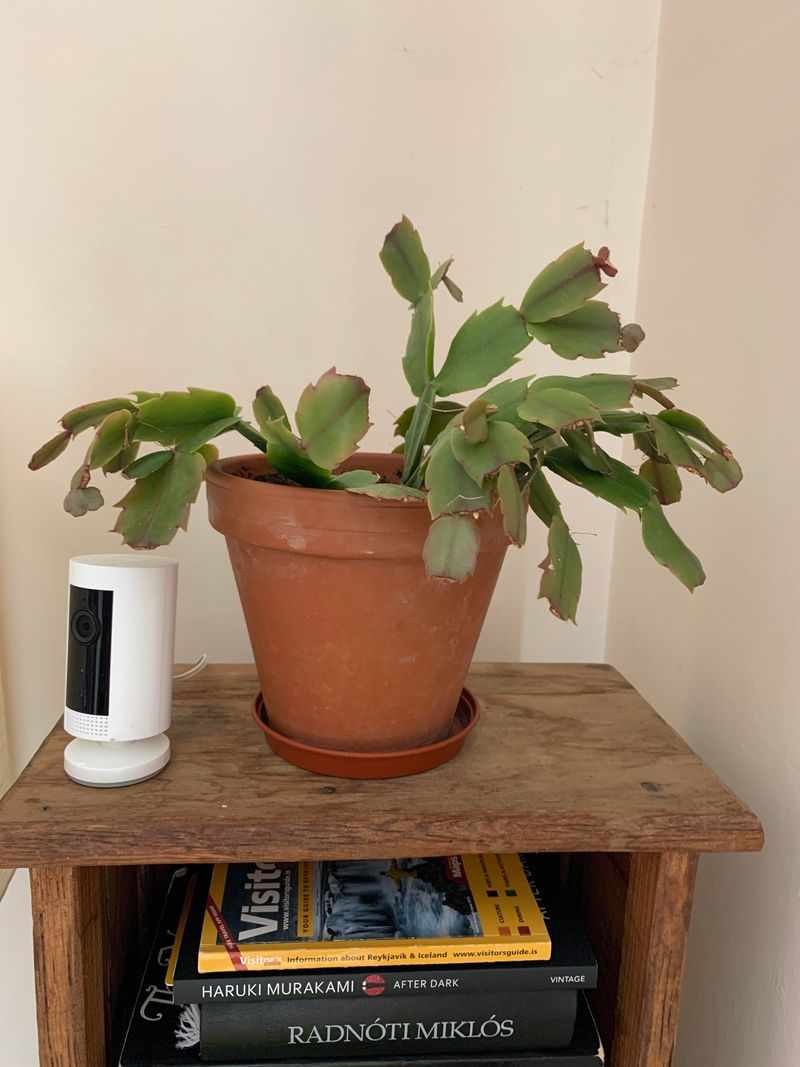
Cast iron radiators can feel like little furnaces, and a cactus parked on the windowsill above one bakes quietly. So many apartment windows sit right over a radiator, which turns the sunniest spot into the harshest one.
Rising hot air pulls moisture from the flat green stem segments faster than the roots can replace it. You may notice limp, wrinkled pads or flower buds that drop before they ever get a chance to open.
My rule of thumb is simple, and I keep the plant at least three feet from any active heat source. That includes baseboard units and floor vents, which blast dry air sideways across the room surprisingly far.
Try holding your hand where the pot sits while the heat runs for a few minutes. If your palm feels a warm draft, the plant feels it too, and it deserves a new address.
A sturdy plant stand beside the window, rather than above the radiator, often solves the problem nicely. Some folks also slip a radiator cover or a deflector shelf in place to redirect the rising heat.
Cold glass is the other half of the story in New York during January and February nights. Leaves pressed against a frosty windowpane can get chilled, so leave a few inches of breathing room.
Once you find that sweet spot, try to leave the plant there while its buds are forming. Sudden moves and shifting temperatures are classic reasons these cacti drop buds, according to many university extension guides.
2. Set Pebble Trays Under Thanksgiving Cactus Pots For Extra Humidity
Back home in the Brazilian mountains, this plant lives wrapped in cloud mist and damp moss most of the year. Your living room in winter feels more like a cracker box, and the plant definitely notices the difference.
Most houseplant experts suggest keeping relative humidity somewhere around 40 to 60 percent for tropical plants like this one. A cheap digital hygrometer from the hardware store tells you exactly where your room stands right now.
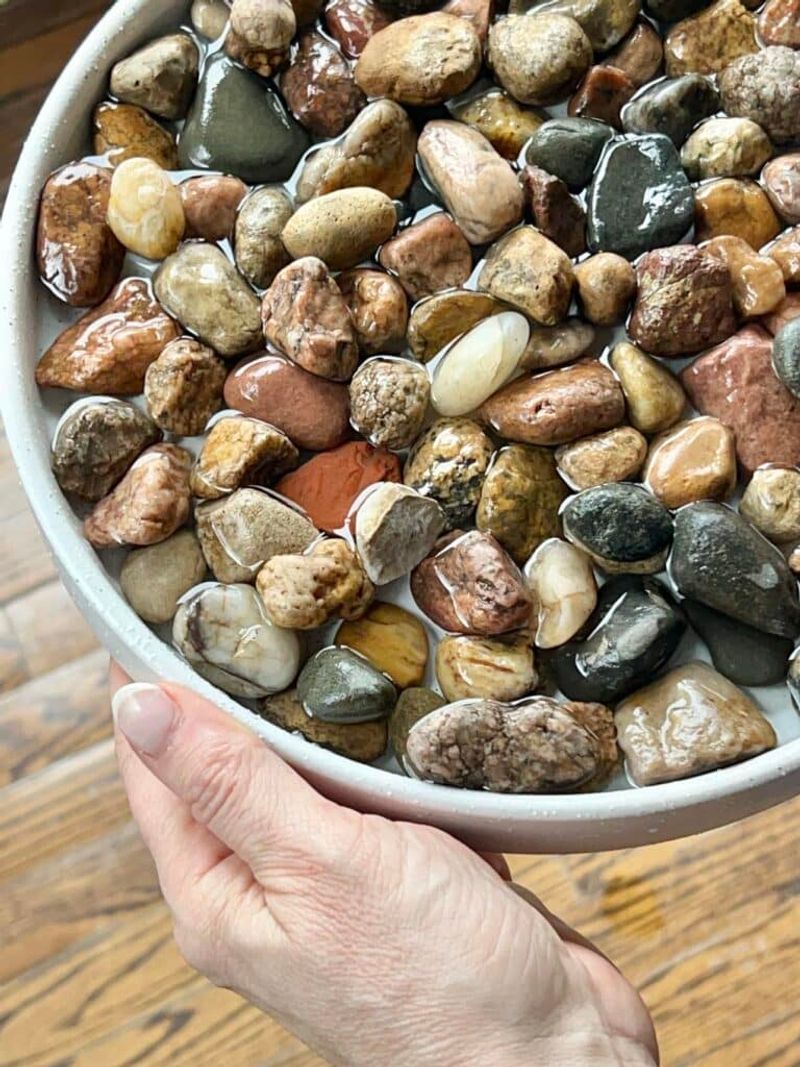
Pebble trays are my favorite low-tech fix, and they cost almost nothing to set up at home. Fill a shallow saucer with gravel and water, then rest the pot on top of the dry stones.
As the water evaporates, it bathes the stems in a little cloud of moisture throughout the day. Just keep the pot bottom above the waterline, because roots sitting in a puddle can rot quickly.
Grouping plants together is another trick I love, since leaves release moisture and share it with neighbors. A small cluster of pothos and ferns around your cactus creates a friendlier pocket of air on one table.
For really parched apartments, a cool-mist room humidifier does the heavy lifting better than any tray can. Clean it often and use distilled water if your tap leaves white dust on nearby furniture.
Misting feels satisfying, but the extra moisture usually lasts only a few minutes in radiator-dried air. If you enjoy it, mist in the morning so the stems dry well before the chilly evening.
3. Water Thanksgiving Cactus When The Top Inch Feels Dry
Plenty of people treat this plant like a desert cactus, and that one mix-up causes most of the trouble. Rainforest cacti drink more often than their spiny cousins, yet they hate sitting in soggy soil.
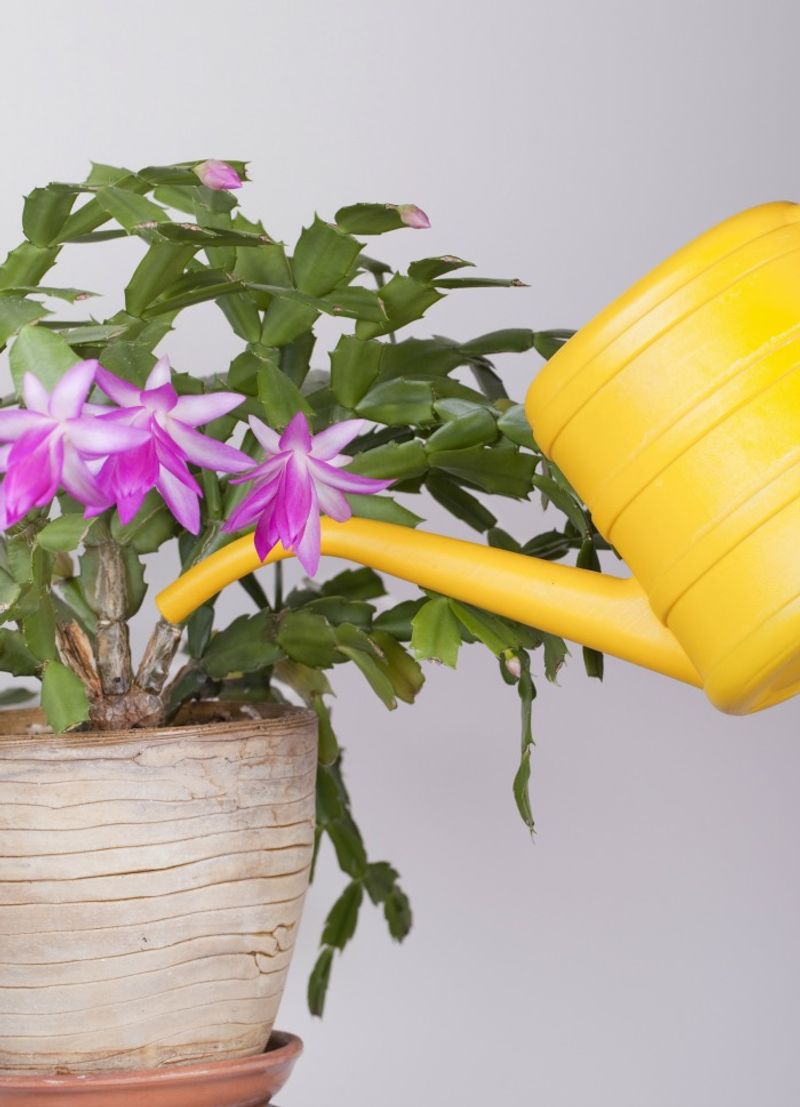
Many university extension guides suggest watering when the top inch of potting mix feels dry to your finger. Then soak the pot thoroughly and let the extra water drain away from the bottom holes.
Radiator heat plays a sneaky trick, drying the surface fast while the lower soil stays fairly damp. I like pushing a wooden chopstick deep into the pot and checking it for dark, moist soil.
Lifting the pot works nicely too, since a freshly watered container feels noticeably heavier than a thirsty one. After a few weeks, your hands will learn the difference without any fancy gadgets or meters.
Once flowering ends, the plant enjoys a short rest, and slightly drier soil suits it for several weeks. Water a bit less during that pause, but don’t let the stems shrivel and turn floppy.
While buds are swelling, steady moisture matters more, because a bone-dry spell can make buds fall off. I check my plant every few days during bloom season instead of following a fixed calendar or phone reminder.
Room-temperature water is kinder than icy tap water, which can shock roots on a cold winter morning. Empty the saucer about twenty minutes after watering so the roots stay happy and well aired all winter long.
4. Pot Thanksgiving Cactus In Airy Soil With Bark And Perlite
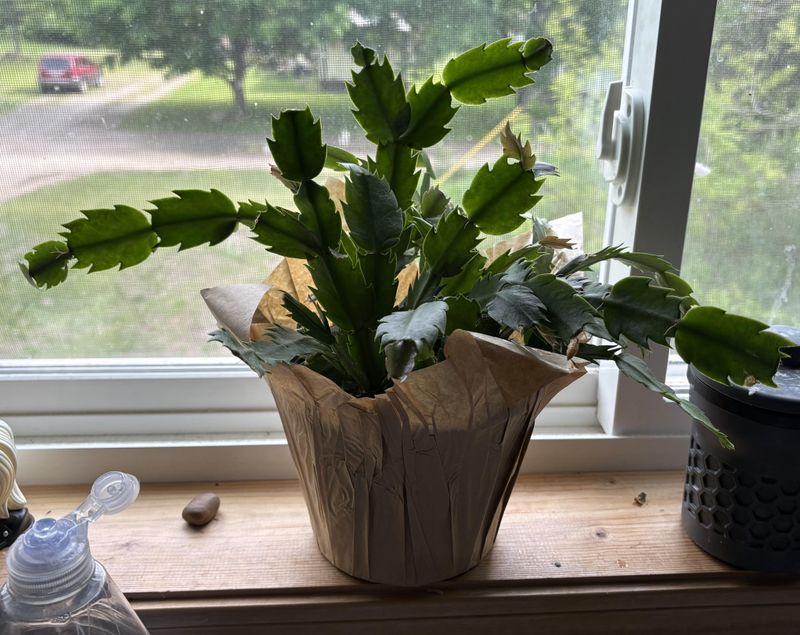
Grab a handful of the stuff these plants grow in naturally, and you’d find crumbly leaf litter and moss. Their roots cling to tree bark and rock crevices, so dense garden dirt feels suffocating to them.
I mix regular potting soil with chunky perlite and small orchid bark for a loose, breathable blend. A cactus mix cut with some peat-free coir or compost works well if you prefer a shortcut.
Slightly acidic soil seems to suit them best, and many growers aim for a pH near 5.5 to 6.5. Most bagged potting mixes already land in that range, so you rarely need to fuss with testing.
Drainage holes are non-negotiable, no matter how pretty that glazed pot looks on the windowsill shelf. If you love a decorative container, slip a plain plastic nursery pot inside it and lift it out to water.
Terra cotta dries quickly in radiator heat, so plastic or glazed pots can help hold steady moisture. That small swap made a real difference for my own plant during a long, dry winter.
Funny enough, these cacti bloom best when slightly snug in their pots, so resist upsizing too often. Repotting every few years, after flowering finishes in late winter or spring, is usually plenty for them.
When you do repot, choose a container just one size bigger and gently tease apart circling roots. Fresh, airy mix gives those roots room to breathe, and you’ll often see perkier stems within weeks.
5. Give Thanksgiving Cactus Bright Filtered Window Light
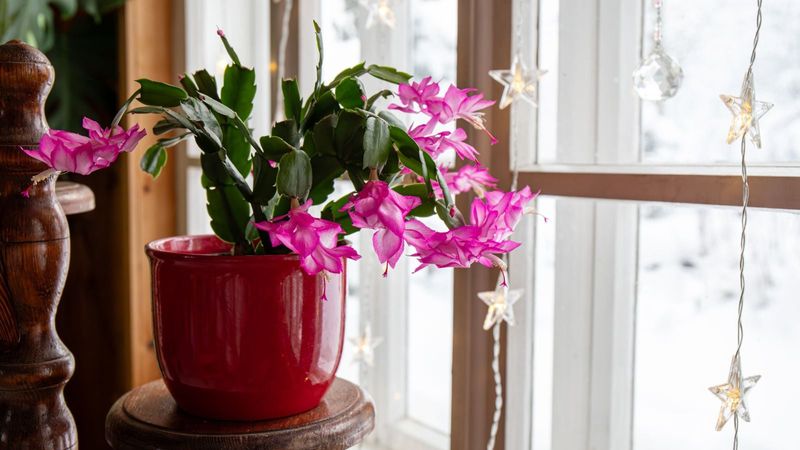
Under a rainforest canopy, sunlight arrives in soft, shifting patches that dance across the branches all day. Your cactus still craves that dappled glow, even when it lives in a cozy fourth-floor walk-up apartment.
Bright, indirect light really suits it best, and an east-facing window is often the easiest happy place. A south or west window works too, as long as a sheer curtain softens the harsh afternoon rays.
Stems that turn reddish or yellowish are often waving a little flag that says the sun is too strong. Pale, stretched growth points the other way, telling you the spot is a bit too gloomy.
Winter days in New York are short and often gray, so a brighter window helps balance things out. Just keep that spot away from the radiator, which can be tricky in older prewar buildings.
Something worth knowing about autumn is that darkness, not just light, controls when those flowers appear. These are short-day plants, setting buds when nights stretch past twelve hours and temperatures cool off a little bit.
A lamp switched on every evening near the plant can confuse it and delay blooming by weeks. I learned that one the hard way, so mine now sits in a quiet room after sunset.
Give the pot a quarter turn every week or two to keep growth even on all sides. Once buds appear, though, stop rotating, since a sudden change in direction can make buds drop early.
6. Cool Nights Help Thanksgiving Cactus Buds Hold On
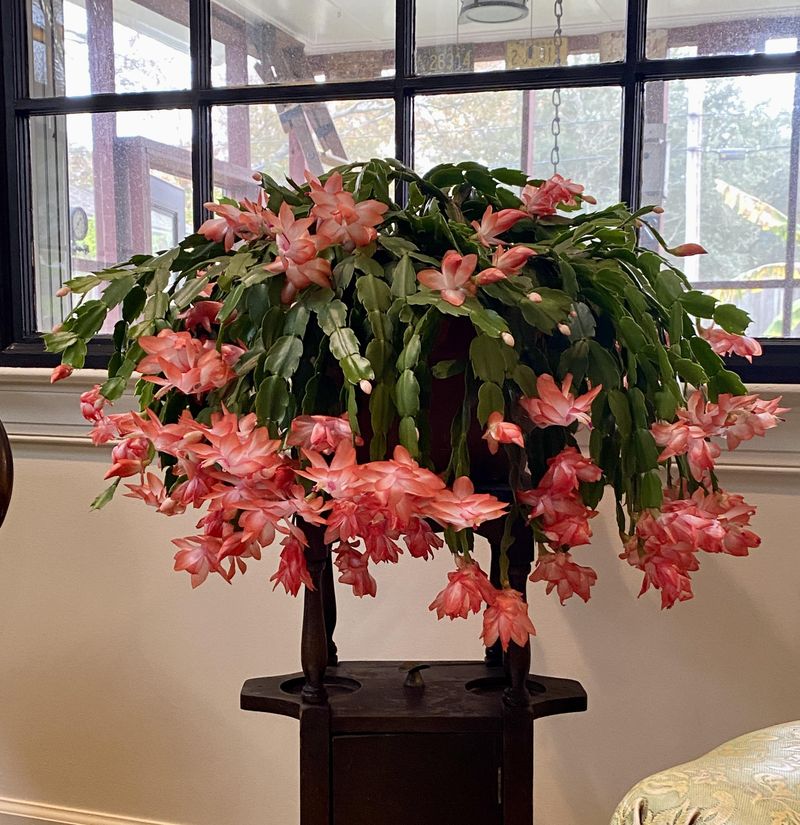
Cool autumn nights act like a secret alarm clock, nudging the plant to start forming flower buds. Many extension guides point to nights around 50 to 55 degrees Fahrenheit as the ideal range for budding.
Daytime temperatures in the low to upper sixties keep the plant comfortable during its active growing months. Overheated rooms pushing past 75 degrees, though, tend to stall bud formation even when nights are long.
Stuffy apartments are practically a tradition in New York, where many tenants can’t adjust their own heat. A spare bedroom or a cooler hallway can give your plant the gentle chill it secretly wants.
I moved mine to a cool bedroom corner last October, and tiny pink buds showed up within weeks. Watching those little tips swell day by day felt like waiting for a slow-motion holiday surprise.
Stay careful with extremes, since temperatures dipping toward freezing can damage the fleshy stem segments fast. Keep the plant off icy windowsills and away from doors that swing open to bitter winter wind gusts.
Sudden swings from hot to cold are the usual culprit behind bud drop on holiday cacti. Once buds reach about a quarter inch long, try to keep conditions as steady as you possibly can.
After the flowers open, normal room temperatures are fine, and cooler air helps the blooms last longer. Each blossom may hang around for several days, and a healthy plant keeps opening new ones for weeks.
7. Feed Thanksgiving Cactus In Spring And Summer Only
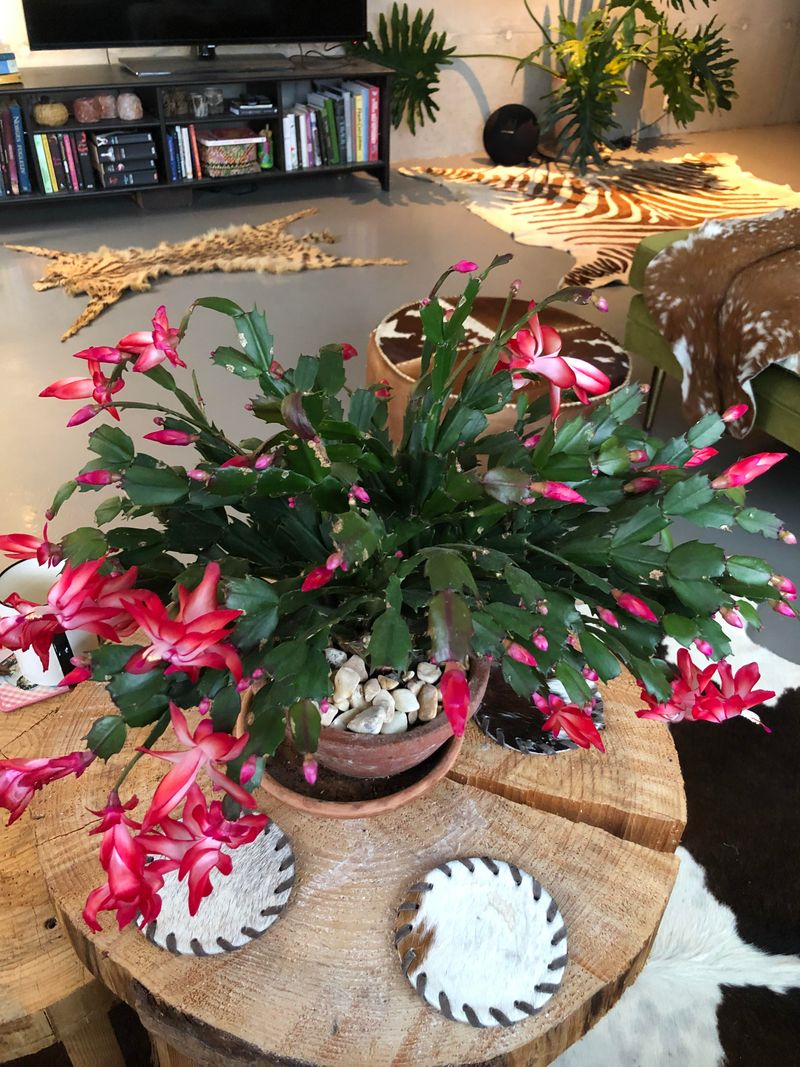
Feeding a plant in the middle of winter is a bit like serving a big breakfast at midnight. Your cactus simply isn’t hungry then, and extra fertilizer can build up as crusty salts in the pot.
Spring and summer are the real growing seasons, when new stem segments sprout and stretch toward the light. During those months, a balanced houseplant fertilizer mixed at half strength every few weeks does the job.
Some growers also add a pinch of Epsom salt monthly, since these cacti seem to appreciate extra magnesium. I wouldn’t necessarily call it essential, but it’s a fun experiment if your plant looks a little pale.
By late summer, stop feeding so the plant shifts its energy from leafy growth toward setting flower buds. That pause lines up nicely with the cool nights and long darkness that trigger the autumn show.
Once blooming wraps up and the plant has rested for a month or so, you can start feeding again. Watching fresh green segments appear in spring is my favorite reminder that the cycle is starting over.
Dry radiator air can concentrate fertilizer salts near the soil surface, leaving a white crust on the rim. Flushing the pot with plain water a few times a year rinses that buildup away from tender roots.
With this gentle feeding rhythm, your plant can live for decades and get bigger and showier each year. Some families even pass the same cactus from grandparents to grandkids, which I find wonderfully charming.