Your Neighbor’s Tree Is Dumping Leaves In Your New York Yard, Who Cleans Them Up?
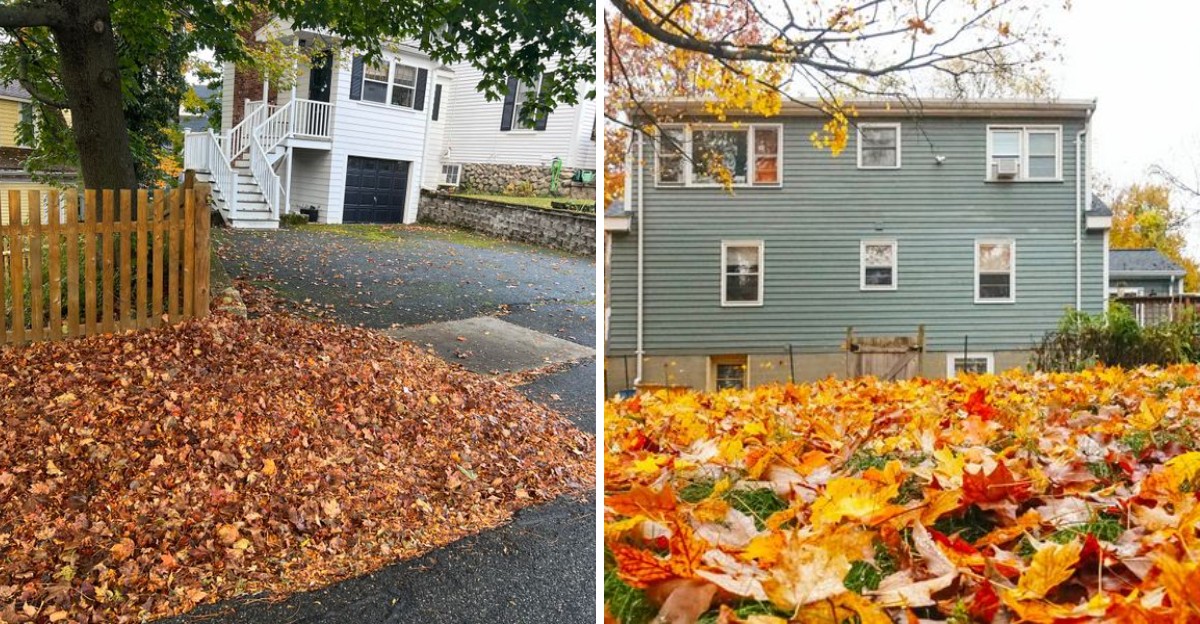
Your neighbor’s maple dropped every last leaf onto your lawn, and now you’re the one holding the rake. Every fall, plenty of New York homeowners stare at those piles and wonder if that’s really fair.
The answer surprises a lot of people. Leaves feel like a tiny problem until they clog your gutters, smother your grass, and test your patience.
A simple misunderstanding can turn friendly neighbors into frosty ones by Thanksgiving. Knowing the basic rules helps you act with confidence instead of guessing.
Some of what follows may feel unfair at first, while some of it gives you more power than you expect. You’ll learn what the law usually says, what you can trim, and when the tree owner carries responsibility.
Read on before you grab that rake. The details could save you money, effort, and a few awkward driveway chats.
You Usually Handle The Cleanup
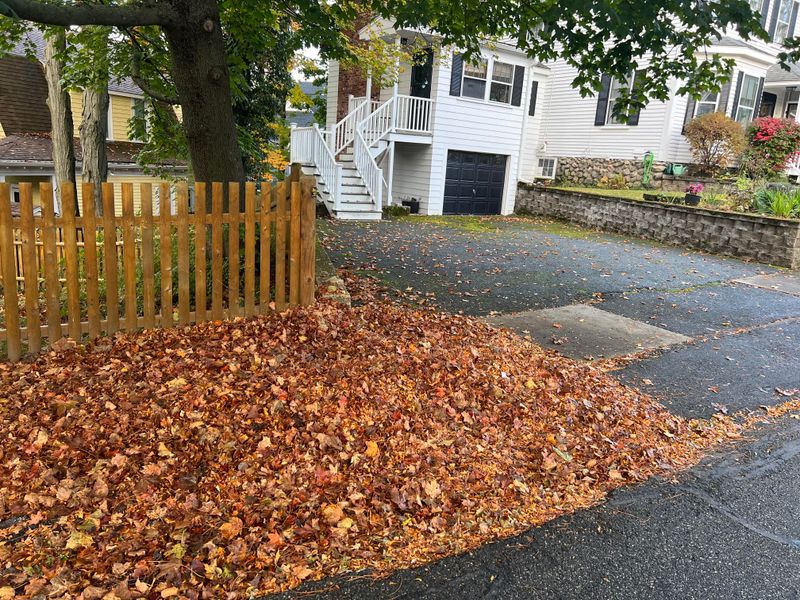
Picture a Saturday morning with coffee in hand and a fresh carpet of maple leaves across your lawn. Your first thought might be to knock on the neighbor’s door and ask for help.
Hold that thought for a moment, because the law usually sides with the tree. In most cases, the person whose yard catches the leaves is the one who rakes them.
Plenty of people find that rule frustrating at first. After all, you did not plant the tree, water it, or pick its spot near your fence.
Courts look at it differently, though. Leaves blow around freely, and nobody can control where a gust of wind carries them on a breezy October afternoon.
Think about how messy things would get otherwise. Every neighbor on the block could send a bill for each leaf that drifted across a property line.
So the practical move is to plan for the work instead of fighting it. A good leaf rake, sturdy yard bags, and a free weekend afternoon go a long way.
Mulching mowers can also save you serious time. Running over dry leaves chops them into tiny bits that feed your lawn instead of smothering it.
Here is a friendly bonus tip worth trying. Offering to split a leaf service with your neighbor often builds goodwill and makes the whole chore cheaper for both households.
Falling Leaves Count As Natural Debris
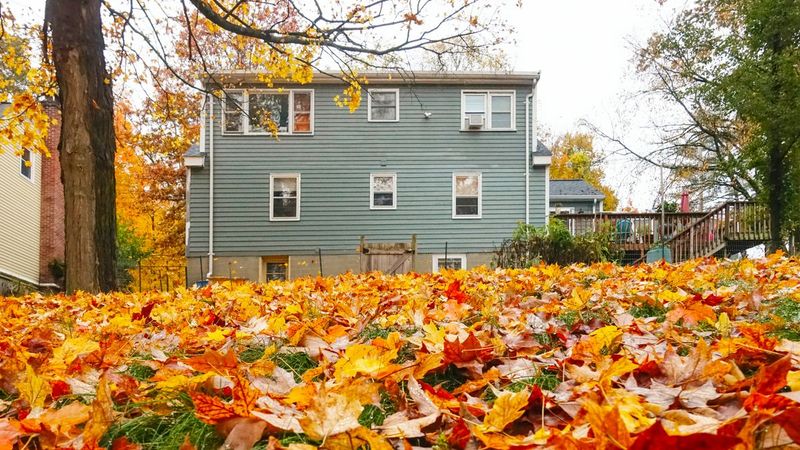
Legal folks have a fancy label for those crunchy piles on your lawn. They call them natural debris, which simply means stuff nature drops on its own.
Acorns, pine needles, seed pods, and twigs usually fall into the same group. A tree owner is generally not liable when any of these land next door.
Why does the law treat leaves so kindly? The reasoning is that shedding is a normal part of a tree’s yearly cycle, not a careless act.
Nobody is pushing those leaves over the fence on purpose. Wind, rain, and gravity do the work, and the law does not blame people for weather.
Here in New York, judges have generally followed that common-sense idea. Unless something unusual is going on, a neighbor’s shedding tree is not considered a legal wrong.
Your New York Garden Changes Every Week. Your Plan Should Too.
Gardening in New York changes quickly throughout the season. Every Friday you’ll receive a simple weekly plan showing exactly what to plant, prune, fertilize, harvest, and protect so you never miss the right timing.
Fun fact for your next backyard chat: a single mature oak can drop hundreds of thousands of leaves each fall. Imagine trying to bill someone for every one of them.
Knowing the label helps you set realistic expectations. You can skip the angry letter and focus your energy on smart cleanup methods instead.
Natural debris can even help you out. Shredded leaves make excellent free mulch for flower beds and add rich nutrients to compost piles over the winter.
A Healthy Tree Doesn’t Have To Go Over Leaf Drop
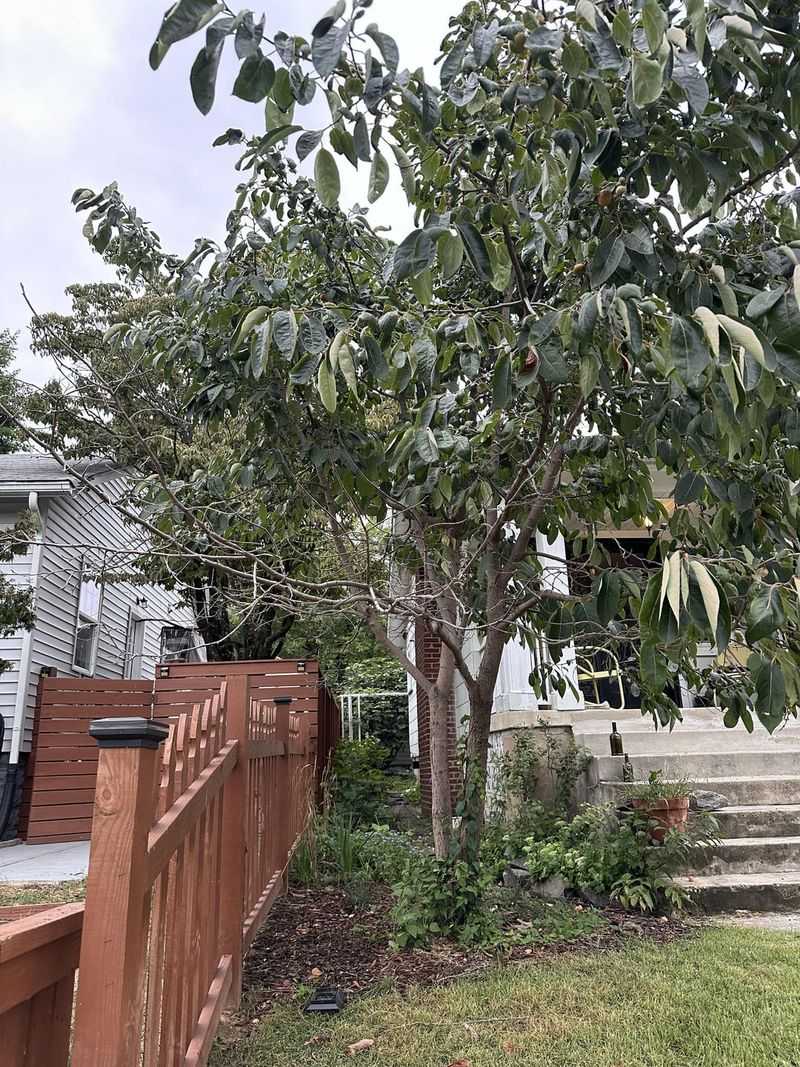
Some homeowners hope a mountain of leaves will convince the neighbor to cut the tree down. Sadly for them, that plan rarely works out.
A healthy tree that drops leaves is simply doing its job. The law generally does not require anyone to remove a sound tree just because it sheds.
Your neighbor also has no duty to rake your yard. Collecting leaves that landed on your side is usually your call, not theirs.
Try to see it from their point of view for a second. That big maple might shade their kitchen, lower their summer power bill, and hold family memories.
Trees also add real value to a neighborhood. Studies suggest mature trees can raise nearby home values, which quietly benefits your property too.
So what can you actually do about heavy leaf drop? A calm conversation is the best first step, and timing matters more than people think.
Bring it up before fall, not in the middle of your fifth bag. Ask whether they might consider a light pruning or sharing the cost of a gutter guard.
Gutter guards are worth a close look on their own. They keep leaves out of your drains and cut down on ladder climbing every November.
You Can Trim Overhanging Branches To The Property Line
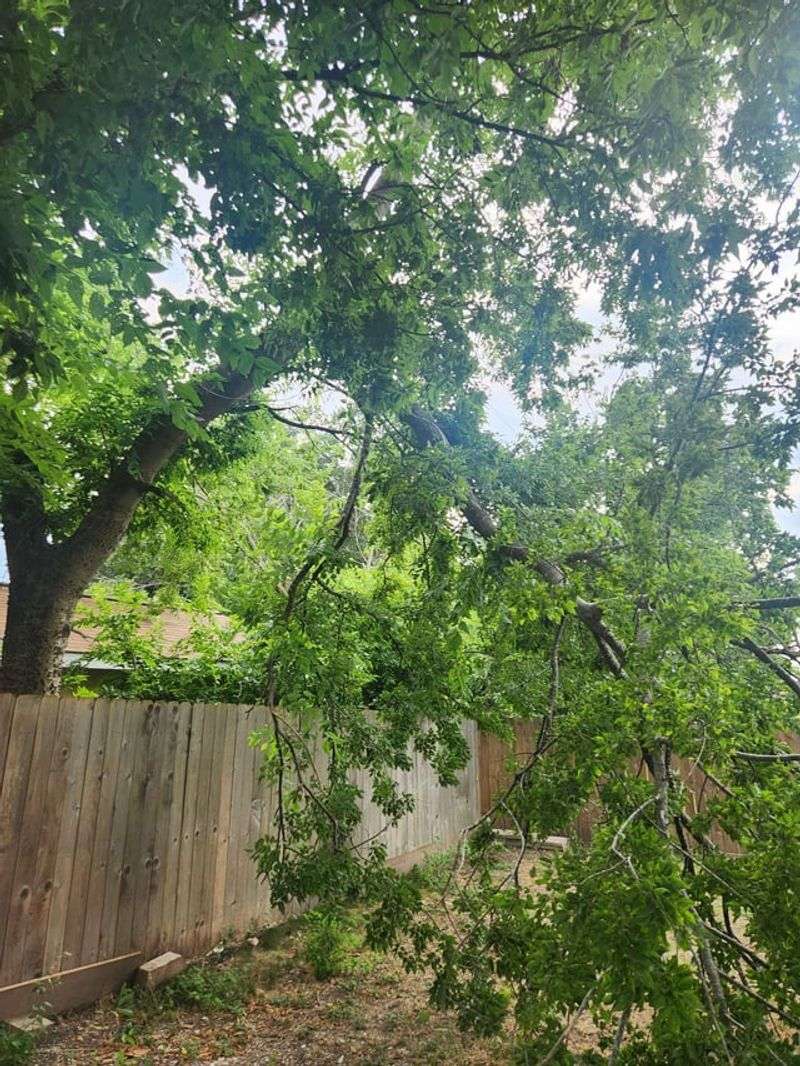
Good news finally arrives for the leaf-weary homeowner. You generally have the right to trim branches that reach over onto your property.
The key phrase is up to the property line. You can cut back limbs to that invisible boundary, but not one inch farther.
Fewer branches over your yard often means fewer leaves landing there. Trimming can also let more sunlight reach your garden and lawn.
Before you start, figure out exactly where the line sits. A property survey or your town’s records can show the official boundary.
Fences are not always placed right on the line. Some were built a foot or two inside one yard, so double check before cutting.
Tools matter for safety and for the tree’s health. A pole pruner or sharp loppers make clean cuts that heal better than ragged ones.
Heavy limbs are a different story. Large branches near power lines or rooftops are best left to a licensed arborist with the right gear.
A quick heads-up to your neighbor helps a lot too. Most people appreciate a friendly note, and it keeps surprises from turning into arguments.
Trimming Is Typically At Your Own Expense
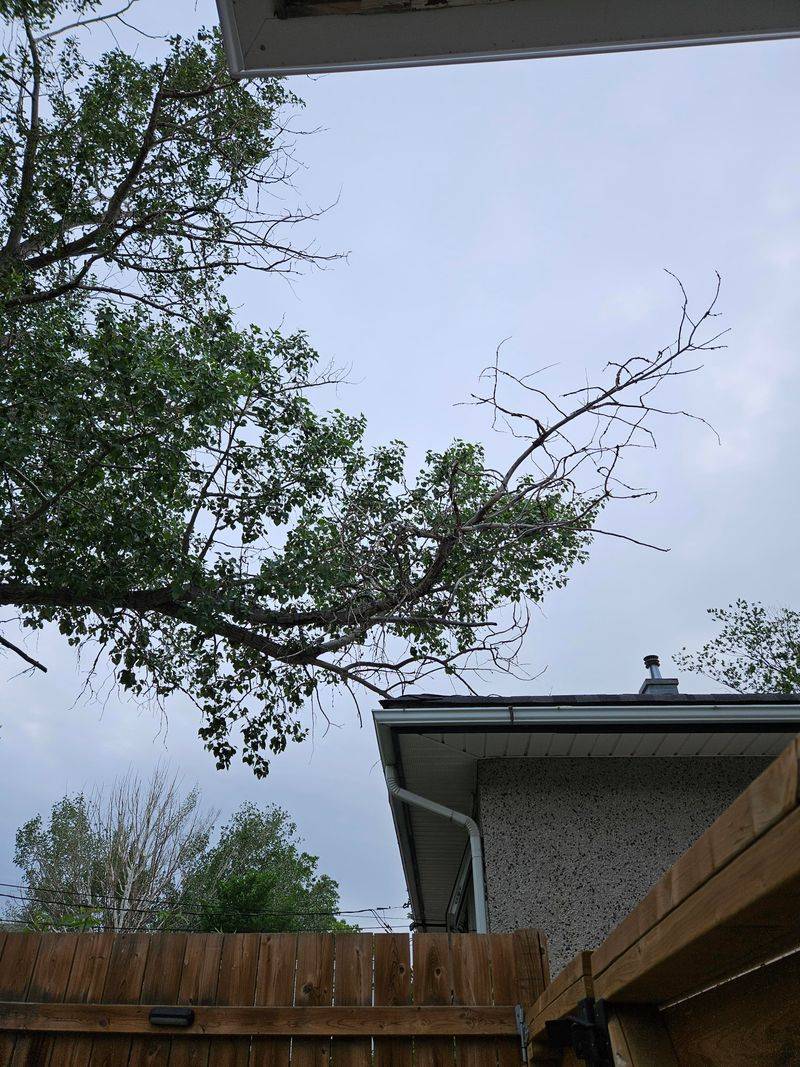
Here comes the part that stings the wallet a little. When you choose to trim a neighbor’s overhanging branches, the bill usually lands on you.
Your neighbor generally has no legal duty to pay you back. The right to trim is yours, and so is the cost of using it.
Prices vary quite a bit across the state. Simple pruning might cost a couple hundred dollars, while big jobs with bucket trucks can run much higher.
Get at least three quotes before hiring anyone. Ask each company about insurance, cleanup, and whether hauling branches away is included.
Timing can trim the price too. Many tree services offer lower rates in late winter, when their schedules are lighter and trees are bare.
Bare branches also make the job easier to see. Crews can spot problem limbs clearly without a thick layer of leaves in the way.
Splitting costs is worth asking about. Some neighbors happily chip in, especially if the trimming improves their view or protects their roof too.
Keep every receipt and photo, just in case. Good records help if questions pop up later about what was cut and who paid for it.
You Can’t Harm The Tree Or Step Onto Their Land To Do It
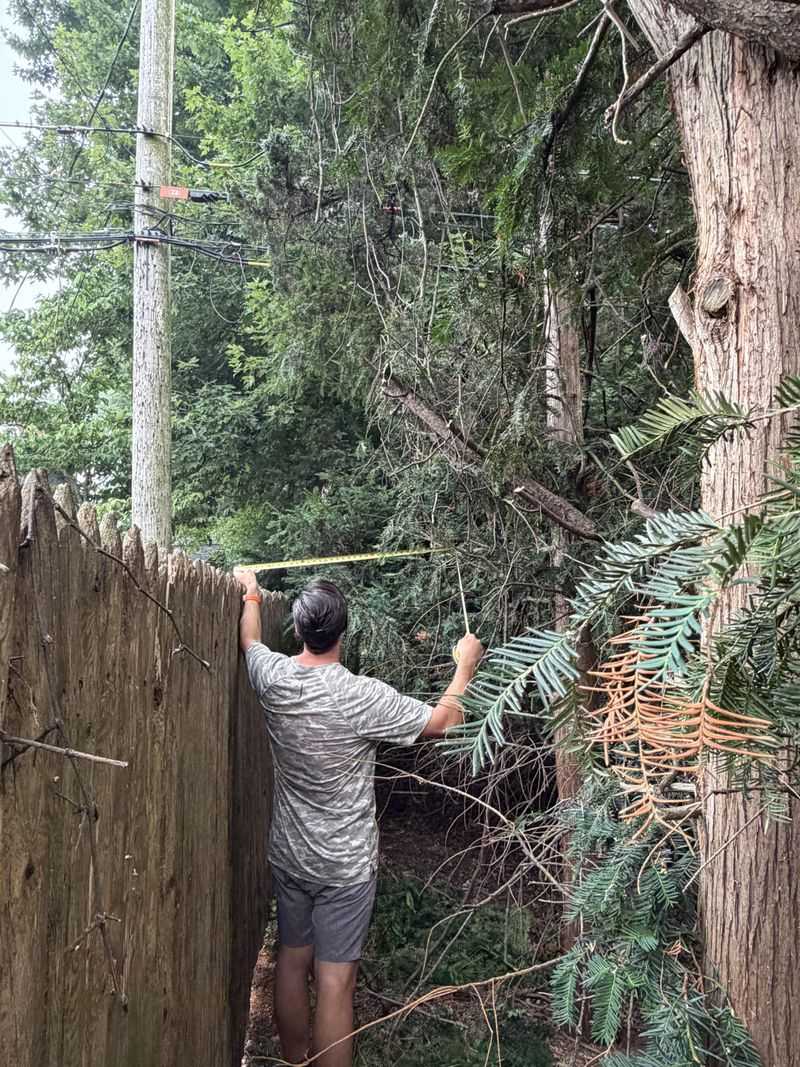
One careless cut can turn a small chore into an expensive court case. Your trimming rights come with two firm limits you should respect.
First, you cannot step onto your neighbor’s land without permission. Leaning a ladder on their side or reaching from their yard counts as trespassing.
Second, you cannot trim in a way that seriously injures the tree. Cutting too much can leave it weak, sick, or headed toward collapse.
New York takes tree damage seriously. Under state law, a person who wrongfully cuts or harms a neighbor’s tree may owe triple the damages.
Yes, triple, and mature trees can be worth thousands of dollars. That makes a sloppy hack job one of the priciest mistakes a homeowner can make.
Roots deserve the same respect as branches. Digging aggressively near a shared fence and slicing major roots can also cause harm the law notices.
A certified arborist is your best friend here. They know how much can be removed without putting the tree’s health at risk.
When in doubt, ask permission in writing. A short signed note letting a crew work from their side clears up confusion and protects everyone.
Blowing Leaves Back Over The Fence Invites A Dispute
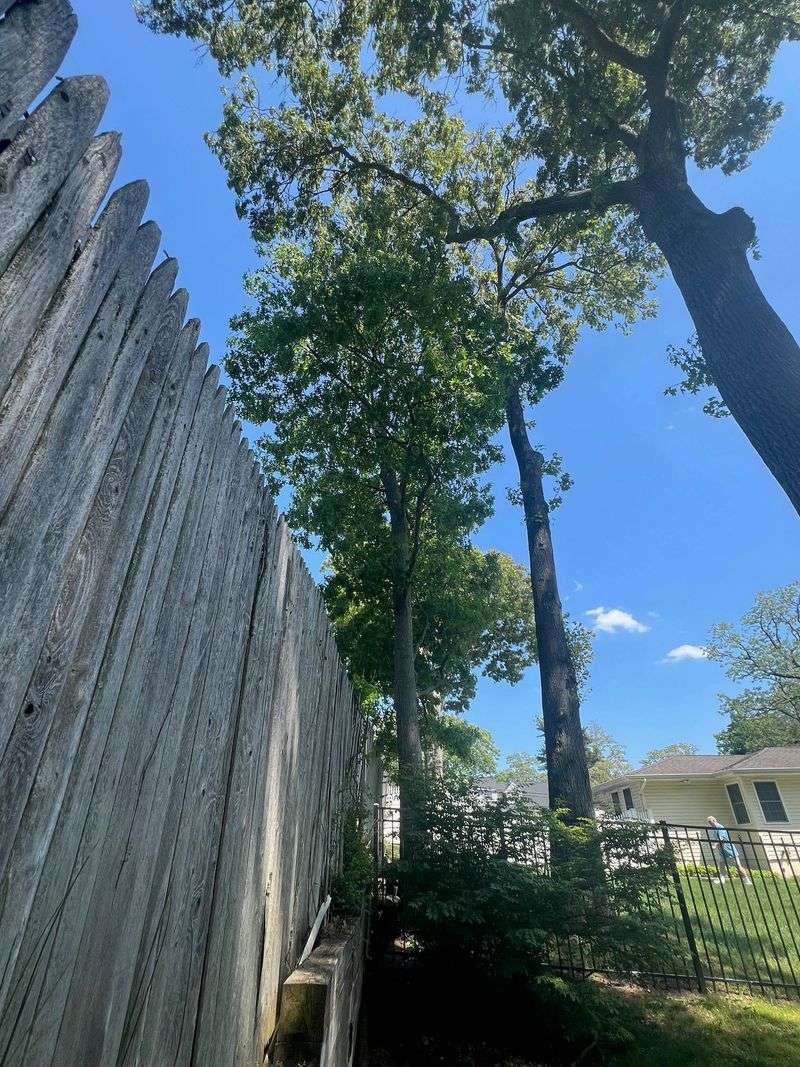
It is tempting, we know. The leaf blower is roaring, the pile is huge, and the fence is right there.
Resist that urge, because sending leaves back on purpose changes everything. Natural leaf fall is innocent, but deliberate dumping is a choice you made.
Many towns treat intentional dumping as a violation of local ordinances. You could face a warning, a fine, or an awkward visit from code enforcement.
Beyond the legal side, the neighbor relationship takes a hit. Leaf wars have a funny way of growing into fights over parking, noise, and fences.
Picture years of chilly waves across the driveway. A few extra minutes of raking is a small price to avoid that kind of tension.
Better options are easy to find. Bag the leaves, compost them, or check your town’s curbside collection schedule for fall pickup days.
Plenty of communities offer free leaf collection each autumn. Some even provide paper yard waste bags at town hall.
Blowing debris into the street can cause trouble too. Leaves clog storm drains and can lead to flooding, so keep piles out of the gutter.
A Declining Tree Changes The Equation
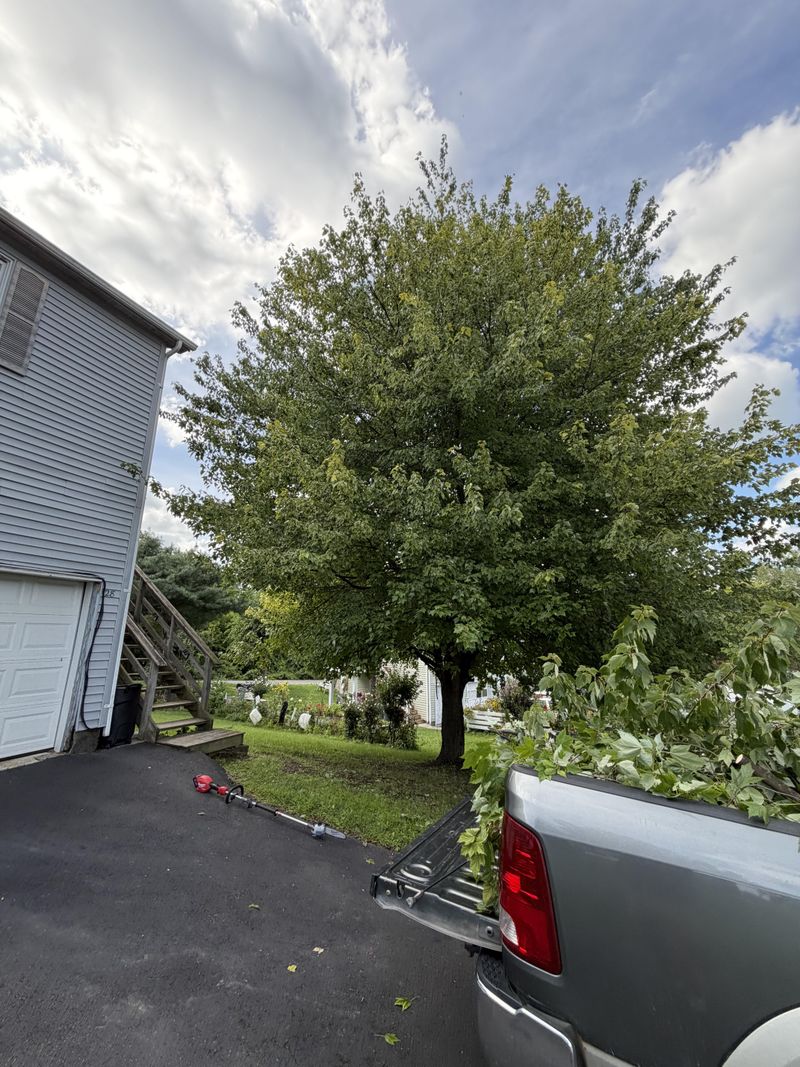
Leaves are one thing, but a crumbling tree is a whole different story. When a tree turns hazardous, the rules shift toward the owner.
Signs of trouble include bare branches in summer, deep cracks, mushrooms at the base, and a noticeable lean. Hollow trunks are another red flag.
If the owner knows about the danger and does nothing, they may be liable. Damage from a falling limb could become their financial responsibility.
Knowledge is the key factor here. Courts often ask whether the owner knew, or reasonably should have known, about the weakness.
That is where you come in. Sending a polite written notice creates a clear record that the problem was pointed out.
Keep the letter friendly and factual. Describe what you see, include dated photos, and suggest an arborist take a look.
Some New York towns have tree wardens or code officers who can inspect risky trees. A quick call to your local office may get help moving.
Check your homeowners insurance policy too. Knowing what it covers before a storm hits brings peace of mind during windy winter nights.
Boundary Trees Belong To Both Owners
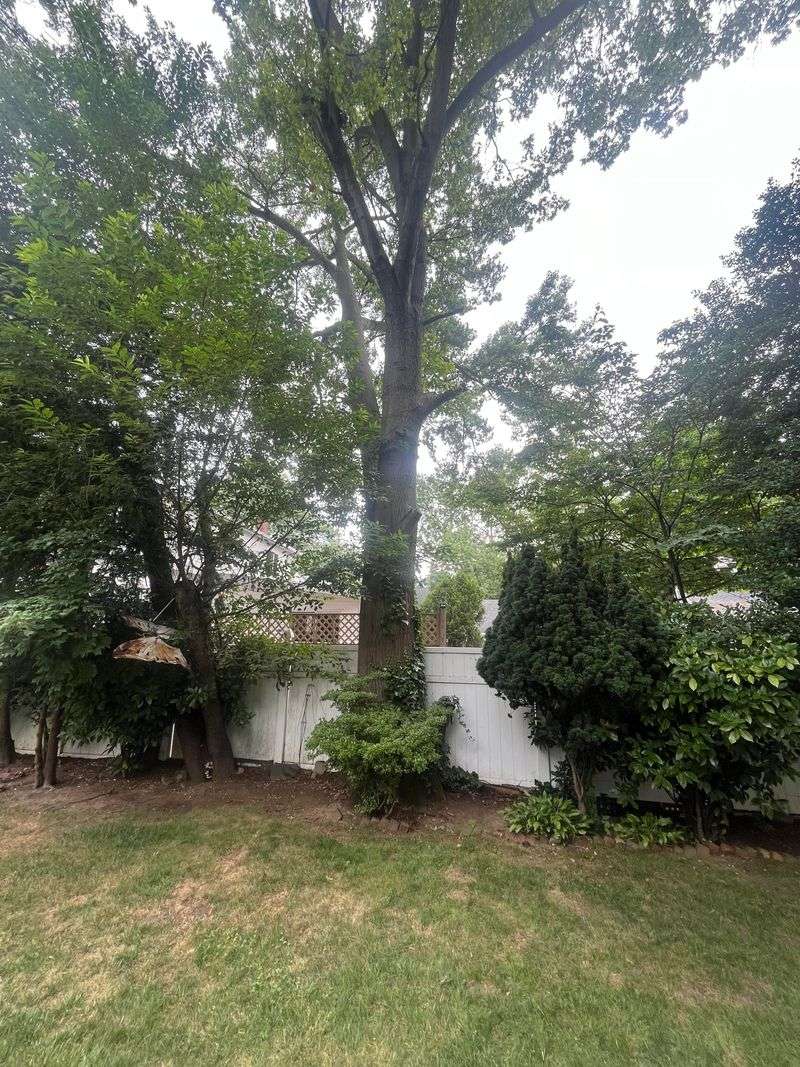
Some trees refuse to pick a side. When a trunk sits right on the property line, it is called a boundary tree.
Both neighbors typically share ownership of that tree in New York. Think of it like a shared driveway, but with bark and branches.
Shared ownership means shared decisions. Neither owner should remove it or do major work without the other person agreeing.
Cutting down a boundary tree alone can lead to serious legal trouble. The other owner may seek damages for losing their share.
Leaf cleanup on a boundary tree still tends to follow the usual pattern. Each household generally handles whatever lands in its own yard.
Costs for pruning or health care are often split by agreement. A simple written plan prevents fuzzy memories and future arguments.
Not sure whether the trunk crosses the line? A licensed surveyor can mark the boundary and settle the question with real measurements.
Here is a sweet bit of history: early surveyors often used big trees as boundary markers. Some old property deeds still mention specific oaks by name.
Town Rules And HOAs Can Add Requirements
State law sets the big picture, but your local rules fill in the details. Towns, villages, and HOAs can all add their own twists.
Some places limit when you can run leaf blowers. Gas blowers may be restricted during certain months or hours to cut noise.
Others have strict rules about leaf disposal. You might need paper bags, specific pickup days, or piles placed at the curb, not in the street.
Tree permits are another common surprise. Certain towns require approval before removing large trees, even ones on your own land.
HOA communities often have extra guidelines on yard upkeep. Your association may expect leaves cleared by a set date or trees maintained a certain way.
Reading your HOA documents now saves headaches later. Look for sections on landscaping, trees, and dispute resolution between neighbors.
Town websites usually post fall cleanup schedules each year. A quick search with your town’s name and leaf pickup often brings up the details.
Wrapping things up, a little homework goes a long way for New York homeowners. Know your local rules, talk kindly with neighbors, and that pile of leaves becomes much easier to handle.