This Is The Worst Time To Water Hydrangeas During A New York Heat Wave
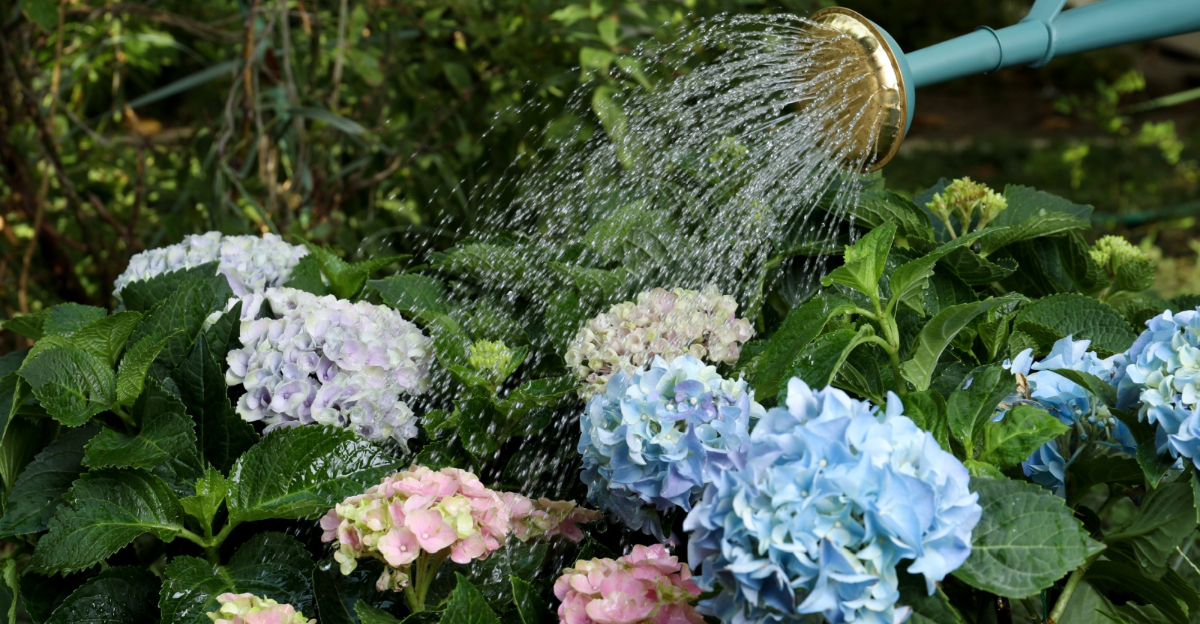
Heat turns hydrangeas into real casualties faster than expected. New York summers push your plants past their limit fast. Humidity thickens around you while temperatures spike without mercy.
Your instinct says grab the hose immediately. That instinct might be harming your hydrangeas right now.
Timing decides whether water saves or weakens your blooms. Wrong choices during peak sun stress roots within hours.
Gardeners across New York repeat this mistake every season. Confidence in old habits often hides dangerous timing errors.
Every hour changes how soil handles heat. Afternoon sun turns damp soil into a demanding trap.
Stress builds inside your roots before leaves show damage. Precision now saves you frustration and lost effort later. Understanding this single window changes your entire approach.
Nothing about hydrangea care works the way you assume. Roots absorb stress fast when soil turns dangerously hot. Everything now depends on the moment you choose to water.
Why Timing Matters More Than You Think For Hydrangeas
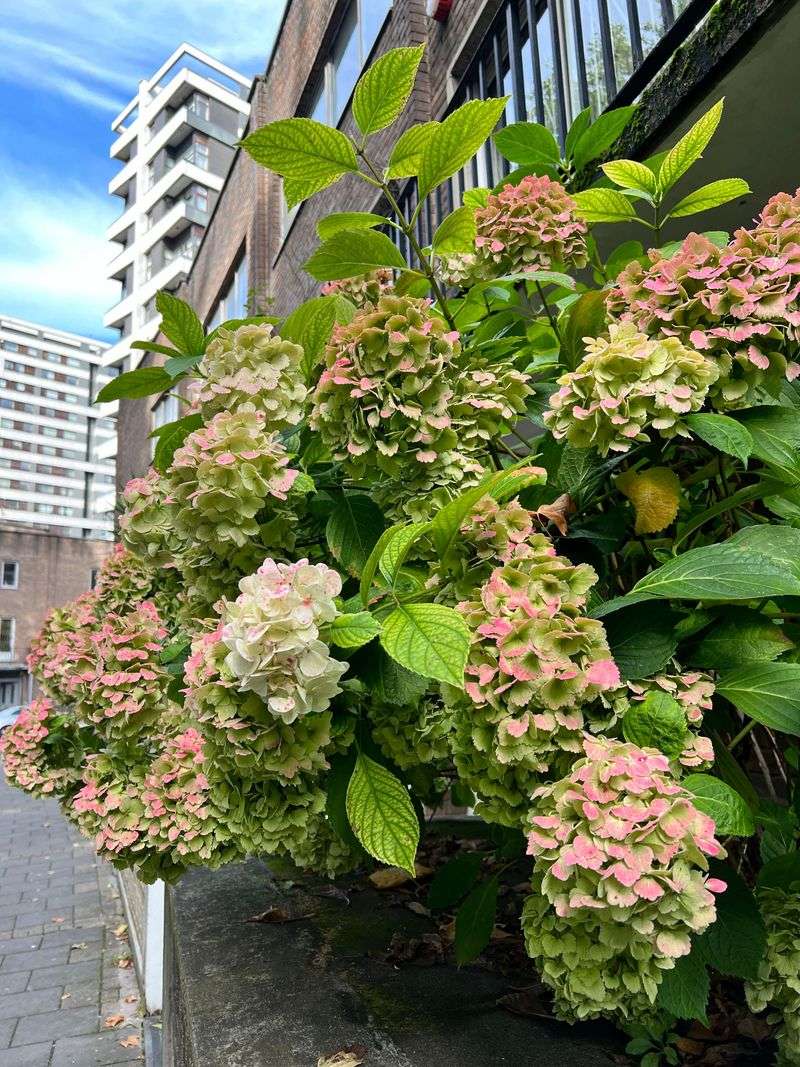
Most gardeners water when it feels convenient, not when it is actually smart. That small habit makes a massive difference for hydrangeas during a heat wave.
Hydrangeas are dramatic plants by nature. They wilt fast, recover slowly, and respond strongly to when and how you water them.
Timing your watering is not just a gardening tip. It is the foundation of keeping these plants alive through extreme summer temperatures.
New York summers have felt hotter and longer in recent years, according to many gardeners, with heat waves sometimes stretching well beyond a few days.
Your hydrangeas are working overtime to survive. Their roots are pulling moisture from soil that may already be baking dry from above.
When you add water at the wrong time, you are not helping. You are stacking another stressor on top of an already struggling plant.
Think of it this way: watering at the wrong hour is like giving someone a cold shower in a sauna. The shock can cause more harm than the heat itself.
The worst time to water hydrangeas during a heat wave is not random. It follows the sun, the soil temperature, and the science of how plants breathe.
Understanding this timing does not require a botany degree. It just requires knowing a few simple facts about how your plants work in extreme heat.
Once you get the timing right, everything else about summer hydrangea care becomes much easier to manage.
The Worst Time Of Day To Water During A Heat Wave
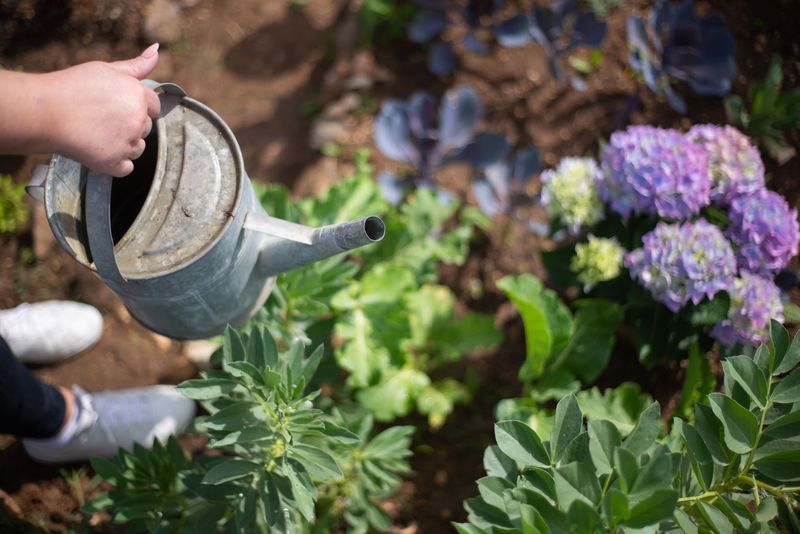
Put the hose down. If the clock reads anywhere between 10 a.m. and 4 p.m., step away from your garden.
Midday is the worst time to water hydrangeas during a heat wave, full stop. The sun is at peak intensity, and the soil surface can reach temperatures that shock tender roots.
Water applied at noon evaporates before it ever reaches the root zone. You end up wasting water and giving your plant no benefit from the effort.
Droplets that land on leaves during midday sun can trap heat against the surface, contributing to leaf damage over time.
Your New York Garden Changes Every Week. Your Plan Should Too.
Gardening in New York changes quickly throughout the season. Every Friday you’ll receive a simple weekly plan showing exactly what to plant, prune, fertilize, harvest, and protect so you never miss the right timing.
New York heat waves can often push temperatures past 95 degrees by early afternoon. At that point, the air itself is pulling moisture out of the soil faster than you can replace it.
Watering during this window also raises humidity around the leaves. That trapped moisture invites fungal problems that hydrangeas are already prone to developing.
Some gardeners see wilting leaves at noon and panic, thinking the plant is desperate for water. But midday wilting is often a self-protective response, not a cry for immediate hydration.
Hydrangeas close their leaf pores during peak heat to slow water loss. Adding water at that moment does not open those pores back up.
The plant cannot absorb what you are offering when it is in stress mode. Patience is the smarter choice here, not a second trip with the hose. Wait it out, and water correctly once the sun drops lower in the sky.
Understanding Why Midday Watering Backfires
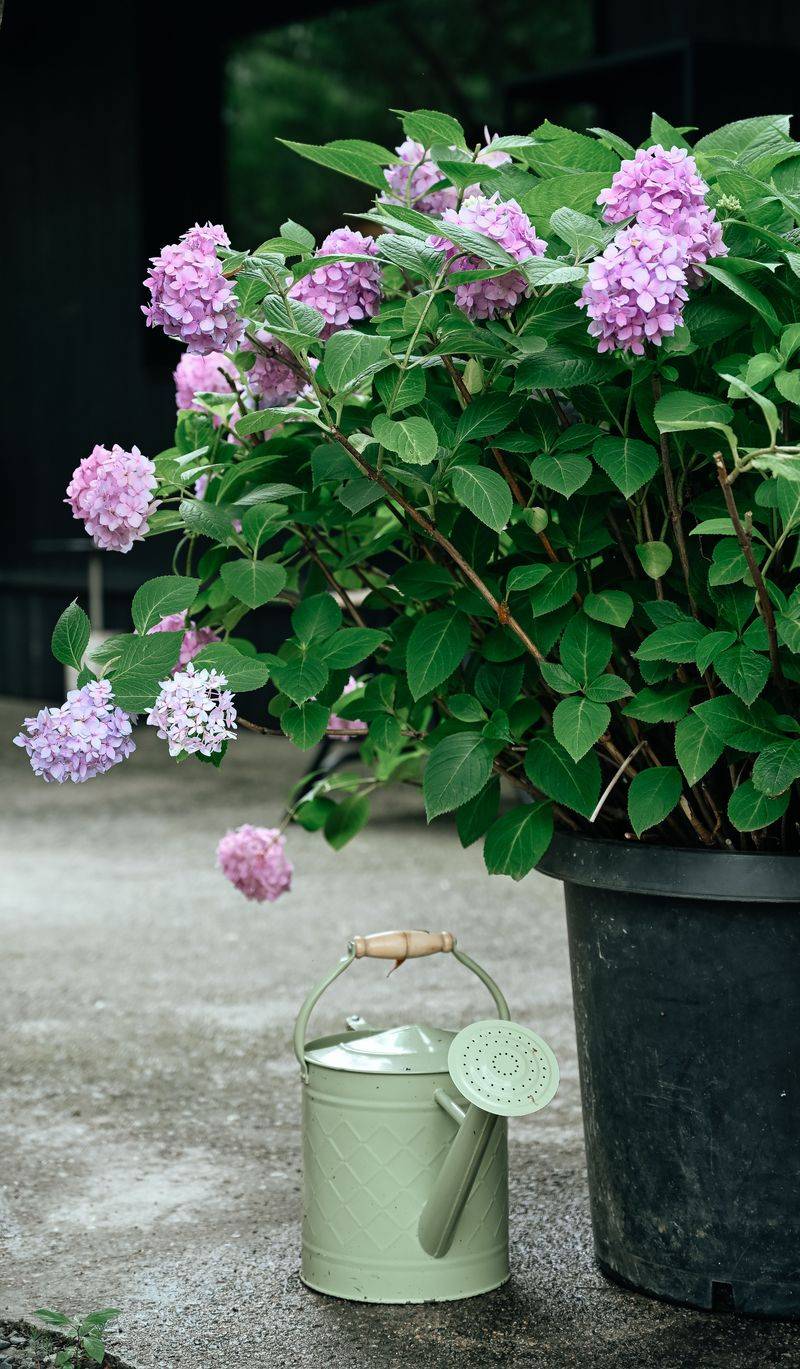
Science backs this up, and it is not complicated. Soil temperature during midday in a heat wave can climb well above what roots can comfortably tolerate, sometimes reaching well over 100 degrees Fahrenheit at the surface.
When you pour cool water onto superheated soil, you create a steam effect. That steam rises through the root zone and can damage the fragile feeder roots your hydrangea depends on.
Roots are not built for sudden temperature swings. They prefer consistent, stable conditions, and midday watering during extreme heat delivers the opposite of that.
The water you add also competes with evaporation rates that skyrocket in afternoon sun. Some university extension research suggests midday evaporation rates can be significantly higher than morning rates.
Your hydrangea ends up getting a fraction of the moisture you intended to deliver. The rest disappears into the air within the first hour.
There is also a soil chemistry issue at play. Hot, dry soil becomes hydrophobic, meaning it actually repels water instead of absorbing it.
Water poured onto hydrophobic soil runs off the surface without penetrating. It pools around the base and then evaporates, leaving roots just as dry as before.
Leaf scorch is another consequence of midday watering. Wet leaves under direct sun can develop brown, papery edges that weaken the plant over time.
Once leaf scorch sets in, the plant loses its ability to photosynthesize efficiently. That slows recovery and makes the next hot day even harder to survive. Avoiding midday watering is the simplest fix with the biggest payoff for your garden.
Finding The Best Time To Water For Healthy Roots
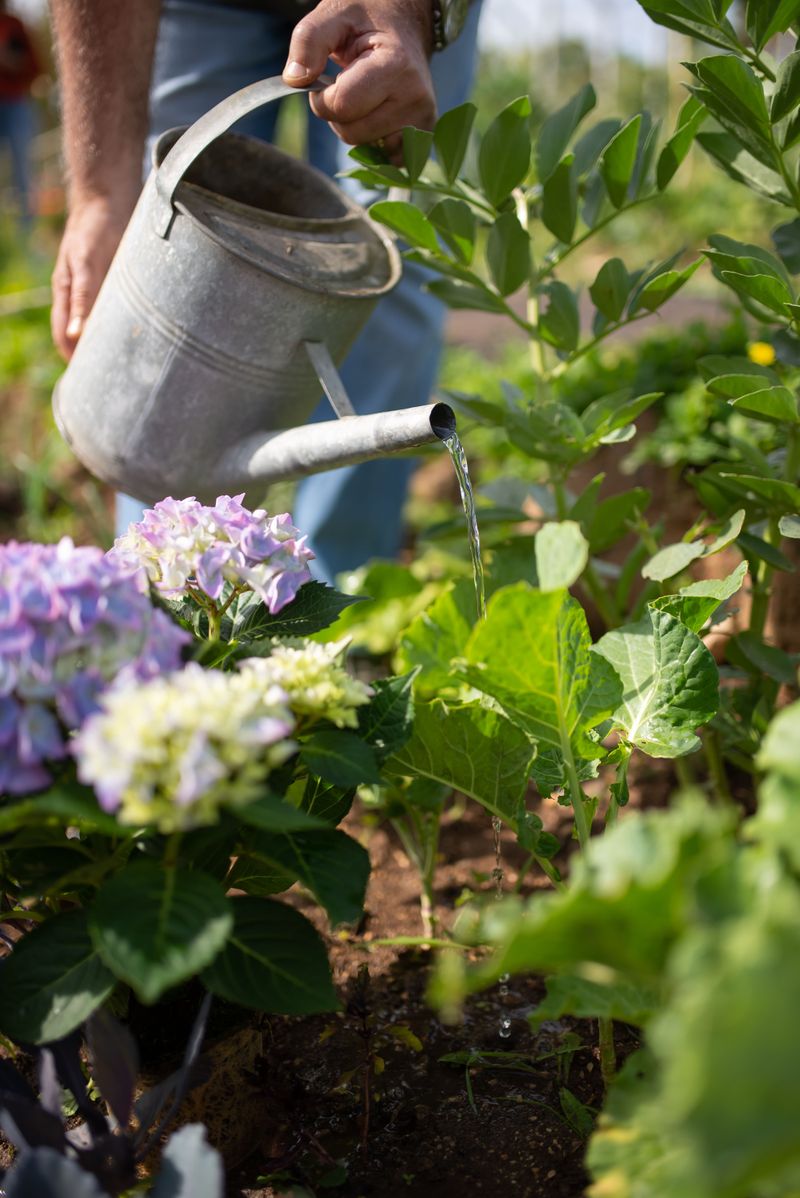
Early morning is your best friend when it comes to hydrangea watering. Aim for anywhere between 5 a.m. and 9 a.m. for maximum benefit.
Soil temperatures are at their coolest in the morning hours. Water soaks in slowly and deeply, reaching the root zone before the sun has a chance to pull it back out.
Morning watering also gives leaves time to dry before noon. Dry foliage heading into peak sun hours means far less risk of fungal growth or scorch damage.
If mornings are not realistic for your schedule, early evening is your second-best option. Aim for between 5 p.m. and 7 p.m. when the sun begins to lose its intensity.
Evening watering carries a small trade-off: leaves may stay wet overnight. In humid New York summers, that moisture can encourage powdery mildew if you are not careful.
To reduce that risk, water at the base of the plant rather than overhead. A soaker hose or drip system keeps moisture where it belongs, at the roots.
Deep, slow watering is always more effective than a quick splash. Hydrangeas prefer moisture that penetrates at least six to eight inches into the soil.
Shallow watering trains roots to stay near the surface, where they are most vulnerable to heat. Deep watering encourages roots to grow downward into cooler, more stable soil layers.
Getting your timing right is just one part of the equation. How you water matters just as much as when you choose to do it.
Spotting Signs Your Hydrangeas Are Heat Stressed
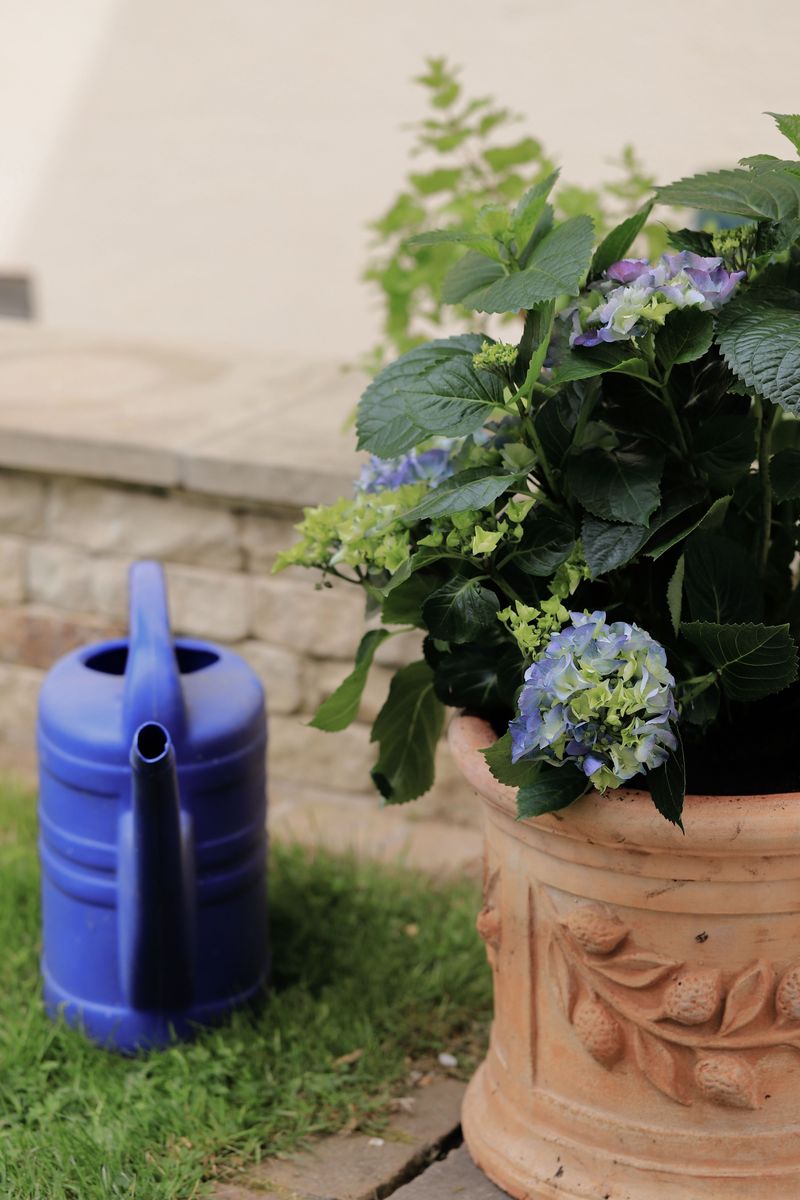
Drooping blooms at noon do not always mean your plant is thirsty. Learning to read the difference between heat stress and dehydration is a game-changer.
Heat-stressed hydrangeas wilt in the afternoon but often bounce back on their own by evening. If the plant perks up after sunset, it was reacting to temperature, not a lack of water.
A truly dehydrated plant stays limp even after the sun goes down. That is your real signal to water, but only once temperatures have dropped enough to allow proper absorption.
Check the soil before you reach for the hose. Push your finger two inches into the ground near the base of the plant.
If the soil feels moist at that depth, the plant does not need more water yet. If it feels dry and crumbly, morning watering is overdue.
Yellowing leaves can signal overwatering just as easily as underwatering. Midday watering that causes runoff without absorption can lead to boggy soil that deprives roots of oxygen.
Brown leaf edges that feel crispy are a classic sign of scorch, often caused by wet leaves in direct sun. Those edges will not green up again, but new healthy growth can still emerge.
Flower heads that turn brown and papery before their season ends are another stress indicator. These blooms are sacrificed by the plant to conserve energy for root survival.
Knowing these signs helps you respond with precision instead of panic. The worst time to water hydrangeas is always when you are reacting out of fear instead of observation.
Building Simple Watering Habits To Get Through A Heat Wave
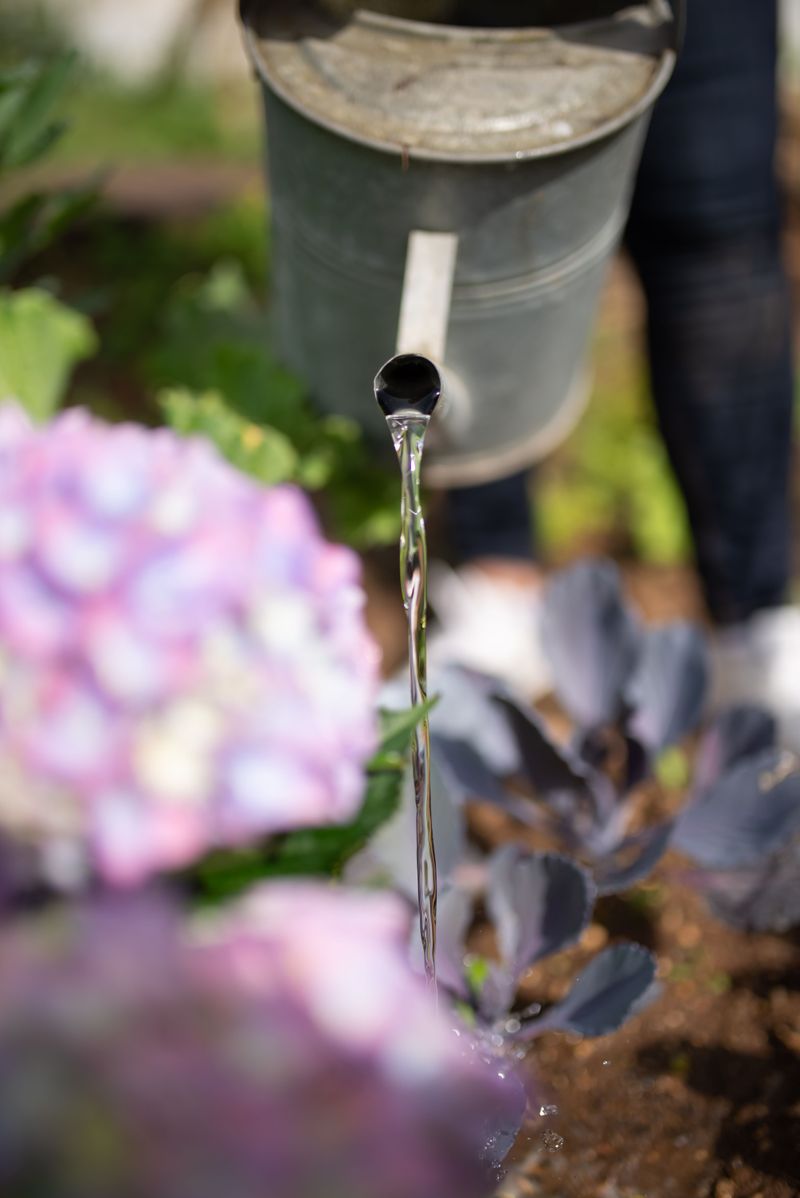
Consistency beats intensity every single time when it comes to summer watering routines. Setting a simple schedule removes the guesswork and protects your plants automatically.
Start by checking the forecast each morning during a heat wave. If temperatures are expected to exceed 90 degrees, consider giving your hydrangeas deep watering before 9 a.m.
Add a thick layer of mulch around the base of each plant. Two to three inches of organic mulch can meaningfully reduce soil moisture loss during peak heat.
Wood chips, shredded bark, or straw all work well for this purpose. Keep the mulch a few inches away from the main stem to prevent rot from developing there.
A soaker hose on a timer is one of the smartest investments a hydrangea gardener can make. Set it to run between 6 a.m. and 8 a.m. and let the system handle the rest.
During a heat wave lasting more than three days, check soil moisture daily. Even well-mulched beds can dry out faster than expected when temperatures stay extreme.
Avoid fertilizing during a heat wave entirely. Fertilizer pushes new growth, and new growth demands water that stressed roots cannot deliver efficiently.
Group your watering tasks together so you are not tempted to do a quick midday splash out of worry. Trust your morning routine and let it do the work.
Healthy hydrangea habits built before a heat wave arrives make the worst days manageable. Remember: the worst time to water hydrangeas is midday, so protect your mornings fiercely.